The United States Medical Licensing Examination (USMLE) is a famous three-step standardized examination that medical students and graduate doctors must pass in order to obtain a clinical practice license to practice medicine in the United States of America.
The exam is designed to assess and evaluate a physician’s ability to apply clinical knowledge, health concepts, and principles that are important for the effective patient care and the practice of medicine in healthcare settings.
Here’s a brief overview of the three steps:
USMLE Step 1:
This step focuses on the basic sciences that form the foundation of medical practice, including anatomy, biochemistry, physiology, pharmacology, microbiology, pathology, and behavioral sciences.
It is typically taken after the second year of medical school.
USMLE Step 2:
Divided into two parts:
Step 2 CK (Clinical Knowledge): Tests clinical knowledge through multiple-choice questions covering internal medicine, surgery, pediatrics, psychiatry, obstetrics and gynecology, and other specialties.
Step 2 CS (Clinical Skills): This component was previously used to assess clinical skills through patient interactions, but it has been permanently discontinued as of January 2021.
Step 2 CK is usually taken during the fourth year of medical school.
USMLE Step 3:
Focuses on clinical management and the ability to apply medical knowledge in patient care scenarios.
It is usually taken during or after the first year of residency.
Passing all three steps of the USMLE is a requirement for obtaining a medical license in the U.S. and is often necessary for international medical graduates (IMGs) who wish to practice in the country.
UWorld is a popular online test preparation platform that provides practice questions and study resources for various standardized exams, particularly in the medical field. It is widely used by medical students and professionals to prepare for the United States Medical Licensing Examination (USMLE), as well as other exams like the NCLEX for nursing, the SAT, ACT, and more.
Here’s why UWorld is highly regarded:
High-Quality Practice Questions:
UWorld is known for offering an extensive bank of questions that are often considered more challenging and in-depth than the actual exams. This helps students to be well-prepared for the types of questions they might encounter on test day.
The questions are designed to mimic the format and style of those found on the USMLE and other exams.
Detailed Explanations:
Each question is accompanied by a thorough explanation of both the correct and incorrect answers, helping users to understand the underlying concepts and reasoning.
These explanations often include diagrams, charts, and references to medical literature, making it a comprehensive learning tool.
Performance Analytics:
UWorld provides users with detailed performance analytics, allowing them to track their progress, identify weak areas, and focus their studies accordingly.
Customization and Flexibility:
Users can customize their practice sessions by selecting specific topics, adjusting the difficulty level, and timing their sessions to simulate real exam conditions.
Overall, UWorld is considered an essential resource for students preparing for the USMLE and other standardized tests, due to its rigor and the quality of its content.
Why is UWorld important for medical students?
UWorld is considered essential for medical students, particularly those preparing for the USMLE, for several reasons:
1. High-Yield Content
UWorld focuses on the most important and frequently tested topics, often referred to as “high-yield” material. This helps students concentrate on the areas that are most likely to appear on their exams.
2. Realistic Exam Simulation
The questions in UWorld are designed to closely resemble the style, format, and difficulty level of the actual USMLE exams. This gives students a realistic practice experience, reducing surprises on test day.
3. Deep Understanding of Concepts
UWorld’s detailed explanations for each question not only clarify the correct answer but also cover why other options are incorrect. This fosters a deeper understanding of medical concepts, which is crucial for both exams and clinical practice.
4. Performance Tracking
UWorld provides robust analytics that allow students to track their progress, see how they perform compared to peers, and identify strengths and weaknesses. This data-driven approach helps in creating a focused study plan.
5. Integration of Knowledge
The questions often require integration of knowledge across different medical disciplines, reflecting how medicine is practiced in real life. This not only prepares students for the exam but also for their future roles as physicians.
6. Adaptability and Customization
UWorld allows students to customize their practice by selecting specific subjects or systems, adjusting question difficulty, and creating timed or untimed practice sessions. This flexibility is valuable for tailoring study sessions to individual needs.
7. Confidence Building
Regular practice with UWorld helps build confidence by familiarizing students with the exam format and improving their test-taking strategies, time management, and critical thinking skills.
8. High Success Rates
Many top-performing medical students attribute their success on the USMLE to consistent practice with UWorld. It’s often recommended by medical schools and peers as one of the most effective study tools available.
In summary, UWorld is important for medical students because it provides a comprehensive, realistic, and effective means of preparing for the USMLE and other critical exams, ultimately helping them achieve better scores and a stronger foundation in medical knowledge.Is Uworld important for USMLE?
(ads1)
What other examinations is UWorld important for?
UWorld is widely used for preparing for several important examinations across different fields, in addition to the USMLE. Here are some of the key exams where UWorld is particularly valuable:
1. NCLEX (National Council Licensure Examination)
Audience: Nursing students
Importance: UWorld provides a robust question bank for both the NCLEX-RN (Registered Nurse) and NCLEX-PN (Practical Nurse) exams. The platform is known for its realistic practice questions, detailed rationales, and performance tracking, which are crucial for nursing students aiming to pass their licensure exams.
2. SAT and ACT
Audience: High school students applying to college
Importance: UWorld offers comprehensive preparation resources for both the SAT and ACT, focusing on practice questions, explanations, and strategies that help students perform well on these college entrance exams.
3. MCAT (Medical College Admission Test)
Audience: Pre-medical students
Importance: UWorld’s MCAT resources include a vast array of practice questions that cover the exam’s content areas, such as biology, chemistry, physics, psychology, and critical analysis. The detailed explanations help students grasp complex concepts necessary for medical school admission.
4. ABIM (American Board of Internal Medicine)
Audience: Internal medicine residents and physicians
Importance: UWorld is a key resource for those preparing for the ABIM certification and recertification exams, offering practice questions that cover a wide range of internal medicine topics.
5. PANCE (Physician Assistant National Certifying Exam)
Audience: Physician assistant students
Importance: UWorld provides practice materials for the PANCE, helping PA students prepare for their certification exam with questions that mimic the exam’s content and format.
6. COMLEX-USA (Comprehensive Osteopathic Medical Licensing Examination)
Audience: Osteopathic medical students
Importance: UWorld is used by osteopathic students preparing for the COMLEX-USA, offering practice questions that cover the exam’s specific focus on osteopathic principles and practice, along with general medical knowledge.
7. CPA (Certified Public Accountant) Exam
Audience: Aspiring accountants
Importance: UWorld, through its acquisition of Roger CPA Review, provides a comprehensive set of resources for CPA exam preparation, including practice questions, study materials, and exam simulations.
8. LSAT (Law School Admission Test)
Audience: Aspiring law students
Importance: UWorld offers practice questions and explanations for the LSAT, helping students improve their logical reasoning, analytical thinking, and reading comprehension skills, which are essential for law school admission.
9. Step 1 and Step 2 CK for International Medical Graduates (IMGs)
Audience: International medical graduates
Importance: IMGs often use UWorld to prepare for the USMLE Step 1 and Step 2 CK as part of their process to qualify for medical residency programs in the United States.
UWorld’s high-quality, exam-specific resources make it a critical tool for students and professionals across these various fields, helping them to achieve the scores they need for success in their respective exams.
What are the Alternatives to Uworld?
Here are ten popular medical exam preparation platforms, ranked based on user numbers and ratings:
UWorld – UWorld remains the gold standard for USMLE preparation with its extensive question bank and detailed explanations, closely mimicking the exam format. It’s highly rated for its effectiveness. Alternative to UWorld is UWorld itself.
AMBOSS – Known for its comprehensive library and integrated clinical knowledge base, AMBOSS is popular for both USMLE and clinical rotations. It provides a deep, interconnected learning experience.
Kaplan Medical – A long-standing name in test preparation, Kaplan offers comprehensive resources, including live lectures, question banks, and detailed review books, making it a go-to for many students.
Boards & Beyond – This platform offers extensive video lectures that cover basic and clinical sciences in a way that’s easy to understand, making it a top choice for many students.
SketchyMedical – Famous for its unique visual learning approach, SketchyMedical uses storytelling and memorable images to help students retain information, especially in pharmacology and microbiology.
OnlineMedEd – Focused on clinical rotations, OnlineMedEd offers concise video lectures and practice questions, although it’s generally considered a supplement rather than a primary resource for board exams.
Pathoma – Particularly strong in pathology, Pathoma’s video lectures and book are often cited as essential resources for mastering pathology concepts, with a focus on high-yield topics.
Lecturio – This platform provides a wide range of video lectures, quizzes, and medical textbooks. It’s known for its structured curriculum and extensive content coverage.
USMLE-Rx – Created by the authors of “First Aid for the USMLE Step 1,” USMLE-Rx integrates high-yield notes with questions that reinforce key concepts, making it a solid preparatory tool.
Quizlet – While not exclusively for medical students, Quizlet is widely used for creating and sharing flashcards. It’s a versatile tool, though it requires careful curation of content to match study goals.
These platforms vary in their strengths, with UWorld and AMBOSS leading in user base and ratings for their comprehensive approach to medical exam preparation.
Ten more notable medical exam preparation platforms:
Osmosis – A platform that offers video lectures, flashcards, and quizzes designed to help students retain information through spaced repetition and active recall.
First Aid for the USMLE – While primarily a book, First Aid is often paired with other resources like UWorld or USMLE-Rx. It’s a must-have for Step 1 prep, covering high-yield topics.
Anki – An open-source flashcard app, Anki is widely used in medical education due to its customizable flashcards and spaced repetition algorithm.
Firecracker – A comprehensive learning platform that integrates spaced repetition with a robust question bank and high-yield content for medical exams.
MedQuest – Known for its “Question Lab” and video lectures, MedQuest focuses on high-yield topics and is a great supplement for those needing extra review.
Rosh Review – Popular among students preparing for the USMLE, COMLEX, and other board exams, Rosh Review offers practice questions with detailed explanations.
Picmonic – Like SketchyMedical, Picmonic uses mnemonic cartoons to help students remember medical facts, focusing on visual learning.
ExamGuru – This platform offers question banks tailored to USMLE Step 1 and Step 2 CK, with a focus on practice questions and explanations.
Becker – Provides comprehensive review courses, including live classes and study materials, known for its structured approach to USMLE preparation.
Kaplan Qbank – A subset of Kaplan Medical, the Kaplan Qbank offers a vast array of practice questions that simulate the USMLE exam, focusing on exam strategy and timing.
These platforms offer various strengths, from question banks to video lectures and interactive learning tools, catering to different study preferences.
Here are 50 additional medical exam preparation resources, including apps, platforms, and tools that are widely used in the medical education community:
PassMedicine – A popular resource in the UK, offering question banks for exams like MRCP and medical finals.
MedBullets – A community-driven resource with question banks, videos, and study notes, particularly strong in orthopedic and radiology topics.
Zanki Step 1 Deck – A comprehensive Anki deck widely used for USMLE Step 1 prep, focusing on high-yield topics.
Goljan Audio Lectures – Classic audio lectures on pathology by Dr. Edward Goljan, still revered by many medical students.
Boards Boot Camp – Offers intensive review courses for Step 1 and Step 2, focusing on high-yield content.
Rx Bricks by USMLE-Rx – Modular learning system with short, interactive lessons based on “First Aid for the USMLE Step 1.”
Doctors in Training (DIT) – Provides video lectures and quizzes, focusing on integrating knowledge for Step 1 and Step 2.
Memorang – An adaptive learning platform with flashcards and quizzes, designed to help students retain medical knowledge.
Lecturio Anki Add-on – Integrates Lecturio’s content with Anki’s spaced repetition system.
Kaplan Step 2 CK Qbank – Specific to Step 2 CK, offering a vast array of practice questions with detailed explanations.
UptoDate – A clinical decision support tool frequently used by medical students and professionals to stay current on medical topics.
Brainscape – A flashcard platform that uses spaced repetition, popular for its user-friendly interface and extensive medical content.
Osmosis Prime – A premium version of Osmosis offering additional features like study schedules and access to a broader content library.
MedCram – Offers concise video lectures on medical topics, focusing on concepts that are often tricky for students to understand.
ClinicalKey Student – An extensive library of medical textbooks and resources for students, offered by Elsevier.
Cram Fighter – A study planning tool that helps students create and manage study schedules for exams like the USMLE.
Firecracker MD – Another version of Firecracker, designed specifically for medical students with more advanced features.
PeerWise – A collaborative platform where students create and share multiple-choice questions.
ExamKrackers – Popular for MCAT prep, but also used by some students for foundational sciences.
Netter’s Anatomy Flash Cards – Flashcards based on the famous Netter’s Atlas of Human Anatomy, widely used for anatomy review.
Langman’s Medical Embryology Review – A resource dedicated to the embryology section of medical exams, including the USMLE.
Quesmed – An online question bank for UK medical exams like the MRCP, offering detailed explanations and study notes.
Clutch Prep – A resource offering video tutorials and guides for challenging medical school topics.
Medical School Companion – Provides resources and mentoring for medical students, including video lectures and quizzes.
Brosencephalon Anki Deck – Another popular Anki deck for USMLE prep, focusing on high-yield topics and concise information.
KenHub – A resource specializing in anatomy, offering video tutorials, quizzes, and detailed diagrams.
YouTube Channels – Channels like “Khan Academy Medicine,” “Armando Hasudungan,” and “Dirty Medicine” offer free video tutorials on various medical topics.
Pixorize – Similar to SketchyMedical, using visual mnemonics to help with memorization, particularly for biochemistry and immunology.
Radiopaedia – A comprehensive resource for radiology, with case studies, articles, and a vast image library.
Amboss’ Anki Integration – An add-on that integrates Amboss’ explanations directly into your Anki cards.
Case Files Series – Books that present clinical cases followed by questions and discussions, used for both study and practice.
VisualDx – A diagnostic support tool with a vast image library, useful for both studying dermatology and other visual fields.
SmartyPANCE – A review resource specifically for Physician Assistant National Certifying Exam (PANCE) preparation.
OnlineMedEd Clinical Cases – A supplement to the OnlineMedEd platform, focusing on case-based learning.
Essential Anatomy 5 – A 3D anatomy app used by medical students for visualizing anatomical structures.
Quizlet Premium – An upgraded version of Quizlet with advanced features, including enhanced study modes and analytics.
Dr. Najeeb Lectures – Known for his in-depth video lectures covering basic and clinical sciences.
MedShr – A social network for doctors that also offers case-based learning, used for both study and professional development.
AnatomyZone – A free resource offering video tutorials on human anatomy, widely used by medical students.
MSD Manual Professional Edition – The professional version of the Merck Manual, offering detailed information on medical conditions.
Examville – An online platform offering practice exams and study guides for various medical exams.
Epocrates Plus – The premium version of Epocrates, offering additional tools for medical students and professionals.
Pathoma’s Anki Deck – An Anki deck designed to complement the Pathoma textbook and video series.
Surgical Recall – A book series that uses a question-and-answer format to cover surgical topics, widely used by medical students.
Figure 1 – A social media app for doctors that allows the sharing of medical images and cases, also used for study purposes.
SpacedRepetition.com – A tool designed to help students implement spaced repetition into their study schedules.
NBME Self-Assessments – Official practice exams provided by the National Board of Medical Examiners, used to simulate the USMLE.
Lecturio’s Question Bank – Offers an extensive question bank designed to be used alongside Lecturio’s video lectures.
OnlineUSMLE – A resource offering practice questions, video lectures, and study materials for the USMLE.
MedExamExpert – Provides comprehensive review courses and study guides for various medical exams.
These resources cover a wide range of study methods and formats, from traditional question banks and flashcards to more interactive and visual learning tools.
What are best preparation materials for NCLEX RN examination ?
Preparing for the NCLEX (National Council Licensure Examination) involves using a range of resources to ensure a thorough understanding of the material and exam format. Here are some popular and effective preparation resources for NCLEX:
1. UWorld
Content: Extensive question bank with detailed rationales, practice exams, and performance analytics.
Features: Realistic questions, customizable practice sessions, and detailed explanations to help with understanding concepts.
2. Kaplan NCLEX
Content: Practice questions, review books, and test-taking strategies.
Features: Diagnostic exams, interactive Qbank, video tutorials, and live or on-demand classes.
3. Hurst Review
Content: Review courses, study guides, and practice questions.
Features: Comprehensive content review, live webinars, and online resources designed to reinforce nursing concepts.
4. Saunders Comprehensive Review for the NCLEX-RN® Examination
Content: Review book with practice questions and comprehensive content coverage.
Features: Includes a question bank online, detailed rationales, and test-taking strategies.
5. NCLEX Mastery
Content: Mobile app with practice questions, quizzes, and study resources.
Features: Detailed rationales, customizable quizzes, and study reminders.
6. ATI (Assessment Technologies Institute)
Content: Review books, practice exams, and online resources.
Features: Test preparation courses, interactive Qbanks, and comprehensive review materials.
7. Remar Review
Content: Review courses, study guides, and practice questions.
Features: Video tutorials, live webinars, and review books focusing on core content areas and test strategies.
8. Nursing.com
Content: Study guides, practice questions, and video lessons.
Features: Comprehensive study plans, detailed explanations, and a variety of practice questions.
9. Lippincott’s NCLEX-RN PassPoint
Content: Practice questions, study tools, and test-taking strategies.
Features: Interactive Qbank, customizable quizzes, and detailed rationales.
10. Mosby’s Comprehensive Review of Nursing for the NCLEX-RN® Examination
Content: Review book with practice questions and detailed rationales.
Features: Includes CD-ROM with additional practice questions and interactive content.
11. NCLEX-RN Exam Cram
Content: Review book with practice questions and test-taking strategies.
Features: Practice exams, review sections, and test-taking tips.
12. Study Guides and Flashcards
Content: Various study guides and flashcards available in print and digital formats.
Features: Quick reviews, key concept summaries, and practice questions.
13. Online Forums and Study Groups
Content: Discussion boards, peer support, and shared study materials.
Features: Collaborative learning, tips from others who have recently taken the exam, and shared resources.
Combining several of these resources can provide a well-rounded preparation strategy, addressing different learning styles and reinforcing key concepts needed to pass the NCLEX.
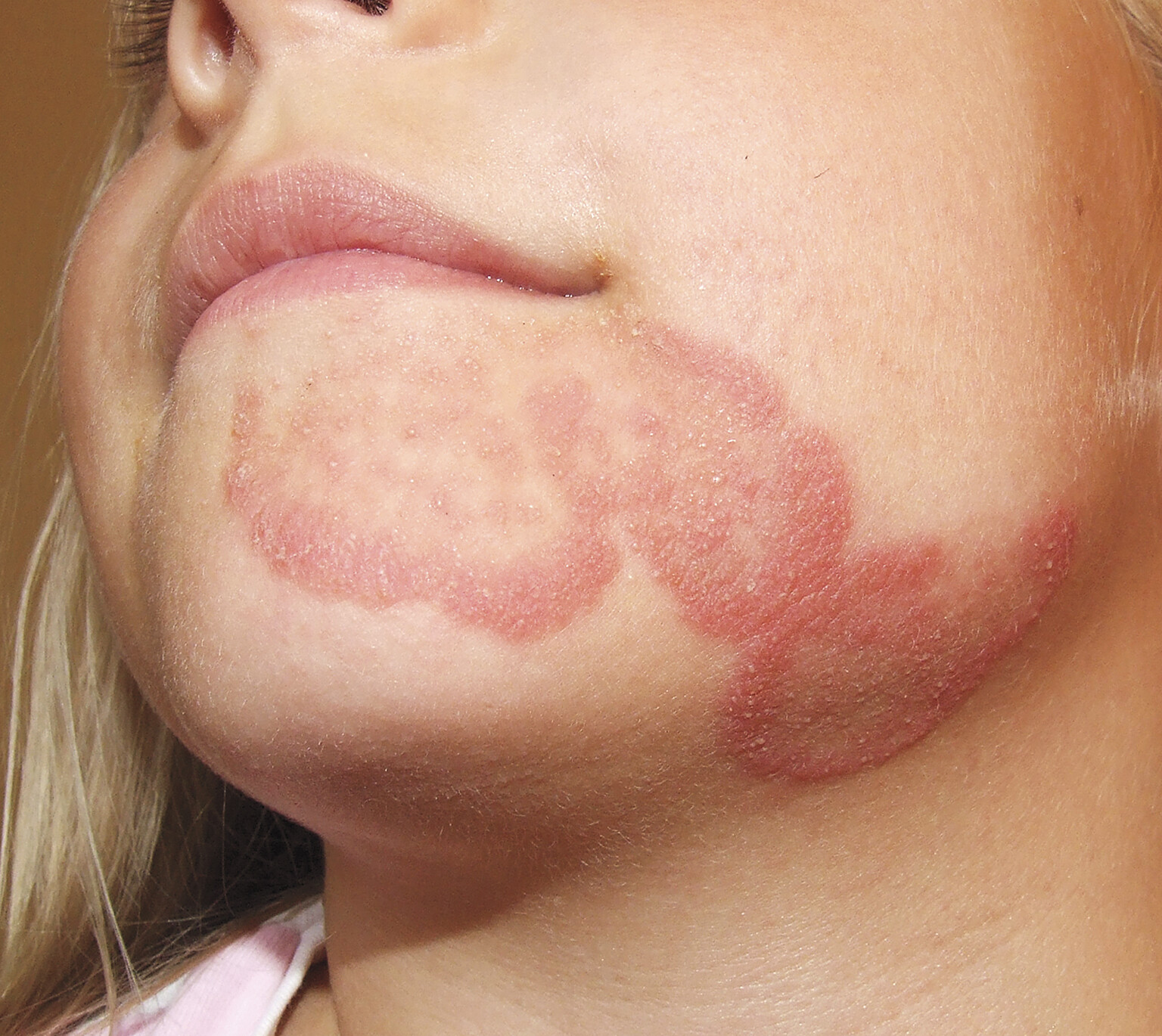
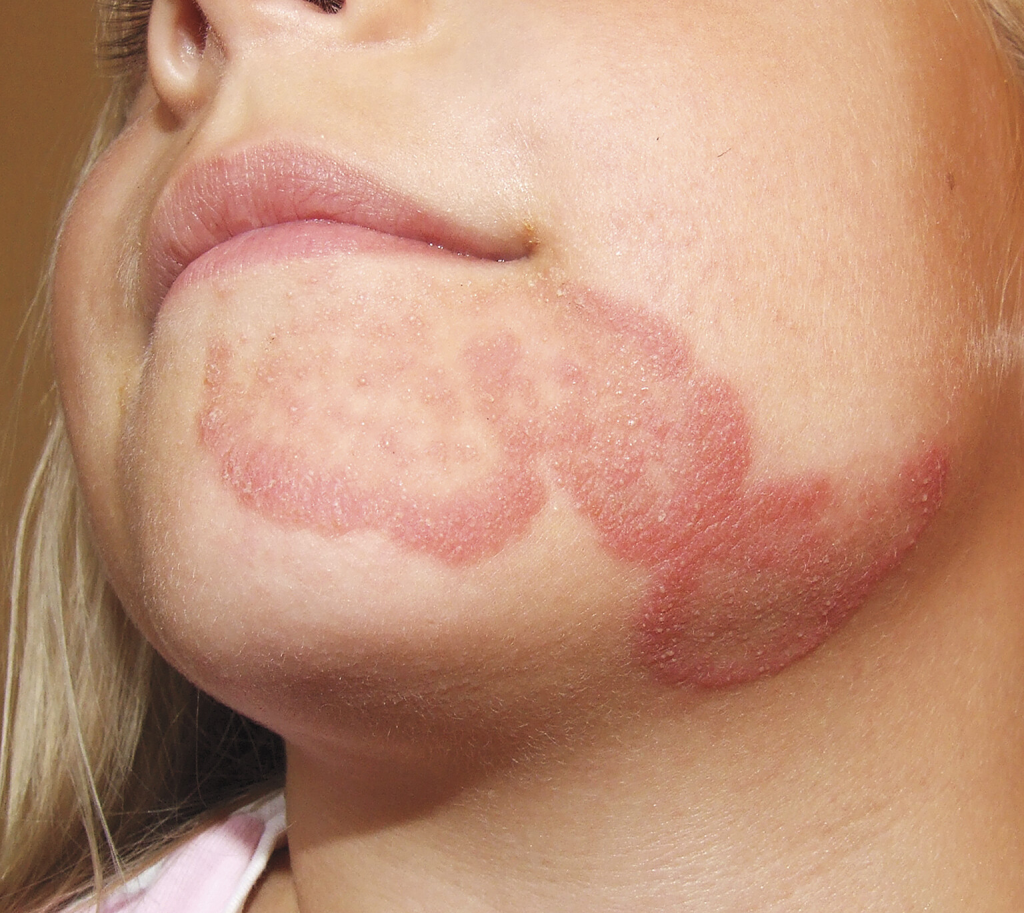
It is infection of face with a dermatophyte fungus. It does not include infection of beard and moustache area, which is called tinea barbae. Tinea faciei is uncommon and often misdiagnosed at first.
What causes tinea faciei?
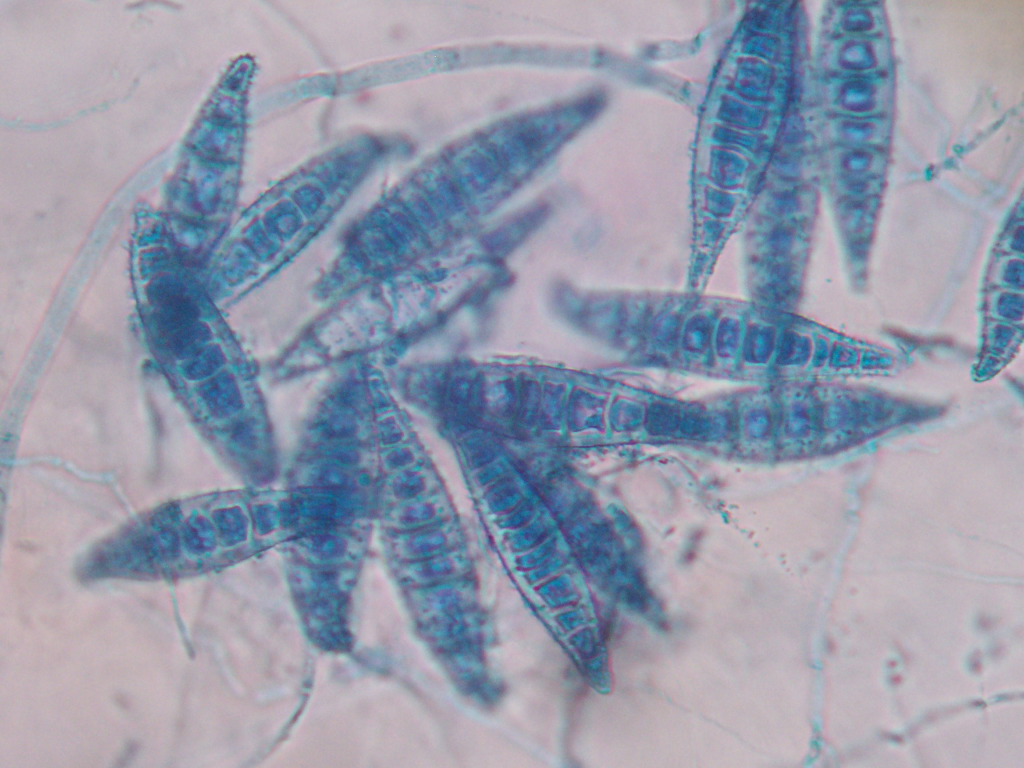
Tinea faciei can be due to an anthropophilic (human) fungus such as Trichophyton rubrum (T rubrum). Infection often comes from the feet (tinea pedis) or nails (tinea unguium) originally. Zoophilic (animal) fungi such as Microsporum canis (M canis) is acquired from cats and dogs, and T verrucosum, from farm cattle, are also common.
How is tinea faciei diagnosed?
Tinea faciei resembles tinea corporis (ringworm). It may be acute (sudden onset and rapid spread) or chronic (slow extension of a mild, barely inflamed, rash). There are round or oval red scaly patches, often less red and scaly in the middle or healed in the middle. Lesions are usually asymmetric and it is often unilateral. It is frequently aggravated by sun exposure. It may presenta as kerion (fungal abscess).
What should we care if we have tinea faciei?
It is essential to look for and treat tinea infection elsewhere (look at the feet, groins, and nails) and in a suspected zoophilic infection, identify, isolate and treat the source animal.
Tumor markers are soluble glycoproteins that are found in the blood, urine, or tissues of patients with certain types of cancer.
They are used to help diagnose cancer, monitor treatment, and check for recurrence.
Where do tumor markers come from ?
They are typically produced by tumor cells, but in some cases they may be produced by the body in response to malignancy or to certain benign conditions.
Not all tumors or cancers give tumor markers but some may. They sometimes may not necessarily be produced due to cancer but by normal condition or tissue as well.
What the common tumor markers and what are they used to diagnose ? List
Here are some common tumor markers and the types of cancer they are associated with:
Prostate-Specific Antigen (PSA) –
Used primarily to diagnose and monitor prostate cancer.
CA 125 (Cancer Antigen 125) –
Used mainly for ovarian cancer diagnosis and monitoring, though it can also be elevated in other conditions.
Carcinoembryonic Antigen (CEA) –
Often used in the management of colorectal cancer, but can also be elevated in cancers of the lung, breast, pancreas, and stomach.
CA 19-9 (Cancer Antigen 19-9) –
Primarily used for pancreatic cancer diagnosis and monitoring, and sometimes for gastrointestinal cancers.
Not all tumors or cancers give tumor markers but some may. They sometimes may not necessarily be produced due to cancer but by normal condition or tissue as well.
Alpha-Fetoprotein (AFP) –
Used to diagnose and monitor liver cancer (hepatocellular carcinoma) and germ cell tumors, such as testicular cancer.
Beta-Human Chorionic Gonadotropin (β-hCG) –
Used to diagnose and monitor germ cell tumors, including testicular and ovarian cancers.
HER2/neu –
Not a traditional marker in blood tests, but a protein overexpressed in some breast cancer cells; it is used to guide treatment decisions for HER2-positive breast cancers.
BRCA1 and BRCA2 –
Genetic mutations rather than traditional markers, these are used to assess risk for breast and ovarian cancers.
Calcitonin –
Elevated levels can indicate medullary thyroid cancer.
S100 –
Used primarily to monitor melanoma.
These markers are most effective when used alongside other diagnostic tools, as they can sometimes be elevated in non-cancerous conditions or not elevated in all cases of cancer.
Some MCQs with solution in Pathophysiology/ Oncology
Some MCQs with solution in Pathophysiology/ Oncology
(toc) Table of Contents
Question No 1
Following routine colonoscopy screening, a client is told that he had several polyps removed. The client began crying stating, “I just can’t deal with cancer. I’m too young.” The nurse responds:
A) “Don’t worry. We have some great cancer doctors on staff. I’m sure chemo will help you fight it.”
B) “Maybe if you’re lucky, they have stopped it from metastasizing to your liver.”
C) “A simple intestinal surgery will cure you.”
D) “Most colon polyps are not cancerous. The biopsy results will direct your care.”
Question No 2
A lung biopsy and magnetic resonance imaging have confirmed the presence of a benign lung tumor in a client. Which of the following characteristics is associated with this client’s neoplasm?
A) The tumor will grow by expansion and is likely encapsulated.
B) The cells that constitute the tumor are undifferentiated, with atypical structure.
C) If left untreated, the client’s tumor is likely to metastasize.
D) The tumor is likely to infiltrate the lung tissue that presently surrounds it.
Question No 3
A newly diagnosed lung cancer client asks how his tumor spread (metastasized) so fast without displaying many signs/symptoms. The nurse responds that malignant tumors affect area tissues by:
A) Increasing tissue blood flow
B) Providing essential nutrients
C) Liberating enzymes and toxins
D) Forming fibrous membranes
Question No 4
A client had a positive Pap smear. The surgeon diagnosed “cancer in situ of the cervix.” The client asks, “What does this mean?” From the following statements, which is most appropriate in response to this question? The tumor has:
A) Been walled off within a strong fibrous capsule
B) Developed a distant infiltration
C) Not crossed the basement membrane, so it can be surgically removed with little chance of growing back
D) Grown undifferentiated cells that no longer look like the tissue from which it arose
Question No 5
While studying to become chemo-certified, the nurse reviews some basic concepts about cancer cells. When a client asks about why the tumor grows so fast, the nurse will respond based on which of the following physiological principles? Select all that apply.
A) Cancer cells have shorter cell cycle times than normal cells.
B) Cancer cells do not die when they are programmed to die.
C) Growth factors prevents cancer cells from entering resting (G0) cell cycle phase.
D) Cancer cells will reach a balance between cell birth and cell death rate.
E) Cancer cells never reach a flattened growth rate.
Question No 6
While looking at cancer cells under a microscope, the instructor asks the students to describe the cells. Which of the student answers are accurate? Select all that apply.
A) The cells are in different sizes and shapes.
B) The nucleoli are larger than normal.
C) The cells are contact inhibited.
D) The cells do not resemble the tissue of origin.
E) The cells are attached to an extracellular matrix.
Question No 7
The angiogenesis process, which allows tumors to develop new blood vessels, is triggered and regulated by tumor-secreted:
A) Procoagulants
B) Growth factors
C) Attachment factors
D) Proteolytic enzymes
Question No 8
Which of the following processes characterizes an epigenetic contribution to oncogenesis?
A) A DNA repair mechanism is disrupted.
B) A tumor suppressor gene is present, but it is not expressed.
C) Cells lose their normal contact inhibition.
D) Regulation of apoptosis in impaired, resulting in accumulation of cancer cells.
Question No 9
An oncology nurse is caring for a client with newly diagnosed B-cell lymphoma. Extensive blood work has been drawn and sent to the lab. Results reveal an elevated antiapoptotic protein BCL-2 level. The client/family asks, “What does this mean?” The health care provider bases his or her response on the fact that:
A) The client’s immune system is trying to kill the cancer cell by sending this protein to engulf it.
B) This is a good result. Normal cells undergo apoptosis if DNA is damaged in any way.
C) This means the cancer cells have found a way to survive and grow even with damaged DNA.
D) The client’s body is trying to limit the blood supply to the cancer cells by producing high levels of this protein.
Question No 10
A farmer’s long-term exposure to pesticides has made the cells in his alveoli and bronchial tree susceptible to malignancy. Which of the following processes has taken place in the farmer’s lungs?
A) Promotion
B) Progression
C) Initiation
D) Differentiation
Question No 11
Genetic screening may be indicated for individuals who have a family history of which of the following neoplasms?
A) Liver cancer
B) Multiple myeloma
C) Leukemia
D) Breast cancer
Question No 12
A public health nurse has cited a reduction in cancer risk among the many benefits of maintaining a healthy body mass index. Which of the following facts underlies the relationship between obesity and cancer?
A) Obesity can cause inflammation and hormonal changes that are associated with cancer.
B) Adipose tissue is more susceptible to malignancy than other types of connective tissue.
C) Increased cardiac workload and tissue hypoxia can interfere with normal cell differentiation.
D) Increased numbers of body cells increase the statistical chances of neoplastic cell changes.
Question No 13
Which of the following dietary guidelines should a nurse provide to a group of older adults to possibly decrease their risks of developing colon cancer?
A) “As much as possible, try to eat organic foods.”
B) “Regular vitamin supplements and a low-carbohydrate diet are beneficial.”
C) “Try to minimize fat and maximize fiber when you’re planning your meals.”
D) “Eat enough fiber in your diet that you have bowel movement at least once daily.”
Question No 14
A 40-year-old female has been diagnosed with hepatocellular carcinoma. When asked what causes this cancer, the physician looks at the history and responds, “I see in your history, you have had:
A) Hepatitis B related to IV drug use as a teenager.”
B) Numerous admissions for COPD exacerbations requiring steroids.”
C) Three miscarriages with no live births.”
D) Your uterus and ovaries removed for endometriosis.”
Question No 15
A male client with a diagnosis of liver cancer has been recently admitted to a palliative care unit following his recent development of bone metastases. His family shares with the nurse that even though he is usually a “big eater,” he just isn’t interested in food. This has resulted in a loss of muscle mass. Which of the following factors may underlie the client’s change in nutritional status?
A) The action of cytokines and persistent inflammation
B) Loss of appetite due to fatigue and pain
C) Changes in peptide hormone levels
D) Production of onconeural antigens by cancerous cells
Question No 16
Although clinical manifestations vary with the type of cancer and organs involved, the oncology nurses have observed that the most frequent side effects clients with cancer experience are: Select all that apply.
A) Copious lymph flow
B) Sleep disturbances
C) Involuntary weight gain
D) Visceral organ expansion
E) Lack of energy
Question No 17
Paraneoplastic syndromes are manifestations of cancer that often result from:
A) Radiation and chemotherapy
B) Compression of area vessels
C) Tumor-related tissue necrosis
D) Inappropriate hormone release
Question No 18
A client with nonspecific signs/symptoms has gone to the primary health care provider. The client’s chief complaints revolve around extreme fatigue, unplanned weight loss, and being so weak in the muscles. The diagnostic workup included a carcinoembryonic antigen (CEA) tumor marker. The CEA result was elevated. The nurse should anticipate the physician will order which of the following diagnostic tests related to the elevated CEA? Select all that apply.
A) Testicular ultrasound
B) Colonoscopy
C) Mammogram
D) Thyroid scan
E) Brain CT
Question No 19
A client is scheduled for a bronchoscopy related to a history of “bronchitis” for the last 3 months that has been unresponsive to antibiotics. The nurse shares with the client that a primary purpose for this bronchoscopy is to help diagnose the problem by:
A) Visualizing airways looking for adhesions
B) Opening airways looking for any aspirated food
C) Flushing out the airway to remove debris and sputum
D) Taking tissue biopsy and looking for abnormal cells
Question No 20
A breast cancer client has just learned that her tumor clinical stage is T3, N2, M0. After the physician leaves, the client asks the nurse to explain this to her again. The nurse will use which of the following statements in his or her answer? Your:
A) Tumor is very small and has zero number of mitoses.
B) Tumor has metastasized to at least three distal sites and you have cancer in your lymph nodes.
C) Tumor is large and at least two lymph nodes are positive for cancer cells.
D) Extent of disease is unknown, but it looks like your cancer has stayed intact and not spread to the bloodstream.
Question No 21
Which of the following subjective/objective findings can be considered an adverse effect to the radiation treatment the client is undergoing to “shrink” a tumor prior to surgery? Select all that apply.
A 51-year-old client has been diagnosed with stage IV breast cancer with lung metastases. The oncologist sits down with the client/family to explain treatment options. The nurse knows that which of the following treatment options will be discussed for her cancers?
A) Radiation therapy
B) Chemotherapy
C) Surgery
D) Hormone therapy
Question No 23
A client’s oncologist has presented the possibility of implementing biotherapy in the treatment of the client’s brain tumor. Which of the following mechanisms of action provide the therapeutic effects of biotherapy? Select all that apply.
A) Stimulating the immune response to tumor cells
B) Inhibiting tumor protein synthesis
C) Reversing angiogenesis
D) Altering the hormonal environment of tumor cells
E) Causing breaks in the DNA of tumor cells
Question No 24
A 2-year-old child has been diagnosed with neuroblastoma. The tumor is extremely large. Parents ask how this cancer could be so extensive, yet the child has not displayed many symptoms until this past week. Nurses explain that early diagnosis of childhood cancers is often difficult because the signs and symptoms are:
A) Already present at birth
B) Absent until the late stage
C) Similar to those of other childhood diseases
D) Seen as developmental delays
Question No 25
A 5-year-old girl’s diagnosis of bone cancer required an aggressive treatment regimen. The client immediately receives doxorubicin chemotherapy. The nurse administering this medication should perform a detailed assessment of which body system that has been greatly affected by this drug?
Postherpetic neuralgia (PHN) Jaipur Block for Postherpetic neuralgia (PHN)
(toc)
Varicella zoster
Definition of Postherpetic neuralgia (PHN)
Postherpetic neuralgia (PHN) is a localized dermatomal neuropathic pain experienced 1 month after herpes zoster.
Immunosuppression is the commonest risk factor for PHN.
Varicella-zoster virus (VZV) is the causative agent of varicella, or ” the chickenpox,” and herpes zoster, or “shingles.”
Acute herpes zoster typically presents with a rash that is painful but self-limited. Some patients may continue to experience pain for months to years after the resolution of the rash, a condition known as postherpetic neuralgia (PHN).
Risk factors for post herpetic neuralgia
age more than 60 years
severe pain during acute herpes zoster
severe or more rash with acute herpes zoster
How long does the pain of PHN lasts?
Generally pain of PHN lasts from few months to several. Most of them last for few months.
Is there sensory loss with PHN?
Yes, the same dermatomes involved with herpes and PHN may also have sensory loss like loss of thermal, tactile, inprick or vibration sensations.
Occasionally the sensory deficit may cross dermatome margins but the uninvolved contralateral dermatomes are normal or unimpaired.
herpes zoster
Does PHN cause allodynia?
Allodynia is a condition that causes pain from the stimuli that normally wouldnt cause pain suchas light touch, brushing, combing hair, wearing clothing etc.
And PHN may occasionally cause allodynia as well.
Pain in Postherpetic neuralgia (PHN)
Broadly type of pain in PHN is divided into two broad categories spontaneous and stimulus evoked.
Spontaneous pain can be either continuous (burning, aching, throbbing) or intermittent (stabbing, shooting, electric-shock-like pain). Stimulus-evoked pain can present as allodynia and hyperalgesia. Allodynia is the commonest type of pain reported in PHN.
Diagnosis of PHN
The diagnosis of PHN is made when localized neuropathic pain persists beyond three months in the same distribution as a preceding documented episode of acute herpes zoster.
Testing for varicella-zoster virus (VZV) antibodies in the blood or cerebrospinal fluid is available and may be useful in atypical cases to confirm past exposure to the virus; however, positive tests do not specify PHN as the source of pain
Diabetic amyotrophy and idiopathic lumbosacral radiculoplexus neuropathy
Recurrent acute herpes zoster
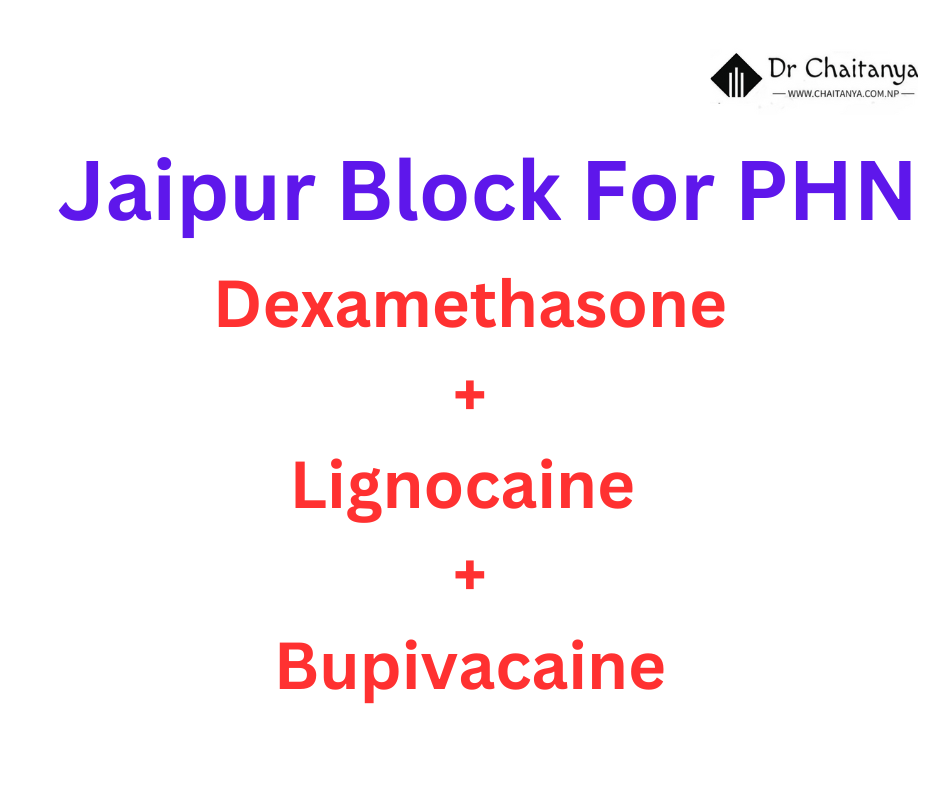
Treatment of Postherpetic neuralgia (PHN) with local anesthetics
Local anesthetics act by suppressing sodium channels and decreasing ectopic discharges, thus reducing membrane excitability.
Lignocaine has faster onset of action (2-3 min) of but the duration of action (2 h) in contrast bupivacaine though is slow to act but has a continued activity for longer time (4-8 h).
There is no consensus on the concentration of anesthetics required, though few studies have reported a dose-related effect.
Treatment of Postherpetic neuralgia (PHN)
Intradermal therapy leads to faster onset of action, and the reservoir effect leads to sustained action with less systemic absorption. A higher dose of local anesthetics may cause arrythmias
Steroids and Anesthetics for Postherpetic neuralgia (PHN)
A combination of dexamethasone and local anesthetics gives a good response in stimulus-induced postherpetic neuralgia
Treatment options for PHN
Following medications can be used for treatment of PHN:
Gabapentinoids like gabapentin or pregabalin
Tricyclic antidepressants TCAs like Amitriptyline, Nortriptyline, Desipramine
Capsaicin topical
Lidocaine patches
Antiseizure medications like valproic acid, carbamazepine, oxcarbazepine. lamotrigine