Chronic meningitis- tubercular maningitis definition, diagnosis and management For NHPC, NNC and MEC

What is chronic meningitis? What is treatment of tubercular meningitis?

(toc)Table of Contents

Introduction

Chronic meningitis is the meningitis that lasts at least four weeks and is usually caused by mixed type of infection and noninfectious inflammations. 

Tuberculous Meningitis signs and symptoms:

  1. Headache, malaise, mental confusion, and vomiting. 
  2. Moderate increase in CSF cellularity, with mononuclear cells
  3. Protein level is elevated, 
  4. Glucose content reduced or normal. 
  5. Well circumscribed intraparenchymal mass – tuberculoma.
  6. Chronic tuberculous meningitis is a cause of arachnoid fibrosis, which may produce hydrocephalus.

Spirochetal infection of meninges:

Meningitis can Also be caused by different type of spirochetes Through the brain and the meninges.

Spirochetal Infections:

Neurosyphilis:

It can produce chronic meningitis (meningovascular neurosyphilis), usually involving the base of the brain, often with an obliterative endarteritis rich in plasma cells and lymphocytes.
Insidious progressive loss of mental and physical functions, mood alterations (including delusions of grandeur), severe dementia.  
Types of meningitis and their fingdings

Viral encephalitis causes, symptoms and management

Viral encephalitis is a parenchymal infection of the brain that is almost invariably associated with meningeal inflammation (better termed meningoencephalitis).

Causes of viral encephalitis:

  1. Arbo virus
  2. Herpes virus 
  3. Rabies virus
  4. Poliovirus
  5. Cytomegalo virus
  6. HIV virus

Cerebrospinal fluid (CSF) findings in different types of meningitis

Here’s a comparison table summarizing the cerebrospinal fluid (CSF) findings in different types of meningitis:

CSF Parameter Bacterial Meningitis Viral Meningitis Tuberculous Meningitis Fungal Meningitis
Opening Pressure ↑↑ (elevated) Normal or slightly ↑ ↑↑ (elevated) ↑ (elevated)
Appearance Turbid or purulent Clear Clear or slightly cloudy Clear or slightly cloudy
WBC Count ↑↑ (100–10000/mm³) ↑ (10–500/mm³) ↑ (100–500/mm³) ↑ (20–500/mm³)
Cell Type Predominantly neutrophils Predominantly lymphocytes Lymphocytes Lymphocytes
Protein ↑↑ (100–500 mg/dL) Normal or mild ↑ (50–100 mg/dL) ↑↑ (100–500 mg/dL) ↑ (100–200 mg/dL)
Glucose ↓↓ (<40 mg/dL or <40% of serum) Normal (>50% of serum) ↓ (<45 mg/dL) ↓ (low to normal)
Gram Stain Positive in most cases Negative Negative May show fungal elements (e.g. India ink for Cryptococcus)
Culture Often positive Usually negative May be positive (Low yield) May be positive
Other Tests AFB stain, PCR, ADA ↑, TB culture India ink, Cryptococcal antigen

Notes:

  • In bacterial meningitis, neutrophilic predominance and very low glucose are classic.

  • In viral meningitis, lymphocytic predominance with normal glucose helps differentiate it.

  • TB meningitis and fungal meningitis often resemble each other, but TB typically has more pronounced protein elevation and low glucose.

  • Always correlate CSF findings with clinical context and other investigations like imaging and cultures.

Differences between subarachnoid hemorrhage (SAH) and meningitis

Here’s a comparison table highlighting the differences between subarachnoid hemorrhage (SAH) and meningitis:

Feature Subarachnoid Hemorrhage (SAH) Meningitis
Cause Ruptured cerebral aneurysm, AVM, trauma Infection (bacterial, viral, fungal, TB)
Onset Sudden (“thunderclap headache”) Gradual or acute over hours to days
Headache Severe, sudden, worst-ever headache Gradual, diffuse headache
Fever Usually absent or mild Prominent feature, especially in bacterial meningitis
Neck Stiffness Present Present
Photophobia Common Common
Altered Consciousness Common, especially with large bleed or raised ICP May occur in severe cases
Seizures May occur May occur
Focal Neurological Deficits May be present (due to vasospasm, infarct) Less common; usually in complicated cases
CSF Appearance Xanthochromia (after 12 hrs), bloody initially Turbid in bacterial, clear in viral
CSF Opening Pressure ↑ (variable) ↑ in bacterial, TB, fungal; normal/mild ↑ in viral
CSF WBC Mild ↑ or normal ↑↑ in infection (type depends on etiology)
CSF RBC High in all tubes if SAH; clears if traumatic tap Usually absent
CSF Protein ↑↑ in bacterial/TB; mild ↑ in viral
CSF Glucose Normal ↓ in bacterial/TB/fungal; normal in viral
Imaging CT head: hyperdensity in subarachnoid space CT/MRI may show meningeal enhancement
Treatment Neurosurgical (clipping/coiling), supportive Antibiotics/antivirals/antifungals depending on cause

Key Clinical Pearl:

  • Both may present with headache and neck stiffness, but sudden onset without fever suggests SAH, while gradual onset with fever suggests meningitis.

Gastrointestinal (GI) Bleeding in Children: High-Yield Overview

Gastrointestinal (GI) Bleeding in Children: High-Yield Overview

Table of Contents(toc)
Gastrointestinal (GI) Bleeding in Children: High-Yield Overview

GI bleeding in children is classified into upper and lower sources. Understanding the common causes and their relative prevalence helps in timely diagnosis and management.


Upper GI Bleeding (More Common)

  1. Esophagitis, Gastritis, Duodenitis30–40%
    Most frequent causes; often associated with infections, NSAIDs, or stress.

  2. Gastroesophageal Reflux Disease (GERD)20–30%
    Chronic reflux can lead to mucosal damage and bleeding.

  3. Peptic Ulcer Disease10–20%
    Associated with H. pylori, stress, or NSAIDs.

  4. Esophageal Varices5–10%
    Seen in children with chronic liver disease or portal hypertension.

  5. Mallory-Weiss Tear~5%
    Mucosal tear due to forceful vomiting.

  6. Coagulopathies / Bleeding Disorders2–5%
    Underlying bleeding diathesis may present with GI hemorrhage.

  7. Foreign Body Ingestion (with mucosal injury)<5%
    Particularly in toddlers; bleeding due to mucosal erosion or ulceration.


Lower GI Bleeding

  1. Anal Fissures30–40%
    Most common cause in infants and toddlers; associated with hard stools.

  2. Infectious Colitis / Gastroenteritis20–25%
    Caused by bacterial or viral pathogens, often with diarrhea.

  3. Juvenile Polyps10–15%
    Benign but can cause painless rectal bleeding in young children.

  4. Meckel’s Diverticulum5–10%
    Congenital anomaly; may bleed due to ectopic gastric mucosa.

  5. Inflammatory Bowel Disease (IBD)5–10%
    Includes Crohn’s and ulcerative colitis; chronic inflammation leads to bleeding.

  6. Intussusception2–5%
    Often presents with “currant jelly” stools and abdominal pain.

  7. Henoch-Schönlein Purpura (HSP)1–5%
    Small vessel vasculitis; GI involvement can cause bleeding and pain.


Here is a quick-reference table summarizing the common causes of GI bleeding in children, categorized by location and including approximate prevalence:


Common Causes of GI Bleeding in Children

Upper GI Bleeding Prevalence
Esophagitis / Gastritis / Duodenitis 30–40%
Gastroesophageal Reflux Disease (GERD) 20–30%
Peptic Ulcer Disease 10–20%
Esophageal Varices 5–10%
Mallory-Weiss Tear ~5%
Coagulopathies / Bleeding Disorders 2–5%
Foreign Body Ingestion (with mucosal injury) <5%

Lower GI Bleeding Prevalence
Anal Fissures 30–40%
Infectious Colitis / Gastroenteritis 20–25%
Juvenile Polyps 10–15%
Meckel’s Diverticulum 5–10%
Inflammatory Bowel Disease (IBD) 5–10%
Intussusception 2–5%
Henoch-Schönlein Purpura (HSP) 1–5%

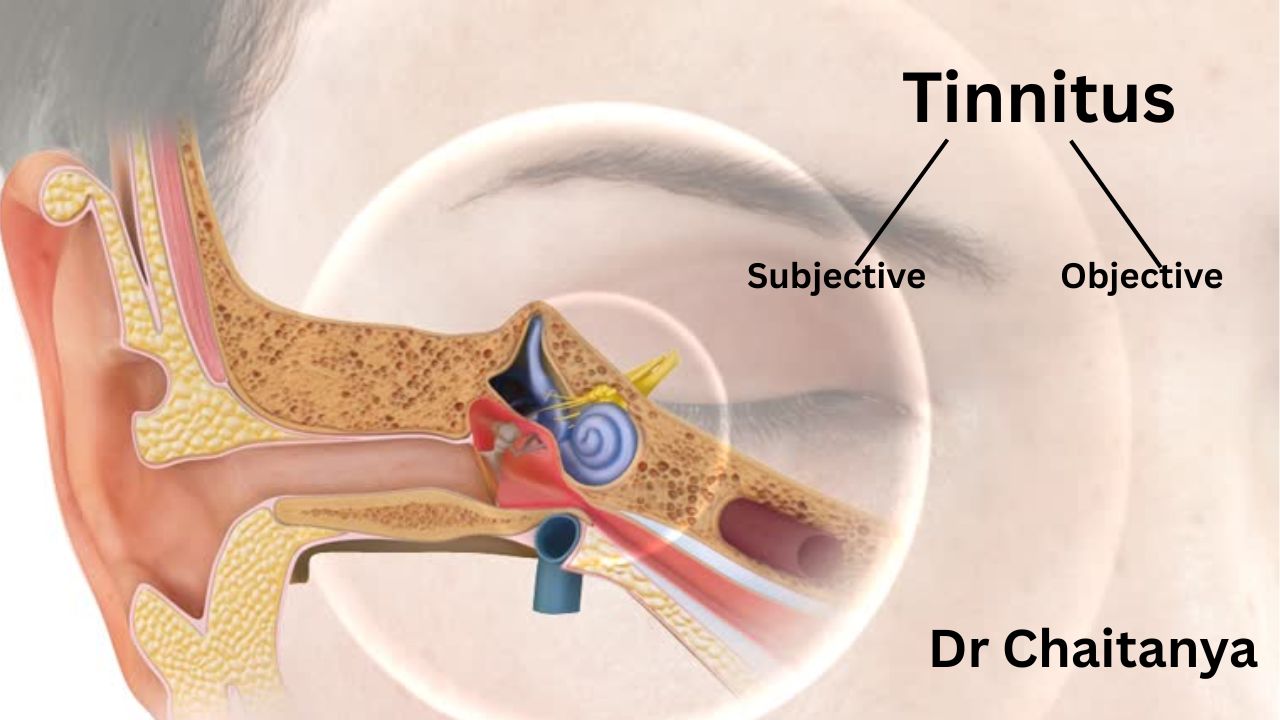
Comparison of Subjective vs. Objective Tinnitus (ENT Guide)

Comparison of the Subjective vs. Objective Tinnitus for ENT

Table of Contents(toc)


Definitions of Tinnitus Types

  • Subjective Tinnitus (S-Tinnitus):
    A perception of sound (e.g., ringing, buzzing, hissing) heard only by the patient, with no actual external or internal sound source detectable by others. It is the most common form of tinnitus.

  • Objective Tinnitus (O-Tinnitus):
    A rare form of tinnitus where a real sound is generated within the body (e.g., by vascular or muscular activity) and can sometimes be heard by an examiner using a stethoscope.


Comparison Table: Subjective vs. Objective Tinnitus

Feature Subjective Tinnitus Objective Tinnitus
Perception Heard only by the patient Can be heard by examiner (with tools)
Cause Often neurological or auditory Usually mechanical or vascular
Common Examples Noise-induced hearing loss, ototoxic drugs Vascular bruits, palatal myoclonus
Prevalence Very common (>95% of cases) Very rare (<5% of cases)
Audibility to Others Not audible to others Audible to others (e.g., with stethoscope)
Sound Characteristics Ringing, buzzing, hissing Pulsatile or clicking
Associated Disorders Cochlear damage, Meniere’s disease AV malformations, muscle spasms
Diagnostic Approach Audiometry, MRI, ENT exam Stethoscope exam, Doppler, imaging
Treatment Focus Symptom management, sound therapy Treat underlying physical cause

Let me know if you’d like this in a downloadable format or visual chart.

Objective tinnitus is a rare form of tinnitus where the sound can actually be heard by an examiner, often through a stethoscope placed near the ear. It is usually caused by internal bodily sounds, and often has a physical/mechanical source. Here’s a list of common causes of objective tinnitus:

Vascular Causes (Pulsatile Tinnitus)

  1. Arteriovenous malformations (AVMs)

  2. Carotid artery stenosis or dissection

  3. Glomus tumors (paragangliomas)

  4. Dural arteriovenous fistulas

  5. Aberrant carotid artery

  6. Persistent stapedial artery

  7. Increased intracranial pressure (e.g., idiopathic intracranial hypertension)

  8. Venous hums (especially in high-flow states like anemia or pregnancy)

Muscular Causes (Myoclonic Tinnitus)

  1. Tensor tympani muscle spasms

  2. Stapedius muscle spasms

  3. Palatal myoclonus (rhythmic contractions of the soft palate)

  4. Middle ear myoclonus (can involve both tensor tympani and stapedius)

Patulous Eustachian Tube

  1. Abnormally open Eustachian tube – allows internal sounds (like breathing or voice) to be heard more clearly.

Other Causes

  1. Vascular tumors near the ear (e.g., hemangiomas)

  2. High cardiac output states (e.g., hyperthyroidism, anemia)

Would you like a diagram showing where these conditions occur in the head and ear?

Most Repeated & Controversial MCQs in FCPS Part 1 – Breast Milk Edition

📘 Most Repeated & Controversial MCQs in FCPS Part 1 – Breast Milk Edition

Table of Contents(toc)

MCQs on Breastfeeding For FCPS, NMC, MEC and FMGE

Understanding the biochemical and nutritional composition of breast milk is essential for taking the FCPS Part 1 exam, especially in Pediatrics and Physiology.

This post highlights some of the most frequently asked and controversial MCQs, along with explanations to help clear the concepts.

The post also highlights controversial and frequently repeated multiple-choice questions (MCQs) related to breast milk composition.


📌 1. Breast Milk is Deficient in Which of the Following?

Question:

Mother’s milk is deficient in?

Options:
A. Vitamin C ✓
B. Vitamin A
C. Casein
D. Lactalbumin
E. Pantothenic acid

Correct Answer: A. Vitamin C

Explanation:
While breast milk contains some amount of Vitamin C, it is generally lower compared to what is required for rapid growth in infants and also compared to certain formula or cow’s milk. Supplementation may be needed in some cases, especially if the mother is deficient herself.


📌 2. Comparison with Cow’s Milk – What’s Less in Mother’s Milk?

Question:

Mother’s milk is deficient in which of the following when compared to cow’s milk?

Options:
A. Vitamin C
B. Vitamin A
C. Casein ✓
D. Lactalbumin
E. Pantothenic acid

Correct Answer: C. Casein

Explanation:
Casein is a major protein in cow’s milk, making it harder to digest. Mother’s milk contains less casein and more whey proteins like lactalbumin, making it gentler on an infant’s stomach. This is actually a benefit, not a deficiency, in terms of digestibility.


📌 3. What is Higher in Human Milk Compared to Cow’s Milk?

Question:

Mother’s milk has more of which of the following compared to cow’s milk?

Options:
A. Lactose ✓
B. Protein
C. Iron
D. Calcium

Correct Answer: A. Lactose

Explanation:
Human milk is rich in lactose, which aids in brain development and helps with calcium absorption. Cow’s milk, although higher in protein and calcium, contains less lactose.


📌 4. Which Immunoglobulin is Most Abundant in Breast Milk?

Question:

Which of the following immunoglobulins is more abundant in mother’s milk?

Options:

  • IgG

  • IgM

  • IgA ✓

  • IgE

Correct Answer: IgA

Explanation:
Secretory IgA is the dominant antibody in breast milk. It provides mucosal immunity, helping protect the baby’s gut and respiratory tract from pathogens.


📌 5. Which of the Following is Absent in Mother’s Milk?

Question:

Mother’s milk doesn’t contain:

Options:
A. Iron ✓
B. Casein
C. Lactalbumin

Correct Answer: A. Iron

Explanation:
Though mother’s milk contains iron, the quantity is low. However, its bioavailability is high (50–70%), which compensates somewhat for the low quantity. After 6 months, infants often require dietary iron supplementation.


📌 6. What is Milk Notoriously Deficient In?

Question:

Milk is notoriously deficient in:

Options:
A. Vitamin C
B. Iron
C. Pantothenic acid ✓

Correct Answer: C. Pantothenic acid

Explanation:
Pantothenic acid (Vitamin B5) is low in some milk sources, although this can vary. Iron and Vitamin C are also low, but the term “notoriously deficient” typically refers to Pantothenic acid in this context based on older literature and regional MCQ trends.


🧠 Summary Table: Key Points

Component Human Milk Cow’s Milk Notes
Lactose Higher Lower Aids brain development
Protein Lower Higher More digestible
Casein Lower ✓ Higher Harder to digest in cow’s milk
Iron Low ✓ Moderate High bioavailability in breast milk
IgA High ✓ Low Provides mucosal immunity
Pantothenic Acid Low ✓ Varies Sometimes deficient
Vitamin C Lower ✓ Higher Supplement may be needed

✅ Final Tip for FCPS-1 Aspirants:

Don’t just memorize answers—understand the concepts. This helps tackle tricky or reworded questions effectively. Pay special attention to comparisons between human milk vs. cow’s milk, as they are favorite exam topics.

Iliofemoral Arterial Obstruction – A note for medical Students and doctors

Iliofemoral Arterial Obstruction: Diagnosis and Related Vascular Syndromes

Table of Contetnts(toc)
Iliofemoral Arterial Obstruction: Diagnosis and Related Vascular Syndromes


🔍 High-Yield Topic for Medical Exams and Clinical Practice

Iliofemoral arterial obstruction is a significant vascular condition often encountered in patients presenting with lower limb ischemia. Understanding its pathophysiology, diagnostic approach, and related syndromes is essential for both clinicians and medical students preparing for competitive exams.


Most Important Diagnostic Method

Q. The most definitive method for diagnosing Iliofemoral arterial obstruction is:

a. History and physical examination
b. Doppler ultrasound
c. Lateral X-ray of the abdomen
d. Femoral arteriogram

Correct Answer: d. Femoral arteriogram

Explanation:
Although physical examination and non-invasive imaging like Doppler ultrasound are useful initial tools, femoral arteriography (a form of catheter-based angiography) remains the gold standard for the definitive diagnosis of iliofemoral arterial obstruction. It allows direct visualization of arterial flow and occlusion sites and is crucial for planning revascularization procedures.


🩻 Clinical Presentation

Patients with iliofemoral arterial obstruction may present with:

  • Claudication (pain in thigh or buttocks on walking)

  • Reduced or absent femoral pulse

  • Cool, pale lower extremities

  • Muscle atrophy in advanced stages


🔺 Related Syndrome: Leriche’s Syndrome

Leriche’s Syndrome is a classic presentation of chronic aortoiliac occlusion and should be recognized promptly.

Key features include:

  • Bilateral claudication of the buttocks and thighs

  • Impotence (due to hypoperfusion of internal iliac arteries)

  • Decreased or absent femoral pulses

✳️ Mnemonic: Leriche’s TRIAD

  1. Claudication (buttocks and thighs)

  2. Impotence

  3. Absent femoral pulses


🚨 Acute Limb Ischemia: The 6 P’s

A critical condition often associated with arterial occlusions. Prompt recognition is key to limb salvage.

6 P’s of Acute Arterial Occlusion:

  1. Pain

  2. Pallor

  3. Pulselessness

  4. Paresthesia

  5. Paralysis

  6. Poikilothermia (cold limb)


🩸 Burger’s Disease (Thromboangiitis Obliterans)

A non-atherosclerotic, inflammatory disease of small and medium-sized arteries and veins.

High-Yield Features:

  • Strong association with heavy smoking

  • Typically affects young male smokers (<45 years)

  • Distal extremity ischemia, rest pain, ischemic ulcers

  • Raynaud’s phenomenon and superficial thrombophlebitis may coexist

  • Diagnosis is clinical; angiography shows “corkscrew collaterals


🧠 Additional Important MCQs

Q. Which of the following is most pathognomonic for Burger’s disease?
a. Atherosclerosis
b. Diabetes mellitus
c. Corkscrew collaterals on angiography
d. Positive ANA

Correct Answer: c. Corkscrew collaterals on angiography


Q. Leriche’s syndrome is caused by occlusion of:
a. Femoral artery
b. Abdominal aorta distal to the renal arteries
c. Iliac vein
d. Popliteal artery

Correct Answer: b. Abdominal aorta distal to the renal arteries


Q. First-line non-invasive investigation for peripheral arterial disease (PAD):
a. Duplex Doppler ultrasound
b. CT angiography
c. MRI angiography
d. Digital subtraction angiography (DSA)

Correct Answer: a. Duplex Doppler ultrasound


📝 Clinical Pearls for Diagnosis & Management

  • ABI (Ankle-Brachial Index) is a useful bedside tool; ABI <0.9 suggests PAD.

  • Duplex ultrasound is first-line for assessing flow and stenosis.

  • CT or MR angiography can be used for pre-surgical planning.

  • Smoking cessation is critical in managing Burger’s disease.

  • Revascularization may involve angioplasty or bypass surgery.

  • Acute limb ischemia is a surgical emergency – time is tissue!


📚 Related Topics to Review

  • Peripheral arterial disease (PAD)

  • Acute vs. chronic limb ischemia

  • Atherosclerosis and its vascular complications

  • Endovascular vs. open revascularization

  • Venous vs. arterial ulcers

  • Vasculitis and its vascular presentations

Exit mobile version