



Table of Contents
Introduction
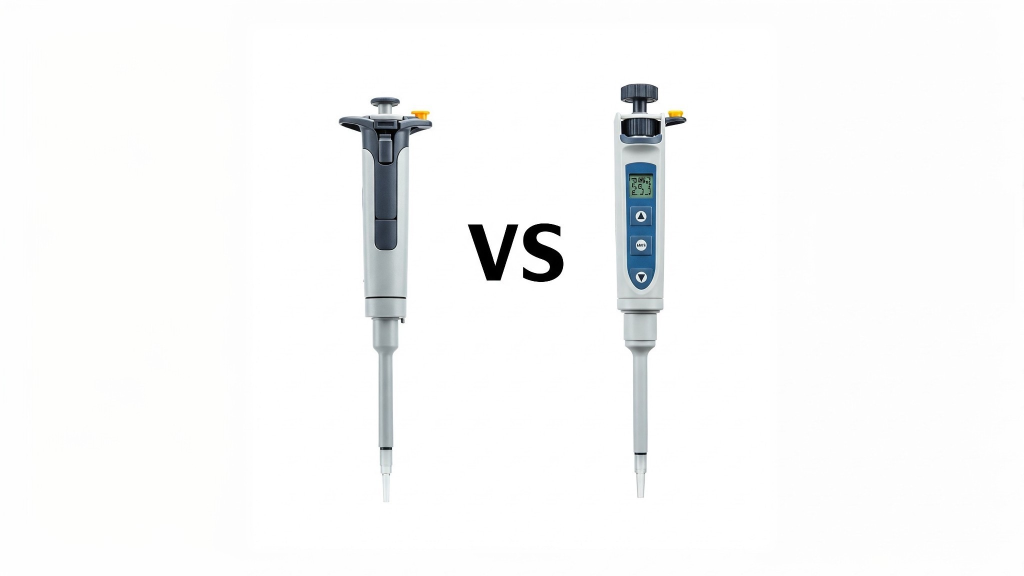
A micropipette is a laboratory instrument designed for accurately measuring and transferring very small volumes of liquid, typically in the microliter range, for various scientific and medical applications.
Micropipette uses
Micropipettes are small tools used in science labs to accurately measure and transfer tiny amounts of liquids. Here are some simple uses of micropipettes:
Measuring Volume:
Micropipettes help scientists measure very small volumes of liquids, like a few microliters (µL) or even smaller amounts.
Mixing Solutions:
Scientists use micropipettes to mix small quantities of liquids together, ensuring precise and controlled combinations.
Adding Reagents:
In experiments, researchers use micropipettes to add specific chemicals or reagents in precise amounts, which is crucial for accurate results.
Loading Samples:
When working with small samples, such as DNA or proteins, micropipettes are used to load these samples onto gels or other testing platforms.

Cell Culture:
In biology labs, micropipettes are essential for transferring small amounts of cell cultures or solutions during cell experiments.
Drug Discovery:
In pharmaceutical research, micropipettes are used to handle and dispense small volumes of drug compounds for testing purposes.
Here’s a table highlighting the differences between pipettes and micropipettes:
| Feature | Pipette | Micropipette |
|---|---|---|
| Purpose | Used to transfer liquids in milliliter (mL) volumes. | Used to transfer very small volumes (microliters, µL). |
| Volume Range | Typically measures in mL (e.g., 1-25 mL). | Typically measures in µL (e.g., 0.1-1000 µL). |
| Accuracy | Less precise for small volumes. | Highly precise for minute volumes. |
| Usage | Commonly used in chemistry labs. | Commonly used in molecular biology and clinical labs. |
| Mechanism | Generally manual, relies on gravity for dispensing. | Uses a piston-driven mechanism for precise control. |
| Disposable Tips | Not always required. | Requires disposable tips to prevent contamination. |
| Calibration | Less frequently calibrated. | Regular calibration needed for accuracy. |
| Design | Larger and simpler design. | Compact and ergonomically designed. |
| Cost | Generally less expensive. | More expensive due to precision and design. |
Diagnostic Tests:
Micropipettes are employed in medical labs for tasks like loading small blood or urine samples onto test strips for diagnostic tests.
PCR (Polymerase Chain Reaction):
Micropipettes are used in molecular biology techniques like PCR, where precise amounts of DNA, enzymes, and other components need to be combined.
Enzyme Assays:
Scientists use micropipettes to add enzymes and substrates in specific amounts for enzyme activity assays.
Microbiology Experiments:
Microbiologists use micropipettes for tasks like inoculating bacterial cultures or adding precise amounts of nutrients to growth media.
In summary, micropipettes play a crucial role in various scientific experiments by providing accurate and controlled handling of small volumes of liquids.
Micropipette uses in laboratory:
In laboratory settings, micropipettes are indispensable tools for accurately measuring and dispensing tiny volumes of liquids, enabling precise experimentation in fields such as biology, chemistry, and biochemistry. Researchers rely on micropipettes to handle various tasks, including sample preparation, reagent addition, and the execution of intricate protocols, ensuring the reliability and reproducibility of scientific analyses.

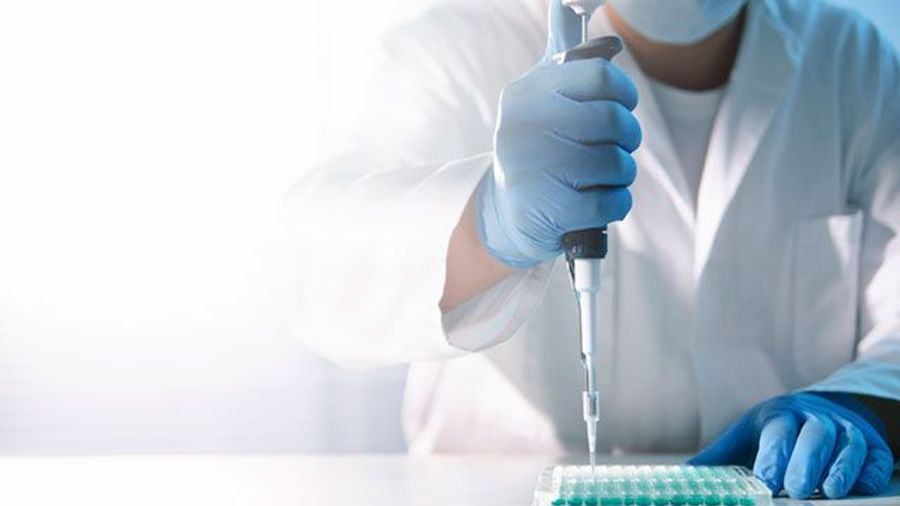
Micropipette uses in microbiology
Micropipettes are extensively employed in microbiology laboratories for precise dispensing of small volumes of culture media, facilitating the accurate inoculation of bacterial or fungal cultures. Additionally, they play a crucial role in the handling of microbial samples and reagents, ensuring the reliability of experimental results in microbiological research.
Thank you for reading.
Contact us for more information.