We need food not tobacco

“WE NEED FOOD, NOT TOBACCO”

Background on international day against tobacco use

{getToc} $title=(Table of Contents}

Today, May 31 is observed as international day against tobacco use. This year, World Health Organization is targeting the root cause of the Tobacco Industry, that is Tobacco Farming. WHO considers that tobaccoo farming is the cause of tobaccoo use. Lets analyze how right or wrong this concept is. 

Cigarettes

Why are people attracted to tobacco farming

The people in the poverty line and the rich farmers both are currently farming tobacco plants to generate money. Tobacco has become one of the top cash crop for many people. 

Is tobacco farming beneficial 

I think very few people know the fact that farmers indulge into the tobacco industry because they are made fools by miseducating them about the crop. They’re told about its benefits but at the same time they’re not told about its bad aspects. 

Why’re people attracted to tobacco farming 

They lure the farmers into cultivating this crop by showing them the *MONEY* factor saying its the income source and gives huge value. 

Poverty and tobacco

The poor people who have no money at all and are needy do whatever is in their hands to earn a good living sum for their families, and hence they devote their lives into this hazardous practice of modern days.

Comparison of tobacco vs other crops

Bow lets compare pros and cons and also discuss how alternate options can be equally good or even better. 

I’ll not reiterate anything about tobacco or how it is harmful to our bodies, but I’ll show basic points how alternate farming is any day better than Tobacco farming.

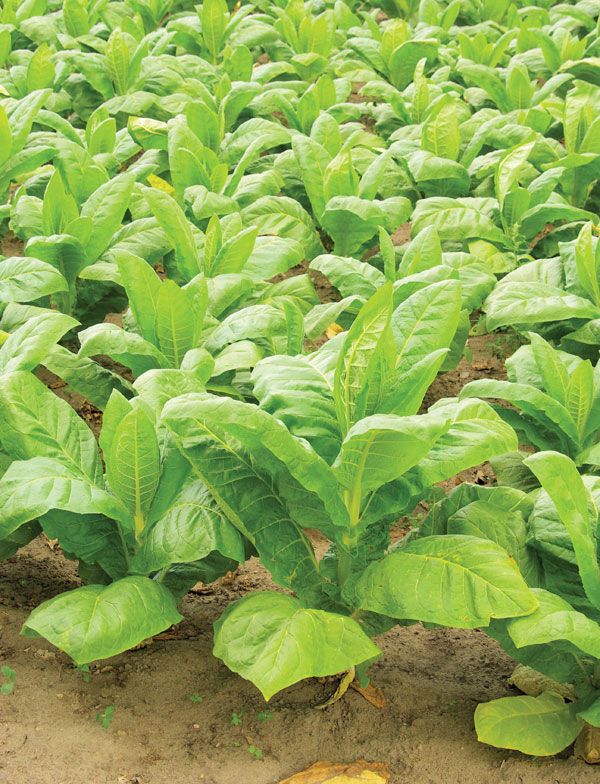
Tobacco plant

𝐅𝐄𝐖 𝐂𝐎𝐍𝐒 𝐎𝐅 𝐓𝐎𝐁𝐀𝐂𝐂𝐎 𝐅𝐀𝐑𝐌𝐈𝐍𝐆:

Many misconceptions and hoax are in the community that helps tobacco use common
  • ⇒ Pesticide poisoning is common among workers and those living near tobacco-growing fields.
  • ⇒ Neurological and psychological conditions because of poor protection practices.
  • ⇒ Deforestation
  • ⇒ Crops cannot withstand climate changes and pests.
  • ⇒ Soil degradation
  • ⇒ Destruction of groundwater resources
  • ⇒ Sedimentation of rivers, reservoirs and irrigation systems
  • climate change
  • ⇒ Species extinction due to habitat fragmentation and over exploitation of land

𝐅𝐄𝐖 𝐏𝐑𝐎𝐒 𝐎𝐅 𝐑𝐄𝐃 𝐆𝐑𝐀𝐌/ 𝐈𝐑𝐎𝐍 𝐁𝐄𝐀𝐍 𝐅𝐀𝐑𝐌𝐈𝐍𝐆:

  • ⇒ It can fix atmospheric nitrogen
  • ⇒ Restores the lost nitrogen in the soil
  • ⇒ Prevents soil from erosion
  • ⇒ We can do red gram farming on any type of soil, even on mountain slopes
  • ⇒ Can easily grow it in stress conditions
  • ⇒ Can be harvested within 3 months
  • ⇒ Does not require immense chemicals or pesticides

Finally words on we need food not tobacco:

Other crops farming gives better opportunity than tobacco farming is better than tobacco farming

All our farmers are in dire need of good education/ awareness about alternative farming, for them and for the environment.

This also comes with a well known fact that everyone should quit tobacco

There’s no option to quitting tobacco and atop smoking. 
Smoking nkt only harms the  smoker but also the people around them. 

NO consumers = NO farming 

If you like what I have written please like share and visit my social vhannels to be ome friends with me. Thank you. 

Side effects of corticosteroids mnemnics

Side effectss of cortcosteriods mnemonics

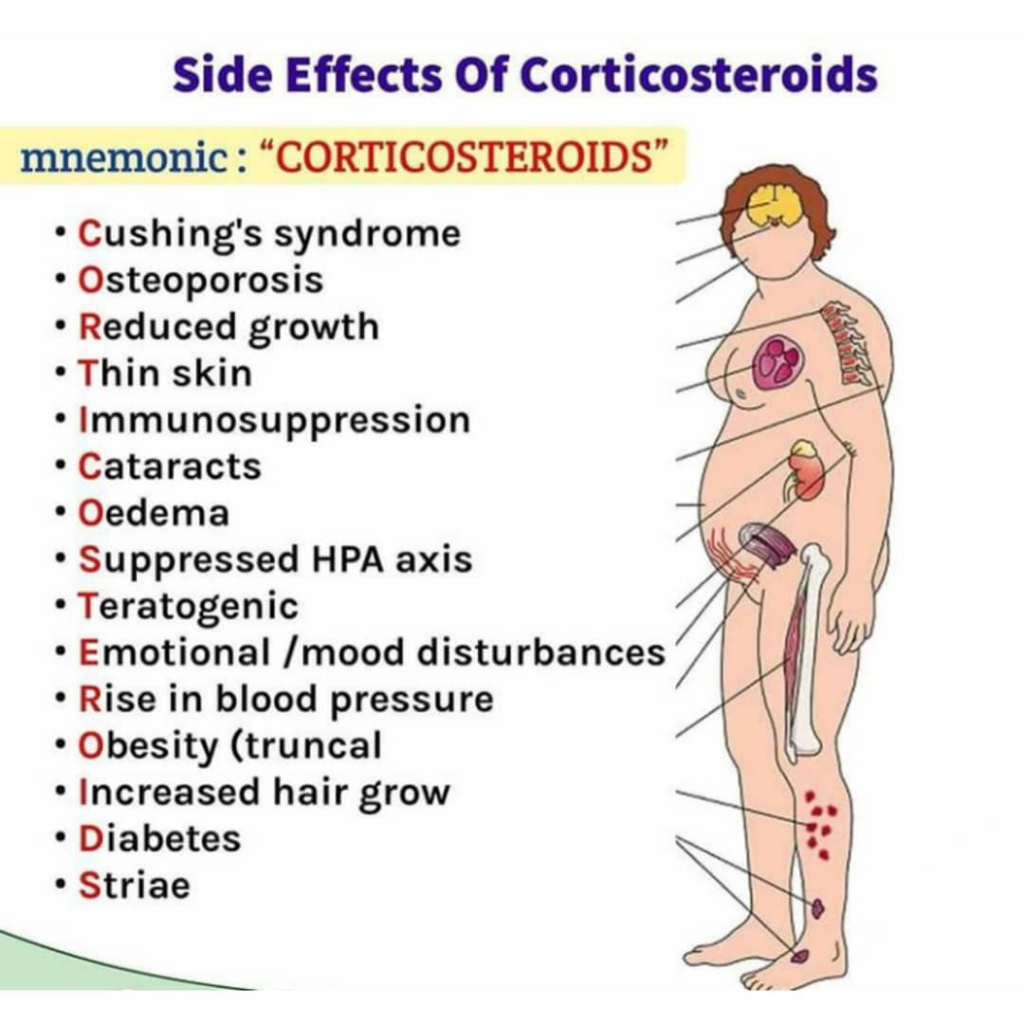
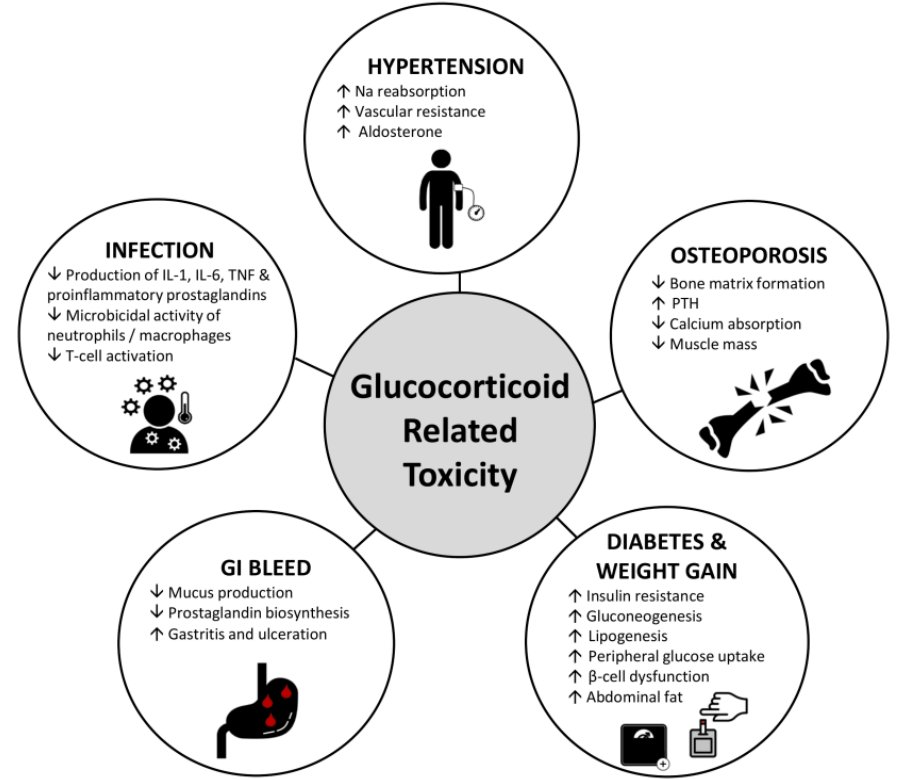
Corticosteroid side effects are common and must know because corticosteroids are one of the commonly used drugs, that are used from short term to long term. These include:

Mnemonic: CRAZY STEROIDS

C- Cushy weight gain

R- Rebound acne

A- Angry mood swings

Z- Zebra stripes / stretch marks

Y- Yawning insomnia

S- Spaghetti bones/ weak bones/ fractures

T- Thunder thighs/thicker thighs

E- Eye troubles/ blurred vision/ cataract

R- Rapid heartbeat/ tachycardia

O- Ouchy infections

I- Inflated / moon face

D- Diabeted risk

S- Stunted growth/shoet stature

Side effectss of cortcosteriods mnemonics

Corticosteroid side effects are common and must know because corticosteroids are one of the commonly used drugs, that are used from short term to long term. These include:

C- Cushy weight gain

R- Rebound acne

A- Angry mood swings

Z- Zebra stripes / stretch marks

Y- Yawning insomnia

S- Spaghetti bones/ weak bones/ fractures

T- Thunder thighs/thicker thighs

E- Eye troubles/ blurred vision/ cataract

R- Rapid heartbeat/ tachycardia

O- Ouchy infections

I- Inflated / moon face

D- Diabeted risk

S- Stunted growth/shoet stature

Steroids examples

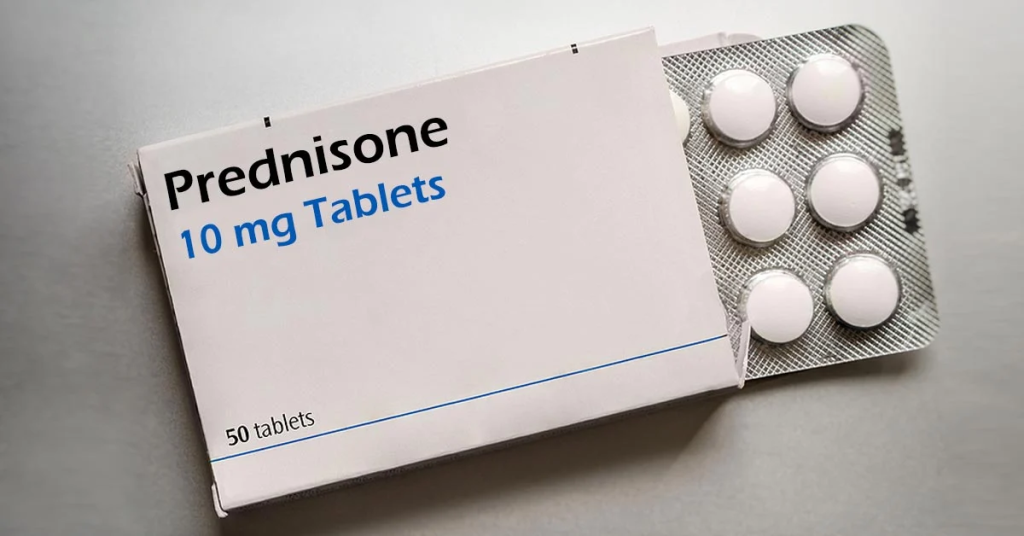
Prednisolone, hydrocortisoon, dexamethasone, betamethasone, methylprednisolone, cortisone, budesonide, triamcinolone etc

Prednisolone, hydrocortisoon, dexamethasone, betamethasone, methylprednisolone, cortisone, budesonide, triamcinolone etc

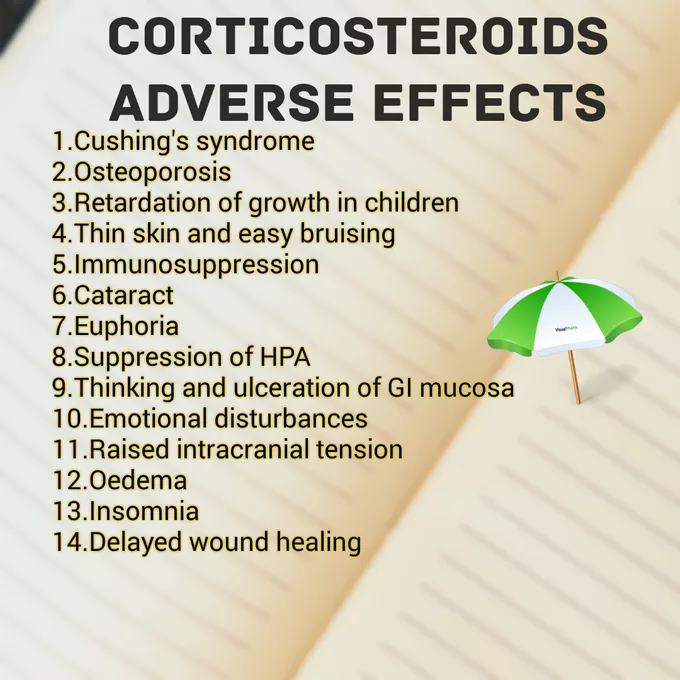
Corticosteroids adverse effects

People with red hair need more anesthesia: Research review

People with red hair need more anesthesia: Research review

girl with red hair

Do redheads need more anesthesia than others?

What does the biology and medical science say?
Recently I was going through an online social network and I saw a post saying redheads need more aneshthesia and here’s review on the topic based on multiple researches and publications.
Hope youll enjoy reading it. 

The Science Behind Why Redheads Need More Anesthesia

Have you ever wondered why redheads may require more anesthesia than people with other hair colors? It turns out that there is a scientific explanation for this phenomenon. Redheads have a genetic variation that affects the way their bodies process pain and anesthesia.

The mutation in melanocortin-1 receptor has been attributed to the red hair of theose people and same for the difference in the sensivity to the pain and depth of anesthesia as well. 

This variation causes their bodies to be more resistant to pain medication, requiring higher doses to achieve the same level of pain relief. In addition, redheads also have a higher likelihood of experiencing anxiety and nervousness before surgery, which can also affect their response to anesthesia. This unique attribute of redheads has been studied extensively by medical professionals, and understanding this genetic variation can help anesthesiologists provide more effective care for their redheaded patients. So, if you’re a redhead or know someone who is, read on to discover the fascinating science behind this phenomenon.

What is anesthesia and how does it work?

There are three types of anesthesia: general, regional, and local. The anesthesia described here may refer to local or regional anesthesia, sedation and general anesthesia. 

General anesthesia is a state of induced unconsciousness that is used to provide pain relief and muscle relaxation during medical procedures. General anesthesia is the most common and involves the use of drugs that put the patient to sleep and block pain signals to the brain. Regional anesthesia involves numbing a specific area of the body, while local anesthesia involves numbing a small area, such as a tooth or skin patch.

The mutation in melanocortin-1 receptor has been attributed to the red hair of theose people and same for the difference in the sensivity to the pain and depth of anesthesia as well. 

The drugs used in anesthesia work by blocking the transmission of nerve signals that communicate pain and other sensations to the brain. This allows the patient to undergo medical procedures without feeling any pain or discomfort. The mechanism of general enesthesia like propofol may not be completely understood r explained. The amount of anesthesia required depends on various factors, including the patient’s weight, age, and medical history.

The genetic mutation responsible for red hair

(ads)

Red hair is caused by a genetic mutation in the MC1R gene, which is responsible for producing the pigment that gives hair its color. This mutation causes the gene to produce a protein that is less effective at producing the pigment, resulting in red hair. The MC1R gene is also responsible for producing melanin, which is the pigment that gives skin its color. People with the red hair gene mutation have less melanin in their skin, which makes them more susceptible to sunburn and skin cancer.

The MC1R gene mutation is inherited in an autosomal recessive pattern, meaning that a person must inherit two copies of the mutated gene (one from each parent) to have red hair. However, even people with just one copy of the mutated gene may exhibit some of the traits associated with red hair, such as fair skin and freckles.

The link between red hair and anesthesia

Research has shown that people with red hair require more anesthesia than people with other hair colors. This is because the MC1R gene mutation affects the way the body responds to certain drugs, including pain medication and anesthesia. The mutation causes the body to produce less of a protein called POMC, which is involved in the production of endorphins, the body’s natural painkillers. This results in redheads being less sensitive to certain types of pain medication and requiring higher doses to achieve the same level of pain relief.

In addition to being less sensitive to pain medication, redheads also have a higher likelihood of experiencing anxiety and nervousness before surgery. This can be attributed to the fact that the same genetic mutation that causes red hair also affects the production of the stress hormone cortisol. People with the mutation produce less cortisol, which can lead to increased anxiety and stress.

Studies on redheads and anesthesia

Several studies have been conducted to investigate the link between red hair and anesthesia. One study published in the British Journal of Anaesthesia found that redheads required 20% more anesthesia than people with other hair colors. Another study published in the journal Anesthesiology found that redheads required 19% more anesthesia than people with dark hair and 16% more than people with blonde hair.

These studies also found that redheads were more likely to experience side effects from anesthesia, such as nausea and vomiting. This may be due to the fact that the drugs used in anesthesia are metabolized differently in people with the MC1R gene mutation, leading to a longer recovery time and increased risk of side effects.

Differences in anesthesia dosage for redheads

The fact that redheads require more anesthesia than people with other hair colors has important implications for healthcare providers. Anesthesiologists must take this into account when administering anesthesia to redheaded patients, as failing to do so can result in inadequate pain relief and increased risk of side effects.

To ensure that redheads receive the appropriate amount of anesthesia, anesthesiologists may need to adjust the dosage based on the patient’s hair color and genetic makeup. This can be done by conducting a genetic test to determine whether the patient has the MC1R gene mutation and adjusting the anesthesia dosage accordingly.

Other medical considerations for redheads

In addition to requiring more anesthesia, redheads may also be more susceptible to certain medical conditions. For example, research has shown that redheads have a higher risk of developing skin cancer due to their fair skin and reduced ability to produce melanin. They may also be more susceptible to certain types of pain, such as chronic pain and migraine headaches.

Redheads may also require different dosages of other types of medication, such as painkillers and antidepressants. This is because the MC1R gene mutation affects the way the body processes these drugs, just as it affects the way the body processes anesthesia.

Challenges for healthcare providers

The fact that redheads require more anesthesia and may be more susceptible to certain medical conditions can present challenges for healthcare providers. Anesthesiologists must be aware of the unique needs of redheaded patients and take steps to ensure that they receive the appropriate care.

This may involve conducting genetic testing to determine whether the patient has the MC1R gene mutation and adjusting the anesthesia dosage accordingly. It may also involve providing additional support to redheaded patients who may be more anxious or stressed before surgery.

Coping mechanisms for redheads undergoing anesthesia

If you’re a redhead who is scheduled to undergo anesthesia, there are steps you can take to help ensure a successful outcome. First, make sure to inform your healthcare provider that you have red hair and discuss any concerns you may have about anesthesia. Your provider can work with you to develop a plan that addresses your unique needs and concerns.

You may also want to consider relaxation techniques such as deep breathing, meditation, or visualization to help reduce anxiety and stress before surgery. These techniques can help you feel more relaxed and may even reduce the amount of anesthesia you require.

Conclusion and future research directions

The science behind why redheads require more anesthesia is a fascinating area of research that has important implications for healthcare providers. By understanding the link between red hair and anesthesia, anesthesiologists can provide more effective care to redheaded patients and reduce the risk of side effects.

However, there is still much to learn about the unique needs of redheaded patients. Future research in this area may focus on developing new anesthesia drugs that are more effective for redheads or identifying other medical conditions that may be more prevalent in this population.

Overall, the science behind why redheads require more anesthesia is just one example of how genetic variations can affect the way our bodies respond to medication and medical procedures. By understanding these variations, healthcare providers can provide more personalized care that takes into account each patient’s unique needs and genetic makeup.

References:

  1. Edwin B. Liem, Chun-Ming Lin, Mohammad-Irfan Suleman, Anthony G. Doufas, Ronald G. Gregg, Jacqueline M. Veauthier, Gary Loyd, Daniel I. Sessler; Anesthetic Requirement Is Increased in Redheads. Anesthesiology 2004; 101:279–283 doi: https://doi.org/10.1097/00000542-200408000-00006
  2. Chua, M.V., Tsueda, K. & Doufas, A.G. Midazolam causes less sedation in volunteers with red hair. Can J Anesth 51, 25–30 (2004). https://doi.org/10.1007/BF03018542
  3. Edwin B. Liem, Teresa V. Joiner, Kentaro Tsueda, Daniel I. Sessler; Increased Sensitivity to Thermal Pain and Reduced Subcutaneous Lidocaine Efficacy in Redheads. Anesthesiology 2005; 102:509–514 doi: https://doi.org/10.1097/00000542-200503000-00006
  4. Robinson KC, Kemény LV, Fell GL, Hermann AL, Allouche J, Ding W, Yekkirala A, Hsiao JJ, Su MY, Theodosakis N, Kozak G, Takeuchi Y, Shen S, Berenyi A, Mao J, Woolf CJ, Fisher DE. Reduced MC4R signaling alters nociceptive thresholds associated with red hair. Sci Adv. 2021 Apr 2;7(14):eabd1310. doi: 10.1126/sciadv.abd1310. PMID: 33811065.
  5. McGoldrick, Kathryn E. MD. Anesthetic Requirement Is Increased in Redheads. Survey of Anesthesiology 49(1):p 3, February 2005. | DOI: 10.1097/01.sa.0000151196.69484.b6 
  6. Xing Y, Sonner JM, Eger EI 2nd, Cascio M, Sessler DI. Mice with a melanocortin 1 receptor mutation have a slightly greater minimum alveolar concentration than control mice. Anesthesiology. 2004;101:544-546
  7. https://hdl.handle.net/2286/R.I.37906
  8. Brock Droll, Melissa Drum, John Nusstein, Al Reader, Mike Beck, Anesthetic Efficacy of the Inferior Alveolar Nerve Block in Red-haired Women, Journal of Endodontics, Volume 38, Issue 12, 2012, Pages 1564-1569, ISSN 0099-2399, https://doi.org/10.1016/j.joen.2012.08.014. (https://www.sciencedirect.com/science/article/pii/S0099239912008059)
  9. https://www.bastenpsychology.com.au/wp-content/uploads/2013/10/Dental-phobia-screening-tool.pdf
  10. Liem EB, Joiner TV, Tsueda K, Sessler DI. Increased sensitivity to thermal pain and reduced subcutaneous lidocaine efficacy in redheads. Anesthesiology. 2005 Mar;102(3):509-14. doi: 10.1097/00000542-200503000-00006. PMID: 15731586; PMCID: PMC1692342.

Nepal Budget 2080-81: How much for health sector?

Nepal Budget 2080/2081: How much for health sector?

आ व २०८० ८१ को लागि वजेट तयार गरिेएको छ भने सदनबाट पारित समेत गरिएको छ।

आगामी आर्थिक वर्ष २०८०/८१ को बजेट १७ खर्ब ५१ अर्ब ३१ करोड रुपैयाँ बराबरको हुने भएको छ।

Nepali money

नेपालको स्वास्थ्य क्षेत्रको बजेट निम्नानुसार रहेको छ health budget of nepal:-

सरकारले स्वास्थ्य तथा जनसंख्या मन्त्रालय – ८३ अर्ब ८९ करोड रु।

आउदो आर्थिक वर्षका बजेट योजना निम्नानुसार रहेका छन्।:-

यस्ता छन् स्वास्थ्य तथा जनसंख्या मन्त्रालय र स्वास्थ्यसँग सम्बन्धित ३५ विषय

१. गुणस्तरीय स्वास्थ्य उपचार: जनताको अधिकार भन्ने नाराका साथ आधारभूत स्वास्थ्य सेवालाई सर्वसुलभ र गुणस्तरीय बनाइनेछ। विशिष्टिकृत स्वास्थ्य सेवामा नागरिकको पहुँच बढाइनेछ। स्वास्थ्य शिक्षा र जनचेतनाको माध्यमबाट नागरिकको स्वस्थ जीवनशैली प्रवर्द्धन गरिनेछ।
२.  कोभिड-१९ लगायत  सङ्क्रामक रोगको रोकथाम, नियन्त्रण तथा उपचारलाई प्राथमिकतामा राखेको छु। महामारी विरुद्ध जनचेतना अभिवृद्धि, स्वास्थ्य मापदण्डको परिपालना, खोप सेवाको सुनिश्चितता र उपचार सेवालाई समन्वयात्मक रूपमा कार्यान्वयन गर्न बजेटको व्यवस्था गरेको छु।
३.  डेङ्गी रोग रोकथाम तथा नियन्त्रणका लागि पूर्व-मनसुन, मनसुन, र मनसुन पश्चात “डेङ्गी रोग सार्ने लामखुट्टेको लार्भा र वासस्थान खोज र नष्ट गर अभियान” सञ्चालन गरिनेछ। डेङ्गी, औलो, कालाजार, हात्तीपाइले लगायतका अन्य मौसमी र किटजन्य रोगको रोकथाम गर्न आवश्यक रकम विनियोजन गरेको छु।
४.   शुक्रराज ट्रपिकल तथा सरुवा रोग अस्पताललाई तीन सय शैयामा विस्तार गरिनेछ। पोखरा, सुर्खेत, डोटी र भरतपुरमा निर्माणाधीन प्रादेशिक सरुवा रोग अस्पताल आगामी वर्ष सम्पन्न गरी सञ्चालनमा ल्याइनेछ। सरुवा रोग अस्पताल निर्माण एवं विस्तारका लागि रु. ४६ करोड  विनियोजन गरेको छु।
५.    “क्षयरोग मुक्त नेपाल अभियान” अन्तर्गत रोगीहरूको पहिचान गर्न र निःशुल्क औषधि उपलब्ध गराउन रु. १ अर्ब १५ करोड विनियोजन गरेको छु।
६.    मुलुकभरका ६ हजार ७ सय ४३ वडाका आधारभूत स्वास्थ्य सेवा केन्द्रबाट ९८ प्रकारका औषधि, खोप लगायतका आधारभूत स्वास्थ्य सेवा निःशुल्क उपलब्ध गराउन रु. १ अर्ब २८ करोड विनियोजन गरेको छु। यस कार्यक्रम अन्तर्गत स्वदेशमा नै उत्पादित औषधि खरिद गर्न प्राथमिकता दिइनेछ।
७.    बहुसंख्यक जनताले सेवा प्राप्त गर्ने गरी पायक पर्ने स्थानमा आधारभूत अस्पताल निर्माण तथा सञ्चालन गर्न प्राथमिकता दिइनेछ। हाल ३२२ स्थानीय तहमा निर्माणाधीन ५, १० र १५ शैयाका अस्पताल निर्माण कार्यका लागि रु. ८ अर्ब  विनियोजन गरेको छु। आगामी वर्ष सम्पन्न हुने १०० अस्पतालमा स्वास्थ्य उपकरण खरिद गर्न रु. ८२ करोड विनियोजन गरेको छु।
८.    मातृ मृत्युदर र नवजात शिशु मृत्युदर बढि भएका स्थान लक्षित गरी आमा र नवजात शिशु सुरक्षाका विशेष कार्यक्रम सञ्चालन गरिनेछ। मातृ तथा नवशिशु कार्यक्रम र आमा सुरक्षा कार्यक्रमलाई निरन्तरता दिएको छु।
९.    क्यान्सर, मेरूदण्ड पक्षाघात र मृगौला प्रत्यारोपण गरेका तथा डायलाइसिस गराइरहेका बिरामीलाई औषधी उपचार खर्च बापत दिदै आएको मासिक रु. ५ हजारलाई निरन्तरता दिएको छु।
१०.    विपन्न नागरिकलाई मुटु रोग, मृगौला रोग, क्यान्सर, पार्किन्सन, अल्जाइमर्स, स्पाइनल इन्जुरी हेड इन्जूरी तथा सिकलसेल एनिमियाको उपचारमा दिदै आएको अनुदानलाई निरन्तरता दिन रु. २ अर्ब ५० करोड विनियोजन गरेको छु। सबै संघीय अस्पतालहरूबाट मृगौला प्रत्यारोपण सेवा प्रदान गर्ने व्यवस्था मिलाइनेछ।
११.    महिलाहरूमा देखिने पाठेघरको मुखको क्यान्सर र स्तन क्यान्सरको निःशुल्क शीघ्र पहिचान र प्रारम्भिक उपचारलाई क्रमशः बिस्तार गरिनेछ। पाठेघरको क्यान्सर रोकथामका लागि ९ देखि १४ वर्षका बालिका लक्षित एच.पी.भी. खोप कार्यक्रमलाई बिस्तार गरिनेछ। सबै संघीय अस्पतालमा बाँझोपन तथा निःसन्तान उपचार सेवा क्रमश: विस्तार गरिनेछ।
१२.    शहीद धर्मभक्त राष्ट्रिय मानव अङ्ग प्रत्यारोपण केन्द्रको क्षमता विकास गरिनेछ। शहीद गंगालाल हृदय केन्द्रमा अत्याधुनिक ब्लड बैंक सञ्चालनमा ल्याउन बजेटको व्यवस्था गरेको छु। भरतपुर क्यान्सर अस्पतालमा पेट स्क्यान मेसिन तथा साइक्लोटोन उत्पादन गर्ने मेसिन खरिद गर्न आवश्यक रकम विनियोजन गरेको छु।
१३.    जेष्ठ नागरिकका लागि सरकारी अस्पतालमा सञ्चालनमा रहेका जेरियाट्रिक वार्डलाई प्रभावकारी बनाइनेछ। वर्सेनी बढ्दै गएको बुढ्यौली उमेरमा देखिने डिमेन्सिया र अल्जाइमर्स रोगको स्क्रिनिङ गरी नजिकको विशिष्टीकृत अस्पतालसँगको समन्वयमा उपचारको व्यवस्था मिलाइनेछ।
१४.    एड्स तथा यौन रोग र कुष्ठरोग नियन्त्रण कार्यक्रमलाई निरन्तरता दिन रकम विनियोजन गरेको छु।
१५.    सबै नागरिकलाई न्यूनतम आधारभूत स्वास्थ्य सेवा सुनिश्चित गर्न हाल सञ्चालनमा रहेका स्वास्थ्य बीमा लगायतका सामाजिक सुरक्षाका कार्यक्रमलाई निरन्तरता दिएको छु। सरकारी, सामुदायिक र सहकारी अस्पतालबाट स्वास्थ्य बीमा कार्यक्रम सञ्चालन गरिनेछ। स्वास्थ्यसँग सम्बन्धित सामाजिक सुरक्षाका कार्यक्रम र स्वास्थ्य बीमाका बीच दोहोरोपन नहुने गरी चालु आर्थिक वर्षभित्रै कार्यविधि तर्जुमा गरिनेछ। यस्ता सामाजिक सुरक्षाका कार्यक्रमलाई क्रमशः स्वास्थ्य बीमाको दायरामा ल्याइनेछ। स्वास्थ्य वीमा कार्यक्रमलाई पुनर्संरचना गरी दिगो बनाइनेछ।
१६.    परोपकार प्रसूति तथा स्त्री रोग अस्पतालमा नवजात शिशुका लागि मिल्क बैक सञ्चालन गरिनेछ। वी.पी. कोइराला क्यान्सर अस्पताल, जि.पि. कोइराला राष्ट्रिय स्वासप्रश्वास उपचार केन्द्र, सुशिल कोइराला प्रखर क्यान्सर अस्पताल, मनमोहन कार्डियोथोरासिक भास्कुलर तथा ट्रान्सप्लान्ट केन्द्र, सुरेश वाग्ले मेमोरियल क्यान्सर केन्द्र, रामराजा प्रसाद सिंह स्वास्थ्य विज्ञान प्रतिष्ठान र भक्तपुर क्यान्सर अस्पतालको आवश्यक पूर्वाधार विकास तथा उपकरणका लागि बजेट व्यवस्था गरेको छु।
१७.    काठमाडौंको बीर अस्पतालमा रहेको वर्न युनिटलाई स्तरोन्नति गरी सुविधा सम्पन्न वर्न सेन्टरको रूपमा विकास गर्न आवश्यक बजेट छुट्टयाएको छु।
१८.    निजामती अस्पतालको स्तरोन्नति गरी सुपर स्पेशियालिटी सहितको अस्पतालको रूपमा विकास गरिनेछ। प्रादेशिक अस्पतालको समन्वयमा प्रदेश स्तरमा निजामती अस्पतालको सेवा विस्तार गरी निजामती कर्मचारीहरूले सुलभ रूपमा उपचार सेवा प्राप्त गर्ने व्यवस्था मिलाइनेछ।
१९.    गेटा मेडिकल कलेजलाई शहीद दशरथ चन्द स्वास्थ्य विज्ञान प्रतिष्ठानको रूपमा सञ्चालन गर्ने व्यवस्था मिलाइनेछ। गेटा अस्पताललाई एकसय शैय्याको अस्पतालको रूपमा विकास गर्न पूर्वाधार निर्माण, उपकरण खरिद र जनशक्ति व्यवस्थापनका लागि बजेटको व्यवस्था गरेको छु।
२०.    राप्ती स्वास्थ्य विज्ञान प्रतिष्ठानको सेवा विस्तार गर्न भौतिक पूर्वाधार विकासका लागि बजेटको व्यवस्था गरेको छु। कर्णाली स्वास्थ्य विज्ञान प्रतिष्ठान अन्तर्गत दैलेखको आठवीस नगरपालिका, राकममा एक सय शैय्याको स्याटेलाइट अस्पताल स्थापना गर्ने प्रक्रिया अघि बढाइनेछ।
२१.    मानसिक रोग अस्पताल पाटनको क्षमता विस्तार गरिनेछ। सबै संघीय अस्पतालमा मानसिक रोगीको लागि अन्तरङ्ग सेवा सञ्चालन गरिनेछ।
२२.    राष्ट्रिय ट्रमा सेन्टरको क्षमता विकासका लागि बजेट व्यवस्था गरेको छु। कैलालीको लम्की, रुपन्देहीको सालझण्डी, नवलपरासी पश्चिमको वर्दघाट, नवलपुरको गैंडाकोट, सिन्धुलीको भीमान र धादिङको बेल्खुमा नजिकको सरकारी अस्पतालसँगको समन्वयमा प्राथमिक ट्रमा केयर सेन्टर स्थापना गरी सञ्चालनमा ल्याइनेछ।
२३.    संघीय अस्पतालमा रहेका जनस्वास्थ्य प्रयोगशालाको स्तरोन्नति गरिनेछ। राष्ट्रिय जनस्वास्थ्य प्रयोगशाला लगायतका प्रयोगशालाको भवन निर्माणका साथै उपकरण, परीक्षण किट्स, केमिकल, रियजेन्ट लगायतका सामग्री खरिद गर्न बजेट छुट्टयाएको छु।
२४.    सरकारी अस्पतालमा काम गर्ने चिकित्सक तथा स्वास्थ्यकर्मीलाई प्रोत्साहित गर्न सबै संघीय अस्पतालमा “एक चिकित्सक/ स्वास्थ्यकर्मी -एक स्वास्थ्य संस्था” कार्यक्रम सञ्चालन गर्न रु. २४ करोड विनियोजन गरेको छु।
२५.    आयुर्वेदिक‚ होमियोप्याथिक‚ युनानी‚ अकुपञ्चरर‚ आम्ची र प्राकृतिक चिकित्साजस्ता वैकल्पिक उपचार पद्धतिलाई प्रोत्साहन गरिनेछ। बुढानिलकण्ठमा राष्ट्रिय आर्युवेद पन्चकर्म योग सेवा केन्द्रको भवन निर्माण कार्य सम्पन्न गर्न बजेट व्यवस्था गरेको छु।
२६.    नागरिकलाई शारीरिक व्यायाम, योग र आरोग्य सेवाको विस्तार तथा स्वच्छ र सन्तुलित आहारमा जोड दिई स्वस्थ जीवनशैली अपनाउन अभिप्रेरित गरिनेछ। खुला योग तथा व्यायामशाला निर्माण तथा उपकरण खरिदका लागि बजेट व्यवस्था गरेको छु।
२७.    चिकित्सा विज्ञान राष्ट्रिय प्रतिष्ठान लगायत सबै संघीय स्वास्थ्य विज्ञान प्रतिष्ठानको सञ्चालन र व्यवस्थापनमा एकरूपता कायम गर्न एकीकृत स्वास्थ्य विज्ञान प्रतिष्ठान ऐन तर्जुमा गरिनेछ। सबै संघीय अस्पताललाई विशिष्टीकृत स्वास्थ्य सेवा प्रदान गर्न सक्ने गरी सुपरस्पेसियालिटी सुविधा सहितको शिक्षण अस्पतालको रूपमा विकास गर्दै लगिनेछ।
२८.    सरकारी छात्रवृत्तिमा एम.डी. र एम.एस. गरेका विशेषज्ञ चिकित्सकले निश्चिटत अवधिसम्म काठमाडौं उपत्यका बाहिरका सरकारी अस्पतालमा अनिवार्य रूपमा सेवा गर्नुपर्ने व्यवस्था गरिनेछ।
२९.    स्वास्थ्य तथा जनसङ्ख्या मन्त्रालय तर्फ रु. ८३ अर्ब ९९ करोड विनियोजन गरेको छु।

स्वास्थ्य मन्त्रालय बाहेकका निकायमा स्वास्थ्यका विषय

१.    लुम्बिनी प्रदेशको बुटवल, मधेश प्रदेशको वर्दिवास र कर्णाली प्रदेशको सुर्खेतमा मेडिकल कलेज निर्माण कार्य अगाडि बढाउन रकम विनियोजन गरेको छु। सम्बन्धित प्रादेशिक अस्पतालको सहकार्यमा उक्त मेडिकल कलेजहरू सञ्चालन गर्ने प्रक्रिया अगाडि बढाइनेछ। डडेल्धुरामा मेडिकल कलेज सञ्चालन गर्न आवश्यक बजेट छुट्टयाएको छु।
२.    मदन भण्डारी विज्ञान तथा प्रविधि विश्वविद्यालय र योगमाया आयुर्वेदिक विश्वविद्यालय सञ्चालनमा ल्याइनेछ। 
३.    सामुदायिक विद्यालयमा सञ्चालित दिवा खाजा कार्यक्रमलाई निरन्तरता दिन रु. ८ अर्ब ४५ करोड विनियोजन गरेको छु। दिवा खाजामा जङ्क फुड दिन नपाइने व्यवस्था गरिनेछ। स्थानीय तथा रैथाने कृषि उपजबाट तयार गरिएको पौष्टिक आहार उपलब्ध गराइने व्यवस्था मिलाइनेछ। यसबाट करिव ३२ लाख विद्यार्थी लाभान्वित हुनेछन्।
४. मुसहर, डोम र चमार विद्यार्थीलाई चिकित्सा तर्फको उच्च शिक्षामा प्रदान गरिदै आएको छात्रवृत्तिलाई निरन्तरता दिएको छु।
५.    विद्यालय तहका छात्राहरूलाई निःशुल्क स्यानिटरी प्याड वितरण कार्यक्रमलाई निरन्तरता दिई रु. १ अर्ब ४२ करोड विनियोजन गरेको छु। यसबाट करीव १० लाख छात्रा लाभान्वित हुनेछन्।
६.    राष्ट्रपति महिला उत्थान कार्यक्रम अन्तर्गत ग्रामिण तथा दुर्गम क्षेत्रका जोखिममा परेका गर्भवती तथा सुत्केरी अवस्थाका महिलाको निःशुल्क आपतकालीन हवाई उद्धार गरिनेछ। यस कार्यक्रम अन्तर्गत विपन्न महिला लक्षित जीविकोपार्जन सुधार र उद्यमशीलता विकासका लागि प्राविधिक सहयोग लगायतका कार्यक्रमलाई निरन्तरता दिएको छु।

हेर्नुहोस पूर्ण वजेट:-

Nepal Government has allocated following budgets to different Ministry of Nepal for the fiscal year 2080/81: 

  1. – Ministry of Industry, Commerce and Supplies: 9 Arba 46 Crore
  2. – Ministry of Agriculture and Livestock Development: 58 Arba 98 Crore 
  3. – Ministry of Water Supply: 87 Arba 45 Crore
  4. – Ministry of Culture, Tourism and Civil Aviation: 11 Arba 96 Crore
  5. – Ministry of Forest and Environment: 15 Arba 56 Crore 
  6. – Ministry of Land Management, Cooperatives and Poverty Alleviation: 7 Arba 34 Crore
  7. – Physical Infrastructure and Transport Ministry: 1 Kharba 31 Arba 59 Crore
  8. – Ministry of Urban Development: 66 Arba 17 Crore
  9. – Ministry of Education, Science and Technology: 1 Kharba 97 Arba 29 Crore
  10. – Ministry of Communications and Information Technology: 8 Arba 71 Crore
  11. – Ministry of Health and Population: 83 Arba 99 Crore 
  12. – Ministry of Labour, Employment and Social Security: 8 Arba 8 Crore

How to fill HA online registration form: NHPC? अनलाइन रजिस्ट्रेसन

How to fill HA online registration form NHPC

HA अनलाइन रजिस्ट्रेसन फर्म भर्ने तरिका

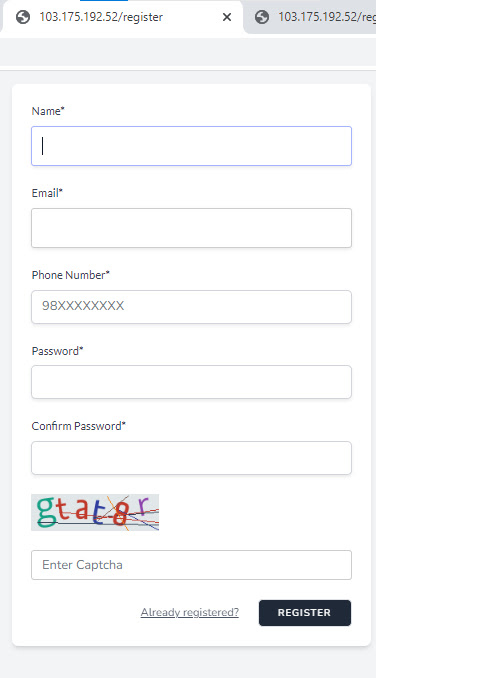
  1. First visit NHPC official website at nhpc.gov.np सुरुमा कुनै ब्राउजर (eg chrome, firefox) खोलेर NHPC को वेवसाइट खोल्नुहोस। 
    new regiatration button

  2. Then click on new registration button on top right दायापट्टि टुप्पोमा रहेको “new registration” बटनमा क्लिक गर्नुहोस।
    New registration window

  3. Then a new tab will open नया ट्याब खुल्नेछ। 
  4. Fill the requred information and proceed. मागेको जानकारि र कागजात अपलोड गर्नुहोस।

रजिस्ट्रेसनको लागि चाहिने कागजात

विशिष्ट तहको लागि

1. नेपाली नागरिकताको प्रमाण पत्र
2. साधारण योग्यता (टेष्ट÷एस.एल.सी.) को लब्धाङ्क पत्र र चारित्रिक प्रमाण पत्र
3. प्रमाण पत्र तह वा सो सरह शैक्षिक योग्यताको लब्धाङ्क पत्र र चारित्रिक प्रमाण पत्र
4. व्यवसायिक÷ प्राविधिक शिक्षाको स्नातक वा सो सरह (स्वास्थ्य व्यवसाय) संग सम्बन्धीत उतिर्ण गरेको लब्धाङ्क पत्र र चारित्रिक प्रमाण पत्र
5. संबन्धित विश्वविद्यालय÷परिषद÷बोर्ड बाट प्रदान गरीएको ओरिजिनल÷प्रोभिजनल प्रमाण पत्र
6. सिप अध्यापन गराउन सक्षम योग्य जनशक्ति भएको स्तरीय स्वास्थ्य संस्था बाट जारी भएको OJT / INTERNSHIP गरेको प्रमाण पत्र
7. विदेशी शिक्षण संस्थाबाट उतिर्ण गरेको भए समकक्षताको प्रमाण पत्र र पासपोर्ट चाहिने मुलुक भए पासपोर्ट र भिसाको प्रतिलिपी
8. विदेशी शिक्षण संस्थाबाट उतिर्ण गरेको भए शैक्षिक योग्यताको CURRICULUM, शिक्षण संस्थाको PROSPECTUS समेतको सक्कल तथा प्रतिलिपी परिषद कार्यालयमा बुझाउनु पर्नेछ (UPLOAD गर्नु नपर्ने) ।
9. परीक्षा दस्तुर रु. ३०००। नेपाल एस.वि.आई बैंक खाता नं. २०४३५२४०१००००८, वा राष्ट्रिय बाणिज्य बै.क खाता नं. 115000213301 वा हिमालयन बैंक खाता नं. ००२००५७४६६००१६ मा दाखिला गरेको भौचर ।
10. परीक्षामा उतिर्ण भए पश्चात नाम दर्ता दरखास्त दस्तुर रु. २०५०।– नेपाल एस.वि.आई बैंक खाता नं. २०४३५२४०१००००८, वा राष्ट्रिय बाणिज्य बै.क खाता नं. 115000213301 वा हिमालयन बैंक खाता नं. ००२००५७४६६००१६ मा दाखिला गरेको भौचर (विदेशि शिक्षण संस्थाबाट अध्ययन गरेकाहरुको हकमा दस्तुर रु. ४०५०।– वैंक दाखिला गरेकोे भौचर)
11. दफा २ अनुसारका SCAN गरी UPLOAD गरेका प्रमाण पत्र, कागजातहरुको सत्यापन पक्ष (ORIGINALITY) को जिम्मेवारी आवेदक स्वयं हुनेछ र UPLOAD गरेका सबै कागजातहरुको सक्कलै कपी प्रमाणपत्र लिन आउँदा लिएर आउनु पर्नेछ ।
12. कृपया सक्कल कागजातको स्कयान मात्र Upload गर्नु होला ।  (Please upload the scan of Original Document Only)
Nepal SBI Bank= 20435240100008
   Himalayan Bank= 00200574660016
   Rastriya Banijya Bank= 115000213301

प्रथम तहको लागि

1. नेपाली नागरिकताको प्रमाण पत्र
2. साधारण योग्यता (एस.एल.सी.) को लब्धाङ्क पत्र र चारित्रिक प्रमाण पत्र
3. प्रमाण पत्र तह वा सो सरह शैक्षिक योग्यताको लब्धाङ्क पत्र र चारित्रिक प्रमाण पत्र
4. व्यसायिक÷ प्राविधिक शिक्षाको स्नातक वा सो सरह (स्वास्थ्य व्यवसाय) संग सम्बन्धीत उतिर्ण गरेको लब्धाङ्क पत्र र चारित्रिक प्रमाण पत्र
5. संबन्धित विश्वविद्यालय÷परिषद÷बोर्ड बाट प्रदान गरीएको ओरिजिनल÷प्रोभिजनल प्रमाण पत्र
6. सिप अध्यापन गराउन सक्षम योग्य जनशक्ति भएको स्तरीय स्वास्थ्य संस्था बाट जारी भएको OJT / INTERNSHIP गरेको प्रमाण पत्र (शिक्षण अस्पतालमा अध्ययन गरेकाहरुको हकमा र जनस्वास्थ्य विषय अध्ययन गरेकाहरुको हकमा आवश्यक नपर्ने
7. विदेशी शिक्षण संस्थाबाट उतिर्ण गरेको भए समकक्षताको प्रमाण पत्र र पासपोर्ट चाहिने मुलुक भए पासपोर्ट र भिसाको प्रतिलिपी
8. विदेशी शिक्षण संस्थाबाट उतिर्ण गरेको भए शैक्षिक योग्यताको CURRICULUM, शिक्षण संस्थाको PROSPECTUS समेतको सक्कल तथा प्रतिलिपी परिषद कार्यालयमा बुझाउनु पर्नेछ (UPLOAD गर्नु नपर्ने)।
9. परीक्षा दस्तुर रु. ३०००। नेपाल एस.वि.आई बैंक खाता नं. २०४३५२४०१००००८ वा हिमालयन बैंक खाता नं. ००२००५७४६६००१६ मा दाखिला गरेको भौचर।
10. परीक्षामा उतिर्ण भए पश्चात नाम दर्ता दरखास्त दस्तुर रु. १५५०।– नेपाल एस.वि.आई बैंक खाता नं. २०४३५२४०१००००८, हिमालयन बैंक खाता नं. ००२००५७४६६००१६ वा वा राष्ट्रिय बाणिज्य बै.क खाता नं. 115000213301 मा दाखिला गरेको भौचर (विदेशि शिक्षण संस्थाबाट अध्ययन गरेकाहरुको हकमा दस्तुर रु. ३०५०।– वैंक दाखिला गरेकोे भौचर)
11. दफा २ अनुसारका SCAN गरी UPLOAD गरेका प्रमाण पत्र, कागजातहरुको सत्यापन पक्ष (ORIGINALITY) को जिम्मेवारी आवेदक स्वयं हुनेछ र UPLOAD गरेका सबै कागजातहरुको सक्कलै कपी प्रमाणपत्र लिन आउँदा लिएर आउनु पर्नेछ ।
12. कृपया सक्कल कागजातको स्कयान मात्र Upload गर्नु होला ।  (Please upload the scan of Original Document Only)
13. Nepal SBI Bank= 20435240100008
          Himalayan Bank= 00200574660016
          Rastriya Banijya Bank= 115000213301

द्वितिय तहको लागि

1. नेपाली नागरिकताको प्रमाण पत्र
2. साधारण योग्यता (एस.एल.सी.) को लब्धाङ्क पत्र र चारित्रिक प्रमाण पत्र
3. व्यवसायिक शिक्षा (स्वास्थ्य व्यवसाय संग सम्बन्धीत) प्रमाण पत्र तह वा सो सरह उतिर्ण गरेको योग्यताको लब्धाङ्क पत्र र चारित्रिक प्रमाण पत्र
4. सम्बन्धित विश्वविद्यालय÷परिषद÷बोर्ड बाट प्रदान गरीएको ओरिजिनल÷प्रोभिजनल प्रमाण पत्र
5. व्यवसायिक÷प्राविधिक शिक्षाको प्रमाण पत्र तह वा सो सरहको शैक्षिक योग्यताको लागि भर्ना योग्यता प्रमाण पत्र वा सो सरह (विज्ञान) भएकाहरुको हकमा सो योग्यताको लब्धाङ्क पत्र र चारित्रिक प्रमाण पत्र
6. सिप अध्यापन गराउन सक्षम योग्य जनशक्ति भएको स्तरीय स्वास्थ्य संस्थाबाट जारी भएको OJT / INTERNSHIP गरेको प्रमाण पत्र
7. विदेशी शिक्षण संस्थाबाट उतिर्ण गरेको भए समकक्षताको प्रमाण पत्र
8. विदेशी शिक्षण संस्थाबाट उतिर्ण गरेको भए उक्त योग्यताको CURRICULUM र शिक्षण संस्थाको Prospectus समेतको सक्कल तथा प्रतिलिपी परिषद कार्यालयमा बुझाउनु पर्नेछ (Upload गर्नु नपर्ने)
9.परीक्षा दस्तुर रु. ३०००। नेपाल एस.वि.आई बैंक खाता नं. २०४३५२४०१००००८ वा हिमालयन बैंक खाता नं. ००२००५७४६६००१६ मा दाखिला गरेको भौचर।
10. परीक्षामा उतिर्ण भए पश्चात नाम दर्ता दरखास्त दस्तुर रु. १०५०।– नेपाल एस.वि.आई बैंक खाता नं. २०४३५२४०१००००८, हिमालयन बैंक खाता नं. ००२००५७४६६००१६ वा वा राष्ट्रिय बाणिज्य बै.क खाता नं. 115000213301 मा दाखिला गरेको भौचर (विदेशि शिक्षण संस्थाबाट अध्ययन गरेकाहरुको हकमा दस्तुर रु. २०५०।– वैंक दाखिला गरेकोे भौचर)
11. LOG BOOK बुझाउनु पर्ने व्यवसायीहरुको हकमा ती व्यवसायीहरुले आफ्नो शिक्षण संस्थामा सक्कलै LOG BOOK बुझाउने र अध्ययन गरेको शिक्षण संस्थाले आफ्ना विद्यार्थीहरुको सक्कलै LOG BOOK संकलन गरी १५ दिन भित्र परिषद समक्ष बुझाउनु पर्ने ।
12. दफा २ अनुसारका SCAN गरी UPLOAD गरेका प्रमाण पत्र, कागजातहरुको सत्यापन पक्ष (ORIGINALITY) को जिम्मेवारी आवेदक स्वयं हुनेछ र UPLOAD गरेका सबै कागजातहरुको सक्कलै कपी प्रमाणपत्र लिन आउँदा लिएर आउनु पर्नेछ ।
13. कृपया सक्कल कागजातको स्कयान मात्र Upload गर्नु होला ।  (Please upload the scan of Original Document Only)
14. Nepal SBI Bank= 20435240100008     
           Himalayan Bank= 00200574660016
           Rastriya Banijya Bank= 115000213301

तृतीय तहको लागि

1. नेपाली नागरिकताको प्रमाण पत्र
2. साधारण योग्यता (टेष्ट÷एस.एल.सी.) को लब्धाङ्क पत्र र चारित्रिक प्रमाण पत्र
3. व्यवसायिक योग्यता (T-SLC) (कम्तीमा एक शैक्षिक वर्षको तालीम) को लब्धाङ्क पत्र र चारित्रिक प्रमाण पत्र (पूनः परीक्षा दिइ उतिर्ण गरेको भए प्रत्येक सालको लब्धाङ्क पत्र)।
4. सम्बन्धीत परिषद बोर्डले प्रदान गरेको ओरिजिनल ÷प्रोभिजनल प्रमाण पत्र
5. सिप अध्यापन गराउन सक्षम योग्य जनशक्ति भएको स्तरीय स्वास्थ्य संस्था बाट जारी भएको OJT गरेको प्रमाण पत्र
6. विदेशी शिक्षण संस्थाबाट उतिर्ण गरेको भए समकक्षताको प्रमाण पत्र
7. नाम दर्ता दरखास्त दस्तुर रु. ७५०।– नेपाल एस.वि.आई बैंक खाता नं. २०४३५२४०१००००८, हिमालयन बै.क खाता नं. ००२००५७४६६००१६ वा राष्ट्रिय बाणिज्य बै.क खाता नं. 115000213301 मा दाखिला गरेकोे भौचर (विदेशि शिक्षण संस्थाबाट अध्ययन गरेकाहरुको हकमा दस्तुर रु. १५५०।– वैंक दाखिला गरेकोे भौचर)
8. LOG BOOK बुझाउनु पर्ने व्यवसायीहरुको हकमा ती व्यवसायीहरुले आफ्नो शिक्षण संस्थामा सक्कलै LOG BOOK बुझाउने र अध्ययन गरेको शिक्षण संस्थाले आफ्ना विद्यार्थीहरुको सक्कलै LOG BOOK संकलन गरी १५ दिन भित्र परिषद समक्ष बुझाउनु पर्ने ।
9. दफा २ अनुसारका SCAN गरी UPLOAD गरेका प्रमाण पत्र, कागजातहरुको सत्यापन पक्ष (ORIGINALITY) को जिम्मेवारी आवेदक स्वयं हुनेछ र UPLOAD गरेका सबै कागजातहरुको सक्कलै कपी प्रमाणपत्र लिन आउँदा लिएर आउनु पर्नेछ ।
10. कृपया सक्कल कागजातको स्कयान मात्र Upload गर्नु होला । (Please upload the scan of Original Document Only)
11. Nepal SBI Bank= 20435240100008
          Himalayan Bank= 00200574660016
          Rastriya Banijya Bank= 115000213301

बैंक अकाउन्ट NHPC   वेवसाइटबाट कन्फर्म गर्नुहोला! 

(NOTE: Taken from NHPC site for education purpose only) mail at mail@chaitanya.com.np for removal if copyright applies)

Books to read for MEC Nepal 2023

Books to read for MEC exam: Medical education comission Nepal

What is MEC?

MEC is medical education council responsible for regulating ,edical education in Nepal.
Medical books

Anatomy

  • Self-Assessment and Review of Anatomy by Rajesh K Kaushal
  • New Across: A Complete Review of Short Subjects by Saumya Shukla, Siddharth Dixit, Anurag Shukla & Khushi Shukla
  • Human Anatomy by BD Chaurasia
  • Gray’s Anatomy for Students by Raveendranath Veeramani, Sunil Jonathan Holla, Parkash Chand & Sunil Chumber

Biochemistry

  • Biochemistry Review Book by Rebecca James Perumcheril
  • Textbook Of Biochemistry for Medical Students by DM Vasudevan, Sreekumari S & Kannan Vaidyanathan
  • Biochemistry by U. Satyanarayana & U. Chakrapani

Physiology

  • Principles of Physiology by Debasis Pramanik
  • Review of Physiology by Soumen Manna
  • Crisp Complete Review of Integrated Systems Physiology by S Krishna Kumar

Forensic Medicine & Toxicology

  • Review of Forensic Medicine and Toxicology by Gautam Biswas
  • Recent Advances in Forensic Medicine and Toxicology (Volume-1 and 2) by Gautam Biswas
  • Manual of Forensic Medicine and Toxicology by Gautam Biswas
  • The Essentials of Forensic Medicine and Toxicology by KS Narayan Reddy and OP Murty
  • Forensic Medicine by J Magendran

Microbiology

  • Essentials of Medical Microbiology by Apurba Sastry & Sandhya Bhat
  • Review of Microbiology and Immunology by Apurba Sastry & Sandhya Bhat
  • Self-Assessment & Review Microbiology & Immunology by Rachna Chaurasia & Anshul Jain
  • Click here to know the important topics of Microbiology for NEET-PG.

Pathology

  • Textbook of Pathology by Harsh Mohan
  • Essentials in Hematology and Clinical Pathology by Ramadas Nayak & Sharada Rai
  • Exam Preparatory Manual for Undergraduates Pathology by Ramadas Nayak
  • Rapid Review of Hematology by Ramadas Nayak & Sharada Rai
  • Review of Pathology and Genetics by Sparsh Gupta & Gobind Rai Garg
  • Comprehensive Image Based Review of Pathology by Sushant Soni

Pharmacology

  • Essentials of Medical Pharmacology by K.D. Tripathi
  • Review of Pharmacology by Govind Rai Garg & Sparsh Gupta
  • Pharmacology Review by S.R. Saif
  • Click here to know the important topics of Pharmacology for NEET-PG.

Anaesthesiology

  • Anaesthesia Essence by Pritesh Singh & Usica Chandan
  • Short Textbook of Anaesthesia by Ajay Yadav
  • Radiology
  • Review of Radiology by Rajat Jain & Virendra Jain

Community Medicine

  • DK Taneja’s Health Policies & Programmes in India by Bratati Banerjee
  • Mahajan’s Methods in Biostatistics for Medical Students & Research Workers by Bratati Banerjee
  • Review of Preventive & Social Medicine by Vivek Jain
  • Click here to know the important topics of Community Medicine for NEET-PG.

Dermatology & Venereology

  • Review of Dermatology by Saurabh Jindal

Medicine

  • An Insider’s Guide to Clinical Medicine by Archith Boloor & Anudeep Padakanti
  • Exam Preparatory Manual for Undergraduates: Medicine by Archith Boloor & Ramadas Nayak
  • Self-Assessment & Review Medicine (Part A & B) by Mudit Khanna
  • Harrison’s Principles of Internal Medicine (Volume I & Volume II) by J. Larry Jameson, Anthony S. Fauci, Dennis L. Kasper, Stephen L. Hauser, Dan L. Longo, & Joseph Loscalzo

Obstetrics & Gynecology

  • DC Dutta’s Textbook of Obstetrics by Hiralal Konar
  • DC Dutta’s Textbook of Gynecology by Hiralal Konar
  • Self-Assessment & Review Gynecology by Sakshi Arora Hans
  • Self-Assessment & Review Obstetrics by Sakshi Arora Hans
  • Bedside Clinics in Gynecology by Arup Kumar Majhi
  • Ward Rounds in Obstetrics & Gynecology by Sunanda Kulkarni
  • Smart Study Series: Obstetrics and Gynecology by Punit S. Bhojani

Ophthalmology

  • Clinical Cases in Glaucoma: An Evidence-Based Approach by Parul Ichhpujani & Shibal Bhartiya
  • Expert Techniques in Ophthalmic Surgery by Parul Ichhpujani, George L. Spaeth & Myron Yanoff
  • Manual of Glaucoma by Parul Ichhpujani & Shibal Bhartiya
  • Gonioscopy: A Text and Atlas by Talvir Sidhu & Tanuj Dada
  • Gonioscopy: A Video-Assisted Skill Transfer Approach by Talvir Sidhu, Tanuj Dada, Amit Kumar & Ajay Sharma
  • Comprehensive Ophthalmology by AK Khurana
  • Self-Assessment and Review of Ophthalmology by Sudha Seetharam

Orthopaedics

  • Orthopaedics Review by Apurv Mehra
  • Essential Orthopaedics Principles & Practice (2 Volumes) by Manish Kumar Varshney
  • Fundamentals of Orthopedics by Mukul Mohindra & Jitesh Kumar Jain
  • Chapman’s Comprehensive Orthopaedic Surgery (5 Vols.) by Michael W Chapman & Michelle A James
  • Essential Orthopaedics (Including Clinical Methods) by Maheshwari & Mhaskar
  • Manipal Manual of Orthopaedics by Vivek Pandey

Otorhinolaryngology

  • Self-Assessment & Review: ENT by Sakshi Arora Hans
  • Diseases of Ear, Nose and Throat: with Head & Neck Surgery by Mohan Bansal
  • Self-Assessment and review of short subject, Ophthalmology, otorhinolaryngology (ENT) & Orthopaedics by Arvind Arora
  • Exam preparatory manual for Undergraduates: Otorhinolaryngology (ENT) by Nilam Uttam Sathe

Pediatrics

  • Review of Pediatrics & Neonatology by Apurv Mehra, Meenakshi Bothra Gupta & Taruna Mehra
  • Ghai Essential Pediatrics by Vinod K. Paul & Arvind Bagga
  • Exam preparatory Manual for Undergraduates: Pediatrics by Snehal Patel
  • UG Textbook of Pediatrics by Piyush Gupta

Psychiatry

  • Review of Psychiatry by Praveen Tripathi
  • Textbook of Psychiatry by Praveen Tripathi

Surgery

  • SRB’s Manual of Surgery by Sriram Bhat M
  • Surgery Essence by Pritesh Singh
  • SRB’s Clinical Methods in Surgery by Sriram Bhat M
  • Bailey & Love’s Short Practice of Surgery: International Student’s Edition (set volume 1 & 2) by Norman Williams, P Ronan O’Connell & Andrew McCaskie
  • Clinical methods in Surgery by S Das

NEET PG-2023 preparation books (MCQs, IBQs & Clinical cases):

  • The Next Level of Preparation NEET PG Crystal Clear (2016-2021) 3rd Edition 2022 by Thameem Saif, Apurv Mehra, Akhil Monga & Kavan Parikh
  • NEET Essence by Pritesh Singh
Medical books

Source: https://www.diginerve.com/most-recommended-books-for-neet-pg-2023

How does a stethoscope work? A wikihow to stethoscope

How does a stehoscope work: A complete guide on how a stethoscope works

A stethoscope works by transmitting sound waves from the patient’s body to the listener’s ears through a chestpiece, tubing, and earpieces. The vibrations caused by bodily functions are converted into audible sound waves, enabling healthcare professionals to assess and diagnose various conditions.
stethoscope 

The Science Behind Stethoscopes: How Do They Actually Work?

For centuries, the stethoscope has been an essential tool in the medical field, enabling physicians to listen to the sounds of the body and diagnose a variety of conditions. But have you ever wondered how exactly this simple device works? The science behind stethoscopes is fascinating and complex, involving principles of acoustics, physics, and human anatomy. From the diaphragm to the earpieces, every component of the stethoscope plays a crucial role in transmitting and amplifying the sounds of the body. Understanding how stethoscopes work can help us appreciate the remarkable precision and accuracy of modern medical technology. In this article, we will dive deeper into the science behind stethoscopes, exploring the mechanics of sound transmission, the anatomy of the human body, and the history of this iconic medical instrument. So, put on your lab coat and let’s explore the science of stethoscopes together!

The History of Stethoscopes

The stethoscope has a long and fascinating history, dating back to the early 19th century when it was first invented by a French physician named René Laennec. In those days, doctors would listen to the sounds of their patients’ bodies by placing their ear directly against the patient’s chest or back, which was not only uncomfortable but also unhygienic. Laennec was inspired to invent the stethoscope after observing two children playing with a long wooden stick, one end of which was placed against the ground while the other end was placed against the ear. He realized that this simple principle could be applied to listening to the sounds of the body, and thus the stethoscope was born.
The first stethoscopes were made of wood and were shaped like a tube with a bell-shaped end that was placed against the patient’s chest. The other end of the tube was placed against the doctor’s ear, allowing them to hear the sounds of the body more clearly. Over time, stethoscopes evolved to include a diaphragm that could be used to listen to higher-frequency sounds, such as heart murmurs, and a bell that could be used to listen to lower-frequency sounds, such as lung sounds.
Today, stethoscopes come in a variety of shapes and sizes and are made from a range of materials, including plastic, metal, and rubber. Despite these changes, the basic principle of the stethoscope remains the same: to amplify the sounds of the body and enable doctors to diagnose a variety of conditions.

How Do Stethoscopes Work?

At its most basic level, a stethoscope works by transmitting sound waves from the patient’s body to the doctor’s ear. Sound waves are created by the movement of air molecules, which vibrate as they travel through the body. These vibrations are then transmitted through the stethoscope to the doctor’s ear, where they are amplified and interpreted.
The key component of the stethoscope that enables this process to occur is the diaphragm. The diaphragm is a thin, flexible membrane that is placed against the patient’s skin. When sound waves from the body hit the diaphragm, they cause it to vibrate, creating a mechanical signal that is transmitted through the stethoscope tubing to the doctor’s ear.
The tubing of the stethoscope also plays a crucial role in sound transmission. The tubing is designed to be narrow and flexible, which helps to filter out unwanted background noise and amplify the sounds of the body. The length of the tubing can also affect the quality of sound transmission, with longer tubing generally producing a clearer sound.
The earpieces of the stethoscope are also important for sound transmission. The earpieces are designed to fit snugly in the doctor’s ears, creating a seal that helps to block out unwanted noise and ensure that the sounds of the body are heard clearly. Some stethoscopes also come with noise-cancelling features, which can help to further filter out background noise and improve sound quality.

The Anatomy of a Stethoscope

To understand how stethoscopes work, it’s important to first understand the anatomy of the device. A stethoscope is made up of several key components, each of which plays a crucial role in sound transmission.
The chestpiece is the part of the stethoscope that is placed against the patient’s skin. The chestpiece can be either a diaphragm or a bell, depending on the type of sound that needs to be heard. The diaphragm is a thin, flat piece of plastic or metal that vibrates when sound waves hit it. The bell, on the other hand, is a larger, concave piece of metal that is used to listen to lower-frequency sounds.
The tubing of the stethoscope connects the chestpiece to the earpieces. The tubing is typically made of rubber or plastic and is designed to be narrow and flexible, allowing sound waves to travel through it with minimal distortion.
The earpieces of the stethoscope are the part that is inserted into the doctor’s ears. The earpieces are usually made of soft rubber or plastic and are designed to fit comfortably in the ear canal. Some stethoscopes also come with adjustable earpieces, which can be moved up or down to accommodate different ear sizes.

Types of Stethoscopes and Their Uses

There are several different types of stethoscopes, each of which is designed for a specific purpose. The most common types of stethoscopes include:

  • – Acoustic stethoscopes: These are the most basic type of stethoscope and rely solely on sound transmission through the tubing and earpieces.
  • – Electronic stethoscopes: These stethoscopes use electronic amplification to enhance sound quality and filter out unwanted noise.
  • – Fetal stethoscopes: These stethoscopes are designed specifically for listening to the heartbeat of a fetus.
  • – Pediatric stethoscopes: These stethoscopes are designed for use on infants and young children and have smaller chestpieces and earpieces.
  • – Cardiology stethoscopes: These stethoscopes are designed for use in cardiology and have a larger diaphragm and a bell for listening to both high- and low-frequency sounds.
  • – Dual-head stethoscopes: These stethoscopes have both a diaphragm and a bell, allowing doctors to listen to a wider range of sounds.

Stethoscope Materials and Construction

  • Stethoscopes are made from a variety of materials, each of which has its own unique properties and benefits. The most common materials used in stethoscope construction include:
  • – Plastic: Plastic stethoscopes are the most basic type of stethoscope and are typically the least expensive. They are lightweight and easy to clean but may not provide the highest quality sound transmission.
  • – Metal: Metal stethoscopes are more durable and provide better sound transmission than plastic stethoscopes. They are typically more expensive but are also more reliable and long-lasting.
  • – Rubber: Rubber stethoscopes are soft and flexible, making them comfortable to use for extended periods of time. They are also easy to clean and maintain.

The construction of a stethoscope can also affect its sound quality and durability. High-quality stethoscopes are typically made with precision components and feature tight seals and well-constructed tubing to ensure clear sound transmission.

The Importance of Proper Stethoscope Maintenance

Proper maintenance of a stethoscope is essential for ensuring that it continues to function properly and provide accurate sound transmission. Some key tips for stethoscope maintenance include:

  • – Clean your stethoscope regularly with a mild soap and water solution.
  • – Store your stethoscope in a clean, dry place when not in use.
  • – Avoid exposing your stethoscope to extreme temperatures or sunlight.
  • – Replace worn or damaged parts of your stethoscope as needed.

By taking care of your stethoscope, you can ensure that it continues to provide reliable and accurate sound transmission for years to come.

Innovations in Stethoscope Technology

In recent years, there have been several exciting innovations in stethoscope technology that have helped to improve sound quality and diagnostic accuracy. One of the most notable of these is the electronic stethoscope, which uses advanced amplification and filtering technology to provide clearer sound transmission.
Other innovations include the development of stethoscopes with Bluetooth connectivity, which can allow doctors to transmit heart and lung sounds directly to a computer or mobile device for analysis. Some stethoscopes also come with built-in recording features, allowing doctors to record and review sounds at a later time.

Common Stethoscope Myths Debunked

There are several common myths and misconceptions surrounding stethoscopes. One of the most persistent of these is the idea that you can hear a patient’s thoughts or emotions through a stethoscope. In reality, stethoscopes are designed solely for the purpose of listening to the sounds of the body and cannot pick up on thoughts or emotions.
Another common myth is that stethoscopes are only used for listening to the heart. While the heart is certainly one of the most important organs that can be listened to with a stethoscope, doctors also use stethoscopes to listen to the lungs, stomach, and other parts of the body.

Conclusion

The stethoscope is a remarkable tool that has played a crucial role in the history of medicine. From its humble beginnings as a simple wooden tube to the high-tech electronic devices of today, the stethoscope has continued to evolve and improve over time. By understanding the science behind stethoscopes, we can appreciate the remarkable precision and accuracy of modern medical technology and the incredible insights it can provide into the workings of the human body. Whether you’re a physician, nurse, or simply someone with an interest in science and medicine, the stethoscope is a fascinating subject that is sure to captivate and inspire.

Council For Technical Education and Vocational Training CTEVT

Council For Technical Education and Vocational Training CTEVT

CTEVT Logo


Introduction to CTEVT

The Council for Technical Education and Vocational Training (CTEVT) constituted in 1989 (2045 BS) is a national autonomous apex body of Technical and Vocational Education and Training (TVET) sector committed for the production of technical and skillful human resources required to the nation. It mainly involves in policy formulation, quality control, preparation of competency based curriculum, developing skill standards of various occupations and testing the skills of the people, conduct various research studies and training needs assessment etc.

It has an assembly consisting of 24 members and a governing board known as Council comprising nine members. Minister of Education chairs both the Assembly and the Council. The Council has a full time Vice-Chairperson and a Member-Secretary.

Vision of CTEVT

Skilling Nepal for People’s Prosperity

Mission of CTEVT

CTEVT is a vibrant organization promoting TVET system to develop a competent workforce for national and international market needs

Goals of CTEVT

In order to achieve and attain the mission and vision, CTEVT has set the following six goals:
  1. Expand TVET programs for ensuring access and equity
  2. Ensure quality, relevant and efficient TVET system
  3. Enhance effectiveness and efficiency of CTEVT management
  4. Establish NVQF to ensure its compatibility with education framework
  5. Extend technical input to establish TVET Fund
  6. Establish effective coordination with and among TVET Stakeholders

Major Responsibilities of CTEVT

CTEVT mainly has the following responsibilities:

  1. Provide advice to the Government of Nepal regarding TEVT policy and programs.
  2. Determine scope and standards of TEVT programs.
  3. Arrange for and conduct TEVT Programs from basic level to higher education.
  4. Liaison and maintain coordination with national and international TEVT agencies for quality education and training.
  5. Extend technical input to establish TVET Fund
  6. Establish effective coordination with and among TVET Stakeholders

CTEVT contacts: 

CTEVT Location: Sanothimi Bhaktapur, Nepal

CTEVT Phone: +977 – 1 – 6631458, 6631459, 6630769

CTEVT E-mail: info@ctevt.org.np, research@ctevt.org.np

CTEVT E-mail: info@ctevtexam.org.np (For examination purpose)

CTEVT Website: http://www.ctevt.org.np

Check CTEVT result at

CTEVT P.O. Box: 3546, Kathmandu, Nepal

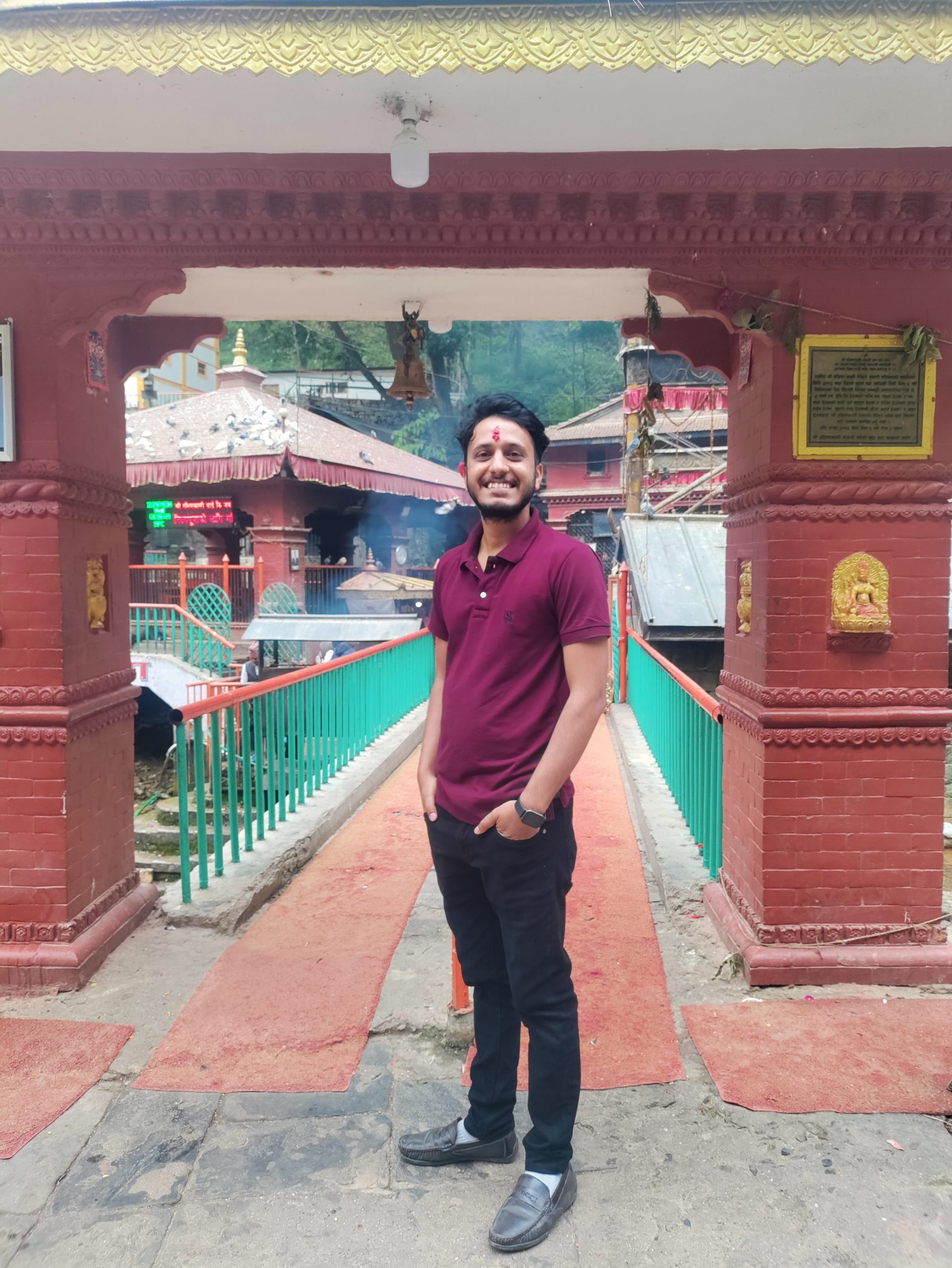
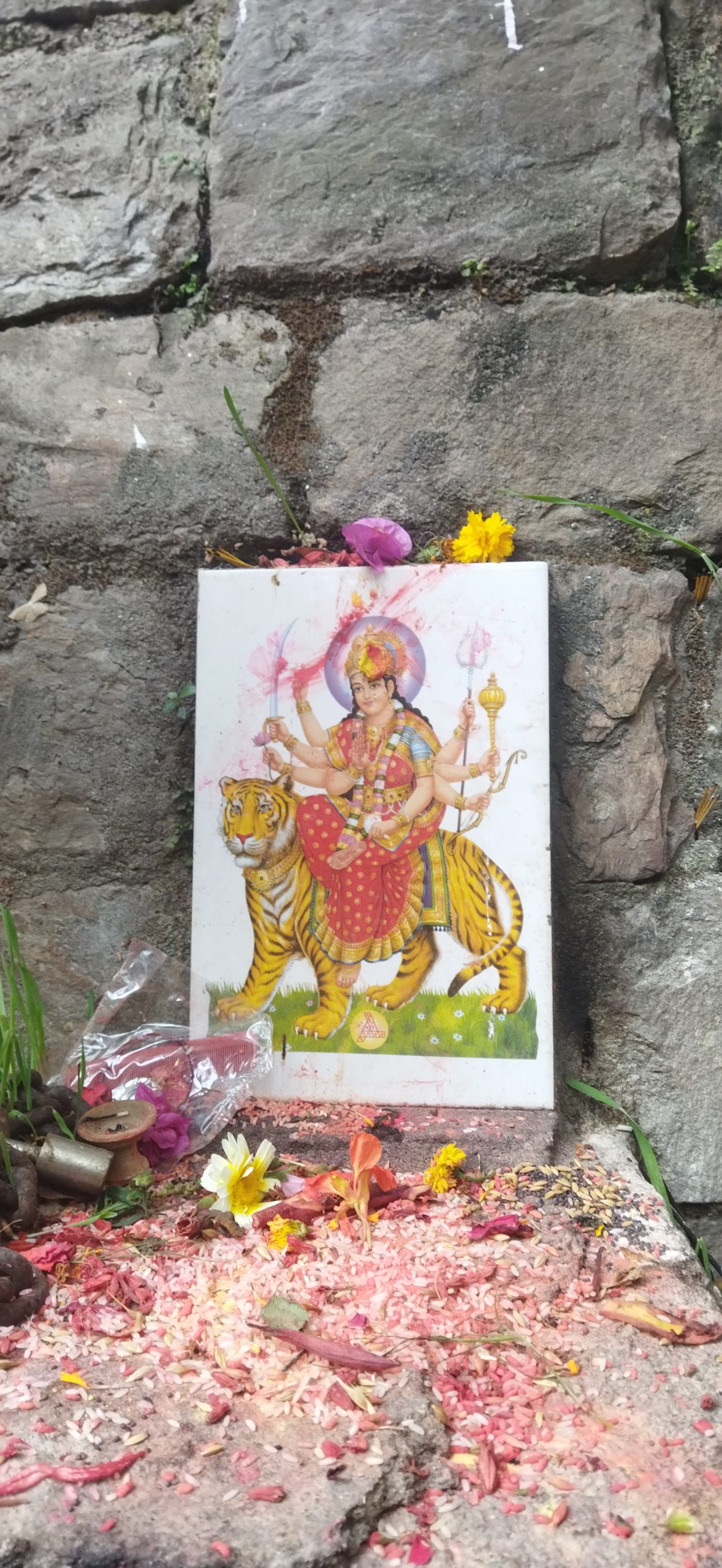
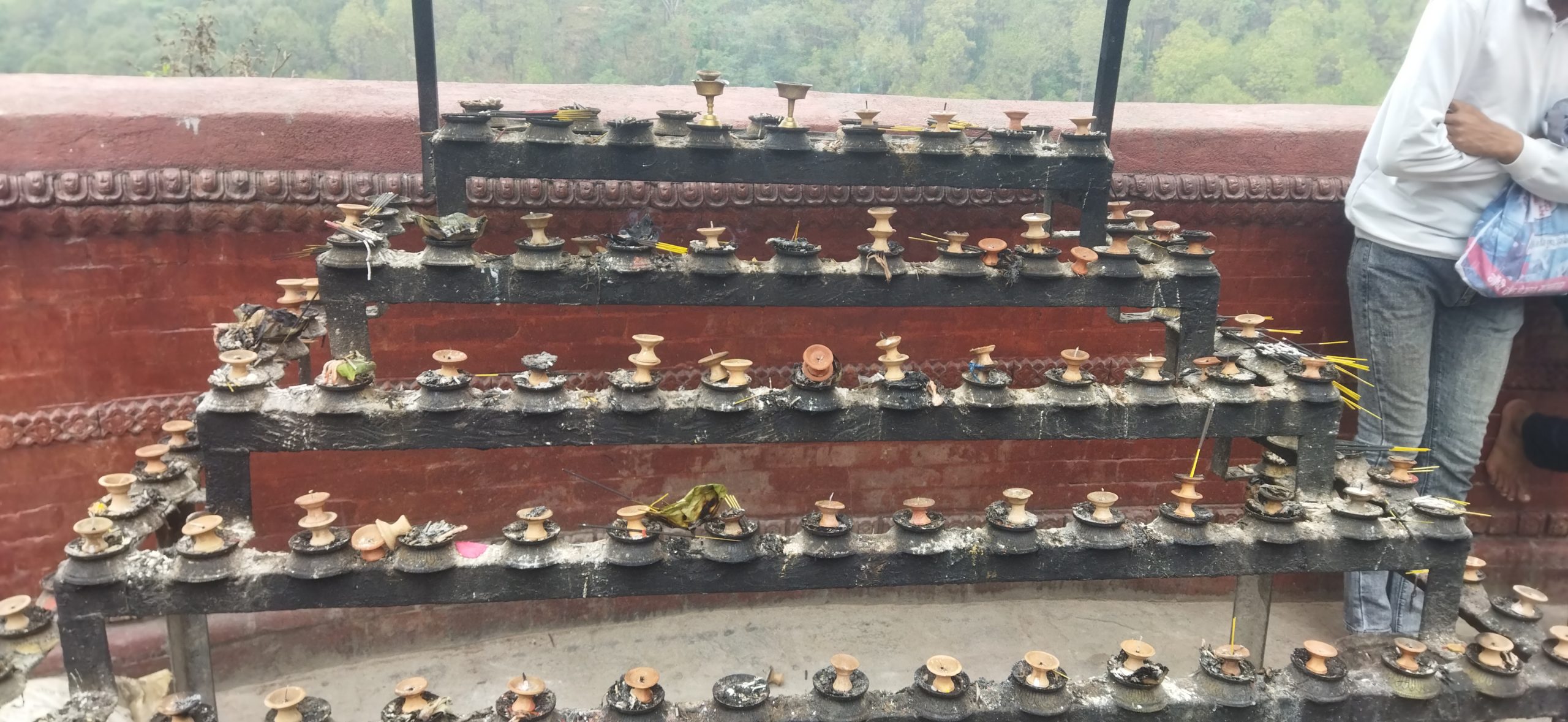
A trip to Dakshinkali mata darshan, Manakamana Darshan and Pathibhara mata darhan in Kathmandu and Lalitpur

A trip to Dakshinkali mata darshan, Manakamana temple Darshan and Pathibhara mata temple darhan in Kathmandu and Lalitpur

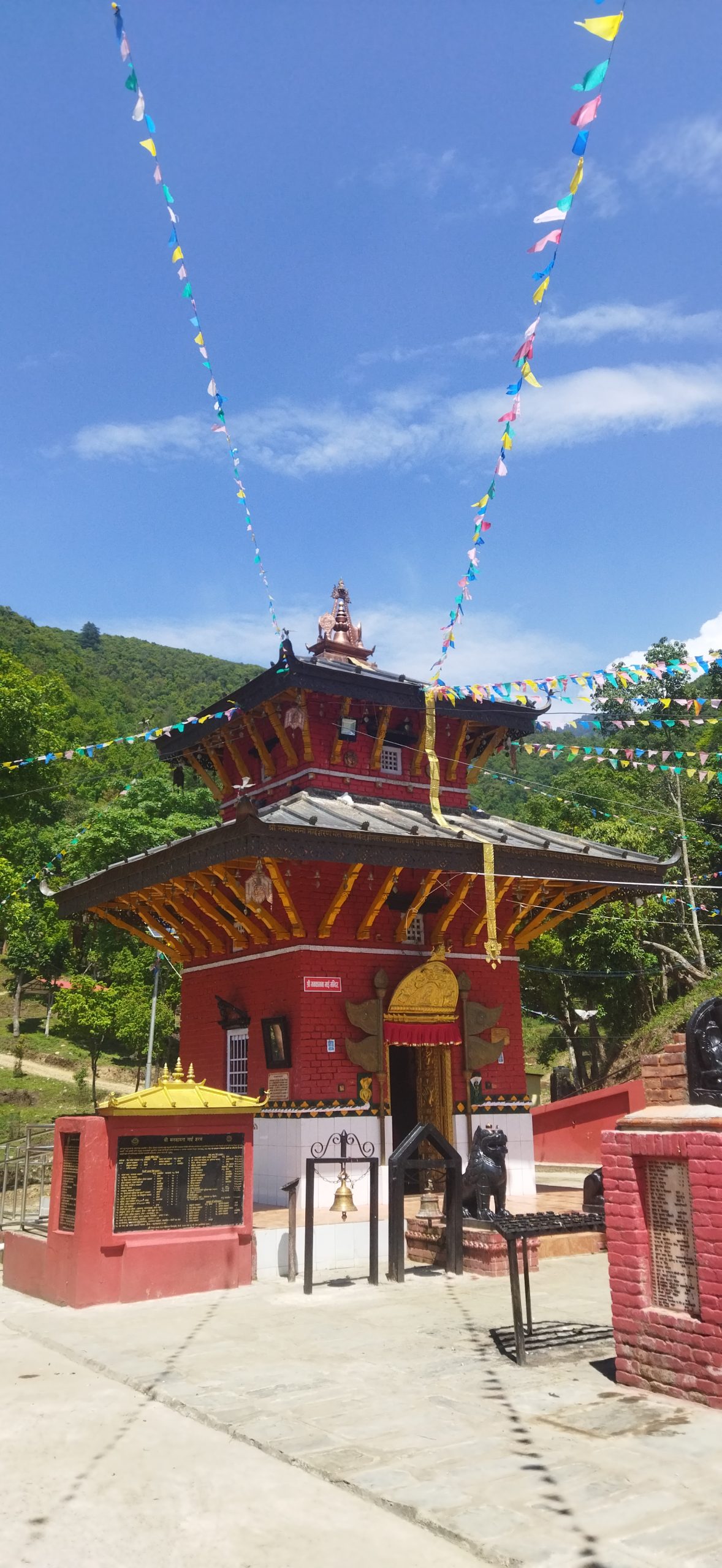
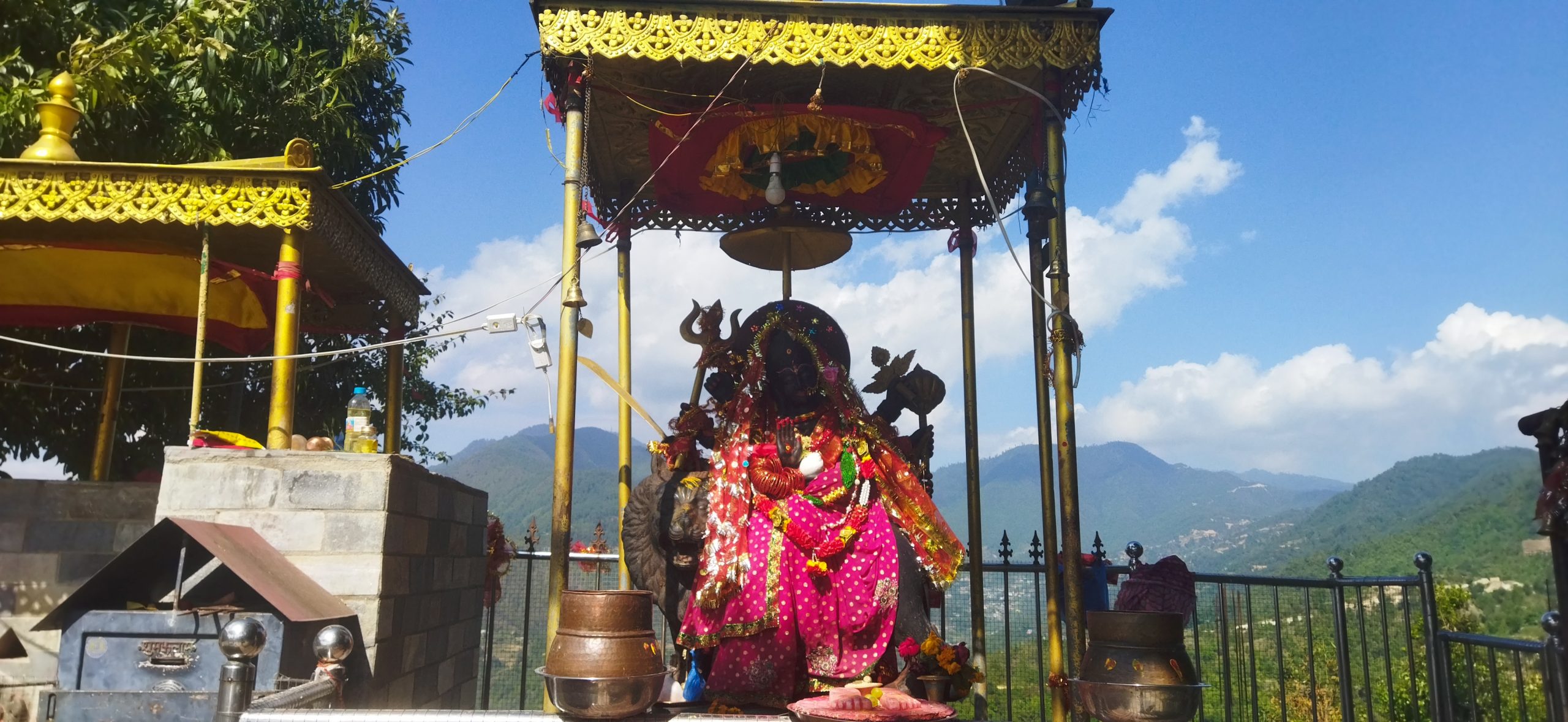
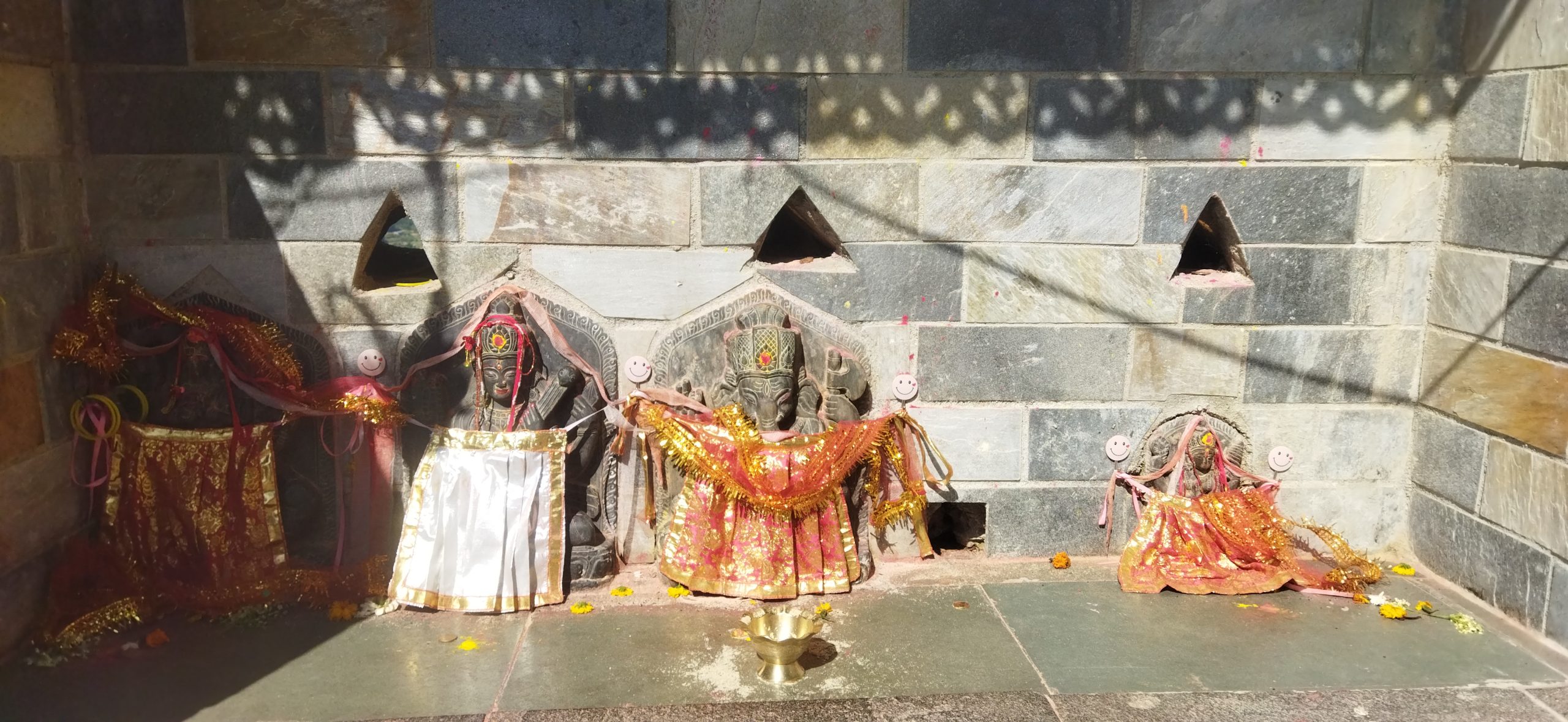
I had a chance to vsit top pilgrim destination near kathmandu. As many people know Dakshinkali temple is located in Kathmandu. 

also called Daxinkali temple or Dakshinkali mandir

But do you know that there is Manakamana and Pathibhara devi also in Kathmandu valley?

Yes now you know. 
Manakamana devi is located in Lele Municipality, Lalitpur. It is situated at diatance of 11 kilometres from Satdobato Lalitpur. 

See map link for direction : https://goo.gl/maps/MuJfjse7B3UWamUV8

Pathibhara temple is also located in Lalitpur district in Konjyoson Rural municipality.

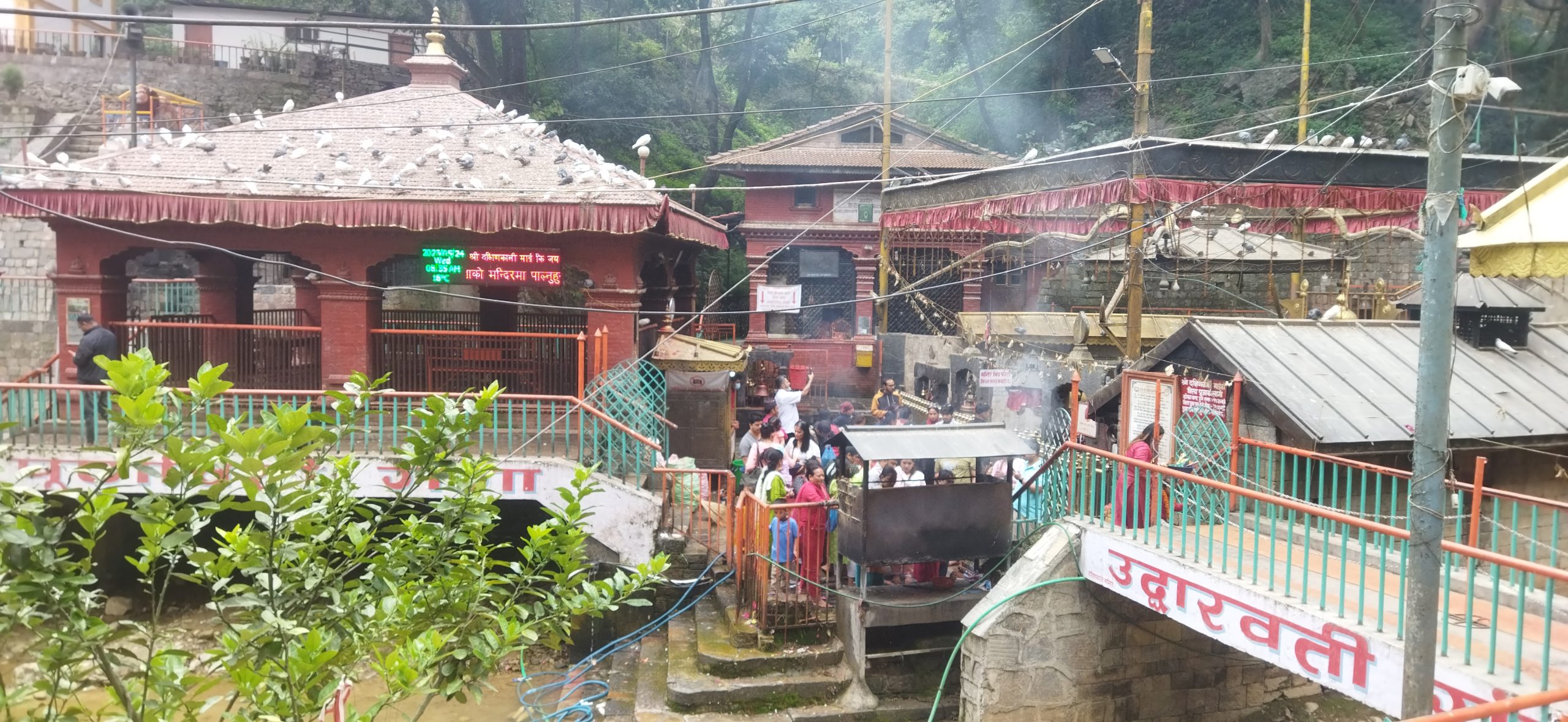
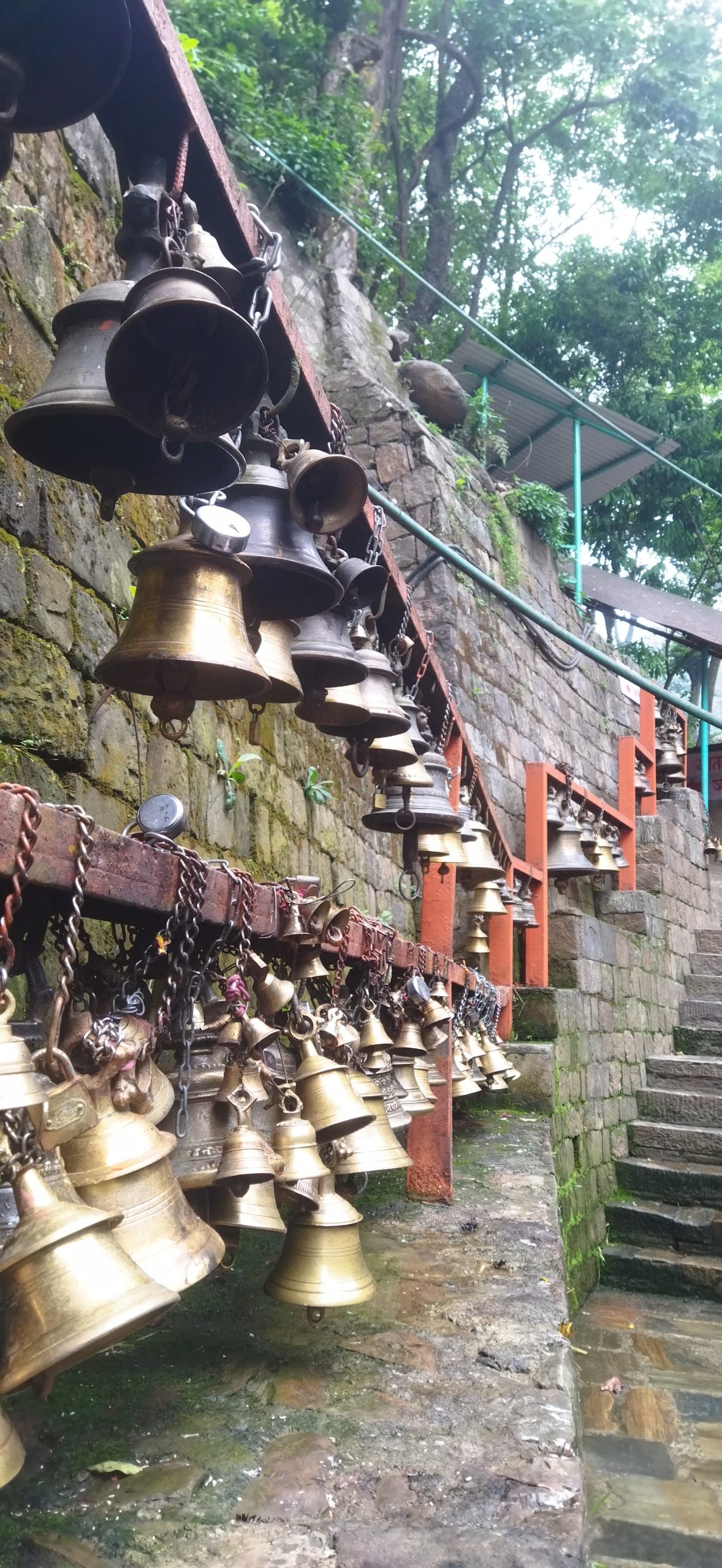
Some pictures of Dakshinkali: Dakshinkali temple

Dakshinkali temple

Dakshinkali temple

Dakshinkali temple

Outside Dakshinkali temple

Dakshinkali temple

Dakshinkali mata temple

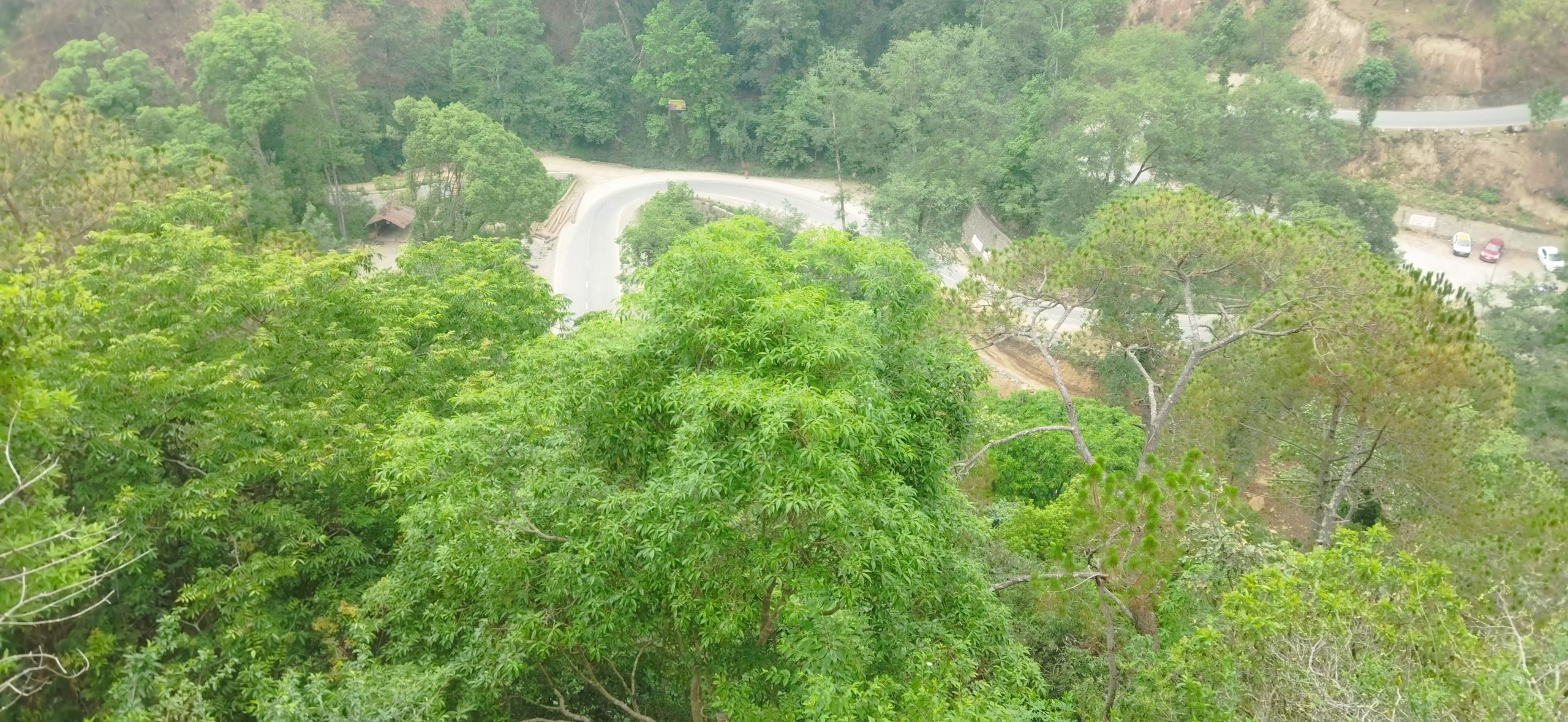
View from Dakshinkali mata temple

Dakshinkali temple Dr Chaitanya

Dakshinkali temple

Dakshinkali temple outside

Pictures of Manakamana Lalitpur:

Where is manakamana temple located: Manakamana temple is also located in lele rural municipality lalipur. (Not main manakamana temple)

Manakamana temple Lalitpur

Manakamana temple Lalitpur

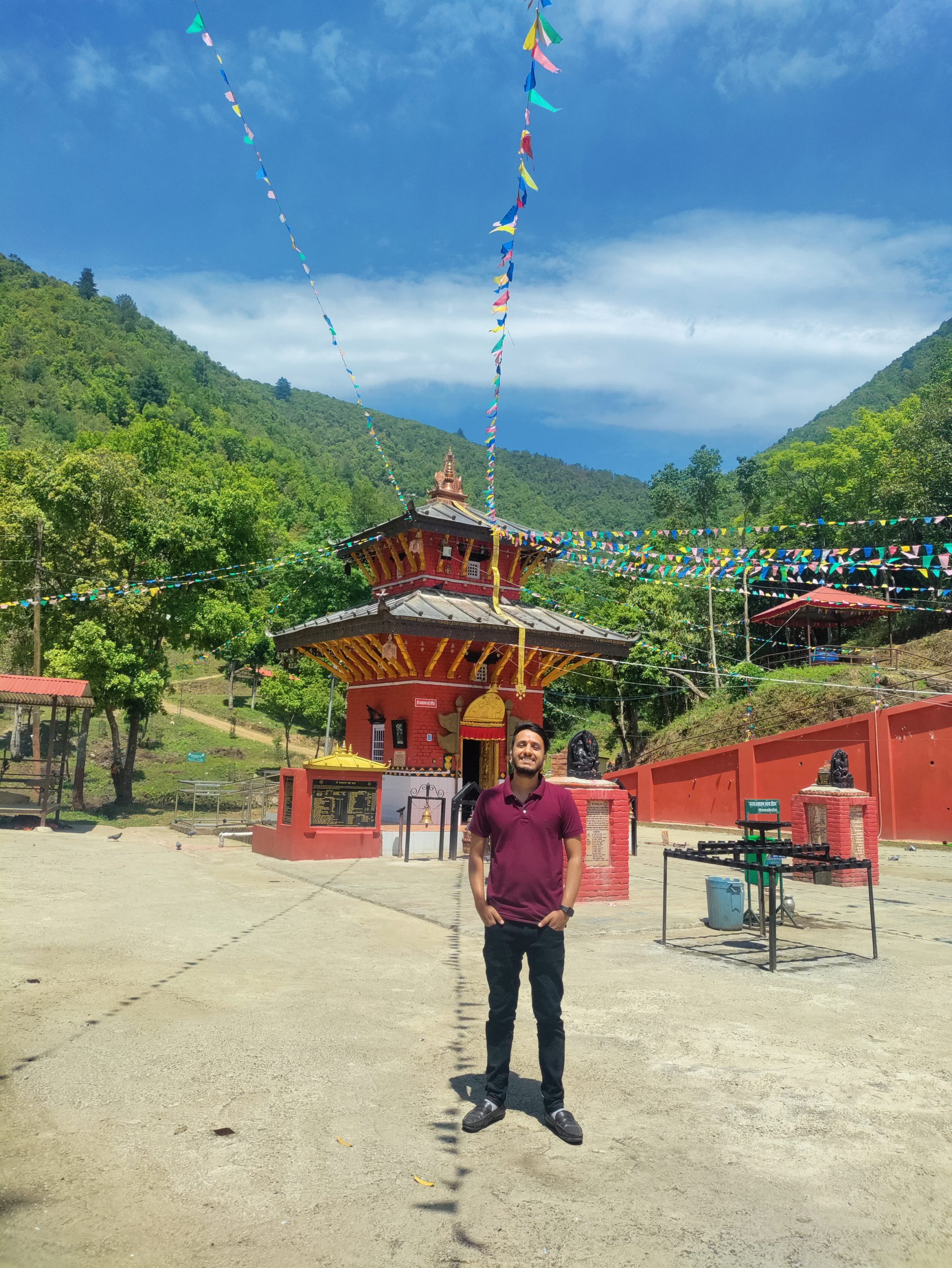
Pictures of Pathibhara mata temple Konjyoson Lalitpur


Flower bloosom

Pathibhara temple

Pathibhara temple

Importance of Devi worshipping (देवीपूजनको महत्वहरू)

1. Connection with the divine feminine:

Worshipping devis (goddesses) provides a profound connection with the divine feminine energy that exists within and around us. It allows individuals to embrace and honor the nurturing, compassionate, and creative aspects of existence.

2. Empowerment: 

Devi worship empowers individuals, especially women, by recognizing and celebrating their inherent strength and divine qualities. It promotes a sense of self-worth, confidence, and courage.

3. Balance and harmony: 

The worship of devis emphasizes the importance of balance and harmony in life. By honoring both the masculine and feminine energies, it encourages individuals to seek equilibrium in all aspects of life, fostering a sense of peace and unity.

4. Protection and guidance: 

Worshipping devis is often associated with seeking their protection and guidance. Devi represents the universal motherly figure, offering support and safeguarding against negative forces, obstacles, and dangers.

5. Spiritual awakening: 

Devi worship serves as a pathway to spiritual awakening. By immersing oneself in the devotion and contemplation of the goddess, individuals can deepen their spiritual connection, expand their consciousness, and embark on a transformative journey.

6. Fostering compassion and love: 

The worship of devis nurtures qualities such as compassion, love, and empathy. Devi represents unconditional love and acts as a reminder to extend kindness and care to all beings, fostering a more compassionate society.

7. Celebration of diversity: 

Devis are associated with various qualities, attributes, and forms, symbolizing the diverse aspects of existence. By worshipping different goddesses, individuals honor and celebrate the diversity and uniqueness present in the world.

8. Liberation and liberation: 

Devi worship is often associated with the concept of liberation (moksha) and freedom from the cycle of birth and death. It encourages individuals to transcend worldly attachments and realize their true divine nature.

9. Healing and transformation: 

Devi worship is known to facilitate healing and transformation on physical, emotional, and spiritual levels. It is believed that connecting with the goddess can bring about inner healing, rejuvenation, and a renewed sense of purpose.

10. Cultivation of virtues: 

Devi worship promotes the cultivation of virtues such as humility, devotion, gratitude, and surrender. By embodying these qualities, individuals can purify their hearts and minds, leading to personal growth and spiritual evolution.

Copyright: All rights reserved to Dr Chaitanya. Unauthorized downloading and distributing is prohibited and my lead to legal consequences. 

(adsbygoogle = window.adsbygoogle || []).push({});

Ventilator association pneumonia: the unfortunate risk for people under mechanic ventilation diagnosis and management

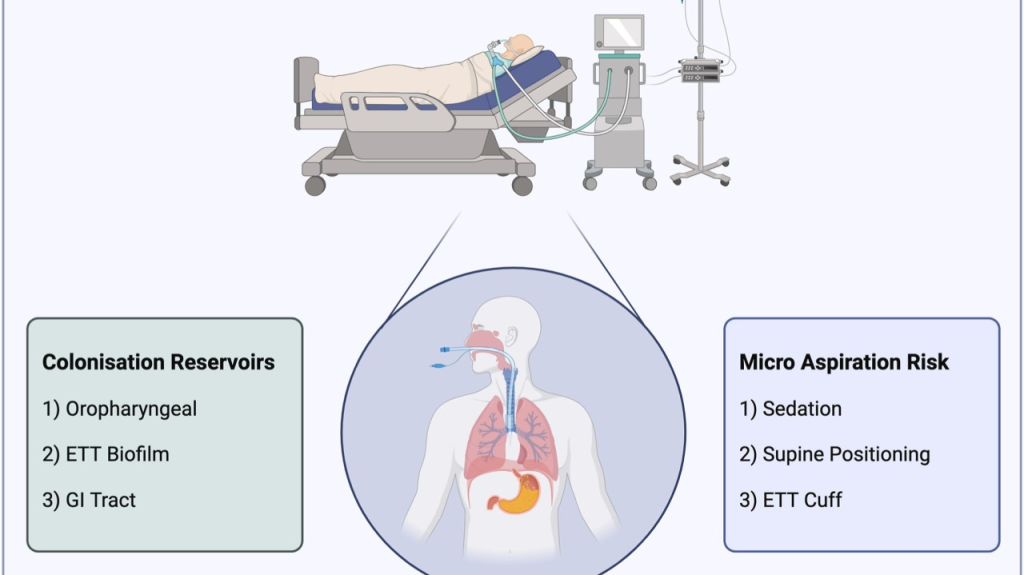
 Ventilator-Associated Pneumonia (VAP)

Definition:

  • A type of hospital-acquired pneumonia.
  • Occurs 48 hours or more after endotracheal intubation and mechanical ventilation.

Etiology / Common Pathogens:

  • Gram-negative bacteria:
    • Pseudomonas aeruginosa
    • Klebsiella pneumoniae
    • Escherichia coli
    • Acinetobacter baumannii
  • Gram-positive bacteria:
    • Staphylococcus aureus (including MRSA)

Risk Factors:

  • Prolonged mechanical ventilation
  • Supine positioning
  • Aspiration of gastric contents
  • Poor oral hygiene
  • Use of sedatives and paralytics
  • Re-intubation

Pathophysiology:

  • Microaspiration of oropharyngeal secretions
  • Colonization of the airway and endotracheal tube
  • Formation of biofilms

Clinical Features:

  • Fever
  • Purulent tracheal secretions
  • New or progressive infiltrates on chest X-ray
  • Leukocytosis or leukopenia
  • Worsening oxygenation

Diagnosis:

  • Clinical criteria (e.g., CPIS – Clinical Pulmonary Infection Score)
  • Chest imaging
  • Microbiological cultures (sputum, bronchoalveolar lavage, tracheal aspirate)

Prevention:

  • Elevate head of bed (30–45 degrees)
  • Daily sedation vacations and assessment for extubation
  • Oral care with chlorhexidine
  • Subglottic secretion drainage
  • Hand hygiene and sterile technique

Treatment:

Duration typically 7 days (can vary)

Empirical broad-spectrum antibiotics initially

De-escalation based on culture results

Exit mobile version