RFT- Renal function test: Indication, Interpretatin, Normal Range
RFT- Renal function test: Indication, Interpretatin, Normal Range
Table of Contents(toc)
Introduction of Renal Function Test (RFT)
Renal Function Tests (RFTs) are a group of blood and urine tests used to assess the health and efficiency of the kidneys. These tests help in evaluating how well the kidneys are filtering waste products, maintaining electrolyte balance, and regulating fluid levels in the body.
RFTs are essential tools in diagnosing and monitoring kidney diseases, as well as in managing systemic conditions like hypertension and diabetes that can impact kidney function.
By analyzing key parameters such as serum creatinine, blood urea nitrogen (BUN), estimated glomerular filtration rate (eGFR), and electrolytes, healthcare providers can detect early signs of renal impairment and initiate appropriate interventions.
Lipid profile- Know the danger of cholesterol in a single test
Table of contents(toc)
Introduction Lipid panel
Lipid simply means fat or cholesterol in general.
But lipid profile contains multiple parameters viz. Total cholesterol, triglycerides, high density lipoprotein, low density lipoprotein and very low density lipoprotein.
These all parameters have their own reference range and own function in our body.
Now we will discuss each of the above aprameter individually.
Parameters that are measuted in lipid profile
Here are the parameters measured in Lipid profile
Total cholesterol
triglycerides
high density lipoprotein
low density lipoprotein
very low density lipoprotein
Total Cholesterol
Reference ranges:
< 200 mg/dL (Desirable)
• 200–239 mg/dL: Borderline high
• ≥ 240 mg/dL: High
Triglycerides
Reference ranges:
< 150 mg/dL (Normal)
• 150–199 mg/dL: Borderline high
• 200–499 mg/dL: High
• ≥ 500 mg/dL: Very high
High density lipoprotein
Reference ranges:
Men: > 40 mg/dL (Optimal)
• Women: > 50 mg/dL (Optimal)
• ≥ 60 mg/dL is considered protective against heart disease
Low density lipoprotein
Reference ranges:
Optimal: < 100 mg/dL
• 100–129 mg/dL: Near optimal
• 130–159 mg/dL: Borderline high
• 160–189 mg/dL: High
• ≥ 190 mg/dL: Very high
Very low density lipoprotein
Reference ranges: 5–30 mg/dL (Normal range)
Atherosclerosis risk of deranged lipid profile
Heart disease risk of deranged lipid profile
Arterial plaque buildup of deranged lipid profile
Coronary artery disease and deranged lipid profile
Fasting Plasma Glucose ≥126 mg/dL (7.0 mmol/L) (Fasting is defined as no caloric intake for at least eight hours.) OR
Two-hour plasma glucose ≥200 mg/dL (11.1 mmol/L) during an OGTT. (The test should be performed using a glucose load containing the equivalent of 75-gram anhydrous glucose dissolved in water.) OR
In a patient with classic symptoms of hyperglycemia or hyperglycemic crisis, a random plasma glucose ≥200 mg/dL (11.1 mmol/L).
Nepal pharmacy council has published result of license exam held on 2080. The result can be viewed in the pdf below.
Results summary of pharmacy council license exam
नेपाल फार्मेसि परिषद्को 22 औ नाम दर्ता परीक्षाको फार्मेसि
Total number of applicants सहायक को परिक्षा मा उपस्थित आवेदक सन्ख्या : १३९२
Pass number उत्तीर्ण संख्या : ४८७
Only: 35% Results 😊
Final Result 22th License Exam pharmacy
208 Pass Out of 251thank you for reading! Please download full result below.
Please write to us if you have any queries.
If you also want to preparation clases please contact us.
About Nepal pharmacy council
Nepal pharmacy council is regulatory body of Pharmacists and their practice in Nepal stabilished under laws of Nepal. All the pharmacists in order to work in Nepal should be registered and received a valid license.
An Act made to make provisions regarding Health Professional Council
Preamble
Whereas, it is expedient to establish a Health Professional Council to make more effective the health services in Nepal, to mobilize the services of health professionals except the qualified doctors and nurses to be registered with the Medical Council in a managed and scientific manner and make provisions on the registration of their names according to their qualifications;
Be it enacted by the Parliament in the twenty fifth year of reign of His Majesty King Birendra Bir Bikram Shah Dev.
a. This Act may be called as the “Nepal Health Professional Council Act, 2053 (1997)”.
b. It shall come into force in such place and on such date as the Government of Nepal may, by a notification in the Nepal Gazette, appoint.
Establishment of Council:
A Health Professional Council is hereby established for the operation of health services in a systematic manner and registration of the names of health professional according to the qualifications.
Dr Chaitanya logo
Formation of Council:
1. The Council established pursuant to Section 3 shall consist of the members as follows:
a. A person nominated by the Government of Nepal from amongst the persons who, having obtained at least bachelor degree in a subject related with health profession, have been involved in the health service for at least five years –Chairperson
b. Chairperson of Nepal Health Technician Association or a representative designated by him/her –Member
c. Chairperson of Nepal Pharmaceuticals Association or a representative designated by him/her –Member
d. Chairperson of Nepal Radiological-3 Society or a representative designated by him/her-Member
e. Three registered health professionals nominated by the Government of Nepal from the pathology, physiotherapy and public health, on recommendation of the Nepal Health Technician Association –Member
f. Four health professionals elected by the registered health professionals from amongst themselves, as prescribed -Member
g. Dean of the Institute of Medical Sciences or a representative designated by him/her-Member
2. The Government of Nepal may make alteration in the members of the Council, in consultation with the Council, and by a notification published in the Nepal Gazette.
3. If the Council considers necessary, it may invite any native or foreign specialist in medical profession to attend, as an observer, in its meeting.
4. Pending the formation of the Council, the Government of Nepal may form a committee covering the areas as referred to in Section 4 for the performance of the functions required to be performed by the Council. The term of the committee so formed shall be one year in maximum.
Council to be corporate body:
1. The Council shall be an autonomous body corporate with perpetual succession.
2. The Council shall have a separate seal of its own for all of its activities.
3. The Council may, like an individual, acquire, use, sell and dispose of, or otherwise manage, any movable and immovable property.
4. The Council may, like an individual, sue by its name and be also sued by the same name.
1. The Council shall have a separate fund of its own.
2. The fund of the Council shall consist of the following amounts
a. Amounts received from the Government of Nepal,
b. Amounts obtained as the fee for the registration of name of health professional.
c. Amounts received from any other sources.
3. The operation of the fund of the Council shall be as prescribed.
Accounts and audit:
1. The accounts of the incomes and expenditures of the Council shall be maintained as prescribed.
2. The audit of the Council shall be performed as prescribed.
3. The Government of Nepal may, if it so desires, inspect, or cause to be inspected, the accounts of the fund of the Council at any time.
Term of member:
1. The term of office of the nominated or elected members of the Council shall be three years. The members whose term of office has expired may be eligible to be re-nominated or elected.
2. If the office of any member falls vacant prior to the expiration of the term of office, another member shall be nominated or elected for the remainder of term.
Dissolution of Council:
1. If the Government of Nepal thinks that the Council has failed to exercise the powers conferred to it pursuant to this Act or the Rules framed under this Act or has abused powers or used excessive powers or failed to perform its duties pursuant to this Act and the Rules framed under this Act, it may dissolve the Council.
2. After the dissolution of the Council pursuant to Sub-section (1), the Government of Nepal shall take custody of the fund and other assets of the Council, and pending the formation of another council, it may itself perform all such powers as required to be performed by the Council pursuant to this Act and the Rules or cause to be exercised such functions by a committee formed by it.
3. The Government of Nepal shall form a new council pursuant to Section 3 generally within three months after the dissolution of the Council pursuant to Sub-section (1).
4. The Government of Nepal shall hand over the fund and assets held by it in its custody pursuant to Sub-section (2) to a new council after the formation of such council.
BP cuff : What is sphygmomanometer – the blood pressure cuff
Table of Contents(toc)
Introduction
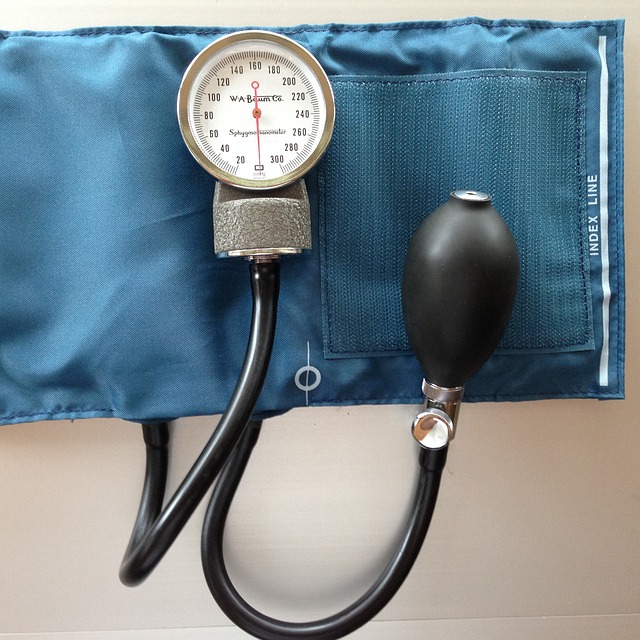
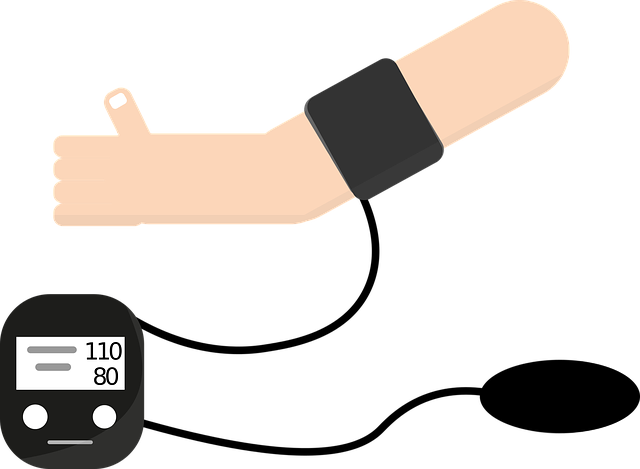
BP cuff or the Syhygmomanometer or commonly called BP cuff is a medical devide used to measure arterial blood pressure. This devide is generally wrapped around the arm of the person (as shown in image) and then BP is measured. They are also referred as noninvasive blood pressure cuff as well.
Types of BP cuff
1. Manual BP cuff
Manual BP cuff or manual sphygmomanometer refers to the blood pressure cuff that measures blood pressure with the help of stethoscope. The examner needs to listen to the pulse bruit heard in specific artery below the cuff attachment(usually brachial artery) to measure the BP(see picture).
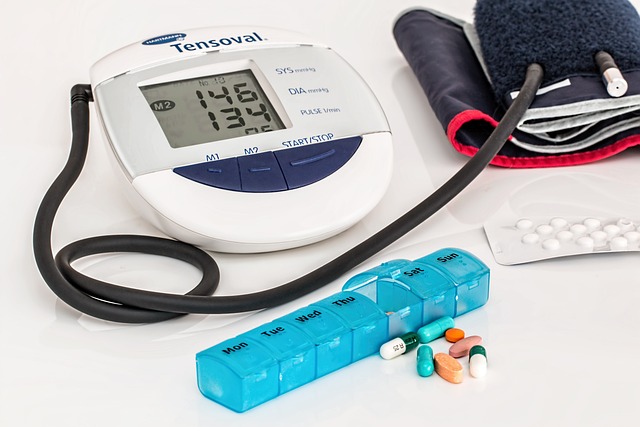
These devives have a electronic motor as well as LCD display to present blood pressure automatically. The device when commanded to measure BP starts up raising pressure in cuff and then gradually lowers it. The sensor in it senses the blood pressure and presents it in the display.
Digital BP cuff
Manual vs digital BP cuff
People usually prefer manual BP cuff over the digital one. But in reality digital is more accurate than manual because in digital the measurement depends upon the examiner factor as well. But for digital it is well programmed and sensor have low chance f missing the pressre obviously when used properly and device is in proper condition.
Systolic Blood Pressure: This is the pressure in the arteries when the heart beats and pumps blood, representing the higher number in a blood pressure reading.
H and T basic info: Cardiac arrest is the moment before death in which the heart stops working. During resuscitation, one of the team members must be thinking of the H’s and T’s of the cardiac arrest simulataneously. This is very important because these are the reversible causes of the cardiac arrest and successful corection of these lead to reversal of the cardiac arrest and saves the life.
These H and T are also called 5H and 5 T of the ACLS. ACLS stands for advanced cardiac life support and it is the main lifesaving resuscitation guideline worldwide.
The Hs and Ts are as follows
Hypoxia
Hypovolemia
Hypo/Hyperkalemia/metabolic
Hypothermia
Hydrogen ions(acidosis)
Thrombosis-cardiac(MI), Pulmonary
Tamponade-cardiac
Toxins
Tension Pneuothorax
Trauma
H and T ACLS
How to deal with H and T of cardiac arrest during ACLS
Let deal with all of them one by one:
Hypoxia:
For Hypoxia providing oxygen is the only solution.
Hypovolemia
For management of hypovolemia fluid resuscitation is the key. The patient should immidiately have two (possibly large bore) IV cannula paced and at least one litre of crystalloid (NS) should be infused as fast as possible unless contraindicated.
Hypo or Hyperkalemia
For manageent of hypo or hyperkalemia, either it should be checked immidiately. Or also calcium gluconate should be infused as it stabilizes membranes and prevents further deteoration in the upcoming
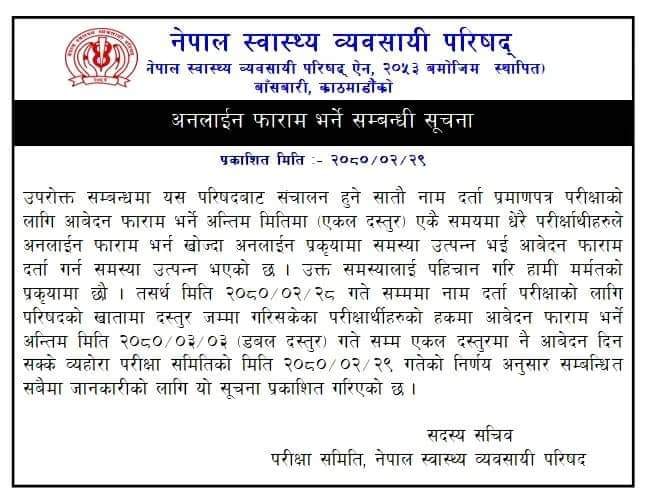
Nepal health professional council NHPC has published notice regarding technical problem.
Read nepal health professional council notice 2080/2/29
नेपाल स्वास्थ्य व्यवसायी परिषद्
( नेपाल स्वास्थ्य व्यवसायी परिषद् ऐन, २०५३ बमोजिम स्थापित)
बाँसबारी, काठमाडौंकों
अनलाईन फाराम भर्ने सम्बन्धी सूचना
प्रकाशित मिति — २०८० /०२/२९
उपरोक्त सम्बन्धमा यस परिषदबाट संचालन हुने सातौ नाम दर्ता प्रमाणपत्र परीक्षाको लागि आबेदन फाराम भर्नें अन्तिम मितिमा (एकल दस्तुर। एके समयमा थेरे परीक्षाधीहरुले अनलाईन फाराम भर्न खोज्दा अनलाईन प्रकुयामा समस्या उत्पन्न भई आबेदन फाराम दर्ता गर्न समस्या उत्पन्न भएको छ । उक्त समस्यालाई पहिचान गरि हामी मर्मतको
प्रकूयामा छी । तसर्थ मिति २०८०/०२/२८ गते सम्ममा नाम दर्ता परीक्षाको लागि परिषदको खातामा दस्तुर जम्मा गरिसकेका परीक्षार्थहरूकों हकमा आबेदन फाराम भर्ने अन्तिम मिति २०८०/०३/०३ (डबल दस्तुर) गते सम्म एकल दस्तुरमा नै आवेदन दिन सक्के व्यहोरा परीक्षा संमतिको घिति २०८०/ ०२/२९ गतेको निर्णय अनुसार सम्बन्धित सबैमा जानकारीको लागि यो सूचना प्रकाशित गरिएको छ ।
BMI, or Body Mass Index, is a numerical value used to assess an
individual’s body weight in relation to their height.
It provides a general indication of whether a person has a healthy
weight, is underweight, overweight, or obese. The BMI calculation takes into
account height and weight and is commonly used as a screening tool to
evaluate potential health risks associated with weight. Although it is
widely used, it’s important to note that BMI does not directly measure body
fat percentage or overall health, as factors such as muscle mass and body
composition are not considered. However, BMI remains a valuable metric in
providing a broad understanding of weight-related health issues and is often
used as a starting point for further assessment and discussion with
healthcare professionals.
Why is BMI important
Body Mass Index (BMI) is crucial because it serves as a valuable indicator of
a person’s overall health status in relation to their weight. BMI takes into
account both weight and height, providing a simple numerical value that helps
assess whether an individual is underweight, normal weight, overweight, or
obese. This measurement is important because it correlates closely with the
risk of developing various health conditions, including heart disease,
diabetes, certain cancers, and other chronic illnesses. By understanding where
one falls on the BMI scale, individuals, healthcare professionals, and
policymakers can make informed decisions regarding diet, exercise, and
healthcare interventions to promote better health outcomes and reduce the risk
of associated diseases. While BMI is not a perfect measure and doesn’t account
for factors like muscle mass or body composition, it remains a valuable tool
in assessing and monitoring weight-related health risks.
Formula to calculate BMI
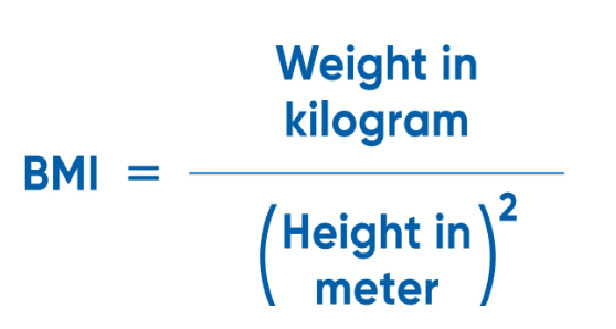
The formula to calculate Body Mass Index (BMI) is straightforward and involves
dividing a person’s weight in kilograms by the square of their height in
meters.
Mathematically, it is expressed as BMI = weight (kg) / (height (m))^2.
This calculation yields a numerical value that categorizes individuals into
different weight status categories: underweight, normal weight, overweight, or
obese. Despite its simplicity, BMI provides a useful starting point for
assessing an individual’s weight-related health risks and is widely utilized
in healthcare settings for its ease of use and effectiveness in identifying
potential health issues related to weight.
// Function to calculate BMI
function calculateBMI() {
// Get the input values
const height = document.getElementById(‘height’).value;
const weight = document.getElementById(‘weight’).value;
// Check if inputs are valid
if (height > 0 && weight > 0) {
// Convert height to meters and calculate BMI
const heightInMeters = height / 100;
const bmi = (weight / (heightInMeters * heightInMeters)).toFixed(2);
// Display the BMI result
document.getElementById(‘bmiResult’).innerText = “Your BMI is ” + bmi;
} else {
// Error message if inputs are invalid
document.getElementById(‘bmiResult’).innerText = “Please enter valid values.”;
}
}