


Nutrition in diabetes: Diabetic Diet and Carbs?
Introduction to Diabetes
Diabetes is a chronic medical condition characterized by high levels of blood sugar (glucose). This occurs either because the body doesn’t produce enough insulin (a hormone that regulates blood sugar) or because the cells don’t respond properly to the insulin that is produced. Insulin is necessary for the body to effectively use glucose as a source of energy.
 |
| Green Salad |
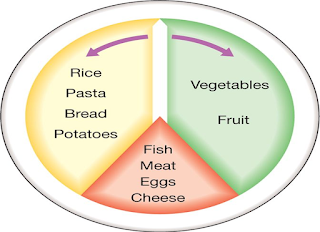
Balanced diabetic diet: Low in sugar, rich in fiber. Prioritize veggies, lean proteins. Control portions for stable blood sugar. Stay healthy
Carbohydrate
- (40-60% of total energy intake)
- Glycemic index (GI) of a carbohydrate-containing food measure of the change in blood glucose following its ingestion
- Consumption of foods with a low GI Produce a slow, gradual rise in blood glucose
- basmati rice, spaghetti
- porridge, noodles
- granary bread, beans & lentils

Fat
- <35% of the total energy intake
- Minimal trans fat consumption
Protein
- 10-15% (do not exceed 1 g/kg body weight)
- High protein diet deteriotes renal function
- Low-calorie and sugar-free drinks are useful for patients with diabetes
- Sucrose-containing foods may be consumed with adjustments in insulin dose
Please contact us for more on diaetes.
Role of exercise on diabetes is described here.