BMI, or Body Mass Index, is a numerical value used to assess an
individual’s body weight in relation to their height.
It provides a general indication of whether a person has a healthy
weight, is underweight, overweight, or obese. The BMI calculation takes into
account height and weight and is commonly used as a screening tool to
evaluate potential health risks associated with weight. Although it is
widely used, it’s important to note that BMI does not directly measure body
fat percentage or overall health, as factors such as muscle mass and body
composition are not considered. However, BMI remains a valuable metric in
providing a broad understanding of weight-related health issues and is often
used as a starting point for further assessment and discussion with
healthcare professionals.
Why is BMI important
Body Mass Index (BMI) is crucial because it serves as a valuable indicator of
a person’s overall health status in relation to their weight. BMI takes into
account both weight and height, providing a simple numerical value that helps
assess whether an individual is underweight, normal weight, overweight, or
obese. This measurement is important because it correlates closely with the
risk of developing various health conditions, including heart disease,
diabetes, certain cancers, and other chronic illnesses. By understanding where
one falls on the BMI scale, individuals, healthcare professionals, and
policymakers can make informed decisions regarding diet, exercise, and
healthcare interventions to promote better health outcomes and reduce the risk
of associated diseases. While BMI is not a perfect measure and doesn’t account
for factors like muscle mass or body composition, it remains a valuable tool
in assessing and monitoring weight-related health risks.
Formula to calculate BMI
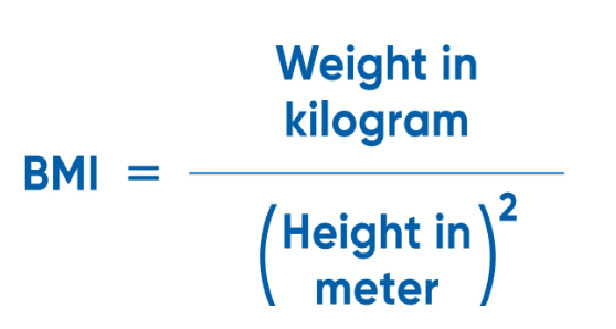
The formula to calculate Body Mass Index (BMI) is straightforward and involves
dividing a person’s weight in kilograms by the square of their height in
meters.
Mathematically, it is expressed as BMI = weight (kg) / (height (m))^2.
This calculation yields a numerical value that categorizes individuals into
different weight status categories: underweight, normal weight, overweight, or
obese. Despite its simplicity, BMI provides a useful starting point for
assessing an individual’s weight-related health risks and is widely utilized
in healthcare settings for its ease of use and effectiveness in identifying
potential health issues related to weight.
// Function to calculate BMI
function calculateBMI() {
// Get the input values
const height = document.getElementById(‘height’).value;
const weight = document.getElementById(‘weight’).value;
// Check if inputs are valid
if (height > 0 && weight > 0) {
// Convert height to meters and calculate BMI
const heightInMeters = height / 100;
const bmi = (weight / (heightInMeters * heightInMeters)).toFixed(2);
// Display the BMI result
document.getElementById(‘bmiResult’).innerText = “Your BMI is ” + bmi;
} else {
// Error message if inputs are invalid
document.getElementById(‘bmiResult’).innerText = “Please enter valid values.”;
}
}
Length of different human bodyparts is important for MCQ exam questions. Here is list of organs of specific length that are important in MCQs and VIVA.
Loksewa aayog tayari at Analog Institute : Analog EduHub
Analog Education Institute: Unlocking Your loksewa aayog in Butwal, Nepal
Welcome to Analog Education Institute, the premier academic institute located in the picturesque city of Butwal in the Terai region of Nepal. With a steadfast commitment to providing top-notch education, we have gained recognition for our exceptional quality of teaching, affordable fees, and a holistic approach to learning. Whether you’re preparing for entrance exams or Loksewa (Public Service Commission) tests, Analog Education Institute guarantees your success with our unique EPC model (Exam, Presentation, and Classes).
Join us, and unlock the door to your educational dreams at Analog.
Analog Education
Discover Butwal: A Haven of Natural Beauty in Nepal’s Terai Region
Butwal, nestled in the Terai region of Nepal, is not only known for its academic institutes but also for its breathtaking natural beauty. Surrounded by lush green fields, tranquil rivers, and scenic landscapes, Butwal offers the perfect environment for focused learning. Students at Analog Education Institute have the opportunity to study amidst the serene surroundings of this beautiful city while immersing themselves in their academic pursuits.
Analog Education Institute: Your Gateway to Academic Excellence
Analog Education Institute stands out as the leading academic institute in Butwal, serving as a gateway to academic excellence. Our institution has established a strong reputation for providing high-quality education and nurturing students’ intellectual growth. With a team of experienced and dedicated educators, we ensure that each student receives personalized attention and guidance to excel in their chosen fields. We believe that education should be accessible to all, which is why we offer our services at affordable fees, making quality education attainable for every aspiring student.
Our Commitment to Your Success: The EPC Model
At Analog Education Institute, we have developed a unique and proven approach to ensure your success: the EPC model. The EPC model stands for Exam, Presentation, and Classes, encompassing a comprehensive methodology that covers all aspects of exam preparation. We understand that simply attending classes may not be enough, which is why we emphasize the importance of regular assessments and presentations to boost students’ confidence and enhance their learning experience. Our faculty members are well-versed in the intricacies of exam preparation, including Loksewa tests, and they provide valuable insights and strategies to help you excel academically.
Unparalleled Teaching: Meet Our Dedicated Faculty
The cornerstone of Analog Education Institute’s success lies in our exceptional faculty members. We take great pride in having a team of highly qualified and experienced teachers who are passionate about imparting knowledge. Our faculty members are experts in their respective fields and bring a wealth of practical experience to the classroom. They employ innovative teaching methods, interactive discussions, and real-world examples to create a dynamic learning environment. With their guidance and mentorship, students gain a comprehensive understanding of their subjects and are prepared to excel in their academic pursuits.
Flexible Learning Options: Offline and Online Education in the Real World
Analog Education Institute recognizes the importance of flexibility in education. We offer both offline and online learning options, allowing students to choose the mode that best suits their needs and preferences. In our offline classes, students benefit from face-to-face interactions with their peers and teachers, fostering a sense of community and collaboration. For those who prefer the convenience of online
learning, we provide a robust virtual learning platform that offers engaging lectures, interactive discussions, and access to a wide range of study materials. Our commitment to real-world learning ensures that students develop practical skills and knowledge that can be applied beyond the classroom.
Affordable Excellence: Analog Education Institute’s Competitive Fees
We understand that affordability is a key concern for many students and their families. Analog Education Institute is proud to offer competitive fees that make quality education accessible to all. We believe that finances should not be a barrier to achieving academic success. By offering affordable education, we strive to create equal opportunities for students from diverse backgrounds to pursue their educational aspirations without compromising on the quality of instruction or resources.
Guaranteeing Your Success: Our Pass Rate Speaks for Itself
At Analog Education Institute, we are confident in our ability to help you succeed. Our exceptional pass rate is a testament to the effectiveness of our teaching methods, resources, and the dedication of our students. We prioritize your success and provide the necessary support and guidance to ensure that you pass your exams with flying colors. We believe in nurturing well-rounded individuals, and our students have achieved remarkable academic achievements, paving the way for their future endeavors.
Conclusion:
Analog Education Institute stands tall as a beacon of educational excellence in the heart of Butwal, Nepal. With our scenic surroundings, top-notch faculty, affordable fees, and commitment to student success, we are the go-to institute for those seeking a transformative educational experience. Whether you’re preparing for entrance exams or Loksewa tests, we provide the tools, resources, and support you need to unlock your full potential. Join Analog Education Institute and embark on a journey of academic achievement and personal growth in the enchanting city of Butwal in the Terai region of Nepal.
We prepare students for entrance exams and Loksewa tests.
Choose from offline or online learning options and embark on a successful academic journey in the beautiful city of Butwal in the Terai region of Nepal.
At Analog Education Institute, we understand the value of a quality education and the importance of achieving your academic goals. We take pride in being a leading academic institute in Butwal, Nepal, offering a range of courses and programs to prepare you for entrance exams and Loksewa tests. With our unique EPC model and dedicated faculty, we ensure that you receive the best possible guidance and support throughout your educational journey. Whether you choose our offline or online learning options, we strive to provide a real-world learning experience that is both flexible and affordable.
Antiretroviral therapy ART in nepal: HIV treatment sites in Nepal
Aids logo
HIV and STI Control Program Nepal
ART centres in Nepal are vital parts of HIV detection and treatment in Nepal. HIV screen testing and treatment has been the main fcus of government of Nepal since beginning. It has been strategically approaching towards its goal since the stablishment of the HTC in 1995.
First HIV treatment centre of Nepal was established in 1995 AD
Initially the HIV diagnosis was dependent on volutary screening only.
AFter that National guidelines were slowly developed.
National HIV guideline was formulated in 2003 and was finalized in 2007
The further revisions of National HIV treatment guidelines were 2009 and 2011.
Latest comprehensive HIV guideline was released in 2014.
National HIV strategic plan was in 2016-1021 AD.
The global HIV goal 90-90-90 meaning:
By 2020, 90% of all people living with HIV will know their HIV status by 2020, 90% of all people with diagnosed HIV infection will receive sustained antiretroviral therapy andby 2020, 90% of all people receiving antiretroviral therapy will have viral suppression.
In Nepal HIV testing is available upto health post level and treatment is available through NGO run treatment centres.
Sukraraj Tropical & Infectious Disease Control Hospital
Teku
2004
18
Central
Kathmandu
Kanti Children Hospital
Maharajgunj
2006
19
Central
Kathmandu
Maiti Nepal
Gaushala
2007
20
Central
Kathmandu
Bir Hospital
Kathmandu
2008
21
Central
Kathmandu
TUTH
Maharajgunj
2011
22
Central
Kavre
Dhulikhel Hospital
Dhulikhel
2010
23
Central
Lalitpur
Sparsha Nepal
Sanepa
2005
24
Central
Makwanpur
Makwanpur District Hospital
Hetauda
2012
25
Central
Nuwakot
Trishuli Hospital
Trishuli
2012
26
Central
Parsa
Narayani Sub-Regional Hospital
Birgunj
2006
27
Central
Rautahat
District Hospital
Gaur
2014
28
Central
Sarlahi
District Hospital
Malangwa
2015
29
Central
Sindhuli
District Hospital
Sindhulimadi
2015
30
Central
Sindhupalchowk
District Hospital
Chautara
2014
31
Western
Arghakhachi
District Hospital
Sandhikharka
2014
32
Western
Baglung
Dhaulagiri Zonal Hospital
Baglung
2007
33
Western
Gorkha
District Hospital
Gorkha
2010
34
Western
Gulmi
District Hospital
Tamghas
2010
35
Western
Kapilvastu
District Hospital
Taulihawa
2010
36
Western
Kaski
Western Regional Hospital
Pokhara
2006
37
Western
Lamjung
Lamjung Community Hospital
Beshisahar
2010
38
Western
Myagdi
District Hospital
Beni
2014
39
Western
Nawalparasi
District Hospital
Parasi
2014
40
Western
Palpa
United Mission Hospital
Tansen
2008
41
Western
Rupandehi
Lumbini Zonal hospital,
Butwal
2007
42
Western
Syangja
District Hospital
Putlibazar
2010
43
Western
Parbat
District Hospital
Kusma
2016
44
Western
Tanahun
Tanahun District Hospital
Damauli
2010
45
Mid West
Banke
Bheri Zonal Hospital
Nepalgunj
2004
46
Mid West
Bardiya
District Hospital
Gulariya
2010
47
Mid West
Dailekh
District Hospital
Dailekh
2010
48
Mid West
Dang
Rapti Sub Regional Hospital
Ghorahi
2008
49
Mid West
Pyuthan
District Hospital
Bijuwar
2013
50
Mid West
Rolpa
District Hospital
Liwang
2013
51
Mid West
Surkhet
Mid-West Regional Hospital
Birendranagar
2008
52
Mid West
Kalikot
District Hospital
Manma
2016
53
Mid West
Rukum
District Hospital
Chaurjhari
2016
54
Mid West
Salyan
District Hospital
Khalanga
2016
55
Far Western
Achham
District Hospital
Mangalsen
2007
56
Far Western
Achham
Bayalpata Hospital
Bayalpata
2010
57
Far Western
Baitadi
District Hospital
Gothalapani
2009
58
Far Western
Bajhang
District Hospital
Chainpur
2013
59
Far Western
Bajura
District Hospital
Martadi
2013
60
Far Western
Dadeldhura
Sub-regional Hospital
Amargadhi
2012
61
Far Western
Darchula
District Hospital
Khalanga
2014
62
Far Western
Doti
District hospital
Silgadi
2007
63
Far Western
Kailali
Seti Zonal Hospital
Dhangadi
2006
64
Far Western
Kailali
Tikapur Hospital
Tikapur
2009
65
Far Western
Kanchanpur
Mahakali Zonal Hospital
Mahendranagar
2006
AIDS virus drawing
Importance of HIV treatment centers in Nepal:
Nepal being poor country wth poor people suffering from HIV and AIDS they need support of Government and donorts to get proper treatment of the disease. For the same purpose multiple organisations have been working on it day and night and for the same reason the treatment centres are of great importance and will be the pillars for treatment of HIV and AIDS in Nepal for coming decades as well.
PSC preparation with Dr Chaitanya : Free License preparation Questions for practice
Table of Contents(toc)
psc . gov . np
PSC Preparation with Dr. Chaitanya: Free License Preparation Questions for Practice!
Are you preparing for your PSC (Public Service Commission) healthcare license exam? Looking for free and high-quality practice questions? Dr. Chaitanya has got you covered!
🔹 What We Offer: ✅ Free PSC license exam practice questions ✅ Well-structured MCQs with answers ✅ Covers key topics like patient care, emergency response, infection control & more ✅ Helps boost confidence and exam readiness
🔹 Why Choose Dr. Chaitanya’s PSC Prep? 📌 Expertly curated questions 📌 Regular updates to match the latest syllabus 📌 Accessible anytime, anywhere – 100% free!
Start practicing today and take a step closer to success in your PSC healthcare exam! 🚀
The result is in PDF format and can be downloaded.
After downloading the result open the file with Any pdf reader and press ctrl+F together. Type your name or symbol number and press enter. you can see the result there.
Background on international day against tobacco use
{getToc} $title=(Table of Contents}
Today, May 31 is observed as international day against tobacco use. This year, World Health Organization is targeting the root cause of the Tobacco Industry, that is Tobacco Farming. WHO considers that tobaccoo farming is the cause of tobaccoo use. Lets analyze how right or wrong this concept is.
Cigarettes
Why are people attracted to tobacco farming
The people in the poverty line and the rich farmers both are currently farming tobacco plants to generate money. Tobacco has become one of the top cash crop for many people.
Is tobacco farming beneficial
I think very few people know the fact that farmers indulge into the tobacco industry because they are made fools by miseducating them about the crop. They’re told about its benefits but at the same time they’re not told about its bad aspects.
Why’re people attracted to tobacco farming
They lure the farmers into cultivating this crop by showing them the *MONEY* factor saying its the income source and gives huge value.
Poverty and tobacco
The poor people who have no money at all and are needy do whatever is in their hands to earn a good living sum for their families, and hence they devote their lives into this hazardous practice of modern days.
Comparison of tobacco vs other crops
Bow lets compare pros and cons and also discuss how alternate options can be equally good or even better.
I’ll not reiterate anything about tobacco or how it is harmful to our bodies, but I’ll show basic points how alternate farming is any day better than Tobacco farming.
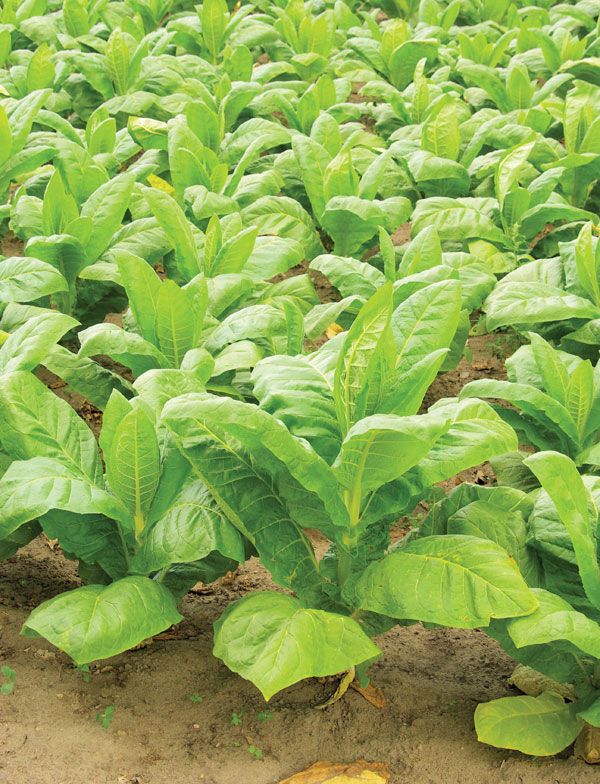
Tobacco plant
𝐅𝐄𝐖 𝐂𝐎𝐍𝐒 𝐎𝐅 𝐓𝐎𝐁𝐀𝐂𝐂𝐎 𝐅𝐀𝐑𝐌𝐈𝐍𝐆:
Many misconceptions and hoax are in the community that helps tobacco use common
⇒ Pesticide poisoning is common among workers and those living near tobacco-growing fields.
⇒ Neurological and psychological conditions because of poor protection practices.
⇒ Deforestation
⇒ Crops cannot withstand climate changes and pests.
⇒ Soil degradation
⇒ Destruction of groundwater resources
⇒ Sedimentation of rivers, reservoirs and irrigation systems
climate change
⇒ Species extinction due to habitat fragmentation and over exploitation of land
𝐅𝐄𝐖 𝐏𝐑𝐎𝐒 𝐎𝐅 𝐑𝐄𝐃 𝐆𝐑𝐀𝐌/ 𝐈𝐑𝐎𝐍 𝐁𝐄𝐀𝐍 𝐅𝐀𝐑𝐌𝐈𝐍𝐆:
⇒ It can fix atmospheric nitrogen
⇒ Restores the lost nitrogen in the soil
⇒ Prevents soil from erosion
⇒ We can do red gram farming on any type of soil, even on mountain slopes
⇒ Can easily grow it in stress conditions
⇒ Can be harvested within 3 months
⇒ Does not require immense chemicals or pesticides
Finally words on we need food not tobacco:
Other crops farming gives better opportunity than tobacco farming is better than tobacco farming
All our farmers are in dire need of good education/ awareness about alternative farming, for them and for the environment.
This also comes with a well known fact that everyone should quit tobacco
There’s no option to quitting tobacco and atop smoking.
Smoking nkt only harms the smoker but also the people around them.
NO consumers = NO farming
If you like what I have written please like share and visit my social vhannels to be ome friends with me. Thank you.