10 MCQs on orthopedics and trauma

10 high-yield multiple-choice questions on orthopedics and trauma for physician assistants and medical students:
1. Which fracture is commonly known as a “dinner fork” deformity due to the characteristic angulation seen on X-rays?

   a) Colles’ fracture

   b) Monteggia fracture

   c) Boxer’s fracture

   d) Smith fracture

   e) Galeazzi fracture

2. The most common type of hip dislocation, accounting for over 90% of cases, involves the femoral head dislocating:

   a) Posteriorly

   b) Anteriorly

   c) Laterally

   d) Superiorly

   e) Medially

3. Which condition is characterized by inflammation of the tendon and its insertion site on the bone, often seen in the Achilles tendon or the patellar tendon?

   a) Bursitis

   b) Tendinitis

   c) Osteoarthritis

   d) Plantar fasciitis

   e) Ligament sprain

4. The “unhappy triad” refers to a combination of injuries involving the:

   a) Shoulder, clavicle, and scapula

   b) Femur, patella, and tibia

   c) Tibia, fibula, and ankle

   d) Medial collateral ligament, anterior cruciate ligament, and medial meniscus

   e) Radius, ulna, and humerus

5. In a Galeazzi fracture-dislocation, which bone is fractured, and which bone is dislocated?

   a) Fractured: Radius; Dislocated: Ulna

   b) Fractured: Ulna; Dislocated: Radius

   c) Fractured: Humerus; Dislocated: Radius

   d) Fractured: Radius; Dislocated: Humerus

   e) Fractured: Ulna; Dislocated: Humerus

6. The “Pott’s fracture” typically involves a fracture of the fibula with associated:

   a) Ankle dislocation

   b) Tibia fracture

   c) Metatarsal fracture

   d) Calcaneus fracture

   e) Navicular fracture

7. Which imaging modality is considered the gold standard for evaluating ligament and cartilage injuries within joints?

   a) X-ray

   b) Ultrasound

   c) CT scan

   d) MRI

   e) Bone scan

8. Which spinal condition is characterized by forward slippage of one vertebra over the one beneath it, often seen in the lumbar spine?

   a) Scoliosis

   b) Kyphosis

   c) Lordosis

   d) Spondylolisthesis

   e) Spinal stenosis

9. Osteoporosis is characterized by reduced bone density and increased susceptibility to fractures. Which bone is commonly affected in hip fractures due to osteoporosis?

   a) Femur

   b) Tibia

   c) Radius

   d) Humerus

   e) Fibula

10. Which type of fracture occurs at the site of a preexisting abnormality, such as a bone weakened by a tumor or metabolic condition?

    a) Pathologic fracture

    b) Greenstick fracture

    c) Comminuted fracture

    d) Stress fracture

    e) Avulsion fracture

Answers to orthopedics MCQ are here.

These questions cover a range of important topics in orthopedics and trauma, from fractures and dislocations to common conditions and imaging modalities. Understanding these concepts will provide a solid foundation for your studies and clinical practice. Good luck!


Blogging in Nepal

How to Do Blogging in Nepal: Is it even possible?

(toc)Table of Contents


Top questions we will answer here:

  • Is itpossible to do Blogging in nepal?
  • How to start blogging in nepal?

Introduction:

Hello there, fellow bloggers and aspiring authors! Today, we travel through Nepal’s breathtaking landscapes to learn more about the world of blogging in this fascinating country.

If you are wondering if blogging is possible in Nepal, do not worry because we are about to reveal the untold secrets that will answer all of your questions. 

So pour yourself a cup of Tea, settle in, and let us get started!

Chapter 1: The Blogging Scene in Nepal

Let us first paint a picture of the current blogging scene in this Himalayan country before delving into the facts about blogging in Nepal.

Blogging has grown in popularity in recent years, with Nepali bloggers carving out niches in fields such as travel, food, lifestyle, and technology. 

While the blogging community in Nepal is not as large as in other countries, the potential for growth is enormous, making now an excellent time to begin your blogging journey.

Chapter 2: Challenges and Opportunities

Blogging in Nepal, like any other career, is filled with difficulties and opportunities. 

Access to reliable internet and a stable power supply remains an issue in some areas if you’re in rural Nepal, but do not let that discourage you. 

As the digital landscape expands, Internet connectivity improves, allowing bloggers to reach larger audiences both locally and globally.

Furthermore, the richness and diversity of Nepal’s culture, traditions, and natural beauty provide a wealth of content ideas. 

Everyone can blog about something in Nepal, from sharing their travel tales in the majestic Himalayas to discovering the culinary wonders of the neighborhood momo shops.  

Chapter 3: Navigating the Legal Terrain

Understanding the legal effects of blogging in Nepal is critical as you prepare for your blogging adventure. 

A few critical considerations include registering your blog as a business entity, understanding your tax obligations, and adhering to copyright laws. 

Consult with legal professionals or experienced bloggers to ensure the legality of your blogging venture.

Chapter 4: Building a Blogging Community

Blogging involves far more than just creating content; it also involves interacting with others and forming a community. 

Engaging with other bloggers, working on projects together, and supporting one another’s growth can make your blogging experience in Nepal truly rewarding. 

Social media platforms and blogging communities are great places to meet people who share your passion for blogging.

Chapter 5: Monetization and Sustainability

The burning question for every blogger is how to pursue their passion while also making a living. 

While there are not as many monetization opportunities in Nepal as there are in more developed countries, there are several ways to monetize your blog. 

From affiliate marketing and sponsored content to selling digital products and services, persistence and creativity are required for success.

Conclusion:

Finally, blogging in Nepal is not only a good option but also a profitable business with numerous opportunities. 

Regardless of the challenges, the allure of sharing your unique experiences, insights, and creativity with the rest of the world outweighs any difficulties that may come in the future. 

Accept the beauty of Nepal, immerse yourself in its diverse culture, and let your blog fly above the breathtaking Himalayan landscapes.

Prepare to enter the world of Nepali blogging, where every word you write and every story you tell will capture the spirit of this amazing country. Happy blogging!

Visit health blog Dr Health Rx

पिसाब पोल्ने समस्या को ७ घरेलु उपचार

पिसाब पोल्ने समस्या को घरेलु उपचार: घरेलु उपायहरूले छुटकारा पाउनुहोस्

Table of contents (toc)

पिसाब पोल्ने समस्या को घरेलु उपचार परिचय

Dysuria (पीडादायी पिसाब)
पिसाब जाँदा दुखाइ, असहजता वा जलन महसुस हुनुलाई दर्दनाक मिक्चुरिया वा डिस्युरिया भनिन्छ। मुत्रक्रिच – आयुर्वेद अनुसार। यो पुरुषहरु भन्दा महिलाहरु मा अधिक सामान्य छ। पुरुषहरूमा, यो युवा पुरुषहरू भन्दा वृद्ध पुरुषहरूमा बढी सामान्य हुन्छ।

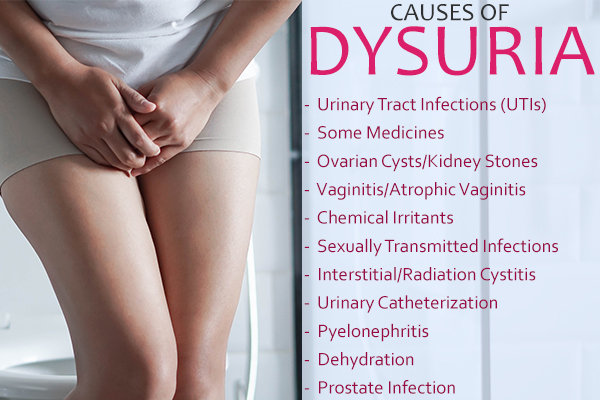
पीडादायी पिसाबको सबैभन्दा सामान्य कारणहरू निम्न हुन्:
युरिनरी ट्र्याक्ट इन्फेक्सन (यूटीआई) पीडादायी पिसाबको प्रमुख कारणहरू मध्ये एक हो। मृगौला, युरेटर (मिर्गौलाबाट पिसाबलाई पिसाब पुर्याउने नली) पिसाबथैली, युरेथ्रा (शरीरबाट पिसाब बाहिर लैजाने पिसाबको नली) सहित पिसाब नलीको कुनै पनि भागमा संक्रमण हुन सक्छ। पिसाब नलीको इन्फेक्सन प्रायः ब्याक्टेरियाको कारणले हुन्छ जुन पिसाब नली मार्फत पिसाब नलीमा पुग्छ।


पिसाब पोल्ने, जुन व्यक्तिहरूमा बारम्बार मूत्रको प्रयास भइरहेको समस्या हो, धेरै मानिसहरूले यो समस्या सामान्य परेको छ। यसले नै व्यक्तिहरूको दिनचर्यामा बाधा पुर्याउन सक्छ र उनीहरूको जीवनलाई गारो पनि गर्न सक्छ। तपाईंले घरेलु उपायहरूले यस समस्यामा सामान्यतः धेरै सुधार गर्न सक्नुहुन्छ, जुन प्राकृतिक र सुरक्षित पनि छ।

पिसाब पोल्नुका कारणहरु:

  • मधुमेह
  • बढ्दो उमेर
  • प्रोस्टेट बढ्नु
  • मिर्गौलाको पत्थरी
  • गर्भावस्था
  • एक मूत्र क्याथेटर भएको
  • जननांग हर्पेस
  • क्लामिडिया
  • गोनोरिया

पिसाबको संक्रमण

ब्याक्टेरियल संक्रमण पिसाबको संक्रमणको सबैभन्दा प्रमुख कारण हो जसमा E.coli सबैभन्दा मुख्य किटाणु हो, जसले UTI को ७५-९०% सम्म गराउछ। पिसाबको संक्रमणको अन्य ब्याक्टेरियाहरूमा Klebsiella, Proteus, Enterococcus Species, Staphylococcus सaprophyticus विशेष गरी महिला किशोरी र यौनक्रयाकलापमा सक्रिय महिलाहरू र Streptococcus समूह, विशेष गरी नवजात शिशुहरूमा पर्छन्। क्यान्डिडा प्रजाति ले पनि यूटीआईहरू निम्त्याउन सक्छ, विशेष गरी मूत्रमार्गको इन्स्ट्रुमेन्टेशन र पिसाबको पाइप राखेपछि पछि एडेनोभाइरस UTI को दुर्लभ कारण हो र हेमोरेजिक सिस्टाइटिस पनि हुन सक्छ।

१. पानीको सेवन:

पानीको अधिक मात्रामा पिउनु अत्यन्तै महत्वपूर्ण छ, किनकि यसले मूत्रमार्गलाई साफ र ताजा बनाउने मद्दत गर्छ। दैनिक ८-१० गिलास पानी पिउनुहोस्।
तर याद गर्नुहोस अत्यधिक पानीको सेवन पानि हानिकारक हुन सक्छ।

२. तुलसीको प्रयोग: 

तुलसीको पत्ता र बिजहरू मूत्रमार्गलाई स्वस्थ राख्छ। दिनमा केहि पत्ता र बिज पिउनुहोस्। आयुर्वेदमा यसको फाइदा प्रसस्तै वयान गरेको पाइन्छ। यसले संक्रमणको जोखिम पनि गराउछ। 

३. ताजा गुलाबको पानी: 

गुलाबको पानीले मूत्रमार्गको समस्याहरूलाई कम गर्न मद्दत गर्छ र पिसाबलाई ताजा र शुद्ध बनाउँछ। यसले संक्रमणको जोखिम पनि गराउछ। 

४. काजू र किसमिस: 

रातभरि भिजाएका ४-५ काजू र १-२ किसमिस बिहान खाली पेटमा खानुहोस्। यसले संक्रमणको जोखिम पनि गराउछ। 

५. शेवन्ती फूलको प्रयोग: 

शेवन्तीफूलको पानीले नै दिनचर्यामा मूत्रमार्गलाई सफा गर्छ र पिसाब पोल्ने समस्या कम हुन्छ। यसले संक्रमणको जोखिम पनि गराउछ। 

६. सहजनको प्रयोग: 

सहजनको पानीले रातभरि भिजाएका मूत्रमार्गलाई साफ राख्छ र जलन र रुकावट कम हुन्छ।

७. समय समयमा पिशाब गर्नुहोस्: 

पिसाब पोल्ने समस्या बाट बच्नका लागि समयमा पिशाब गर्नुहोस्। बच्चाहरू र जवान वयस्कहरूलाई पनि पेशाब रोक्ने नदिनुहोस्, यसले उनीहरूलाई पिसाबको समस्याहरूबाट बचाउँछ र मूत्रमार्गको स्वस्थ्यलाई सुरक्षित बनाउँछ।

UTI को लक्षणहरू :

  • ज्वरो आउने
  • दुर्गन्धित वा कडा गन्धयुक्त पिसाब
  • धमिलो पिसाब वा पिसाबमा रगत  देखिने
  • पिसाब चाडो लाग्ने वा पिसाब गर्न मन लाग्ने
  • पीडाले भरिएको कोखा
  • पेट दुख्ने
  • कहिलेकाहीँ पीडादायी पिसाब यिस्टको कारणले हुने योनि संक्रमणसँग सम्बन्धित हुन सक्छ र तपाइँ योनिको पानी र गन्धमा परिवर्तनहरू पनि हुन सक्छ।


सम्बन्धित बिषयमा सही जानकारीको लागि अनिवार्य छ कि तपाईं डॉक्टरसँग संपर्क गरी सल्लाह प्राप्त गर्नुहोस्। यसै साथै, यी घरेलु उपायहरूले पनि सावधानी राख्नुहोस, दैनिकर नियमित रुपमा उपयोग गर्नुहोस्।

पिसाब पोल्ने समस्याको लागि यी घरेलु उपचारहरूले तपाईंको जीवनमा तत्काल राहत पुर्याउनेछन्, र यी प्राकृतिक 
 उपायहरूले तपाईंलाई स्वस्थ बनाउने साथै मानसिक तनाव पनि कम गर्नेछ। सावधानीपूर्वक उपयोग गर्नुहोस् र यसले तपाईको जीवनमा समृद्धि र सुख ल्याउनेछ।

Rastriya Parichayapatra NID : Online registration 2080

How to register for Rastriya Parichayapatra NID Online Form

Rastriya parichayapatra tatha panjikaran bibhag

Rastriya parichayapatra tatha panjikaran bibhag is the government office responsible for distribution of ND. 
It is under Home ministry and DONIDCR (department) and works with collaboration of District administration office DAO.

राष्ट्रिय परिचयपत्र अनलाइन फारम भर्ने तरिका (👈click here)

Rastriya parichayapatra tatha panjikaran bibhag nid pre enrollment 

Parichayapatra

A Parichayapatra, also referred to as an ” identity card” or a “letter of introduction ” is a document that people or businesses use to introduce themselves to others. Its purpose is to initiate communication and establish a connection, with the recipient. In the business context a Parichayapatra usually includes details about the senders background, qualifications, accomplishments and the reason for the introduction. It can be used when seeking business opportunities, partnerships or collaborations. The tone of the letter is professional and polite with the aim of leaving an impression on the reader. Whether in professional life a written Parichayapatra has the potential to open doors create networks and foster meaningful relationships, between individuals and organizations.

Rastriya parichayapatra form

Rastriya parichayapatra form is a form that is needed to get the National Id card of Nepal. 
Everyone need to go on pre enrollment form in the DONIDCR website.

How to get rastriya parichayapatra number

To get national ID card of Nepal do the steps in the following article.

Rastriya parichayapatra and panjikaran bibhag

Visit DONIDCR wbsite using the link here.

NID pre enrollment

Go to this website and get enrolled in the pre enrollment. 

NID enrollment

Read the following article. 

NID nepal

NID card

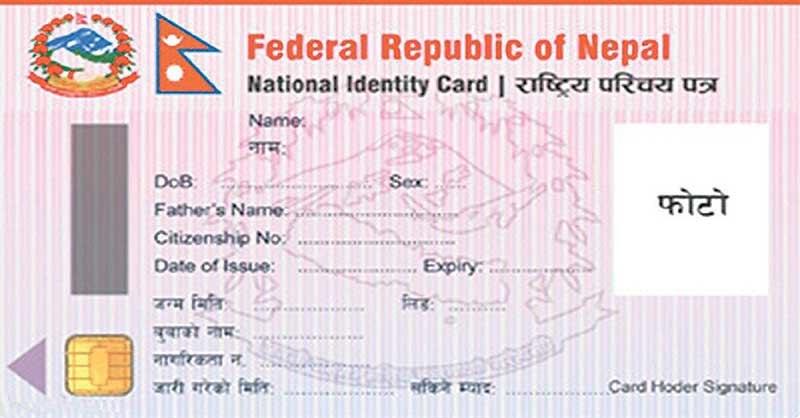
NID stands for National Identity card of Nepal. NID stands for National Identity card of Nepal. It is an official identification document issued by the Government of Nepal to its citizens. The NID serves as proof of citizenship and contains important personal information about the cardholder, such as their full name, date of birth, gender, address, photograph, and a unique identification number.
The primary purpose of the NID is to establish the identity of Nepali citizens and ensure that they are entitled to various government services and benefits. It also plays a crucial role in various official transactions, such as opening bank accounts, applying for government schemes, voting in elections, and accessing other essential services.
Obtaining an NID in Nepal usually involves a formal application process, where individuals need to submit necessary documents, provide biometric information (such as fingerprints), and fulfill specific eligibility criteria. The card is typically valid for a specific period, after which it may need to be renewed.
The NID is an essential document for Nepali citizens, as it not only confirms their nationality but also acts as a means of identification in various situations, contributing to the overall security and convenience in daily life.

NID pre-enrollment system

Government of Nepal has prepared a portal for NID pre enrollment. Open this link for how to fill up NID pre enrollment form.

NID card nepal

NID stands for National Identity card of Nepal. 

NID card check nepal

Check NID card status from the preenrollment form above.

NHPC Model MCQs 2080: Most Important Questions

NHPC Model MCQs 2080 Question set

Here are ten high-yield multiple-choice questions (MCQs) for NHPC that may be relevant for upcoming licensing examinations:

1. Which of the following is NOT a common symptom of a tension headache?

   a) Bilateral tightness or pressure
   b) Pulsating pain
   c) Mild to moderate intensity
   d) Gradual onset

2. Which type of shock is characterized by fluid loss resulting from severe vomiting, diarrhea, or excessive sweating?

   a) Septic shock
   b) Hypovolemic shock
   c) Cardiogenic shock
   d) Anaphylactic shock

3. Which of the following laboratory findings is indicative of iron deficiency anemia?

   a) High serum ferritin levels
   b) Elevated mean corpuscular volume (MCV)
   c) Low total iron-binding capacity (TIBC)
   d) Increased reticulocyte count

4. The first-line pharmacotherapy for uncomplicated hypertension in most patients includes:

   a) Beta-blockers
   b) Angiotensin II receptor blockers (ARBs)
   c) Diuretics
   d) Calcium channel blockers

5. Which cranial nerve is responsible for eye movement and controls four of the six extraocular muscles?

   a) Optic nerve (CN II)
   b) Trochlear nerve (CN IV)
   c) Oculomotor nerve (CN III)
   d) Abducens nerve (CN VI)

6. A patient presents with fever, pharyngitis, and anterior cervical lymphadenopathy. A throat swab is positive for Group A Streptococcus. What is the most appropriate treatment?

   a) Acyclovir
   b) Amoxicillin
   c) Azithromycin
   d) Oseltamivir

7. Which of the following is a classic triad of symptoms seen in patients with Meniere’s disease?

   a) Tinnitus, vertigo, and hearing loss
   b) Migraine, diplopia, and ataxia
   c) Dysarthria, dysphagia, and nystagmus
   d) Polyuria, polydipsia, and polyphagia

8. The standard treatment for first-degree burns includes:

   a) Topical antibiotics
   b) Silver sulfadiazine cream
   c) Dressing changes with sterile saline
   d) Hydrocortisone cream

9. A patient presents with sudden-onset chest pain, shortness of breath, and tachycardia. Electrocardiogram (ECG) shows ST-segment elevation in leads V2 to V4. What is the most likely diagnosis?

   a) Atrial fibrillation
   b) Myocardial infarction
   c) Ventricular tachycardia
   d) Pericarditis

10. Which of the following is a characteristic feature of rheumatoid arthritis?

    a) HLA-B27 positive
    b) Small joint involvement
    c) Osteophyte formation
    d) Ulnar deviation of the fingers
Remember to review and verify these questions with other reliable sources to ensure accuracy and relevance to your specific licensing examination. Good luck with your preparation!
Ask us if you have any queries. 

Check answers below: 

NHPC Model MCQs 2080 Answers

NHPC Model MCQs 2080 Question set-Answers

Here’s the answer key along with explanations for each question:

Here is link to the questions

1. Answer: b) Pulsating pain

   Explanation: Tension headaches are typically characterized by bilateral tightness or pressure-like pain, mild to moderate intensity, and gradual onset. Pulsating pain is more commonly associated with migraine headaches.

2. Answer: b) Hypovolemic shock

   Explanation: Hypovolemic shock occurs when there is a significant loss of fluids, such as in cases of severe vomiting, diarrhea, or excessive sweating, leading to decreased blood volume and inadequate perfusion to body tissues.

3. Answer: b) Elevated mean corpuscular volume (MCV)

   Explanation: Iron deficiency anemia is characterized by microcytic (small cell size) and hypochromic (pale) red blood cells. An elevated MCV would suggest a different type of anemia, not iron deficiency.

4. Answer: c) Diuretics

   Explanation: Diuretics are considered first-line therapy for uncomplicated hypertension due to their effectiveness in reducing blood volume and lowering blood pressure.

5. Answer: c) Oculomotor nerve (CN III)

   Explanation: The oculomotor nerve controls the movement of most extraocular muscles, including the superior, inferior, and medial rectus muscles, as well as the inferior oblique muscle.

6. Answer: b) Amoxicillin

   Explanation: Group A Streptococcus is the most common cause of bacterial pharyngitis (strep throat). Amoxicillin is the first-line antibiotic of choice for treating streptococcal infections.

7. Answer: a) Tinnitus, vertigo, and hearing loss

   Explanation: Meniere’s disease is characterized by episodes of vertigo, fluctuating sensorineural hearing loss, and tinnitus (ringing in the ears).

8. Answer: c) Dressing changes with sterile saline

   Explanation: For first-degree burns, which involve only the superficial layer of the skin, the standard treatment includes cooling the area with cold water and applying sterile, non-adhesive dressings with saline.

9. Answer: b) Myocardial infarction

   Explanation: The clinical presentation with sudden-onset chest pain, shortness of breath, and ST-segment elevation in ECG leads V2 to V4 is highly suggestive of a myocardial infarction (heart attack).

10. Answer: d) Ulnar deviation of the fingers

    Explanation: Ulnar deviation of the fingers is a characteristic finding in rheumatoid arthritis, an autoimmune disease that primarily affects the synovial joints, leading to joint deformities.

Remember that the explanations provided here are brief and may not cover all aspects of each topic. It’s important to continue studying and referring to comprehensive resources to gain a deeper understanding of these topics for your licensing examination. Good luck with your preparations!

Here is link to the questions

Exit mobile version