


Shock and Burn Powerpoint PPT : Loksewa, NMCLE, NNC, NHPC and MDMS MEC

Introduction
Signs and symptoms
- Cool, clammy skin
- Pale or ashen skin
- Bluish tinge to lips or fingernails (or gray in the case of dark complexions)
- Rapid pulse
- Rapid breathing
- Nausea or vomiting
- Enlarged pupils
- Weakness or fatigue
- Dizziness or fainting
- Changes in mental status or behavior, such as anxiousness or agitation

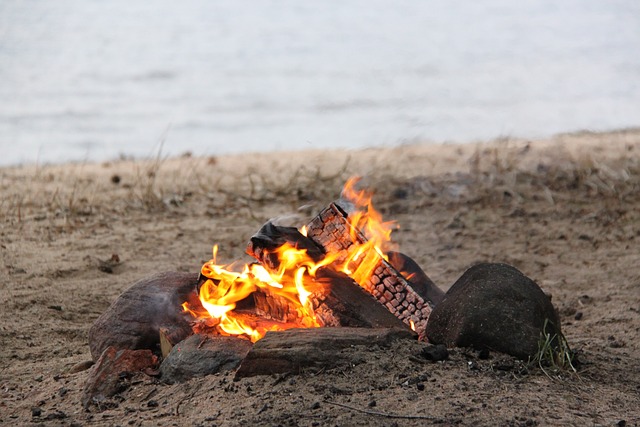
Burn with Fire
Types of Shock
- Hypovolemic Shock
- Cardiogenic Shock
- Neurogenic Shock
- Anaphylatic Shock
- Septic Shock
Introduction to BURN
Causes of burn
- Thermal burn/heat burn: dry heat
- Scald: moist heat
- Electric burn: electricity
- Cold burn: frost bite
- Chemical burn: strong acid and alkali
- Radiation burn: X-rays, Gamma rays
Degree of Burn Classification and grading
- First degree – superficial thickness
- Second degree – Partial or intermediate thickenss
- Third degree – Full thickness
- Fourth degree
Management of burn
- Remove burning source immediately.
- Wrap the patient in a cloth and roll him in the floor.
- Immerse 10-15 minutes in water or cool down the burnt part in running water for 15 minutes
- Give liquids orally. Provide analgesics and antibiotics.
- Do not rupture blister.
- TT injection
- First-degree burns:
- Run cool water over the burn. Don’t apply ice. For sunburns, apply aloe vera gel. For thermal burns, apply antibiotic cream and cover lightly with gauze. You can also take over-the-counter pain medication.
- Second-degree burns:
- Treatment for second- and first-degree burns is similar.
- Stronger antibiotic – such as silver sulfadiazine, to kill bacteria
- Elevating the burned area can reduce pain and swelling.
- May need dressing to be applied
- Third-degree burns:
- Third-degree burns can be life-threatening and often require skin grafts. Skin grafts replace damaged tissue with healthy skin from another of the uninjured part of the person’s body.
Wallace Rule of Nine
The Wallace Rule of Nines is a method used to estimate the total body surface area (TBSA) affected by burns. It divides the body into sections, each representing approximately 9% (or multiples thereof) of the total body surface area. The distribution is slightly different for adults and children due to differences in body proportions.
Wallace Rule of Nines for Adults:
- Head and Neck: 9%
- Each Arm: 9% (4.5% front, 4.5% back)
- Each Leg: 18% (9% front, 9% back)
- Anterior Torso (Chest and Abdomen): 18%
- Posterior Torso (Back and Buttocks): 18%
- Perineum/Genitalia: 1%
Wallace Rule of Nines for Children:
- Head and Neck: 18% (larger proportion due to the relatively larger head size in children)
- Each Arm: 9% (4.5% front, 4.5% back)
- Each Leg: 14% (7% front, 7% back; less than in adults because legs are relatively shorter)
- Anterior Torso (Chest and Abdomen): 18%
- Posterior Torso (Back and Buttocks): 18%
- Perineum/Genitalia: 1%
These percentages are used to help us quickly estimate the extent of burns and its severity, which is critical for determining the severity of the injury and guiding treatment decisions, such as fluid resuscitation and transfer to a specialized burn center.
Parkland Formula:
- First 8 hours: Administer half of the total fluid requirement.
- Next 16 hours: Administer the remaining half.
Example for an Adult:
If an adult weighs 70 kg and has 30% TBSA burns:
- Total fluid requirement: 4×70×30=8,400 mL4 times 70 times 30 = 8,400 , text{mL}
- First 8 hours: 8,400/2=4,200 mL8,400 / 2 = 4,200 , text{mL}
- Next 16 hours: 4,200 mL4,200 , text{mL}
OTHER CONCEPTs on bubrn management
- Patient may require IV antibiotics for infection prevention/control
- If oral intake not possible IV fluids till oral can be started
- Topical antibiotics
- Vaseline gauze
- Scar prevention
- Contracture prevention/compartment syndrome
- Deformity prevention
- Scar prevention
- Alkali burn is more dangerous than acid burn- deep burn in alkali
- Electrolyte imbalance, fluid status and vitals and end organ monitoring in severe burns
- Rhabdomyolysis
- CO poisoning
UPPER AIRWAY BURNS AND UGI BURNS
- Speciality vare needed
- To prevent long term disability and management of complications
- Do not try to neutralize acid with base or vice versa
- Warer is the best method to contro
SPECIAL POPULATION
- >10% BSA in <10 & >50 yrs
- >20% BSA
- Face, genitalia, major joints
- Electrical/Chemical burns
- Inhalational injury
- Co-morbid diseases/injuries
- Children with special needs

Shock and Burn PPT

{
“@context”: “https://schema.org”,
“@type”: “FAQPage”,
“mainEntity”: [{
“@type”: “Question”,
“name”: “What are Signs and symptoms of Burn?”,
“acceptedAnswer”: {
“@type”: “Answer”,
“text”: “Cool, clammy skin
Pale or ashen skin
Bluish tinge to lips or fingernails (or gray in the case of dark complexions)
Rapid pulse
Rapid breathing
Nausea or vomiting
Enlarged pupils
Weakness or fatigue
Dizziness or fainting”
}
},{
“@type”: “Question”,
“name”: “What are Types of Shock?”,
“acceptedAnswer”: {
“@type”: “Answer”,
“text”: “Hypovolemic Shock
Cardiogenic Shock
Neurogenic Shock
Anaphylatic Shock
Septic Shock”
}
},{
“@type”: “Question”,
“name”: “What are causes of Burn?”,
“acceptedAnswer”: {
“@type”: “Answer”,
“text”: “Thermal burn/heat burn: dry heat
Scald: moist heat
Electric burn: electricity
Cold burn: frost bite
Chemical burn: strong acid and alkali
Radiation burn: X-rays, Gamma rays”
}
},{
“@type”: “Question”,
“name”: “What is clasification of burn?”,
“acceptedAnswer”: {
“@type”: “Answer”,
“text”: “First degree – superficial thickness
Second degree – Partial or intermediate thickenss
Third degree – Full thickness
Fourth degree”
}
},{
“@type”: “Question”,
“name”: “What is Management of burn?”,
“acceptedAnswer”: {
“@type”: “Answer”,
“text”: “Remove burning source immediately.
Wrap the patient in a cloth and roll him in the floor.
Immerse 10-15 minutes in water or cool down the burnt part in running water for 15 minutes
Give liquids orally. Provide analgesics and antibiotics.
Do not rupture blister.
TT injection
First-degree burns:
Run cool water over the burn. Don’t apply ice. For sunburns, apply aloe vera gel. For thermal burns, apply antibiotic cream and cover lightly with gauze. You can also take over-the-counter pain medication.
Second-degree burns:
Treatment for second- and first-degree burns is similar.
Stronger antibiotic – such as silver sulfadiazine, to kill bacteria
Elevating the burned area can reduce pain and swelling.
May need dressing to be applied
Third-degree burns:
Third-degree burns can be life-threatening and often require skin grafts. Skin grafts replace damaged tissue with healthy skin from another of the uninjured part of the person’s body.”
}
}]
}