


Myocardial Infarction (MI): Causes, Symptoms, and Management
What is Myocardial Infarction?
Myocardial infarction (MI), commonly known as a heart attack, occurs
when blood flow to a part of the heart muscle is blocked. (Source)This is usually caused by a blood clot or atherosclerosis, leading to oxygen
deprivation and subsequent damage or necrosis of heart muscle tissue.
Symptoms of Myocardial Infarction
Symptoms of MI can vary but often include:
- Chest
Pain or Discomfort - Pain Radiating to Other Areas: Arms
(especially the left arm), shoulders, neck, jaw, or back - Shortness of Breath
- Nausea, Vomiting, or Abdominal Pain
- Cold Sweats
- Dizziness or Lightheadedness
- Fatigue: More common in females
Management of Myocardial Infarction
Emergency Management (Acute Phase)
- Immediate medical intervention is crucial to minimize heart muscle
damage. - Aspirin (160–325 mg): Should be chewed unless
contraindicated. - Oxygen Therapy: Administered if SpOâ‚‚ is below
90%. - Sublingual Nitroglycerin (0.3–0.6 mg): Given unless
contraindicated, such as in hypotension. - Morphine: Used for
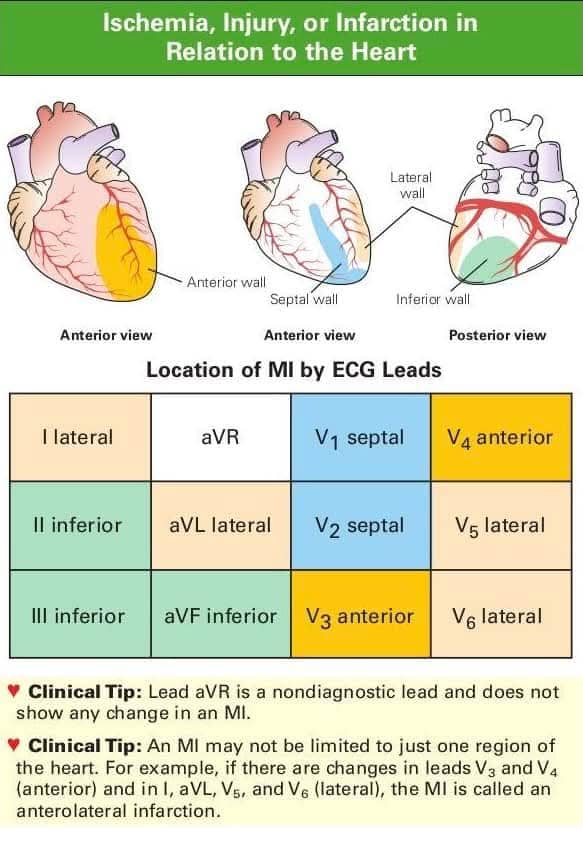
severe chest pain that does not respond to nitroglycerin. - ECG
Monitoring: Essential for confirming diagnosis and identifying complications.
Hospital Management
- Treatment focuses on restoring blood flow and preventing further
complications. - Thrombolytic Therapy (Alteplase or Tenecteplase):
Used when percutaneous coronary intervention (PCI) cannot be performed within 90
minutes. - Percutaneous Coronary Intervention (PCI): The standard
procedure for restoring blood flow. - Antiplatelet Therapy:
Includes aspirin and P2Y12 inhibitors (Clopidogrel, Ticagrelor). - Anticoagulants: Heparin or low molecular weight heparin (e.g., Enoxaparin) is
administered. - Beta-Blockers: Medications such as Metoprolol
succinate, Carvedilol, or Bisoprolol help reduce heart workload. - ACE Inhibitors: Drugs like Lisinopril, Captopril, or Ramipril lower blood
pressure and reduce strain on the heart. - ARBs (Angiotensin II
Receptor Blockers): Used as an alternative to ACE inhibitors, including
Losartan, Candesartan, Valsartan, and Telmisartan. - Statins
(High-Intensity Therapy): Atorvastatin (40–80 mg) is recommended to lower
cholesterol and prevent further blockages.
Long-Term Management (Post-MI Care)
Ongoing treatment helps prevent future heart attacks and supports
overall cardiovascular health.
Medications:
- Antiplatelet Therapy: Dual antiplatelet
therapy (DAPT) for 12 months. - Beta-Blockers
- ACE
Inhibitors or ARBs - Statins
- Nitrates: Used for
angina management.
Lifestyle Modifications:
- Quit Smoking: Eliminating
tobacco reduces heart disease risk. - Healthy Diet: Emphasizes
fruits, vegetables, whole grains, and limits saturated fats, sodium, and sugar. - Regular Exercise: At least 30 minutes of physical activity, five
days a week. - Weight Management: Maintaining a healthy body
weight is essential. - Control of Chronic Conditions: Proper
management of diabetes, hypertension, and cholesterol levels.
Cardiac Rehabilitation:
- A structured rehabilitation program includes:
- Supervised exercise programs.
- Educational resources on heart
health. - Psychological counseling for emotional well-being.
Psychological Support:
Addressing anxiety and
depression associated with MI recovery.
Monitoring and Follow-Up
- Regular check-ups with a cardiologist are necessary to track
progress and prevent complications. - Monitoring Vital Signs:
Blood pressure, cholesterol, and blood glucose levels should be regularly
assessed. - Routine ECGs and Echocardiograms: Used to evaluate
heart function.
Prevention of Myocardial Infarction
- Reducing risk factors plays a crucial role in preventing heart
attacks. - Control of Hypertension, Diabetes, and High Cholesterol
- Smoking Cessation
- Limiting Alcohol Consumption
- Stress Management: Includes relaxation techniques and
psychotherapy. - Adherence to Medications: Ensuring compliance
with prescribed treatments.
Potential Complications of Myocardial Infarction
- If not properly managed, MI can lead to severe complications,
including: - Arrhythmias (Irregular Heartbeat)
- Heart Failure
- Cardiogenic Shock
- Pericarditis
(Inflammation of the Heart’s Outer Layer) - Recurrent Myocardial
Infarctions
Conclusion
Myocardial infarction is a medical emergency that requires immediate
and long-term management to reduce damage and prevent recurrence. Proper
treatment, lifestyle changes, and regular follow-ups significantly improve
survival and quality of life.