


What are the Chlorine compounds used for disinfecting and sanitation purpose?
Chlorine tab

Chlorine gas
Perchloran
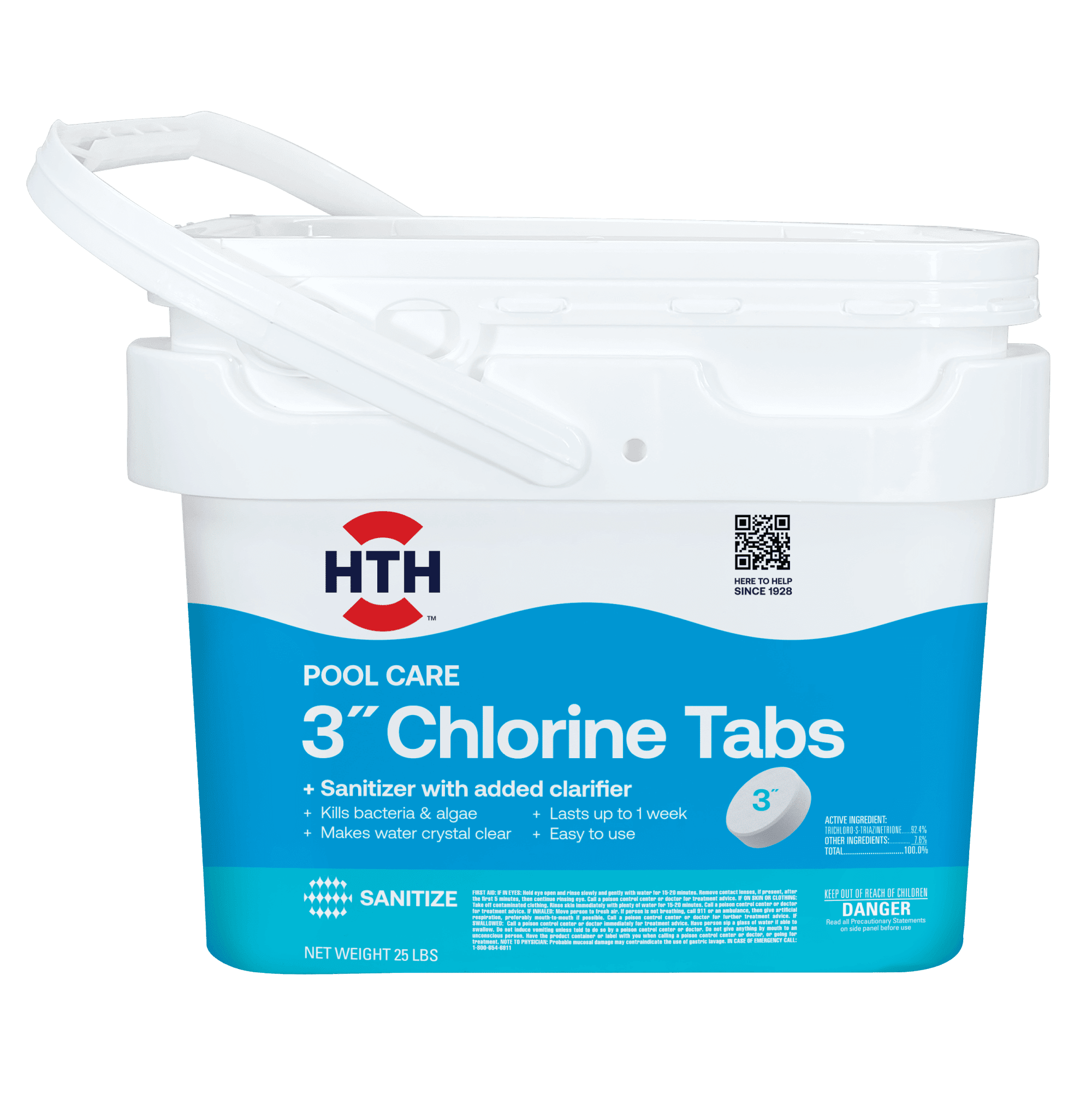
How do chlorine tablets work?
-
Oxidizing Agent: Chlorine acts as a strong oxidizer, breaking down cell membranes and disrupting essential cellular processes in microorganisms.
-
Hypochlorous Acid Formation: When added to water, chlorine forms hypochlorous acid (HOCl), which is more effective at penetrating microbial cell walls than hypochlorite ions (OCl⁻).
-
Protein Denaturation: Chlorine reacts with microbial proteins, leading to their denaturation and loss of function, which ultimately kills the microorganism.
-
Disruption of DNA & Enzymes: Chlorine damages microbial DNA and inhibits enzymatic activity, preventing replication and metabolism.
-
Broad-Spectrum Activity: Effective against bacteria, viruses, fungi, and protozoa, including pathogens like E. coli, Salmonella, and Vibrio cholerae.
-
Residue Effect: Leaves a residual disinfectant effect in treated water, preventing recontamination over time.
-
Chlorination Byproducts: Can produce disinfection byproducts (DBPs) like trihalomethanes (THMs) and haloacetic acids (HAAs), which require monitoring for safety.
-
Effective in Various Forms: Available as chlorine gas, sodium hypochlorite (liquid bleach), calcium hypochlorite (solid), and chloramine for different disinfection needs.
-
Water pH Dependency: The effectiveness depends on water pH, with optimal disinfection occurring at pH 6-7 where hypochlorous acid predominates.
-
Fast-Acting: Works quickly to kill pathogens, typically within minutes, depending on concentration and exposure time.
When pool chlorine (commonly sodium hypochlorite or calcium hypochlorite) is added to water, it undergoes hydrolysis to produce hypochlorous acid (HOCl), which then dissociates to release nascent chlorine (Cl•), a highly reactive disinfectant.
Chemical Reactions for Pool Chlorine in Water
-
For Sodium Hypochlorite (NaOCl):
NaOCl+H2O→HOCl+NaOHNaOCl + H_2O rightarrow HOCl + NaOH
-
For Calcium Hypochlorite (Ca(OCl)₂):
Ca(OCl)2+2H2O→2HOCl+Ca(OH)2Ca(OCl)_2 + 2H_2O rightarrow 2HOCl + Ca(OH)_2
-
Dissociation of Hypochlorous Acid (pH-dependent reaction):
HOCl⇌H++OCl−HOCl rightleftharpoons H^+ + OCl^-
-
Formation of Nascent Chlorine (Reactive Form of Chlorine):
-
In acidic to neutral conditions, hypochlorous acid undergoes further dissociation to release nascent chlorine:
HOCl→HCl+[O]HOCl rightarrow HCl + [O]
-
The nascent oxygen ([O]) is a powerful oxidizer that destroys microbes by attacking their cell structures.
-
In water, HOCl can also directly release Cl• (chlorine radicals), contributing to its strong disinfecting power.
-