


Pitting Edema Vs Non-Pitting Edema
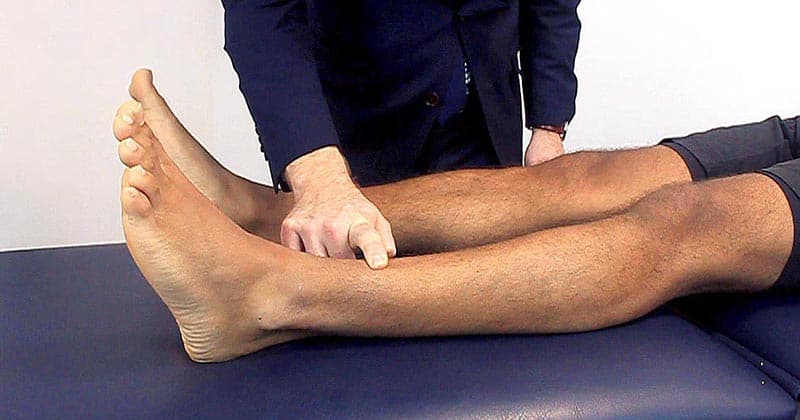
Pitting Edema
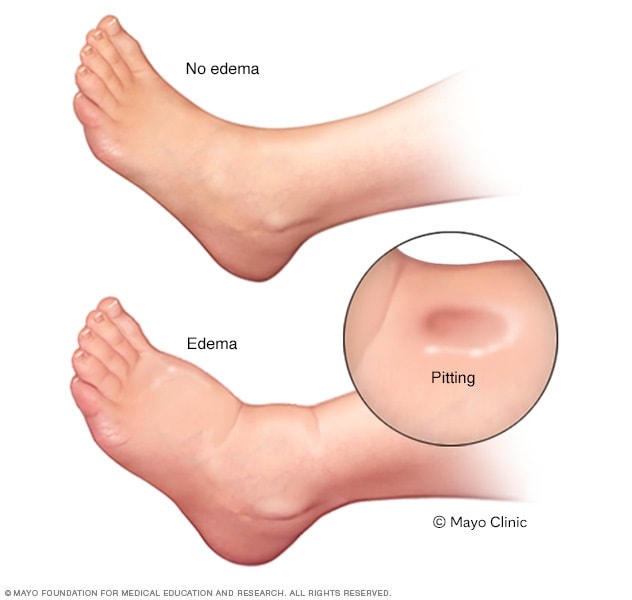
Pitting edema occurs due to an increase in interstitial fluid volume, which
can be displaced when external pressure is applied. This results in t
he
formation of a temporary depression (pit) that persists for a few seconds to
minutes before the fluid redistributes. The severity of pitting edema is often
graded based on the depth of the pit and the time taken for it to resolve
(e.g., 1+ to 4+ scale).
Pathophysiology:
Pitting edema is primarily caused by increased capillary hydrostatic pressure,
decreased oncotic pressure, or increased capillary permeability. The excess
interstitial fluid is primarily composed of water with minimal protein
content, making it easily compressible.
Common Causes:
-
Cardiac Causes – Congestive
heart failure (CHF) leads to increased venous pressure and fluid retention. -
Renal Causes – Nephrotic
syndrome or acute kidney injury causes hypoalbuminemia, reducing oncotic
pressure and leading to edema. -
Hepatic Causes – Liver
cirrhosis causes reduced albumin synthesis, leading to fluid accumulation. -
Venous Insufficiency –
Chronic venous stasis results in poor venous return, causing fluid leakage
into tissues. -
Malnutrition – Low
protein intake leads to decreased plasma oncotic pressure, favoring fluid
extravasation.
Non-Pitting Edema
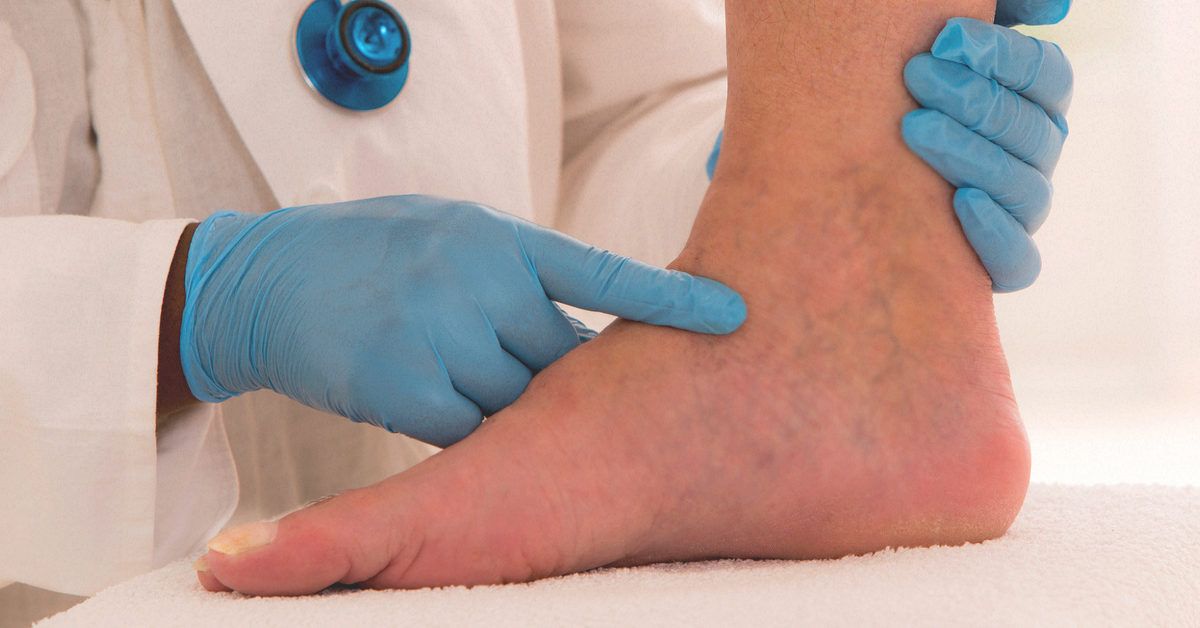
Non-pitting edema does not leave an indentation when pressure is applied. It
is typically caused by an accumulation of high-protein fluid or
mucopolysaccharides within the interstitial space, leading to fibrosis and
increased tissue firmness.
Pathophysiology:
Non-pitting edema results from conditions that impair lymphatic drainage,
increase interstitial protein concentration, or induce tissue fibrosis. The
fluid accumulation in these cases is often rich in proteins, leading to
chronic inflammation, fibroblast activation, and skin thickening.
Common Causes:
-
Lymphedema – Lymphatic
obstruction due to congenital anomalies (primary lymphedema) or acquired
causes like filariasis, malignancy, surgery, or radiation therapy. -
Myxedema – Seen in
hypothyroidism due to the deposition of mucopolysaccharides in the dermis,
leading to thickened, doughy skin. -
Lipedema – A disorder
of fat distribution, primarily affecting women, where the lower limbs
become symmetrically enlarged without true fluid retention. -
Chronic Inflammatory States
– Conditions such as scleroderma and cellulitis can lead to fibrosis,
resulting in non-pitting edema. -
Medication-Induced –
Certain drugs like calcium channel blockers and corticosteroids can cause
non-pitting edema due to capillary leak or altered fluid dynamics.
Key Differences in Management:
-
Pitting edema is
often treated by addressing the underlying systemic cause (e.g.,
diuretics for CHF, albumin correction in nephrotic syndrome). -
Non-pitting edema
requires a different approach, such as lymphatic drainage, thyroid
hormone replacement (for myxedema), or avoiding triggers in lipedema.
| Feature | Pitting Edema | Non-Pitting Edema |
|---|---|---|
| Definition | Edema that leaves a temporary dent (pit) when pressed with a finger. | Edema that does not leave a dent when pressed. |
| Cause | Fluid accumulation in the interstitial space. | Accumulation of proteins, mucopolysaccharides, or lymphatic obstruction. |
| Common Causes |
Heart failure, liver disease, kidney disease, venous insufficiency, malnutrition. |
Lymphedema, myxedema (hypothyroidism), lipedema, chronic inflammation. |
| Appearance | Soft and depressible swelling. | Firm, thick, and tight swelling. |
| Response to Elevation | Improves with limb elevation. | Little or no improvement with limb elevation. |
| Effect of Diuretics | Usually responsive to diuretics. | Poor response to diuretics. |
| Associated Symptoms |
May have signs of systemic fluid overload (e.g., breathlessness, weight gain). |
Often associated with skin thickening or fibrosis. |
Grading of Pitting Edema
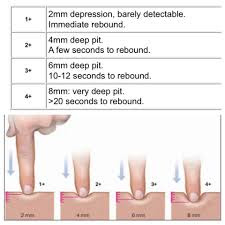
Pitting edema is graded based on the depth of the indentation and the time it
takes for the skin to rebound after applying pressure. The most commonly used
scale is the
4-point grading system:
| Grade | Depth of Pit | Rebound Time | Clinical Description |
|---|---|---|---|
| 1+ | < 2 mm | Immediate | Barely detectable indentation. No visible swelling. |
| 2+ | 2-4 mm | Few seconds (~15 sec) | Slight indentation. Mild swelling. |
| 3+ | 4-6 mm | Several seconds (~30 sec) | Noticeable deep indentation. Marked swelling. |
| 4+ | 6-8 mm | Prolonged (>30 sec) |
Deep pit lasting a long time. Severe swelling, possibly affecting mobility. |
Grading of Non-Pitting Edema
Non-pitting edema does not have a universally accepted grading system like
pitting edema. However, it can be assessed based on
severity and functional impact:
-
Mild: Minimal swelling,
no significant functional impairment. -
Moderate: Noticeable
swelling, some skin thickening, minor mobility issues. -
Severe: Significant
swelling, skin hardening, fibrosis, and potential ulceration or infection
risk.
| Severity | Clinical Features |
|---|---|
| Mild | Minimal swelling, no significant functional impairment. |
| Moderate | Noticeable swelling, some skin thickening, minor mobility issues. |
| Severe |
Significant swelling, skin hardening, fibrosis, and potential ulceration or infection risk. |
For lymphedema, a
specific International Society of Lymphology (ISL) Staging System is used:
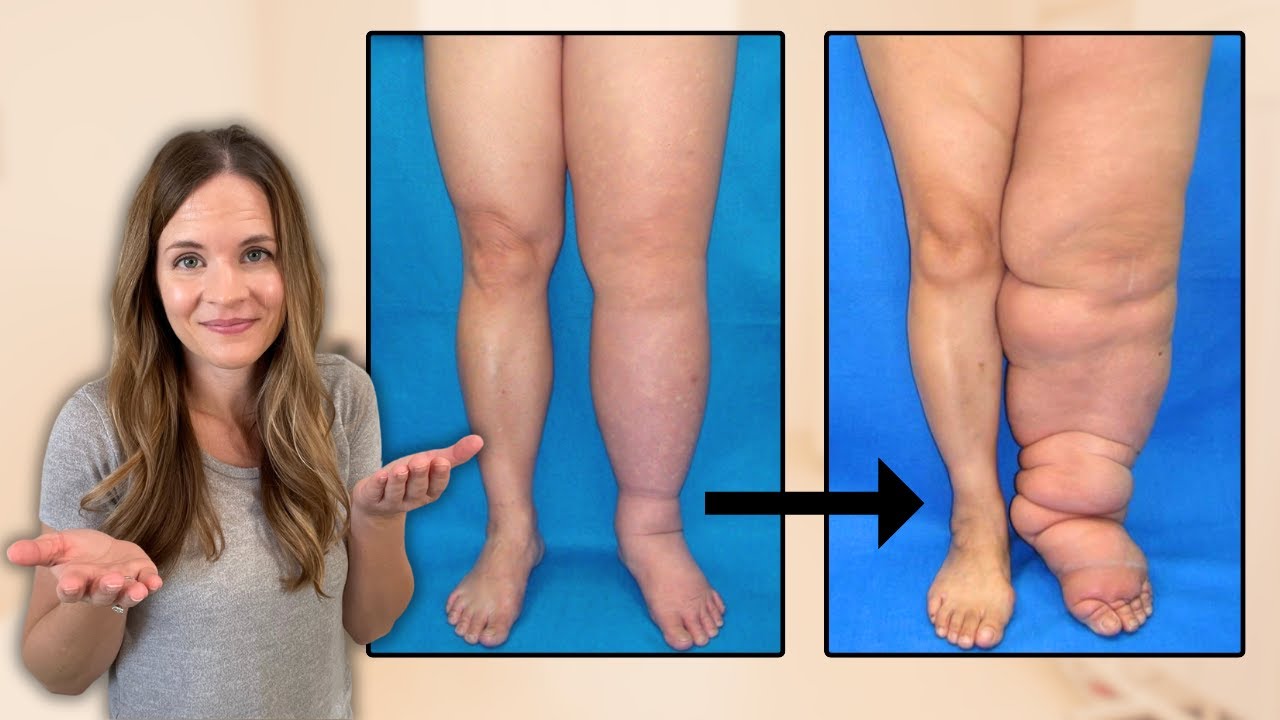
| Stage | Clinical Features |
|---|---|
| Stage 0 (Latent) | No visible swelling, but lymphatic damage is present. |
| Stage I (Mild) | Reversible swelling; pitting may be present. Elevation reduces swelling. |
| Stage II (Moderate) | Irreversible swelling, tissue fibrosis begins. No pitting. |
| Stage III (Severe, Elephantiasis) |
Severe fibrosis, skin thickening, warty overgrowth, and functional impairment. |
body {
font-family: Arial, sans-serif;
margin: 20px;
background-color: #f9f9f9;
}
table {
width: 100%;
border-collapse: collapse;
background-color: white;
box-shadow: 2px 2px 10px rgba(0, 0, 0, 0.1);
}
th, td {
border: 1px solid #ddd;
text-align: left;
padding: 10px;
}
th {
background-color: #4CAF50;
color: white;
}
tr:nth-child(even) {
background-color: #f2f2f2;
}
caption {
font-size: 1.5em;
margin-bottom: 10px;
font-weight: bold;
}