


Table of Contents(toc)
What are HPV warts?
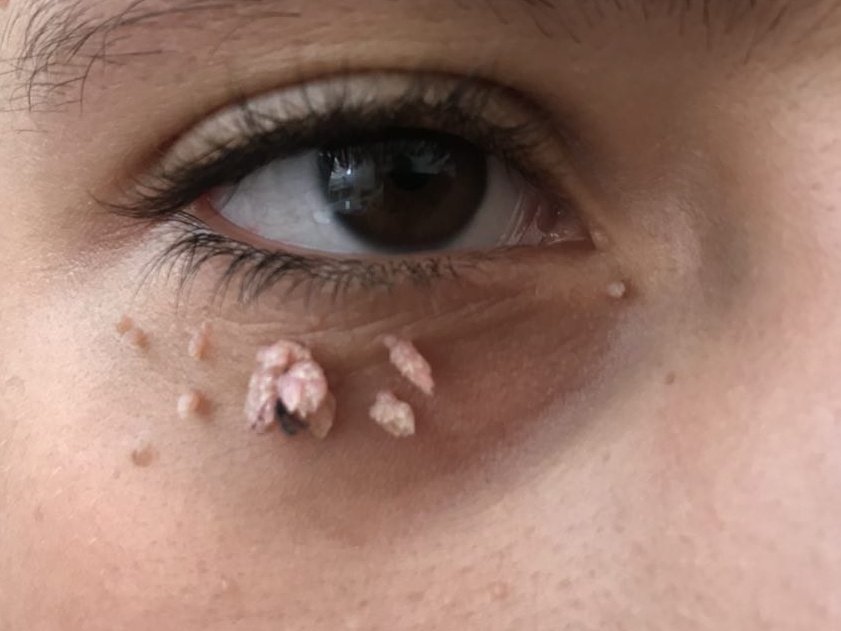
Filiform warts are long, narrow, thread-like warts caused by the human papillomavirus (HPV), particularly types 1, 2, 4, 27, and 29. They typically appear on the face, neck, eyelids, and lips due to the thin and sensitive skin in these areas.
These warts are more common in people with weakened immune systems and can spread through direct contact.
Symptoms of HPV warts:
- Long, finger-like projections
- Flesh-colored or slightly darker than the surrounding skin
- Usually painless but can be irritating if located in sensitive areas
Causes & Risk Factors of HPV warts:
- Direct skin contact with an infected person or contaminated surface
- Scratching or shaving over an infected area, spreading the virus
- Weakened immune system
Treatment Options of HPV warts:
Here is list of different treatment options available to treat HPV related warts. In general HPV related wars can go automatically, you should be especially cautious for anogenital warts and warts that are rapidly spreading or forming n new body parts fast enough.
- Topical Treatments:
- Salicylic acid
- Retinoids
- Imiquimod (immune response modifier)
- Cryotherapy (Freezing with Liquid Nitrogen):
- Common treatment performed by dermatologists
- Electrocautery (Burning the Wart):
- Uses an electric current to destroy the wart
- Laser Therapy:
- Used for stubborn warts that don’t respond to other treatments
- Surgical Removal:
- Minor procedure if the wart is persistent or causing discomfort
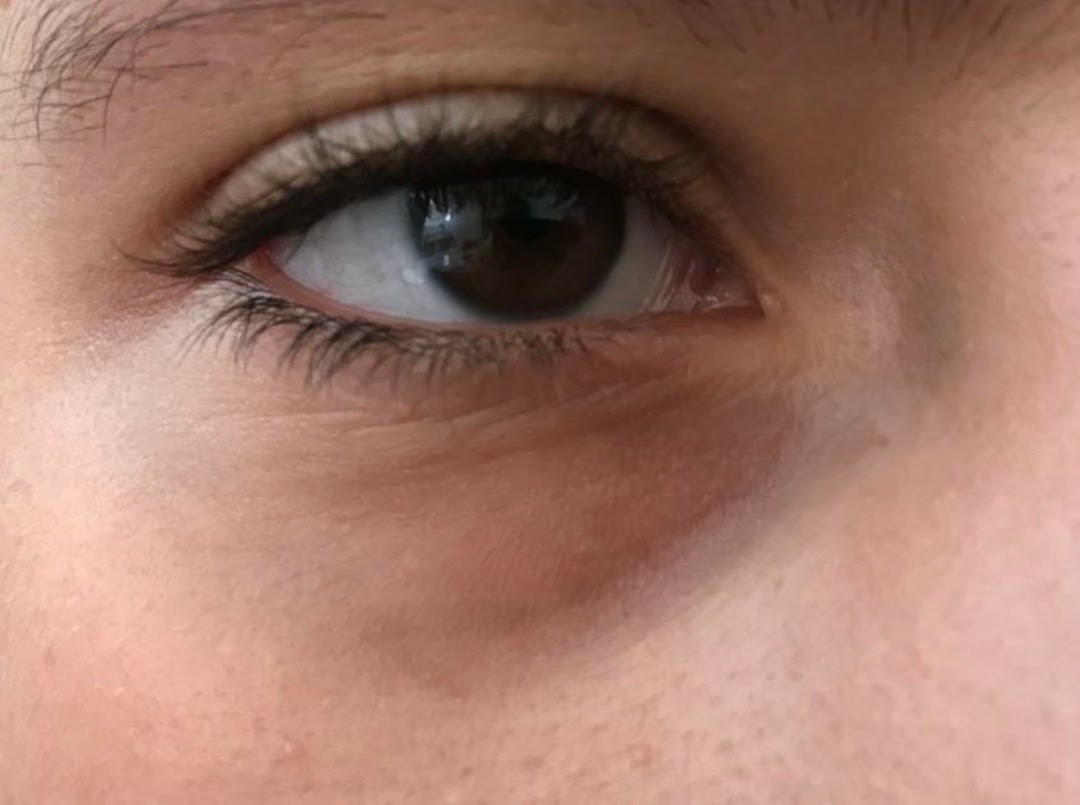 |
| Wart after treatment (note:some visual enhancing may be used) |
How are HPV warts tranmitted?
Warts are transmissible diseases and transmitted by direct or indirect contact with the person with the warts.
Since filiform warts can spread easily, it’s important to avoid touching them, maintain good hygiene, and seek treatment early.
They are also transmitted from one part of body to the another part by direct contact or after scratching, cutting or simple abrasion.
People who play contact sports are at high risk of getting these warts from the person with the infection.
Intimate and sexual patners are also at very high risk of getting these infections from their part from either sexual or nonsexual direct or indirect contact.
Here is comprehensive list of mode and methods of tresnmission of warts that are on face or any other parts of body that are caused by the HPV.
Methods of Transmission of HPV-Related Warts:
- Direct Skin-to-Skin Contact – Touching an infected area.
- Sexual Contact – Vaginal, anal, or oral sex.
- Fomites – Shared personal items (e.g., razors, towels).
- Autoinoculation – Spreading the virus to other body parts.
- Mother-to-Child (Perinatal Transmission) – During childbirth.