


Table of Contents(toc)
High Altitude Pulmonary Edema (HAPE) in Nepal: A Silent Killer in the
Himalayas

Himalayas
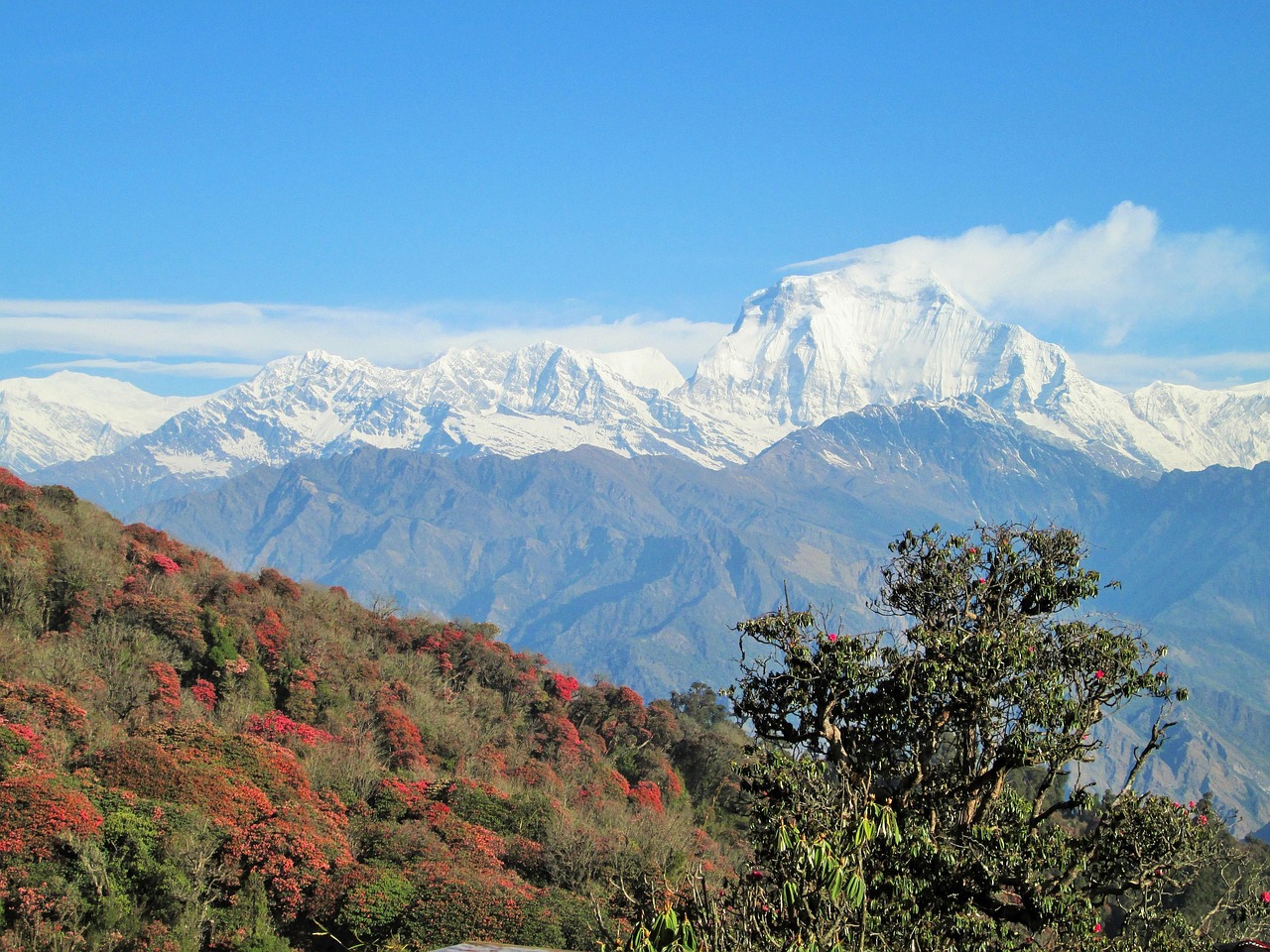
Nepal, home to eight of the world’s fourteen highest peaks, including Mount
Everest, is a paradise for trekkers and mountaineers. However, the
breathtaking landscapes also pose serious health risks, one of the most
dangerous being High Altitude Pulmonary Edema (HAPE). This
life-threatening condition affects individuals who ascend to high altitudes
too quickly without proper acclimatization, leading to fluid accumulation in
the lungs and potentially fatal respiratory failure.
What is HAPE?
HAPE is a severe form of altitude sickness caused by exposure to low oxygen
levels at high elevations, typically above
2,500 meters (8,200 feet).
It is characterized by fluid
leakage from pulmonary capillaries into the lungs due to hypoxic pulmonary
vasoconstriction, which increases pulmonary arterial pressure.
Unlike other
forms of altitude sickness, HAPE can develop even in healthy individuals with
no prior history of altitude illness.
How does HAPE occur?
Essentially, elevated mean pulmonary artery pressure (>35-40 mmHg) plays a
crucial role in initiating HAPE, but it is not sufficient by itself. The
second key factor is uneven vasoconstriction in the pulmonary circulation.
The process can be explained as follows:
-
Elevated Pulmonary Artery Pressure:
The increase in pulmonary artery pressure is triggered by the lower oxygen
levels at high altitudes, which causes hypoxic pulmonary vasoconstriction.
This elevated pressure is a significant factor in HAPE but is not the only
cause. -
Uneven Vasoconstriction:
In the lungs, hypoxia induces vasoconstriction, but this response is not
uniform across the pulmonary vasculature. Certain capillary beds in the
lungs constrict less than others, and those areas are exposed to higher
microvascular pressures (>20 mmHg). -
Overperfusion and Capillary Stress:
These areas of uneven vasoconstriction receive disproportionately more
blood flow, leading to overperfusion. This increases the stress on the
alveolar-capillary barrier, which eventually fails under the pressure. -
Alveolar-Capillary Barrier Failure and Pulmonary Edema:
The failure of the alveolar-capillary barrier results in leakage of fluid
into the alveoli, leading to pulmonary edema. This edema tends to be
patchy, which is characteristic of HAPE.
Risk Factors for HAPE
Several factors contribute to the development of HAPE, including:
-
Rapid Ascent: Climbing too quickly without proper
acclimatization. - Individual Susceptibility: Genetic predisposition can make
some individuals more prone. -
Cold Temperatures: Cold exposure can exacerbate pulmonary
hypertension. -
Strenuous Physical Activity: Excessive exertion at high
altitudes increases oxygen demand and stress on the lungs. -
History of HAPE: Those who have had HAPE before are at
higher risk.
Symptoms of HAPE
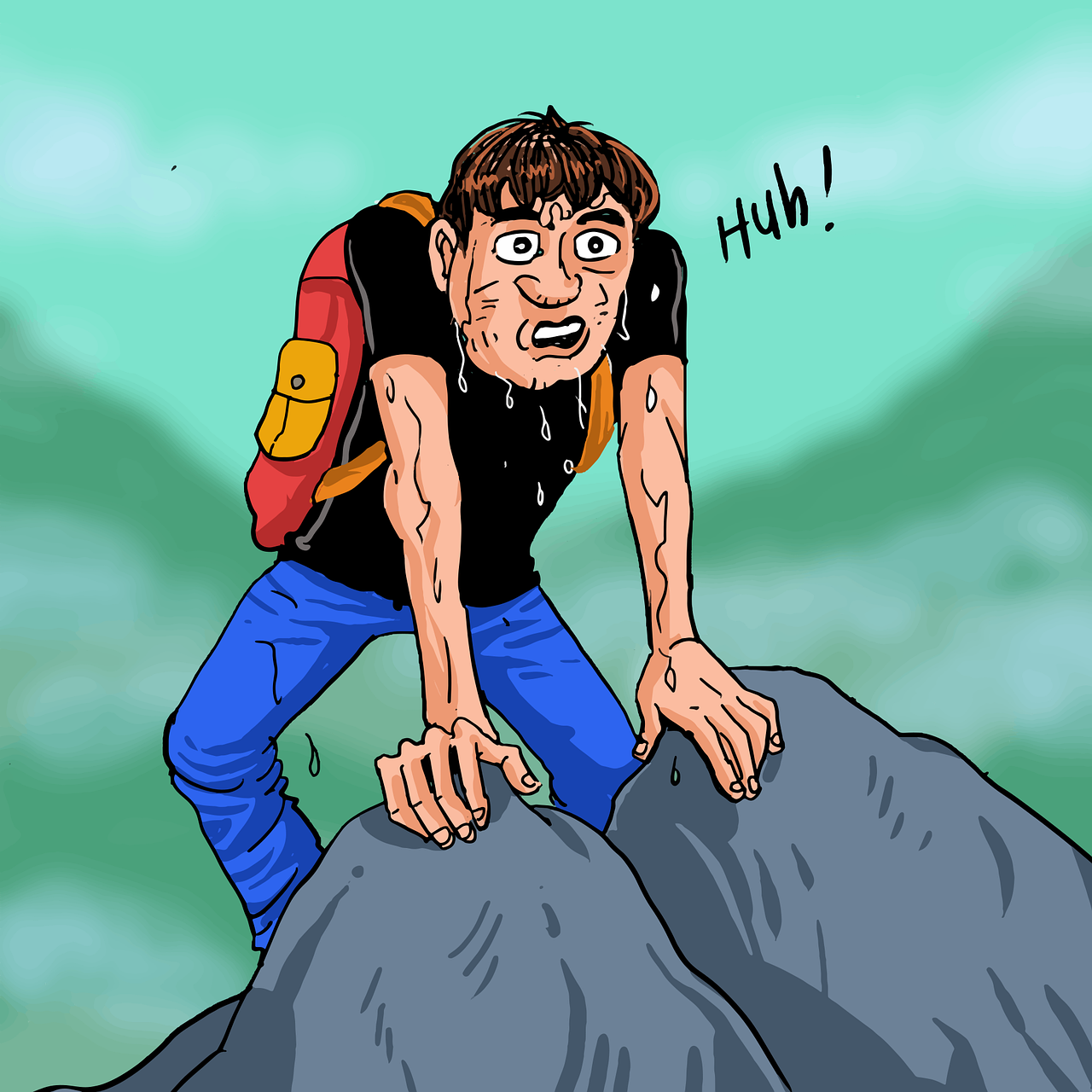
HAPE symptoms usually appear within 1-4 days of ascent and worsen if ignored.
Early signs include:
- Shortness of breath at rest
- Persistent dry cough or frothy sputum
- Rapid heart rate and breathing
- Cyanosis (bluish skin or lips)
- Fatigue, confusion, or difficulty walking
- Crackling sounds in the lungs on auscultation
Without prompt intervention, HAPE can rapidly progress to
respiratory failure and death.

HAPE in Nepal: A Major Concern
Nepal’s trekking routes, such as
Everest Base Camp (5,364m), Annapurna Circuit (5,416m), and Manaslu Circuit
(5,106m), attract thousands of adventurers yearly. However, many suffer from
altitude-related illnesses due to poor acclimatization and underestimating the
risks. HAPE cases are frequently reported in places like
Lukla, Namche Bazaar, and Gorak Shep, where rapid altitude
gain is common.
Prevention: The Key to Safety
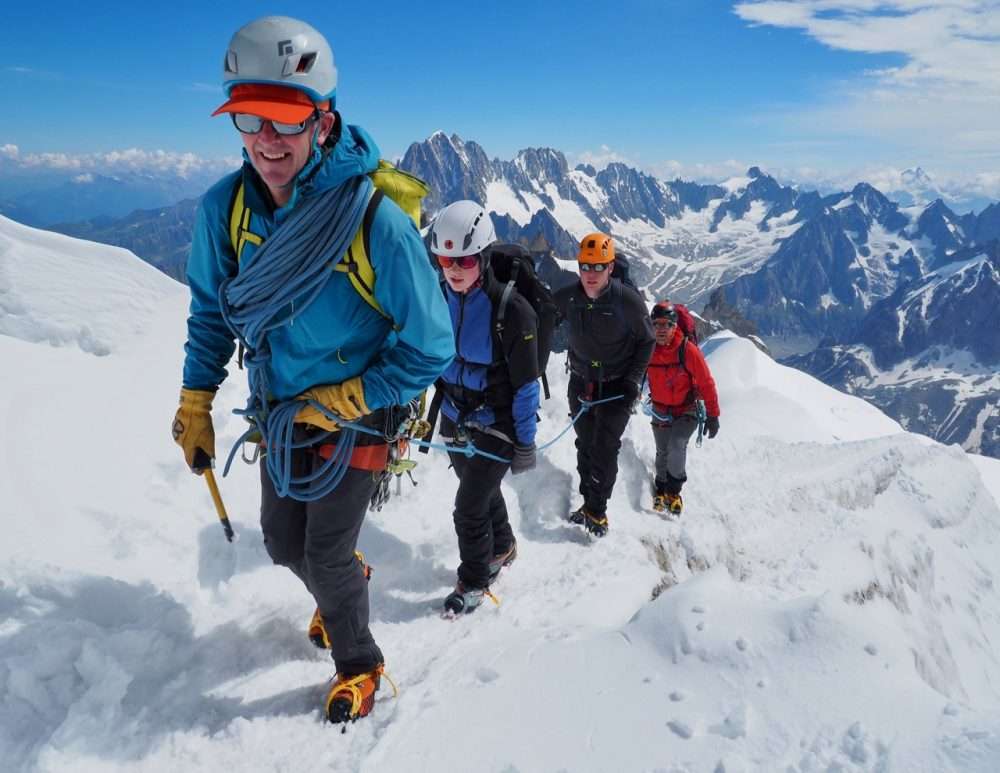
Preventing HAPE is crucial, as it is easier to avoid than to treat in remote
areas. Follow these guidelines:
- Gradual Ascent: Follow the “300-500 meters per day” rule above 3,000m.
-
Acclimatization Days: Spend an extra night at intervals to
allow your body to adjust. -
Hydration and Nutrition: Drink plenty of fluids and consume
high-energy foods. -
Avoid Alcohol and Sedatives: These can depress breathing
and worsen symptoms. -
Recognize Symptoms Early: Immediate descent is the best
treatment. -
Medications: Acetazolamide (Diamox) can aid
acclimatization, and nifedipine may help prevent HAPE in susceptible
individuals.
Treatment and Emergency Response
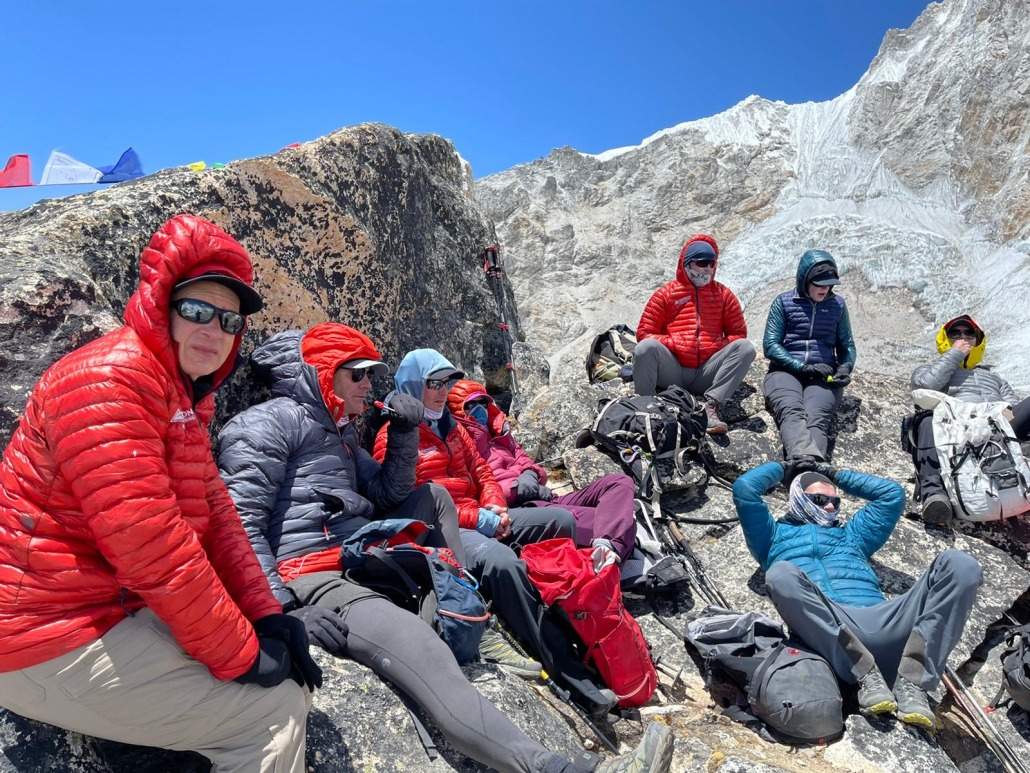
If HAPE develops, immediate action is critical:
- Descend Immediately: The single most effective treatment.
- Oxygen Therapy: Supplemental oxygen can relieve symptoms.
-
Portable Hyperbaric Chambers: These simulate lower altitude
conditions and are used in remote trekking areas. -
Medications: Nifedipine, a calcium channel blocker, reduces
pulmonary artery pressure.
Conclusion
HAPE remains a significant yet preventable hazard for
trekkers and climbers in Nepal. Proper acclimatization, awareness, and timely
intervention can save lives. Whether you are trekking to
Everest Base Camp or exploring the Annapurna Circuit,
respecting the altitude and listening to your body can ensure a safe and
memorable journey in the majestic Himalayas.
Stay informed, climb responsibly, and enjoy Nepal’s mountains
safely!