CBIMNCI protocol Nepal latest guideline free download

CBIMNCI (CB IMNCI) protocol Nepal for Health professionals

CBIMNCI protocol has been one of the driving guideline for treatment of neonatal and childhood illnesses in Nepal.

Here we have uploaded the latest CBIMNCI protocol book in pdf format for your reference. 

You can either refer it here or please download for future reference.

Download CBIMNCI (CB IMNCI) protocol

Community based integrated management of childhood and neonatal illness protocol has been developed by government of Nepal, child health division. This protocol has been the main guidelines for Nepal.

There are these protocols and guidelines developed for health care workers in Nepal.

  1. CB-IMNCI (CBIMNCI) guidelines for FCHV pdf
  2. FB-IMNCI (CBIMNCI) guidelines for Paramedics pdf
  3. FB-IMNCI (CBIMNCI) guidelines for Medical officers pdf
  4. CB IMNCI flipchart pdf
  5. CBIMNCI remote area  guideline pdf
  6. CBIMNCI program management module pdf

The complete guidelines can be downloaded below.

CBIMNCI remote area  guideline pdf (imnci chart booklet)

Here i CBIMNCI remote area guideline in pdf format to download and to read.

https://drive.google.com/file/d/1WMK9YeiYR0dIDPU9zaPvNEhZdRS2h5g0

CBIMNCI program management module pdf (imnci chart booklet)

Here is CBIMNCI program management module.

https://drive.google.com/file/d/11JiJMVooK7RVd2ER7O6yA5OMWdiOOF7O/preview

CB IMNCI flipchart pdf (imnci chart booklet)

Here is CBIMNCI flipchart for you to read and download.

https://drive.google.com/file/d/1cCVNF0ysFCYSYcKbwPCAlF8ZJ-cW1agS/preview

FB-IMNCI (CBIMNCI) guidelines for Paramedics pdf (imnci chart booklet)

https://drive.google.com/file/d/1z6XL030saQUPqacVJ4EKi5Euk7RwVDOj/preview

FB-IMNCI (CBIMNCI) guidelines for Medical officers pdf (imnci chart booklet)

https://drive.google.com/file/d/1S0ji6gsJyeSvbgdsV1hqVabhiSMkTkIj/preview

CB-IMNCI (CBIMNCI) guidelines for FCHV pdf (imnci chart booklet)

https://drive.google.com/file/d/1JE6Olq1Ko1oa8gs3jlpkEQeNq0_y9foA/preview

Download CBIMNCI (CB IMNCI) guideline (imnci chart booklet)

Please use this link for downloading the book in pdf format. These guidelines are updated accordingly to date of this post and updates will be posted subsequently.

Difference between CBIMNCI (CB IMNCI) and CB-IMCI

CBIMCI stands for community based integrated management of childhood illnesses. This guideline is the past form of CBIMNCI.

CBIMNCI was developed with addition of neonatal illnesses guidelines to the childhood illnesses. The main reason for this was that childhood illnesses cannot be separated from neonatal illnesses.

CBIMCI was also derived from IMCI (read below).

Definition of IMCI

IMCI stands for integrated management of childhood illnesses. As the childhood mortality rate in our country were relatively high this must have been addressed quickly and in a economic way. For this, healthcare workers like CMA, HA and volunteers like FCHV needed to be trained and upgraded to manage childhood illnesses. 

Gradually, this protocol was update to change into CBIMCI and subsequently into CBIMNCI and FBIMNCI.

IMCI vs IMNCI

The main difference between IMCI and IMNCI is that IMNCI includes neonatal ilnesses. 

Lately, IMNCI is updated into FB-IMNCI (Facility based integrated management of childhood and neonatal illnesses )

Timeline of CBIMNCI Nepal

IMCI-CBIMNCI-FCHV-PARAMEDICS-MEDICAL OFFICER-FBIMNCI

(See Picture below)

What are disease covered by CBIMNCI nepal?

Following diseases are covered by CBIMNCI and FBIMNCI Nepal.

  1. Diarrhoea and AGE
  2. Fever
  3. Otitis media (ear infections)
  4. Vomiting and dehydration
  5. Feeding problems

Should doctors follow CBIMNCI protocol Nepal?

Yes. There is a separate FBIMNCI protocol for medical officers. 

The protocol is different for rural and urban area as well. 

When was latest CBIMNCI guideline updated in Nepal?

Latest guidelines was updated in 2021 AD. The exact date of patest protocol are mentioned in the guidelines books above. Please refer to pdfs above.

Is CBIMNCI Nepal approved by WHO?

YES . CBIMNCI guidelines are guided and developed with help of WHO.

These guidelines can also be downloaded by visiting WHO website. 

Where can I download CBIMNCI guideline Nepal?

Please download the guidelines from links above. 

If you want to download in bundle refer this link. 

  1. WHO
  2. Child health division
  3. Family welfare division
  4. Dr Health Rx
  5. Ministry of health and population 

What are the risks of tear gas used in crowd control? ( fact based scientific and medical point of view)

Table of Contents(toc)

Tear gas, commonly used in crowd control, consists of chemical irritants such as chloroacetophenone (CN), chlorobenzylidene malononitrile (CS), and dibenzoxazepine (CR). While classified as a “riot control agent,” its effects on human health can be severe, particularly with prolonged or high-concentration exposure. 

Here are key risks supported by scientific and medical literature:

1. Respiratory Effects

• Acute Respiratory Distress Syndrome (ARDS): High exposure can lead to severe lung injury and ARDS, particularly in individuals with pre-existing conditions such as asthma or COPD.

• Bronchoconstriction & Asthma Exacerbation: CS gas can trigger acute bronchospasm, posing a significant risk for asthmatics.

• Lung Damage & Chronic Bronchitis: Prolonged exposure may result in chemical pneumonitis and chronic respiratory symptoms (Karagama et al., 2003).

2. Ocular Injuries & Blindness

• Severe Eye Irritation: Tear gas causes lacrimation, conjunctivitis, corneal abrasions, and in some cases, permanent vision impairment (Hu et al., 1989).

• Risk of Secondary Trauma: People often rub their eyes vigorously, leading to corneal damage and infection.

3. Skin Burns & Chemical Dermatitis

• Blister Formation & Irritation: CS and CN can cause second-degree burns, dermatitis, and allergic skin reactions (CDC, 2018).

• Delayed Hypersensitivity Reactions: Some individuals develop long-term skin sensitivity to tear gas chemicals.

4. Neurological & Psychological Effects

• Seizures & Nerve Damage: Reports suggest potential neurotoxicity with repeated exposure, including seizures in susceptible individuals (Papirmeister et al., 1991).

• PTSD & Anxiety Disorders: Tear gas exposure during stressful events has been linked to increased rates of PTSD, panic attacks, and acute stress reactions (Chorley et al., 2021).

5. Cardiovascular Risks

• Hypertension & Cardiac Events: Tear gas can increase blood pressure and heart rate, posing a risk for individuals with heart disease (Schep et al., 2015).

• Increased Risk of Heart Attacks: The sympathetic nervous system activation triggered by tear gas can induce myocardial infarction in vulnerable individuals.

6. Reproductive & Developmental Toxicity

• Increased Miscarriage Risk: Exposure to tear gas has been associated with miscarriages and menstrual irregularities in some studies (Karam et al., 2020).

• Potential Teratogenic Effects: Although data is limited, animal studies suggest possible fetal toxicity with prolonged exposure.

7. Long-Term Pulmonary & Systemic Effects

• Pulmonary Fibrosis & Chronic Lung Disease: Persistent exposure may lead to lung fibrosis, similar to occupational chemical exposures (Weisenburger et al., 2020).

• Potential Carcinogenicity: Some solvents used in tear gas formulations have been linked to DNA damage, though direct human studies are lacking.

Conclusion

Tear gas is not a harmless deterrent; it poses significant acute and chronic health risks, particularly for vulnerable populations (children, elderly, and those with pre-existing conditions). Its use in enclosed spaces or at high concentrations greatly increases risks of severe respiratory, ocular, and systemic effects.

Model MCQs for Nepal Government 8th Level Medical Officer Exam (NEW)

Model MCQs for Nepal Government 8th Level Medical Officer Exam

General Medicine 

  1. Which of the following is NOT a common cause of Chronic Obstructive Pulmonary Disease (COPD)?
    a) Smoking
    b) Air pollution
    c) Alpha-1 antitrypsin deficiency
    d) Tuberculosis
  2. A patient presents with fever, murmur, and Janeway lesions. What is the most likely diagnosis?
    a) Myocardial infarction
    b) Rheumatic heart disease
    c) Infective endocarditis
    d) Pericarditis
  3. Which investigation is most specific for diagnosing Hepatitis B infection?
    a) ALT/AST ratio
    b) HBsAg
    c) Anti-HBc IgM
    d) Anti-HAV IgM
  4. What is the most common type of anemia worldwide?
    a) Megaloblastic anemia
    b) Iron deficiency anemia
    c) Aplastic anemia
    d) Sickle cell anemia
  5. Which neurological condition is characterized by resting tremor, rigidity, and bradykinesia?
    a) Multiple sclerosis
    b) Parkinson’s disease
    c) Myasthenia gravis
    d) Guillain-Barré syndrome

    General Surgery

  6. The most common cause of acute appendicitis is:
    a) Fecalith obstruction
    b) Intestinal tuberculosis
    c) Volvulus
    d) Hernia
  7. Which is a common complication of deep vein thrombosis (DVT)?
    a) Pulmonary embolism
    b) Myocardial infarction
    c) Stroke
    d) Peripheral artery disease
  8. The first-line management for pneumothorax in a hemodynamically stable patient is:
    a) Chest tube insertion
    b) Needle decompression
    c) Oxygen therapy
    d) Observation
  9. Which condition is characterized by sudden onset of severe scrotal pain and absent cremasteric reflex?
    a) Testicular torsion
    b) Epididymitis
    c) Hydrocele
    d) Varicocele
  10. Which of the following is the best initial investigation for breast carcinoma?
    a) Mammography
    b) FNAC
    c) MRI
    d) Ultrasound

     Obstetrics and Gynecology

  11. A patient at 32 weeks gestation presents with painless vaginal bleeding. The most likely diagnosis is:
    a) Placenta previa
    b) Abruptio placentae
    c) Ectopic pregnancy
    d) Uterine rupture
  12. Which of the following is NOT a risk factor for ectopic pregnancy?
    a) Pelvic inflammatory disease
    b) Previous ectopic pregnancy
    c) In vitro fertilization
    d) Multiparity

Answer Key:

  1. d) Tuberculosis
  2. c) Infective endocarditis
  3. b) HBsAg
  4. b) Iron deficiency anemia
  5. b) Parkinson’s disease
  6. a) Fecalith obstruction
  7. a) Pulmonary embolism
  8. c) Oxygen therapy
  9. a) Testicular torsion
  10. a) Mammography
  11. a) Placenta previa
  12. d) Multiparity

Nonspecific Urethritis (NSU) – Notes (PSC Focused)

Definition:

Nonspecific urethritis (NSU) is urethral inflammation not caused by Neisseria gonorrhoeae. It is usually due to other bacterial, viral, or non-infectious causes. This article has PSC Nepal focused notes on Nonspecific urethritis (NSU).

Etiology:

  1. Infectious Causes:
  2. Chlamydia trachomatis (most common)
  3. Mycoplasma genitalium
  4. Ureaplasma urealyticum
  5. Trichomonas vaginalis
  6. Herpes simplex virus (HSV)
  7. Adenoviruses
  8. Non-infectious Causes:
  9. Chemical irritants (e.g., soaps, spermicides)
  10. Trauma (e.g., catheterization, vigorous sexual activity)

Risk Factors:

  1. Unprotected sexual intercourse
  2. Multiple sexual partners
  3. History of sexually transmitted infections (STIs)
  4. Poor genital hygiene

Clinical Features:

  1. Urethral discharge (clear, mucoid, or purulent)
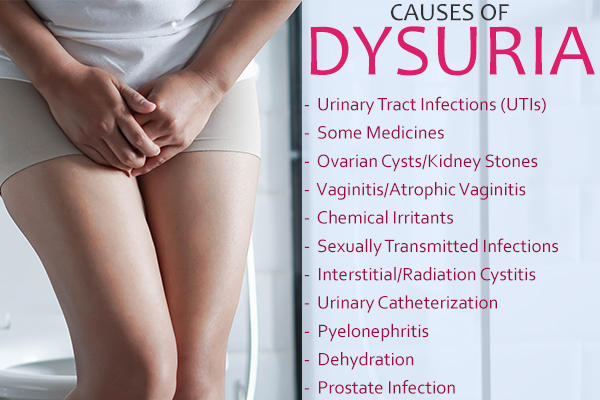
  2. Dysuria (burning sensation while urinating)
  3. Urethral pruritus or discomfort
  4. Possible hematuria (rare)
  5. Symptoms may be mild or asymptomatic in some cases

Diagnosis:

  1. Clinical Diagnosis: Based on symptoms and exclusion of gonorrhea
  2. Laboratory Tests:
  3. Urinalysis (pyuria without bacteriuria)
  4. Gram stain of urethral discharge (absence of intracellular diplococci)
  5. Nucleic Acid Amplification Test (NAAT) for Chlamydia trachomatis and Mycoplasma genitalium
  6. Culture for Ureaplasma and Mycoplasma (if available)

Differential Diagnosis:

  1. Gonococcal urethritis
  2. Prostatitis
  3. Cystitis
  4. Epididymitis

Management:

  1. Empirical Antibiotic Therapy:
  2. First-line:
  3. Azithromycin 1g single dose OR
  4. Doxycycline 100mg BID for 7 days
  5. Alternative:
  6. Moxifloxacin 400mg daily for 7-14 days (if M. genitalium is suspected and resistant to doxycycline)
  7. Adjunct Measures:
  8. Avoid sexual intercourse until symptoms resolve and treatment is completed
  9. Partner notification and treatment (to prevent reinfection)
  10. Follow-up in 2-4 weeks if symptoms persist

Complications:

  1. Chronic urethritis
  2. Epididymitis
  3. Reactive arthritis (Reiter’s syndrome)
  4. Infertility (rare)

Prevention:

  1. Safe sexual practices (consistent condom use)
  2. Regular STI screening
  3. Avoidance of potential chemical irritants

Erb’s Palsy vs Klumpke’s Paralysis

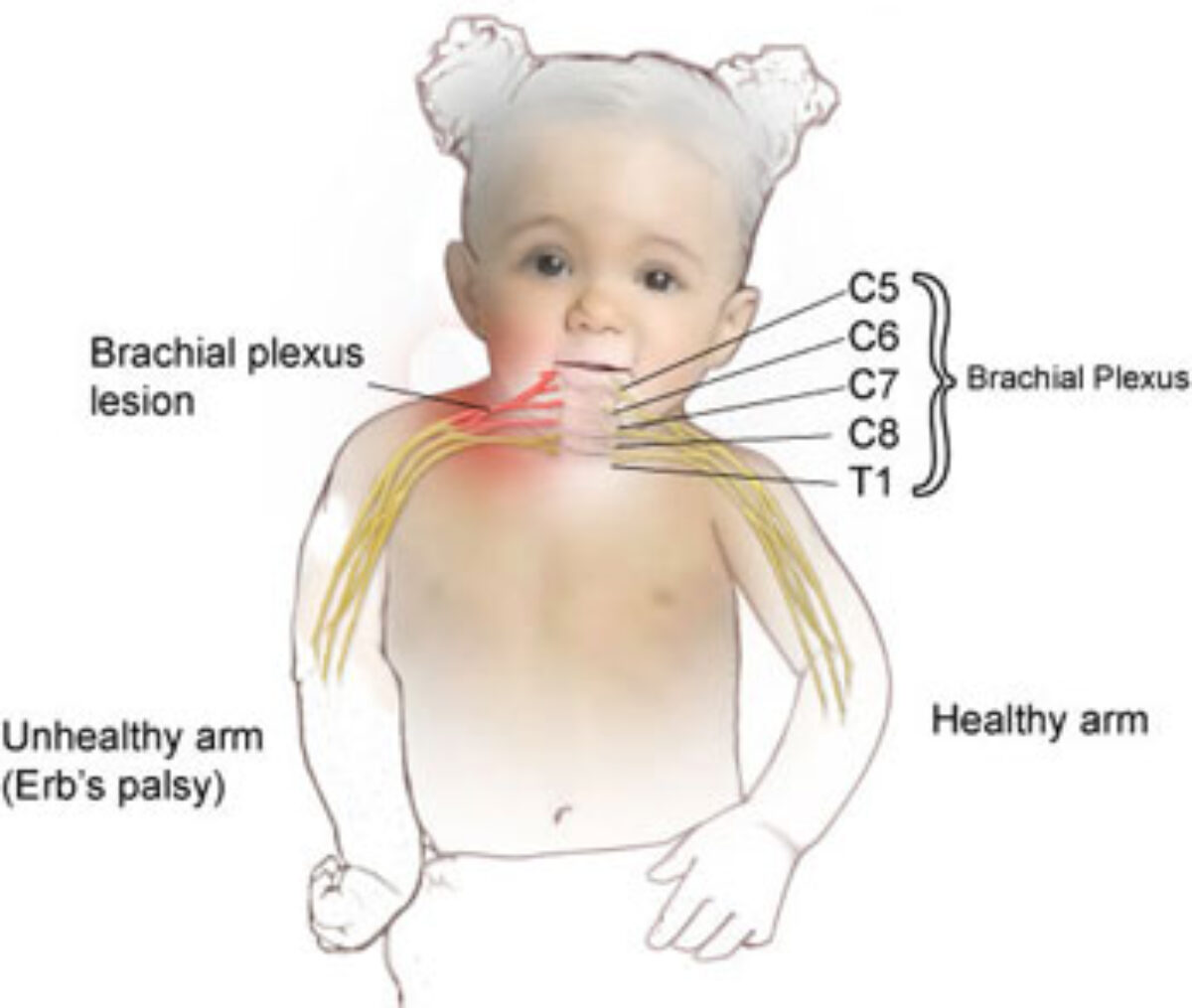
Q. Erb’s Palsy:

a. Occurs typically usually after breech delivery of smaller babies
b. Is due to injury of C5 and C6 nerve roots
c. All fingers muscles are paralysed
d. There may be unilateral Horner’s syndrome
Ans: ‘b’

Solution

Explanation: Injury to upper trunk of Brachial plexus (C5, C6, C7) leads t60 Erb’s palsy.

Erb’s palsy

❖ Brachial plexus may be injured when person falls from a height on the side of head and shoulder whereby the nerves of the plexus are violently stretched. (upper trunk of the plexus injured).

Clinical features of Erb’s Palsy

Paralysis of Ms Deltoid, biceps, brachialis, intraspinatus and spinator.
The position of limb is characteristic i.e., the arm hanges by the side medially rotated and the forearm is extended and pronated (Policeman’s tip) 
  • Weakness of proximal upper limb muscles 
  • Loss of sensation in area supplied by c5,6,7 dermatome distribution 

Klumpke’s Paralysis 

Cause (pathoanatomy) of Klumpke’s Paralysis 

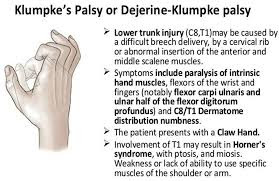
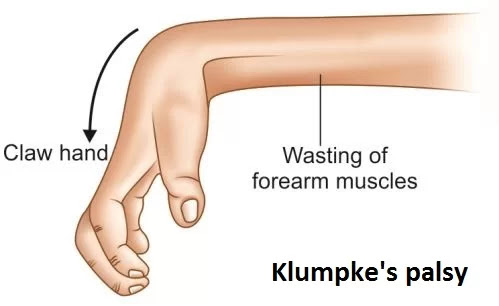
Klumpke’s paralysis caused by injury in lower trunk of brachial plexus (C8, T1) characterized by paralysis of intrinsic hand Ms & C8/T1 dermatome distribution numbness.

Clinical features of Klumpke’s Paralysis 

Clinically Klumpke’s Paralysis has following features 
  • Weakness of distal muscle of upper limbs
  • Wasting of forearm muscles
  • Flexion of wrist (wrist drop)
  • Clawing of hand
  • Numbing/loss of sensation of c8 and t1 distribution 

Schizophrenia – Short Notes (medical officer past question)

Representative picture of schizophrenia 

Definition of Schizophrenia:

Schizophrenia is a chronic, severe psychiatric disorder characterized by disturbances in thought, perception, emotion, and behavior, with a significant decline in functioning. It is classified under psychotic disorders.

Etiology of Schizophrenia:

• Genetic: High heritability (~80%). Risk increases with genetic proximity.

• Neurodevelopmental factors: Prenatal infections, obstetric complications, hypoxia.

• Neurotransmitter hypothesis:

• Dopamine hypothesis: Hyperactivity of dopaminergic pathways, particularly mesolimbic (positive symptoms); hypoactivity in mesocortical pathway (negative symptoms).

• Other neurotransmitters: glutamate (hypofunction), serotonin (5-HT2A involvement).

• Psychosocial factors: Urban upbringing, childhood trauma, high expressed emotion in families.

Clinical Features of Schizophrenia:

Symptoms divided into positive, negative, and cognitive:

• Positive symptoms: Delusions, hallucinations (esp. auditory), disorganized speech and behavior.

• Negative symptoms: Avolition, alogia, anhedonia, affective flattening, asociality.

• Cognitive deficits: Impaired attention, working memory, and executive function.

Diagnostic Criteria (DSM-5) of Schizophrenia:

At least 2 of the following for ≥1 month (1 must be from 1–3):

1. Delusions

2. Hallucinations

3. Disorganized speech

4. Grossly disorganized or catatonic behavior

5. Negative symptoms

Duration of illness ≥6 months including prodromal or residual symptoms.

Subtypes of Schizophrenia(no longer in DSM-5, but clinically relevant):

• Paranoid

• Disorganized

• Catatonic

• Undifferentiated

• Residual

Investigations of Schizophrenia:

• Clinical diagnosis

• Neuroimaging (enlarged ventricles, reduced cortical volume)

• Neuropsychological testing

• Rule out secondary causes (e.g., substance use, CNS pathology)

Management of Schizophrenia:

• Pharmacotherapy:

• First-generation antipsychotics (FGAs): e.g., haloperidol, chlorpromazine

• Second-generation antipsychotics (SGAs): e.g., risperidone, olanzapine, clozapine (treatment-resistant cases)

• Psychosocial interventions: CBT, social skills training, family therapy, supported employment

• Rehabilitation: Community support, psychoeducation

• ECT: In treatment-resistant catatonia or severe depression with psychosis

Prognosis of Schizophrenia:

• 1/3 improve significantly

• 1/3 show partial improvement

• 1/3 have chronic course

Poor prognostic factors: early onset, insidious onset, prominent negative symptoms, poor premorbid functioning


Why are fish contaminated with mercury?

Why are fishes contaminated with mercury was my concern for long time and now i am telling answer of that to you so that you are also aware of it before consuming fished often.

Generally fishes are very safe in moderate amoun,large amount regular consumption of  fishes that are highy contaminated with mercury can actually turn unsafe for human consumption.

Many fish contain mercury to varying degrees, primarily in the form of methylmercury, which accumulates in their tissues over time. Here’s a general classification based on mercury content:

Fish High in Mercury (Limit or avoid, especially for pregnant women and children):

  • Shark
  • Swordfish
  • King mackerel
  • Tilefish (from the Gulf of Mexico)
  • Bigeye tuna
  • Marlin
  • Orange roughy

Fish with Moderate Mercury Levels (Limit intake to a few times a month):

  • Albacore (white) tuna
  • Spanish mackerel
  • Halibut
  • Grouper
  • Snapper
  • Bluefish

Fish Low in Mercury (Generally safe to eat 2–3 times per week):

Exit mobile version