Heart Failure: Classes and Stages


Introduction

Heart failure (HF) severity and progression are described using two complementary systems:

  1. NYHA Functional Classification → based on symptoms and activity limitation
  2. ACC/AHA Stages of Heart Failure → based on disease progression and structural changes

1. NYHA Functional Classification

Used in patients with established heart disease to assess symptom severity and functional limitation.

Class I

  • No limitation of physical activity
  • Ordinary physical activity does not cause symptoms
  • Comfortable at rest

Examples

  • Walking
  • Climbing stairs normally
  • Daily activities without dyspnea

Class II

  • Slight limitation of physical activity
  • Comfortable at rest
  • Ordinary activity causes symptoms

Symptoms may include:

  • Fatigue
  • Palpitations
  • Shortness of breath

Example

  • Dyspnea when climbing several flights of stairs

Class III

  • Marked limitation of physical activity
  • Comfortable at rest
  • Less than ordinary activity causes symptoms

Symptoms:

  • Dyspnea
  • Fatigue
  • Palpitations with mild activity

Example

  • Breathlessness when walking short distances

Class IV

  • Severe limitation
  • Symptoms even at rest
  • Unable to perform any physical activity without discomfort

Examples

  • Dyspnea at rest
  • Orthopnea
  • Severe fatigue

2. ACC/AHA Stages of Heart Failure

Describes development and progression of HF and emphasizes prevention.

Unlike NYHA classes, stages are progressive and irreversible.


Stage A – At Risk for Heart Failure

Patients without structural heart disease or symptoms but with risk factors.

Common risk factors:

  • Hypertension
  • Coronary artery disease
  • Diabetes mellitus
  • Metabolic syndrome
  • Obesity
  • Exposure to cardiotoxic drugs
  • Family history of cardiomyopathy

Goal:

  • Prevent development of structural heart disease

Stage B – Pre-Heart Failure

Patients without symptoms but with structural heart disease.

Examples:

  • Left ventricular hypertrophy
  • Previous myocardial infarction
  • Reduced ejection fraction
  • Valvular heart disease

Features:

  • No symptoms yet
  • Evidence of cardiac structural abnormalities

Goal:

  • Prevent symptomatic HF

Stage C – Symptomatic Heart Failure

Structural heart disease with current or previous symptoms.

Common symptoms:

  • Dyspnea
  • Fatigue
  • Reduced exercise tolerance
  • Fluid retention (edema)

Patients often correspond to NYHA Class II–III.

Goal:

  • Symptom control and prevention of hospitalization

Stage D – Advanced Heart Failure

  • Severe symptoms despite optimal medical therapy
  • Recurrent hospitalizations
  • Marked limitation of daily activities

Management may include:

  • Advanced therapies
  • Mechanical circulatory support
  • Heart transplant
  • Palliative care

Patients usually correspond to NYHA Class IV.


Key Differences Between NYHA and ACC/AHA

FeatureNYHA ClassificationACC/AHA Staging
BasisSymptoms and activity limitationDisease progression
ReversibilityCan improve or worsenUsually progressive
UseFunctional assessmentPreventive and therapeutic planning
RangeClass I–IVStage A–D

Clinical Correlation

Typical relationship:

ACC/AHA StageNYHA Class
Stage ANo class
Stage BClass I
Stage CClass II–III
Stage DClass IV

Exam Pearl

  • ACC/AHA = structural disease progression
  • NYHA = symptom severity

When is lactulose indicated in Wilson disease?

What is wilson disease?

Add lactulose if any of the following are present:

  • Overt hepatic encephalopathy
    • Altered sensorium
    • Irritability, sleep reversal
    • Asterixis
  • Minimal / impending HE
    • Poor school performance
    • Behavioral change
    • Subtle confusion
  • Advanced decompensated liver disease
    • High ammonia levels (if measured)
    • Severe portal hypertension with prior HE
  • Acute liver failure due to Wilson disease

👉 Dose (pediatrics):

  • 0.5–1 mL/kg/dose orally
  • Titrate to 2–3 soft stools/day

When lactulose is NOT needed

Do not add lactulose if the child has:

  • Wilson disease with hepatitis only
  • No encephalopathy
  • Normal mental status
  • Compensated chronic liver disease

Adding lactulose unnecessarily may cause:

  • Diarrhea
  • Electrolyte imbalance
  • Poor compliance

What should be prioritized instead

For Wilson disease with hepatitis, focus on:

Copper chelation

  • D-penicillamine (with pyridoxine)
  • OR Trientine

Zinc therapy (as maintenance or adjunct)

Supportive liver care

  • Low-copper diet
  • Salt restriction if ascites
  • Diuretics if needed
  • Fat-soluble vitamins if cholestasis

Exam-oriented takeaway (very important)

Lactulose is NOT a routine drug in Wilson disease.
It is used only for hepatic encephalopathy, not for hepatitis itself.

Postcoital Vaginal Bleeding in Woman: top 5 Causes, Evaluation, and When to Worry (is it dangerous?)

Postcoital bleeding (bleeding after sexual intercourse / vaginal bellding after sex) can be alarming, especially in young women. If a woman notices spotting only on the same day after sex, the cause is usually benign — but it should never be ignored.

This article explains the common causes, red flags, and when medical evaluation is necessary.


What Is Postcoital Bleeding?

Postcoital bleeding refers to vaginal bleeding that occurs immediately after sexual intercourse and is not related to menstruation.

It may present as:

  • Light spotting
  • Pink or brown discharge
  • Fresh red bleeding
  • Bleeding that stops within a few hours

Common Causes in a young Woman

In this age group, most causes are non-cancerous.


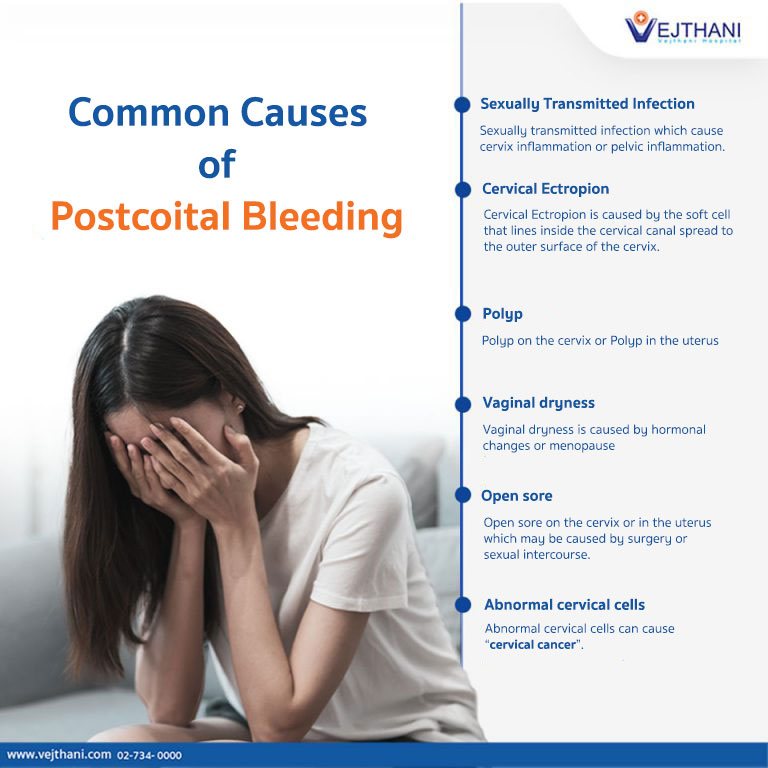
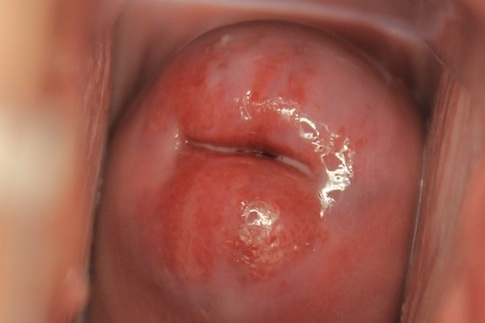
1. Cervical Ectropion (Most Common Cause)

Cervical ectropion occurs when the delicate inner cervical cells are exposed on the outer surface of the cervix.

These cells are fragile and bleed easily when touched during intercourse.

It is common in:

  • Young women
  • Women taking oral contraceptive pills
  • Pregnancy (due to high estrogen levels)

Typically:

  • Bleeding is mild
  • Occurs only after sex
  • No severe pain

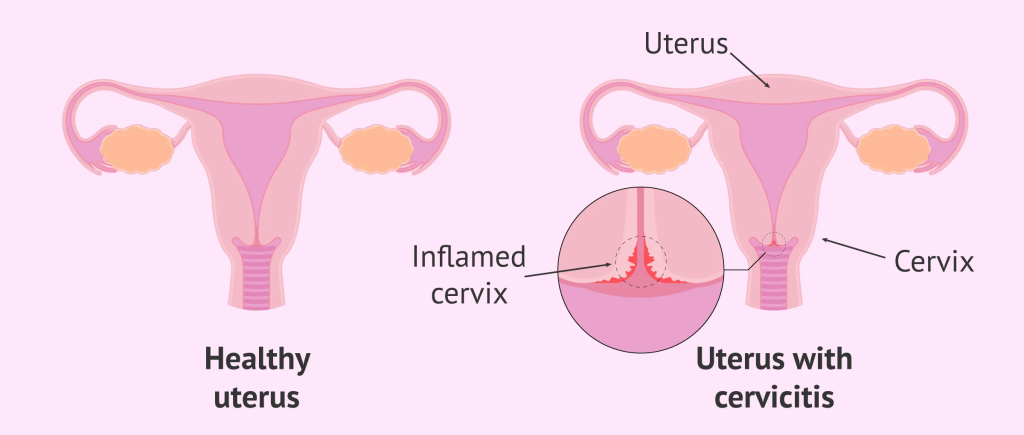
2. Cervicitis (Cervical Infection)

Inflammation of the cervix can cause contact bleeding.

Common sexually transmitted infections include:

  • Chlamydia trachomatis
  • Neisseria gonorrhoeae
  • Trichomonas vaginalis

Associated symptoms:

  • Abnormal vaginal discharge
  • Foul smell
  • Pain during intercourse
  • Burning urination

Young sexually active women are at higher risk.


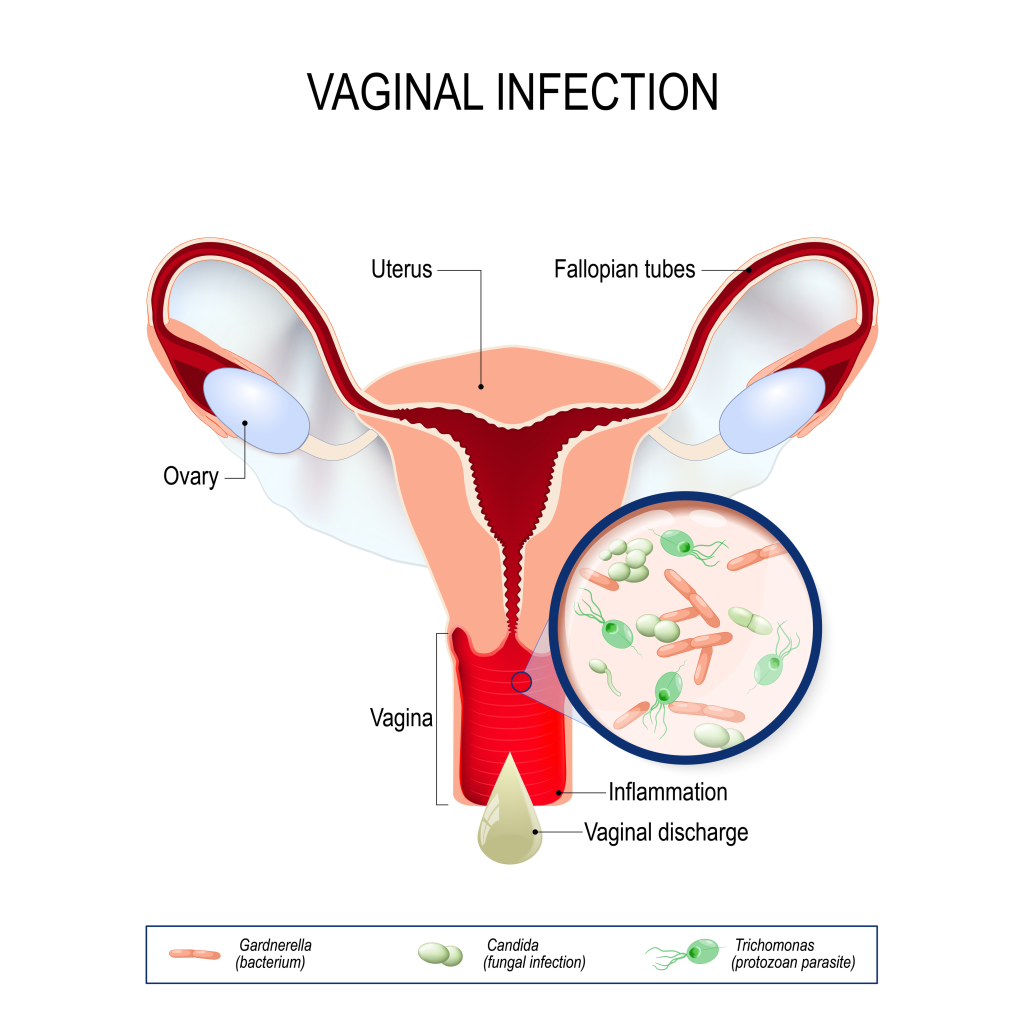
3. Vaginal Infections (Vaginitis)

Infections make vaginal tissue inflamed and fragile.

Common causes:

  • Candida albicans
  • Trichomonas vaginalis

Symptoms:

  • Itching
  • Thick or foul discharge
  • Pain during sex

4. Mechanical Trauma

Minor tears may occur due to:

  • Rough intercourse
  • Inadequate lubrication
  • First sexual intercourse
  • Vaginal dryness

Bleeding is usually mild and short-lived.


Even light bleeding after sex can occur in early pregnancy due to a fragile cervix.

Important causes:

  • Implantation bleeding
  • Threatened miscarriage
  • Ectopic pregnancy

A urine pregnancy test should be done if periods are delayed.


Less Common but Important Causes

Although rare at 23 years of age:

Cervical Dysplasia

Often associated with:

  • Human papillomavirus

May present with recurrent postcoital bleeding.

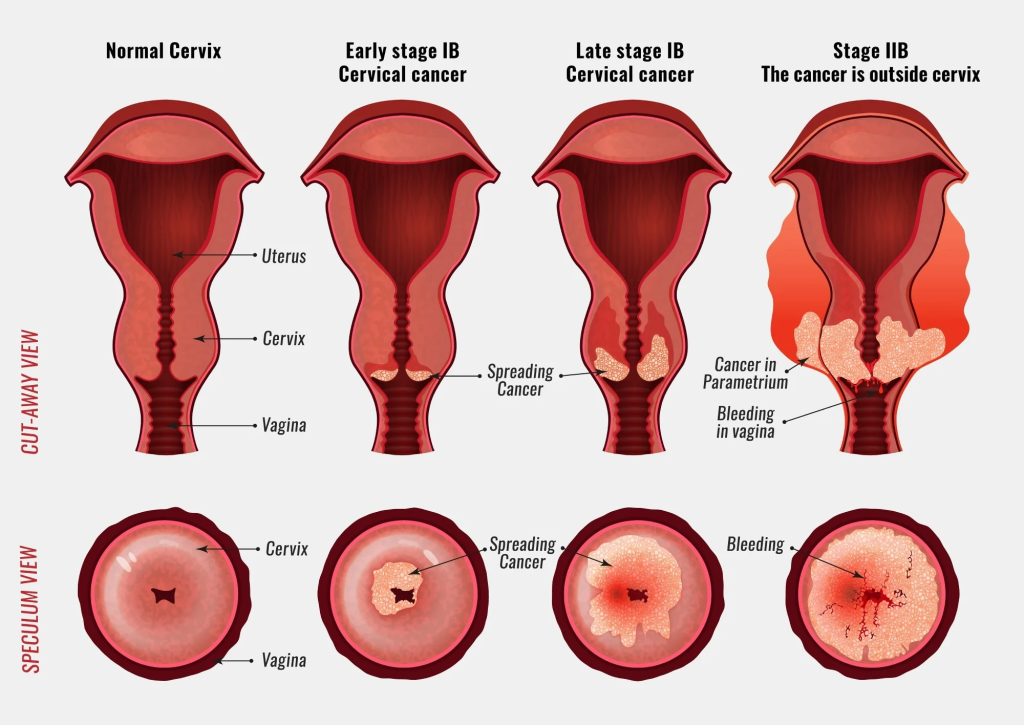
Cervical Cancer

Rare in young women but should be considered if:

  • Bleeding is persistent
  • There is unexplained weight loss
  • There is pelvic pain
  • Abnormal Pap smear

When Is It Likely Benign?

Postcoital bleeding is usually harmless if:

  • It occurs only on the day of intercourse
  • Bleeding is light
  • It stops within hours
  • There is no pain or foul discharge
  • It does not happen frequently

When to See a Doctor

Seek medical evaluation if:

  • Bleeding happens repeatedly
  • Bleeding becomes heavy
  • There is pelvic pain
  • There is abnormal discharge
  • Periods are missed
  • Bleeding occurs unrelated to intercourse

How Is It Evaluated?

A doctor may perform:

  • Detailed history
  • Speculum examination
  • Pregnancy test
  • STI testing (NAAT)
  • Vaginal swab
  • Pap smear (if due)
  • Colposcopy if cervix looks abnormal

Key Takeaway

In woman, postcoital bleeding occurring only on the same day after intercourse is most commonly due to cervical ectropion, mild infection, or minor trauma.

However, repeated episodes should always be medically evaluated to rule out infection and cervical pathology.

Early evaluation ensures reassurance in benign cases and timely treatment if needed.

Exit mobile version