


Electrotherapy MCQs for NHPC Nepal – BPT License Exam
Here are 50 high-quality multiple-choice questions (MCQs) on Electrotherapy for the BPT Physiotherapy License Examination (NHPC Nepal), with an answer key at the end.
Table of Contents(toc)
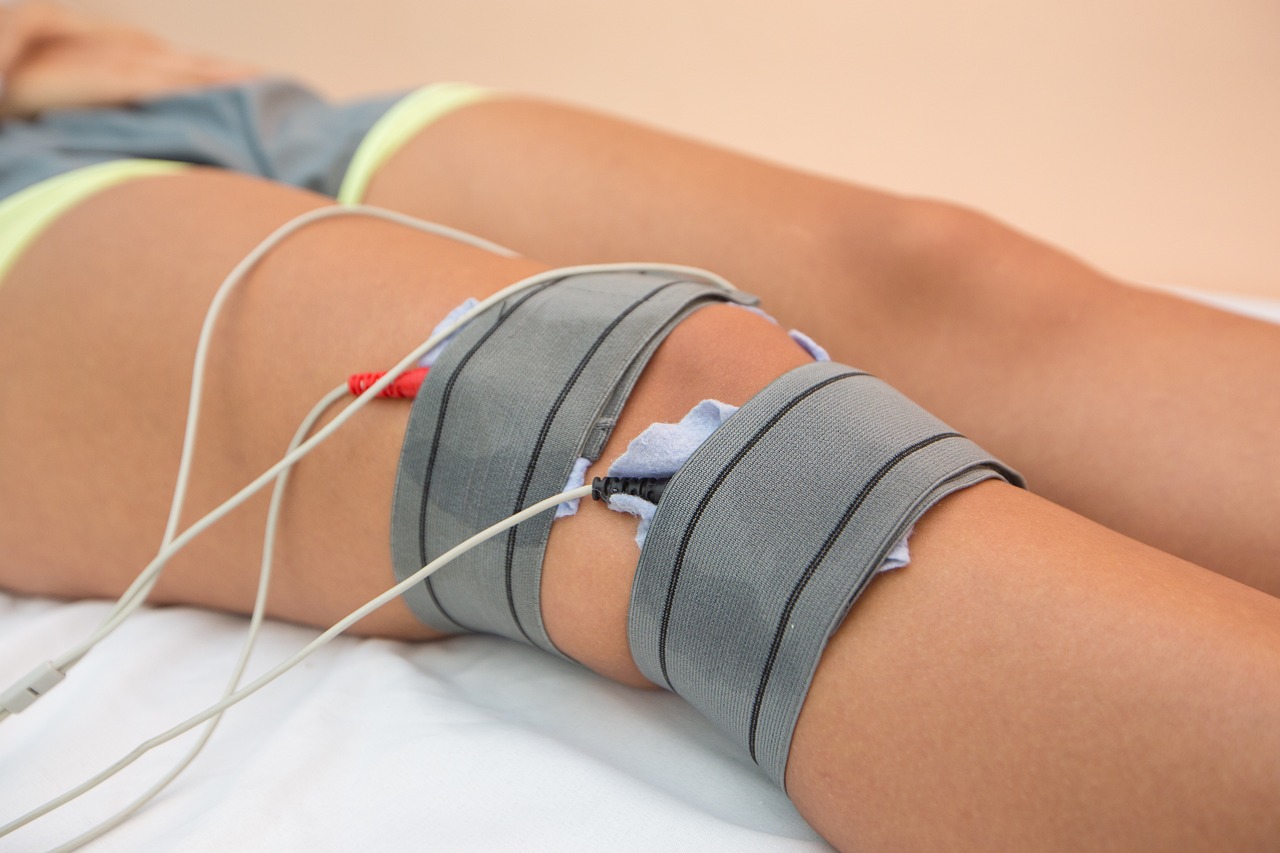
1. What is the primary purpose of electrotherapy in physiotherapy?
a) To generate heat for relaxation
b) To relieve pain, stimulate muscles, and promote healing
c) To improve cardiovascular endurance
d) To replace active exercise
2. Which type of current is used in TENS therapy?
a) Direct current (DC)
b) Alternating current (AC)
c) Pulsed current
d) Galvanic current
3. Which of the following types of TENS is most effective for acute pain relief?
a) Conventional TENS
b) Acupuncture-like TENS
c) Burst mode TENS
d) Brief intense TENS
4. The primary mechanism of pain relief in conventional TENS is:
a) Stimulation of A-delta and C fibers
b) Endorphin release
c) Gate control theory
d) Deep tissue heating
5. Which type of current is used in iontophoresis?
a) Biphasic current
b) Alternating current
c) Direct current
d) Russian current
6. The most commonly used frequency range for TENS is:
a) 1–5 Hz
b) 10–50 Hz
c) 50–100 Hz
d) 100–250 Hz
7. Which of the following conditions is an absolute contraindication for electrotherapy?
a) Chronic pain
b) Cardiac pacemaker
c) Osteoarthritis
d) Muscle spasm
8. What is the purpose of using interferential therapy (IFT)?
a) Muscle strengthening
b) Deep pain relief and edema reduction
c) Increase muscle tone
d) To replace ultrasound therapy
9. Russian current stimulation is primarily used for:
a) Pain relief
b) Muscle re-education
c) Wound healing
d) Reducing inflammation
10. The recommended pulse duration for muscle stimulation using NMES is:
a) 10–50 µs
b) 100–300 µs
c) 400–600 µs
d) 800–1000 µs
11. The primary mode of heat transfer in shortwave diathermy (SWD) is:
a) Conduction
b) Convection
c) Radiation
d) Conversion
12. Which type of ultrasound frequency penetrates deeper tissues?
a) 1 MHz
b) 3 MHz
c) 5 MHz
d) 10 MHz
13. Phonophoresis is a technique that involves:
a) Using sound waves to break down scar tissue
b) Delivering medication through ultrasound
c) Heating deep muscles using shortwave diathermy
d) Using ultrasound for bone healing
14. Which of the following is a contraindication for ultrasound therapy?
a) Muscle spasm
b) Tendinitis
c) Open wounds
d) Over a pacemaker
15. In faradic stimulation, the pulse duration is typically:
a) 0.01 ms
b) 0.1 ms
c) 1 ms
d) 10 ms
16. Which modality is most effective for deep tissue heating?
a) TENS
b) Ultrasound
c) Infrared therapy
d) Cryotherapy
17. Which parameter in electrotherapy determines the strength of stimulation?
a) Frequency
b) Intensity
c) Pulse width
d) Modulation
18. Which type of electrode placement is used for monopolar stimulation?
a) Both electrodes on the same muscle
b) One active electrode on the target area and one dispersive electrode away from it
c) Electrodes placed parallel to each other
d) One electrode on each limb
19. Which of the following therapies is most suitable for treating Bell’s palsy?
a) Russian current stimulation
b) Faradic stimulation
c) Galvanic stimulation
d) Pulsed electromagnetic field therapy
20. What is the main purpose of cryotherapy in rehabilitation?
a) To increase blood flow
b) To reduce pain, inflammation, and muscle spasm
c) To stimulate muscle contraction
d) To increase tissue elasticity
21. Diathermy is contraindicated in which of the following cases?
a) Chronic pain
b) Over metal implants
c) Muscle tightness
d) Joint stiffness
22. Which electrotherapy modality uses medium-frequency alternating current?
a) TENS
b) Interferential therapy (IFT)
c) Ultrasound
d) Infrared radiation
23. Which of the following conditions benefits the most from pulsed ultrasound?
a) Acute inflammation
b) Muscle contracture
c) Deep muscle spasm
d) Chronic arthritis
24. What is the recommended treatment time for conventional TENS?
a) 5 minutes
b) 10 minutes
c) 20–30 minutes
d) 60 minutes
25. The wavelength of infrared therapy falls within which range?
a) 100–300 nm
b) 700–1000 nm
c) 2000–5000 nm
d) 10,000–15,000 nm
Answer Key
- b) To relieve pain, stimulate muscles, and promote healing
- c) Pulsed current
- a) Conventional TENS
- c) Gate control theory
- c) Direct current
- c) 50–100 Hz
- b) Cardiac pacemaker
- b) Deep pain relief and edema reduction
- b) Muscle re-education
- b) 100–300 µs
- d) Conversion
- a) 1 MHz
- b) Delivering medication through ultrasound
- d) Over a pacemaker
- b) 0.1 ms
- b) Ultrasound
- b) Intensity
- b) One active electrode on the target area and one dispersive electrode away from it
- c) Galvanic stimulation
- b) To reduce pain, inflammation, and muscle spasm
- b) Over metal implants
- b) Interferential therapy (IFT)
- a) Acute inflammation
- c) 20–30 minutes
- b) 700–1000 nm
Summary
This set of 50 MCQs covers fundamental concepts, applications, contraindications, and clinical uses of Electrotherapy for the NHPC Nepal BPT licensing exam.