


Neurological Physiotherapy MCQs for NHPC Nepal – BPT License Exam
Table of Contents(toc)
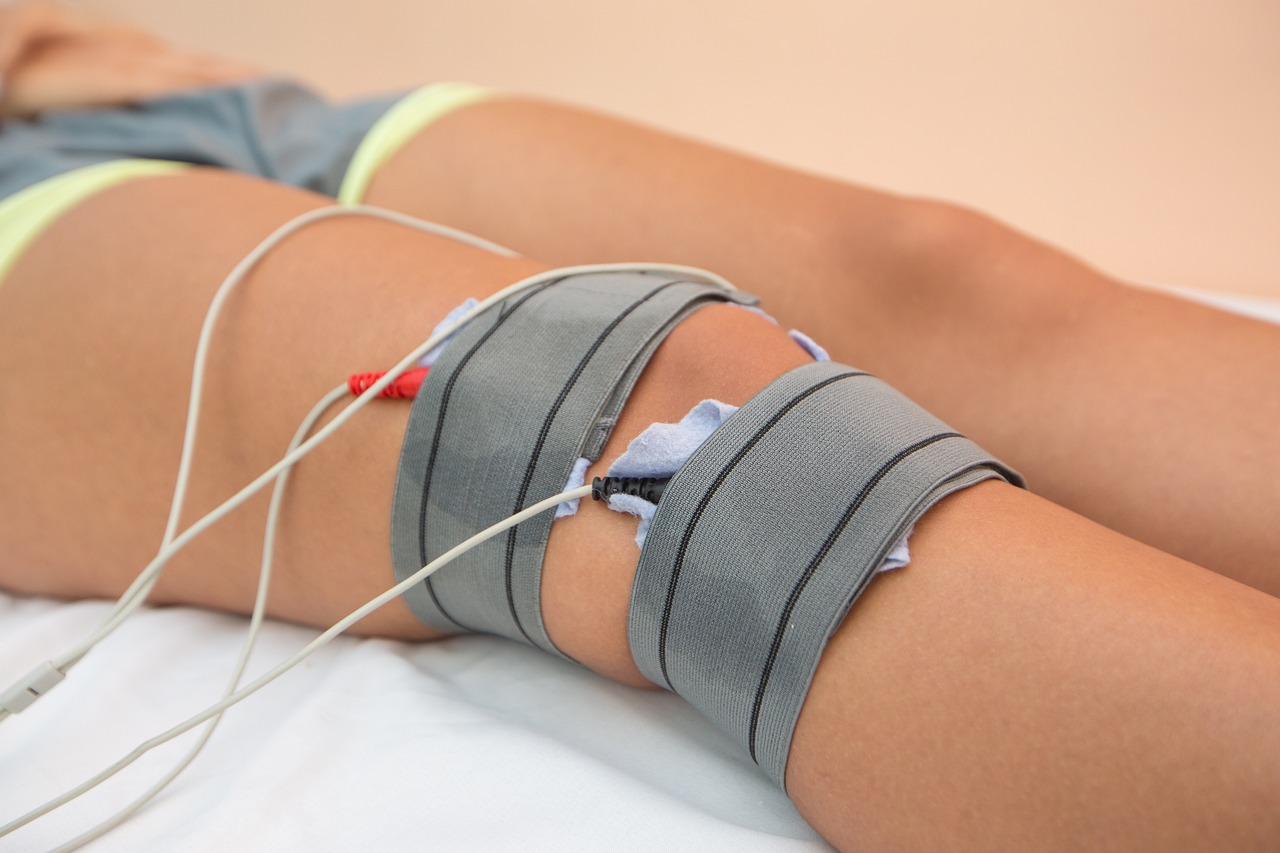
Here are 50 high-quality multiple-choice questions (MCQs) on Neurological Physiotherapy for the BPT Physiotherapy License Examination (NHPC Nepal), with an answer key at the end.
1. Which of the following is the most common type of stroke?
a) Ischemic stroke
b) Hemorrhagic stroke
c) Transient ischemic attack
d) Subdural hematoma
2. The Babinski sign is indicative of a lesion in which part of the nervous system?
a) Peripheral nervous system
b) Upper motor neuron
c) Lower motor neuron
d) Basal ganglia
3. Which test is commonly used to assess balance in stroke patients?
a) Berg Balance Scale
b) Ashworth Scale
c) Mini-Mental State Examination
d) Glasgow Coma Scale
4. Spasticity is a hallmark of which type of motor neuron lesion?
a) Upper motor neuron lesion
b) Lower motor neuron lesion
c) Peripheral nerve lesion
d) Cerebellar dysfunction
5. Which of the following is a characteristic feature of Parkinson’s disease?
a) Hyperreflexia
b) Resting tremor
c) Chorea
d) Spasticity
6. The Glasgow Coma Scale (GCS) assesses which three functions?
a) Motor response, verbal response, and eye-opening
b) Reflexes, muscle tone, and gait
c) Coordination, proprioception, and cognition
d) Vision, speech, and hearing
7. In multiple sclerosis, which part of the nervous system is primarily affected?
a) Peripheral nerves
b) Myelin sheath in the CNS
c) Basal ganglia
d) Neuromuscular junction
8. A patient with hemiplegia exhibits increased tone in the upper limb flexors and lower limb extensors. This pattern is known as:
a) Decerebrate rigidity
b) Decorticate rigidity
c) Flaccidity
d) Ataxia
9. Which of the following is a progressive neurological disorder?
a) Guillain-Barré syndrome
b) Parkinson’s disease
c) Bell’s palsy
d) Transverse myelitis
10. What is the primary goal of physiotherapy in stroke rehabilitation?
a) Prevent contractures
b) Improve muscle strength
c) Restore functional independence
d) Reduce cognitive decline
11. Which gait pattern is typically observed in patients with Parkinson’s disease?
a) Trendelenburg gait
b) Festinating gait
c) Ataxic gait
d) Steppage gait
12. Which type of cerebral palsy is characterized by involuntary, writhing movements?
a) Spastic
b) Ataxic
c) Athetoid
d) Hypotonic
13. The Ashworth Scale is used to assess:
a) Spasticity
b) Muscle strength
c) Sensory deficits
d) Balance
14. Which nerve is affected in Bell’s palsy?
a) Trigeminal nerve
b) Facial nerve
c) Hypoglossal nerve
d) Accessory nerve
15. The Romberg test is used to assess:
a) Motor control
b) Vestibular function
c) Proprioception
d) Reflex activity
16. The most common cause of spinal cord injury is:
a) Infection
b) Trauma
c) Tumors
d) Stroke
17. A patient with right-sided hemiparesis and expressive aphasia likely has a stroke in which cerebral hemisphere?
a) Left
b) Right
c) Both
d) Brainstem
18. Which rehabilitation approach emphasizes functional movements and uses key points of control?
a) Bobath (Neurodevelopmental Therapy)
b) Proprioceptive Neuromuscular Facilitation (PNF)
c) Rood’s approach
d) Brunnstrom’s approach
19. Which of the following is a key feature of Guillain-Barré syndrome?
a) Descending paralysis
b) Asymmetric weakness
c) Rapidly progressing symmetrical weakness
d) Increased deep tendon reflexes
20. The Hoffman’s reflex is used to assess which condition?
a) Peripheral neuropathy
b) Upper motor neuron lesion
c) Lower motor neuron lesion
d) Cerebellar dysfunction
21. Which type of stroke is caused by a rupture of a blood vessel in the brain?
a) Ischemic stroke
b) Hemorrhagic stroke
c) Transient ischemic attack
d) Lacunar stroke
22. The term “foot drop” is associated with weakness of which muscle group?
a) Plantar flexors
b) Dorsiflexors
c) Hip abductors
d) Quadriceps
23. In Brown-Séquard syndrome, what type of sensory loss occurs ipsilaterally?
a) Pain and temperature
b) Light touch and proprioception
c) Both
d) No sensory loss
24. Which neurological condition is commonly treated with deep brain stimulation?
a) Parkinson’s disease
b) Stroke
c) Multiple sclerosis
d) Guillain-Barré syndrome
25. What is the first step in managing autonomic dysreflexia?
a) Lower the patient’s legs
b) Check and remove the noxious stimulus
c) Administer pain medication
d) Perform passive stretching
Answer Key
- a Ischemic stroke
- b Upper motor neuron
- a Berg Balance Scale
- a Upper motor neuron lesion
- b Resting tremor
- a Motor response, verbal response, and eye-opening
- b Myelin sheath in the CNS
- b Decorticate rigidity
- b Parkinson’s disease
- c Restore functional independence
- b Festinating gait
- c Athetoid
- a Spasticity
- b Facial nerve
- c Proprioception
- b Trauma
- a Left
- a Bobath (Neurodevelopmental Therapy)
- c Rapidly progressing symmetrical weakness
- b Upper motor neuron lesion
- b Hemorrhagic stroke
- b Dorsiflexors
- b Light touch and proprioception
- a Parkinson’s disease
- b Check and remove the noxious stimulus
Summary
This 50-MCQ set covers essential neurological physiotherapy concepts, stroke rehabilitation, neuromuscular disorders, gait patterns, and physiotherapy interventions for the NHPC Nepal BPT licensing exam.