


Suspected organophosphate poisoning: sign , symptoms and management
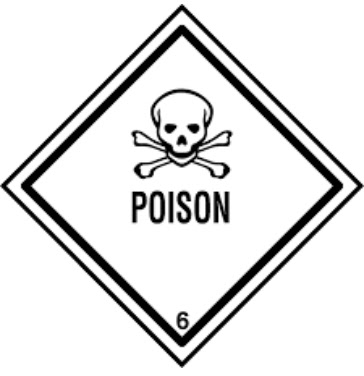
Patients with suspected organophosphate poisoning may present with a constellation of signs and symptoms related to cholinergic excess, as organophosphates inhibit acetylcholinesterase activity, leading to accumulation of acetylcholine at cholinergic synapses. Common signs and symptoms include:
-
Muscarinic Effects:
- Excessive salivation (sialorrhea)
- Lacrimation (tearing)
- Diaphoresis (profuse sweating)
- Bronchoconstriction and wheezing
- Bradycardia
- Miosis (constricted pupils)
- Abdominal cramps and diarrhea
- Urinary incontinence
-
Nicotinic Effects:
- Muscle weakness and fasciculations
- Paralysis (may progress to respiratory failure)
- Hypertension (early) followed by hypotension
-
Central Nervous System Effects:
- Headache
- Dizziness
- Confusion
- Seizures (in severe cases)
Management
The evaluation and treatment of organophosphate poisoning involve several key steps:
-
Stabilization: Ensure airway patency, adequate oxygenation, and hemodynamic stability. Administer supplemental oxygen if necessary.
-
Decontamination: Remove contaminated clothing and wash exposed skin with soap and water. Use personal protective equipment to prevent secondary exposure.
-
Administration of Atropine: Atropine is the mainstay of treatment for muscarinic symptoms. It competitively inhibits acetylcholine at muscarinic receptors, alleviating symptoms such as bradycardia, bronchoconstriction, and excessive secretions. Titrate the dose based on clinical response, aiming to reverse symptoms without causing tachycardia.
-
Administration of Pralidoxime (2-PAM): Pralidoxime is a cholinesterase reactivator that helps regenerate inhibited acetylcholinesterase, restoring normal neurotransmission. It is particularly useful for nicotinic symptoms such as muscle weakness and paralysis. Administer early in the course of poisoning for maximal efficacy.
-
Supportive Care: Monitor vital signs, provide respiratory support as needed (e.g., mechanical ventilation), and manage complications such as seizures or arrhythmias.
-
Enhanced Elimination: In severe cases or when poisoning is diagnosed early, hemodialysis may be considered to enhance elimination of organophosphates and their metabolites.
-
Follow-up: Patients should be closely monitored for recurrence of symptoms, delayed complications (e.g., respiratory failure, organ dysfunction), and for potential development of intermediate syndrome or delayed polyneuropathy.