


What is red eye?
usually a harmless condition resulting from a broken blood vessel in the white
of the eye (sclera) and typically resolves on its own within a few weeks.
Here’s a more detailed explanation on why eye becomes suddenly red:
There are various causes of red eyes. Out of which some are emergency
conditions while others may not be that serious.
| Category | Painful Causes | Painless Causes |
|---|---|---|
| Emergency Causes |
|
|
| Non-Emergency Causes |
|
|
What is a subconjunctival hemorrhage?
Subconjunctival Hemorrhage
-
Common in elderly (>80 years), often linked to hypertension.
-
In young (<40 years), usually due to ocular trauma or contact lens use.
-
Risk factors: coagulopathy (anticoagulation), diabetes, Valsalva (coughing, vomiting), amyloidosis, Kaposi sarcoma.
-
Can occur spontaneously during sleep.
-
Circumferential hemorrhage after blunt trauma may indicate globe rupture
Cause:
A subconjunctival hemorrhage occurs when a small blood vessel beneath the
conjunctiva (the clear membrane covering the white of the eye) ruptures.
Appearance:
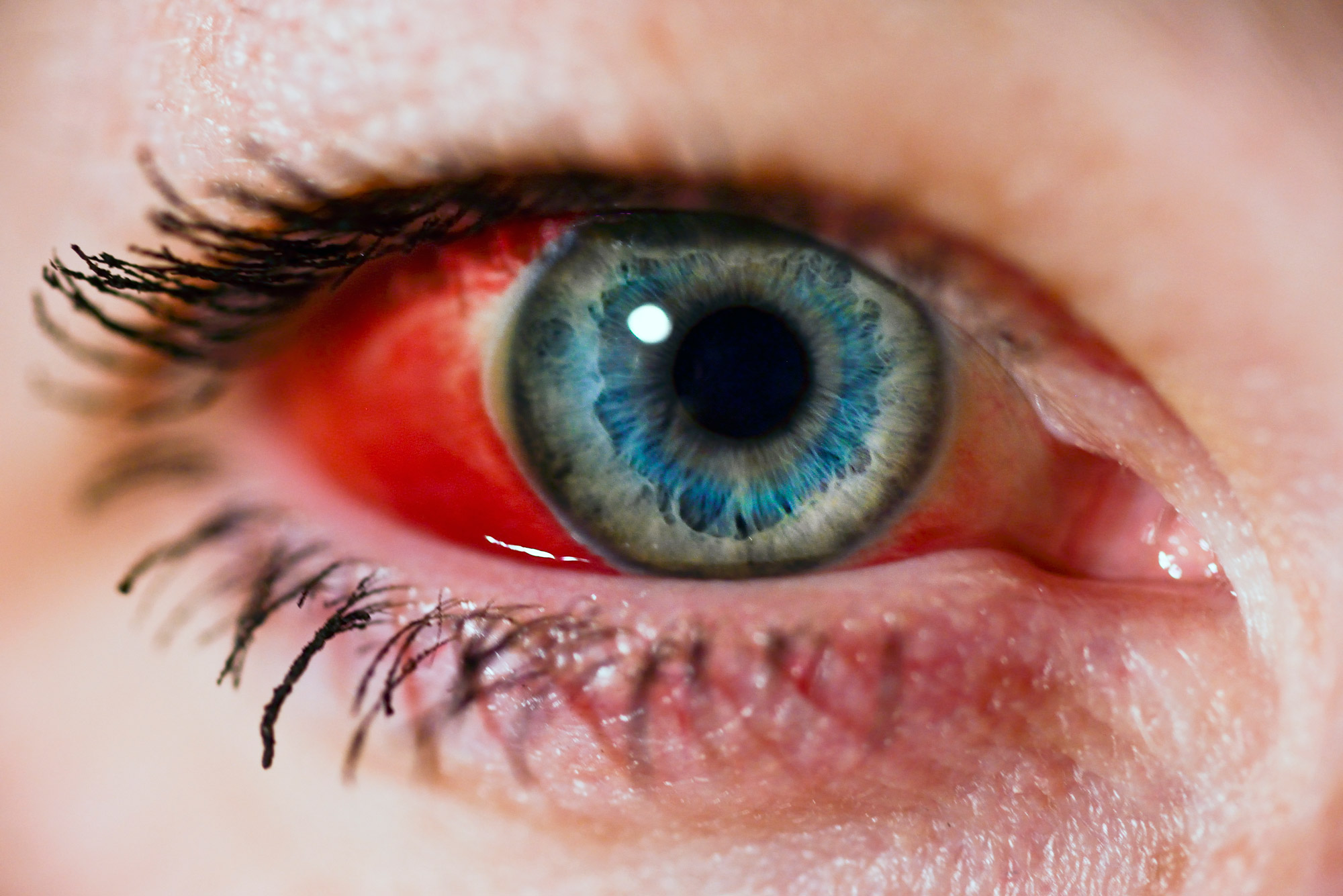 |
| large subcinjunctival hemorrhage |
This causes a bright red patch on the white of the eye, which can look
alarming but is usually not serious.
Common causes:
Sneezing, coughing, straining, or even rubbing the eye too hard can cause a
blood vessel to rupture.
Other causes:
High blood pressure, certain medications (like blood thinners), and eye
injuries can also contribute.
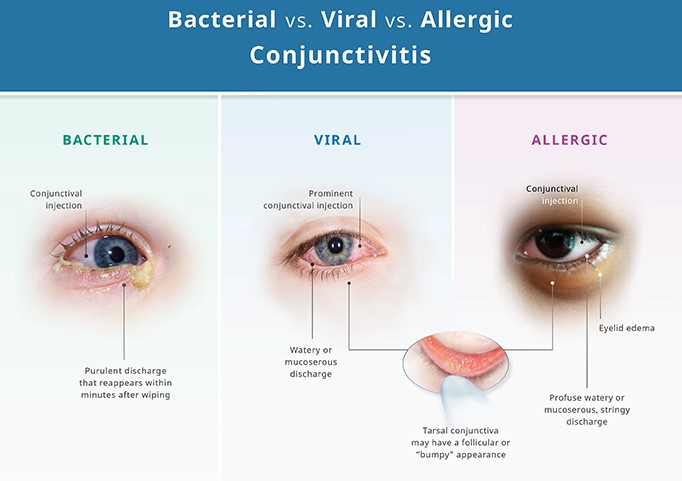 |
| notes in conjunctivitis |
Symptoms:
The most obvious symptom is a bright red patch on the white of the eye. You
might experience a scratchy feeling on the surface of the eye, but vision,
pain, or discharge are usually not affected.
When to seek medical attention:
Recurrent hemorrhages:
If you experience repeated subconjunctival hemorrhages, it’s a good idea to
consult with a doctor to rule out any underlying conditions.
Other symptoms:
If you experience sudden vision changes, eye pain, or other concerning
symptoms along with the red eye, seek immediate medical attention.
Suspected eye injury:
If you suspect an eye injury or a foreign object in the eye, seek medical
attention.
Bleeding elsewhere:
If you notice bleeding in other parts of your body, consult with a doctor.
Treatment and Prognosis:
Most cases resolve on their own:
Subconjunctival hemorrhages typically
resolve within a few weeks without any specific treatment.
No need for treatment:
Unless there’s an underlying medical condition or eye injury, no treatment
is usually needed.
Symptom relief:
You may use artificial tears to soothe any scratchy feeling.
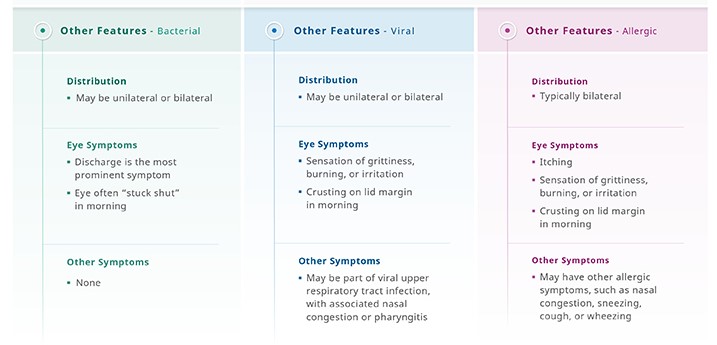 |
| notes in conjunctivitis |
Follow-up:
Make sure to follow up with your doctor as needed, and be sure to make and
go to all appointments.
Other causes of red eyes
-
Uncommon but may signal serious ocular injury (e.g., open globe, hyphema).
-
4% of ocular trauma cases in a large study.
-
Often work-related; linked to airbag deployment, projectiles, compressed air, paintball injuries.
Conjunctival Foreign Bodies
-
Common: sand, dirt, eyelashes, plant material, metal (welding, grinding).
-
Rarely, retained foreign bodies cause prolonged symptoms.
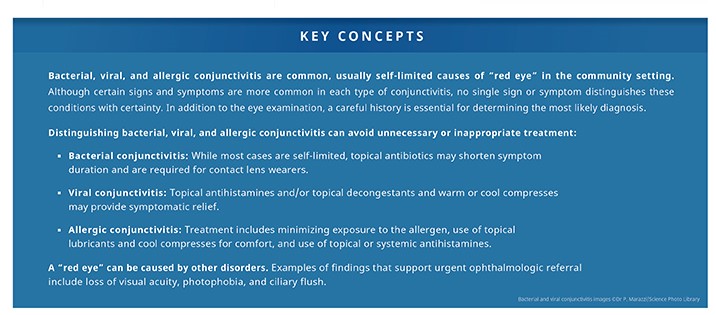 |
| notes in conjunctivitis |