Trachoma – Key Points

Trachoma – Key Points

Table of Contents(toc)


Introduction

  • Definition: A chronic
    infectious eye disease caused by
    Chlamydia trachomatis.
  • Transmission: Spread
    through direct contact with infected secretions, contaminated objects, and
    flies.
  • Symptoms: Eye redness,
    irritation, discharge, photophobia, and progressive corneal scarring.
  • Complications: Corneal
    opacity, trichiasis (inward-growing eyelashes), and blindness.
  • Epidemiology: Leading cause
    of infectious blindness globally, prevalent in poor hygiene and low-income
    regions.

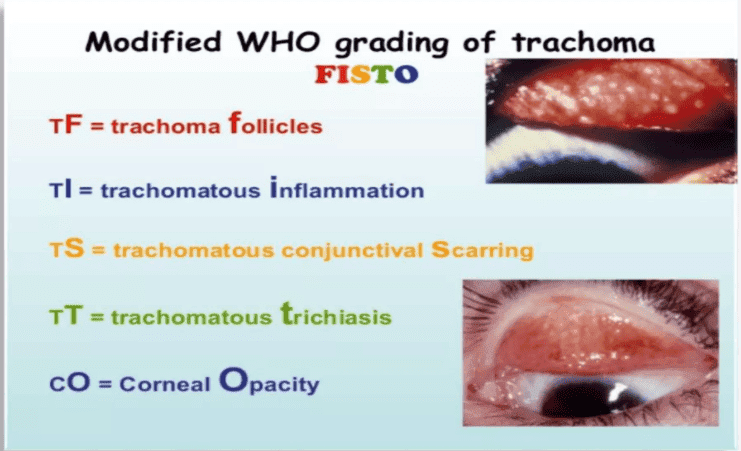
Stages of Trachoma (WHO Grading System)

  1. TF (Trachomatous Inflammation – Follicular): Presence of five or more follicles (>0.5 mm) in the upper tarsal
    conjunctiva.
  2. TI (Trachomatous Inflammation – Intense): Thickened, inflamed upper tarsal conjunctiva with pronounced redness.
  3. TS (Trachomatous Scarring):
    Visible scarring of the tarsal conjunctiva.
  4. TT (Trachomatous Trichiasis): Inturned eyelashes rubbing against the eyeball.
  5. CO (Corneal Opacity):
    Opacity leading to significant visual impairment or blindness.

SAFE Strategy for Trachoma Control
(WHO)

  1. S – Surgery: For
    trichiasis to prevent corneal damage.
  2. A – Antibiotics: To treat
    active infection and reduce transmission.
  3. F – Facial cleanliness:
    Encouraging hygiene to prevent spread.
  4. E – Environmental improvement: Ensuring clean water supply and sanitation.

Antibiotics for Trachoma

  1. Azithromycin (preferred
    drug)

    • Dose:
      • Adults: 1 g orally, single dose
      • Children: 20 mg/kg (maximum 1 g), single dose
    • Duration: Single-dose treatment, repeated annually in endemic areas.
  2. Tetracycline (1%) ophthalmic ointment

    • Dose: Apply to both eyes twice daily
    • Duration: 6 weeks
  3. Erythromycin
    (alternative to azithromycin)

    • Dose:
      • Adults: 500 mg orally twice daily
      • Children: 12.5 mg/kg orally four times daily
    • Duration: 14 days

{
“@context”: “https://schema.org”,
“@type”: “FAQPage”,
“mainEntity”: [{
“@type”: “Question”,
“name”: “What are Stages of Trachoma and mnemonic?”,
“acceptedAnswer”: {
“@type”: “Answer”,
“text”: “TF (Trachomatous Inflammation – Follicular): Presence of five or more follicles (>0.5 mm) in the upper tarsal conjunctiva.
TI (Trachomatous Inflammation – Intense): Thickened, inflamed upper tarsal conjunctiva with pronounced redness.
TS (Trachomatous Scarring): Visible scarring of the tarsal conjunctiva.
TT (Trachomatous Trichiasis): Inturned eyelashes rubbing against the eyeball.
CO (Corneal Opacity): Opacity leading to significant visual impairment or blindness.
Mnemonic is FISTO.”
}
},{
“@type”: “Question”,
“name”: “What is SAFE Strategy for Trachoma Control (WHO)?”,
“acceptedAnswer”: {
“@type”: “Answer”,
“text”: “S – Surgery: For trichiasis to prevent corneal damage.
A – Antibiotics: To treat active infection and reduce transmission.
F – Facial cleanliness: Encouraging hygiene to prevent spread.
E – Environmental improvement: Ensuring clean water supply and sanitation.”
}
},{
“@type”: “Question”,
“name”: “What are treatments of Trachoma?”,
“acceptedAnswer”: {
“@type”: “Answer”,
“text”: “Azithromycin , Tetracycline (1%) ophthalmic ointment or Erythromycin . (pls Confirm dosage and route)”
}
}]
}

Contraindications of Tooth Extraction

Contraindications of Tooth Extraction

Table of Contents(toc)


Introduction

Tooth extraction is a medical procedure that may not be suitable for all patients, especially those with certain health conditions. Below is a categorized list of general, local, absolute, and relative contraindications.

1. General Contraindications

These are conditions where tooth extraction should be avoided due to overall health concerns:

  • Cardiac Diseases:

    • Valvular, Rheumatic, or Ischemic heart disease
    • Congestive heart failure
    • Hypertension
    • Patients on anticoagulation therapy
  • Blood Diseases:

    • Severe anemia
    • Leukemia
    • Hemophilia
    • Agranulocytosis
  • Addison’s Disease

  • Patients on Corticosteroids:

    • Requires dose adjustment
  • Liver Diseases:

    • Jaundice and liver disease
    • Vitamin K deficiency
    • Blood clotting factor deficiencies (Prothrombin, Fibrinogen)
  • Diabetes Mellitus:

    • Poor wound healing due to decayed healing processes
  • Thyrotoxicosis

  • Pregnancy:

    • Especially during the first and third trimesters
    • Risks of abortion, premature delivery
    • Gravid uterus causing discomfort
    • Reduced stamina for opening the mouth
  • Very Old Age:

    • Decreased physiological response
    • Non-healing tissues and increased risk of infection
  • Epileptic Patients

  • Presence of Fever:

    • Infections can complicate healing
  • Debilitating Diseases:

  • Psychosis/Neurosis:

    • Mental health conditions affecting cooperation
  • Allergy to Local Anesthetics (LA)

  • Incorporative Patients:

    • Conditions where patient cooperation is compromised
  • During Menstruation:

    • Hormonal changes may affect healing and tolerance

2. Local Contraindications

These are conditions that affect the immediate area of the tooth that may cause complications:

  • Acute Infections:

    • Presence of infection at the extraction site
  • Malignancy:

    • Growth may spread rapidly after the procedure
  • Irradiated Jaw:

    • Risk of acute osteoradionecrosis due to lack of blood supply (endarteritis obliterans)

3. Absolute Contraindications

Certain conditions make tooth extraction entirely inappropriate:

  • Hemangioma:

    • Increased risk of bleeding
  • Arteriovenous Malformation (AV Malformation):

    • Bleeding that cannot be controlled
  • In the case of such conditions, if extraction is necessary:

    • Place the tooth back in the socket and apply pressure to control bleeding

4. Relative Contraindications

These are conditions where tooth extraction may be performed with caution or special consideration:

  • Diabetes Mellitus:

    • May require special management due to healing concerns
  • Valvular Heart Disease:

    • And other similar conditions where dental management requires careful planning and monitoring

Deep Vein Thrombosis (DVT)

 Deep Vein Thrombosis (DVT) : Note For Doctors

Table of Contents(toc)
 Deep Vein Thrombosis (DVT)


Definition:

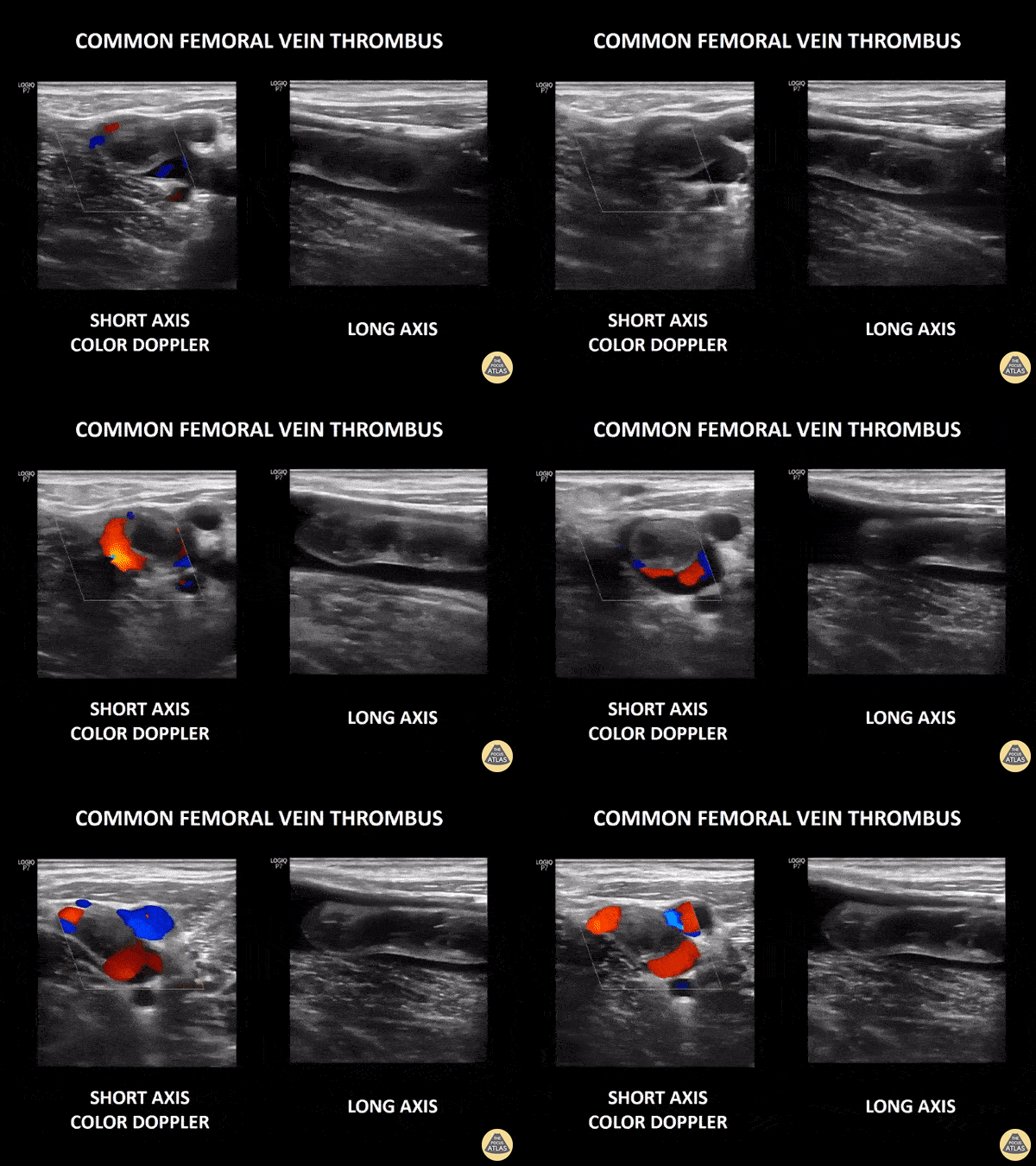
  • Deep Vein Thrombosis (DVT): The formation of a thrombus (blood clot) within the deep veins, most commonly in the lower extremities. If untreated, it can lead to severe complications such as pulmonary embolism (PE).

Pathophysiology:

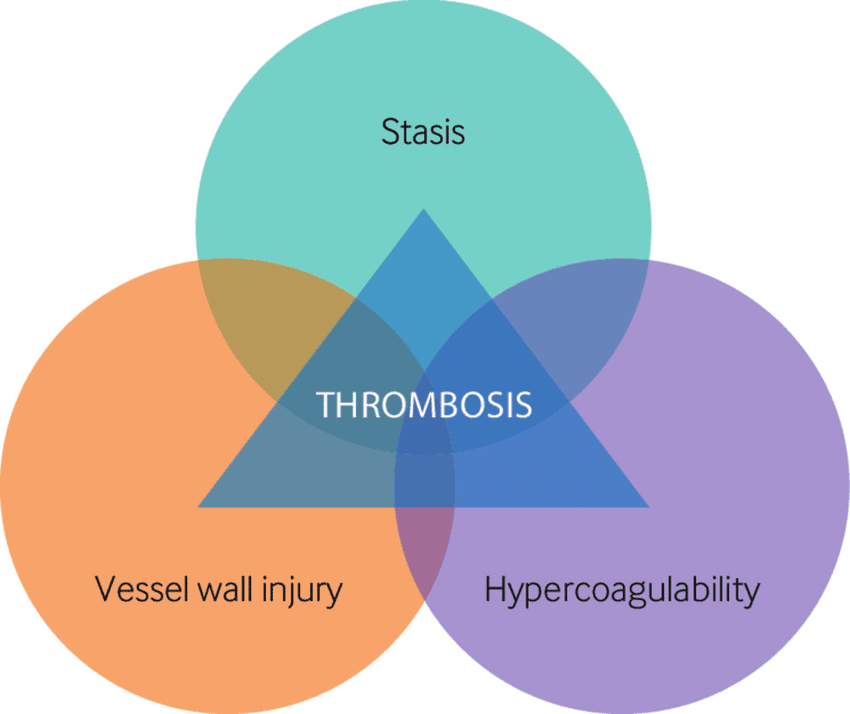
  • Virchow’s Triad: Three key factors contributing to thrombogenesis:
    • Stasis of blood flow (e.g., immobility, prolonged sitting, heart failure)
    • Endothelial injury (e.g., trauma, surgery, catheter insertion)
    • Hypercoagulability (e.g., genetic disorders like Factor V Leiden, malignancy, pregnancy)
  • Clot formation begins when platelets adhere to the endothelial surface, followed by fibrin deposition and aggregation of blood cells. The clot can extend, causing venous obstruction.
virchows triad

Etiology and Risk Factors:

  • Primary Risk Factors:
    • Prolonged immobility (post-surgery, prolonged bed rest, long-duration travel)
    • Surgical procedures (especially orthopedic surgeries: hip, knee)
    • Trauma (fractures, surgery, etc.)
    • Malignancy (increased clotting tendency due to tumor-derived procoagulants)
    • Pregnancy and postpartum (due to increased estrogen levels and venous stasis)
    • Oral contraceptives and hormone replacement therapy (estrogen increases clotting risk)
    • Genetic thrombophilia (e.g., Factor V Leiden mutation, Prothrombin gene mutation)
  • Secondary Risk Factors:
    • Age > 60 years
    • Obesity
    • Family history of DVT or PE
    • Smoking
    • Chronic conditions like heart failure, varicose veins, and inflammatory bowel disease.

Clinical Presentation:

  • Common Symptoms:
    • Unilateral leg swelling: Most common clinical feature, often with a sense of heaviness.
    • Pain: Deep, aching pain in the affected leg, aggravated by standing or walking.
    • Erythema: Redness and warmth over the affected area.
    • Palpable cord: The thrombus may feel like a firm, rope-like structure along the affected vein.
  • Classic Signs:
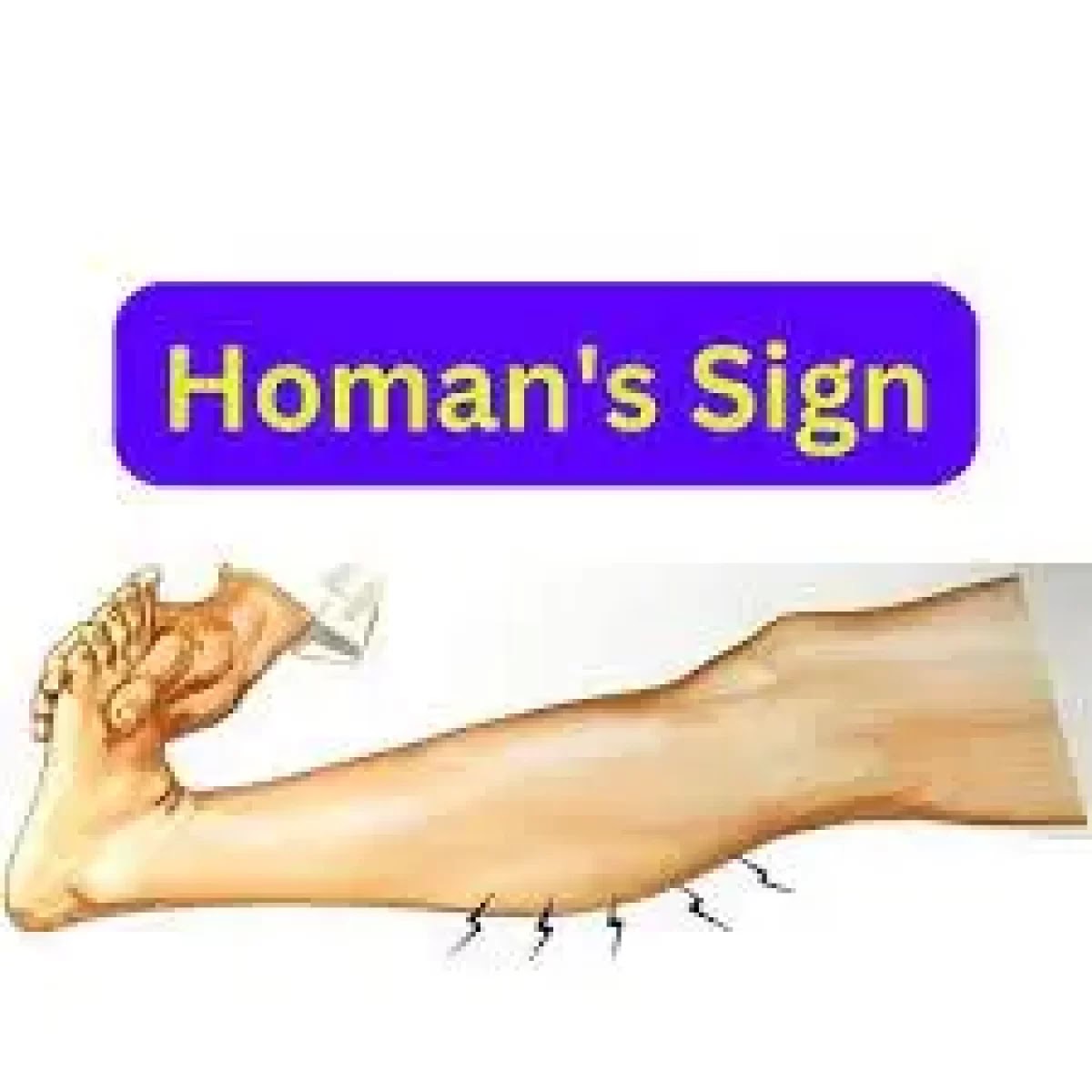
    • Homan’s sign: Pain on dorsiflexion of the foot (not highly sensitive or specific).
    • Positive Homans or Lowenberg test: Pain with calf compression, though less commonly used in modern clinical practice.

Complications:

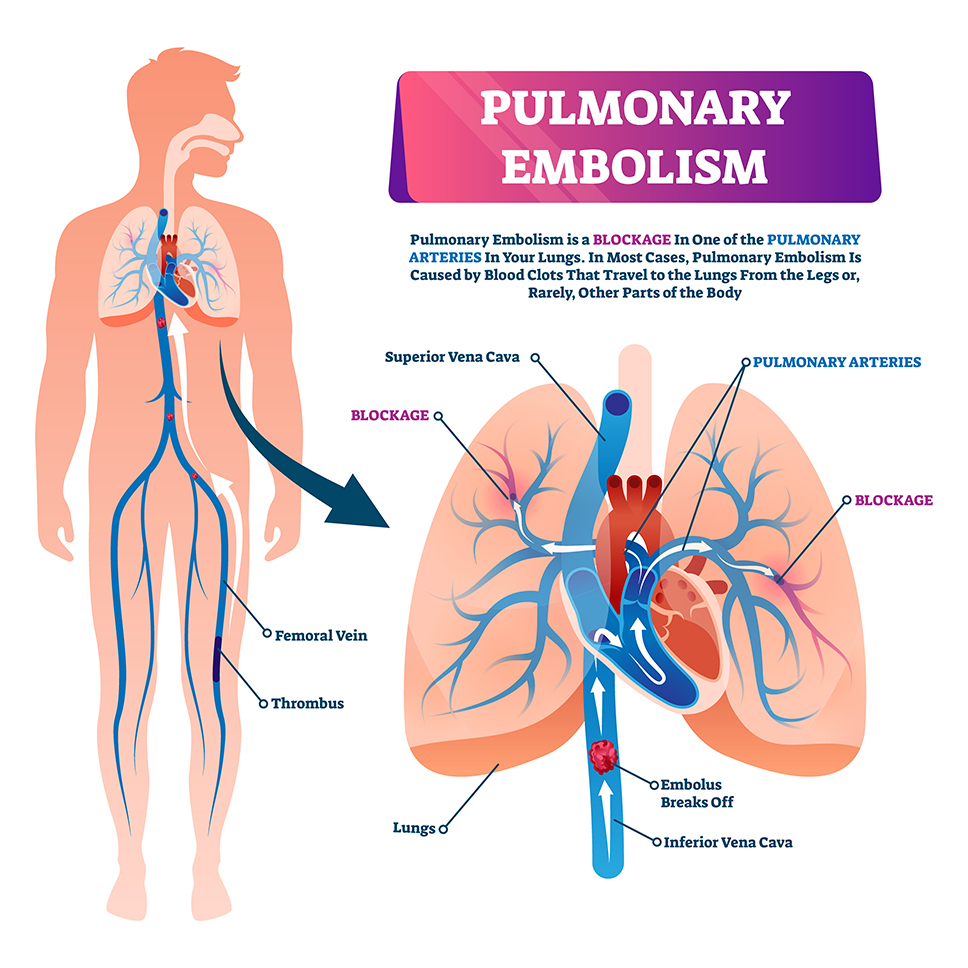
  • Pulmonary Embolism (PE): The most serious complication. Clots from DVT may dislodge and travel to the pulmonary circulation, causing a blockage.
  • Post-thrombotic Syndrome (PTS): Chronic condition resulting from long-term venous hypertension, causing pain, swelling, and skin changes.
  • Chronic Venous Insufficiency: Due to damage to venous valves, leading to chronic swelling and skin changes.

Diagnosis:

  1. Clinical Assessment:

    • Clinical probability can be assessed using the Wells score (for DVT and PE), which factors in risk factors and clinical presentation.
  2. Ultrasound (Doppler):

    • The gold standard for diagnosing DVT. High-frequency ultrasound assesses for the presence of a thrombus, venous compression, and blood flow.
  3. D-dimer:

    • Elevated D-dimer levels indicate fibrin degradation products, suggesting clot formation. However, it lacks specificity, and can be raised in other conditions (e.g., infection, cancer).
    • Sensitivity >95%, but specificity is low, especially in low-risk patients.
  4. CT Venography/Magnetic Resonance Venography (MRV):

    • Used in selected cases when ultrasound is inconclusive or inaccessible.
  5. Contrast Venography:

    • The gold standard historically but is less commonly used today due to its invasiveness and the rise of ultrasound.

Management:

  1. Anticoagulation Therapy:

    • Initial Treatment:
      • Low molecular weight heparin (LMWH) (e.g., enoxaparin) or unfractionated heparin (UH) for immediate anticoagulation.
      • Direct oral anticoagulants (DOACs) (e.g., rivaroxaban, apixaban) as an alternative to LMWH.
    • Long-term Management:
      • Warfarin (Coumadin), INR monitored (goal INR 2.0-3.0), or continued use of DOACs for 3-6 months based on risk factors and the nature of the clot.
  2. Thrombolysis:

    • Recombinant tissue plasminogen activator (rt-PA) or urokinase for large, symptomatic clots or in cases with life-threatening PE. Reserved for severe cases.
  3. Thrombectomy or Catheter-directed Thrombolysis:

    • Surgical intervention or catheter-based removal may be considered in patients with massive DVT or failure of anticoagulation therapy.
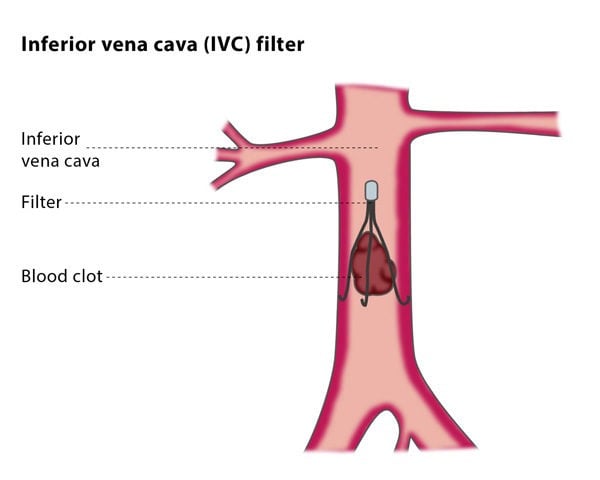
  4. Inferior Vena Cava (IVC) Filter:

  • Used in patients with contraindications to anticoagulation (e.g., active bleeding) or recurrent PE despite anticoagulation therapy.
  • Compression Stockings:

    • Used to reduce swelling, prevent post-thrombotic syndrome, and improve venous return in chronic cases.
  • Prevention:

    • Prophylaxis:
      • Early mobilization and exercises for hospitalized patients.
      • Low-dose heparin or LMWH for high-risk surgical patients.
      • Intermittent pneumatic compression devices for critically ill patients.
      • Compression stockings for those at risk, especially post-operatively.

    Follow-up and Monitoring:

    • Regular monitoring of anticoagulation levels, especially for warfarin (INR monitoring), and for signs of bleeding complications.
    • For patients on DOACs, renal function should be monitored periodically.

    Tip of the day

    Casoni’s Test : Notes (Echinococcus)

    Casoni’s Test : Notes for Doctors

    Table of Contents(toc)
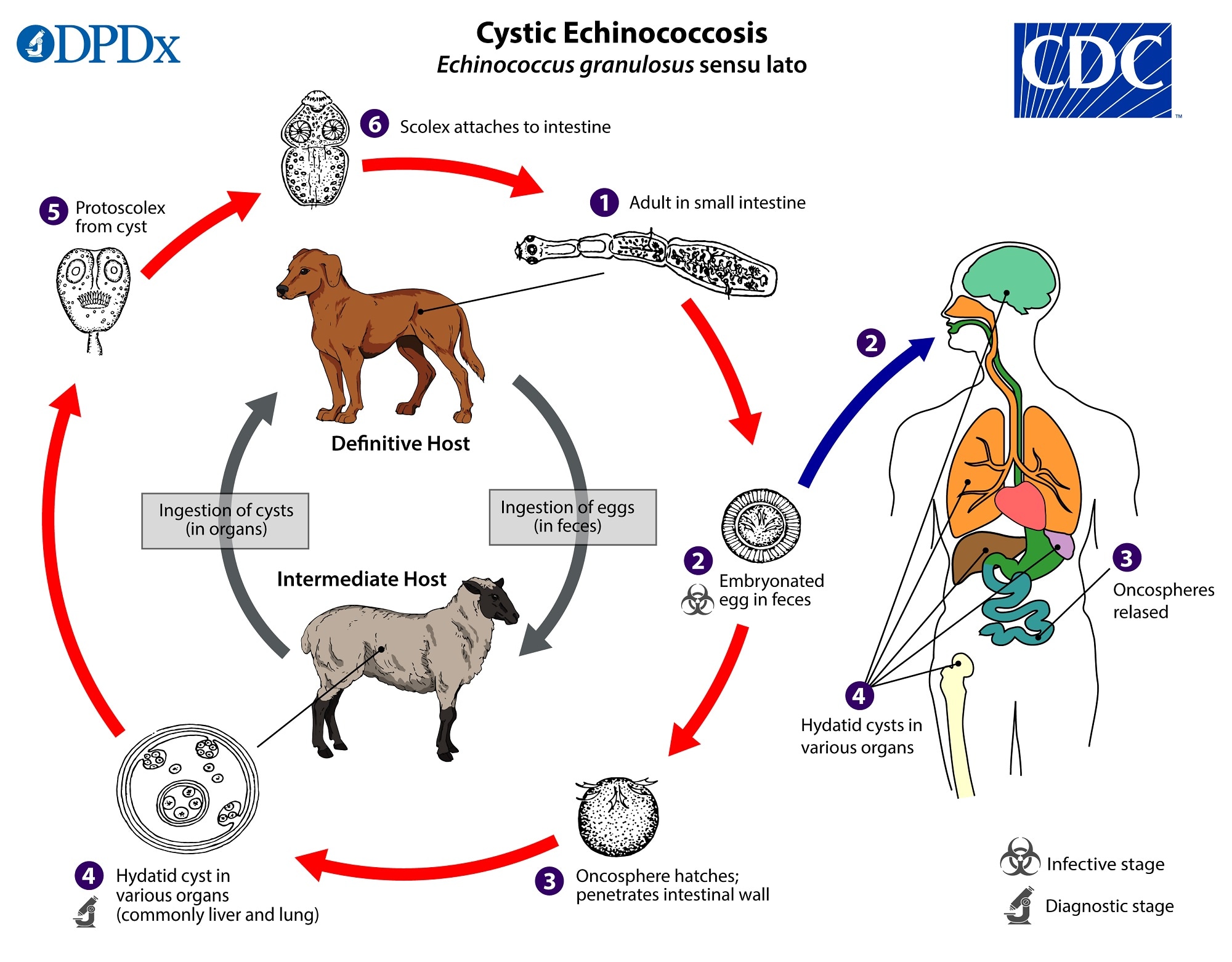
    E granulosus lifecycle Souce and Copyright: CDC


    Lets atart with a questin
     Casoni’s test is done to diagnose …
        a. Fascioliasis
        c. Hookworm
        b. Hydatid cyst
        d. Schistoomiasis

    Solution

    .reveal-box {
    display: none;
    margin-top: 10px;
    padding: 10px;
    border: 1px solid #ccc;
    background-color: #f9f9f9;
    }
    .reveal-btn {
    cursor: pointer;
    display: inline-block;
    padding: 8px 12px;
    background-color: #007bff;
    color: white;
    border: none;
    border-radius: 5px;
    }

    Ans: ‘b’
    Casoni’s test (intradermal skin test) is an immediate hypersensitivity skin
    test used in the diagnosis of hydatid cyst.
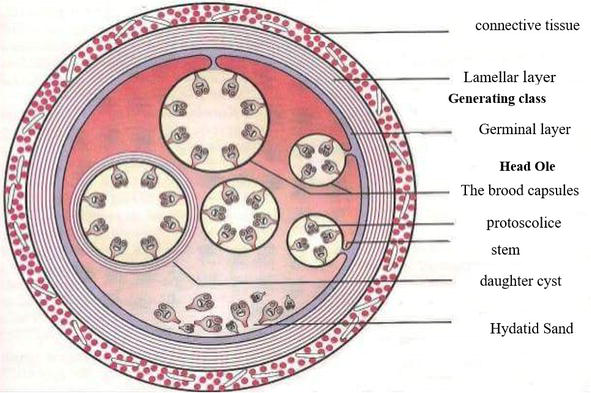
    Echinococcus cyst cross section

    Hydatid cyst

    • Pathogenesis infection is acquired by grass/vegetables contaminated with
      dog feces containing larval cyst of E. granulosus.
    • Man is dead end host & accidental host
    • Dog is definitive host
    • Cyst may occur in liver (m/c site in adults); lung (m/c site in
      children)

    USG Finding in Hydatid Cyst

    • USG is diagnostic (multiloculated cyst)

    PAIR procedure for Hydatid cyst: 

    Percutaneous puncture (P) of cyst under USG guidance, aspiration (A) of its
    content, injection (I) of scolicidal agent & reaspiration (R). (for
    small size < 5-6 cm).

    Scolicidal agents for Hydatid Cyst

    hypertonic 2% saline, sodium hypochloride, cetrimide, chlorhexidine

    Common postoperative complications

    Common postoperative complications

    Table of Contents(toc)


    Lets start with a MCQ

    Question

    All of the following are immediate post operative complications except
    a. Aspiration
    b. Myocardial infarction
    c. Deep vein thrombosis
    d. Neurogenic shock
    Ans: ‘c’ deep vein thrombosis

    Explanation and comments

    General postoperative complications

    Immediate:

    • Primary haemorrhage
    • Basal atelectasis
    • Shock: blood loss, acute MI
    • Low urine output: inadequate fluid replacement
    • Neurogenic shock
    • Aspiration

     Early 

    • Pain
    • Acute confusion
    • Nausea & vomiting: analgesia or related, paralytic
    • ileus
    • Fever
    • Secondary haemorrhage (d/t infection)
    • DVT Pneumonia
    • Acute urinary retention
    • UTI
    • Paralytic ileus
    •  Pressure sore

    Late

    • Bowel obstruction d/t fibrous adhesions
    • Incisional hernia
    • Persistent sinus
    • Recurrence of reason for surgery eg – malignancy
    • Keloid formation
    • Cosmetic appearance

    attrition vs abrasion vs erosion

    Chronic Dental Conditions in the Elderly

    Table of Contents(toc)


    Conditions that develop over a long period, particularly in older individuals, include attrition, abrasion, and erosion.

    Attrition

    Attrition refers to the wearing away of tooth substance due to mastication.

    Causes:

    • Coarse, gritty diet
    • Nervous habits (e.g., grinding teeth during anxiety)
    • Bruxism (grinding teeth at night)
    • Chewing on pipes

    Sites Affected:

    • Anterior teeth: Incisal edges
    • Posterior teeth: Occlusal surfaces

    Clinical Features:

    • Affected surfaces appear smooth and polished.
    • In advanced cases, incisal edges and cusps wear away, appearing peg-like, while the occlusal surface becomes flat or even hollowed.
    • Despite severe attrition, pulp exposure is rare due to compensatory dentine formation.
    • Attrition is incompatible with caries and periodontal disease since these conditions lead to tooth destruction and mobility, preventing attrition from occurring.
    • Attrition may have a protective role against caries by eliminating stagnation areas on occlusal surfaces.

    Abrasion

    Abrasion is the pathological wearing away of teeth by foreign substances.

    Causes:

    • Chewing tobacco
    • Vigorous tooth brushing, especially with abrasive toothpaste
    • Professions involving repetitive biting habits (e.g., cutting thread)
    • Hard tooth brushing with a horizontal sweeping action (most common cause)

    Sites Affected:

    • Cervical region of teeth (near the cementoenamel junction)—most susceptible to abrasion
    • Corner teeth—most severely affected

    Clinical Features:

    • Significant gingival recession is observed, but no gingivitis occurs due to effective plaque removal.
    • Progressive exposure of cementum and dentine, leading to grooved defects.

    Erosion

    Erosion refers to the progressive dissolution of tooth structure, typically caused by acids, though some cases have unknown etiologies.

    Causes:

    • Occupational exposure (e.g., battery or acid factory workers exposed to acid fumes)
    • Dietary factors:
      • Habitual sucking of citrus fruits for prolonged durations
      • Excessive consumption of carbonated soft drinks (high in phosphoric acid), leading to developmental caries
    • Gastroesophageal conditions:
      • Chronic regurgitation of acidic gastric juice, as seen in acid peptic disease (APD), gastroesophageal reflux disease (GERD), and early pregnancy, predominantly affecting the palatal surface
    • Erosion of unknown origin: Manifests as shallow, highly polished lesions on the labial surface

    Treatment:

    • Identification and elimination of the cause (occupational, dietary, medical factors)
    • Application of protective coatings
    • Use of fluoridated toothpaste
    • Iontophoresis with sodium fluoride (NaF) for enamel reinforcement

    GCS Calculator

    GCS Calculator

    .result {
    margin-top: 20px;
    padding: 10px;
    background: #007BFF;
    color: white;
    border-radius: 5px;
    font-size: 20px;
    }

    #severity { font-size: 18px; margin-top: 10px; }

    /* Buttons */
    button {
    margin: 10px;
    padding: 10px;
    border: none;
    border-radius: 5px;
    cursor: pointer;
    }

    Glasgow Coma Scale (GCS) Calculator

    Spontaneously (4)
    To speech (3)
    To pain (2)
    No response (1)

    Oriented (5)
    Confused (4)
    Inappropriate words (3)
    Incomprehensible sounds (2)
    No response (1)

    Obeys command (6)
    Moves to localized pain (5)
    Flex to withdraw from pain (4)
    Abnormal flexion (3)
    Abnormal extension (2)
    No response (1)

    Total GCS Score: 15

    🟢 Mild Brain Injury

    function calculateGCS() {
    let eyeResponse = parseInt(document.getElementById(“eyeResponse”).value);
    let verbalResponse = parseInt(document.getElementById(“verbalResponse”).value);
    let motorResponse = parseInt(document.getElementById(“motorResponse”).value);

    let totalGCS = eyeResponse + verbalResponse + motorResponse;
    document.getElementById(“gcsScore”).innerText = totalGCS;

    let severity = document.getElementById(“severity”);
    if (totalGCS >= 13) {
    severity.innerText = “🟢 Mild Brain Injury”;
    } else if (totalGCS >= 9) {
    severity.innerText = “🟡 Moderate Brain Injury”;
    } else {
    severity.innerText = “🔴 Severe Brain Injury”;
    }
    }

    Thanatology: Forensic Medicine Free Notes

    Thanatology and Post-Mortem Changes: Forensic Medicine Free Notes

    Table of Contents(toc)
    Credit : Pexels

    Thanatology is the scientific study of death, including the physiological, forensic, and medical aspects. It covers the processes that occur in the body after death, known as post-mortem changes, which vary based on factors like temperature, organ type, and environmental conditions.


    Death: The Two Stages

    1. Somatic (Systemic/Clinical) Death

    The irreversible cessation of vital functions, including:

    • Brain activity
    • Respiration
    • Circulation

    This marks the legal definition of death.

    2. Molecular (Cellular) Death

    • Individual cells die at different rates depending on their oxygen requirements.
    • Brain cells die within minutes.
    • Bone and skin cells can survive for hours.

    Significance of the Gap Between Somatic & Molecular Death

    This period is crucial for:

    1. Organ & Tissue Transplantation

    Organs must be harvested within a specific timeframe:

    • Liver – 15 minutes
    • Kidneys – 45 minutes
    • Heart – 1 hour
    • Cornea – 6 hours
    • Skin – 24 hours
    • Bone – 46 hours
    • Blood vessels – 72 hours

    2. Body Disposal & Preservation

    This window influences embalming and forensic investigations.


    Brain Death: The Three Levels

    1. Cortical (Cerebral) Death
      • Vegetative state
      • Loss of sensory perception
      • Respiration continues
    2. Brain-Stem Death
      • Loss of respiratory control centers
      • Dysfunction of the ascending reticular activating system
    3. Whole Brain Death
      • Combination of cortical and brain-stem death
      • Medically and legally considered death

    Modes of Death

    1. Coma – Death due to brain dysfunction.
    2. Syncope – Death due to heart failure.
    3. Asphyxia – Death due to oxygen deprivation.

    Manner of Death

    1. Natural Death

    • Due to disease or aging.

    2. Unnatural Death

    • Homicide – Intentional killing.
    • Suicide – Self-inflicted death.
    • Accidental – Unintentional death from external causes.

    Cause of Death

    1. Immediate Cause – The direct reason for death. (e.g., Trauma, Peritonitis)
    2. Antecedent Cause – The underlying condition leading to death. (e.g., Gunshot wound leading to peritonitis)
    3. Contributory Cause – A factor that worsens the terminal event. (e.g., Obesity, Hyperlipidemia)

    Common Post-Mortem Changes

    1. Rigor Mortis

    • Muscle stiffening due to ATP depletion.
    • Begins a few hours after death and lasts up to 24 hours.

    2. Livor Mortis

    • Blood pooling in lower body areas due to gravity.
    • Causes purple-red discoloration in dependent parts.

    3. Putrefaction

    • Decomposition by bacteria within the body.
    • Leads to bloating, foul odor, and tissue breakdown.

    4. Autolysis

    • Self-digestion of cells by their own enzymes.
    • Starts in organs rich in digestive enzymes, like the pancreas and stomach.

    Factors Influencing Post-Mortem Changes

    • Environmental Temperature – Heat speeds up decomposition; cold slows it down.
    • Cause of Death – Infections, poisoning, and trauma can alter decay rates.
    • Body Condition – Fat content and clothing can affect cooling and breakdown.

    Forensic Significance of Post-Mortem Changes

    1. Estimating Time Since Death (Post-Mortem Interval – PMI)

    • Based on rigor mortis, livor mortis, and decomposition stages.
    • Helps forensic experts determine the approximate time of death.

    2. Crime Scene Investigation

    • Understanding post-mortem changes helps in analyzing crime scenes.
    • Can provide evidence about movement, positioning, or cause of death.

    Conclusion

    Thanatology plays a crucial role in medicine, forensic science, and organ transplantation. Understanding the processes of death and post-mortem changes helps in medical diagnostics, crime investigations, and ethical considerations of life and death.

    Putrefaction vs adipocere formation vs mummification

    Putrefaction versus adipocere formation versus mummification 

    Table of Contents(toc)


    /* Responsive Table Styling */
    .responsive-table {
    width: 100%;
    border-collapse: collapse;
    margin: 20px 0;
    font-size: 16px;
    text-align: left;
    background: #fff;
    overflow: hidden;
    border-radius: 8px;
    box-shadow: 0px 4px 8px rgba(0, 0, 0, 0.2);
    }

    .responsive-table thead {
    background: #4CAF50;
    color: #fff;
    }

    .responsive-table th, .responsive-table td {
    padding: 12px;
    border: 1px solid #ddd;
    }

    .responsive-table tbody tr:nth-child(even) {
    background: #f2f2f2;
    }

    .responsive-table tbody tr:hover {
    background: #ddd;
    }

    /* Responsive Design */
    @media (max-width: 768px) {
    .responsive-table {
    font-size: 14px;
    }
    .responsive-table th, .responsive-table td {
    padding: 10px;
    }
    }

    Feature Putrefaction Adipocere Formation Mummification
    Definition Decomposition of organic matter due to microbial activity. Conversion of body fat into a waxy, soap-like substance. Preservation of body by drying and chemical changes.
    Primary Cause Bacterial action (*Clostridium*, *Bacillus* species). Hydrolysis and hydrogenation of fats. Dehydration due to environmental conditions.
    Environmental Conditions Warm, moist environments. High moisture, low oxygen, alkaline conditions. Dry, hot, or cold environments.
    Time Frame Begins within 24-72 hours. Takes weeks to months. Can take weeks to years.
    Tissue Changes Skin turns green, bloating occurs, liquefaction. Skin and tissues become waxy and preserved. Skin and tissues dry out, reducing decomposition.
    Odor Production Strong, foul-smelling gases. Less odor due to fat preservation. Minimal odor due to desiccation.
    Color Changes Greenish-black discoloration. White, gray, or yellow waxy deposits. Brown, leathery, or darkened skin.
    Microbial Activity High; bacteria break down proteins. Limited; bacteria inhibited by lack of oxygen. Very low; dehydration prevents bacterial growth.
    Gas Formation Significant bloating due to gas buildup. Minimal gas formation. No gas formation.
    Preservation Potential Poor; soft tissues decay rapidly. Moderate; adipocere can preserve for months to years. Excellent; mummified bodies last for centuries.
    Examples Exposed bodies in warm, humid conditions. Waterlogged graves, submerged corpses. Egyptian mummies, frozen bodies in ice.

    AHW Past Question PDF free download

    AHW Past Question PDF free download

    Table of Contents(toc)

    Section 1: Anatomy and Physiology (25 MCQs)

    1. Which of the following is the longest bone in the human body?
      a) Humerus
      b) Femur
      c) Tibia
      d) Fibula
      Answer: b) Femur

    2. The functional unit of the kidney is called:
      a) Alveoli
      b) Nephron
      c) Glomerulus
      d) Ureter
      Answer: b) Nephron

    3. Which part of the brain controls balance and coordination?
      a) Cerebrum
      b) Cerebellum
      c) Medulla oblongata
      d) Hypothalamus
      Answer: b) Cerebellum

    4. Which type of muscle is involuntary and found in the walls of internal organs?
      a) Skeletal muscle
      b) Cardiac muscle
      c) Smooth muscle
      d) Voluntary muscle
      Answer: c) Smooth muscle

    5. The largest artery in the human body is:
      a) Pulmonary artery
      b) Aorta
      c) Subclavian artery
      d) Carotid artery
      Answer: b) Aorta

    6. The blood cells responsible for oxygen transport are:
      a) Leukocytes
      b) Thrombocytes
      c) Erythrocytes
      d) Lymphocytes
      Answer: c) Erythrocytes

    7. Which organ is primarily responsible for detoxifying the blood?
      a) Kidney
      b) Liver
      c) Spleen
      d) Pancreas
      Answer: b) Liver

    8. The smallest structural and functional unit of life is:
      a) Atom
      b) Tissue
      c) Cell
      d) Organ
      Answer: c) Cell

    9. The process of blood clotting is called:
      a) Hemolysis
      b) Coagulation
      c) Fibrinolysis
      d) Agglutination
      Answer: b) Coagulation

    10. The pacemaker of the heart is:
      a) AV node
      b) SA node
      c) Bundle of His
      d) Purkinje fibers
      Answer: b) SA node

    11. The main function of hemoglobin is:
      a) Transporting nutrients
      b) Fighting infections
      c) Carrying oxygen
      d) Producing antibodies
      Answer: c) Carrying oxygen

    12. The trachea branches into two tubes called:
      a) Alveoli
      b) Bronchi
      c) Bronchioles
      d) Pleura
      Answer: b) Bronchi

    13. The part of the eye responsible for focusing light is:
      a) Cornea
      b) Retina
      c) Lens
      d) Iris
      Answer: c) Lens

    14. The pH of normal human blood is:
      a) 6.8
      b) 7.4
      c) 7.0
      d) 8.0
      Answer: b) 7.4

    15. Which vitamin is essential for blood clotting?
      a) Vitamin A
      b) Vitamin C
      c) Vitamin K
      d) Vitamin D
      Answer: c) Vitamin K

    16. The basic contractile unit of muscle is called:
      a) Myosin
      b) Sarcomere
      c) Actin
      d) Myofibril
      Answer: b) Sarcomere

    17. Which gland is known as the “master gland” of the body?
      a) Thyroid gland
      b) Adrenal gland
      c) Pituitary gland
      d) Pancreas
      Answer: c) Pituitary gland

    18. The main function of the large intestine is:
      a) Nutrient absorption
      b) Digestion of proteins
      c) Water absorption
      d) Production of enzymes
      Answer: c) Water absorption

    19. The middle layer of the skin is called:
      a) Epidermis
      b) Dermis
      c) Hypodermis
      d) Subcutaneous tissue
      Answer: b) Dermis

    20. The organ responsible for producing insulin is:
      a) Liver
      b) Pancreas
      c) Stomach
      d) Adrenal gland
      Answer: b) Pancreas

    21. Which of the following is NOT a function of the skeletal system?
      a) Blood cell production
      b) Hormone secretion
      c) Support and protection
      d) Movement
      Answer: b) Hormone secretion

    22. The major site of nutrient absorption in the digestive system is:
      a) Stomach
      b) Small intestine
      c) Large intestine
      d) Esophagus
      Answer: b) Small intestine

    23. The functional unit of the nervous system is the:
      a) Axon
      b) Neuron
      c) Synapse
      d) Dendrite
      Answer: b) Neuron

    24. What type of joint is found in the shoulder and hip?
      a) Hinge joint
      b) Ball and socket joint
      c) Pivot joint
      d) Gliding joint
      Answer: b) Ball and socket joint

    25. The condition caused by a lack of iodine in the diet is:
      a) Scurvy
      b) Rickets
      c) Goiter
      d) Beriberi
      Answer: c) Goiter


    Section 2: Community Health (25 MCQs)

    1. The primary health care approach was introduced in:
      a) 1948
      b) 1968
      c) 1978
      d) 1988
      Answer: c) 1978

    2. The expanded form of WHO is:
      a) World Health Organization
      b) World Hygiene Organization
      c) Worldwide Health
      Answer: a) World Health Organization

    28. The primary level of health care focuses on:
    a) Specialist services
    b) Emergency care
    c) Prevention and basic treatment
    d) Rehabilitation
    Answer: c) Prevention and basic treatment

    29. The major cause of maternal mortality in developing countries is:
    a) Diabetes
    b) Hypertension
    c) Postpartum hemorrhage
    d) Tuberculosis
    Answer: c) Postpartum hemorrhage

    30. Which disease is caused by a deficiency of vitamin C?
    a) Rickets
    b) Scurvy
    c) Pellagra
    d) Beriberi
    Answer: b) Scurvy

    31. The term “epidemiology” refers to the study of:
    a) Human anatomy
    b) Disease patterns in populations
    c) Drug interactions
    d) Surgery techniques
    Answer: b) Disease patterns in populations

    32. The leading cause of under-five mortality worldwide is:
    a) Malaria
    b) Pneumonia
    c) Malnutrition
    d) Road accidents
    Answer: b) Pneumonia

    33. The key strategy to control communicable diseases is:
    a) Vaccination
    b) Chemotherapy
    c) Isolation
    d) Surgery
    Answer: a) Vaccination

    34. The recommended exclusive breastfeeding duration is:
    a) 3 months
    b) 6 months
    c) 9 months
    d) 12 months
    Answer: b) 6 months

    35. Which of the following is a vector-borne disease?
    a) Tuberculosis
    b) Malaria
    c) Diabetes
    d) Hypertension
    Answer: b) Malaria

    36. Which Millennium Development Goal (MDG) focused on reducing child mortality?
    a) MDG 2
    b) MDG 3
    c) MDG 4
    d) MDG 6
    Answer: c) MDG 4

    37. What is the major cause of neonatal deaths globally?
    a) Preterm birth complications
    b) Road traffic accidents
    c) Tuberculosis
    d) Stroke
    Answer: a) Preterm birth complications

    38. The Expanded Programme on Immunization (EPI) aims to prevent:
    a) Non-communicable diseases
    b) Vaccine-preventable diseases
    c) Genetic disorders
    d) Occupational hazards
    Answer: b) Vaccine-preventable diseases

    39. The primary function of oral rehydration solution (ORS) is to:
    a) Reduce fever
    b) Restore lost fluids and electrolytes
    c) Kill bacteria
    d) Improve appetite
    Answer: b) Restore lost fluids and electrolytes

    40. The full form of IMNCI is:
    a) Integrated Maternal and Neonatal Care Initiative
    b) Integrated Management of Neonatal and Child Illness
    c) Improved Management of Nutrition and Childcare Initiative
    d) Integrated Management of Non-Communicable Infections
    Answer: b) Integrated Management of Neonatal and Child Illness

    41. Which of the following is an example of secondary prevention?
    a) Health education
    b) Vaccination
    c) Screening for hypertension
    d) Rehabilitation after stroke
    Answer: c) Screening for hypertension

    42. The main goal of family planning programs is to:
    a) Increase birth rates
    b) Promote population control and reproductive health
    c) Provide nutrition supplements
    d) Reduce school dropouts
    Answer: b) Promote population control and reproductive health

    43. A balanced diet consists of:
    a) Only carbohydrates and proteins
    b) Carbohydrates, proteins, fats, vitamins, and minerals
    c) Only fruits and vegetables
    d) Processed foods
    Answer: b) Carbohydrates, proteins, fats, vitamins, and minerals

    44. What is the recommended daily calorie intake for an adult woman?
    a) 1200 kcal
    b) 1500 kcal
    c) 2000 kcal
    d) 2500 kcal
    Answer: c) 2000 kcal

    45. The leading cause of death from non-communicable diseases (NCDs) is:
    a) Cancer
    b) Cardiovascular diseases
    c) Chronic respiratory diseases
    d) Diabetes
    Answer: b) Cardiovascular diseases

    46. Which of the following is NOT a principle of Primary Health Care?
    a) Community participation
    b) Equity
    c) Universal health coverage
    d) Focus on tertiary care
    Answer: d) Focus on tertiary care

    47. The main mode of transmission of tuberculosis (TB) is:
    a) Blood transfusion
    b) Airborne droplets
    c) Contaminated water
    d) Mosquito bite
    Answer: b) Airborne droplets

    48. The primary vector for dengue fever is:
    a) Anopheles mosquito
    b) Aedes mosquito
    c) Culex mosquito
    d) Sandfly
    Answer: b) Aedes mosquito

    49. Which of the following contributes the most to global child malnutrition?
    a) Lack of clean water
    b) War and conflicts
    c) Poor maternal nutrition
    d) All of the above
    Answer: d) All of the above

    50. The best way to prevent HIV/AIDS transmission is:
    a) Using mosquito repellents
    b) Avoiding physical activity
    c) Practicing safe sex and using sterilized needles
    d) Taking antibiotics
    Answer: c) Practicing safe sex and using sterilized needles

    Exit mobile version