GASTRIC OUTLET OBSTRUCTION (GOO) Note Complete

Table of Contents(toc)

GASTRIC OUTLET OBSTRUCTION (GOO)

Definition

Partial or complete obstruction of the distal stomach, pylorus, or proximal duodenum, preventing normal gastric emptying into the duodenum.


Etiology

A. Congenital causes

  • Infantile hypertrophic pyloric stenosis (most common in infants)

  • Duodenal atresia

  • Annular pancreas

  • Preduodenal portal vein

  • Gastric/duodenal webs or membranes

B. Acquired causes

1. Benign causes

  • Peptic ulcer disease (most common in adults)

  • Chronic pancreatitis (fibrosis, pseudocyst compression)

  • Postoperative adhesions or anastomotic strictures

  • Ingestion of corrosives

  • Gallstone impaction (Bouveret syndrome)

  • Crohn’s disease

  • Tuberculosis (gastroduodenal)

2. Malignant causes

  • Carcinoma of the stomach (antral carcinoma)

  • Carcinoma of the pancreas (head region)

  • Duodenal carcinoma

  • Lymphoma involving pylorus


Pathophysiology

  • Obstruction → gastric stasis → accumulation of food, fluid, and secretions → gastric dilatation

  • Persistent vomiting → loss of H⁺, Cl⁻, K⁺ → hypochloremic, hypokalemic metabolic alkalosis

  • Dehydration → hypovolemia → renal compensation (paradoxical aciduria)


Clinical Features

Symptoms

  • Vomiting – projectile, non-bilious, of undigested food; may be late after meals

  • Fullness / bloating / early satiety

  • Epigastric pain (relieved by vomiting)

  • Weight loss and dehydration

  • Constipation and reduced urine output

Signs

  • Visible gastric peristalsis (from left to right across epigastrium)

  • Succussion splash (sloshing sound >6 hrs after meal)

  • Epigastric distension

  • Signs of dehydration: sunken eyes, dry tongue, hypotension

  • Palpable lump (in carcinoma or hypertrophic pyloric stenosis)


Investigations

Laboratory

  • Electrolyte imbalance: ↓Na⁺, ↓K⁺, ↓Cl⁻, ↑HCO₃⁻ (metabolic alkalosis)

  • Hemoconcentration (↑Hct)

  • Renal function tests – elevated urea/creatinine due to dehydration

Imaging

  • Plain X-ray abdomen:

    • Greatly distended stomach with fluid level, no gas beyond pylorus

goo plain x ray
  • Barium meal:

    • Delayed gastric emptying, “string sign” (narrow pylorus), or “beak-like narrowing”

GOO barium x ray
  • Endoscopy:

    • Visualize site of obstruction; exclude malignancy; can take biopsy

  • CT scan:

    • Defines cause and extrinsic compression (pancreatic malignancy, pseudocyst)


Management

1. Initial (Stabilization)

  • Nil per oral (NPO)

  • Nasogastric decompression

  • IV fluids – correct dehydration and electrolyte imbalance

  • Correct metabolic alkalosis

  • Proton pump inhibitors / H₂ blockers

  • Nutritional support

2. Definitive treatment

a. Benign causes:

  • Peptic ulcer-related:

    • Endoscopic balloon dilatation (first-line if fibrosis mild)

    • Surgery if refractory:

      • Truncal vagotomy + antrectomy (Billroth I/II)

      • Gastrojejunostomy

  • Hypertrophic pyloric stenosis:

    • Ramstedt’s pyloromyotomy

  • Chronic pancreatitis / pseudocyst:

    • Treat underlying cause or cyst drainage

b. Malignant causes:

  • Resectable:

    • Subtotal/total gastrectomy or pancreaticoduodenectomy (depending on origin)

  • Unresectable:

    • Palliative gastrojejunostomy or endoscopic stenting


Complications

  • Severe dehydration and shock

  • Metabolic alkalosis with paradoxical aciduria

  • Aspiration pneumonia

  • Nutritional deficiencies

  • Gastric perforation (rare, late stage)


Summary Table

Feature Benign Malignant
Onset Gradual Rapid
Vomiting Large, non-bilious, food particles Small, may contain altered blood
Pain Relieved by vomiting Persistent
Visible peristalsis Prominent Often absent
Weight loss Moderate Marked
Endoscopy finding Scarring, ulcer Mass, irregular ulcer

Diploma in OTTM license examination model question

DIPLOMA IN OTTM – 50 MCQs

Table of Contents(toc)
operation theatre technology MCQs

Anatomy & Physiology

  1. The largest organ in the human body is:
    A) Liver
    B) Skin
    C) Brain
    D) Lungs

  2. The functional unit of the kidney is:
    A) Nephron
    B) Alveolus
    C) Glomerulus
    D) Bowman’s capsule

  3. Which artery supplies the heart muscle?
    A) Pulmonary artery
    B) Coronary artery
    C) Carotid artery
    D) Subclavian artery

  4. The normal range of adult respiratory rate is:
    A) 8–10/min
    B) 12–20/min
    C) 22–28/min
    D) 30–40/min

  5. Which cranial nerve controls the diaphragm?
    A) Vagus nerve
    B) Phrenic nerve
    C) Hypoglossal nerve
    D) Trigeminal nerve

  6. The total number of bones in adult human body is:
    A) 204
    B) 206
    C) 208
    D) 210

  7. The largest gland in the human body is:
    A) Pancreas
    B) Liver
    C) Thyroid
    D) Adrenal

  8. Gas exchange occurs in:
    A) Trachea
    B) Bronchi
    C) Alveoli
    D) Pleura

  9. The hormone insulin is secreted by:
    A) Adrenal cortex
    B) Pancreas (Islets of Langerhans)
    C) Pituitary
    D) Thyroid

  10. Which part of the brain controls balance and coordination?
    A) Cerebrum
    B) Cerebellum
    C) Medulla
    D) Pons


Microbiology & Infection Control

  1. Autoclaving is done at:
    A) 100°C for 15 min
    B) 121°C for 15 min at 15 psi
    C) 134°C for 5 min at 30 psi
    D) 160°C for 1 hour

  2. Bacteria are best stained by:
    A) Gram stain
    B) Ziehl-Neelsen stain
    C) Wright’s stain
    D) Leishman stain

  3. The causative organism of gas gangrene is:
    A) Staphylococcus aureus
    B) Clostridium perfringens
    C) Streptococcus pyogenes
    D) Pseudomonas aeruginosa

  4. The universal precaution includes all EXCEPT:
    A) Wearing gloves
    B) Recapping needles
    C) Mask use
    D) Handwashing

  5. The most effective disinfectant for HIV virus is:
    A) Phenol
    B) Alcohol
    C) Sodium hypochlorite
    D) Lysol

  6. The ideal temperature for storing blood is:
    A) 0°C
    B) 1–6°C
    C) 10°C
    D) Room temperature

  7. Asepsis means:
    A) Presence of microorganisms
    B) Absence of pathogenic microorganisms
    C) Infection
    D) Sterility failure

  8. The process of killing all microorganisms including spores is:
    A) Disinfection
    B) Sterilization
    C) Pasteurization
    D) Antisepsis

  9. Which of the following is a spore-forming bacteria?
    A) E. coli
    B) Clostridium
    C) Klebsiella
    D) Neisseria

  10. The standard concentration of formalin used for fumigation is:
    A) 20%
    B) 30%
    C) 40%
    D) 10%


OT Techniques & Sterilization

  1. The sterile area in OT includes:
    A) Scrub area
    B) Operation table
    C) Corridor
    D) Changing room

  2. Ethylene oxide sterilization is used for:
    A) Linen
    B) Rubber and plastic items
    C) Glassware
    D) Instruments

  3. Instruments are arranged on:
    A) Mayo table
    B) Instrument trolley
    C) Both A and B
    D) Floor table

  4. The position used for perineal surgeries is:
    A) Supine
    B) Lithotomy
    C) Trendelenburg
    D) Prone

  5. The function of suction machine in OT is:
    A) To provide oxygen
    B) To remove blood and secretions
    C) To monitor BP
    D) To sterilize instruments

  6. The blue zone in OT indicates:
    A) Clean area
    B) Sterile zone
    C) Dirty area
    D) Store

  7. Drapes used in surgery should be:
    A) Waterproof
    B) Cotton
    C) Plastic
    D) Wool

  8. The ideal air pressure in OT is:
    A) Positive pressure
    B) Negative pressure
    C) Neutral
    D) Variable

  9. The most important step before scrubbing is:
    A) Wearing gown
    B) Wearing mask and cap
    C) Touching sterile field
    D) None

  10. Scrubbing time for hands is:
    A) 30 seconds
    B) 1 minute
    C) 3–5 minutes
    D) 10 minutes


Anaesthesia & Surgery Basics

  1. Local anesthesia acts by:
    A) Blocking motor nerves
    B) Blocking sensory nerves
    C) Depressing CNS
    D) Inducing sleep

  2. Spinal anesthesia is given at the level of:
    A) L1–L2
    B) L3–L4
    C) T10–T11
    D) L5–S1

  3. The color of oxygen cylinder is:
    A) Black with white shoulder
    B) Blue
    C) Black with green shoulder
    D) Green

  4. The anesthetic agent causing malignant hyperthermia is:
    A) Halothane
    B) Ether
    C) Succinylcholine
    D) Nitrous oxide

  5. The antidote for morphine overdose is:
    A) Naloxone
    B) Atropine
    C) Neostigmine
    D) Diazepam

  6. The commonest complication of spinal anesthesia is:
    A) Vomiting
    B) Headache
    C) Fever
    D) Infection

  7. Pulse oximeter measures:
    A) Blood pressure
    B) Heart rate
    C) Oxygen saturation
    D) CO₂ level

  8. The color code for nitrous oxide cylinder is:
    A) Black with white shoulder
    B) Blue
    C) White
    D) Green

  9. Minimum alveolar concentration (MAC) is related to:
    A) Potency of inhaled anesthetic
    B) Toxicity
    C) Cost
    D) Blood solubility

  10. The safest muscle relaxant in renal failure is:
    A) Vecuronium
    B) Pancuronium
    C) Atracurium
    D) Rocuronium


Surgical Instruments & Procedures

  1. Mosquito forceps are used for:
    A) Holding skin
    B) Clamping small blood vessels
    C) Cutting sutures
    D) Grasping tissue

  2. The instrument used to hold bowel is:
    A) Allis forceps
    B) Babcock forceps
    C) Kocher forceps
    D) Artery forceps

  3. The suture material absorbed by the body is:
    A) Silk
    B) Catgut
    C) Nylon
    D) Prolene

  4. The size of needle used for IM injection in adult is:
    A) 18G
    B) 20G
    C) 21G
    D) 23G

  5. The normal adult blood volume is approximately:
    A) 2 L
    B) 3 L
    C) 5 L
    D) 7 L

  6. The instrument used to retract abdominal wall is:
    A) Langenbeck retractor
    B) Balfour retractor
    C) Doyen retractor
    D) Volkmann retractor

  7. “Swab count” is done to prevent:
    A) Hypotension
    B) Retained foreign body
    C) Hypoxia
    D) Bleeding

  8. Surgical asepsis is maintained by:
    A) Sterile gloves
    B) Clean apron
    C) Hand wash only
    D) Changing shoes

  9. The first step in wound management is:
    A) Suturing
    B) Cleaning and debridement
    C) Dressing
    D) Bandaging

  10. Postoperative infection usually occurs within:
    A) 6 hours
    B) 24 hours
    C) 48–72 hours
    D) 1 week


ANSWER KEY (1–50)

1–B
2–A
3–B
4–B
5–B
6–B
7–B
8–C
9–B
10–B
11–B
12–A
13–B
14–B
15–C
16–B
17–B
18–B
19–B
20–C
21–B
22–B
23–C
24–B
25–B
26–B
27–A
28–A
29–B
30–C
31–B
32–B
33–A
34–C
35–A
36–B
37–C
38–B
39–A
40–C
41–B
42–B
43–B
44–C
45–C
46–B
47–B
48–A
49–B
50–C

Why do some children have seizures while they have Fever and Is it dangerous?

Febrile Seizures

Based on Nelson Textbook of Pediatrics, 21st Edition and recent updates

febrile seizures definition

Introduction

Febrile seizures are the most common seizure disorder in childhood, occurring in association with fever but without evidence of central nervous system infection or acute electrolyte imbalance. They represent a benign, age-limited condition affecting genetically predisposed children.


Epidemiology


  • Age group: 6 months to 5 years (peak: 12–18 months)


  • Incidence: ~2–5% of children in most populations


  • Recurrence rate: ~30–35% after first episode; higher in early onset (<1 year)


  • Family history: Positive in up to 25–40% cases, suggesting genetic susceptibility


Definition (Nelson)

A febrile seizure is defined as a seizure accompanied by fever (>38°C or 100.4°F), without evidence of CNS infection, metabolic abnormality, or a history of afebrile seizures.


Classification

1. Simple Febrile Seizure (SFS)


  • Generalized tonic-clonic in onset


  • Duration <15 minutes


  • Occurs once in 24 hours


  • No postictal neurological deficit


2. Complex (Atypical) Febrile Seizure (CFS)


  • Focal onset or focal features during/post seizure


  • Duration >15 minutes


  • Recurrent within 24 hours


  • May have postictal weakness (Todd’s paresis)


3. Febrile Status Epilepticus (FSE)


  • Febrile seizure lasting >30 minutes (or series lasting ≥30 min without full recovery)


  • Requires urgent management


Etiopathogenesis

  • Genetic predisposition:


    • Polygenic inheritance; linkage to FEB1–FEB11 loci (e.g., FEB4 on 5q14–q15)


    • GABRG2, SCN1A gene mutations implicated (especially when overlapping with GEFS+)


  • Fever and cytokine response:


    • Elevated IL-1β, IL-6, and TNF-α lower seizure threshold


    • Rapid temperature rise rather than peak temperature triggers seizure


  • Immature brain excitability:


    • Age-dependent increased neuronal excitability due to GABA-A receptor subunit composition and immature synaptic inhibition


  • Environmental factors:


    • Viral infections (HHV-6, HHV-7, influenza, adenovirus, parainfluenza)


    • Post-immunization (rare, within 24–72 hours, e.g., MMR)


Clinical Features


  • Typically occur within 24 hours of fever onset


  • Usually generalized tonic-clonic lasting <5 minutes


  • Postictal drowsiness but quick recovery


  • No signs of meningitis (neck stiffness, photophobia, etc.)


  • No pre-existing neurological abnormality


Evaluation

Goal: Exclude CNS infection, structural lesion, or metabolic cause.

History and examination:


  • Onset, duration, type of seizure


  • Timing relative to fever onset


  • Past neurological status, family history


Investigations:

  • Lumbar puncture:


    • Indicated if <12 months with incomplete immunization or signs of meningitis


    • Optional in 12–18 months if unclear


    • Not routinely needed in typical SFS


  • EEG:


    • Not indicated after first simple febrile seizure


    • Consider if complex, focal, or abnormal development


  • Neuroimaging:


    • Not indicated for simple FS


    • Consider MRI if focal deficits, prolonged seizures, or abnormal neurological findings


  • Serum electrolytes, calcium, glucose:


    • Only if atypical features or prolonged postictal state


Differential Diagnosis

ConditionDistinguishing Feature
Meningitis/encephalitisSigns of CNS infection, altered consciousness
RigorsConsciousness maintained, no postictal phase
EpilepsyOccurs without fever, may have preceding aura
Hypocalcemia, hypoglycemiaBiochemical abnormalities
CNS structural lesionFocal deficits, developmental delay

Management

Acute Episode


  • Ensure airway, breathing, circulation


  • Abort seizure if >5 minutes:


    • IV/rectal diazepam: 0.3–0.5 mg/kg


    • IV lorazepam: 0.1 mg/kg (max 4 mg)


    • IV midazolam (buccal/nasal): 0.2 mg/kg


  • Control fever:


    • Paracetamol 10–15 mg/kg/dose


    • Tepid sponging (avoid cold water)


Long-term Management


  • Antipyretics: No evidence they prevent recurrence


  • Intermittent prophylaxis:


    • Oral diazepam 0.3 mg/kg every 8 hr during febrile illness may reduce recurrence but causes sedation/ataxia


    • Used only in high-risk cases (e.g., frequent recurrent FS, high parental anxiety)


  • Continuous prophylaxis:


    • Phenobarbital or valproate previously used but not recommended due to adverse effects and limited benefit


  • Parental counseling:


    • Excellent prognosis


    • Not associated with brain damage, mental retardation, or epilepsy in most cases


    • 2–7% risk of later epilepsy (higher if complex, family history, or abnormal neurodevelopment)


    • Educate about seizure first-aid: side positioning, not inserting objects in mouth, emergency use of rectal diazepam if >5 min


Prognosis

  • Recurrence risk factors:


    • Age <12 months at first episode


    • Family history of febrile seizure


    • Low-grade fever at first seizure onset


    • Short interval between fever onset and seizure


  • Epilepsy risk:


    • SFS: ~1–2%


    • CFS: up to 4–6%


    • FS with neurodevelopmental delay: up to 10%


Recent Updates (per Nelson & AAP guidelines)


  • Continuous anticonvulsant prophylaxis not recommended for either simple or complex FS


  • Intermittent diazepam during febrile illness may be used selectively


  • Vaccination-associated febrile seizures do not contraindicate further vaccination


  • Genetic studies indicate overlap between FS and GEFS+ (Generalized Epilepsy with Febrile Seizures Plus), suggesting a spectrum


Key Takeaways


  • Febrile seizures are benign, self-limited events related to fever in young children.


  • The mainstay of management is parental reassurance and acute seizure control, not long-term anticonvulsant therapy.


  • Investigations should focus on excluding CNS infection rather than diagnosing epilepsy.


References:


  1. Kliegman RM, et al. Nelson Textbook of Pediatrics, 21st Edition, 2020.


  2. American Academy of Pediatrics. Guidelines for the Neurodiagnostic Evaluation of the Child with a Simple Febrile Seizure. Pediatrics, 2011.


  3. Shinnar S, et al. N Engl J Med, 2012;366:195–203.


Remember these 3 types now: Do you know Breast milk types?

Types of Breast Milk: Colostrum, Foremilk, and Hindmilk


1. Colostrum


  • Definition: The first milk secreted during the initial 2–4 days after delivery.


  • Appearance: Thick, yellowish, sticky fluid.


  • Volume: Small in quantity (about 30–100 mL/day).


  • Composition:


    • High in proteins, especially immunoglobulin A (IgA) and lactoferrin.


    • Low in fat and lactose.


    • Rich in vitamins A, E, and K, and leukocytes.


  • Functions / Importance:


    • Provides passive immunity and protects against infections (especially GI and respiratory).


    • Acts as a natural laxative, promoting early meconium passage and decreasing risk of neonatal jaundice.


    • Helps in gut maturation and colonization by beneficial bacteria.


2. Foremilk


  • Definition: The milk secreted at the beginning of a feeding session.


  • Appearance: Thin, watery, bluish-white.


  • Composition:


    • High in lactose, water, and proteins.


    • Low in fat and calories.


  • Function:


    • Quenches the baby’s thirst.


    • Provides hydration and quick energy through lactose.


  • Clinical Relevance:


    • Excessive foremilk intake (without adequate hindmilk) may cause lactose overload → symptoms like colic, gas, and loose stools.


3. Hindmilk


  • Definition: The milk secreted towards the end of feeding.


  • Appearance: Creamy, thick, and whiter due to higher fat content.


  • Composition:


    • High in fat and calories.


    • Relatively low in lactose.


  • Function:


    • Provides satiety and helps in weight gain.


    • Supplies essential fatty acids for brain development and energy.


  • Practical Point:


    • Mothers should be advised to empty one breast fully before switching to the other to ensure the baby receives enough hindmilk.


Summary Table

TypeTime of SecretionAppearanceMajor ComponentFunction
Colostrum0–4 days postpartumYellow, thickProteins, IgAImmunity, meconium passage
ForemilkEarly in each feedWatery, bluishLactose, waterHydration, energy
HindmilkLater in each feedCreamy, whiteFatSatiety, growth

You must know these dangerous causes of Black Tongue!

Table of Contents(toc)

🦷 What Causes Black Tongue?

(Understanding the Causes, Symptoms, and Prevention)

A black tongue can look alarming — but in most cases, it’s harmless and temporary. Medically known as “black hairy tongue” (lingua villosa nigra), this condition occurs when tiny projections on the tongue (called papillae) become elongated and trap debris, bacteria, or yeast, causing discoloration.

Let’s explore the causes, symptoms, and what you can do about it.

black hairy tongue

🧬 What Actually Happens?

The surface of your tongue is covered with small bumps called filiform papillae. Normally, these shed continuously.
However, when this natural process slows down, dead cells accumulate, allowing bacteria, fungi, food pigments, or even tobacco to get trapped.
This buildup gives the tongue a black, brown, or dark furry appearance.


⚠️ Common Causes of Black Tongue

1. Poor Oral Hygiene

Not brushing or scraping the tongue regularly is the most common cause.
Dead cells and bacteria accumulate, leading to discoloration.

2. Smoking and Tobacco Use

Nicotine and tar in tobacco products stain the tongue and alter its normal surface, promoting bacterial growth.

3. Excessive Coffee or Tea

Dark beverages contain chromogens — substances that stain teeth and tongue alike.

4. Antibiotics or Medications

Certain drugs (like tetracyclines, bismuth-containing medicines such as Pepto-Bismol, or long-term antibiotics) can alter oral flora and cause dark discoloration.

5. Dry Mouth (Xerostomia)

Reduced saliva allows dead cells and bacteria to build up.
This is common in people who breathe through their mouth, use mouthwashes with peroxide, or take anticholinergic drugs.

6. Candida (Fungal Overgrowth)

Sometimes, fungal infection (oral thrush) coexists with black hairy tongue, worsening discoloration.

7. Dietary Factors

Soft diets with little chewing may fail to mechanically clean the tongue.
Similarly, diets low in roughage may promote papillae overgrowth.

8. Mouthwash Overuse

Ironically, some antiseptic or oxidizing mouthwashes (containing peroxide or menthol) can irritate the tongue and promote papillary elongation.

causes of black tongue


👅 Symptoms

  • Black, brown, green, or yellow discoloration on the tongue

  • Hair-like or furry surface texture

  • Bad breath (halitosis)

  • Altered taste or metallic taste

  • Gagging sensation in severe cases


🔍 Diagnosis

A doctor or dentist can usually diagnose black hairy tongue just by examining your mouth.
No special tests are needed unless a fungal or bacterial infection is suspected.


🩺 Treatment and Management

The good news — it’s reversible with proper oral hygiene!

✅ Steps to Treat and Prevent:

  1. Brush the tongue twice daily using a soft toothbrush or tongue scraper.

  2. Maintain good oral hygiene — regular brushing, flossing, and dental visits.

  3. Stop smoking or chewing tobacco.

  4. Reduce coffee, tea, and alcohol intake.

  5. Stay hydrated to prevent dry mouth.

  6. Avoid irritating mouthwashes — use mild, alcohol-free ones.

  7. If caused by medication, consult your doctor before stopping it — they may suggest an alternative.

  8. In persistent cases, antifungal or keratolytic treatments may be prescribed.


🚫 When to See a Doctor

Seek medical advice if:

  • The discoloration does not improve within 1–2 weeks of good oral hygiene

  • You have pain, swelling, or bleeding

  • You notice white patches, ulcers, or difficulty swallowing

These could indicate other conditions such as oral candidiasis, leukoplakia, or precancerous lesions that need medical attention.


Key Takeaway

A black tongue is usually harmless — it’s your mouth’s way of saying, “I need better cleaning!”

By maintaining simple oral hygiene habits and avoiding staining substances, you can keep your tongue healthy, pink, and fresh.

Causes of Anemia in Infants

Causes of Anemia in Infants (List Only):

Table of Contents(toc)

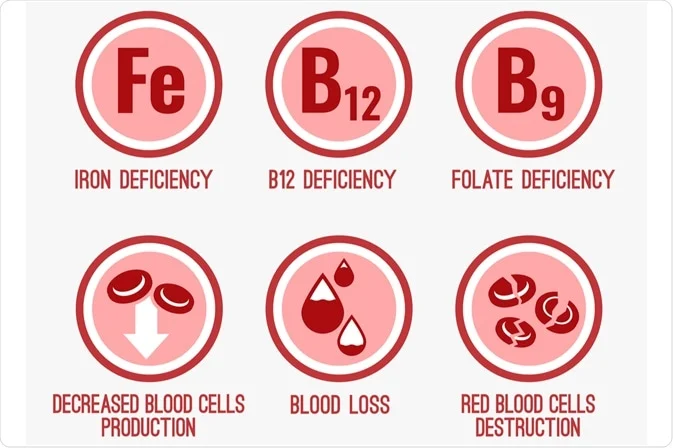
1. Nutritional causes

  • Iron deficiency
  • Vitamin B12 deficiency
  • Folate deficiency
  • Protein-energy malnutrition

2. Blood loss

  • Gastrointestinal bleeding (e.g., anal fissure, Meckel’s diverticulum
  • Birth trauma or internal hemorrhage
  • Iatrogenic blood loss (frequent phlebotomy in NICU)
  • Occult bleeding (cow’s milk protein-induced colitis)

3. Hemolytic causes

  • Hemolytic disease of the newborn (Rh or ABO incompatibility)
  • G6PD deficiency
  • Hereditary spherocytosis
  • Thalassemia
  • Sickle cell disease
  • Infections causing hemolysis (e.g., malaria, sepsis)

4. Bone marrow failure / decreased production

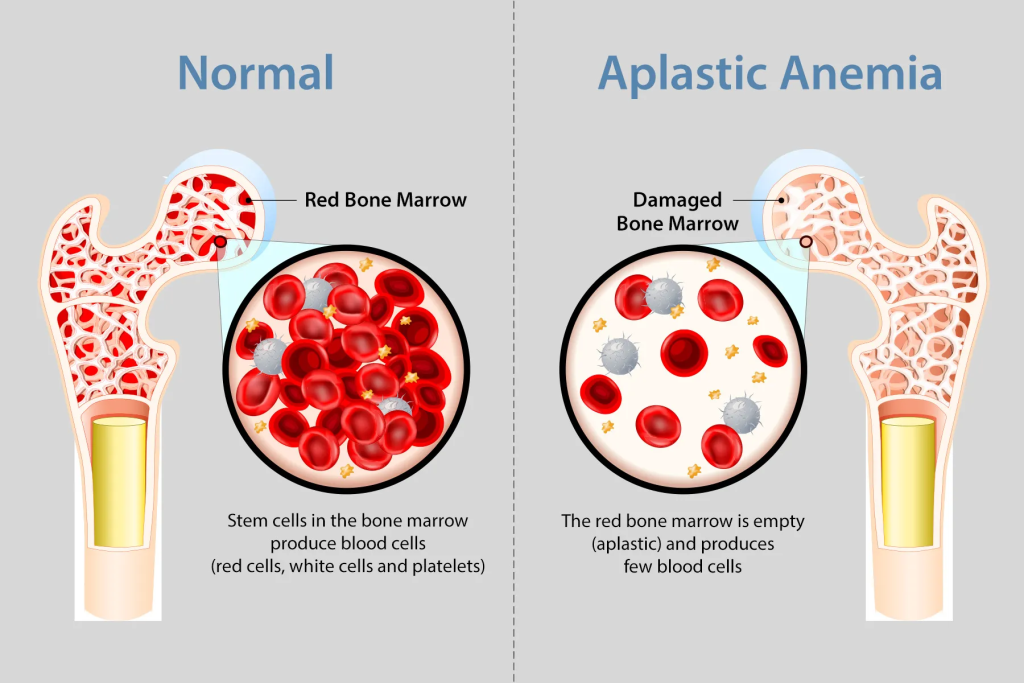
  • Aplastic anemia
  • Congenital pure red cell aplasia (Diamond–Blackfan anemia)
  • Transient erythroblastopenia of childhood
  • Bone marrow infiltration (leukemia, storage diseases)

5. Chronic disease / inflammation

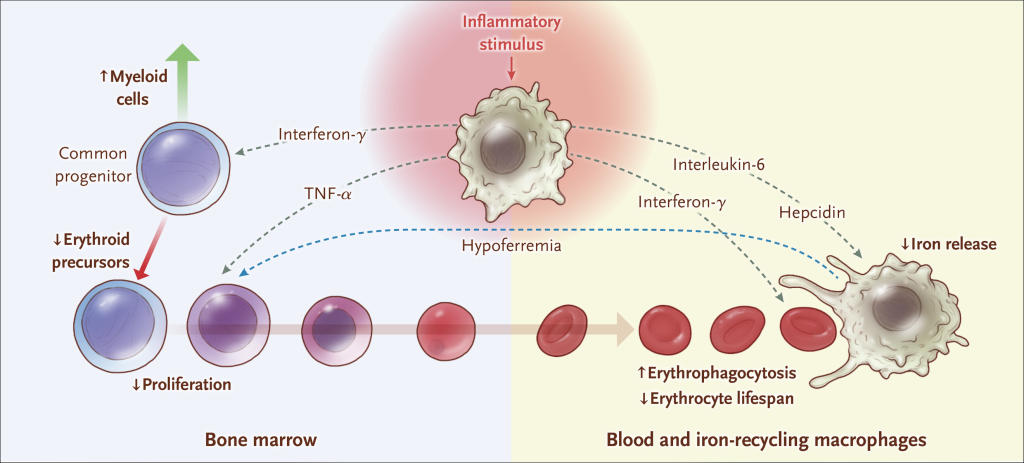
  • Anemia of chronic infection or inflammation
  • Renal failure (↓ erythropoietin)

6. Physiologic / other causes

  • Physiologic anemia of infancy
  • Prematurity (low iron stores, immature erythropoiesis)
  • Hypothyroidism
  • Chronic blood loss from parasites (hookworm in older infants)

How to store breast milk for future use?

1. Purpose

Proper storage of expressed breast milk (EBM) helps preserve its nutritional and immunological properties for later feeding when the mother is away.

2. Containers for Storage

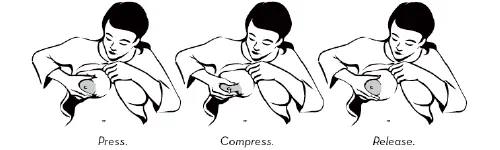
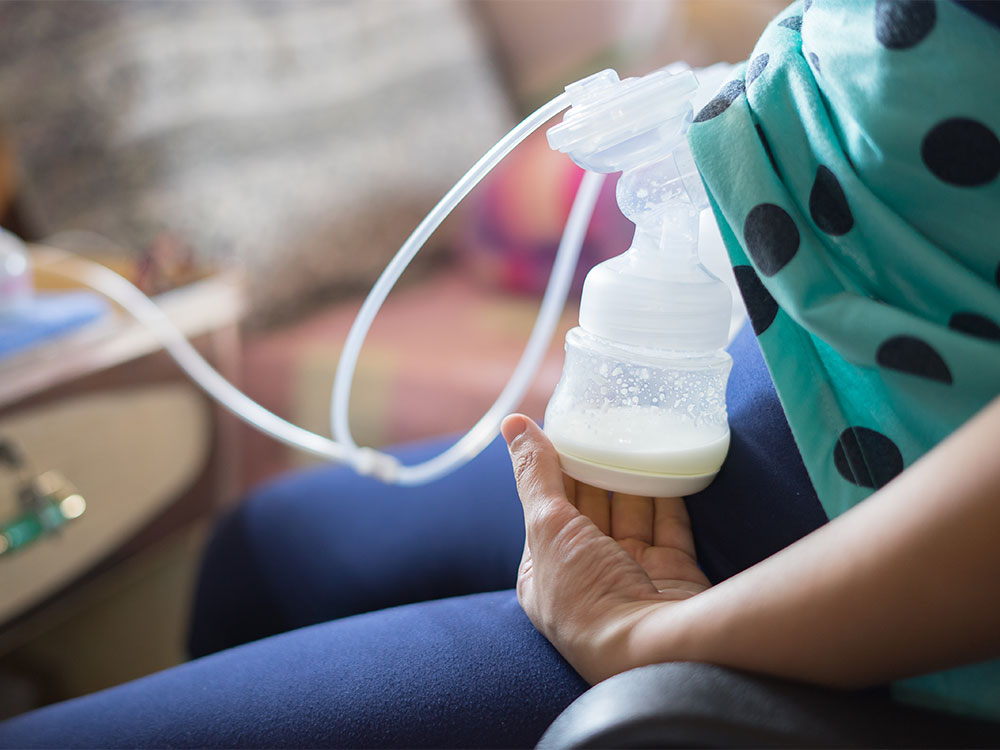
  • Use clean, sterilized glass or BPA-free plastic containers with tight-fitting lids.
  • Breast milk storage bags (food-grade, pre-sterilized) are convenient for freezing.
  • Avoid ordinary plastic bottles or disposable liners.

3. Labeling

  • Each container should be labeled with:
  • Date and time of expression
  • Baby’s name (if used in hospital or daycare)

4. Storage Guidelines

LocationTemperatureDurationRemarks
Room temperatureUp to 25°C (77°F)4–6 hoursKeep in a cool, clean area away from direct sunlight
Refrigerator (back portion)2–4°C (35–40°F)Up to 72 hours (3 days)Do not store in refrigerator door due to temperature fluctuation
Freezer (separate door)–18°C or lowerUp to 3–6 monthsKeep in small portions; leave space for expansion
Deep freezer–20°CUp to 6–12 monthsBest for long-term storage
Insulated cooler box with ice packs~15°CUp to 24 hoursFor temporary transport or travel

5. Thawing and Warming

  • Thaw in refrigerator overnight or by placing the container in warm water (<37°C).
  • Do not microwave or boil — destroys antibodies and nutrients.
  • Swirl gently (do not shake) to mix separated fat layers.
  • Once thawed, use within 24 hours and do not refreeze.

6. Hygiene

  • Wash hands before expressing or handling milk.
  • Use clean pump parts and containers for each session.
  • Avoid touching the inside of lids or bottles.

7. Key Points

  • Always use oldest milk first (“first in, first out”).
  • Discard leftover milk from feeding bottle after use.
  • Observe for odor or curdling — discard if spoiled.

Summary:

Safe breast milk storage requires hygienic handling, correct temperature, and appropriate duration. Properly stored milk retains most of its nutritional, immunological, and protective properties, ensuring safe feeding for infants when direct breastfeeding isn’t possible.

What causes Large and Thick placenta (placentomegaly)?

Placentomegaly — Causes

Table of Contents(toc)

Definition:

Placentomegaly refers to an abnormally thick or enlarged placenta, typically defined as:

  • >4 cm thick at 20 weeks gestation, or

  • >6 cm thick at term.

plaenta normal anterior image

I. Maternal Causes

  1. Diabetes mellitus (especially poorly controlled)

    → due to villous edema and increased fetal size.

  2. Maternal anemia (especially severe)

    → compensatory placental hypertrophy to improve oxygen transfer.

  3. Maternal infection

    • TORCH infections (Toxoplasmosis, Rubella, CMV, Herpes)

    • Syphilis, Malaria, Hepatitis, HIV

  4. Hypertension with superimposed infection or diabetes

  5. Rh isoimmunization (leading to fetal hydrops and placental edema)


II. Fetal Causes

  1. Fetal hydrops (immune or non-immune)

    • Most common fetal cause.

    • Due to excessive fluid accumulation → placental edema.

  2. Chromosomal abnormalities

    • Trisomy 13, 18, 21, Triploidy, Turner syndrome

  3. Fetal anemia (any cause, e.g., parvovirus B19 infection)

  4. Twin-to-twin transfusion syndrome (recipient twin side)

  5. Large-for-gestational-age (LGA) fetus

  • Often secondary to maternal diabetes.

a large placenta

III. Placental / Cord Causes

  1. Chorioangioma (benign vascular tumor of placenta)

  2. Molar pregnancy (partial mole)

  3. Chronic villitis or placentitis

  4. Placental edema due to venous obstruction (cord anomalies)


IV. Other / Miscellaneous Causes

  1. Congenital infections (CMV, syphilis, toxoplasmosis, parvovirus)

  2. Placental transfusion syndromes

  3. Maternal-fetal hemorrhage

  4. High altitude pregnancies (chronic hypoxia)


Mnemonic (for quick recall):

“BIG PLACENTA”

  • B – Beta-thalassemia / fetal anemia

  • I – Infections (TORCH, malaria, syphilis)

  • G – Gestational diabetes

  • P – Parvovirus / Polyhydramnios

  • L – Large baby (LGA)

  • A – Aneuploidy (Trisomy 13/18/21)

  • C – Chorioangioma

  • E – Erythroblastosis fetalis (Rh isoimmunization)

  • N – Nonimmune hydrops

  • T – Twin-to-twin transfusion

  • A – Anemia (maternal or fetal)

Key Takeaways:
  • An enlarged placenta isn’t usually a reason to panic. The word is big (placentomegaly), but most of the time it doesn’t cause problems.
  • Some conditions play a role. A larger placenta may be linked to hypertension, anemia, or diabetes — but your doctor will monitor these and the health of your baby.
  • Your baby’s growth matters most. Even if your placenta measures big, steady fetal development is the important goal, so keep up your regular appointments to be sure everything’s right on track.

Exit mobile version