Medical Officer Loksewa Model Questions 2082

Medical Officer – Lok Sewa Aayog (Public Service Commission)

Position: मेडिकल अधिकृत (Medical Officer)
Grade: Eighth Level
Service: Nepal Health Service – General Health Services Group


Exam Overview

The Eighth Level Open Competitive Examination for the Medical Officer position in the General Health Services Group is conducted in two phases:

  1. First Phase – Written Examination

    • Full Marks: 200

    • Pass Marks: 40% in each paper

    • Language: Nepali, English, or both

    • Papers:

      • Paper I: General Health Services (MCQs) – 100 Marks

      • Paper II: General Health Services (Subjective) – 100 Marks

  2. Second Phase – Group Test & Interview

    • Full Marks: 40 (10 for Group Discussion, 30 for Interview)


First Phase – Written Examination

Paper I: General Health Services (MCQs)

  • Marks: 100

  • Duration: 1 hr 15 min

  • Negative Marking: 20% deduction for each wrong answer; no deduction for unanswered questions

  • No calculators allowed

Paper II: General Health Services (Subjective)

  • Marks: 100

  • Duration: 3 hrs

  • Questions may be a single 10-mark question, multi-part questions, or short notes.

  • Separate answer booklets for each section must be used.


Second Phase – Group Test & Interview

Group Discussion

  • Marks: 10

  • Duration: 30 minutes

  • Format: Leaderless Group Discussion on a given topic

  • Includes turn-by-turn discussion and an individual presentation.

  • Evaluation Committee:

    • PSC Member – Chairperson

    • PSC Member – Member

    • Psychologist – Member

    • Subject Expert – Member

Interview

  • Marks: 30


Vacancy Fulfillment

  • Open Competition: 55% of total posts

  • Reserved Quotas (45%):

    • Women – 33%

    • Indigenous/Janajati – 27%

    • Madhesi – 22%

    • Dalit – 9%

    • Persons with Disabilities – 5%

    • Candidates from Backward Regions – 4%


Eligibility

Education

  • MBBS or equivalent from a recognized institution.

Age Limit

  • Minimum: 21 years

  • Maximum: 45 years (special provision under Health Service Group)

  • No age limit for permanent government employees.


Syllabus Summary

The syllabus covers General Health Services topics across multiple medical disciplines.
Both Paper I (MCQ) and Paper II (Subjective) will use the same syllabus.


Section A – General Medicine (30 Marks)

  • Respiratory Diseases (e.g., Acute Bronchitis, COPD, TB, SARS, Bird Flu)

  • Cardiovascular Diseases (e.g., Rheumatic Fever, IHD, Myocardial Infarction)

  • Gastrointestinal Diseases (e.g., Peptic Ulcer, Cirrhosis, Hepatitis)

  • Blood & Lymphoreticular Disorders (e.g., Anaemia, Leukemia)

  • Neurological Disorders (e.g., Stroke, Epilepsy, Meningitis)

  • Endocrine & Metabolic Disorders (e.g., Diabetes, Thyroid Disorders)

  • Joint & Collagen Disorders (e.g., RA, Osteoarthritis, SLE)

  • Renal Diseases (e.g., UTI, Renal Failure, Kidney Transplant)

  • Tropical Diseases (e.g., Malaria, Cholera, Leprosy)

  • Psychiatry (e.g., Anxiety, Depression, Substance Abuse)

  • Dermatology & STDs

  • Pharmacology (drug actions, poison management, special prescribing)

  • Emergency Medicine (acute care, trauma, shock management)


Section B – Surgery, Ophthalmology, ENT, Dental, Orthopedics, Anesthesiology, Pathology (30 Marks)

  • General Surgery (e.g., Hernia, Burns, Gallstones)

  • Ophthalmology (e.g., Cataract, Glaucoma, Trachoma)

  • ENT (e.g., Otitis Media, Sinusitis, Tonsillitis)

  • Dental (e.g., Caries, Oral Cancer)

  • Orthopedics & Joint Diseases

  • Anesthesiology & Emergency Care

  • Pathology (lab interpretation, disease pathology)


Section C – Obstetrics & Gynecology, Pediatrics (20 Marks)

  • Antenatal, Natal, Postnatal Care

  • Pregnancy Complications (e.g., Eclampsia, Obstructed Labour)

  • Childhood Diseases (e.g., ARI, Measles, Malnutrition)


Section D – Community Medicine & Forensic Medicine (20 Marks)

  • Demography, Sociology, Epidemiology, Health Education

  • Nutrition & Health

  • RH, EPI, IMCI, School Health, Occupational Health

  • Forensic Medicine & Jurisprudence (legal aspects, post-mortem, ethics)

  • Health-related Acts & Policies


Past Question Examples

MCQs:

  1. Quadrant for myringotomy in acute otitis media – D) Posterioinferior

  2. First imaging in acute abdomen – A) Plain X-ray Abdomen

  3. All true about pressure sores except – C) Caused by injury

  4. Ringer lactate contains all except – C) Bicarbonate

  5. Live vaccines are used for – C) Mumps, Measles, Rubella

  6. In HIV infection, transmission can occur via breast milk – C) True

Subjective Samples:

  • Describe full form of HIV and AIDS, and routes of transmission.

  • Management of epistaxis in a primary health care centre.

  • Steps to reduce maternal mortality in Nepal.

Group Discussion Topics (Examples):

  • Energy Crisis

  • Poverty Reduction

  • Health Insurance

  • Food Security

  • Brain Drain

Some Important signs and Names in Medical sciences

Important signs and Names in Medical sciences

Table of Contents (toc)
contrast findings and names

Here are some important signs and names in medical science grouped by domain.

Medical Imaging / Pathology Descriptions

  • Bird beak appearance – tapering of the distal esophagus (achalasia)

  • Ground-glass opacity – hazy lung opacity resembling frosted glass

  • Onion-skin appearance – concentric layering seen in some bone lesions or vessel walls

  • Honeycomb lung – clustered cystic air spaces in lung fibrosis

  • Double bubble sign – two adjacent fluid-filled structures on abdominal imaging (duodenal atresia)

  • Sunburst appearance – radiating spicules from a central lesion (osteosarcoma)

  • Apple core lesion – constricted, irregular narrowing of the colon (colon cancer)

  • Popcorn calcification – coarse, lobulated calcifications (pulmonary hamartoma)

  • Eggshell calcification – thin rim of calcification around lymph nodes

  • String sign – thin stream of contrast through a narrowed bowel segment (Crohn’s disease)


Microscopy / Lab Descriptions

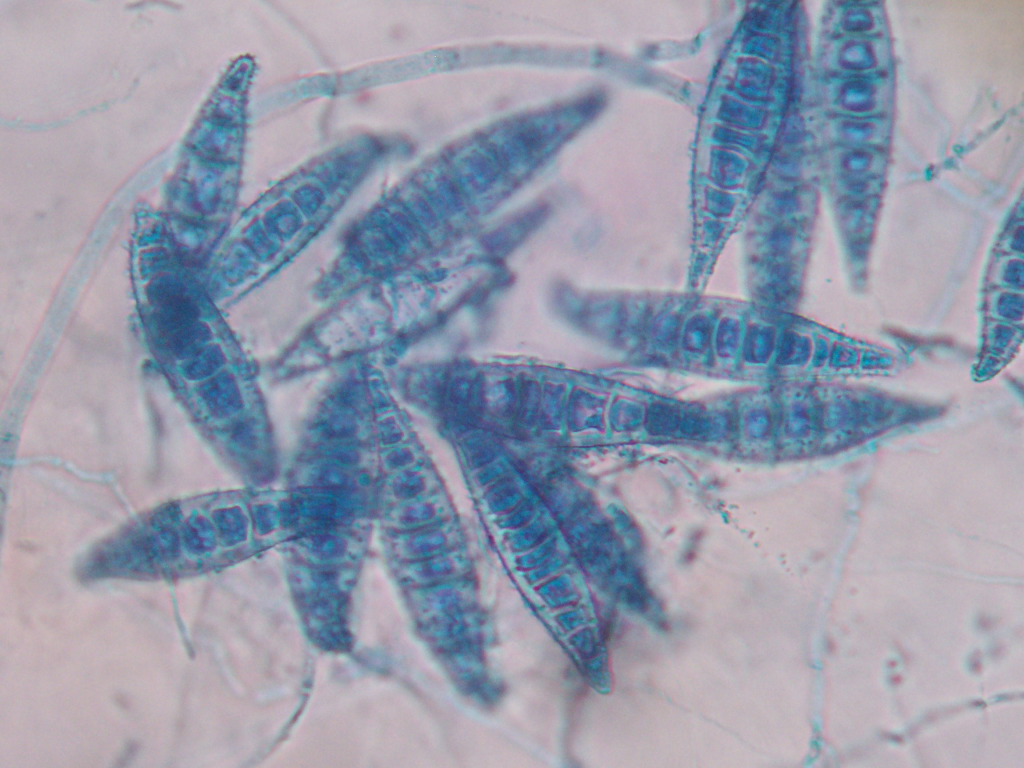
  • Spaghetti and meatballs appearance – Malassezia yeast and hyphae mix on KOH prep

  • Starry-sky appearance – lymph node histology in Burkitt lymphoma

  • Owl’s eye appearance – CMV-infected cells

  • Coffee bean nuclei – groove-like nuclear indentations in ovarian granulosa cells

  • Crushed glass appearance – cytoplasm in certain hepatitis cases


Dermatology / Physical Exam

  • Butterfly rash – malar rash in lupus erythematosus

  • Cobblestone mucosa – mucosal swelling pattern (Crohn’s disease)

  • Strawberry tongue – erythematous tongue with enlarged papillae (scarlet fever, Kawasaki disease)

  • Target lesion – concentric rings as in erythema multiforme

  • Auspitz sign – pinpoint bleeding spots when psoriasis scales are removed

Acne: Basics to know and the treatment of acne 2025

What is acne vulgaris?

Table of Contents(toc)

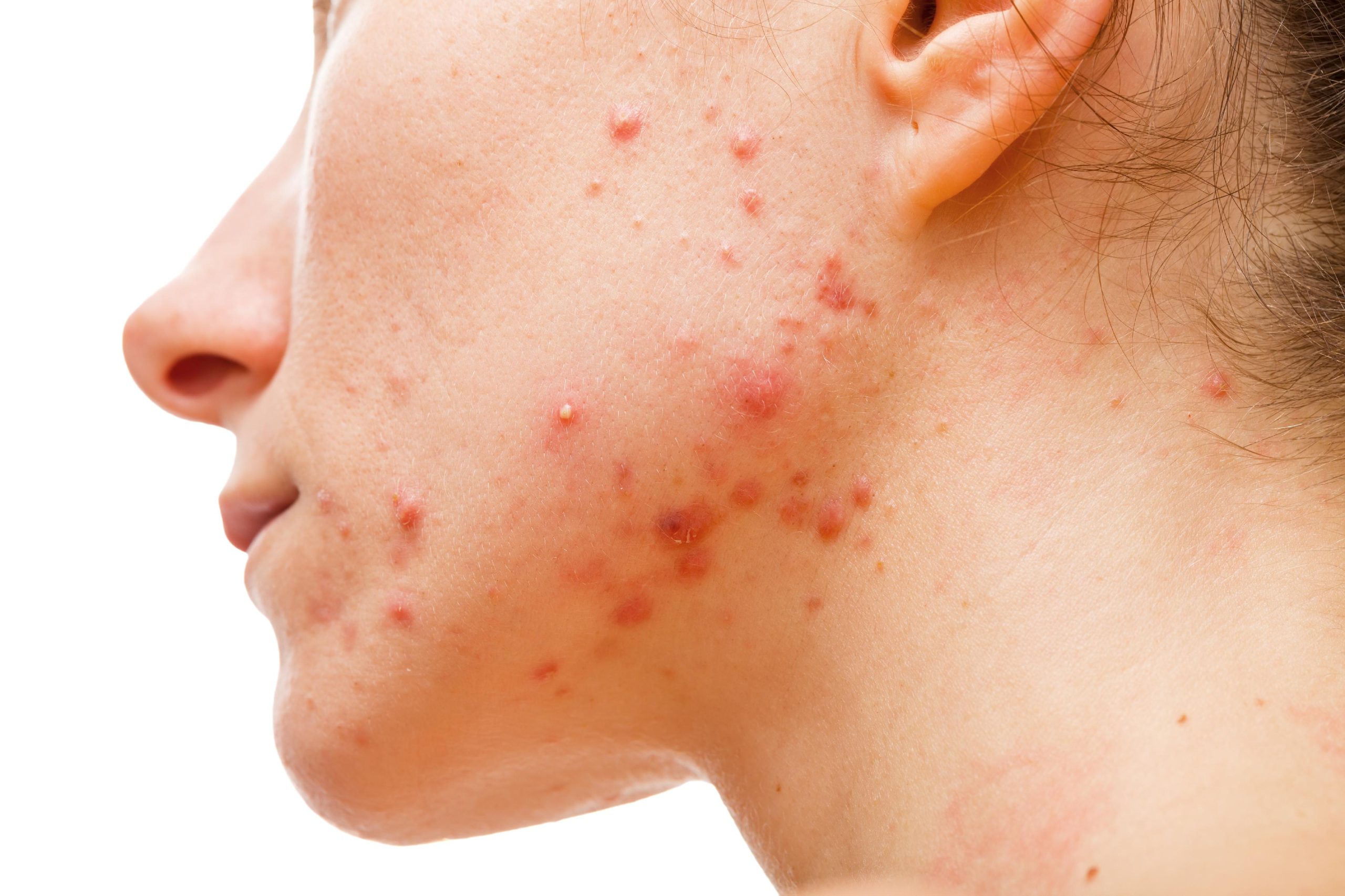
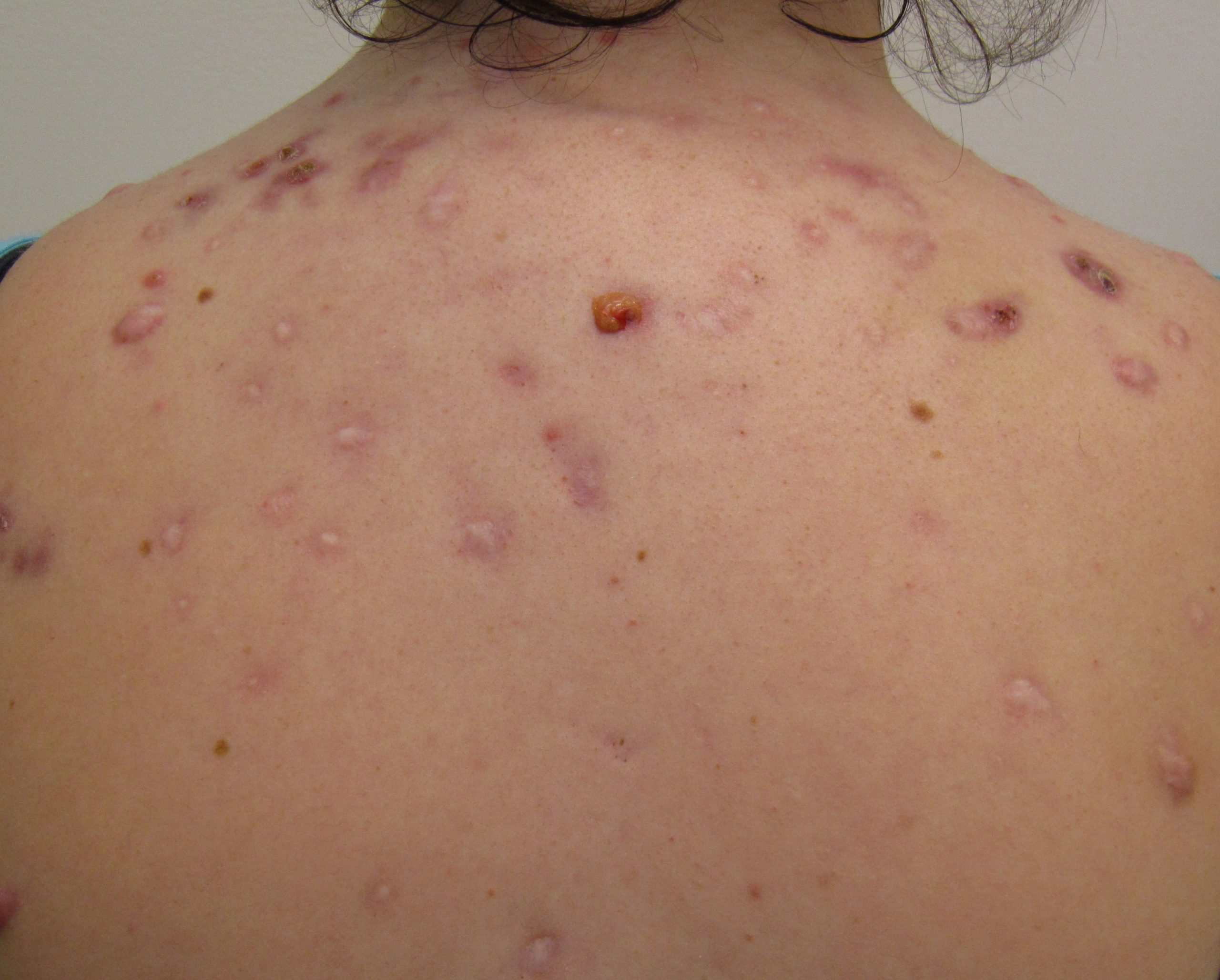
Acne, also known as acne vulgaris is a common skin disease and disorder characterized by muliple lesions in skin. It affects mostly face area but may also affect neck chest and back in severe cases. 

Acne contains both inflammatory or noninflammatory lesions spread around that area. 

Acne mostly affects ‘pilosebaceous units’ you which is the name for ‘hair follicles’. 

Acne affects above mentioned area because these areas contain most of the oil glands. 

How does acne develop?

Acne is developed by following mechanism:

  • Clogging/blocking of opening in pilosebaceous unit
  • Excessive production of sebum (oil)
  • Infection of bacteria named: Cutibacterium acnes (Proprionibacterium acnes)
  • Subsequent formation of lesion or inflammation

Acne mostly affects the teenage and early adulthood population and most of the people get rid of acne by age of 25 or earlier. 

How is acne diagnosed?

After the lesions or acne is seen in the skin the physician carefully examines the skin. 

The common findings in  are:

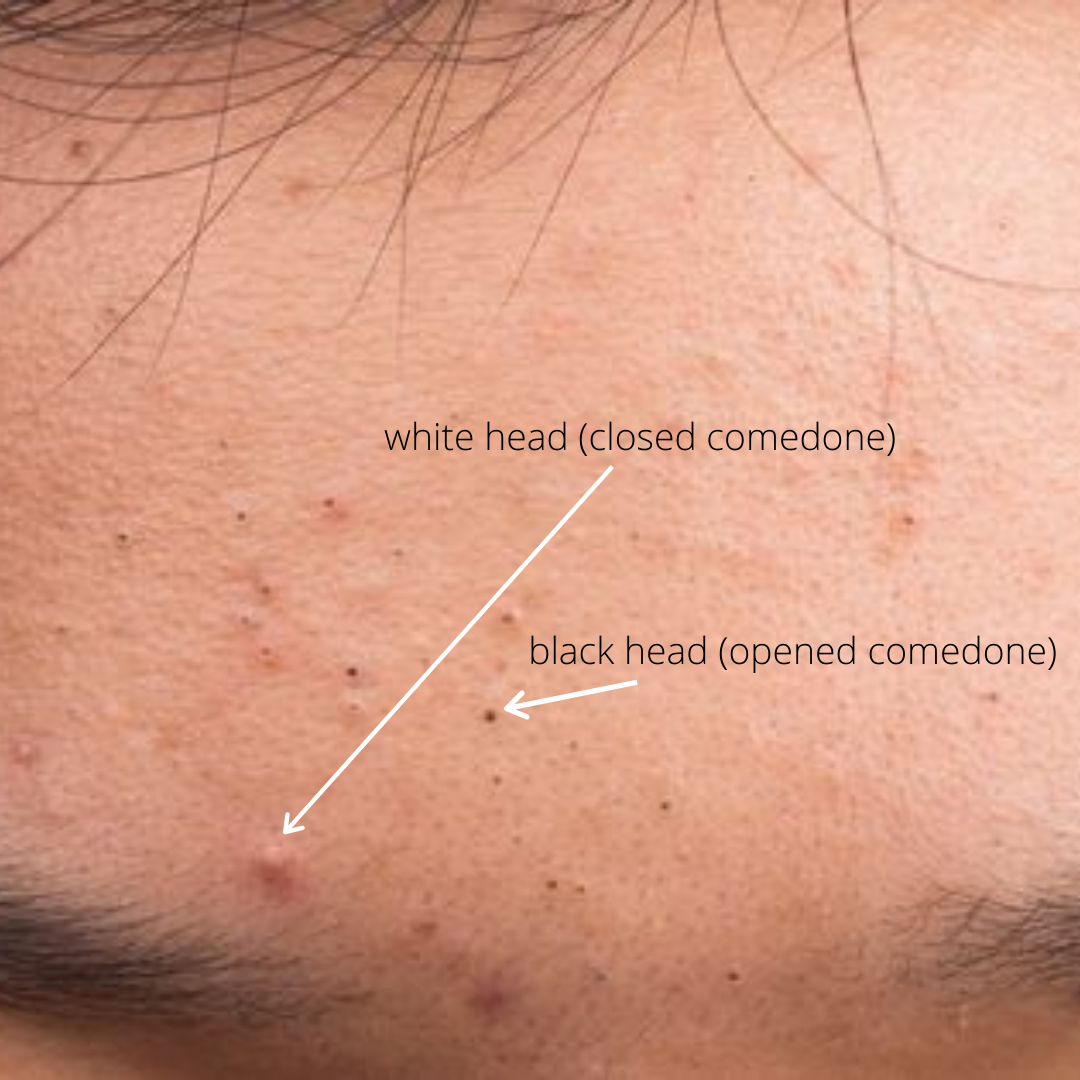
  1. Open comedo (black head)
  2. Close comedo (whitehead)
  3. Papules
  4. Pustules
  5. Nodules
  6. Cyst formation
  7. Abscess formation
  8. Scarring in acne

Symptoms may also include discharge, pain and irritation of the lesions. 

As acne is more common in teenage to early adulthood and invilves face, acne maybe affecting the psychology of the person, independent of how severe the disease is. 

Diagnosis of acne by severity (severity classification)

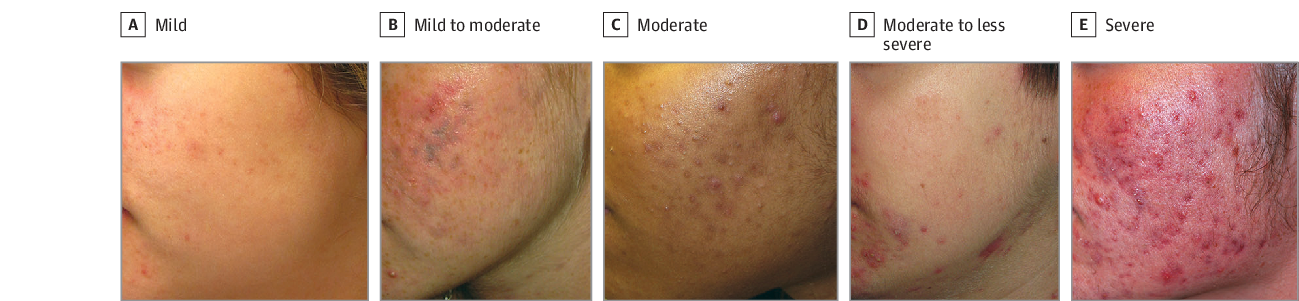
Diagnosis of acne is mostly clinical. Following diagnosis maybe made by the physician depending up on the severity. 

  1. Comedonal acne
  2. Mild acne
  3. Moderate acne
  4. Severe acne/Nodulocystic acne

No lab tests are generally required for acne. In cSe of treatment failure and severe acne ghe doctor may decide to perform necessary investigations and tests. 

Comorbidities with acne:

Comorbidities like PCOS (POLYCYSTIC OVARIAN SYNDROME) and systemic disease like diabetes may need to be ruled out and the doctor may ask symptoms related to these disease and may even order necessary investigarions.

What other conditions can mimic acne?

There are few conditions similar to acne that doctor needs to rule out, includes acne conglobata, folliculitis, acneiform eruptions, etc. 

There a severe form of acne in which the infection of the bacteria causing acne spreads around whole body known as acne fulminans. It may need inpatient admission and treatment. 

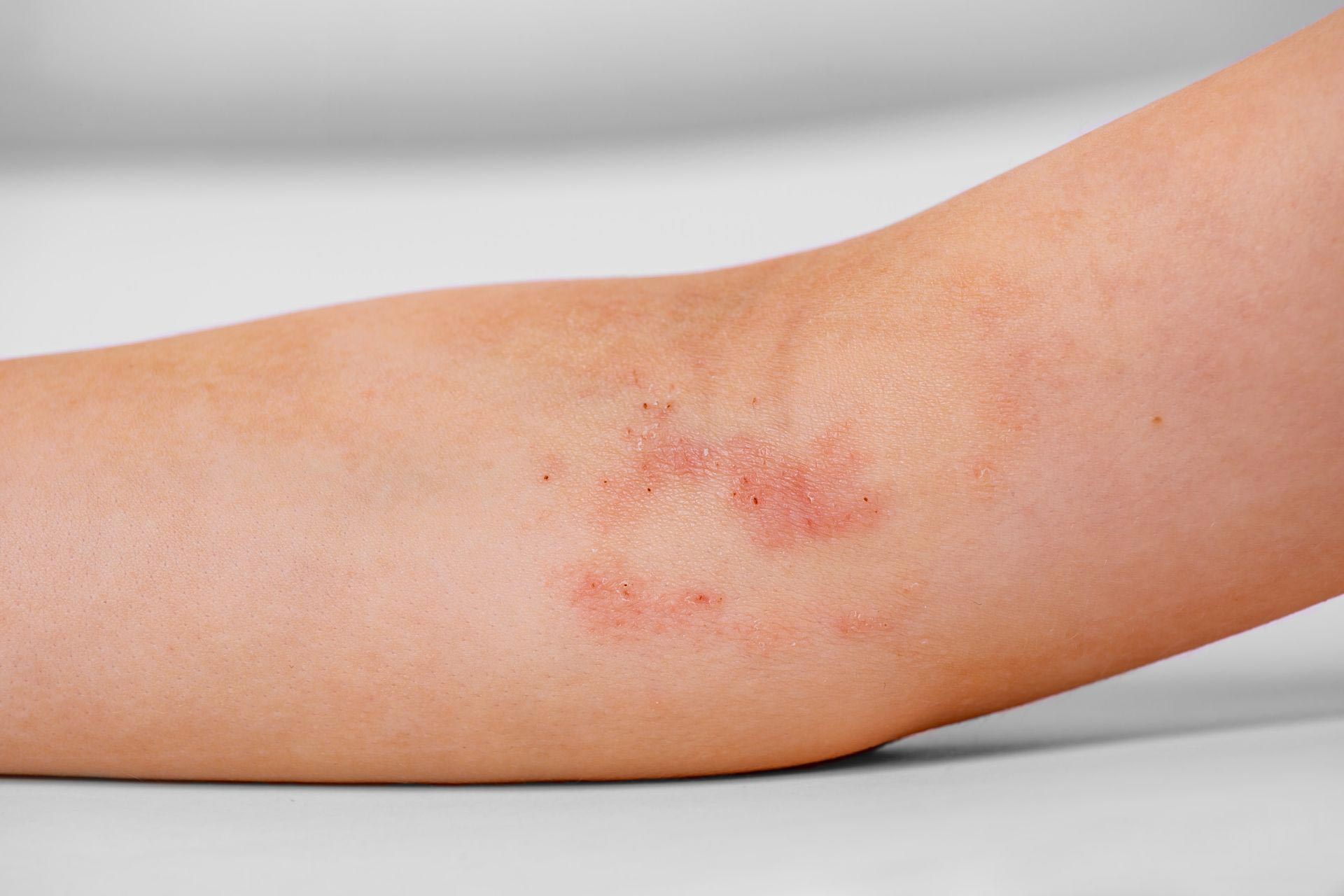
Many other conditions like atopic dermatitis, other skin infections etc may coexis with acne which also should be carefully examined and accounted for cotreatment. 

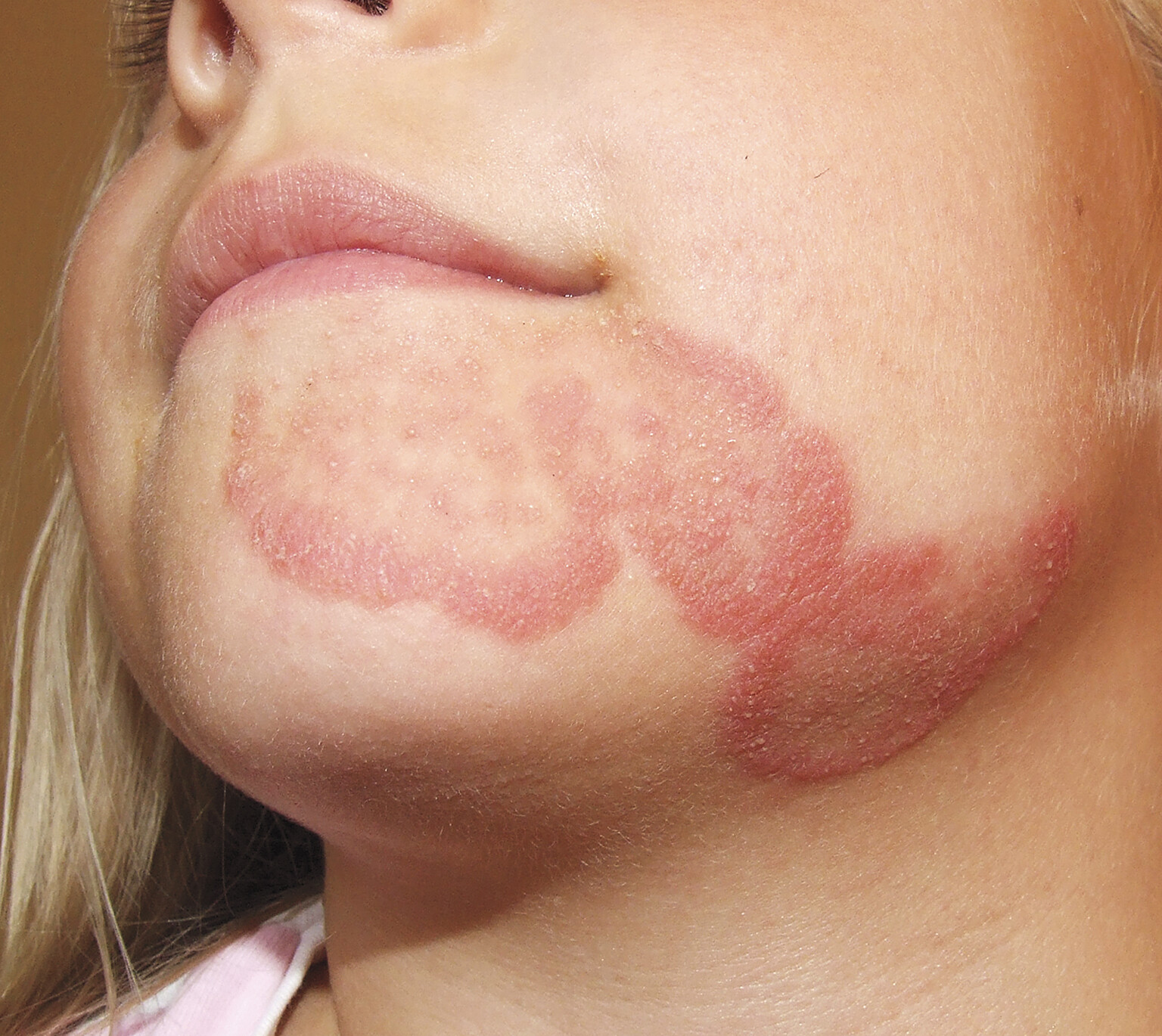
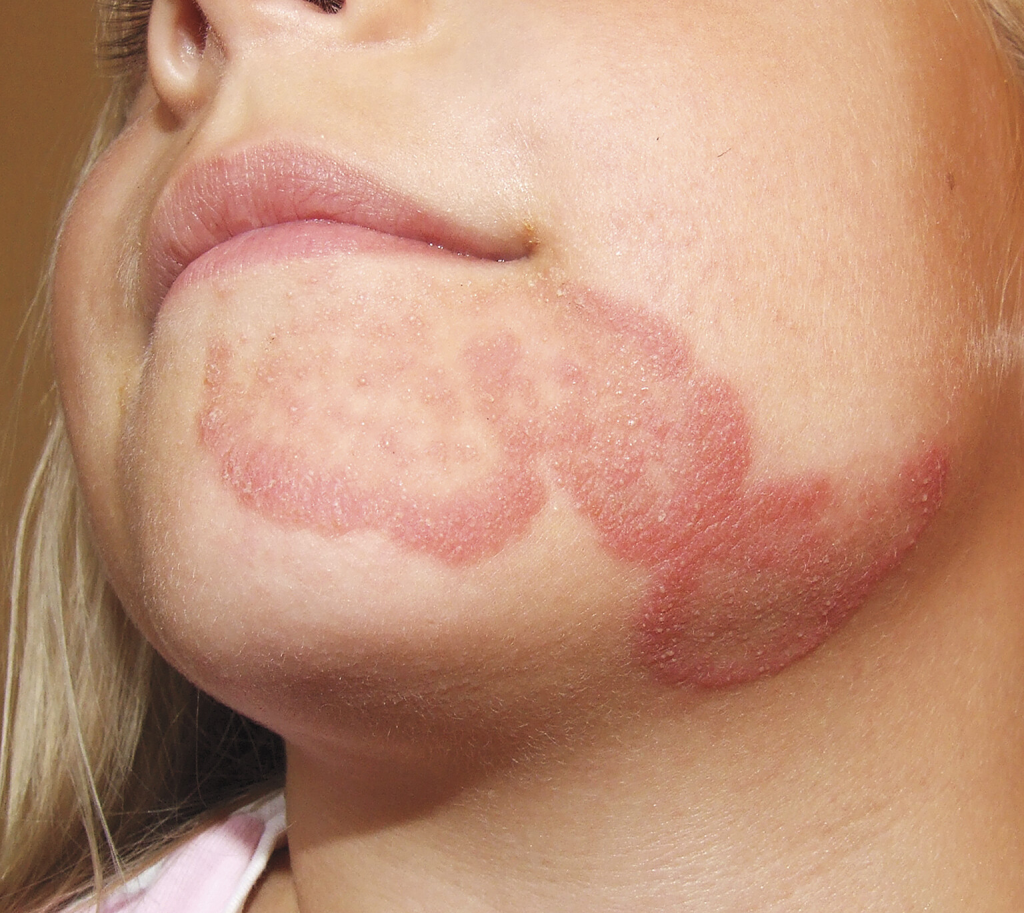
Atopic dermatitis

Treatment of acne: 

Treatment of acne is simple in case of early treatment or less severe cases. 

What is the definitive treatment of acne? 

Now lets talk about treatment of acne. Treatment of acne depends upon severity of the acne. The severity of acne decides which of the available treatment can be directed to particular patient. The medications can be given single or in combination if severe acne is to be treated. 

The drugs that are commonly available and recommend for treatment of acne includes:

  1. Topical retinoids
  2. Topical antibiotics
  3. Systemic (oral ) retinoids
  4. Systemic/oral antibiotics
  5. Topical/systemic/oral steroids

Topical retinoids

They are first line of treatment. These medicines reduce number of comedones, open the pores and then control inflammation. This helps drainage of sebum as well as reduction in bacterial load. 

This also helps with prevention of scarring and reative hyperpigmentation as well. 

Commonly used topical retinoids include adapalene, tazarotene, and tretinoin. 

  • adapalene
  • tazarotene
  • tretinoin. 

These medicines are applied on e daily in well washed dry skin. Side effects of retinoids include skin peeling, irritation, and redness. This should resolve by a week or two. The person using these drugs should be gentle with their skin and can ise non comedogenic moisturizer for prevention of dryness and irritation. 

  • As they make the skin thin one should well protect their skin from sun and stay protected by application of sunscreen or staying inside. 
  • Other measures like protective covering while going outside also help.
  • If the side effects like irritation and peelings is persistent, alternative day dosing can be done.
  • Amount should be minimal with vey thin layer formation in skin and should not be applied to eyes. 

Topical antibiotics:

Topical antibiotics commonly used for acne vulgaris include: clindamycin, erythromycin, minocycline,benzoyl peroxide and dapsone.

  • clindamycin
  • Erythromycin
  • minocycline
  • benzoyl peroxide
  • dapsone

These drugs have antibacterial as well as anti-inflammatory effect on skin.

This antibiotics should  never be used alone but are used in combination with topical retinoids. This is done to prevent the antimicrobial resistance.

Other topical medicine include antiandrogen drug like clascoterone. It is a topical androgen receptor inhibitor and hence it reduces action of androgen in skin.

Systemic antibiotics:

Oral antibiotics commonly prescribed for acne include Doxycycline, minocycline, tetracycline, sarecycline.  Previously erythromycin also used to be prescribed but it is less prescribed now due to resistance. Occasionally oral clindamycin, azithromycin and sulfamethoxazole is also used. 

Hormonal therapy:

Antiandrogen agents like spironolactone can be useful for controlling acne. Similarly, estrogen helps in reducing production of sebum helping with treatment of acne. 

Oral isotetrinoin:

It is a systemic retinoid which is highly effective in treatment of moderate to severe acne vulgaris. It has anti inflammatory, and antibiotic role . 

For dose of isotetrinoin refer here.

Warning: Isotetrinoin is teratogenic. It may cause birth defects. Hence, pregnancy should be strictly avoided during isotetrinoin treatment. 

Following investigation are mandatory before starting isotetrinoin then repeated monthly.

Note: Pateints may have abnormal health and wound physiology upto one year from isotetrinoin discontinuation. Some patients may be prescribed with steroids while starting isotetrinoin . 

Surgical management of acne:

Some cases like large inflammatory, cystic and nodular acne may get benefits from injection of steroids in acne site. (intralesional steroids). Some benefits maybe from laser and lught therapy. While surgical extraction, and incision and drainage may also be useful.

Some medications not mentioned above include: Azelaic acid, tazarotene, trifarotene, daptomycin, glycolic acid and salicyalic acid.

Superficial peels that use glycolic or salicylic acid can be used for some cases for treatment of acne. 

What are the treatment of acne in Nepal?

Multiple medications, which includes all of the above are available in Nepa for treatment of acne. 
Acnecare  and some other medicines are common. These drugs are commonly called acne face creams and are available in cosmetic shops over the counter OTC. Many such cosmetic products are sold under names acne soap for face, acne face wash, adapelene gel, clean and clear face wash etc. There are best dermatologists in nepal which can easily handle your condition and get you rid of acne and ppimples to give you gowing white skin.

Thank you very much. If you have acne related questions you can ask us in chat box below. If you have feedbacks you can provide us directly. And if you need treatment, contact your doctor or book an appointment below. 

DERMATOLOGY MCQ are here

Answers to above dermatology MCQs

Information in this website is not substitute for professional medical advice and if any harm done by trying information form here is full liability of that person. This information should be taken for educational purposes only. 

High yeild dermatology notes

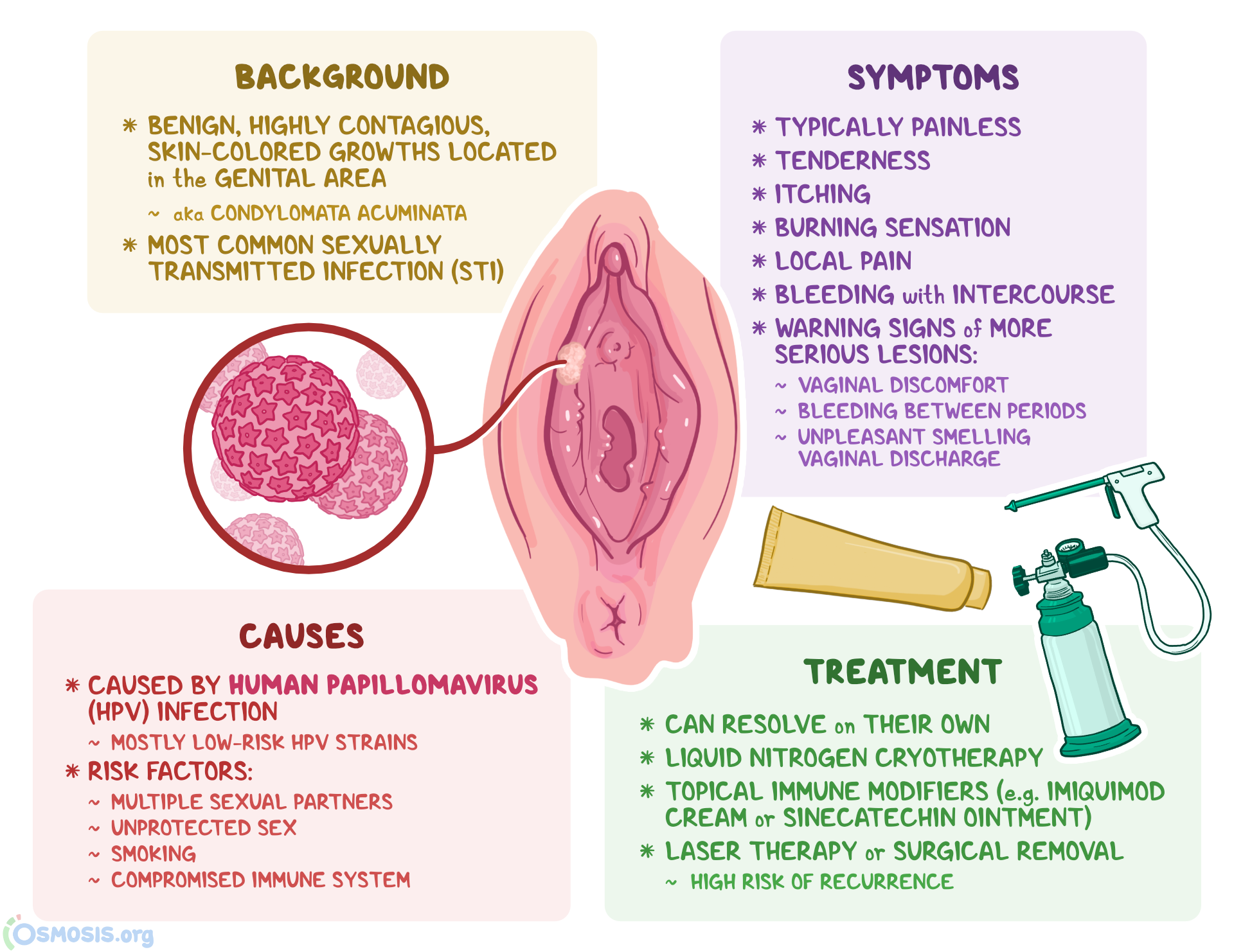
Condyloma Acuminatum (Genital Warts)

Caused by Human Papillomavirus (HPV).
Exophytic, cauliflower-like lesions.
Typically found on moist surfaces: perianal area, vaginal introitus, vagina,
labia, and vulva.
Can also occur on dry surfaces like the shaft of the penis.
Condyloma lata: Flat papules of secondary syphilis, painless ulcers.
Chancroid: Caused by Haemophilus ducreyi, characterized by painful ulcers.

Curable Non-Ulcerative STDs

Gonorrhea
Chlamydia
Trichomoniasis

Vaginitis

Most common cause: Candida.
Second most common cause: Trichomonas vaginalis.
Vulvar Intraepithelial Disease/Pre-malignant Lesion
Paget’s Disease.
Most common lesion of the vulva: Condyloma acuminata (Genital warts).

Bartholin Cyst

Results from obstruction of the Bartholin duct.
Soft, painless mass.
Most commonly infected by Gonorrhea, less commonly by Staphylococcus aureus.
Infected cyst is called Bartholin abscess, which is painful.

Bacterial Vaginosis vs. Trichomonas Vaginalis

Bacterial Vaginosis

Clue cells and fishy smell, painless.
Thin, grayish-white discharge, often fishy-smelling after sexual intercourse.
Amsel’s Criteria (requires at least 3 out of 4):
Thin, homogeneous discharge coating the vaginal walls.
Clue cells on microscopy (vaginal epithelial cells covered with bacteria).
Vaginal pH > 4.5.
Positive “whiff test” (fishy odor when 10% KOH is added).
Nugent scoring (Gram stain-based scoring system) for a definitive diagnosis.
Can cause early miscarriage and pre-term birth (most common cause).

Trichomonas Vaginalis

Microscopic examination: Wet mount reveals motile T. vaginalis (pear-shaped
with flagella).
NAAT (Nucleic Acid Amplification Test) for high sensitivity and specificity.
Per speculum: Erythematous plaques, punctate “strawberry cervix.”
Normal pH.
Symptoms: Pain during intercourse, burning sensation, itching.
Offensive, foul-smelling, green/gray/pink frothy, yellow vaginal discharge.
Treat with Metronidazole for both partners.
Can cause pregnancy complications, including low birth weight and premature
rupture of membranes.
Comparison of Bacterial Vaginosis and Trichomonas Vaginalis
Feature Bacterial Vaginosis Trichomonas Vaginalis
Cause Overgrowth of anaerobic bacteria Trichomonas vaginalis (protozoan parasite)
Discharge Characteristics Thin, grayish-white, homogeneous, fishy odor Green, gray, pink frothy, yellow discharge
Pain/Itching Painless Painful intercourse, burning sensation, itching
Microscopic Findings Clue cells (vaginal epithelial cells covered with bacteria) Motile pear-shaped organisms with flagella
pH > 4.5 Normal pH
Diagnostic Test Amsel’s criteria, Nugent scoring (Gram stain) NAAT (Nucleic Acid Amplification Test), Wet mount microscopy
Treatment Metronidazole or Clindamycin Metronidazole (both partners)
Impact on Pregnancy Can cause early miscarriage and pre-term birth Low birth weight, premature rupture of membranes

NMCLE Past multiple-choice questions (MCQs) for the Nepal Medical Council Licensing Examination (NMCLE)

Nepal Medical Council Licensing Examination (NMCLE) PQA

Table of Contents(toc)


Here’s a collection of Nepal Medical Council Licensing Examination (NMCLE) practice MCQs covering key subjects like Medicine, Surgery, Pediatrics, Gynecology & Obstetrics, and Community Medicine. Each question includes the correct answer and an explanation.

Medicine

1. A 45-year-old male with chronic alcoholism presents with confusion, ataxia, and ophthalmoplegia. What is the most likely diagnosis?

A) Wernicke’s encephalopathy
B) Hepatic encephalopathy
C) Korsakoff syndrome
D) Alcohol withdrawal delirium
Answer: A) Wernicke’s encephalopathy
Explanation: Wernicke’s encephalopathy is caused by thiamine (vitamin B1) deficiency and is characterized by the classic triad of confusion, ataxia, and ophthalmoplegia.

2. Which of the following is the most common cause of community-acquired pneumonia?

A) Klebsiella pneumoniae
B) Streptococcus pneumoniae
C) Mycoplasma pneumoniae
D) Haemophilus influenzae
Answer: B) Streptococcus pneumoniae
Explanation: S. pneumoniae is the most common bacterial cause of community-acquired pneumonia, presenting with fever, cough, pleuritic chest pain, and lobar consolidation on chest X-ray.

Surgery

3. A patient presents with sudden, severe epigastric pain radiating to the back. Serum lipase is elevated. What is the likely diagnosis?

A) Peptic ulcer disease
B) Acute pancreatitis
C) Acute cholecystitis
D) Perforated duodenal ulcer
Answer: B) Acute pancreatitis
Explanation: Acute pancreatitis presents with epigastric pain radiating to the back and elevated serum lipase/amylase. Common causes include gallstones and alcohol consumption.

4. A 65-year-old male presents with painless hematuria. What is the most likely diagnosis?

A) Bladder cancer
B) Urinary tract infection
C) Benign prostatic hyperplasia
D) Nephrolithiasis
Answer: A) Bladder cancer
Explanation: Painless hematuria is the most common presenting symptom of bladder cancer, especially in older patients with a history of smoking.

Pediatrics

5. A newborn presents with persistent vomiting, dehydration, and hyperkalemia. Which condition should be suspected?

A) Pyloric stenosis
B) Congenital adrenal hyperplasia
C) Hirschsprung disease
D) Intussusception
Answer: B) Congenital adrenal hyperplasia
Explanation: 21-hydroxylase deficiency in congenital adrenal hyperplasia leads to salt-wasting, dehydration, hyperkalemia, and hypotension due to aldosterone deficiency.

6. A 5-year-old child presents with fever, conjunctivitis, rash, and cervical lymphadenopathy. What is the most likely diagnosis?

A) Scarlet fever
B) Measles
C) Kawasaki disease
D) Rubella
Answer: C) Kawasaki disease
Explanation: Kawasaki disease is an acute vasculitis in children characterized by fever, conjunctivitis, rash, cervical lymphadenopathy, and risk of coronary aneurysms.

Gynecology & Obstetrics

7. A 32-year-old pregnant woman presents with painless vaginal bleeding in her third trimester. What is the most likely diagnosis?

A) Placenta previa
B) Placental abruption
C) Uterine rupture
D) Vasa previa
Answer: A) Placenta previa
Explanation: Placenta previa presents with painless vaginal bleeding in the third trimester due to implantation of the placenta over the cervical os.

8. Which of the following is the best method to confirm ovulation?

A) Basal body temperature charting
B) Serum progesterone on day 21
C) Urinary LH surge detection
D) Endometrial biopsy
Answer: B) Serum progesterone on day 21
Explanation: A mid-luteal phase serum progesterone level above 3 ng/mL confirms ovulation.

Community Medicine

9. The best indicator of overall health status of a community is:

A) Crude birth rate
B) Infant mortality rate
C) Life expectancy
D) Maternal mortality rate
Answer: B) Infant mortality rate
Explanation: Infant mortality rate (IMR) reflects the overall health and healthcare quality of a community as it is affected by nutrition, sanitation, and maternal health.

10. Which of the following vaccines is a live attenuated vaccine?

A) Hepatitis B
B) DPT
C) OPV (Oral Polio Vaccine)
D) Tetanus toxoid
Answer: C) OPV (Oral Polio Vaccine)
Explanation: OPV contains live attenuated poliovirus strains, which provide mucosal immunity.

Medicine

11. A 60-year-old male with a history of smoking presents with hemoptysis, weight loss, and a mass in the right upper lung. What is the most likely diagnosis?

A) Tuberculosis
B) Bronchiectasis
C) Lung cancer
D) Pulmonary embolism
Answer: C) Lung cancer
Explanation: A lung mass, weight loss, and hemoptysis in a chronic smoker are highly suggestive of lung cancer, particularly squamous cell carcinoma.

12. A patient with chronic liver disease presents with altered sensorium and asterixis. Which of the following should be given first?

A) Lactulose
B) Rifaximin
C) Intravenous fluids
D) Vitamin K
Answer: A) Lactulose
Explanation: Lactulose reduces ammonia absorption in hepatic encephalopathy, improving mental status.

Surgery

13. Which of the following is the most common site of colorectal cancer?

A) Ascending colon
B) Transverse colon
C) Sigmoid colon
D) Cecum
Answer: C) Sigmoid colon
Explanation: The sigmoid colon is the most common site for colorectal cancer, often presenting with a change in bowel habits and occult blood loss.

14. A patient presents with acute right lower quadrant pain, fever, and tenderness at McBurney’s point. What is the best initial step in management?

A) IV antibiotics and observation
B) Abdominal ultrasound
C) CT abdomen
D) Immediate laparotomy
Answer: C) CT abdomen
Explanation: CT abdomen is the most sensitive imaging test for appendicitis. If confirmed, appendectomy is the definitive treatment.

Pediatrics

15. A neonate presents with delayed passage of meconium for more than 48 hours. What is the most likely cause?

A) Cystic fibrosis
B) Hirschsprung disease
C) Meconium ileus
D) Neonatal sepsis
Answer: B) Hirschsprung disease
Explanation: Hirschsprung disease results from the absence of ganglion cells in the distal colon, leading to functional obstruction.

16. A child presents with a “barking” cough, inspiratory stridor, and hoarseness. What is the most likely diagnosis?

A) Epiglottitis
B) Croup (Laryngotracheobronchitis)
C) Foreign body aspiration
D) Bronchiolitis
Answer: B) Croup (Laryngotracheobronchitis)
Explanation: Croup is caused by parainfluenza virus and presents with a barking cough, inspiratory stridor, and hoarseness due to subglottic airway inflammation.

Gynecology & Obstetrics

17. A woman at 34 weeks of gestation presents with severe hypertension (160/110 mmHg) and proteinuria. What is the best next step?

A) Oral antihypertensives
B) Magnesium sulfate
C) Delivery of the fetus
D) Bed rest and observation
Answer: C) Delivery of the fetus
Explanation: Severe preeclampsia at 34 weeks requires immediate delivery to prevent maternal and fetal complications.

18. The best method for emergency contraception within 72 hours of unprotected intercourse is:

A) Copper intrauterine device (IUD)
B) Levonorgestrel pill
C) Ulipristal acetate
D) Mifepristone
Answer: B) Levonorgestrel pill
Explanation: Levonorgestrel (Plan B) is the most commonly used emergency contraceptive within 72 hours of unprotected sex.

Community Medicine

19. Herd immunity is least effective for which of the following diseases?

A) Measles
B) Polio
C) Tetanus
D) Influenza
Answer: C) Tetanus
Explanation: Tetanus is caused by Clostridium tetani spores in the environment, making herd immunity ineffective as it is not transmitted from person to person.

20. The most reliable indicator of malnutrition in children under five years is:

A) Weight-for-age
B) Height-for-age
C) Mid-upper arm circumference
D) Weight-for-height
Answer: D) Weight-for-height
Explanation: Weight-for-height best reflects acute malnutrition and is used in WHO guidelines for assessing wasting in children.

Pharmacology

21. Which of the following drugs is a beta-lactamase inhibitor?

A) Amoxicillin
B) Ceftriaxone
C) Clavulanic acid
D) Vancomycin
Answer: C) Clavulanic acid
Explanation: Clavulanic acid is a beta-lactamase inhibitor that protects beta-lactam antibiotics (e.g., amoxicillin) from enzymatic degradation.

22. The antidote for organophosphate poisoning is:

A) Atropine and pralidoxime
B) Naloxone
C) Flumazenil
D) Vitamin K
Answer: A) Atropine and pralidoxime
Explanation: Organophosphates inhibit acetylcholinesterase, leading to cholinergic toxicity. Atropine blocks muscarinic effects, while pralidoxime reactivates acetylcholinesterase.

Pathology

23. Which of the following findings is characteristic of iron deficiency anemia?

A) Hypersegmented neutrophils
B) Target cells
C) Microcytic hypochromic RBCs
D) Schistocytes
Answer: C) Microcytic hypochromic RBCs
Explanation: Iron deficiency anemia presents with microcytic, hypochromic red blood cells due to impaired hemoglobin synthesis.

24. Reed-Sternberg cells are characteristic of:

A) Non-Hodgkin’s lymphoma
B) Hodgkin’s lymphoma
C) Multiple myeloma
D) Burkitt’s lymphoma
Answer: B) Hodgkin’s lymphoma
Explanation: Hodgkin’s lymphoma is diagnosed by the presence of Reed-Sternberg cells on lymph node biopsy.

Microbiology

25. Which of the following bacteria is a common cause of nosocomial pneumonia?

A) Streptococcus pneumoniae
B) Pseudomonas aeruginosa
C) Mycoplasma pneumoniae
D) Legionella pneumophila
Answer: B) Pseudomonas aeruginosa
Explanation: Pseudomonas aeruginosa is a common cause of hospital-acquired pneumonia, especially in ventilated patients.

26. The causative agent of gas gangrene is:

A) Clostridium perfringens
B) Staphylococcus aureus
C) Streptococcus pyogenes
D) Bacillus anthracis
Answer: A) Clostridium perfringens
Explanation: Clostridium perfringens produces alpha toxin, causing gas gangrene with crepitus in tissues due to gas production.

Medicine

27. Which of the following is the first-line treatment for hypertensive emergency?

A) Labetalol
B) Nifedipine
C) Clonidine
D) Enalapril
Answer: A) Labetalol
Explanation: Labetalol is a first-line IV antihypertensive for hypertensive emergency due to its combined alpha and beta-blocking effects.

28. A patient with long-standing diabetes presents with nephrotic-range proteinuria. What is the most likely cause?

A) Focal segmental glomerulosclerosis
B) Membranous nephropathy
C) Diabetic nephropathy
D) IgA nephropathy
Answer: C) Diabetic nephropathy
Explanation: Diabetic nephropathy is the leading cause of nephrotic syndrome in adults, with characteristic nodular glomerulosclerosis (Kimmelstiel-Wilson nodules).

Surgery

29. A 25-year-old man presents with severe testicular pain, absent cremasteric reflex, and high-riding testis. What is the most likely diagnosis?

A) Epididymitis
B) Testicular torsion
C) Hydrocele
D) Varicocele
Answer: B) Testicular torsion
Explanation: Testicular torsion is a urological emergency requiring immediate surgical detorsion to prevent ischemic necrosis.

30. A trauma patient presents with distended neck veins, hypotension, and muffled heart sounds. What is the most likely diagnosis?

A) Tension pneumothorax
B) Cardiac tamponade
C) Hemothorax
D) Aortic dissection
Answer: B) Cardiac tamponade
Explanation: Beck’s triad (hypotension, muffled heart sounds, and distended neck veins) is characteristic of cardiac tamponade.

Pediatrics

31. The most common cause of neonatal sepsis in Nepal is:

A) Group B Streptococcus
B) Escherichia coli
C) Staphylococcus aureus
D) Klebsiella pneumoniae
Answer: D) Klebsiella pneumoniae
Explanation: In South Asian settings, Klebsiella is a leading cause of neonatal sepsis, often linked to hospital-acquired infections.

32. A child presents with wheezing, nasal polyps, and recurrent sinus infections. Which genetic disorder should be suspected?

A) Cystic fibrosis
B) Kartagener syndrome
C) Asthma
D) Bronchopulmonary dysplasia
Answer: A) Cystic fibrosis
Explanation: Cystic fibrosis presents with respiratory symptoms, nasal polyps, and pancreatic insufficiency due to CFTR gene mutation.

Gynecology & Obstetrics

33. The most common cause of postpartum hemorrhage is:

A) Uterine atony
B) Retained placenta
C) Genital tract trauma
D) Coagulopathy
Answer: A) Uterine atony
Explanation: Uterine atony is the most frequent cause of postpartum hemorrhage, treated with uterotonic agents like oxytocin.

34. A 26-year-old woman with primary infertility is found to have bilateral enlarged ovaries with multiple cysts. Which is the most likely diagnosis?

A) Polycystic ovary syndrome (PCOS)
B) Endometriosis
C) Premature ovarian failure
D) Ovarian cancer
Answer: A) Polycystic ovary syndrome (PCOS)
Explanation: PCOS presents with oligomenorrhea, infertility, hirsutism, and polycystic ovaries on ultrasound.

Community Medicine

35. The most effective method of tuberculosis control in a community is:

A) Mass BCG vaccination
B) DOTS therapy
C) Isolation of TB patients
D) Regular screening of the population
Answer: B) DOTS therapy
Explanation: Directly Observed Treatment, Short-course (DOTS) ensures compliance and reduces TB transmission.

36. The primary vector for dengue fever is:

A) Anopheles mosquito
B) Culex mosquito
C) Aedes mosquito
D) Phlebotomus sandfly
Answer: C) Aedes mosquito
Explanation: Aedes aegypti transmits dengue virus and breeds in stagnant water.

Pharmacology

37. Which of the following drugs causes ototoxicity?

A) Ciprofloxacin
B) Amikacin
C) Doxycycline
D) Rifampicin
Answer: B) Amikacin
Explanation: Aminoglycosides (e.g., amikacin, gentamicin) can cause ototoxicity and nephrotoxicity.

38. Which medication is contraindicated in pregnancy?

A) Metformin
B) Methotrexate
C) Labetalol
D) Nifedipine
Answer: B) Methotrexate
Explanation: Methotrexate is teratogenic and contraindicated in pregnancy due to its antifolate effects.

Pathology

39. Which marker is most specific for myocardial infarction?

A) CK-MB
B) Troponin I
C) Myoglobin
D) LDH
Answer: B) Troponin I
Explanation: Troponin I is highly specific and remains elevated for up to 7–10 days after myocardial infarction.

40. Which of the following conditions is associated with Bence Jones proteins?

A) Multiple myeloma
B) Hodgkin’s lymphoma
C) Chronic lymphocytic leukemia
D) Waldenström macroglobulinemia
Answer: A) Multiple myeloma
Explanation: Bence Jones proteins (light chains) are found in the urine of multiple myeloma patients.

Microbiology

41. The most common cause of bacterial meningitis in adults is:

A) Neisseria meningitidis
B) Streptococcus pneumoniae
C) Haemophilus influenzae
D) Listeria monocytogenes
Answer: B) Streptococcus pneumoniae
Explanation: S. pneumoniae is the leading cause of bacterial meningitis in adults and the elderly.

42. Which of the following causes gas gangrene?

A) Clostridium perfringens
B) Staphylococcus aureus
C) Streptococcus pyogenes
D) Bacillus anthracis
Answer: A) Clostridium perfringens
Explanation: Clostridium perfringens produces alpha toxin, leading to gas gangrene with tissue necrosis.

Miscellaneous Clinical Scenarios

43. A patient presents with burning pain in the epigastric region, which improves with meals. What is the most likely diagnosis?

A) Duodenal ulcer
B) Gastric ulcer
C) GERD
D) Zollinger-Ellison syndrome
Answer: A) Duodenal ulcer
Explanation: Duodenal ulcers improve with meals and are commonly caused by H. pylori infection.

44. A 60-year-old male with a history of smoking has a productive cough for more than 3 months for the past 2 years. What is the most likely diagnosis?

A) Chronic bronchitis
B) Emphysema
C) Bronchiectasis
D) Tuberculosis
Answer: A) Chronic bronchitis
Explanation: Chronic bronchitis is diagnosed when cough with sputum persists for at least 3 months in 2 consecutive years.

Medicine

45. A 65-year-old man with a history of COPD presents with increasing dyspnea, wheezing, and use of accessory muscles. What is the first-line treatment?

A) IV antibiotics
B) Nebulized salbutamol and ipratropium
C) IV corticosteroids
D) Non-invasive ventilation
Answer: B) Nebulized salbutamol and ipratropium
Explanation: Bronchodilators (beta-agonists and anticholinergics) are the first-line treatment for COPD exacerbation.

46. The most common cause of secondary hypertension is:

A) Primary hyperaldosteronism
B) Renal artery stenosis
C) Pheochromocytoma
D) Cushing’s syndrome
Answer: B) Renal artery stenosis
Explanation: Renal artery stenosis causes hypertension by activating the renin-angiotensin-aldosterone system.

Surgery

47. A patient with blunt abdominal trauma presents with hypotension, tachycardia, and absent bowel sounds. What is the most likely diagnosis?

A) Splenic rupture
B) Liver laceration
C) Intestinal perforation
D) Pancreatic injury
Answer: A) Splenic rupture
Explanation: The spleen is the most commonly injured organ in blunt trauma, leading to hypovolemic shock.

48. The first-line investigation for a suspected aortic dissection is:

A) Chest X-ray
B) CT angiography
C) MRI
D) Echocardiography
Answer: B) CT angiography
Explanation: CT angiography provides rapid and accurate diagnosis of aortic dissection.

Pediatrics

49. A child presents with recurrent infections, absent thymic shadow on chest X-ray, and hypocalcemia. What is the likely diagnosis?

A) DiGeorge syndrome
B) SCID (Severe Combined Immunodeficiency)
C) Wiskott-Aldrich syndrome
D) Ataxia-telangiectasia
Answer: A) DiGeorge syndrome
Explanation: DiGeorge syndrome (22q11 deletion) leads to thymic aplasia, recurrent infections, and hypocalcemia due to parathyroid dysfunction.

50. A 2-month-old baby presents with projectile, non-bilious vomiting and a palpable olive-shaped mass in the epigastrium. What is the most likely diagnosis?

A) Pyloric stenosis
B) Duodenal atresia
C) Gastroesophageal reflux
D) Hirschsprung disease
Answer: A) Pyloric stenosis
Explanation: Pyloric stenosis causes hypertrophy of the pylorus, leading to projectile vomiting and metabolic alkalosis.

Gynecology & Obstetrics

51. A woman at 32 weeks gestation presents with painless vaginal bleeding. What is the most likely cause?

A) Placenta previa
B) Abruptio placentae
C) Uterine rupture
D) Cervical insufficiency
Answer: A) Placenta previa
Explanation: Placenta previa presents with painless vaginal bleeding in the third trimester.

52. A pregnant woman at 36 weeks has severe pruritus without rash, elevated bile acids, and abnormal liver function tests. What is the likely diagnosis?

A) Intrahepatic cholestasis of pregnancy
B) Acute fatty liver of pregnancy
C) HELLP syndrome
D) Preeclampsia
Answer: A) Intrahepatic cholestasis of pregnancy
Explanation: Intrahepatic cholestasis of pregnancy causes pruritus and elevated bile acids, increasing the risk of fetal complications.

Community Medicine

53. Which of the following vaccines is given at birth according to the National Immunization Schedule?

A) BCG, Hepatitis B, OPV-0
B) DPT, Hib, Hepatitis B
C) OPV, Rotavirus, Measles
D) PCV, IPV, DPT
Answer: A) BCG, Hepatitis B, OPV-0
Explanation: These vaccines protect against tuberculosis, hepatitis B, and polio.

54. The most effective way to prevent mother-to-child transmission of HIV is:

A) Antiretroviral therapy during pregnancy
B) Exclusive breastfeeding
C) Neonatal prophylaxis alone
D) Early weaning
Answer: A) Antiretroviral therapy during pregnancy
Explanation: ART reduces viral load and significantly lowers the risk of transmission.

Pharmacology

55. A patient on warfarin develops a life-threatening bleeding episode. What is the best immediate treatment?

A) Fresh frozen plasma
B) Vitamin K
C) Tranexamic acid
D) Desmopressin
Answer: A) Fresh frozen plasma
Explanation: Fresh frozen plasma provides clotting factors for rapid warfarin reversal in emergencies.

56. Which of the following drugs is used for the treatment of acute gout?

A) Allopurinol
B) Colchicine
C) Probenecid
D) Febuxostat
Answer: B) Colchicine
Explanation: Colchicine reduces inflammation in acute gout attacks but does not lower uric acid levels.

Pathology

57. Which of the following is a tumor suppressor gene?

A) HER2
B) BRCA1
C) EGFR
D) KRAS
Answer: B) BRCA1
Explanation: BRCA1 is a tumor suppressor gene linked to breast and ovarian cancer.

58. A patient with leukemia has Auer rods in the blood smear. What is the most likely diagnosis?

A) Acute myeloid leukemia (AML)
B) Chronic myeloid leukemia (CML)
C) Acute lymphoblastic leukemia (ALL)
D) Chronic lymphocytic leukemia (CLL)
Answer: A) Acute myeloid leukemia (AML)
Explanation: Auer rods are specific for AML, particularly in promyelocytic leukemia.

Microbiology

59. The causative agent of tetanus is:

A) Clostridium tetani
B) Clostridium botulinum
C) Clostridium difficile
D) Clostridium perfringens
Answer: A) Clostridium tetani
Explanation: Clostridium tetani produces tetanospasmin, causing muscle spasms.

60. A 30-year-old man presents with fever, jaundice, and dark urine. His blood test is positive for HBsAg and anti-HBc IgM. What is the diagnosis?

A) Acute Hepatitis B infection
B) Chronic Hepatitis B infection
C) Resolved Hepatitis B infection
D) Hepatitis C infection
Answer: A) Acute Hepatitis B infection
Explanation: HBsAg and anti-HBc IgM indicate an acute hepatitis B infection.

Radiology

61. A “ground-glass appearance” on chest X-ray is characteristic of:

A) Pneumocystis pneumonia
B) Tuberculosis
C) Pulmonary embolism
D) COPD
Answer: A) Pneumocystis pneumonia
Explanation: Pneumocystis jirovecii causes a diffuse ground-glass appearance in immunocompromised patients.

62. A “double bubble sign” on abdominal X-ray in a newborn suggests:

A) Duodenal atresia
B) Intussusception
C) Pyloric stenosis
D) Hirschsprung disease
Answer: A) Duodenal atresia
Explanation: Duodenal atresia is associated with Down syndrome and presents with the double bubble sign.

Medicine

63. A 45-year-old man presents with exertional chest pain that is relieved by rest. What is the most likely diagnosis?

A) Stable angina
B) Unstable angina
C) Myocardial infarction
D) Pericarditis
Answer: A) Stable angina
Explanation: Stable angina is chest pain triggered by exertion and relieved by rest or nitroglycerin.

64. Which of the following is a major Duke criterion for infective endocarditis?

A) Fever ≥ 38°C
B) Janeway lesions
C) Positive blood culture
D) Roth spots
Answer: C) Positive blood culture
Explanation: Major Duke criteria include positive blood cultures and echocardiographic evidence of endocarditis.

Surgery

65. A 35-year-old male presents with a non-healing ulcer on the sole of his foot with a punched-out appearance. What is the most likely diagnosis?

A) Diabetic foot ulcer
B) Arterial ulcer
C) Venous ulcer
D) Pressure ulcer
Answer: B) Arterial ulcer
Explanation: Arterial ulcers have a punched-out appearance and occur in areas of poor circulation.

66. The most common type of hernia in both males and females is:

A) Direct inguinal hernia
B) Indirect inguinal hernia
C) Femoral hernia
D) Umbilical hernia
Answer: B) Indirect inguinal hernia
Explanation: Indirect inguinal hernias follow the inguinal canal and are more common in both sexes.

Pediatrics

67. A child presents with cough, coryza, conjunctivitis, and Koplik spots. What is the likely diagnosis?

A) Measles
B) Rubella
C) Scarlet fever
D) Mumps
Answer: A) Measles
Explanation: Koplik spots are pathognomonic for measles.

68. Which congenital heart defect is most commonly associated with Down syndrome?

A) Atrial septal defect (ASD)
B) Ventricular septal defect (VSD)
C) Tetralogy of Fallot
D) Atrioventricular septal defect (AVSD)
Answer: D) Atrioventricular septal defect (AVSD)
Explanation: AVSD is the most common congenital heart defect in Down syndrome.

Gynecology & Obstetrics

69. A pregnant woman at 30 weeks presents with a sudden onset of painful vaginal bleeding. What is the most likely cause?

A) Placenta previa
B) Abruptio placentae
C) Vasa previa
D) Uterine rupture
Answer: B) Abruptio placentae
Explanation: Abruptio placentae presents with painful vaginal bleeding due to premature placental separation.

70. Which of the following is a risk factor for ectopic pregnancy?

A) Multiparity
B) Endometriosis
C) Smoking
D) Both B and C
Answer: D) Both B and C
Explanation: Endometriosis and smoking increase the risk of ectopic pregnancy.

Community Medicine

71. Which measure best represents the central tendency of a skewed distribution?

A) Mean
B) Median
C) Mode
D) Standard deviation
Answer: B) Median
Explanation: The median is the best measure of central tendency for skewed distributions.

72. What is the target of the Sustainable Development Goal (SDG) related to maternal mortality?

A) Reduce maternal mortality to < 50 per 100,000 live births
B) Reduce maternal mortality to < 70 per 100,000 live births
C) Reduce maternal mortality to < 100 per 100,000 live births
D) Reduce maternal mortality to < 150 per 100,000 live births
Answer: B) Reduce maternal mortality to < 70 per 100,000 live births
Explanation: The SDG target aims to reduce maternal mortality below 70 per 100,000 live births.

Pharmacology

73. Which antihypertensive is contraindicated in pregnancy?

A) Methyldopa
B) Labetalol
C) ACE inhibitors
D) Nifedipine
Answer: C) ACE inhibitors
Explanation: ACE inhibitors can cause fetal renal damage and should be avoided in pregnancy.

74. Which of the following drugs is a selective serotonin reuptake inhibitor (SSRI)?

A) Amitriptyline
B) Fluoxetine
C) Diazepam
D) Haloperidol
Answer: B) Fluoxetine
Explanation: Fluoxetine is an SSRI used to treat depression and anxiety disorders.

Pathology

75. The Reed-Sternberg cell is a characteristic finding of:

A) Non-Hodgkin lymphoma
B) Hodgkin lymphoma
C) Multiple myeloma
D) Chronic lymphocytic leukemia
Answer: B) Hodgkin lymphoma
Explanation: Reed-Sternberg cells are diagnostic of Hodgkin lymphoma.

76. A 55-year-old man with chronic alcohol use presents with macrocytic anemia. What is the likely deficiency?

A) Iron
B) Vitamin B12
C) Folic acid
D) Copper
Answer: C) Folic acid
Explanation: Alcoholism commonly leads to folic acid deficiency and macrocytic anemia.

Microbiology

77. The causative organism of diphtheria is:

A) Bordetella pertussis
B) Corynebacterium diphtheriae
C) Streptococcus pyogenes
D) Haemophilus influenzae
Answer: B) Corynebacterium diphtheriae
Explanation: Corynebacterium diphtheriae produces a toxin that causes pseudomembrane formation in the throat.

78. The most common cause of viral gastroenteritis in children is:

A) Rotavirus
B) Norovirus
C) Adenovirus
D) Astrovirus
Answer: A) Rotavirus
Explanation: Rotavirus is the leading cause of viral gastroenteritis in children.

Psychiatry

79. A patient presents with persistent fear of social interactions and avoidance of public speaking. What is the likely diagnosis?

A) Generalized anxiety disorder
B) Social anxiety disorder
C) Panic disorder
D) Agoraphobia
Answer: B) Social anxiety disorder
Explanation: Social anxiety disorder involves excessive fear of social situations.

80. Which neurotransmitter is most involved in schizophrenia?

A) Serotonin
B) Dopamine
C) Norepinephrine
D) Acetylcholine
Answer: B) Dopamine
Explanation: Dopamine hyperactivity is implicated in schizophrenia.

Dermatology

81. The Koebner phenomenon is seen in:

A) Psoriasis
B) Lichen planus
C) Vitiligo
D) All of the above
Answer: D) All of the above
Explanation: Koebnerization refers to new lesions appearing at sites of trauma in these conditions.

82. Which bacterial infection causes honey-colored crusts in children?

A) Erysipelas
B) Impetigo
C) Cellulitis
D) Scabies
Answer: B) Impetigo
Explanation: Impetigo is a superficial skin infection caused by Staphylococcus aureus or Streptococcus pyogenes.

Medicine

83. A 60-year-old man presents with dyspnea, orthopnea, and bilateral basal crepitations. What is the most likely diagnosis?

A) Chronic obstructive pulmonary disease (COPD)
B) Congestive heart failure (CHF)
C) Pulmonary embolism
D) Pneumonia
Answer: B) Congestive heart failure (CHF)
Explanation: Orthopnea and basal crepitations suggest pulmonary congestion due to left-sided heart failure.

84. Which electrolyte imbalance is most commonly seen in Addison’s disease?

A) Hypernatremia and hypokalemia
B) Hyponatremia and hyperkalemia
C) Hypernatremia and hyperkalemia
D) Hyponatremia and hypokalemia
Answer: B) Hyponatremia and hyperkalemia
Explanation: Addison’s disease leads to aldosterone deficiency, causing sodium loss and potassium retention.

Surgery

85. A 70-year-old man with a history of smoking presents with painless hematuria. What is the most likely diagnosis?

A) Renal cell carcinoma
B) Bladder cancer
C) Prostatitis
D) Urolithiasis
Answer: B) Bladder cancer
Explanation: Painless hematuria is the hallmark of bladder cancer, especially in smokers.

86. The most common cause of acute mesenteric ischemia is:

A) Atherosclerosis
B) Embolism from the heart
C) Venous thrombosis
D) Hypotension
Answer: B) Embolism from the heart
Explanation: Atrial fibrillation can lead to embolism, causing mesenteric ischemia.

Pediatrics

87. A newborn presents with a scaphoid abdomen and severe respiratory distress. What is the most likely diagnosis?

A) Diaphragmatic hernia
B) Esophageal atresia
C) Meconium aspiration
D) Hyaline membrane disease
Answer: A) Diaphragmatic hernia
Explanation: A scaphoid abdomen and respiratory distress suggest diaphragmatic hernia with lung compression.

88. The most common cause of meningitis in neonates is:

A) Streptococcus pneumoniae
B) Neisseria meningitidis
C) Group B Streptococcus
D) Listeria monocytogenes
Answer: C) Group B Streptococcus
Explanation: Group B Streptococcus is the leading cause of neonatal meningitis.

Gynecology & Obstetrics

89. A 28-year-old woman presents with lower abdominal pain and cervical motion tenderness. What is the likely diagnosis?

A) Ectopic pregnancy
B) Pelvic inflammatory disease (PID)
C) Ovarian cyst rupture
D) Endometriosis
Answer: B) Pelvic inflammatory disease (PID)
Explanation: Cervical motion tenderness is a key feature of PID.

90. A pregnant woman at 37 weeks presents with hypertension, proteinuria, and edema. What is the most likely diagnosis?

A) Gestational hypertension
B) Preeclampsia
C) Eclampsia
D) HELLP syndrome
Answer: B) Preeclampsia
Explanation: Preeclampsia is diagnosed with new-onset hypertension and proteinuria after 20 weeks.

Community Medicine

91. Herd immunity is least effective in preventing which disease?

A) Measles
B) Influenza
C) Tetanus
D) Polio
Answer: C) Tetanus
Explanation: Tetanus is not spread from person to person, so herd immunity is ineffective.

92. Which test is used to assess the efficiency of chlorine in drinking water?

A) Methylene blue test
B) Orthotolidine test
C) Phenol red test
D) Voges-Proskauer test
Answer: B) Orthotolidine test
Explanation: The orthotolidine test measures residual chlorine in water.

Pharmacology

93. Which drug is used to treat anaphylaxis?

A) Hydrocortisone
B) Epinephrine
C) Diphenhydramine
D) Salbutamol
Answer: B) Epinephrine
Explanation: Epinephrine is the first-line treatment for anaphylaxis.

94. Which antibiotic is contraindicated in pregnancy due to its teratogenic effects?

A) Penicillin
B) Cephalosporins
C) Tetracyclines
D) Macrolides
Answer: C) Tetracyclines
Explanation: Tetracyclines cause dental discoloration and should be avoided in pregnancy.

Pathology

95. A patient has a Bence-Jones protein in the urine. What is the likely diagnosis?

A) Multiple myeloma
B) Waldenström’s macroglobulinemia
C) Chronic lymphocytic leukemia
D) Hodgkin lymphoma
Answer: A) Multiple myeloma
Explanation: Bence-Jones proteins are light chains found in multiple myeloma.

96. Which of the following conditions is associated with a “starry sky” appearance on histology?

A) Burkitt lymphoma
B) Hodgkin lymphoma
C) Multiple myeloma
D) Chronic myeloid leukemia
Answer: A) Burkitt lymphoma
Explanation: Burkitt lymphoma shows a “starry sky” pattern due to tingible body macrophages.

Microbiology

97. The most common cause of community-acquired pneumonia is:

A) Streptococcus pneumoniae
B) Klebsiella pneumoniae
C) Mycoplasma pneumoniae
D) Staphylococcus aureus
Answer: A) Streptococcus pneumoniae
Explanation: S. pneumoniae is the leading cause of pneumonia in all age groups.

98. A 25-year-old female presents with frothy vaginal discharge and a fishy odor. The likely cause is:

A) Candida albicans
B) Trichomonas vaginalis
C) Gardnerella vaginalis
D) Neisseria gonorrhoeae
Answer: B) Trichomonas vaginalis
Explanation: Trichomoniasis causes frothy, malodorous vaginal discharge.

Ophthalmology

99. The most common cause of blindness worldwide is:

A) Cataract
B) Glaucoma
C) Diabetic retinopathy
D) Age-related macular degeneration
Answer: A) Cataract
Explanation: Cataracts are the leading cause of reversible blindness globally.

ENT

100. The most common cause of otitis media in children is:

A) Streptococcus pneumoniae
B) Haemophilus influenzae
C) Moraxella catarrhalis
D) Pseudomonas aeruginosa
Answer: A) Streptococcus pneumoniae
Explanation: S. pneumoniae is the most common bacterial cause of acute otitis media.

Emergency Medicine

101. The initial treatment for a tension pneumothorax is:

A) Needle decompression
B) Chest X-ray
C) Intubation
D) IV antibiotics
Answer: A) Needle decompression
Explanation: Immediate needle decompression in the 2nd intercostal space relieves pressure.

102. A patient presents with severe bradycardia (HR = 30 bpm) and hypotension. What is the first-line treatment?

A) Atropine
B) Amiodarone
C) Adenosine
D) Lidocaine
Answer: A) Atropine
Explanation: Atropine increases heart rate by blocking vagal stimulation.

UWorld Alternatives : Medical Students can Use these tools for USMLE Preparation 2025

UWorld Alternatives: Use these tools for USMLE Preparation 2024

(toc)Table of Contents

What is USMLE?

The United States Medical Licensing Examination (USMLE) is a famous three-step standardized examination that medical students and graduate doctors must pass in order to obtain a clinical practice license to practice medicine in the United States of America.

The exam is designed to assess and evaluate a physician’s ability to apply clinical knowledge, health concepts, and principles that are important for the effective patient care and the practice of medicine in healthcare settings.

Here’s a brief overview of the three steps:

  1. USMLE Step 1:

    • This step focuses on the basic sciences that form the foundation of medical practice, including anatomy, biochemistry, physiology, pharmacology, microbiology, pathology, and behavioral sciences.
    • It is typically taken after the second year of medical school.
  2. USMLE Step 2:

    • Divided into two parts:
      • Step 2 CK (Clinical Knowledge): Tests clinical knowledge through multiple-choice questions covering internal medicine, surgery, pediatrics, psychiatry, obstetrics and gynecology, and other specialties.
      • Step 2 CS (Clinical Skills): This component was previously used to assess clinical skills through patient interactions, but it has been permanently discontinued as of January 2021.
    • Step 2 CK is usually taken during the fourth year of medical school.
  3. USMLE Step 3:

    • Focuses on clinical management and the ability to apply medical knowledge in patient care scenarios.
    • It is usually taken during or after the first year of residency.

Passing all three steps of the USMLE is a requirement for obtaining a medical license in the U.S. and is often necessary for international medical graduates (IMGs) who wish to practice in the country.

What is UWorld?

UWorld is a popular online test preparation platform that provides practice questions and study resources for various standardized exams, particularly in the medical field. It is widely used by medical students and professionals to prepare for the United States Medical Licensing Examination (USMLE), as well as other exams like the NCLEX for nursing, the SAT, ACT, and more.

Here’s why UWorld is highly regarded:

  1. High-Quality Practice Questions:

    • UWorld is known for offering an extensive bank of questions that are often considered more challenging and in-depth than the actual exams. This helps students to be well-prepared for the types of questions they might encounter on test day.
    • The questions are designed to mimic the format and style of those found on the USMLE and other exams.
  2. Detailed Explanations:

    • Each question is accompanied by a thorough explanation of both the correct and incorrect answers, helping users to understand the underlying concepts and reasoning.
    • These explanations often include diagrams, charts, and references to medical literature, making it a comprehensive learning tool.
  3. Performance Analytics:

    • UWorld provides users with detailed performance analytics, allowing them to track their progress, identify weak areas, and focus their studies accordingly.
  4. Customization and Flexibility:

    • Users can customize their practice sessions by selecting specific topics, adjusting the difficulty level, and timing their sessions to simulate real exam conditions.

Overall, UWorld is considered an essential resource for students preparing for the USMLE and other standardized tests, due to its rigor and the quality of its content.

Why is UWorld important for medical students?

UWorld is considered essential for medical students, particularly those preparing for the USMLE, for several reasons:

1. High-Yield Content

  • UWorld focuses on the most important and frequently tested topics, often referred to as “high-yield” material. This helps students concentrate on the areas that are most likely to appear on their exams.

2. Realistic Exam Simulation

  • The questions in UWorld are designed to closely resemble the style, format, and difficulty level of the actual USMLE exams. This gives students a realistic practice experience, reducing surprises on test day.

3. Deep Understanding of Concepts

  • UWorld’s detailed explanations for each question not only clarify the correct answer but also cover why other options are incorrect. This fosters a deeper understanding of medical concepts, which is crucial for both exams and clinical practice.

4. Performance Tracking

  • UWorld provides robust analytics that allow students to track their progress, see how they perform compared to peers, and identify strengths and weaknesses. This data-driven approach helps in creating a focused study plan.

5. Integration of Knowledge

  • The questions often require integration of knowledge across different medical disciplines, reflecting how medicine is practiced in real life. This not only prepares students for the exam but also for their future roles as physicians.

6. Adaptability and Customization

  • UWorld allows students to customize their practice by selecting specific subjects or systems, adjusting question difficulty, and creating timed or untimed practice sessions. This flexibility is valuable for tailoring study sessions to individual needs.

7. Confidence Building

  • Regular practice with UWorld helps build confidence by familiarizing students with the exam format and improving their test-taking strategies, time management, and critical thinking skills.

8. High Success Rates

  • Many top-performing medical students attribute their success on the USMLE to consistent practice with UWorld. It’s often recommended by medical schools and peers as one of the most effective study tools available.
In summary, UWorld is important for medical students because it provides a comprehensive, realistic, and effective means of preparing for the USMLE and other critical exams, ultimately helping them achieve better scores and a stronger foundation in medical knowledge.Is Uworld important for USMLE?
(ads1)

What other examinations is UWorld important for?

UWorld is widely used for preparing for several important examinations across different fields, in addition to the USMLE. Here are some of the key exams where UWorld is particularly valuable:

1. NCLEX (National Council Licensure Examination)

  • Audience: Nursing students
  • Importance: UWorld provides a robust question bank for both the NCLEX-RN (Registered Nurse) and NCLEX-PN (Practical Nurse) exams. The platform is known for its realistic practice questions, detailed rationales, and performance tracking, which are crucial for nursing students aiming to pass their licensure exams.

2. SAT and ACT

  • Audience: High school students applying to college
  • Importance: UWorld offers comprehensive preparation resources for both the SAT and ACT, focusing on practice questions, explanations, and strategies that help students perform well on these college entrance exams.

3. MCAT (Medical College Admission Test)

  • Audience: Pre-medical students
  • Importance: UWorld’s MCAT resources include a vast array of practice questions that cover the exam’s content areas, such as biology, chemistry, physics, psychology, and critical analysis. The detailed explanations help students grasp complex concepts necessary for medical school admission.

4. ABIM (American Board of Internal Medicine)

  • Audience: Internal medicine residents and physicians
  • Importance: UWorld is a key resource for those preparing for the ABIM certification and recertification exams, offering practice questions that cover a wide range of internal medicine topics.

5. PANCE (Physician Assistant National Certifying Exam)

  • Audience: Physician assistant students
  • Importance: UWorld provides practice materials for the PANCE, helping PA students prepare for their certification exam with questions that mimic the exam’s content and format.

6. COMLEX-USA (Comprehensive Osteopathic Medical Licensing Examination)

  • Audience: Osteopathic medical students
  • Importance: UWorld is used by osteopathic students preparing for the COMLEX-USA, offering practice questions that cover the exam’s specific focus on osteopathic principles and practice, along with general medical knowledge.

7. CPA (Certified Public Accountant) Exam

  • Audience: Aspiring accountants
  • Importance: UWorld, through its acquisition of Roger CPA Review, provides a comprehensive set of resources for CPA exam preparation, including practice questions, study materials, and exam simulations.

8. LSAT (Law School Admission Test)

  • Audience: Aspiring law students
  • Importance: UWorld offers practice questions and explanations for the LSAT, helping students improve their logical reasoning, analytical thinking, and reading comprehension skills, which are essential for law school admission.

9. Step 1 and Step 2 CK for International Medical Graduates (IMGs)

  • Audience: International medical graduates
  • Importance: IMGs often use UWorld to prepare for the USMLE Step 1 and Step 2 CK as part of their process to qualify for medical residency programs in the United States.

UWorld’s high-quality, exam-specific resources make it a critical tool for students and professionals across these various fields, helping them to achieve the scores they need for success in their respective exams.

What are the Alternatives to Uworld?

Here are ten popular medical exam preparation platforms, ranked based on user numbers and ratings:

  1. UWorld – UWorld remains the gold standard for USMLE preparation with its extensive question bank and detailed explanations, closely mimicking the exam format. It’s highly rated for its effectiveness. Alternative to UWorld is UWorld itself.

  2. AMBOSS – Known for its comprehensive library and integrated clinical knowledge base, AMBOSS is popular for both USMLE and clinical rotations. It provides a deep, interconnected learning experience.

  3. Kaplan Medical – A long-standing name in test preparation, Kaplan offers comprehensive resources, including live lectures, question banks, and detailed review books, making it a go-to for many students.

  4. Boards & Beyond – This platform offers extensive video lectures that cover basic and clinical sciences in a way that’s easy to understand, making it a top choice for many students.

  5. SketchyMedical – Famous for its unique visual learning approach, SketchyMedical uses storytelling and memorable images to help students retain information, especially in pharmacology and microbiology.

  6. OnlineMedEd – Focused on clinical rotations, OnlineMedEd offers concise video lectures and practice questions, although it’s generally considered a supplement rather than a primary resource for board exams.

  7. Pathoma – Particularly strong in pathology, Pathoma’s video lectures and book are often cited as essential resources for mastering pathology concepts, with a focus on high-yield topics.

  8. Lecturio – This platform provides a wide range of video lectures, quizzes, and medical textbooks. It’s known for its structured curriculum and extensive content coverage.

  9. USMLE-Rx – Created by the authors of “First Aid for the USMLE Step 1,” USMLE-Rx integrates high-yield notes with questions that reinforce key concepts, making it a solid preparatory tool.

  10. Quizlet – While not exclusively for medical students, Quizlet is widely used for creating and sharing flashcards. It’s a versatile tool, though it requires careful curation of content to match study goals.

These platforms vary in their strengths, with UWorld and AMBOSS leading in user base and ratings for their comprehensive approach to medical exam preparation.

Ten more notable medical exam preparation platforms:

  1. Osmosis – A platform that offers video lectures, flashcards, and quizzes designed to help students retain information through spaced repetition and active recall.

  2. First Aid for the USMLE – While primarily a book, First Aid is often paired with other resources like UWorld or USMLE-Rx. It’s a must-have for Step 1 prep, covering high-yield topics.

  3. Anki – An open-source flashcard app, Anki is widely used in medical education due to its customizable flashcards and spaced repetition algorithm.

  4. Firecracker – A comprehensive learning platform that integrates spaced repetition with a robust question bank and high-yield content for medical exams.

  5. MedQuest – Known for its “Question Lab” and video lectures, MedQuest focuses on high-yield topics and is a great supplement for those needing extra review.

  6. Rosh Review – Popular among students preparing for the USMLE, COMLEX, and other board exams, Rosh Review offers practice questions with detailed explanations.

  7. Picmonic – Like SketchyMedical, Picmonic uses mnemonic cartoons to help students remember medical facts, focusing on visual learning.

  8. ExamGuru – This platform offers question banks tailored to USMLE Step 1 and Step 2 CK, with a focus on practice questions and explanations.

  9. Becker – Provides comprehensive review courses, including live classes and study materials, known for its structured approach to USMLE preparation.

  10. Kaplan Qbank – A subset of Kaplan Medical, the Kaplan Qbank offers a vast array of practice questions that simulate the USMLE exam, focusing on exam strategy and timing.

These platforms offer various strengths, from question banks to video lectures and interactive learning tools, catering to different study preferences.

Here are 50 additional medical exam preparation resources, including apps, platforms, and tools that are widely used in the medical education community:

  1. PassMedicine – A popular resource in the UK, offering question banks for exams like MRCP and medical finals.
  2. MedBullets – A community-driven resource with question banks, videos, and study notes, particularly strong in orthopedic and radiology topics.
  3. Zanki Step 1 Deck – A comprehensive Anki deck widely used for USMLE Step 1 prep, focusing on high-yield topics.
  4. Goljan Audio Lectures – Classic audio lectures on pathology by Dr. Edward Goljan, still revered by many medical students.
  5. Boards Boot Camp – Offers intensive review courses for Step 1 and Step 2, focusing on high-yield content.
  6. Rx Bricks by USMLE-Rx – Modular learning system with short, interactive lessons based on “First Aid for the USMLE Step 1.”
  7. Doctors in Training (DIT) – Provides video lectures and quizzes, focusing on integrating knowledge for Step 1 and Step 2.
  8. Memorang – An adaptive learning platform with flashcards and quizzes, designed to help students retain medical knowledge.
  9. Lecturio Anki Add-on – Integrates Lecturio’s content with Anki’s spaced repetition system.
  10. Kaplan Step 2 CK Qbank – Specific to Step 2 CK, offering a vast array of practice questions with detailed explanations.
  11. UptoDate – A clinical decision support tool frequently used by medical students and professionals to stay current on medical topics.
  12. Brainscape – A flashcard platform that uses spaced repetition, popular for its user-friendly interface and extensive medical content.
  13. Osmosis Prime – A premium version of Osmosis offering additional features like study schedules and access to a broader content library.
  14. MedCram – Offers concise video lectures on medical topics, focusing on concepts that are often tricky for students to understand.
  15. ClinicalKey Student – An extensive library of medical textbooks and resources for students, offered by Elsevier.
  16. Cram Fighter – A study planning tool that helps students create and manage study schedules for exams like the USMLE.
  17. Firecracker MD – Another version of Firecracker, designed specifically for medical students with more advanced features.
  18. PeerWise – A collaborative platform where students create and share multiple-choice questions.
  19. ExamKrackers – Popular for MCAT prep, but also used by some students for foundational sciences.
  20. Netter’s Anatomy Flash Cards – Flashcards based on the famous Netter’s Atlas of Human Anatomy, widely used for anatomy review.
  21. Langman’s Medical Embryology Review – A resource dedicated to the embryology section of medical exams, including the USMLE.
  22. Quesmed – An online question bank for UK medical exams like the MRCP, offering detailed explanations and study notes.
  23. Clutch Prep – A resource offering video tutorials and guides for challenging medical school topics.
  24. Medical School Companion – Provides resources and mentoring for medical students, including video lectures and quizzes.
  25. Brosencephalon Anki Deck – Another popular Anki deck for USMLE prep, focusing on high-yield topics and concise information.
  26. KenHub – A resource specializing in anatomy, offering video tutorials, quizzes, and detailed diagrams.
  27. YouTube Channels – Channels like “Khan Academy Medicine,” “Armando Hasudungan,” and “Dirty Medicine” offer free video tutorials on various medical topics.
  28. Pixorize – Similar to SketchyMedical, using visual mnemonics to help with memorization, particularly for biochemistry and immunology.
  29. Radiopaedia – A comprehensive resource for radiology, with case studies, articles, and a vast image library.
  30. Amboss’ Anki Integration – An add-on that integrates Amboss’ explanations directly into your Anki cards.
  31. Case Files Series – Books that present clinical cases followed by questions and discussions, used for both study and practice.
  32. VisualDx – A diagnostic support tool with a vast image library, useful for both studying dermatology and other visual fields.
  33. SmartyPANCE – A review resource specifically for Physician Assistant National Certifying Exam (PANCE) preparation.
  34. OnlineMedEd Clinical Cases – A supplement to the OnlineMedEd platform, focusing on case-based learning.
  35. Essential Anatomy 5 – A 3D anatomy app used by medical students for visualizing anatomical structures.
  36. Quizlet Premium – An upgraded version of Quizlet with advanced features, including enhanced study modes and analytics.
  37. Dr. Najeeb Lectures – Known for his in-depth video lectures covering basic and clinical sciences.
  38. MedShr – A social network for doctors that also offers case-based learning, used for both study and professional development.
  39. AnatomyZone – A free resource offering video tutorials on human anatomy, widely used by medical students.
  40. MSD Manual Professional Edition – The professional version of the Merck Manual, offering detailed information on medical conditions.
  41. Examville – An online platform offering practice exams and study guides for various medical exams.
  42. Epocrates Plus – The premium version of Epocrates, offering additional tools for medical students and professionals.
  43. Pathoma’s Anki Deck – An Anki deck designed to complement the Pathoma textbook and video series.
  44. Surgical Recall – A book series that uses a question-and-answer format to cover surgical topics, widely used by medical students.
  45. Figure 1 – A social media app for doctors that allows the sharing of medical images and cases, also used for study purposes.
  46. SpacedRepetition.com – A tool designed to help students implement spaced repetition into their study schedules.
  47. NBME Self-Assessments – Official practice exams provided by the National Board of Medical Examiners, used to simulate the USMLE.
  48. Lecturio’s Question Bank – Offers an extensive question bank designed to be used alongside Lecturio’s video lectures.
  49. OnlineUSMLE – A resource offering practice questions, video lectures, and study materials for the USMLE.
  50. MedExamExpert – Provides comprehensive review courses and study guides for various medical exams.

These resources cover a wide range of study methods and formats, from traditional question banks and flashcards to more interactive and visual learning tools.

What are best preparation materials for NCLEX RN examination ?

Preparing for the NCLEX (National Council Licensure Examination) involves using a range of resources to ensure a thorough understanding of the material and exam format. Here are some popular and effective preparation resources for NCLEX:

1. UWorld

  • Content: Extensive question bank with detailed rationales, practice exams, and performance analytics.
  • Features: Realistic questions, customizable practice sessions, and detailed explanations to help with understanding concepts.

2. Kaplan NCLEX

  • Content: Practice questions, review books, and test-taking strategies.
  • Features: Diagnostic exams, interactive Qbank, video tutorials, and live or on-demand classes.

3. Hurst Review

  • Content: Review courses, study guides, and practice questions.
  • Features: Comprehensive content review, live webinars, and online resources designed to reinforce nursing concepts.

4. Saunders Comprehensive Review for the NCLEX-RN® Examination

  • Content: Review book with practice questions and comprehensive content coverage.
  • Features: Includes a question bank online, detailed rationales, and test-taking strategies.

5. NCLEX Mastery

  • Content: Mobile app with practice questions, quizzes, and study resources.
  • Features: Detailed rationales, customizable quizzes, and study reminders.

6. ATI (Assessment Technologies Institute)

  • Content: Review books, practice exams, and online resources.
  • Features: Test preparation courses, interactive Qbanks, and comprehensive review materials.

7. Remar Review

  • Content: Review courses, study guides, and practice questions.
  • Features: Video tutorials, live webinars, and review books focusing on core content areas and test strategies.

8. Nursing.com

  • Content: Study guides, practice questions, and video lessons.
  • Features: Comprehensive study plans, detailed explanations, and a variety of practice questions.

9. Lippincott’s NCLEX-RN PassPoint

  • Content: Practice questions, study tools, and test-taking strategies.
  • Features: Interactive Qbank, customizable quizzes, and detailed rationales.

10. Mosby’s Comprehensive Review of Nursing for the NCLEX-RN® Examination

  • Content: Review book with practice questions and detailed rationales.
  • Features: Includes CD-ROM with additional practice questions and interactive content.

11. NCLEX-RN Exam Cram

  • Content: Review book with practice questions and test-taking strategies.
  • Features: Practice exams, review sections, and test-taking tips.

12. Study Guides and Flashcards

  • Content: Various study guides and flashcards available in print and digital formats.
  • Features: Quick reviews, key concept summaries, and practice questions.

13. Online Forums and Study Groups

  • Content: Discussion boards, peer support, and shared study materials.
  • Features: Collaborative learning, tips from others who have recently taken the exam, and shared resources.

Combining several of these resources can provide a well-rounded preparation strategy, addressing different learning styles and reinforcing key concepts needed to pass the NCLEX.

TINEA FACIEI: Bad-looking itch on your face Diagnosis!

What is tinea faciei?

It is infection of face with a dermatophyte fungus. It does not include infection of beard and moustache area, which is called tinea barbae. Tinea faciei is uncommon and often misdiagnosed at first.

What causes tinea faciei?

Tinea faciei can be due to an anthropophilic (human) fungus such as Trichophyton rubrum (T rubrum). Infection often comes from the feet (tinea pedis) or nails (tinea unguium) originally. Zoophilic (animal) fungi such as Microsporum canis (M canis) is acquired from cats and dogs, and T verrucosum, from farm cattle, are also common.

How is tinea faciei diagnosed?

Tinea faciei resembles tinea corporis (ringworm). It may be acute (sudden onset and rapid spread) or chronic (slow extension of a mild, barely inflamed, rash). There are round or oval red scaly patches, often less red and scaly in the middle or healed in the middle. Lesions are usually asymmetric and it is often unilateral. It is frequently aggravated by sun exposure. It may presenta as kerion (fungal abscess).

What should we care if we have tinea faciei?

It is essential to look for and treat tinea infection elsewhere (look at the feet, groins, and nails) and in a suspected zoophilic infection, identify, isolate and treat the source animal.

Look at these dermatology question for your upcoming exams. 

Tinea faciei pathophysiology?

-Tinea faciei is the name used for infection of face with a dermatophyte fungus(T.rubrum)

Clinicalℹ️:round and oval red 🔴(less scaly in middle) scaly patches Acute(Sudden onset and rapid spread),Triggered by sun ☀️ 

Read how to differentiate tinea from acne vulgaris here. 

What is treatment of Tinae faciei?

✅Terbina,itraconzole, fluconazole

Here is dose and route written for treatment of Tinea faciei:

  1. Cap Itraconazole 100 mg PO BD 4 weeks OR
  2. Tab Itraconazole 250 mg PO OD 6 weeks (upto 12 weeks for onychomycosis) OR
  3. Cap fluconazole 150 mg once weekly upto 6 weeks
  4. Oint clotrimazole or terbinafine or  Ketoconazole luliconazole or miconazole nystatin or topically one to three times a day 
  5. Antihistamines like ceterizine, fexofenadine, levoceterizine or ebastine 
  6. ketoconazole soap can be used.

Please make sute the liver function is intact before prescribing aboven=mentioned medications.

Postherpetic neuralgia (PHN) – Jaipur Block for Postherpetic neuralgia (PHN)

Postherpetic neuralgia (PHN) Jaipur Block for Postherpetic neuralgia (PHN)

(toc)

Varicella zoster


Definition of Postherpetic neuralgia (PHN)

Postherpetic neuralgia (PHN) is a localized dermatomal neuropathic pain experienced 1 month after herpes zoster.

Immunosuppression is the commonest risk factor for PHN.

Varicella-zoster virus (VZV) is the causative agent of varicella, or ” the chickenpox,” and herpes zoster, or “shingles.”

Acute herpes zoster typically presents with a rash that is painful but self-limited. Some patients may continue to experience pain for months to years after the resolution of the rash, a condition known as postherpetic neuralgia (PHN).

Risk factors for post herpetic neuralgia

  1. age more than 60 years
  2. severe pain during acute herpes zoster
  3. severe or more rash with acute herpes zoster

How long does the pain of PHN lasts?

Generally pain of PHN lasts from few months to several. Most of them last for few months.
Is there sensory loss  with PHN?
Yes, the same dermatomes involved with herpes and PHN may also have sensory loss like loss of thermal, tactile, inprick or vibration sensations.
Occasionally the sensory deficit may cross dermatome margins but the uninvolved contralateral dermatomes are normal or unimpaired.
herpes zoster

Does PHN cause allodynia?

Allodynia is a condition that causes pain from the stimuli that normally wouldnt cause pain suchas light touch, brushing, combing hair, wearing clothing etc.
And PHN may occasionally cause allodynia as well.

Pain in Postherpetic neuralgia (PHN)

Broadly type of pain in PHN is divided into two broad categories spontaneous and stimulus evoked.

Spontaneous pain can be either continuous (burning, aching, throbbing) or intermittent (stabbing, shooting, electric-shock-like pain). Stimulus-evoked pain can present as allodynia and hyperalgesia. Allodynia is the commonest type of pain reported in PHN.

Diagnosis of PHN

The diagnosis of PHN is made when localized neuropathic pain persists beyond three months in the same distribution as a preceding documented episode of acute herpes zoster.
Testing for varicella-zoster virus (VZV) antibodies in the blood or cerebrospinal fluid is available and may be useful in atypical cases to confirm past exposure to the virus; however, positive tests do not specify PHN as the source of pain
Differential diagnosis of PHN
  1. Trigeminal neuropathy
  2. Other forms of craniofacial pain
  3. Acute radiculopathy
  4. Diabetic amyotrophy and idiopathic lumbosacral radiculoplexus neuropathy
  5. Recurrent acute herpes zoster

Treatment of  Postherpetic neuralgia (PHN) with local anesthetics

Local anesthetics act by suppressing sodium channels and decreasing ectopic discharges, thus reducing membrane excitability.

Lignocaine has faster onset of action (2-3 min) of but the duration of action (2 h) in contrast bupivacaine though is slow to act but has a continued activity for longer time (4-8 h).

There is no consensus on the concentration of anesthetics required, though few studies have reported a dose-related effect.

Treatment of Postherpetic neuralgia (PHN)

Intradermal therapy leads to faster onset of action, and the reservoir effect leads to sustained action with less systemic absorption. A higher dose of local anesthetics may cause arrythmias

Steroids and Anesthetics for Postherpetic neuralgia (PHN)

A combination of dexamethasone and local anesthetics gives a good response in stimulus-induced postherpetic neuralgia

Treatment options for PHN

Following medications can be used for treatment of PHN:
  1. Gabapentinoids like gabapentin or pregabalin
  2. Tricyclic antidepressants TCAs like Amitriptyline, Nortriptyline, Desipramine
  3. Capsaicin topical
  4. Lidocaine patches
  5. Antiseizure medications like valproic acid, carbamazepine, oxcarbazepine. lamotrigine
  6. SNRI like duloxetine, venlafaxine
  7. Botulinum toxin
  8. Opioids
  9. Glucocorticoid injections
  10. Neuromodulation and nerve stimulation like TENS, Pulse radiofrequency, spinal cord stimulation
  11. Cognitive behavior therapy

Jaipur block for Postherpetic neuralgia (PHN)

Jaipur Block is a cocktail injection of ( Dexamethasone+ Lignocaine + Bupivacaine ) given to a patient of PHN.

Jaipur block for Postherpetic neuralgia (PHN)

Prevention of PHN

Prevention of PHN involves either treatment of acute zoster or the use of a vaccine to decrease the incidence of acute zoster and PHN.

(toc)

Answers: Dermatology MCQs

 Dermatology MCQs answers NHPC

Dermatology MCQs are here

Here are the answers, explanations, and one important point about each option:

**Question 1:**

Answer: B) Psoriasis

Explanation: Psoriasis is characterized by well-demarcated, erythematous, raised plaques covered with silvery scales. It is a chronic inflammatory skin condition that commonly affects the elbows, knees, and scalp.

Important Point: Psoriasis is a chronic condition with periods of exacerbation and remission. It can be associated with joint inflammation (psoriatic arthritis).

Continue reading Answers: Dermatology MCQs

Dermatology MCQs with answers

10 high-quality multiple-choice questions (MCQs) in dermatology NHPC

**Question 1:**

Which of the following skin lesions is characterized by a well-demarcated, erythematous, raised plaque covered with silvery scales?

A) Pityriasis rosea

B) Psoriasis

C) Eczema

D) Seborrheic dermatitis

**Question 2:**

A patient presents with a pruritic rash characterized by linear burrows, small vesicles, and excoriations. Which condition is most likely?

A) Tinea corporis

B) Scabies

C) Atopic dermatitis

D) Contact dermatitis

**Question 3:**

What is the most common type of skin cancer that is often characterized by pearly papules with telangiectasias and central ulceration?

A) Basal cell carcinoma

B) Squamous cell carcinoma

C) Melanoma

D) Kaposi’s sarcoma

**Question 4:**

A patient has a painful, grouped eruption of vesicles on an erythematous base along the path of a sensory nerve. Which virus is responsible for this condition?

A) Herpes simplex virus (HSV)

B) Varicella-zoster virus (VZV)

C) Human papillomavirus (HPV)

D) Coxsackievirus

**Question 5:**

Which of the following is the first-line treatment for moderate to severe acne vulgaris?

A) Topical retinoids

B) Oral antibiotics

C) Benzoyl peroxide

D) Oral isotretinoin

**Question 6:**

A patient presents with sudden-onset hives, angioedema, and difficulty breathing. Which type of hypersensitivity reaction is most likely responsible?

A) Type I (IgE-mediated)

B) Type II (cytotoxic)

C) Type III (immune complex-mediated)

D) Type IV (delayed-type)

**Question 7:**

A “herald patch” followed by multiple oval, scaly lesions arranged along skin tension lines is characteristic of which skin condition?

A) Pityriasis rosea

B) Psoriasis

C) Lichen planus

D) Tinea versicolor

**Question 8:**

Which of the following is a chronic autoimmune disorder characterized by depigmented macules and patches on the skin due to loss of melanocytes?

A) Vitiligo

B) Albinism

C) Melasma

D) Tinea versicolor

**Question 9:**

A patient presents with a rapidly evolving, irregularly shaped, multicolored macule with an asymmetric border. This lesion is highly suspicious for:

A) Basal cell carcinoma

B) Seborrheic keratosis

C) Melanoma

D) Squamous cell carcinoma

**Question 10:**

In which of the following skin conditions would you expect to find Auspitz sign upon physical examination?

A) Psoriasis

B) Eczema

C) Pemphigus vulgaris

D) Lichen planus

ANSWERS TO DERMATOLOGY MCQs

Please note that these questions are intended for educational purposes and should not replace formal medical education and consultation. Always consult a medical professional for accurate diagnosis and treatment recommendations.

Exit mobile version