Viral hepatitis in children is a primary inflammation of the liver caused by at least five specific hepatotropic viruses (A, B, C, D, and E). While often milder in pediatric patients than in adults, it can progress to acute liver failure or chronic liver disease, particularly with types B and C.
I. Classification and Etiological Profile of Primary Viral Hepatitis
The five main viruses are distinguished by their genomic structure and mode of transmission:
Hepatitis A Virus (HAV): An RNA virus identical to enteroviruses; transmitted primarily via the feco-oral route through contaminated food or water. It never causes chronic infection.
Hepatitis B Virus (HBV): A DNA virus (Dane particle) transmitted parenterally, sexually, or vertically (perinatal). It is the most common cause of acute and chronic hepatitis worldwide.
Hepatitis C Virus (HCV): An RNA virus primarily transmitted via percutaneous blood exposure (IV drug use, transfusions before 1991) and vertically (5-6% risk).
Hepatitis D Virus (HDV): A defective RNA virus that requires co-infection or superinfection with HBV to replicate, as it uses the HBV lipoprotein envelope.
Hepatitis E Virus (HEV): An RNA virus transmitted enterally (water-borne), similar to HAV; it is a major cause of high mortality in pregnant women.
II. High-Yield Incubation Periods and Transmission Routes
Virus
Incubation Period
Main Route of Transmission
HAV
28–42 days
Feco-oral (“The vowels go through the bowels”)
HBV
60–150 days
Parenteral, Sexual, Vertical (Perinatal)
HCV
30–60 days
Parenteral (Blood exposure), Vertical
HDV
60–80 days
Parenteral (Requires HBV co-infection)
HEV
25–60 days
Feco-oral (Often water-borne epidemics)
Exam Point: “The Window Period” In HBV infection, the “window period” occurs when HBsAg has disappeared but Anti-HBs has not yet appeared. During this time, Anti-HBc IgM is the only marker of acute infection.
III. Detailed Clinical Presentation and Extrahepatic Features
Symptoms in children are often non-specific and vary by age:
Prodromal Phase:Fever, malaise, anorexia, nausea, vomiting, and right upper quadrant abdominal pain.
Icteric Phase: Subside of fever and anorexia, followed by jaundice (1–3 days after prodrome), dark urine, and pale stools.
Physical Findings: Tender hepatomegaly is common; splenomegaly occurs in 30% of cases.
HBV Extrahepatic Manifestations: High-yield exam points include serum sickness-like syndrome, polyarteritis nodosa (PAN), and membranous glomerulonephritis.
Chronic Hepatitis: Defined as continuing inflammation for \(\ge\)3–6 months; markers include persistently raised transaminases.
IV. Interpretation of Serological Markers (Crucial for MD Exams)
Diagnostic confirmation relies heavily on serology:
HAV: Diagnosis by Anti-HAV IgM (acute); Anti-HAV IgG indicates past infection and lifelong immunity.
HBV Complex Serology:
HBsAg: Indicates current infection (acute or chronic).
Anti-HBs: Indicates immunity (either via vaccine or recovered infection).
Anti-HBc IgM: Indicates acute/recent infection (useful in the window period).
Anti-HBc IgG: Indicates past or chronic infection.
HBeAg: Correlates with high viral replication and high infectivity.
Anti-HBe: Indicates lower infectivity.
HCV: Screen with Anti-HCV; confirm with HCV RNA PCR (detectable 1–2 weeks post-exposure).
V. Management and Pediatric Treatment Protocols
Treatment is primarily supportive for acute cases, but chronic cases require targeted therapy:
Supportive Care: Bed rest during jaundice, high carbohydrate diet, and avoidance of fats and hepatotoxic drugs (e.g., paracetamol, chlorpromazine).
Chronic HBV: Preferred treatments include Entecavir (\(\ge\)2 years) or Tenofovir (\(\ge\)12 years). Interferon-alfa is also an option for children 1–18 years.
Chronic HCV: Revolutionized by Direct-Acting Antivirals (DAAs). Recommended for all children \(\ge\)3 years. Regimens like Sofosbuvir/Ledipasvir (Harvoni) or Glecaprevir/Pibrentasvir (Mavyret) are highly effective.
Fulminant Hepatitis: Requires ICU admission, management of cerebral edema (Mannitol), and evaluation for liver transplantation.
VI. Prevention and Post-Exposure Prophylaxis (PEP)
Hepatitis A Vaccine: Two-dose series starting at 12 months.
Hepatitis B Vaccine: Routine three-dose series at birth, 1–2 months, and 6 months.
Perinatal HBV PEP: If a mother is HBsAg-positive, the neonate must receive HBIG (0.5 mL) and the first HBV vaccine dose within 12 hours of birth at separate sites.
Hygiene: Improving water supply and personal hygiene is the mainstay for preventing enteral (A and E) types.
High-Yield Laboratory “Rule of Thumb”: In acute viral hepatitis, ALT is typically > AST. If AST is twice as high as ALT, consider other etiologies like alcoholic hepatitis or hemolysis. Very high levels (>1000 U/L) are characteristic of acute viral or toxic injury.
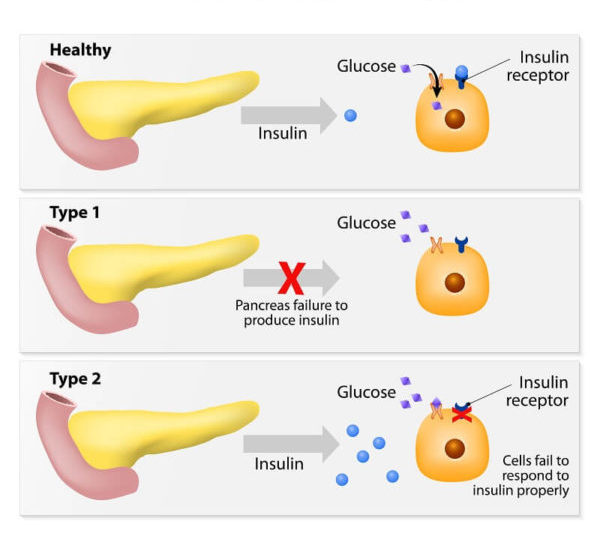
Diabetes is a chronic medical condition characterized by high levels of blood sugar (glucose). This occurs either because the body doesn’t produce enough insulin (a hormone that regulates blood sugar) or because the cells don’t respond properly to the insulin that is produced. Insulin is necessary for the body to effectively use glucose as a source of energy.
History for diabetes mellitus type 1 and 2:
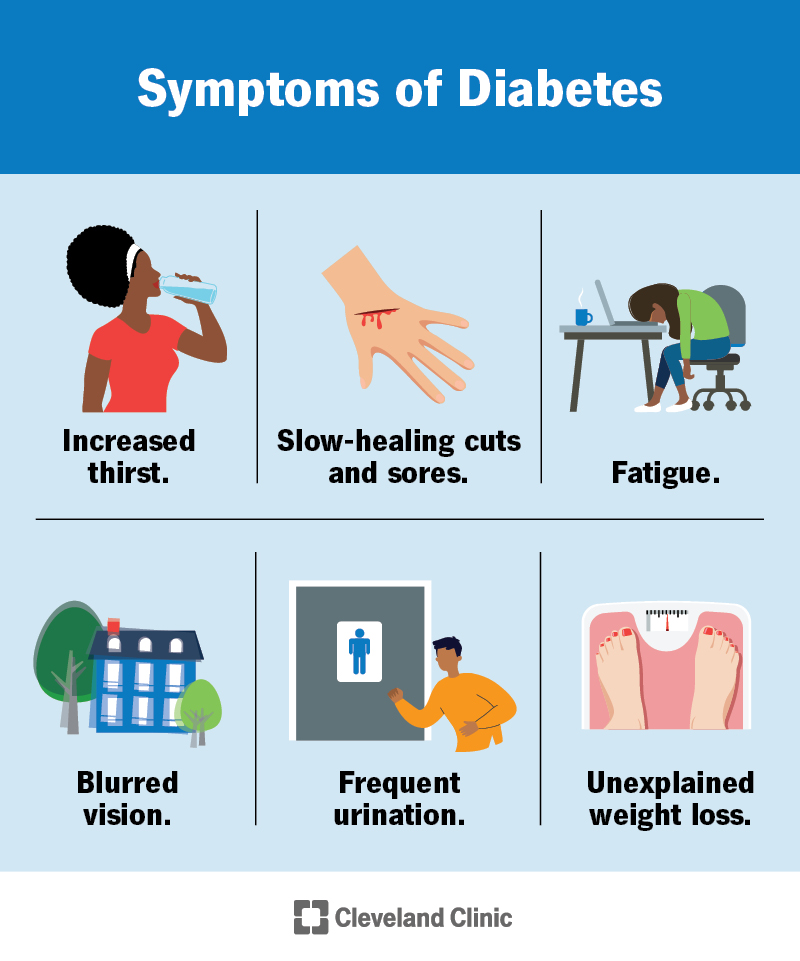
Symptoms of hyperglycemia
Thirst, dry mouth
Polyuria
Nocturia
Tiredness, fatigue, lethargy
Noticeable change in weight (usually weight loss)
Blurring of vision
Pruritus vulvae, balanitis (genital candidiasis)
Nausea; headache
Hyperphagia; predilection for sweet foods
Mood change, irritability, difficulty in concentrating, apathy
Family history
Physical examination for diabetes mellitus type 1 and 2
BMI
Retinal examination
Orthostatic blood pressure
Foot examination
Peripheral pulses
Insulin injection sites
Peripheral neuropathy
Type 1 Vs Type 2 Diabetes mellitus DM
Type 1
Type 2
Onset
Sudden
Gradual
Age at onset
Any (mostly young)
Mostly in adults
Body habitus
Thin or normal
Often obese
Ketoacidosis
Common
Rare
Autoantibodies
Usually +
Absent
Endogeneous insulin
Low or absent
Normal, decreased or increased
Concordance in identical twins
~ 50%
~90%
Prevalence
Less prevalent
More prevalent (~90-95% of US diabetics)
Biochemical
C-peptide disappears
C-peptide persists
Mechanism and pathophysiology of Diabetes mellitus
Increased bloog glucose sugar level definition is called when
Two-hour glucose during OGTT <140 mg/dL (7.8 mmol/L)
Categories of increased risk for diabetes:
•Impaired fasting glucose(IFG)
FPG between 100 and 125 mg/dL (5.6 to 6.9 mmol/L).
•Impaired glucose tolerance(IGT)
Two-hour – 75 g OGTT between 140 and 199 mg/L (7.8 to 11.0 mmol/L).
•A1C – Persons with 5.7 to 6.4 percent (39 to 46 mmol/mol
Diagnostic criteria of Diabetes mellitus
1. A1C ≥6.5 percent OR 2. Fasting Plasma Glucose ≥126 mg/dL (7.0 mmol/L) (Fasting is defined as no caloric intake for at least eight hours.) OR 3. Two-hour plasma glucose ≥200 mg/dL (11.1 mmol/L) during an OGTT. (The test should be performed using a glucose load containing the equivalent of 75-gram anhydrous glucose dissolved in water.) OR 4. In a patient with classic symptoms of hyperglycemia or hyperglycemic crisis, a random plasma glucose ≥200 mg/dL (11.1 mmol/L).
1. A1C ≥6.5 percent
OR
2. Fasting Plasma Glucose ≥126 mg/dL (7.0 mmol/L)
(Fasting is defined as no caloric intake for at least eight hours.)
OR
3. Two-hour plasma glucose ≥200 mg/dL (11.1 mmol/L) during an OGTT.
(The test should be performed using a glucose load containing the equivalent of 75-gram anhydrous glucose dissolved in water.)
OR
4. In a patient with classic symptoms of hyperglycemia or hyperglycemic crisis, a random plasma glucose ≥200 mg/dL (11.1 mmol/L).
Advice to patients with Impaired glucose tolerance
Have an increased risk both of progression to type 2 diabetes and of developing macrovascular disease
Advice lifestyle modification reduces the risk of progression in IGT
Monitor annually by measurement of fasting blood glucose
Other cardiovascular risk factors treate aggressively
Swasthya Sewa Niyamawali 2053 is a set of health service regulations implemented in Nepal. It outlines guidelines and standards for the provision of healthcare services in the country. The regulations cover various aspects such as health facility management, service delivery, infrastructure requirements, human resources, and quality assurance. The goal of the Niyamawali is to ensure the availability of quality healthcare services and protect the rights of patients. It plays a crucial role in regulating the healthcare sector and improving the overall health system in Nepal.
Summary of Swasthya sewa niyamawali 2055
Here are some additional facts about Swasthya Sewa Niyamawali in Nepal:
Development and Implementation: Swasthya Sewa Niyamawali 2055 was developed by the Government of Nepal in collaboration with health experts and stakeholders. It was implemented in 1996 and has undergone subsequent revisions to address evolving healthcare needs.
Coverage: The Niyamawali applies to a wide range of health facilities, including hospitals, clinics, nursing homes, dispensaries, and health posts. It ensures that both public and private health institutions adhere to the prescribed standards.
Service Delivery: The regulations define the responsibilities and obligations of healthcare providers in delivering services. It covers areas such as patient care, emergency services, referral mechanisms, pharmaceutical services, and preventive measures.
Infrastructure Requirements: The Niyamawali sets forth standards for infrastructure and physical facilities. It includes provisions for hygiene, sanitation, waste management, medical equipment, and adequate space for patient care.
Human Resources: The regulations address the requirements for healthcare professionals, including qualifications, licensing, and registration. It emphasizes the need for qualified medical personnel and skilled staff in health facilities.
Quality Assurance: Swasthya Sewa Niyamawali emphasizes the importance of quality assurance in healthcare. It establishes mechanisms for monitoring, evaluation, and accreditation of health services to ensure compliance with defined standards.
Patient Rights and Safety: The Niyamawali places a strong emphasis on protecting the rights and safety of patients. It outlines measures to ensure confidentiality, informed consent, patient education, and handling of complaints and grievances.
Capacity Building and Training: The regulations promote continuous capacity building and professional development of healthcare providers. It encourages training programs, workshops, and research to enhance the skills and knowledge of medical personnel.
Enforcement and Penalties: Swasthya Sewa Niyamawali empowers regulatory bodies to enforce compliance with the regulations. It outlines penalties and legal consequences for non-compliance, including fines, suspension, or revocation of licenses.
Ongoing Revisions: The Niyamawali is periodically reviewed and revised to align with emerging healthcare needs and advancements. This ensures that the regulations remain relevant and effective in addressing the evolving healthcare landscape in Nepal.
swasthya sewa niyamabali 2055 download below:
Summary of swasthya sewa niyamawali:
Swasthya Sewa Niyamawali 2055 is a set of health service regulations implemented in Nepal. It outlines guidelines and standards for the provision of healthcare services in the country. The regulations cover various aspects such as health facility management, service delivery, infrastructure requirements, human resources, and quality assurance.
The goal of the Niyamawali is to ensure the availability of quality healthcare services and protect the rights of patients. It plays a crucial role in regulating the healthcare sector and improving the overall health system in Nepal.