Medical Laboratory Technology MCQs for NHPC Nepal – PCL in Medical Laboratory Technology License Exam

Medical Laboratory Technology MCQs for NHPC Nepal – PCL in Medical Laboratory Technology License Exam

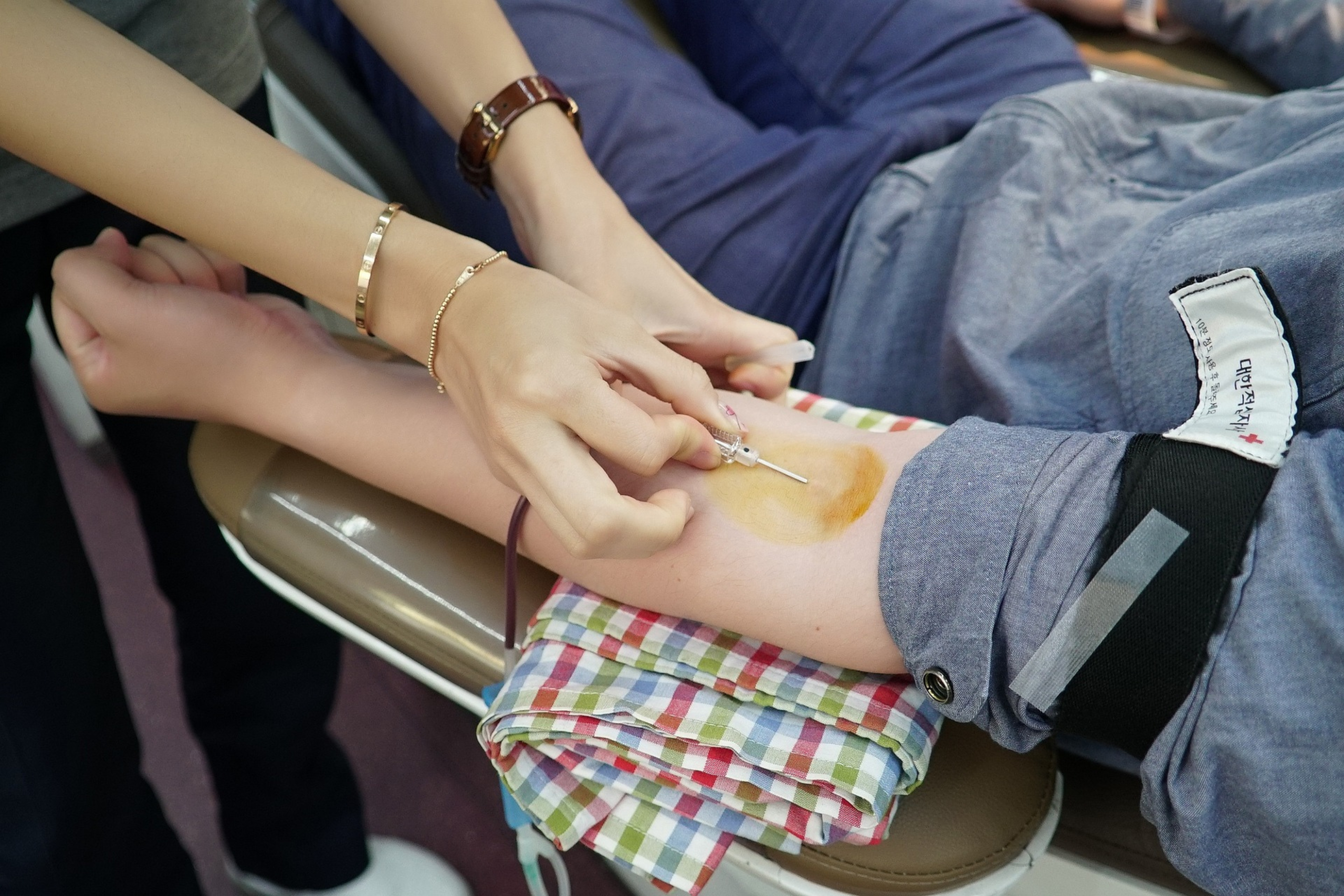
Here are 50 multiple-choice questions (MCQs) for the PCL in Medical Laboratory Technology (CMLT/DMLT) License Examination. These questions cover various topics in medical laboratory technology, including laboratory techniques, instrumentation, and patient safety. The answer key is provided at the end.

Table of Contents(toc)

1. Which of the following tests is primarily used for diagnosing diabetes mellitus?

a) Hemoglobin A1c
b) Complete blood count (CBC)
c) Blood urea nitrogen (BUN)
d) Liver function test (LFT)

2. The main function of a centrifuge in the laboratory is to:

a) Sterilize instruments
b) Separate components of blood
c) Mix chemicals
d) Measure chemical reactions

3. Which of the following is the best method to sterilize heat-sensitive materials?

a) Autoclaving
b) Dry heat sterilization
c) Chemical sterilization
d) Filtration

4. What does the term “hematocrit” refer to?

a) The percentage of plasma in the blood
b) The percentage of white blood cells in the blood
c) The percentage of red blood cells in the blood
d) The amount of hemoglobin in the blood

5. Which of the following tubes is used to collect blood for a complete blood count (CBC)?

a) Red top tube
b) Blue top tube
c) Lavender top tube
d) Green top tube

6. The normal range for a white blood cell count in adults is:

a) 3,500-10,500 cells/µL
b) 150,000-450,000 cells/µL
c) 4-6 g/dL
d) 80-100 mg/dL

7. The primary use of a spectrophotometer is to measure:

a) Blood pressure
b) Light absorption
c) pH levels
d) Temperature

8. Which of the following blood tests is used to assess kidney function?

a) Creatinine
b) Hemoglobin
c) Amylase
d) Albumin

9. What is the function of an incubator in a medical laboratory?

a) To sterilize equipment
b) To maintain a controlled environment for microbial growth
c) To mix chemicals
d) To separate blood components

10. Which of the following is NOT typically a part of a routine urinalysis?

a) pH measurement
b) Red blood cell count
c) Glucose levels
d) Protein levels

11. A gram stain is used primarily to classify bacteria based on their:

a) Shape
b) Size
c) Cell wall structure
d) Growth pattern

12. The presence of ketones in urine is commonly associated with:

a) Diabetes mellitus
b) Liver disease
c) Dehydration
d) Kidney failure

13. Which test is used to assess liver function by measuring the levels of ALT and AST?

a) Renal function test
b) Lipid profile
c) Liver function test
d) Blood glucose test

14. The purpose of the hemoglobin A1c test is to:

a) Measure the average blood glucose levels over the past 2-3 months
b) Measure cholesterol levels
c) Diagnose kidney disease
d) Measure red blood cell count

15. The blood component responsible for clotting is:

a) White blood cells
b) Red blood cells
c) Platelets
d) Plasma

16. Which of the following methods is used for testing the presence of bacteria in water?

a) Gram staining
b) Biochemical testing
c) Endotoxin testing
d) Most probable number (MPN) method

17. The correct order of draw for venipuncture tubes is:

a) Blue, red, green, lavender
b) Red, green, blue, lavender
c) Green, blue, red, lavender
d) Blue, green, red, lavender

18. Which of the following is used to prevent the clotting of blood in a blood collection tube?

a) Heparin
b) Sodium citrate
c) EDTA
d) All of the above

19. A positive result for the ELISA test indicates:

a) The presence of a specific antigen or antibody
b) The presence of a virus
c) Low levels of glucose
d) A bacterial infection

20. The best temperature for storing most blood specimens is:

a) 0°C
b) 4°C
c) Room temperature
d) 37°C

21. Which of the following is a test used to detect tuberculosis?

a) Skin test (TST)
b) PPD test
c) Sputum culture
d) All of the above

22. The most common cause of anemia in the world is:

a) Vitamin B12 deficiency
b) Iron deficiency
c) Hemophilia
d) Leukemia

23. A patient with a high white blood cell count likely has:

a) Anemia
b) Infection
c) Liver disease
d) Diabetes

24. The primary role of a laboratory technician is to:

a) Perform surgeries
b) Analyze laboratory results
c) Diagnose diseases
d) Administer medications

25. In which of the following tests is a purple top tube used?

a) Blood glucose
b) Complete blood count (CBC)
c) Prothrombin time
d) Coagulation studies

26. Which of the following is used to monitor the level of cholesterol in the blood?

a) Lipid profile
b) Complete blood count
c) Liver function test
d) Renal function test

27. The most commonly used method to identify blood type is the:

a) Blood culture
b) Coombs test
c) Blood typing test
d) Hemoglobin test

28. The role of a clinical laboratory in the healthcare system is to:

a) Perform diagnostic tests
b) Provide imaging services
c) Perform surgeries
d) Administer patient medications

29. The purpose of a blood culture test is to detect:

a) Bacterial or fungal infections in the bloodstream
b) Blood clotting disorders
c) Anemia
d) High blood pressure

30. A common test used to assess thyroid function is the:

a) TSH test
b) Glucose test
c) BUN test
d) CBC test

31. Which of the following is used to assess the body’s ability to metabolize glucose?

a) Hemoglobin A1c
b) Fasting blood glucose
c) Oral glucose tolerance test
d) All of the above

32. The most common anticoagulant used in blood collection tubes is:

a) EDTA
b) Sodium citrate
c) Heparin
d) Potassium oxalate

33. A test commonly used to diagnose HIV infection is:

a) Western blot
b) PCR (Polymerase chain reaction)
c) ELISA
d) All of the above

34. Which of the following is a sign of dehydration in a laboratory test?

a) High hemoglobin level
b) Low blood urea nitrogen (BUN) level
c) Low red blood cell count
d) High blood glucose

35. A urinalysis is typically used to detect:

a) Blood in the urine
b) Protein in the urine
c) Glucose in the urine
d) All of the above

36. The main purpose of the prothrombin time (PT) test is to:

a) Measure the ability of blood to clot
b) Measure red blood cell count
c) Assess liver function
d) Assess kidney function

37. Which of the following is an example of an electrolyte test?

a) Sodium
b) Potassium
c) Calcium
d) All of the above

38. Which of the following is used to assess a patient’s hemoglobin levels?

a) Hemoglobin electrophoresis
b) Hemoglobin A1c
c) Complete blood count (CBC)
d) Blood glucose test

39. A normal white blood cell count for an adult is typically between:

a) 3,500-10,500 cells/µL
b) 5,000-15,000 cells/µL
c) 20,000-40,000 cells/µL
d) 10,000-30,000 cells/µL

40. A patient with high levels of creatinine likely has issues with:

a) The liver
b) The kidneys
c) The heart
d) The lungs

41. The primary function of plasma is to:

a) Carry oxygen
b) Transport nutrients
c) Carry waste products
d) Transport hormones

42. The purpose of performing a Gram stain is to:

a) Classify bacteria based on their cell wall structure
b) Identify viral infections
c) Determine the level of glucose
d) Assess kidney function

43. The most commonly used method for bacterial identification is:

a) Gram staining
b) Culturing
c) PCR (Polymerase chain reaction)
d) ELISA

44. The process of separating plasma or serum from blood is called:

a) Centrifugation
b) Filtration
c) Incubation
d) Incision

45. Which of the following is a common method for determining blood glucose levels?

a) Oral glucose tolerance test
b) Fasting blood glucose test
c) Hemoglobin A1c test
d) All of the above

46. Which of the following is an example of a blood test to detect liver function?

a) AST (Aspartate aminotransferase)
b) ALT (Alanine aminotransferase)
c) Bilirubin
d) All of the above

47. A high level of bilirubin in the blood may indicate:

a) Liver disease
b) Anemia
c) Kidney disease
d) Lung disease

48. Which of the following tests is used to detect and monitor HIV infection?

a) ELISA test
b) Western blot test
c) PCR test
d) All of the above

49. Which of the following tests is used to assess the clotting ability of blood?

a) Prothrombin time (PT)
b) Hemoglobin test
c) Urinalysis
d) Blood glucose test

50. Which of the following components is found in the plasma of blood?

a) Red blood cells
b) White blood cells
c) Platelets
d) Proteins


Answer Key

  1. a
  2. b
  3. c
  4. c
  5. c
  6. a
  7. b
  8. a
  9. b
  10. b
  11. c
  12. a
  13. c
  14. a
  15. c
  16. d
  17. a
  18. d
  19. a
  20. b
  21. d
  22. b
  23. b
  24. b
  25. b
  26. a
  27. c
  28. a
  29. a
  30. a
  31. d
  32. a
  33. d
  34. a
  35. d
  36. a
  37. d
  38. c
  39. a
  40. b
  41. b
  42. a
  43. b
  44. a
  45. d
  46. d
  47. a
  48. d
  49. a
  50. d

These MCQs are designed to cover a wide range of topics relevant to Medical Laboratory Technology (CMLT/DMLT) and can help in preparing for the PCL in Medical Laboratory Technology License Examination.

Dental Hygiene MCQs for NHPC Nepal – PCL in Dental Hygiene License Exam

Dental Hygiene MCQs for NHPC Nepal – PCL in Dental Hygiene License Exam

Here are 50 multiple-choice questions (MCQs) for the PCL in Dental Hygiene License Examination. These questions cover various topics in dental hygiene, including oral health, dental anatomy, preventive care, and patient management. The answer key is provided at the end.

Table of Contents(toc)


1. The primary role of a dental hygienist is to:

a) Diagnose dental diseases
b) Perform dental surgeries
c) Provide preventive dental care
d) Administer anesthesia

2. The most common cause of dental caries (cavities) is:

a) Bacterial infection
b) Trauma
c) Excessive fluoride
d) Poor nutrition

3. Which of the following instruments is commonly used for scaling and removing plaque from teeth?

a) Explorer
b) Scaler
c) Curet
d) Probe

4. The primary purpose of fluoride treatment is to:

a) Whiten teeth
b) Prevent gum disease
c) Prevent dental caries
d) Relieve tooth pain

5. The condition in which gums become swollen, red, and bleed easily is called:

a) Gingivitis
b) Periodontitis
c) Pulpitis
d) Halitosis

6. Which of the following is a common risk factor for periodontal disease?

a) Regular tooth brushing
b) Smoking
c) Frequent water intake
d) Drinking milk

7. The process of removing plaque and tartar from teeth using specialized instruments is called:

a) Scaling
b) Polishing
c) Bleaching
d) Restoration

8. Which part of the tooth contains the nerves and blood vessels?

a) Enamel
b) Dentin
c) Pulp
d) Cementum

9. The term “prophylaxis” in dental hygiene refers to:

a) Diagnosis of dental conditions
b) Tooth cleaning and preventive care
c) Tooth restoration
d) Surgical treatment of periodontal disease

10. The surface of a tooth that faces the cheek is called the:

a) Lingual surface
b) Buccal surface
c) Occlusal surface
d) Mesial surface

11. The American Dental Association recommends brushing teeth for at least:

a) 1 minute
b) 2 minutes
c) 3 minutes
d) 5 minutes

12. The use of dental sealants helps in preventing:

a) Gingivitis
b) Tooth fractures
c) Dental caries
d) Malocclusion

13. Which of the following is NOT a sign of gum disease?

a) Bleeding gums
b) Bad breath
c) Loose teeth
d) Tooth sensitivity to cold

14. Which of the following is used to detect cavities during a dental examination?

a) Dental explorer
b) Mouth mirror
c) X-ray
d) All of the above

15. The recommended amount of fluoride toothpaste for children under 3 years old is:

a) A pea-sized amount
b) A grain of rice-sized amount
c) Half a tube
d) One full brush length

16. The main purpose of a mouthguard is to:

a) Protect teeth from grinding
b) Prevent cavities
c) Make teeth whiter
d) Prevent bad breath

17. What is the name of the condition in which teeth are worn down by grinding?

a) Bruxism
b) Malocclusion
c) Gingivitis
d) Attrition

18. Periodontitis is a more advanced form of which condition?

a) Dental caries
b) Gingivitis
c) Halitosis
d) Pulpitis

19. The first set of teeth in a child is known as:

a) Permanent teeth
b) Deciduous teeth
c) Wisdom teeth
d) Molars

20. The tooth structure that helps in chewing is called the:

a) Crown
b) Root
c) Enamel
d) Pulp

21. Which of the following is the primary function of saliva?

a) To keep the mouth dry
b) To neutralize acids and begin the digestion of carbohydrates
c) To whiten teeth
d) To remove plaque

22. Which of the following is an indication for a dental hygienist to refer a patient to a dentist?

a) Mild tooth sensitivity
b) A cavity that requires filling
c) Plaque buildup
d) A minor gingival bleed

23. The dental instrument that is used to remove calculus from the subgingival area is called:

a) Scaling handpiece
b) Ultrasonic scaler
c) Dental curette
d) Periodontal probe

24. The most common oral cancer is:

a) Salivary gland cancer
b) Lip cancer
c) Tongue cancer
d) Pharyngeal cancer

25. The temporomandibular joint (TMJ) connects the:

a) Teeth to the gums
b) Lower jaw to the upper jaw
c) Jaw to the skull
d) Upper jaw to the skull

26. A common complication of untreated periodontal disease is:

a) Tooth sensitivity
b) Tooth loss
c) Bad breath
d) Teeth whitening

27. The condition where teeth erupt out of alignment is called:

a) Malocclusion
b) Bruxism
c) Hyperdontia
d) Hypodontia

28. The type of X-ray that provides a comprehensive image of the entire mouth is called a:

a) Bitewing X-ray
b) Periapical X-ray
c) Panoramic X-ray
d) Cephalometric X-ray

29. The best method to reduce plaque buildup on teeth is:

a) Using a mouthwash
b) Brushing and flossing regularly
c) Using a tongue scraper
d) Eating sugary foods

30. Gingival recession can lead to:

a) Tooth staining
b) Increased risk of tooth decay
c) Increased tooth sensitivity
d) All of the above

31. The condition that refers to the abnormal eruption of teeth is known as:

a) Malocclusion
b) Hypodontia
c) Hyperdontia
d) Anodontia

32. The purpose of fluoride varnish is to:

a) Prevent cavities
b) Whiten teeth
c) Clean teeth
d) Treat gum disease

33. The surface of a tooth that is closest to the back of the mouth is called:

a) Mesial
b) Distal
c) Lingual
d) Occlusal

34. Which of the following is a recommended method for flossing teeth?

a) Snap the floss between teeth
b) Use a sawing motion to remove debris
c) Wrap the floss around the tooth in a C-shape
d) Floss only once a week

35. The number of permanent teeth in an adult mouth is:

a) 20
b) 28
c) 32
d) 36

36. What is the function of the dental probe in a dental hygiene examination?

a) To measure pocket depth in the gums
b) To detect cavities
c) To polish teeth
d) To clean dental instruments

37. In the dental profession, the term “scaling” refers to:

a) A process of teeth whitening
b) The removal of plaque and calculus from teeth
c) A diagnostic procedure
d) A procedure for treating cavities

38. The recommended toothbrush for a patient with sensitive gums should have:

a) Soft bristles
b) Hard bristles
c) Medium bristles
d) Electric bristles

39. Which of the following is a sign of oral candidiasis (thrush)?

a) White patches on the tongue and inner cheeks
b) Swollen gums
c) Yellowing of teeth
d) Dry mouth

40. The most common oral disease among young children is:

a) Oral cancer
b) Gingivitis
c) Dental caries
d) Periodontitis

41. An important function of the dental hygienist is to educate patients about:

a) Tooth restoration
b) Preventive oral health care
c) Surgical treatments
d) Dental implants

42. The most effective method for controlling plaque buildup is:

a) Using mouthwash only
b) Brushing and flossing regularly
c) Drinking water frequently
d) Chewing gum

43. The condition of dry mouth is known as:

a) Xerostomia
b) Halitosis
c) Gingivitis
d) Anodontia

44. The purpose of dental floss is to:

a) Remove plaque between teeth
b) Whiten teeth
c) Polish teeth
d) Prevent gum disease

45. The dental procedure that involves the removal of the tooth pulp is called:

a) Extraction
b) Root canal therapy
c) Scaling
d) Polishing

46. The dental material used to fill cavities is called:

a) Amalgam
b) Enamel
c) Composite
d) Cementum

47. Which of the following is the most common dental emergency?

a) Tooth abscess
b) Tooth fracture
c) Toothache
d) Lost filling

48. The first stage of gum disease is called:

a) Gingivitis
b) Periodontitis
c) Periodontal abscess
d) Dental plaque

49. The number of deciduous (baby) teeth is:

a) 16
b) 20
c) 24
d) 32

50. The best way to prevent halitosis (bad breath) is to:

a) Use mouthwash frequently
b) Brush and floss regularly
c) Drink a lot of water
d) Eat mints


Answer Key

  1. c
  2. a
  3. b
  4. c
  5. a
  6. b
  7. a
  8. c
  9. b
  10. b
  11. b
  12. c
  13. d
  14. d
  15. b
  16. a
  17. a
  18. b
  19. b
  20. a
  21. b
  22. b
  23. c
  24. c
  25. c
  26. b
  27. a
  28. c
  29. b
  30. d
  31. a
  32. a
  33. b
  34. c
  35. c
  36. a
  37. b
  38. a
  39. a
  40. c
  41. b
  42. b
  43. a
  44. a
  45. b
  46. a
  47. c
  48. a
  49. b
  50. b

These MCQs are designed to cover a wide range of dental hygiene topics and can help in preparing for the PCL in Dental Hygiene License Examination.

Radiotherapy Technology MCQs for NHPC Nepal – Diploma in Radiotherapy Technology License Exam

Radiotherapy Technology MCQs for NHPC Nepal – Diploma in Radiotherapy Technology License Exam

Here are 50 multiple-choice questions (MCQs) for the Diploma in Radiotherapy Technology License Examination. The questions cover various aspects of radiotherapy, including principles, techniques, equipment, patient care, and radiation safety. The answer key is provided at the end.

Table of Contents(toc)


1. Radiotherapy is primarily used to treat:

a) Infections
b) Cancer
c) Fractures
d) Heart diseases

2. The main function of a linear accelerator (LINAC) in radiotherapy is to:

a) Deliver high-energy X-rays or electrons
b) Monitor the patient’s vital signs
c) Administer chemotherapy
d) Perform diagnostic imaging

3. The most commonly used type of radiation in external beam radiotherapy is:

a) Alpha particles
b) Beta particles
c) X-rays
d) Gamma rays

4. The primary goal of radiotherapy is to:

a) Shrink tumors or kill cancer cells
b) Increase blood flow to the tumor
c) Relieve bone pain
d) Remove tumor surgically

5. Which of the following techniques is used to deliver radiation from multiple directions to the tumor?

a) Brachytherapy
b) External beam radiotherapy
c) Proton therapy
d) Stereotactic radiotherapy

6. The term “fractionation” in radiotherapy refers to:

a) The division of the total dose into smaller doses over time
b) The total dose given in a single session
c) The type of radiation used
d) The treatment plan used for different cancers

7. Which of the following factors does NOT affect the effectiveness of radiotherapy?

a) Type of cancer
b) Size and location of the tumor
c) Age of the patient
d) Tumor’s sensitivity to radiation

8. Which of the following is the standard unit of measurement for radiation dose?

a) Rad
b) Gy (Gray)
c) Sievert (Sv)
d) Becquerel (Bq)

9. The purpose of immobilization devices during radiotherapy is to:

a) Keep the patient comfortable during the procedure
b) Prevent movement during treatment to ensure accurate radiation delivery
c) Relieve pain
d) Increase the speed of treatment

10. Which of the following is the most common form of internal radiotherapy?

a) External beam radiotherapy
b) Stereotactic radiotherapy
c) Brachytherapy
d) Proton therapy

11. Which of the following machines is commonly used in external beam radiotherapy?

a) Cyclotron
b) Linear accelerator (LINAC)
c) Gamma knife
d) MRI machine

12. Which type of radiation is primarily used in brachytherapy?

a) X-rays
b) Gamma rays
c) Electrons
d) Neutrons

13. The dose of radiation delivered to the tumor is typically prescribed by the:

a) Radiotherapy technologist
b) Radiation oncologist
c) Patient’s physician
d) Medical physicist

14. The side effects of radiotherapy depend on:

a) The patient’s age
b) The area being treated
c) The type of cancer
d) All of the above

15. The most common side effects of radiotherapy include:

a) Nausea and vomiting
b) Skin irritation and fatigue
c) Increased appetite
d) Hair growth

16. Which of the following is a long-term side effect of radiotherapy?

a) Hair loss
b) Radiation-induced cancer
c) Nausea
d) Skin burns

17. In radiotherapy, the term “dose rate” refers to:

a) The total amount of radiation delivered
b) The time over which radiation is administered
c) The rate at which radiation is delivered to the tissue
d) The type of radiation used

18. A common technique used to ensure precise radiation delivery to the tumor while minimizing exposure to surrounding tissues is:

a) 3D conformal radiotherapy
b) CT-guided radiotherapy
c) Intensity-modulated radiotherapy (IMRT)
d) All of the above

19. The purpose of bolus material in radiotherapy is to:

a) Increase the intensity of radiation
b) Minimize the radiation dose to the skin
c) Bring the dose closer to the skin surface
d) Remove cancerous tissues

20. Which of the following is a safety measure to protect staff from unnecessary radiation exposure during radiotherapy treatments?

a) Wearing lead aprons
b) Keeping a safe distance from the radiation source
c) Using shielding barriers
d) All of the above

21. The term “isodose curve” refers to:

a) A graph showing the radiation dose distribution across the tumor and surrounding tissues
b) A radiation measurement device
c) The calculation of the tumor size
d) The angle of radiation delivery

22. In radiotherapy, the use of contrast agents is most common in:

a) Imaging procedures like CT scans for planning radiation therapy
b) Stereotactic radiotherapy
c) Brachytherapy
d) X-ray therapy

23. Which of the following techniques is used to treat tumors that are difficult to reach using conventional radiotherapy?

a) Proton therapy
b) Brachytherapy
c) Stereotactic radiosurgery (SRS)
d) Linear accelerator (LINAC)

24. The most important factor to consider when setting up a radiotherapy treatment plan is:

a) The patient’s age
b) The patient’s physical condition
c) The tumor’s size, location, and type
d) The patient’s previous treatments

25. The role of the radiotherapy technologist includes all of the following EXCEPT:

a) Operating the radiotherapy equipment
b) Administering chemotherapy
c) Preparing and positioning the patient for treatment
d) Monitoring radiation dose delivery

26. The most common type of cancer treated with radiotherapy is:

a) Leukemia
b) Brain tumors
c) Breast cancer
d) Prostate cancer

27. The term “fractionation” refers to:

a) Giving the total radiation dose in smaller daily doses over several weeks
b) The fraction of radiation that is absorbed by the body
c) Dividing the patient into separate parts during treatment
d) The fraction of healthy tissue exposed to radiation

28. Which of the following is the purpose of using lead shielding in radiotherapy?

a) To prevent patient movement during treatment
b) To reduce unnecessary radiation exposure to healthy tissues
c) To increase the radiation dose to the tumor
d) To protect the tumor from radiation

29. The concept of “treatment planning” in radiotherapy includes:

a) Calculating the correct radiation dose for the tumor
b) Ensuring proper patient positioning
c) Using imaging to locate the tumor
d) All of the above

30. In radiotherapy, what does “tumor localization” mean?

a) Positioning the tumor for surgery
b) Using imaging techniques to accurately locate the tumor for radiation treatment
c) Measuring the tumor’s size
d) Treating the tumor with external radiation

31. Proton therapy is a type of radiation therapy that uses:

a) High-energy X-rays
b) High-energy protons
c) Gamma rays
d) Beta particles

32. The main purpose of treatment verification in radiotherapy is to:

a) Confirm the patient’s identity
b) Ensure that the tumor is targeted accurately
c) Increase the radiation dose
d) Prevent side effects

33. In radiotherapy, “imaging-guided radiotherapy” (IGRT) refers to:

a) Using imaging techniques to guide radiation delivery
b) Using a contrast agent to enhance imaging
c) Analyzing the tumor’s genetics
d) Performing surgery for tumor removal

34. The primary advantage of proton therapy over conventional radiotherapy is:

a) It uses lower doses of radiation
b) It targets tumors more precisely with minimal damage to surrounding tissues
c) It is less expensive
d) It requires no specialized equipment

35. The dose of radiation that is absorbed by the tumor is called the:

a) Prescription dose
b) Total dose
c) Targeted dose
d) Therapeutic dose

36. The maximum safe radiation dose to healthy tissues surrounding the tumor is calculated using:

a) The patient’s age
b) Imaging and radiation therapy planning software
c) The tumor’s size
d) The type of cancer

37. The concept of “volumetric modulated arc therapy” (VMAT) in radiotherapy is used to:

a) Deliver radiation in a rotating manner around the tumor
b) Prevent patient movement during treatment
c) Use only X-rays for radiation delivery
d) Treat tumors using gamma rays

38. The treatment technique where a patient is treated with radiation from multiple angles to minimize exposure to normal tissues is called:

a) Intensity-modulated radiotherapy (IMRT)
b) Stereotactic radiotherapy
c) 3D conformal radiotherapy
d) Brachytherapy

39. The main advantage of stereotactic radiotherapy is:

a) It uses higher doses of radiation in fewer sessions
b) It is less effective for deep tumors
c) It requires longer treatment durations
d) It is used only for cancers in the head and neck

40. Radiotherapy can cause skin irritation; this is most commonly managed by:

a) Using topical lotions and ointments
b) Using cold compresses
c) Giving oral medications
d) Avoiding any skin contact

41. The use of a high-energy electron beam in radiotherapy is most effective in treating:

a) Deep tumors
b) Tumors near the surface of the skin
c) Blood cancers
d) Tumors located in the brain

42. The most important step in radiotherapy treatment planning is:

a) The choice of radiation dose
b) The selection of radiotherapy technique
c) Accurate tumor localization and imaging
d) Patient education

43. In radiation therapy, the term “conformal radiotherapy” refers to:

a) A treatment method that delivers a uniform radiation dose to the tumor
b) The use of multiple radiation beams to conform to the tumor’s shape
c) The use of proton therapy
d) A new drug delivery method

44. Which of the following methods is used to treat surface tumors?

a) Electron beam therapy
b) Gamma knife therapy
c) Proton therapy
d) Stereotactic radiotherapy

45. The term “CT simulation” in radiotherapy refers to:

a) Using CT scans for precise treatment planning
b) Simulating radiation delivery on a model
c) Checking the tumor’s response to radiation
d) A form of imaging therapy

46. In radiation therapy, a “boost dose” refers to:

a) A higher radiation dose given to the tumor after initial treatment
b) A reduced radiation dose to surrounding tissues
c) The first dose of radiation
d) A combination of radiation and chemotherapy

47. In radiotherapy, “palliative treatment” is used to:

a) Cure the disease
b) Shrink tumors to relieve symptoms
c) Prevent side effects
d) Increase the tumor’s resistance to radiation

48. The process of delivering radiation treatment to the tumor while minimizing damage to surrounding tissues is called:

a) Radiation planning
b) Radiation protection
c) Radiation precision
d) Radiation optimization

49. Radiotherapy planning involves all of the following except:

a) Tumor localization
b) Dosimetry
c) Tumor excision
d) Treatment verification

50. The role of a radiation therapist is to:

a) Administer radiation treatments under the supervision of a radiation oncologist
b) Develop the radiotherapy treatment plan
c) Interpret radiology images
d) Perform surgery on tumors


Answer Key

  1. b
  2. a
  3. c
  4. a
  5. b
  6. a
  7. c
  8. b
  9. b
  10. c
  11. b
  12. b
  13. b
  14. d
  15. b
  16. b
  17. c
  18. d
  19. c
  20. d
  21. a
  22. a
  23. c
  24. c
  25. b
  26. c
  27. a
  28. b
  29. d
  30. b
  31. b
  32. b
  33. a
  34. b
  35. b
  36. b
  37. a
  38. a
  39. a
  40. a
  41. b
  42. c
  43. b
  44. a
  45. a
  46. a
  47. b
  48. c
  49. c
  50. a

These MCQs cover a broad range of topics in radiotherapy, suitable for the Diploma in Radiotherapy Technology license exam.

Radiography (X-Ray Technology) MCQs for NHPC Nepal – Diploma in X-Ray Technology License Exam

Radiography (X-Ray Technology) MCQs for NHPC Nepal – Diploma in X-Ray Technology License Exam

Here are 50 multiple-choice questions (MCQs) for the Diploma in X-Ray Technology (Radiography) License Examination focusing on various aspects of radiography, including equipment, radiation safety, imaging techniques, and patient care. The answer key is provided at the end.

Table of Contents(toc)


1. The primary function of an X-ray machine is to:

a) Create an image of the body’s internal structures
b) Provide electrical impulses for the body
c) Assist in surgery
d) Clean surgical instruments

2. Which of the following best describes an X-ray?

a) Radioactive rays
b) High-frequency electromagnetic radiation
c) Low-frequency radiation
d) Sound waves

3. The X-ray tube contains two primary components: the anode and the:

a) Cathode
b) Generator
c) Detector
d) Collimator

4. Which of the following is a common application of X-rays in medical imaging?

a) Detecting bone fractures
b) Monitoring blood flow
c) Measuring body temperature
d) Treating infections

5. The main purpose of a radiographic image is to:

a) Diagnose disease and injury
b) Treat infections
c) Administer anesthesia
d) Monitor heart rate

6. The ability of X-rays to penetrate the body depends on the:

a) Type of tissue
b) Age of the patient
c) Color of the tissue
d) Time of day

7. Which of the following materials is most commonly used as the anode in an X-ray tube?

a) Tungsten
b) Lead
c) Silver
d) Copper

8. The process by which X-rays are absorbed or blocked by tissues of different densities is called:

a) Reflection
b) Refraction
c) Attenuation
d) Diffusion

9. What is the primary purpose of the X-ray collimator?

a) To control the size and shape of the X-ray beam
b) To detect the X-ray radiation
c) To focus the X-ray on a specific area
d) To provide protection from radiation

10. The unit of measurement for radiation exposure is the:

a) Gray (Gy)
b) Hertz (Hz)
c) Ampere (A)
d) Meter (m)

11. The process by which a radiograph is converted into a visible image is called:

a) Scanning
b) Exposure
c) Development
d) Calibration

12. The correct term for a radiograph taken of the chest is:

a) Chest X-ray
b) Mammogram
c) Bone scan
d) CT scan

13. The primary purpose of a lead apron during an X-ray examination is to:

a) Prevent radiation exposure to sensitive areas
b) Provide warmth to the patient
c) Help in positioning the patient
d) Ensure proper imaging

14. The X-ray film is sensitive to:

a) Ultraviolet light
b) X-ray radiation
c) Infrared light
d) Sound waves

15. What does the radiographic term “contrast” refer to?

a) The intensity of the radiation used
b) The difference in the density of the tissues
c) The duration of the X-ray exposure
d) The color of the image

16. Which of the following is a type of X-ray imaging that provides cross-sectional images of the body?

a) Fluoroscopy
b) Mammography
c) Computed Tomography (CT)
d) Bone Densitometry

17. The X-ray beam intensity is controlled by the:

a) Exposure time
b) Kilovolt peak (kVp)
c) Milliampere (mA)
d) All of the above

18. Which of the following factors influences the quality of the X-ray image?

a) Exposure time
b) Patient positioning
c) Type of tissue
d) All of the above

19. In radiographic imaging, the term “resolution” refers to:

a) The brightness of the image
b) The sharpness of the image details
c) The contrast in the image
d) The color of the image

20. Which of the following is a potential risk of excessive X-ray exposure?

a) Radiation burns
b) Increased risk of cancer
c) Bone fractures
d) Blood pressure increase

21. Which of the following is a method to protect patients from unnecessary radiation during X-ray examinations?

a) Use of lead shields
b) Minimizing exposure time
c) Using the lowest possible X-ray dose
d) All of the above

22. What is the most common imaging technique used for imaging bones and joints?

a) Magnetic Resonance Imaging (MRI)
b) X-ray
c) Ultrasound
d) CT scan

23. The radiographic position where the patient lies on their back with their head and chest tilted upward is called:

a) Supine
b) Prone
c) Lateral
d) Fowler’s

24. The image receptor used in digital radiography is known as:

a) X-ray film
b) Flat-panel detector
c) Phosphor plate
d) All of the above

25. In fluoroscopy, the image is displayed on a:

a) Static film
b) Moving screen
c) Digital monitor
d) TV screen

26. What is the primary role of a radiographer during an X-ray procedure?

a) Administer anesthesia
b) Operate the X-ray equipment
c) Monitor the patient’s vital signs
d) Interpret the X-ray results

27. Which of the following structures is most likely to show up as a dark area on an X-ray image?

a) Bone
b) Air-filled spaces (lungs)
c) Metal implants
d) Soft tissues

28. The amount of radiation absorbed by the body is measured in:

a) Millisieverts (mSv)
b) Hertz (Hz)
c) Kilowatts (kW)
d) Amperes (A)

29. Which of the following is an advantage of digital radiography over traditional X-ray film?

a) Faster image processing
b) Higher resolution
c) Increased radiation dose
d) Limited storage capability

30. What does the term “radiographic exposure” refer to?

a) The amount of radiation passing through the body
b) The amount of light used in an image
c) The amount of time the patient spends in the scanner
d) The quality of the final image

31. Which of the following factors is controlled by the radiographer to adjust the contrast in an X-ray image?

a) Exposure time
b) Kilovolt peak (kVp)
c) Milliamperage (mA)
d) All of the above

32. The process by which X-rays are converted into visible light is called:

a) Fluorescence
b) Transmission
c) Attenuation
d) Scintillation

33. The maximum safe dose of radiation exposure is determined by the:

a) Patient’s age
b) Type of X-ray procedure
c) National and international radiation protection standards
d) Radiographer’s experience

34. The term “grids” in radiography refers to devices used to:

a) Focus the X-ray beam
b) Improve image contrast by reducing scatter radiation
c) Measure radiation exposure
d) Position the patient correctly

35. Which of the following is true about mammography?

a) It is used primarily for imaging the abdomen
b) It uses lower doses of radiation compared to general X-rays
c) It requires the use of a contrast agent
d) It is not useful in detecting breast cancer

36. What is the primary reason for using a contrast medium in certain X-ray exams?

a) To enhance the clarity of the image
b) To reduce the radiation dose
c) To make the internal organs more visible
d) To prevent radiation burns

37. The digital radiography system that uses a CCD (Charge-Coupled Device) or CMOS (Complementary Metal-Oxide-Semiconductor) detector is known as:

a) Computed Radiography (CR)
b) Direct Radiography (DR)
c) Film-screen radiography
d) Analog radiography

38. The process of converting digital images into hard copies is called:

a) Transmission
b) Hard copy printing
c) Image processing
d) Image inversion

39. The function of a dosimeter in radiology is to:

a) Measure the radiation dose received by the patient
b) Monitor the radiation exposure of the radiographer
c) Improve image quality
d) Protect the X-ray machine

40. The chest X-ray view where the patient stands upright with their back to the film and takes a deep breath is called the:

a) Anteroposterior (AP) view
b) Lateral view
c) Posteroanterior (PA) view
d) Oblique view

41. The amount of radiation the body absorbs during a radiographic examination is referred to as the:

a) Radiographic contrast
b) Radiation dose
c) Scattered radiation
d) Image resolution

42. The first step in performing a radiographic procedure is:

a) Positioning the patient
b) Selecting the appropriate exposure settings
c) Ensuring the X-ray machine is calibrated
d) Instructing the patient on how to hold their breath

43. The area of the body most likely to show up as a light area on an X-ray image is:

a) Air-filled spaces (lungs)
b) Bone
c) Soft tissues
d) Metal implants

44. What does the term “grid ratio” refer to in radiography?

a) The contrast between tissues
b) The distance between the X-ray tube and the film
c) The height of the lead strips in a grid
d) The time it takes to process the image

45. The use of a contrast medium is typically necessary in which of the following procedures?

a) Bone X-rays
b) Mammography
c) Abdominal X-rays
d) CT scans

46. What is the primary purpose of an X-ray film holder?

a) To ensure proper patient positioning
b) To hold the film during exposure
c) To protect the patient from radiation
d) To enhance the image quality

47. The radiographic procedure most commonly used to diagnose broken bones is:

a) CT scan
b) X-ray
c) MRI
d) Ultrasound

48. A radiographic procedure used to examine the gastrointestinal tract is called:

a) Fluoroscopy
b) Angiography
c) Barium swallow
d) MRI

49. What does the acronym “CT” stand for in medical imaging?

a) Chemical Therapy
b) Computed Tomography
c) Cytological Testing
d) Contrast Therapy

50. The purpose of an X-ray contrast medium is to:

a) Enhance the clarity of the image
b) Protect the patient from radiation
c) Prevent image artifacts
d) Reduce the amount of radiation used


Answer Key

  1. a
  2. b
  3. a
  4. a
  5. a
  6. a
  7. a
  8. c
  9. a
  10. a
  11. c
  12. a
  13. a
  14. b
  15. b
  16. c
  17. d
  18. d
  19. b
  20. b
  21. d
  22. b
  23. a
  24. b
  25. c
  26. b
  27. b
  28. a
  29. a
  30. a
  31. b
  32. a
  33. c
  34. b
  35. b
  36. c
  37. b
  38. b
  39. b
  40. c
  41. b
  42. a
  43. b
  44. c
  45. c
  46. b
  47. b
  48. c
  49. b
  50. a

These MCQs cover essential concepts in radiography, suitable for the Diploma in X-ray Technology license exam.

Operation Theatre Technology MCQs for NHPC Nepal – Diploma in Operation Theatre Technology License Exam

Operation Theatre Technology MCQs for NHPC Nepal – Diploma in Operation Theatre Technology License Exam

Table of Contents(toc)


Here are 50 multiple-choice questions (MCQs) for the Diploma in Operation Theatre Technology (OT) License Examination (NHPC Nepal), focusing on various aspects of operation theatre techniques, equipment, anesthesia, and patient care, with an answer key at the end.

1. The primary role of an Operation Theatre Technologist is to:

a) Assist the surgeon during surgery
b) Administer anesthesia to the patient
c) Sterilize surgical instruments
d) Monitor the patient’s vital signs during surgery

2. The most commonly used sterilization method for surgical instruments is:

a) Autoclaving
b) Dry heat sterilization
c) Gas sterilization
d) Boiling

3. Which of the following is a key responsibility of an Operation Theatre Technologist before surgery?

a) Preparing the operating room and sterile field
b) Performing the surgery
c) Administering medications
d) Providing postoperative care

4. The surgical team typically includes all the following members EXCEPT:

a) Surgeon
b) Anaesthetist
c) Scrub nurse
d) Laboratory technician

5. The term “aseptic technique” refers to:

a) Removing harmful microorganisms from the patient
b) Ensuring a sterile environment to prevent infection
c) Using antibiotics to treat infections
d) Cleaning the operating room

6. The function of a surgical drape during surgery is to:

a) Sterilize the instruments
b) Ensure the operating field remains sterile
c) Monitor the patient’s blood pressure
d) Administer anesthesia

7. The most commonly used anesthesia during surgery is:

a) Local anesthesia
b) Regional anesthesia
c) General anesthesia
d) Sedation

8. Which of the following instruments is used to hold tissues apart during surgery?

a) Scissors
b) Forceps
c) Retractors
d) Needle holder

9. The main purpose of monitoring the patient’s vital signs during surgery is to:

a) Ensure the patient is comfortable
b) Assess the risk of surgical complications
c) Prevent infection
d) Provide anesthesia

10. Which of the following is a type of surgical incision used in abdominal surgery?

a) Midline incision
b) Lateral incision
c) Vertical incision
d) Transverse incision

11. The most common method for sterilizing surgical instruments is:

a) Chemical sterilization
b) Autoclaving (steam under pressure)
c) Gas sterilization
d) Boiling water

12. The main purpose of surgical gloves is to:

a) Protect the surgeon from infection
b) Ensure a sterile environment
c) Provide comfort during surgery
d) Protect the patient from contamination

13. Which of the following is a key responsibility of an Operation Theatre Technologist during surgery?

a) Assist with anesthesia administration
b) Ensure the surgical instruments remain sterile
c) Perform surgery under supervision
d) Prepare the patient for discharge

14. The anesthesia machine in the operating room is used to:

a) Monitor the patient’s vital signs
b) Administer anesthetic agents to the patient
c) Sterilize surgical tools
d) Hold the patient in position during surgery

15. The surgical team member responsible for preparing and maintaining the sterile field is the:

a) Anaesthetist
b) Surgeon
c) Scrub nurse/technologist
d) Circulating nurse


16. What is the purpose of the “time-out” procedure before surgery?

a) To check the patient’s identity and surgical site
b) To perform the pre-surgical checklist
c) To ensure anesthesia is administered properly
d) To sterilize the instruments

17. Which of the following instruments is used to make precise surgical cuts?

a) Scalpel
b) Scissors
c) Needle holder
d) Hemostats

18. The function of a surgical suction device is to:

a) Administer oxygen to the patient
b) Remove excess fluids and blood from the surgical site
c) Disinfect the surgical area
d) Provide anesthesia

19. In which of the following types of surgeries is a laparoscope commonly used?

a) Heart surgery
b) Abdominal surgery
c) Neurosurgery
d) Orthopedic surgery

20. The best position for a patient undergoing abdominal surgery is:

a) Supine
b) Prone
c) Lithotomy
d) Lateral

21. The primary purpose of the operating table is to:

a) Hold the surgical instruments
b) Provide a sterile field
c) Provide comfort for the surgical team
d) Support the patient during surgery

22. The primary function of the sterilizer in the operating theatre is to:

a) Keep the surgical team comfortable
b) Disinfect the operating room
c) Sterilize surgical instruments and drapes
d) Control the temperature in the operating room

23. Which of the following is the best method to prevent the spread of infection during surgery?

a) Wearing non-sterile gloves
b) Ensuring all team members are vaccinated
c) Following proper aseptic techniques
d) Using antibiotics postoperatively

24. The most common complication during surgery is:

a) Infection
b) Hypovolemic shock
c) Blood clots
d) Anaphylaxis

25. The primary purpose of a sterile field in the operating room is to:

a) Provide comfort to the patient
b) Ensure only sterile items are used during surgery
c) Prevent contamination of the surgical team
d) Monitor the patient’s heart rate


26. Which of the following is used to close a wound during surgery?

a) Scalpel
b) Sutures
c) Forceps
d) Retractors

27. A key responsibility of the circulating nurse in the operating room is to:

a) Sterilize surgical instruments
b) Administer anesthesia
c) Monitor the patient’s vital signs
d) Ensure proper documentation and support

28. The surgical instrument used to grasp or hold tissue is called a:

a) Scalpel
b) Forceps
c) Scissors
d) Retractor

29. During surgery, the primary concern regarding the patient’s airway is to:

a) Ensure the patient can breathe independently
b) Monitor oxygen levels
c) Prevent airway obstruction
d) Administer oxygen to the patient

30. The most common position for a patient undergoing orthopedic surgery is:

a) Supine
b) Prone
c) Lateral
d) Trendelenburg

31. What is the purpose of using a cautery in surgery?

a) To close wounds
b) To stop bleeding by coagulating tissue
c) To disinfect the surgical site
d) To administer anesthesia

32. The best method of preventing cross-contamination in the operation theatre is:

a) Properly sterilizing instruments
b) Regularly cleaning the operating room
c) Using disposable items for surgery
d) All of the above

33. Which of the following is a method used to sterilize heat-sensitive instruments?

a) Autoclaving
b) Gas sterilization
c) Boiling
d) Radiation

34. The most commonly used anesthetic agent in general anesthesia is:

a) Propofol
b) Nitrous oxide
c) Sevoflurane
d) Ketamine

35. The responsibility of the scrub technologist during surgery includes:

a) Administering anesthesia
b) Handling surgical instruments in a sterile manner
c) Monitoring the patient’s vital signs
d) Documenting the surgery

36. The function of the operating room light is to:

a) Provide ambient lighting
b) Illuminate the surgical site for the surgeon
c) Prevent infection
d) Assist with anesthesia administration

37. The primary concern during the transfer of the patient to the operating table is:

a) To ensure proper anesthesia administration
b) To prevent injury during positioning
c) To monitor vital signs
d) To disinfect the patient’s skin

38. The most important safety consideration in the operating room is:

a) Ensuring the patient is comfortable
b) Sterilizing the instruments
c) Preventing fire hazards
d) Minimizing the time spent in surgery

39. The circulating nurse is responsible for which of the following?

a) Ensuring the surgical instruments remain sterile
b) Monitoring the patient’s vital signs during surgery
c) Handing instruments to the surgeon
d) All of the above

40. Which of the following is a major consideration in the positioning of a patient for surgery?

a) Ensuring comfort and access to the surgical site
b) Maintaining the airway
c) Preventing nerve injury
d) All of the above


41. The surgical instrument used to stop bleeding by constricting blood vessels is called a:

a) Hemostat
b) Scalpel
c) Retractor
d) Forceps

42. The time before the surgery where the surgical team reviews the patient’s identity and surgical site is called:

a) Time-out procedure
b) Preoperative briefing
c) Postoperative check
d) Infection control check

43. What is the function of a surgical retractor?

a) To cut tissue
b) To hold back tissues or organs
c) To administer anesthesia
d) To clean the surgical site

44. The most common complication after surgery is:

a) Infection
b) Anesthesia complications
c) Bleeding
d) Pain

45. The function of a surgical drape is to:

a) Prevent contamination of the sterile field
b) Provide warmth to the patient
c) Monitor the patient’s blood pressure
d) Hold surgical instruments

46. In which of the following surgeries is the use of robotic assistance most common?

a) Cardiac surgery
b) Laparoscopic surgery
c) Neurosurgery
d) Orthopedic surgery

47. Which of the following instruments is used to cut soft tissue during surgery?

a) Scalpel
b) Bone saw
c) Bone cutter
d) Scissors

48. The most commonly used material for sutures is:

a) Silk
b) Nylon
c) Polypropylene
d) Catgut

49. Which of the following is a primary concern during general anesthesia?

a) Pain management
b) Ensuring oxygenation and ventilation
c) Surgical site infection
d) Wound healing

50. The surgical team must always adhere to sterile techniques to prevent:

a) Surgical site infection
b) Anesthesia complications
c) Blood loss
d) Surgical failure


Answer Key

  1. c
  2. a
  3. a
  4. d
  5. b
  6. b
  7. c
  8. c
  9. b
  10. a
  11. b
  12. b
  13. b
  14. b
  15. c
  16. a
  17. a
  18. b
  19. b
  20. a
  21. d
  22. c
  23. c
  24. a
  25. b
  26. b
  27. d
  28. b
  29. c
  30. a
  31. b
  32. d
  33. b
  34. a
  35. b
  36. b
  37. b
  38. c
  39. d
  40. d
  41. a
  42. a
  43. b
  44. a
  45. a
  46. b
  47. a
  48. b
  49. b
  50. a

These MCQs cover essential aspects of operation theatre technology, suitable for the Diploma in Operation Theatre Technology License Exam.

Dialysis Technology MCQs for NHPC Nepal – Diploma in Dialysis Technology License Exam 2025

Dialysis Technology MCQs for NHPC Nepal – Diploma in Dialysis Technology License Exam

Here are 50 multiple-choice questions (MCQs) for the Diploma in Dialysis Technology License Examination (NHPC Nepal), focusing on various aspects of dialysis technology and related concepts, with an answer key at the end.

Table of Contents(toc)


1. The primary function of dialysis is to:

a) Replace kidney function
b) Treat infections
c) Remove excess red blood cells
d) Correct electrolyte imbalances

2. Hemodialysis involves the use of:

a) A machine and dialyzer to filter the blood
b) Medication to remove toxins
c) Fluid infusion through the veins
d) Oxygen therapy

3. The normal range for blood urea nitrogen (BUN) in dialysis patients is:

a) 7-20 mg/dL
b) 10-30 mg/dL
c) 20-60 mg/dL
d) 30-70 mg/dL

4. The common indication for initiating dialysis in a patient is:

a) Hyperkalemia
b) Hypotension
c) Hemolysis
d) Normal creatinine levels

5. In dialysis, the term ‘ultrafiltration’ refers to:

a) The removal of toxins
b) The movement of water across a semi-permeable membrane due to pressure
c) The addition of fluids to the bloodstream
d) The cleaning of blood using a chemical agent

6. The most commonly used dialysis machine is:

a) Peritoneal dialysis machine
b) Continuous renal replacement therapy machine
c) Hemodialysis machine
d) Fluid infusion pump

7. Which of the following is the primary function of the dialyzer in hemodialysis?

a) To filter the blood
b) To monitor vital signs
c) To infuse medication into the bloodstream
d) To prevent blood clotting

8. In peritoneal dialysis, the dialysate fluid is infused into:

a) The patient’s blood vessels
b) The peritoneal cavity
c) The lungs
d) The heart

9. Which of the following is a complication commonly associated with peritoneal dialysis?

a) Hypertension
b) Peritonitis
c) Hypotension
d) Hyperkalemia

10. The goal of dialysis in patients with end-stage renal disease (ESRD) is to:

a) Cure kidney failure
b) Maintain normal kidney function
c) Replace the function of the kidneys
d) Treat underlying kidney infections

11. The primary risk factor for kidney failure requiring dialysis is:

a) Age
b) Hypertension and diabetes
c) Genetic disorders
d) Physical inactivity

12. What is the most common site for dialysis access?

a) Jugular vein
b) Femoral artery
c) Arteriovenous fistula (AVF)
d) Subclavian vein

13. In hemodialysis, the anticoagulant most commonly used is:

a) Heparin
b) Warfarin
c) Aspirin
d) Clopidogrel

14. The main difference between hemodialysis and peritoneal dialysis is:

a) The dialysis fluid used
b) The type of membrane used for filtration
c) The method of dialysis
d) The duration of each session

15. Which of the following is a potential complication of hemodialysis?

a) Peritonitis
b) Hyperglycemia
c) Air embolism
d) Pulmonary edema


16. In hemodialysis, the ‘arterial line’ is used to:

a) Carry blood from the dialyzer to the body
b) Carry blood from the patient to the dialyzer
c) Monitor the blood pressure
d) Provide oxygen to the blood

17. The use of bicarbonate in dialysis is intended to:

a) Increase the pH of the blood
b) Remove waste products
c) Correct electrolyte imbalances
d) Prevent blood clotting

18. Dialysis patients are at risk for anemia due to:

a) Increased red blood cell production
b) Decreased erythropoietin production
c) High levels of iron
d) Excessive loss of blood during dialysis

19. In peritoneal dialysis, the fluid exchanges are typically performed:

a) Once a week
b) Every 6 hours
c) Every 24 hours
d) Every 2-3 hours

20. The primary function of erythropoiesis-stimulating agents (ESA) in dialysis patients is to:

a) Stimulate the production of red blood cells
b) Control blood pressure
c) Remove excess water
d) Replace lost electrolytes

21. The main advantage of peritoneal dialysis over hemodialysis is:

a) Lower cost
b) Greater independence for the patient
c) Easier to set up
d) Fewer complications

22. The most common type of dialysis access is:

a) Hemodialysis catheter
b) Arteriovenous fistula (AVF)
c) Peritoneal dialysis catheter
d) Arteriovenous graft (AVG)

23. The term “dialysis dose” refers to:

a) The duration of dialysis treatment
b) The volume of blood filtered per minute
c) The amount of solute removed during dialysis
d) The amount of fluid used for ultrafiltration

24. What is the primary function of dialysis in the treatment of kidney failure?

a) To replace kidney function by removing waste products and excess fluids
b) To prevent infections
c) To improve lung function
d) To increase blood pressure

25. Which of the following laboratory tests is used to monitor the adequacy of dialysis?

a) Urine culture
b) BUN and creatinine levels
c) Serum glucose
d) Complete blood count (CBC)


26. Which of the following factors can affect the efficiency of hemodialysis?

a) Dialysis machine settings
b) Blood flow rate
c) Dialysate flow rate
d) All of the above

27. The most common vascular access for hemodialysis is:

a) A dialysis fistula
b) A dialysis catheter
c) An arteriovenous graft
d) A peritoneal dialysis catheter

28. During dialysis, the dialyzer filter removes:

a) Waste products, toxins, and excess fluids
b) Oxygen
c) Electrolytes only
d) Red blood cells

29. The process of hemodialysis is typically performed for how long during each session?

a) 1-2 hours
b) 4-6 hours
c) 8-10 hours
d) 12-14 hours

30. In peritoneal dialysis, the dialysate fluid is typically composed of:

a) Saline solution with glucose
b) Dialysis solution with proteins
c) Sodium bicarbonate solution
d) Glucose and urea solution

31. The “Kt/V” is a measure used to evaluate:

a) Dialysis adequacy
b) Blood volume
c) Glomerular filtration rate
d) Nutritional status

32. The primary concern for a dialysis patient post-treatment is:

a) Hyperkalemia
b) Hypotension
c) Hypervolemia
d) Dehydration

33. Which of the following is a potential complication of vascular access for dialysis?

a) Infection
b) Hypotension
c) Peritonitis
d) Hyperglycemia

34. Which of the following factors should be monitored closely during dialysis?

a) Body temperature
b) Blood pressure
c) Blood glucose levels
d) All of the above

35. A complication associated with long-term dialysis is:

a) Dialysis disequilibrium syndrome
b) Peritoneal fibrosis
c) Iron overload
d) Hyperthyroidism

36. Which of the following conditions can lead to the failure of a dialysis access?

a) Infection
b) Thrombosis
c) Aneurysm formation
d) All of the above

37. Dialysate fluid in peritoneal dialysis typically has a higher concentration of glucose to:

a) Facilitate fluid removal
b) Increase the pH of the blood
c) Promote the removal of potassium
d) Decrease the risk of infection

38. The term ‘clearance’ in dialysis refers to:

a) The amount of fluid removed during treatment
b) The effectiveness of the dialyzer in removing waste products
c) The efficiency of the blood pump
d) The rate of dialysate fluid infusion

39. The most common complication of hemodialysis is:

a) Hypotension
b) Hemolysis
c) Infection
d) Seizures

40. Which of the following medications is commonly used to manage hypertension in dialysis patients?

a) ACE inhibitors
b) Diuretics
c) Calcium channel blockers
d) Beta blockers


41. A patient undergoing dialysis may experience “dialysis disequilibrium syndrome” characterized by:

a) Severe hypotension
b) Nausea, vomiting, and headache
c) Fluid overload
d) Fever and chills

42. The most common type of dialysis used for children is:

a) Peritoneal dialysis
b) Hemodialysis
c) Continuous renal replacement therapy (CRRT)
d) Kidney transplant

43. Dialysis patients are often given erythropoiesis-stimulating agents (ESA) to:

a) Prevent anemia
b) Stimulate white blood cell production
c) Control blood sugar
d) Treat infection

44. The main advantage of hemodialysis over peritoneal dialysis is:

a) Easier to perform at home
b) Requires less medical supervision
c) More efficient removal of waste products
d) Requires no surgical access

45. The primary purpose of the dialysis machine is to:

a) Clean the blood
b) Remove oxygen
c) Reduce body weight
d) Increase blood pressure

46. The dialysis catheter is typically inserted into which of the following veins?

a) Jugular vein
b) Femoral vein
c) Subclavian vein
d) All of the above

47. The most common complication of peritoneal dialysis is:

a) Hypertension
b) Peritonitis
c) Hyperkalemia
d) Hyperglycemia

48. The treatment of dialysis patients often requires the management of:

a) Electrolyte imbalances
b) Nutritional deficiencies
c) Infections
d) All of the above

49. The function of the ‘dialysate’ is to:

a) Replace fluids in the patient’s body
b) Facilitate the removal of toxins
c) Deliver oxygen to the blood
d) Maintain blood pressure

50. The most appropriate vascular access for long-term dialysis in adults is:

a) A tunneled dialysis catheter
b) A peritoneal dialysis catheter
c) An arteriovenous fistula (AVF)
d) An arteriovenous graft (AVG)


Answer Key

  1. a
  2. c
  3. a
  4. a
  5. b
  6. c
  7. a
  8. b
  9. b
  10. c
  11. b
  12. c
  13. a
  14. c
  15. a
  16. b
  17. a
  18. b
  19. b
  20. a
  21. b
  22. b
  23. c
  24. a
  25. b
  26. d
  27. b
  28. a
  29. b
  30. a
  31. a
  32. b
  33. a
  34. d
  35. b
  36. d
  37. a
  38. b
  39. a
  40. a
  41. b
  42. a
  43. a
  44. c
  45. a
  46. d
  47. b
  48. d
  49. b
  50. c

These MCQs cover essential topics in dialysis technology, suitable for the Diploma in Dialysis Technology License Exam.

Anaesthesia MCQs for NHPC Nepal – Diploma in Anaesthesia License Exam

Anaesthesia MCQs for NHPC Nepal – Diploma in Anaesthesia License Exam 2025

Table of Contents(toc)

Here are 50 multiple-choice questions (MCQs) for the Diploma in Anaesthesia License Examination (NHPC Nepal), covering essential topics related to Anaesthesia, with an answer key at the end.


1. The primary function of anaesthesia is to:

a) Induce muscle relaxation
b) Provide pain relief
c) Maintain consciousness
d) Prevent infection

2. Which of the following is the most common side effect of general anaesthesia?

a) Nausea and vomiting
b) Allergic reactions
c) Hypotension
d) Tachycardia

3. The minimum alveolar concentration (MAC) of an inhaled anaesthetic refers to:

a) The concentration at which 50% of patients do not respond to a surgical stimulus
b) The time required for the anaesthetic to be eliminated from the body
c) The level of anaesthesia needed for conscious sedation
d) The amount of oxygen required during anaesthesia

4. Which of the following is a contraindication for regional anaesthesia?

a) Hypovolemia
b) Obesity
c) History of seizures
d) All of the above

5. The most common anaesthetic agent used in rapid sequence induction (RSI) is:

a) Propofol
b) Ketamine
c) Etomidate
d) Thiopental

6. Which of the following is the most common complication of regional anaesthesia?

a) Hypotension
b) Nerve injury
c) Cardiac arrhythmias
d) Postoperative infection

7. The main mechanism of action of volatile anaesthetics is:

a) Inhibition of neurotransmitter release
b) Inhibition of sodium channels
c) Depression of the central nervous system
d) Blocking acetylcholine receptors

8. Which of the following is the safest anaesthetic agent for patients with asthma?

a) Nitrous oxide
b) Sevoflurane
c) Isoflurane
d) Desflurane

9. The most common site for administering an epidural anaesthesia is:

a) L3-L4 intervertebral space
b) L1-L2 intervertebral space
c) T12-L1 intervertebral space
d) T8-T9 intervertebral space

10. Which of the following is used to reverse the effects of non-depolarizing muscle relaxants?

a) Neostigmine
b) Atropine
c) Sugammadex
d) Naloxone

11. Inhaled anaesthetics are primarily eliminated through:

a) The liver
b) The kidneys
c) The lungs
d) The gastrointestinal tract

12. Which of the following is a common feature of malignant hyperthermia?

a) Bradycardia
b) Hyperkalemia
c) Hypothermia
d) Hypotension

13. What is the action of nitrous oxide in anaesthesia?

a) It provides muscle relaxation
b) It is a potent analgesic
c) It increases the depth of anaesthesia
d) It induces unconsciousness

14. The ideal anaesthetic for day surgery should have:

a) A long half-life
b) A quick onset and recovery time
c) A high solubility in blood
d) A low potency

15. The most common cause of hypotension during anaesthesia is:

a) Hypovolemia
b) Allergic reaction
c) Hypercapnia
d) Hypertension


16. Which of the following is used to monitor the depth of anaesthesia?

a) Electrocardiogram (ECG)
b) Bispectral index (BIS)
c) Pulse oximeter
d) Capnography

17. Which of the following is a characteristic of local anaesthetics?

a) They act by inhibiting dopamine receptors
b) They provide both motor and sensory blockade
c) They cause vasodilation
d) They act by inhibiting sodium channels

18. The risk of aspiration during anaesthesia is reduced by:

a) Preoperative fasting
b) Using high doses of muscle relaxants
c) Inducing anaesthesia slowly
d) Administering intravenous fluids

19. Which of the following is the most common type of anaesthesia used for caesarean section?

a) General anaesthesia
b) Spinal anaesthesia
c) Epidural anaesthesia
d) Local anaesthesia

20. Which of the following drugs is used to treat post-operative nausea and vomiting (PONV)?

a) Dexamethasone
b) Ondansetron
c) Naloxone
d) Atropine

21. The most common cause of bradycardia during anaesthesia is:

a) Hypoxia
b) Hypotension
c) Vagal stimulation
d) Hypothermia

22. The action of succinylcholine as a depolarizing muscle relaxant is primarily achieved through:

a) Inhibition of acetylcholine release
b) Blocking acetylcholine receptors
c) Prolonged depolarization of the motor end plate
d) Competitive inhibition of calcium channels

23. What is the primary use of propofol in anaesthesia?

a) Induction and maintenance of general anaesthesia
b) Muscle relaxation
c) Pain relief
d) Sedation for regional anaesthesia

24. Which of the following is the most important factor in determining the choice of anaesthesia in a patient with a high risk of aspiration?

a) Duration of surgery
b) Type of surgery
c) Patient’s position during surgery
d) Airway management and protection

25. The use of nitrous oxide during anaesthesia is contraindicated in which of the following conditions?

a) Pulmonary hypertension
b) Closed head injury
c) Gastric reflux
d) Hyperthyroidism


26. Which of the following is a feature of regional anaesthesia?

a) Acts on the central nervous system
b) Provides unconsciousness
c) Blocks pain in specific areas of the body
d) Requires intubation

27. The action of benzodiazepines in anaesthesia is to:

a) Cause amnesia
b) Induce muscle relaxation
c) Increase pain perception
d) Block nerve conduction

28. Which of the following statements is true about epidural anaesthesia?

a) It is always combined with general anaesthesia
b) It blocks pain transmission in the lower half of the body
c) It is the preferred anaesthesia for craniotomy
d) It is always associated with high-risk complications

29. Which of the following is an indication for the use of ketamine in anaesthesia?

a) Maintenance of anaesthesia in high-risk patients
b) Providing sedation during short procedures
c) Inducing anaesthesia in paediatric patients
d) Treating malignant hyperthermia

30. Which of the following is the most appropriate anaesthetic agent for a patient with a history of malignant hyperthermia?

a) Desflurane
b) Isoflurane
c) Sevoflurane
d) Propofol


31. Which of the following is used to treat malignant hyperthermia?

a) Dantrolene
b) Epinephrine
c) Sodium bicarbonate
d) Magnesium sulfate

32. What is the primary mechanism of action of volatile anaesthetics?

a) Inhibition of GABA receptors
b) Enhancement of excitatory neurotransmitter release
c) Blocking sodium channels
d) Hyperpolarization of nerve membranes

33. Which of the following agents is known for its rapid onset and short duration of action in general anaesthesia?

a) Thiopental
b) Propofol
c) Ketamine
d) Etomidate

34. What is the major complication of spinal anaesthesia?

a) Postdural puncture headache
b) Nerve injury
c) Systemic toxicity
d) Bradycardia

35. Which of the following agents is a muscle relaxant that acts by inhibiting acetylcholine release?

a) Succinylcholine
b) Vecuronium
c) Pancuronium
d) Atracurium

36. Which of the following is a side effect of the use of nitrous oxide?

a) Nausea
b) Seizures
c) Hyperthermia
d) Increased blood pressure

37. What is the role of pre-oxygenation before anaesthesia induction?

a) To reduce the risk of aspiration
b) To increase oxygen reserves and extend safe apnea time
c) To prevent allergic reactions
d) To provide sedation

38. Which of the following anaesthetic agents is contraindicated in patients with a history of epilepsy?

a) Propofol
b) Ketamine
c) Isoflurane
d) Nitrous oxide

39. The most common method used to maintain anaesthesia during a long surgical procedure is:

a) Intravenous anaesthetic agents
b) Volatile inhaled anaesthetics
c) Nitrous oxide
d) Muscle relaxants

40. The common complication of the use of long-term nitrous oxide is:

a) Vitamin B12 deficiency
b) Hypercalcemia
c) Increased risk of infection
d) Dehydration


41. What is the typical concentration of isoflurane used during general anaesthesia?

a) 0.5-1%
b) 1-2%
c) 3-5%
d) 5-7%

42. Which of the following is a common side effect of general anaesthesia in elderly patients?

a) Decreased blood pressure
b) Increased heart rate
c) Hyperthermia
d) Increased sedation

43. What is the primary purpose of a laryngeal mask airway (LMA)?

a) To provide a secure airway during general anaesthesia
b) To induce anaesthesia
c) To maintain oxygenation in patients with bronchospasm
d) To facilitate ventilation during regional anaesthesia

44. Which of the following is an effect of the use of atropine in anaesthesia?

a) Decreased heart rate
b) Increased heart rate
c) Hypotension
d) Respiratory depression

45. Which of the following is the most common complication following the use of propofol for anaesthesia?

a) Hypotension
b) Hyperkalemia
c) Bradycardia
d) Tachycardia


46. Which of the following is the most commonly used anaesthetic for paediatric patients?

a) Ketamine
b) Sevoflurane
c) Isoflurane
d) Desflurane

47. The main function of the pre-anaesthesia assessment is to:

a) Determine the anaesthetic agent to be used
b) Assess the risk factors and plan the anaesthesia accordingly
c) Administer the necessary medication
d) Prepare the patient for surgery

48. What is the primary role of the anaesthesiologist during surgery?

a) To perform the surgery
b) To monitor and maintain the patient’s vital functions
c) To assist with postoperative care
d) To provide pain management after surgery

49. What is the best method to prevent anaphylaxis during anaesthesia?

a) Preoperative testing for allergies
b) Avoiding the use of muscle relaxants
c) Administering antihistamines during surgery
d) Careful selection of anaesthetic agents

50. Which of the following agents is the most appropriate for short outpatient procedures due to its rapid onset and short duration?

a) Propofol
b) Ketamine
c) Sevoflurane
d) Isoflurane


Answer Key

  1. b
  2. a
  3. a
  4. d
  5. a
  6. b
  7. c
  8. b
  9. a
  10. c
  11. c
  12. b
  13. b
  14. b
  15. a
  16. b
  17. d
  18. a
  19. b
  20. b
  21. c
  22. c
  23. a
  24. d
  25. b
  26. c
  27. a
  28. b
  29. c
  30. d
  31. a
  32. c
  33. b
  34. a
  35. b
  36. a
  37. b
  38. b
  39. b
  40. a
  41. b
  42. a
  43. a
  44. b
  45. a
  46. b
  47. b
  48. b
  49. a
  50. a

These questions can help assess the understanding of fundamental concepts in anaesthesia, suitable for the Diploma in Anaesthesia License Exam.

Burns, Plastic Surgery, Gynecology Physiotherapy MCQs for NHPC Nepal – BPT License Exam 2025

Burns & Plastic Surgery and Gynecology Physiotherapy MCQs for NHPC Nepal – BPT License Exam


Table of Contents(toc)

Here are 25 multiple-choice questions (MCQs) on Burns and Plastic Surgery Physiotherapy and Gynecology Physiotherapy for the BPT Physiotherapy License Examination (NHPC Nepal), with an answer key at the end.

Burns & Plastic Surgery Physiotherapy (25 MCQs)

1. Which of the following is the primary goal in the acute phase of burn rehabilitation?

a) Skin grafting
b) Pain management
c) Preventing infection
d) Restoring joint mobility and function

2. The most common complications in patients with deep partial-thickness burns are:

a) Wound infection and hypertrophic scarring
b) Hypothermia and hypovolemia
c) Respiratory failure and organ dysfunction
d) Contractures and joint deformities

3. The primary focus of physiotherapy during the post-burn rehabilitation phase is to:

a) Promote early ambulation
b) Prevent deformities and contractures
c) Improve wound healing
d) Manage edema

4. What is the most common type of skin graft used in burn surgery?

a) Full-thickness skin graft
b) Split-thickness skin graft
c) Allograft
d) Xenograft

5. The role of physiotherapy in the acute phase of burn treatment includes:

a) Debridement of necrotic tissue
b) Pain management and early mobilization
c) Skin grafting
d) Emotional counseling

6. The best time to initiate physiotherapy after a burn injury is:

a) 24-48 hours after injury
b) 1 week post-burn
c) After the wound is fully healed
d) As soon as possible after stabilization

7. In burn rehabilitation, what is the purpose of splinting?

a) To prevent infection
b) To reduce scarring
c) To maintain joint position and prevent contractures
d) To reduce pain

8. What is the preferred position for splinting of the hand in burn rehabilitation?

a) Claw position
b) Functional position
c) Extended position
d) Flexed position

9. Which of the following interventions is effective for hypertrophic scarring in burn patients?

a) Pressure garments
b) Heat therapy
c) Ultrasound therapy
d) Electrical stimulation

10. A common complication of facial burns is:

a) Contractures of the fingers
b) Limitation in neck extension
c) Vision impairment
d) Hearing loss

11. Which of the following is a major concern during the acute phase of burn care?

a) Pain management
b) Maintaining skin elasticity
c) Preventing scarring
d) Joint deformities

12. What is the key role of physiotherapy in post-operative burn rehabilitation?

a) Wound care
b) Muscle strengthening
c) Preventing contractures and deformities
d) Emotional counseling

13. Which of the following is used to assess the severity of burns?

a) Apgar score
b) Rule of nines
c) Glasgow Coma Scale
d) Burn index

14. A key factor in burn wound healing is:

a) Age of the patient
b) Nutrition and hydration
c) Psychological support
d) All of the above

15. Which of the following is a common complication of burn injury in children?

a) Osteoporosis
b) Growth plate abnormalities
c) Fractures
d) Sarcopenia


Gynecology Physiotherapy (25 MCQs)

16. Which of the following is a major goal of physiotherapy in managing pelvic floor dysfunction?

a) Strengthening core muscles
b) Managing urinary incontinence and pelvic organ prolapse
c) Reducing lower back pain
d) Improving cardiovascular fitness

17. Kegel exercises are primarily used for:

a) Strengthening the pelvic floor muscles
b) Increasing lumbar spine mobility
c) Reducing abdominal obesity
d) Improving shoulder flexibility

18. A patient with pelvic organ prolapse would most likely benefit from which physiotherapy intervention?

a) Core strengthening exercises
b) Pelvic floor exercises
c) Knee extension exercises
d) Stretching of the lower back

19. Which of the following is a primary symptom of pelvic floor dysfunction?

a) Painful menstruation
b) Urinary incontinence
c) Lower abdominal pain
d) Coughing

20. Which of the following techniques is used in physiotherapy to treat urinary incontinence?

a) Trigger point release
b) Pelvic floor muscle training
c) Deep tissue massage
d) Transcutaneous electrical nerve stimulation (TENS)

21. During the postnatal period, physiotherapy focuses on:

a) Strengthening the pelvic floor muscles
b) Treating diastasis recti
c) Improving posture and reducing back pain
d) All of the above

22. What is the primary focus of physiotherapy in pre-natal care?

a) Promoting fetal development
b) Strengthening pelvic floor muscles
c) Alleviating pregnancy-related discomfort and pain
d) Preparing for labor and delivery

23. Which of the following is an effective intervention for diastasis recti after pregnancy?

a) Deep abdominal muscle activation exercises
b) Stretching of the abdominal muscles
c) Cardiovascular exercises
d) Weight-bearing exercises

24. The most common post-surgical complication following a hysterectomy is:

a) Pelvic organ prolapse
b) Abdominal muscle weakness
c) Urinary incontinence
d) Sciatica

25. What is a common benefit of prenatal physiotherapy?

a) Reducing the risk of postnatal depression
b) Preventing urinary tract infections
c) Improving circulation and muscle strength
d) All of the above

26. In post-menopausal women, physiotherapy interventions may include:

a) Hormone replacement therapy
b) Strengthening the pelvic floor muscles
c) Weight loss interventions
d) All of the above

27. Which is the most effective method of treating stress urinary incontinence in women?

a) Bladder training
b) Pelvic floor muscle exercises
c) Biofeedback therapy
d) Surgery

28. What is a common physiotherapy treatment for constipation in women?

a) Pelvic floor exercises
b) Transcutaneous electrical nerve stimulation (TENS)
c) Abdominal massage and mobilization
d) Stretching exercises

29. The recommended physiotherapy intervention for treating lower back pain in pregnancy is:

a) Spinal manipulation
b) Strengthening exercises for the core and pelvic muscles
c) Electrical muscle stimulation
d) Only rest

30. Post-partum, physiotherapy for abdominal muscle separation (diastasis recti) includes:

a) Massage therapy
b) Core muscle strengthening exercises
c) Aerobic exercises
d) Heat therapy


Answer Key

Burns & Plastic Surgery Physiotherapy

  1. d Restoring joint mobility and function
  2. a Wound infection and hypertrophic scarring
  3. b Prevent deformities and contractures
  4. b Split-thickness skin graft
  5. b Pain management and early mobilization
  6. d As soon as possible after stabilization
  7. c To maintain joint position and prevent contractures
  8. b Functional position
  9. a Pressure garments
  10. b Limitation in neck extension
  11. a Pain management
  12. c Preventing contractures and deformities
  13. b Rule of nines
  14. d All of the above
  15. b Growth plate abnormalities

Gynecology Physiotherapy

  1. b Managing urinary incontinence and pelvic organ prolapse
  2. a Strengthening the pelvic floor muscles
  3. b Pelvic floor exercises
  4. b Urinary incontinence
  5. b Pelvic floor muscle training
  6. d All of the above
  7. c Alleviating pregnancy-related discomfort and pain
  8. a Deep abdominal muscle activation exercises
  9. b Abdominal muscle weakness
  10. d All of the above
  11. d All of the above
  12. b Pelvic floor muscle exercises
  13. c Abdominal massage and mobilization
  14. b Strengthening exercises for the core and pelvic muscles
  15. b Core muscle strengthening exercises

Summary

This 50-MCQ set covers essential topics in Burns and Plastic Surgery Physiotherapy and Gynecology Physiotherapy, including post-burn rehabilitation, pelvic floor dysfunction, postnatal care, and prenatal physiotherapy for the NHPC Nepal BPT licensing exam.

How to See Your Own Number in Namaste and Ncell 2025

How to Easily Find Your Own Number in NTC and Ncell in 2025

Table of contents(toc)

NTC and ncell


Introduction:

We have all had that awkward moment when someone asks for our phone number
and we do not know what to say. Whether you use NTC (Nepal Telecom) or
Ncell, forgetting your own phone number can be humiliating. However, do not
worry! In this article, we will walk you through the simple steps of finding
your own phone number on both the NTC and Ncell networks. Let us get
started!


Following questions have been frequently asked:

  1. how to check ntc number
  2. ntc number check
  3. how to see ntc number
  4. how to know ntc number
  5. how to check ntc number owner name
  6. ntc number check code
  7. check ntc number
  8. how to look ntc number
  9. how to find ntc number
  10. how to check my ntc number
We will answer all  of them here.
NTC 

Finding Your Own Number on NTC; how to see your own number in ntc:

Method 1: Dialing a USSD Code, how to check ntc number

  1. Open your phone’s dialer.
  2. Dial *9#
    and press the call button.
  3. Almost instantly, you’ll receive a message displaying your mobile
    number.


Method 2: Sending an SMS, ntc number check

  1. Open your phone’s messaging app.
  2. Create a new SMS message.
  3. Type “NTC” or “my number” (without quotes) in the message body.
  4. Send the message to 1415.
  5. Within a few moments, you’ll receive an automated response with your NTC
    mobile number.

Finding Your Own Number on Ncell; how to see your own number in ncell:

The commonly asked NCell Number questions include:

  1. how to check ncell number
  2. ncell number check
  3. how to know ncell number
  4. how to see ncell number
  5. how to check ncell number owner
  6. how to check ncell number owner name
  7. ncell number check code
  8. ncell number
  9. how to know ncell number owner
  10. check ncell number
  11. how to know your ncell number
  12. how to check own ncell number
  13. how to look ncell number
  14. ncell number tracker
  15. ncell number starts with
  16. how to find ncell number
  17. how to know my ncell number
  18. how to check my ncell number
  19. how to see own ncell number
  20. how to recharge other ncell number
We will answer those questions in one place here.
NCell logo

                                      Method 1: Dialing a USSD Code

                                      1. Open your phone’s dialer.
                                      2. Dial *903#
                                        and press the call button.
                                      3. You’ll receive a message showing your Ncell mobile number.


                                      Method 2: Calling Customer Care

                                      1. Dial 9005 from your Ncell number.
                                      2. Follow the automated instructions to talk to a customer care
                                        representative.
                                      3. Provide the necessary details for verification.
                                      4. The customer care agent will share your Ncell mobile number with
                                        you.


                                      Pro Tips on how to see your own number:


                                      1. Save Your Number: Once you have found your phone number, save it in your
                                        phone’s contacts list with a name that is easily remembered (e.g., My
                                        Number) to avoid future confusion.
                                    1. Check the SIM Card: If the USSD codes or SMS methods do not work, make sure you have the correct SIM card inserted in your phone.

                                    2. Verify Documents: Make sure the documents you submitted when purchasing the SIM card match the number you receive.

                                    3. Call or Text a Friend or Family Member: To be certain, call or text a friend or family member after finding your phone number.

                                    4. Conclusion:

                                      Forgetting your own mobile number is common, but with the simple methods in this article, you can easily retrieve it, whether you use NTC or Ncell. The USSD codes and SMS options are quick and convenient, allowing you to access your number in just a few seconds. Remember to save your number in your phonebook for easy reference, and always double-check your SIM card and documents to avoid any potential issues.

                                      Knowing your own number ensures smooth communication and prevents awkward situations when someone asks for your contact information. Now that you’ve learned how to find your number on NTC and Ncell, you can confidently share your contact details whenever needed. Happy dialing!

                                      ntc ncell


                                      Pediatrics & Geriatrics Physiotherapy MCQs for NHPC Nepal – BPT License Exam

                                      Pediatrics & Geriatrics Physiotherapy MCQs for NHPC Nepal – BPT License Exam

                                      Here are 50 multiple-choice questions (MCQs) on Pediatrics and Geriatrics Physiotherapy for the BPT Physiotherapy License Examination (NHPC Nepal), with an answer key at the end.

                                      Table of Contents(toc)


                                      Pediatric Physiotherapy (25 MCQs)

                                      1. What is the most common type of cerebral palsy?

                                      a) Dyskinetic CP
                                      b) Spastic CP
                                      c) Ataxic CP
                                      d) Mixed CP

                                      2. The Apgar score is used to assess:

                                      a) Birth weight
                                      b) Muscle tone and reflexes at birth
                                      c) Developmental milestones
                                      d) Neonatal feeding ability

                                      3. Which reflex persists the longest in infants?

                                      a) Moro reflex
                                      b) Asymmetrical tonic neck reflex (ATNR)
                                      c) Parachute reflex
                                      d) Palmar grasp reflex

                                      4. What is the most common congenital foot deformity in children?

                                      a) Metatarsus adductus
                                      b) Talipes equinovarus
                                      c) Pes planus
                                      d) Genu valgum

                                      5. Duchenne muscular dystrophy is characterized by:

                                      a) Proximal muscle weakness
                                      b) Hyperreflexia
                                      c) Spasticity
                                      d) Early-onset hypotonia

                                      6. What is Gower’s sign?

                                      a) An indicator of spasticity
                                      b) A sign of proximal muscle weakness
                                      c) A measure of balance
                                      d) A test for scoliosis

                                      7. What is the most effective early intervention for developmental delay?

                                      a) Passive range of motion exercises
                                      b) Family-centered therapy
                                      c) Only pharmacological treatment
                                      d) Serial casting

                                      8. Which is a characteristic feature of spastic cerebral palsy?

                                      a) Hypotonia
                                      b) Hypertonia and hyperreflexia
                                      c) Fluctuating muscle tone
                                      d) Tremors

                                      9. The best intervention for plagiocephaly in infants is:

                                      a) Surgery
                                      b) Cranial helmet therapy and positioning techniques
                                      c) Strength training
                                      d) Bracing

                                      10. Which of the following is a red flag in pediatric development?

                                      a) Rolling over at 4 months
                                      b) Not sitting unsupported by 9 months
                                      c) Babbling at 6 months
                                      d) Walking by 12 months

                                      11. What is the primary focus of physiotherapy for children with spina bifida?

                                      a) Strength training
                                      b) Functional mobility and preventing contractures
                                      c) Respiratory therapy
                                      d) Gait training only

                                      12. Which of the following is true regarding idiopathic scoliosis in children?

                                      a) It is always symptomatic
                                      b) It progresses most rapidly during growth spurts
                                      c) It always requires surgery
                                      d) It is self-limiting

                                      13. The normal age for independent walking is:

                                      a) 6-9 months
                                      b) 10-15 months
                                      c) 16-20 months
                                      d) 21-24 months

                                      14. Which test is used to assess spasticity in children with CP?

                                      a) Modified Ashworth Scale
                                      b) Berg Balance Scale
                                      c) Mini-Mental State Exam
                                      d) Apgar Score

                                      15. The main cause of Erb’s palsy in newborns is:

                                      a) Genetic mutation
                                      b) Birth trauma affecting the brachial plexus
                                      c) Viral infection
                                      d) Neuromuscular disease


                                      Geriatric Physiotherapy (25 MCQs)

                                      16. The most common cause of falls in the elderly is:

                                      a) Poor nutrition
                                      b) Impaired balance and muscle weakness
                                      c) Dehydration
                                      d) Cognitive function decline

                                      17. Which condition is characterized by progressive loss of bone density?

                                      a) Osteoarthritis
                                      b) Osteoporosis
                                      c) Rheumatoid arthritis
                                      d) Sarcopenia

                                      18. The Berg Balance Scale is used to assess:

                                      a) Gait speed
                                      b) Fall risk
                                      c) Muscle strength
                                      d) Cognitive function

                                      19. Which type of exercise is most beneficial for preventing osteoporosis in older adults?

                                      a) Swimming
                                      b) Weight-bearing exercises
                                      c) Cycling
                                      d) Yoga

                                      20. The most common type of arthritis in older adults is:

                                      a) Rheumatoid arthritis
                                      b) Gouty arthritis
                                      c) Osteoarthritis
                                      d) Psoriatic arthritis

                                      21. What is the primary goal of physiotherapy in Parkinson’s disease?

                                      a) Increase dopamine levels
                                      b) Improve balance and movement coordination
                                      c) Reduce muscle atrophy
                                      d) Prevent cardiac complications

                                      22. The Timed Up and Go (TUG) test primarily assesses:

                                      a) Muscle endurance
                                      b) Fall risk and functional mobility
                                      c) Spasticity
                                      d) Joint range of motion

                                      23. A common postural abnormality in the elderly due to osteoporosis is:

                                      a) Scoliosis
                                      b) Lordosis
                                      c) Kyphosis
                                      d) Flat back

                                      24. Sarcopenia is defined as:

                                      a) Age-related loss of muscle mass and strength
                                      b) Joint degeneration
                                      c) Cognitive decline
                                      d) Increased fat accumulation

                                      25. What is the most effective strategy for preventing frailty in the elderly?

                                      a) High-calorie diet
                                      b) Regular resistance and endurance training
                                      c) Complete bed rest
                                      d) Avoiding all physical activity


                                      Answer Key

                                      Pediatric Physiotherapy

                                      1. b Spastic CP
                                      2. b Muscle tone and reflexes at birth
                                      3. c Parachute reflex
                                      4. b Talipes equinovarus
                                      5. a Proximal muscle weakness
                                      6. b A sign of proximal muscle weakness
                                      7. b Family-centered therapy
                                      8. b Hypertonia and hyperreflexia
                                      9. b Cranial helmet therapy and positioning techniques
                                      10. b Not sitting unsupported by 9 months
                                      11. b Functional mobility and preventing contractures
                                      12. b It progresses most rapidly during growth spurts
                                      13. b 10-15 months
                                      14. a Modified Ashworth Scale
                                      15. b Birth trauma affecting the brachial plexus

                                      Geriatric Physiotherapy

                                      1. b Impaired balance and muscle weakness
                                      2. b Osteoporosis
                                      3. b Fall risk
                                      4. b Weight-bearing exercises
                                      5. c Osteoarthritis
                                      6. b Improve balance and movement coordination
                                      7. b Fall risk and functional mobility
                                      8. c Kyphosis
                                      9. a Age-related loss of muscle mass and strength
                                      10. b Regular resistance and endurance training

                                      Summary

                                      This 50-MCQ set covers essential topics in pediatric and geriatric physiotherapy, including developmental disorders, muscle tone abnormalities, fall prevention, osteoarthritis, osteoporosis, and exercise interventions for NHPC Nepal BPT licensing exam.

                                      Exit mobile version