When is lactulose indicated in Wilson disease?

What is wilson disease?

Add lactulose if any of the following are present:

  • Overt hepatic encephalopathy
    • Altered sensorium
    • Irritability, sleep reversal
    • Asterixis
  • Minimal / impending HE
    • Poor school performance
    • Behavioral change
    • Subtle confusion
  • Advanced decompensated liver disease
    • High ammonia levels (if measured)
    • Severe portal hypertension with prior HE
  • Acute liver failure due to Wilson disease

👉 Dose (pediatrics):

  • 0.5–1 mL/kg/dose orally
  • Titrate to 2–3 soft stools/day

When lactulose is NOT needed

Do not add lactulose if the child has:

  • Wilson disease with hepatitis only
  • No encephalopathy
  • Normal mental status
  • Compensated chronic liver disease

Adding lactulose unnecessarily may cause:

  • Diarrhea
  • Electrolyte imbalance
  • Poor compliance

What should be prioritized instead

For Wilson disease with hepatitis, focus on:

Copper chelation

  • D-penicillamine (with pyridoxine)
  • OR Trientine

Zinc therapy (as maintenance or adjunct)

Supportive liver care

  • Low-copper diet
  • Salt restriction if ascites
  • Diuretics if needed
  • Fat-soluble vitamins if cholestasis

Exam-oriented takeaway (very important)

Lactulose is NOT a routine drug in Wilson disease.
It is used only for hepatic encephalopathy, not for hepatitis itself.

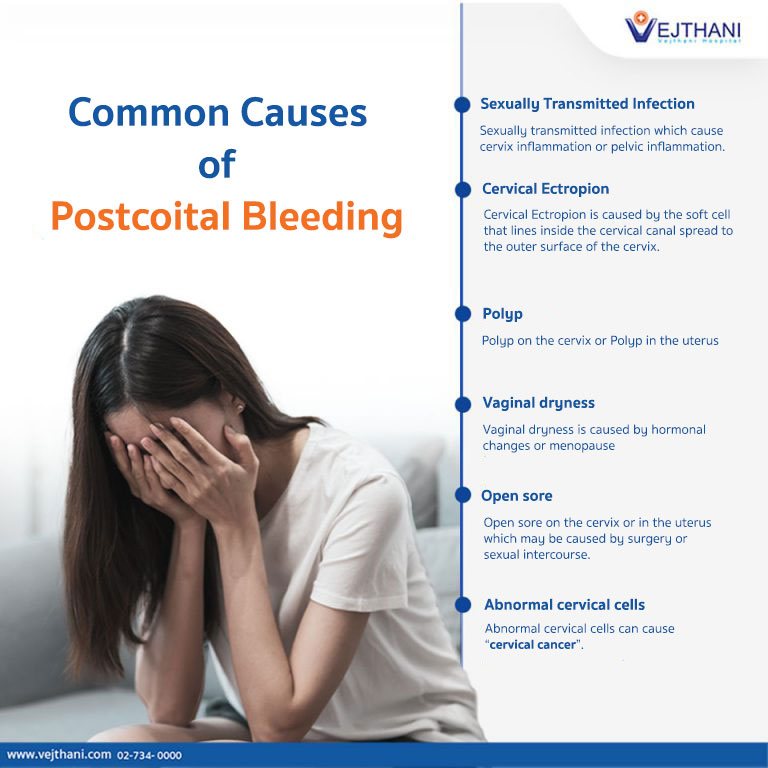
Postcoital Vaginal Bleeding in Woman: top 5 Causes, Evaluation, and When to Worry (is it dangerous?)

Postcoital bleeding (bleeding after sexual intercourse / vaginal bellding after sex) can be alarming, especially in young women. If a woman notices spotting only on the same day after sex, the cause is usually benign — but it should never be ignored.

This article explains the common causes, red flags, and when medical evaluation is necessary.


What Is Postcoital Bleeding?

Postcoital bleeding refers to vaginal bleeding that occurs immediately after sexual intercourse and is not related to menstruation.

It may present as:

  • Light spotting
  • Pink or brown discharge
  • Fresh red bleeding
  • Bleeding that stops within a few hours

Common Causes in a young Woman

In this age group, most causes are non-cancerous.


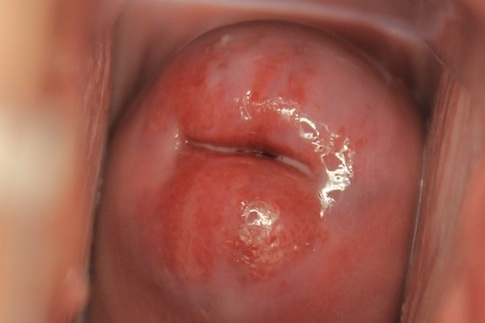
1. Cervical Ectropion (Most Common Cause)

Cervical ectropion occurs when the delicate inner cervical cells are exposed on the outer surface of the cervix.

These cells are fragile and bleed easily when touched during intercourse.

It is common in:

  • Young women
  • Women taking oral contraceptive pills
  • Pregnancy (due to high estrogen levels)

Typically:

  • Bleeding is mild
  • Occurs only after sex
  • No severe pain

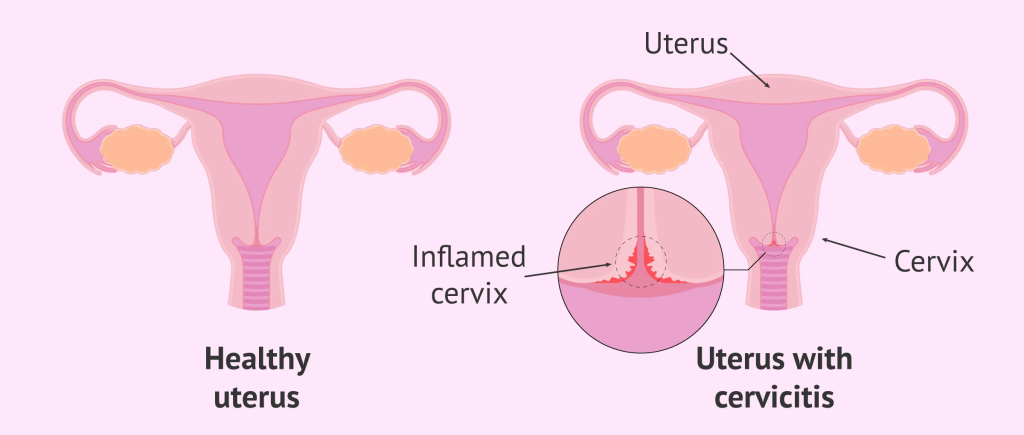
2. Cervicitis (Cervical Infection)

Inflammation of the cervix can cause contact bleeding.

Common sexually transmitted infections include:

  • Chlamydia trachomatis
  • Neisseria gonorrhoeae
  • Trichomonas vaginalis

Associated symptoms:

  • Abnormal vaginal discharge
  • Foul smell
  • Pain during intercourse
  • Burning urination

Young sexually active women are at higher risk.


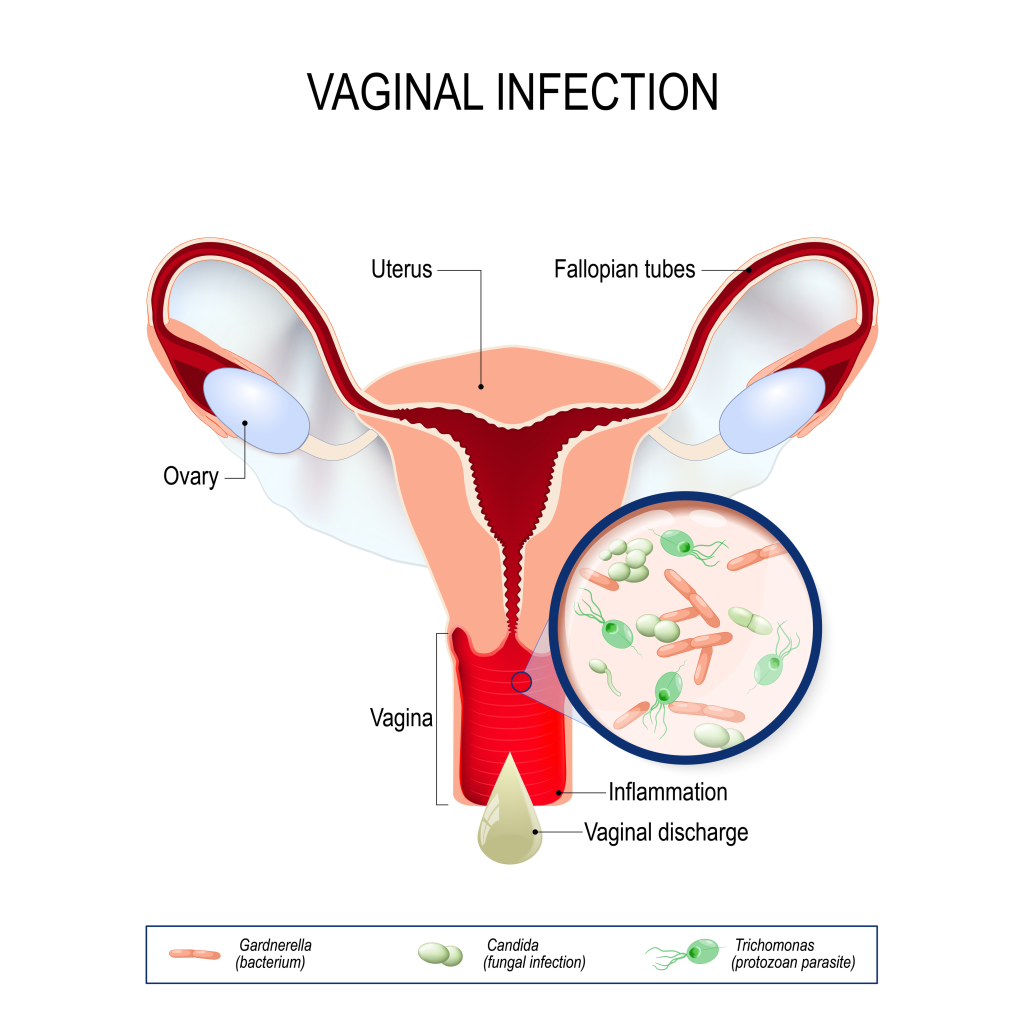
3. Vaginal Infections (Vaginitis)

Infections make vaginal tissue inflamed and fragile.

Common causes:

  • Candida albicans
  • Trichomonas vaginalis

Symptoms:

  • Itching
  • Thick or foul discharge
  • Pain during sex

4. Mechanical Trauma

Minor tears may occur due to:

  • Rough intercourse
  • Inadequate lubrication
  • First sexual intercourse
  • Vaginal dryness

Bleeding is usually mild and short-lived.


Even light bleeding after sex can occur in early pregnancy due to a fragile cervix.

Important causes:

  • Implantation bleeding
  • Threatened miscarriage
  • Ectopic pregnancy

A urine pregnancy test should be done if periods are delayed.


Less Common but Important Causes

Although rare at 23 years of age:

Cervical Dysplasia

Often associated with:

  • Human papillomavirus

May present with recurrent postcoital bleeding.

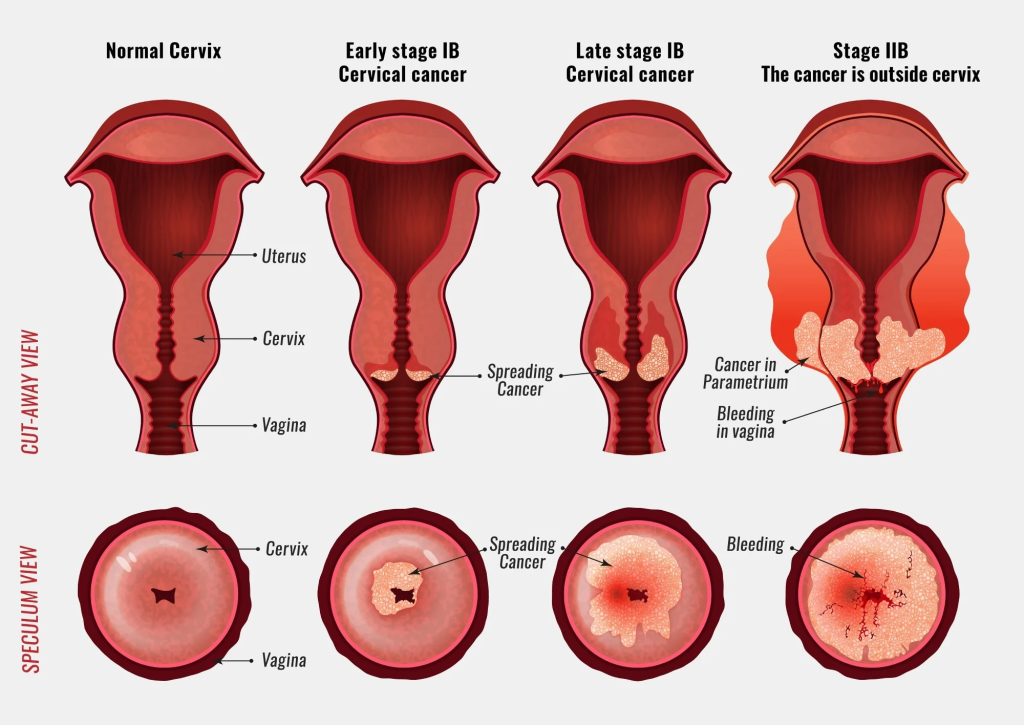
Cervical Cancer

Rare in young women but should be considered if:

  • Bleeding is persistent
  • There is unexplained weight loss
  • There is pelvic pain
  • Abnormal Pap smear

When Is It Likely Benign?

Postcoital bleeding is usually harmless if:

  • It occurs only on the day of intercourse
  • Bleeding is light
  • It stops within hours
  • There is no pain or foul discharge
  • It does not happen frequently

When to See a Doctor

Seek medical evaluation if:

  • Bleeding happens repeatedly
  • Bleeding becomes heavy
  • There is pelvic pain
  • There is abnormal discharge
  • Periods are missed
  • Bleeding occurs unrelated to intercourse

How Is It Evaluated?

A doctor may perform:

  • Detailed history
  • Speculum examination
  • Pregnancy test
  • STI testing (NAAT)
  • Vaginal swab
  • Pap smear (if due)
  • Colposcopy if cervix looks abnormal

Key Takeaway

In woman, postcoital bleeding occurring only on the same day after intercourse is most commonly due to cervical ectropion, mild infection, or minor trauma.

However, repeated episodes should always be medically evaluated to rule out infection and cervical pathology.

Early evaluation ensures reassurance in benign cases and timely treatment if needed.

MIS-C / MIS-P : Facts and more

Multisystem Inflammatory Syndrome in Children (Pediatric)

It’s a rare but serious inflammatory response, most commonly seen after a COVID-19 infection.

What it is:

An overactive immune response

Causes widespread inflammation affecting multiple organs

Common features:

Persistent fever

GI symptoms (abdominal pain, vomiting, diarrhea)

Rash, red eyes, swollen lips/hands

Heart involvement (myocarditis, low blood pressure)

Fatigue, headache

Timing:

Usually appears 2–6 weeks after a viral infection (classically COVID-19)

Treatment:

Hospital care
IVIG, steroids, anti-inflammatory meds

Most kids recover well with early treatment

If this is about a specific child or symptoms, I can explain warning signs, how it’s diagnosed, or how it differs from Kawasaki disease.

Gotcha — here’s a DM-level (doctor/medical) clinical note on MIS-C (Multisystem Inflammatory Syndrome in Children), written in a professional charting style.

Diagnosis:

Multisystem Inflammatory Syndrome in Children (MIS-C)

Definition:

MIS-C is a post-infectious hyperinflammatory syndrome occurring in pediatric patients, most commonly following SARS-CoV-2 infection. It is characterized by persistent fever, systemic inflammation, and involvement of two or more organ systems.

Epidemiology:

Typically presents in children and adolescents weeks after acute or asymptomatic COVID-19 infection. Incidence is rare but clinically significant due to potential cardiovascular involvement.

Pathophysiology:

Believed to be an immune-mediated response rather than direct viral injury. Dysregulated immune activation leads to cytokine release, endothelial dysfunction, and multisystem inflammation.

Clinical Presentation:

Persistent fever (>38.0°C, ≥24 hours)
Gastrointestinal symptoms (abdominal pain, vomiting, diarrhea)
Mucocutaneous findings (rash, conjunctival injection, strawberry tongue, swollen extremities)
Cardiovascular involvement (myocarditis, depressed ejection fraction, hypotension, shock)
Neurologic symptoms (headache, altered mental status, irritability)
Respiratory symptoms may be minimal or absent

Laboratory Findings:

Elevated inflammatory markers (CRP, ESR, ferritin, procalcitonin)
Lymphopenia, thrombocytopenia
Elevated D-dimer, fibrinogen
Elevated cardiac markers (troponin, BNP/NT-proBNP)
Evidence of recent SARS-CoV-2 infection (PCR or serology)

Diagnosis:

Clinical diagnosis based on CDC/WHO criteria, requiring fever, laboratory evidence of inflammation, multisystem involvement, and temporal association with SARS-CoV-2 infection, with exclusion of alternative diagnoses.

Management:

Hospital admission; PICU if hemodynamically unstable
Immunomodulatory therapy: IVIG and systemic corticosteroids
Supportive care (fluids, vasopressors if indicated)
Anticoagulation in select cases
Cardiology consultation and echocardiographic monitoring

6 Common Drugs Used for UTI (urinary tract infection) Prophylaxis in Children

Urinary Tract Infection (UTI) in Children — Introduction

Urinary tract infection (UTI) (outlink to CDC) is one of the most common serious bacterial infections in childhood and an important cause of fever, morbidity, and potential long-term renal damage. UTIs involve infection of the urinary system, including the bladder (cystitis) and kidneys (pyelonephritis). Early recognition and appropriate management are essential to prevent complications such as renal scarring, hypertension, and chronic kidney disease.

Epidemiology

UTIs occur in approximately 5–8% of girls and 1–2% of boys by 7 years of age. During infancy, UTIs are more common in boys, especially those who are uncircumcised. After the first year of life, girls are affected more frequently due to anatomical and behavioral factors.

Causative Agents

The most common causative organism is Escherichia coli, accounting for the majority of infections. Other pathogens include Klebsiella, Proteus, Enterococcus, and Pseudomonas aeruginosa, particularly in children with structural abnormalities or catheterization. Link to Genitourinary system MCQs

Risk factors and Presentation

Risk factors include vesicoureteral reflux, urinary tract obstruction, neurogenic bladder, constipation, poor perineal hygiene, and dysfunctional voiding. Clinical presentation varies with age: neonates and infants may present with nonspecific signs such as fever, poor feeding, vomiting, or irritability, whereas older children typically present with dysuria, frequency, urgency, abdominal pain, or flank pain.

Prevention

Because recurrent infections increase the risk of renal scarring, identifying children at risk and initiating preventive strategies — including behavioral measures and, when indicated, antibiotic prophylaxis — is an important component of pediatric care.

UTI Prophylaxis in Children

DrugDose (once daily unless stated)Age suitabilityWhen preferredImportant notes
Nitrofurantoin1–2 mg/kg at bedtime>1 monthFirst-line prophylaxisAvoid if G6PD deficiency; may cause nausea
Trimethoprim-Sulfamethoxazole (TMP-SMX)2 mg/kg (TMP component)>2 monthsCommon first choiceAvoid in neonates; risk of Stevens-Johnson syndrome
Trimethoprim alone2 mg/kg>2 monthsAlternative to TMP-SMXUseful if sulfa allergy
Cephalexin10–12 mg/kgAll agesInfants & vesicoureteral refluxGood safety profile
Amoxicillin10–15 mg/kg<2 monthsNeonatal prophylaxisResistance common after infancy
Cefixime2 mg/kg>6 monthsResistant organismsUsed less commonly

Indications for UTI Prophylaxis

  • Vesicoureteral reflux (Grade III–V)
  • Recurrent febrile UTIs (≥2 in 6 months or ≥3/year)
  • Obstructive uropathy awaiting surgery
  • Neurogenic bladder
  • After first febrile UTI in infants until evaluation complete

Duration

  • Continue until:
    • VUR resolves or is surgically corrected
    • Child becomes toilet trained and infection-free
    • Specialist review recommends stopping

Key Clinical Points

✔ Give at bedtime for maximal bladder concentration
✔ Encourage hydration & regular voiding
✔ Treat constipation (important risk factor)
✔ Monitor for breakthrough infections and resistance

Treatment of UTI in Children

Empirical Antibiotic Therapy (Based on Clinical Type)

Clinical TypeOral Antibiotics (Outpatient)IV Antibiotics (Inpatient / Severe)Duration
Simple cystitis (Afebrile UTI)Nitrofurantoin 5–7 mg/kg/day ÷ 2 doses
Cephalexin 50–100 mg/kg/day ÷ 3–4 doses
TMP-SMX 8–10 mg/kg/day (TMP component) ÷ 2 doses
Usually not required5–7 days
Febrile UTI / Acute pyelonephritisCefixime 8 mg/kg/day OD
Amoxicillin-clavulanate 40–50 mg/kg/day ÷ 2–3 doses
Ceftriaxone 50–75 mg/kg OD
Cefotaxime 150 mg/kg/day ÷ 3 doses
Gentamicin 5–7 mg/kg OD
7–14 days
Neonatal UTI (<2 months)Not preferredAmpicillin + Gentamicin
OR Cefotaxime
10–14 days
Complicated UTI / Toxic childNot preferredCeftriaxone ± Amikacin
Consider Piperacillin-Tazobactam if resistant
10–14 days

Organism-Specific Considerations

OrganismPreferred Drugs
Escherichia coliCephalosporins, Nitrofurantoin, TMP-SMX (if sensitive)
ProteusAvoid Nitrofurantoin; use cephalosporins
Pseudomonas aeruginosaCeftazidime, Piperacillin-Tazobactam
EnterococcusAmpicillin, Amoxicillin

Supportive Management

MeasureDetails
HydrationEncourage oral fluids
AntipyreticsParacetamol / Ibuprofen
Treat constipationImportant to prevent recurrence
Follow-up cultureIf no improvement in 48 hours
ImagingRBUS after first febrile UTI (especially <2 years)

Important Clinical Points

✔ Send urine routine + culture before starting antibiotics
✔ Switch from IV to oral once clinically improved (24–48 hrs)
✔ Modify antibiotics according to culture sensitivity
✔ Admit if: toxic appearance, persistent vomiting, dehydration, neonate, poor follow-up

CROUP (Acute Laryngotracheobronchitis)


Definition

Croup is an acute viral inflammatory disease of the upper airway involving the larynx, trachea, and bronchi, leading to subglottic edema and airway obstruction.


Epidemiology

  • Age: 6 months – 3 years (can occur up to 6 years)
  • Male > Female
  • Peak: Autumn & early winter
  • Usually preceded by URTI

Etiology

Viral (most common)

  • Parainfluenza virus type 1 (most common)
  • Parainfluenza 2 & 3
  • RSV
  • Influenza A & B
  • Adenovirus
  • Human metapneumovirus

Rare bacterial causes

  • Mycoplasma
  • Secondary bacterial infection (uncommon)

Pathophysiology

  • Viral infection → inflammation & edema of subglottic region
  • Subglottis is the narrowest part of pediatric airway
  • Small edema → marked increase in airway resistance
  • Leads to inspiratory stridor & respiratory distress

Clinical Features

Prodrome

  • Low-grade fever
  • Coryza
  • Cough

Characteristic features

  • Barking (seal-like) cough
  • Hoarseness
  • Inspiratory stridor
  • Worse at night
  • Aggravated by crying & agitation

Severe disease

  • Stridor at rest
  • Chest retractions
  • Tachypnea
  • Hypoxia
  • Fatigue / altered sensorium (late sign)

Severity Assessment (Westley Croup Score – concept)

FeatureMildModerateSevere
StridorNone / with agitationAt restLoud, biphasic
RetractionsNoneMild–moderateSevere
Air entryNormalDecreasedMarkedly reduced
CyanosisNoneNonePresent
Mental statusNormalNormalAltered

Investigations

  • Diagnosis is clinical
  • No routine labs required
  • Neck X-ray (AP) (only if diagnosis unclear):
    • Steeple sign (subglottic narrowing)

Differential Diagnosis

ConditionKey Differentiating Feature
EpiglottitisHigh fever, drooling, muffled voice
Bacterial tracheitisToxic child, high fever
Foreign bodySudden onset, no prodrome
Retropharyngeal abscessNeck stiffness, drooling
AngioedemaFacial/lip swelling

Management

General Measures

  • Keep child calm
  • Minimal handling
  • Oxygen if hypoxic
  • Humidified air (comfort measure only)

Pharmacological Treatment

1️⃣ Corticosteroids (All cases)

Dexamethasone (Dexona)

  • Dose: 0.6 mg/kg
  • Max: 10 mg
  • Route: Oral / IM / IV
  • Single dose usually sufficient

2️⃣ Adrenaline Nebulization (Moderate–Severe)

L-Adrenaline (1:1000)

  • Dose: 0.5 mL/kg (max 5 mL)
  • Dilute with NS to 5 mL
  • Rapid onset (10–15 min)
  • Duration: ~2 hours

⚠️ Observe 2–4 hours after neb (rebound stridor)


Indications for Admission

  • Stridor at rest
  • Need for repeated adrenaline
  • Hypoxia
  • Poor oral intake
  • Age < 6 months
  • Social concerns

Indications for ICU / Intubation

  • Exhaustion
  • Altered consciousness
  • Severe hypoxia
  • Poor air entry
  • Failure to respond to treatment

Complications

  • Respiratory failure
  • Secondary bacterial infection
  • Pneumonia
  • Rarely death

Prognosis

  • Excellent
  • Self-limiting (3–7 days)
  • Recurrence possible

Key Takeaway

  • Single dose dexamethasone for all croup
  • Adrenaline = temporary relief
  • Steeple sign = croup
  • Drooling → think epiglottitis
  • Avoid agitation at all costs

What is vitamin D? What are the causes, symptoms, complications and treatment of vitamin D deficiency?

What are the causes, symptoms, complications and treatment of vitamin D deficiency?

Contents

Table of Contents(toc)

vitamin d capsules


  1. What is vitamin D?….
  2. What are sources of vitamin D?…………
  3. What is the function of vitamin D in our body? Why do we need vitamin D?…………
  4. What is the daily requirement of vitamin D?………….
  5. What causes vitamin D deficiency?……………
  6. What are symptoms of vitamin D deficiency?…………
  7. What are the complications of vitamin D deficiency?………..
  8. How to prevent vitamin D deficiency?……..
  9. How to treat vitamin D deficiency?….
  10. How to test vitamin D in our body?…..
  11. What is the dose of vitamin D supplementation?…..
  12. Do we overdose on vitamin D?………..
  13. What should I do if I think I lack vitamin D?……

What is vitamin D?

Vitamin D is an essential micronutrient which can be found in various food sources. Vitamin D is fat-soluble, and few foods naturally have vitamin D. Except fatty fish liver, other foods are poor sources of vitamin D. Vitamin D is needed for bone metabolism and calcium balance in the body.

What are sources of vitamin D?

Synthesis of vitamin D in skin is the main source of vitamin D for humans. The vitamin D in the skin is formed by exposure of Ultraviolet light into the skin, converting 7-dehydrocholesterol to provitamin D3. This is then converted to cholecalciferol by temperature dependent rearrangement. The sun exposure to face and arms only produces up to 200 International units per day of vitamin D.

Fatty fish liver is another major source. Minor sources include milk, meat and animal liver, eggs, some vegetables and mushrooms.

vitamin d and bone

What is the function of vitamin D in our body? Why do we need vitamin D?

After production in skin, or after taking vitamin D (D2 or D3 from food), our blood is converted to 25-hydroxyvitamin D and then to 1,25-hydroxyvitamin D in the kidney. This is the active form of vitamin D. The functions of vitamin D are:

  • Calcium Homeostasis
  • Bone metabolism
  • Phosphorus metabolism
  • Muscle strength
  • Prevention from cancer
  • Prevention form heart disease like hypertension and heart attack
  • Prevention from other endocrine diseases and diabetes
  • Boosting immune system
  • Helping brain development and prevention of cognitive function decline
  • Prevention from mental illnesses

What is the daily requirement of vitamin D?

Recommended dietary allowance RDA of vitamin D is as follows:

  • Up to 12 months of age: 400 IU per day (=10 mcg)
  • Children 1-18 years, people up to 70 years: 600 IU (=15mcg) per day
  • People above 70 years: 800 IU (=20mcg) per day

People often have low Vitamin D intake, and most people are deficient in vitamin D. Many people are at considerable risk for deficiency. Thus, it’s recommended for regular supplement of vitamin D to all the high-risk populations. Now a days milk fortification with vitamin D has also started to meet this requirement.

People with malabsorption disorders require high dose supplementation of vitamin D as high as 40000 IU per day.

What causes vitamin D deficiency?

Worldwide, billions of people lack vitamin D. Some factors mentioned below may cause vitamin D deficiency or resistance in our body:

  • Low exposure to sunlight
  • Low dietary intake
  • Low fat intake
  • Malabsorption disorders or syndromes
  • Residence in regions where there is low sun exposure
  • Impaired ability of body to use inactive vitamin D (liver or renal dysfunction)
  • Resistance of body to act to the vitamin D present in our body
  • Older age
  • High dose of steroids drug intake

vitamin d deficiency depiction

What are symptoms of vitamin D deficiency?

  • Most people are asymptomatic initially
  • Bone pain and tenderness
  • Muscle weakness
  • Fractures
  • Difficulty walking

    What are the complications of vitamin D deficiency?

    • Increases bone loss
    • Osteopenia and osteoporosis
    • Hypocalcemia
    • Hypophosphatemia
    • Secondary hyperparathyroidism
    • Phosphaturia
    • Osteomalacia
    • Muscle weakness, cancers, decreased immunity or increased autoimmune diseases, asthma, hypertension, MI, diabetes, bad pregnancy outcomes

      How to prevent vitamin D deficiency?

      • Get adequate exposure to direct sunlight, especially in the morning (10 am to 2 am) time when there is adequate concentration and band of UV light in sunlight
      • Eat fish and fish liver that have vitamin D (cod, salmon, swordfish, tuna)
      • Eat eggs, meat and animal liver
      • Eat fortified milk or juices with vitamin D


      How to treat vitamin D deficiency?

      Serum vitamin D (25-hydroxyvitamin D) level can be measured by blood test to confirm or screen for vitamin D deficiency. The common consensus is that 30 ng/mL (nanogram per milliliter) or 75 nmol/L is sufficient for most individuals. However, the reference range may vary depending on the population and consensus.

      Serum PTH (parathyroid hormone) level is inversely related to serum vitamin D level so it can also be measured to check for vitamin D deficiency.

      What is the dose of vitamin D supplementation?

      Despite adequate dietary and behavioral measures to prevent vitamin D deficiency, people may have deficiency and may even have clinical manifestations.
      There are two forms of vitamin D supplementations available cynically for supplementation viz. Cholecalciferol (D3) and ergocalciferol (D2). These supplementations are available in various doses like 400, 600, 800, 1000, 2000, 5000, 10000, 50000, 60000 IU capsules, powder or tablets. In some countries they are available in Injectable form as well.

      Vitamin d supplementation can be done by any of following regimen depending up on patient factors like severity, patients’ absorptive ability, compliance or clinical manifestations:

      • Initially 60000 IU of D2 or D3 once a week for 6-8 weeks (about 2 months) then 800 IU per day
      • 1000 IU of D2 or D3 per day
      • 600-800 IU of D2 or D3 per day
      • 10000 to 60000 IU per day for malabsorption disorders depending upon severity of malabsorption and deficiency

      In some cases, vitamin D metabolites like calcidiol or calcitriol or dihydrotachysterol may be used for treatment of vitamin D deficiency. Another modality of vitamin D deficiency treatment is artificial exposure to UVB (ultraviolet B) light.


      Calcium supplementation may also be needed with supplementation of vitamin D.

      Is vitamin D3 the same as vitamin D 25 hydroxyvitamin D3?

      25-hydroxyvitamin D3 is one of the inactive forms of the vitamin D which is found in blood and its value is measured to check for vitamin D deficiency.

      Is vitamin D same as D3 or D2?

      Vitamin D has two forms, which are vitamin D2 and D3. The source of vitamin D3 is skin and animal foods where as vitamin D2 is found in plant sources.

      Do we overdose on vitamin D?

      Toxic dose of vitamin D supplementation is not clear though tolerable upper limit is set. For children above 9 years and adults, the largest upper limit is 4000 IU (100mcg) per day, while that for children it lower. Following symptoms might be seen if vitamin D toxicity or overdose occurs:

      • Decreased appetite
      • Weight loss
      • Irregular heartbeat

      What should I do if I think I lack vitamin D?

      If you think you have vitamin D deficiency you need to visit your doctor and he will ask you some questions about symptoms and signs of vitamin D deficiency. He may order some tests to confirm if you have vitamin D deficiency. After the reports he will treat it depending upon multiple factors and personalized treatment plan for you. He will also ask you for follow-up to confirm the correction of the deficiency, relief of symptoms, and help you with future prevention of the same condition. A repeat check of vitamin D level can usually be done after 3-4 months of supplementation intake.
      You can also book an appointment with us if you think you have vitamin D deficiency or any health problem. Use the contact us button or the chat box below. Thank you for reading.

      Exit mobile version