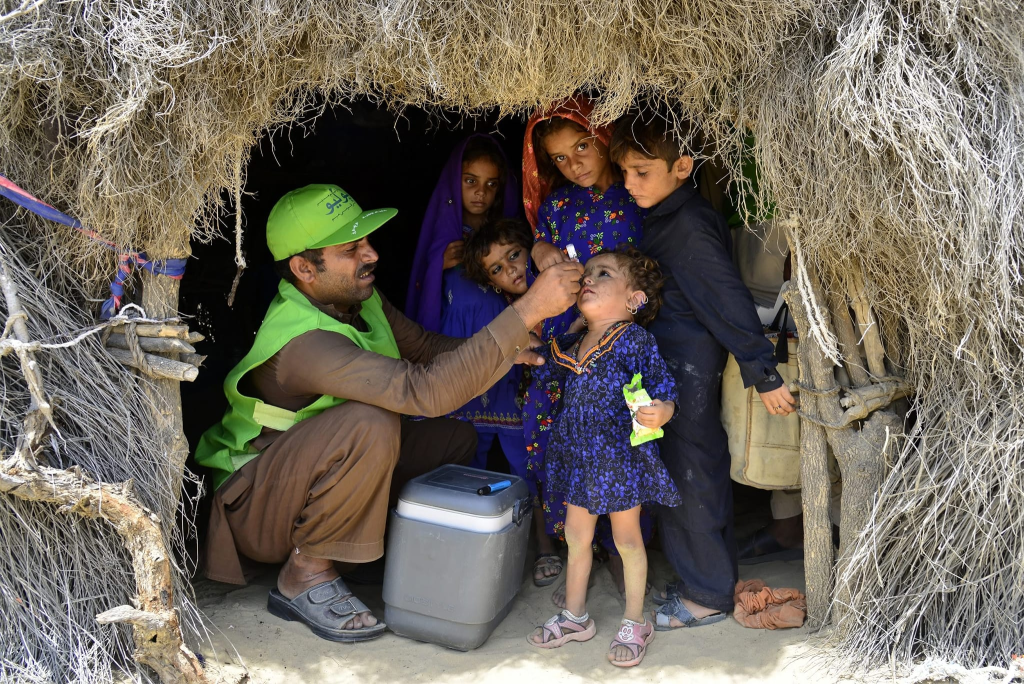
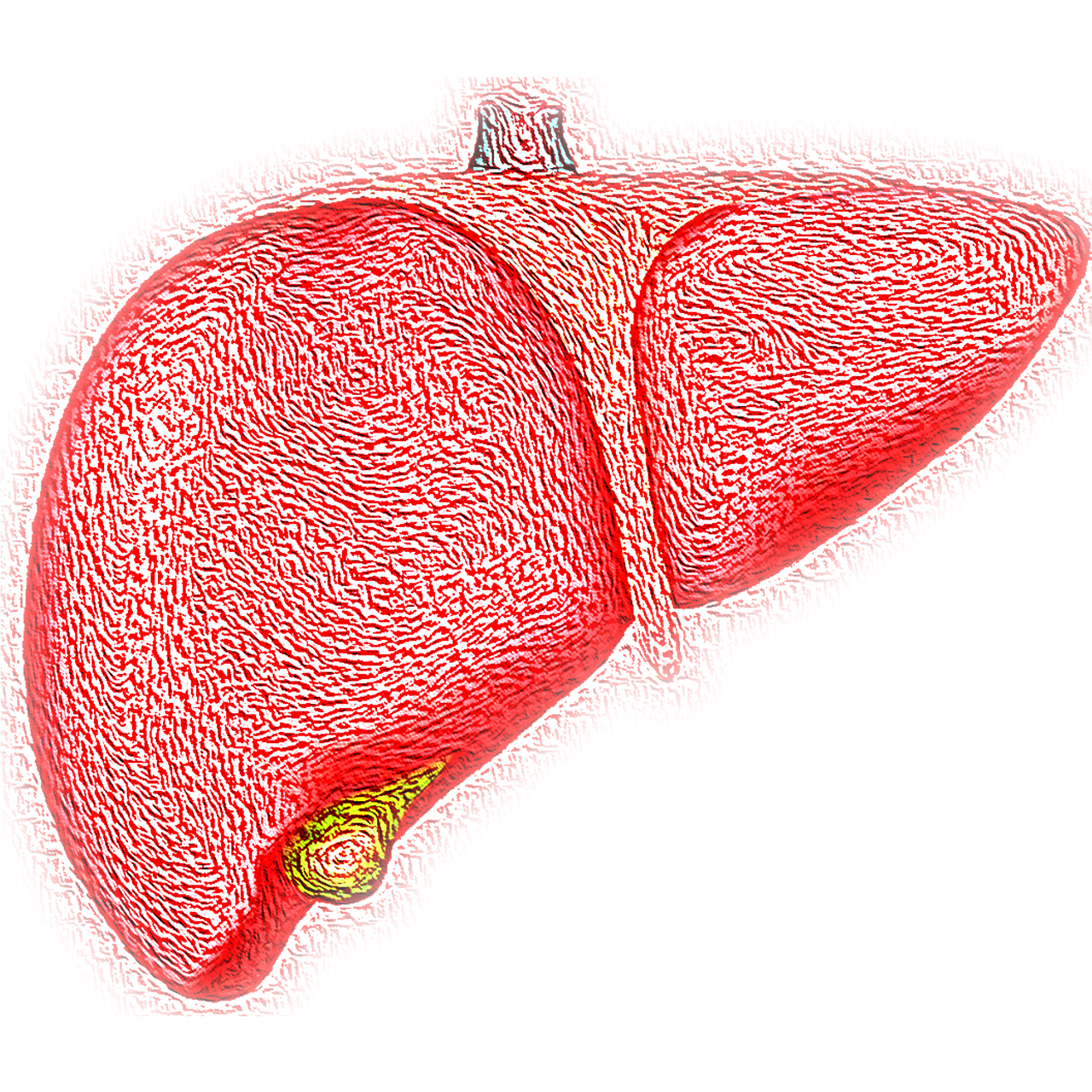
Viral hepatitis in children is a primary inflammation of the liver caused by at least five specific hepatotropic viruses (A, B, C, D, and E). While often milder in pediatric patients than in adults, it can progress to acute liver failure or chronic liver disease, particularly with types B and C.
I. Classification and Etiological Profile of Primary Viral Hepatitis
The five main viruses are distinguished by their genomic structure and mode of transmission:
Hepatitis A Virus (HAV): An RNA virus identical to enteroviruses; transmitted primarily via the feco-oral route through contaminated food or water. It never causes chronic infection.
Hepatitis B Virus (HBV): A DNA virus (Dane particle) transmitted parenterally, sexually, or vertically (perinatal). It is the most common cause of acute and chronic hepatitis worldwide.
Hepatitis C Virus (HCV): An RNA virus primarily transmitted via percutaneous blood exposure (IV drug use, transfusions before 1991) and vertically (5-6% risk).
Hepatitis D Virus (HDV): A defective RNA virus that requires co-infection or superinfection with HBV to replicate, as it uses the HBV lipoprotein envelope.
Hepatitis E Virus (HEV): An RNA virus transmitted enterally (water-borne), similar to HAV; it is a major cause of high mortality in pregnant women.
II. High-Yield Incubation Periods and Transmission Routes
Virus
Incubation Period
Main Route of Transmission
HAV
28–42 days
Feco-oral (“The vowels go through the bowels”)
HBV
60–150 days
Parenteral, Sexual, Vertical (Perinatal)
HCV
30–60 days
Parenteral (Blood exposure), Vertical
HDV
60–80 days
Parenteral (Requires HBV co-infection)
HEV
25–60 days
Feco-oral (Often water-borne epidemics)
Exam Point: “The Window Period” In HBV infection, the “window period” occurs when HBsAg has disappeared but Anti-HBs has not yet appeared. During this time, Anti-HBc IgM is the only marker of acute infection.
III. Detailed Clinical Presentation and Extrahepatic Features
Symptoms in children are often non-specific and vary by age:
Prodromal Phase:Fever, malaise, anorexia, nausea, vomiting, and right upper quadrant abdominal pain.
Icteric Phase: Subside of fever and anorexia, followed by jaundice (1–3 days after prodrome), dark urine, and pale stools.
Physical Findings: Tender hepatomegaly is common; splenomegaly occurs in 30% of cases.
HBV Extrahepatic Manifestations: High-yield exam points include serum sickness-like syndrome, polyarteritis nodosa (PAN), and membranous glomerulonephritis.
Chronic Hepatitis: Defined as continuing inflammation for \(\ge\)3–6 months; markers include persistently raised transaminases.
IV. Interpretation of Serological Markers (Crucial for MD Exams)
Diagnostic confirmation relies heavily on serology:
HAV: Diagnosis by Anti-HAV IgM (acute); Anti-HAV IgG indicates past infection and lifelong immunity.
HBV Complex Serology:
HBsAg: Indicates current infection (acute or chronic).
Anti-HBs: Indicates immunity (either via vaccine or recovered infection).
Anti-HBc IgM: Indicates acute/recent infection (useful in the window period).
Anti-HBc IgG: Indicates past or chronic infection.
HBeAg: Correlates with high viral replication and high infectivity.
Anti-HBe: Indicates lower infectivity.
HCV: Screen with Anti-HCV; confirm with HCV RNA PCR (detectable 1–2 weeks post-exposure).
V. Management and Pediatric Treatment Protocols
Treatment is primarily supportive for acute cases, but chronic cases require targeted therapy:
Supportive Care: Bed rest during jaundice, high carbohydrate diet, and avoidance of fats and hepatotoxic drugs (e.g., paracetamol, chlorpromazine).
Chronic HBV: Preferred treatments include Entecavir (\(\ge\)2 years) or Tenofovir (\(\ge\)12 years). Interferon-alfa is also an option for children 1–18 years.
Chronic HCV: Revolutionized by Direct-Acting Antivirals (DAAs). Recommended for all children \(\ge\)3 years. Regimens like Sofosbuvir/Ledipasvir (Harvoni) or Glecaprevir/Pibrentasvir (Mavyret) are highly effective.
Fulminant Hepatitis: Requires ICU admission, management of cerebral edema (Mannitol), and evaluation for liver transplantation.
VI. Prevention and Post-Exposure Prophylaxis (PEP)
Hepatitis A Vaccine: Two-dose series starting at 12 months.
Hepatitis B Vaccine: Routine three-dose series at birth, 1–2 months, and 6 months.
Perinatal HBV PEP: If a mother is HBsAg-positive, the neonate must receive HBIG (0.5 mL) and the first HBV vaccine dose within 12 hours of birth at separate sites.
Hygiene: Improving water supply and personal hygiene is the mainstay for preventing enteral (A and E) types.
High-Yield Laboratory “Rule of Thumb”: In acute viral hepatitis, ALT is typically > AST. If AST is twice as high as ALT, consider other etiologies like alcoholic hepatitis or hemolysis. Very high levels (>1000 U/L) are characteristic of acute viral or toxic injury.
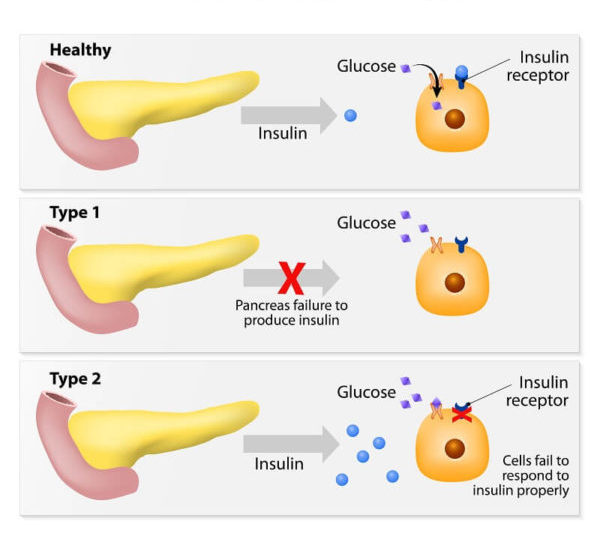
Diabetes is a chronic medical condition characterized by high levels of blood sugar (glucose). This occurs either because the body doesn’t produce enough insulin (a hormone that regulates blood sugar) or because the cells don’t respond properly to the insulin that is produced. Insulin is necessary for the body to effectively use glucose as a source of energy.
History for diabetes mellitus type 1 and 2:
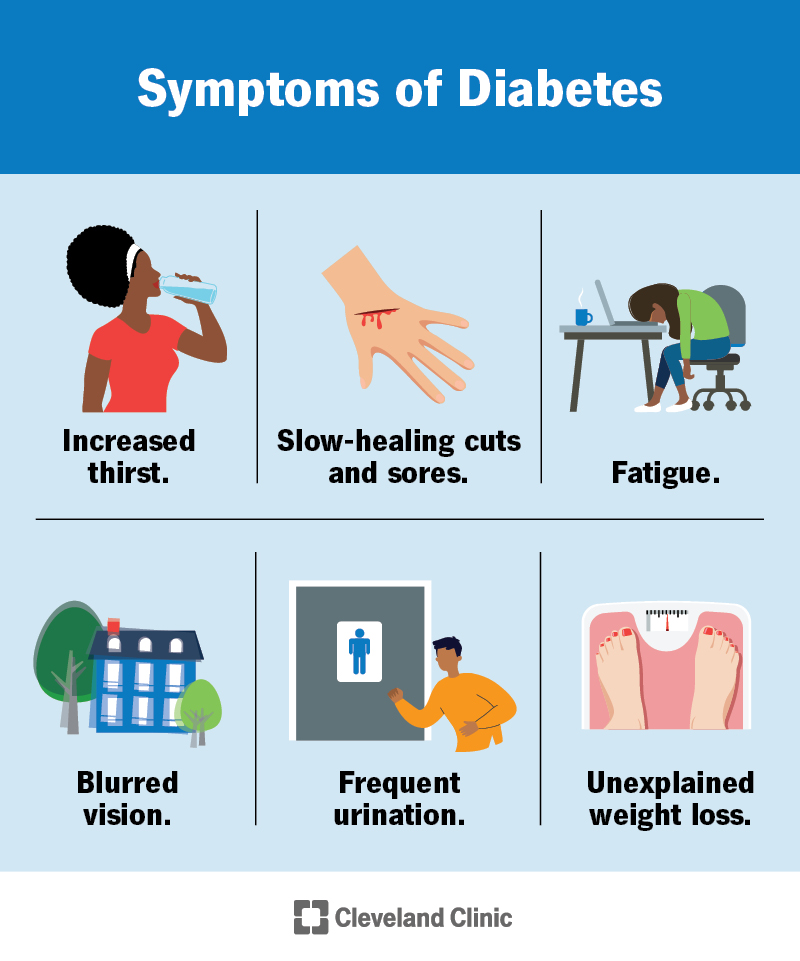
Symptoms of hyperglycemia
Thirst, dry mouth
Polyuria
Nocturia
Tiredness, fatigue, lethargy
Noticeable change in weight (usually weight loss)
Blurring of vision
Pruritus vulvae, balanitis (genital candidiasis)
Nausea; headache
Hyperphagia; predilection for sweet foods
Mood change, irritability, difficulty in concentrating, apathy
Family history
Physical examination for diabetes mellitus type 1 and 2
BMI
Retinal examination
Orthostatic blood pressure
Foot examination
Peripheral pulses
Insulin injection sites
Peripheral neuropathy
Type 1 Vs Type 2 Diabetes mellitus DM
Type 1
Type 2
Onset
Sudden
Gradual
Age at onset
Any (mostly young)
Mostly in adults
Body habitus
Thin or normal
Often obese
Ketoacidosis
Common
Rare
Autoantibodies
Usually +
Absent
Endogeneous insulin
Low or absent
Normal, decreased or increased
Concordance in identical twins
~ 50%
~90%
Prevalence
Less prevalent
More prevalent (~90-95% of US diabetics)
Biochemical
C-peptide disappears
C-peptide persists
Mechanism and pathophysiology of Diabetes mellitus
Increased bloog glucose sugar level definition is called when
Two-hour glucose during OGTT <140 mg/dL (7.8 mmol/L)
Categories of increased risk for diabetes:
•Impaired fasting glucose(IFG)
FPG between 100 and 125 mg/dL (5.6 to 6.9 mmol/L).
•Impaired glucose tolerance(IGT)
Two-hour – 75 g OGTT between 140 and 199 mg/L (7.8 to 11.0 mmol/L).
•A1C – Persons with 5.7 to 6.4 percent (39 to 46 mmol/mol
Diagnostic criteria of Diabetes mellitus
1. A1C ≥6.5 percent OR 2. Fasting Plasma Glucose ≥126 mg/dL (7.0 mmol/L) (Fasting is defined as no caloric intake for at least eight hours.) OR 3. Two-hour plasma glucose ≥200 mg/dL (11.1 mmol/L) during an OGTT. (The test should be performed using a glucose load containing the equivalent of 75-gram anhydrous glucose dissolved in water.) OR 4. In a patient with classic symptoms of hyperglycemia or hyperglycemic crisis, a random plasma glucose ≥200 mg/dL (11.1 mmol/L).
1. A1C ≥6.5 percent
OR
2. Fasting Plasma Glucose ≥126 mg/dL (7.0 mmol/L)
(Fasting is defined as no caloric intake for at least eight hours.)
OR
3. Two-hour plasma glucose ≥200 mg/dL (11.1 mmol/L) during an OGTT.
(The test should be performed using a glucose load containing the equivalent of 75-gram anhydrous glucose dissolved in water.)
OR
4. In a patient with classic symptoms of hyperglycemia or hyperglycemic crisis, a random plasma glucose ≥200 mg/dL (11.1 mmol/L).
Advice to patients with Impaired glucose tolerance
Have an increased risk both of progression to type 2 diabetes and of developing macrovascular disease
Advice lifestyle modification reduces the risk of progression in IGT
Monitor annually by measurement of fasting blood glucose
Other cardiovascular risk factors treate aggressively
Swasthya Sewa Niyamawali 2053 is a set of health service regulations implemented in Nepal. It outlines guidelines and standards for the provision of healthcare services in the country. The regulations cover various aspects such as health facility management, service delivery, infrastructure requirements, human resources, and quality assurance. The goal of the Niyamawali is to ensure the availability of quality healthcare services and protect the rights of patients. It plays a crucial role in regulating the healthcare sector and improving the overall health system in Nepal.
Summary of Swasthya sewa niyamawali 2055
Here are some additional facts about Swasthya Sewa Niyamawali in Nepal:
Development and Implementation: Swasthya Sewa Niyamawali 2055 was developed by the Government of Nepal in collaboration with health experts and stakeholders. It was implemented in 1996 and has undergone subsequent revisions to address evolving healthcare needs.
Coverage: The Niyamawali applies to a wide range of health facilities, including hospitals, clinics, nursing homes, dispensaries, and health posts. It ensures that both public and private health institutions adhere to the prescribed standards.
Service Delivery: The regulations define the responsibilities and obligations of healthcare providers in delivering services. It covers areas such as patient care, emergency services, referral mechanisms, pharmaceutical services, and preventive measures.
Infrastructure Requirements: The Niyamawali sets forth standards for infrastructure and physical facilities. It includes provisions for hygiene, sanitation, waste management, medical equipment, and adequate space for patient care.
Human Resources: The regulations address the requirements for healthcare professionals, including qualifications, licensing, and registration. It emphasizes the need for qualified medical personnel and skilled staff in health facilities.
Quality Assurance: Swasthya Sewa Niyamawali emphasizes the importance of quality assurance in healthcare. It establishes mechanisms for monitoring, evaluation, and accreditation of health services to ensure compliance with defined standards.
Patient Rights and Safety: The Niyamawali places a strong emphasis on protecting the rights and safety of patients. It outlines measures to ensure confidentiality, informed consent, patient education, and handling of complaints and grievances.
Capacity Building and Training: The regulations promote continuous capacity building and professional development of healthcare providers. It encourages training programs, workshops, and research to enhance the skills and knowledge of medical personnel.
Enforcement and Penalties: Swasthya Sewa Niyamawali empowers regulatory bodies to enforce compliance with the regulations. It outlines penalties and legal consequences for non-compliance, including fines, suspension, or revocation of licenses.
Ongoing Revisions: The Niyamawali is periodically reviewed and revised to align with emerging healthcare needs and advancements. This ensures that the regulations remain relevant and effective in addressing the evolving healthcare landscape in Nepal.
swasthya sewa niyamabali 2055 download below:
Summary of swasthya sewa niyamawali:
Swasthya Sewa Niyamawali 2055 is a set of health service regulations implemented in Nepal. It outlines guidelines and standards for the provision of healthcare services in the country. The regulations cover various aspects such as health facility management, service delivery, infrastructure requirements, human resources, and quality assurance.
The goal of the Niyamawali is to ensure the availability of quality healthcare services and protect the rights of patients. It plays a crucial role in regulating the healthcare sector and improving the overall health system in Nepal.
APD (acid peptic disease/disorders) consists of different spectrum of disease which includes GERD gastritis, esophagitis, Gastroduodenitis, peptic ulcer disease (gastric and duodental ulcers).
Symptoms of Gastritis and Peptic ulcer disease:
The common symptoms of it innclude heartburn, acid reflux, belching and abdominal pain. These symptoms are usually aggravated by empty stomach and occasionally the symptoms are also precipitated by eating food depending upon where the pathology is.
Pathophysiology:
Acid and pepsin levels that are too high can lead to acid peptic diseases. The gastric and duodenal ulcer are the two main varieties of acid peptic diseases. The acid corrodes and injures the unprotected gastric mucsa and pepsin also plays vital role in it.
But they can also happen at Meckel’s diverticulum, the lower end of the oesophagus, and the GJ Stoma. Acute or chronic symptoms can be present for a long time or be more complicated.
Role of Helicobacter pylori:
A bacterium names Helicobacter pylori is also associated with pathology of this disease. This bacteria can bear strong acidic environment hence it lives in human stomach and helps frmation of the ulcers in the esophagus, stomach and the duodenum.
Complications of gastritis and pepic ulcer disease PUD:
The complications of untreated APD include but no limited to ulceration and bleeding, pain, weight loss, malnutrition, perforation, peritonitis, hospital stay and need for surgery. in some cases the patient may also develop carcinoma (cancer) as well.
The gastric ulcer commonly changes into carcinoma while the duodenal ucer mostly perforates.
APD/ GERD treatment
The treatment of this disaese includes acid supressants i e PPIs, H2 antihistamines, Prostaglandin analogues, antacid tablets, and sometimes the patient may need antibiotcs as well for eradication of H pylori.
Occasionally ulcer protective agents are also used for helping the ulcers heal, like sucralfate and the bismuth.
The complications like perforations are managed surgically while if any ulcer present should be checked for malignancy.
Here is the powerpoint presentation ppt for my studdents to go htorugh and revise while preparing for the competitive exams.
Video on Peptic ulcer disease
Tags; ( please ignore )Health exams, Exam preparation, Medical exams, Health test, Study tips, Health education, Health knowledge, Exam stress, Health science, Health information, Exam strategies, Health conditions, Test anxiety, Health promotion, Exam resources, Health resources, Health research, Exam techniques, Health coaching, Exam success, PSC exam preparation, Lok Sewa exam tips, License exam study material, Exam syllabus, Exam pattern, Previous year question papers, Mock exams, General knowledge for exams, Exam eligibility criteria, Exam registration, Exam dates, Exam centers, Exam results, Exam analysis, Exam cutoff marks, Exam books and guides, Exam coaching, Exam time management, Exam revision techniques, Exam success stories, Public service commission exam, Civil service exam preparation, PSC exam syllabus, PSC exam pattern, PSC exam eligibility, PSC exam registration, PSC exam dates, PSC exam centers, PSC exam results, PSC exam preparation tips, Lok Sewa Aayog exam preparation, Lok Sewa Aayog exam syllabus, Lok Sewa Aayog exam pattern, Lok Sewa Aayog exam eligibility, Lok Sewa Aayog exam registration, Lok Sewa Aayog exam dates, Lok Sewa Aayog exam centers, Lok Sewa Aayog exam results, License exam preparation, License exam syllabus, License exam pattern, License exam eligibility, License exam registration, License exam dates, License exam centers, License exam results, License exam preparation tips, General knowledge for PSC, Lok Sewa, and license exams, Current affairs for exams, Mental ability for exams.
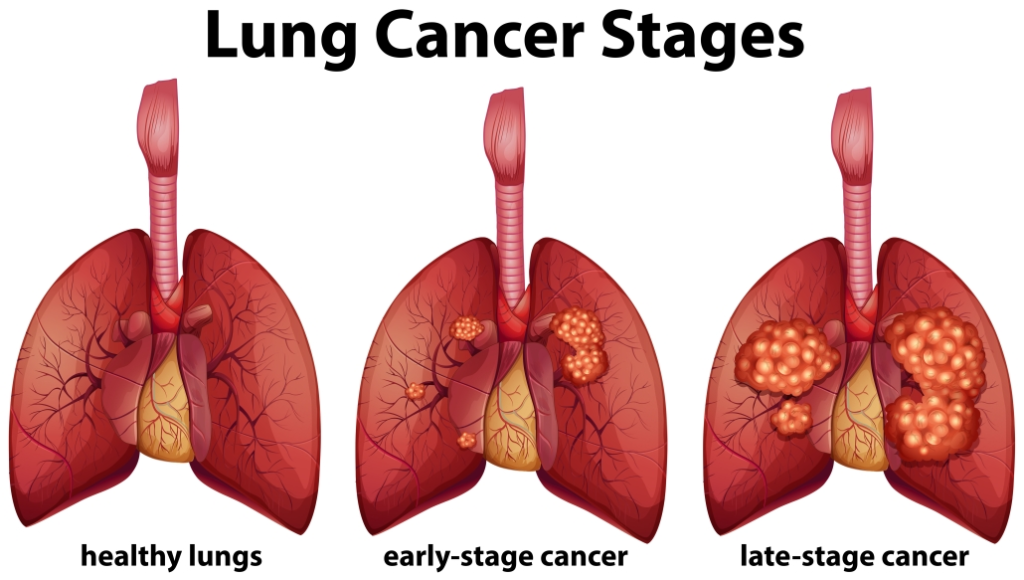
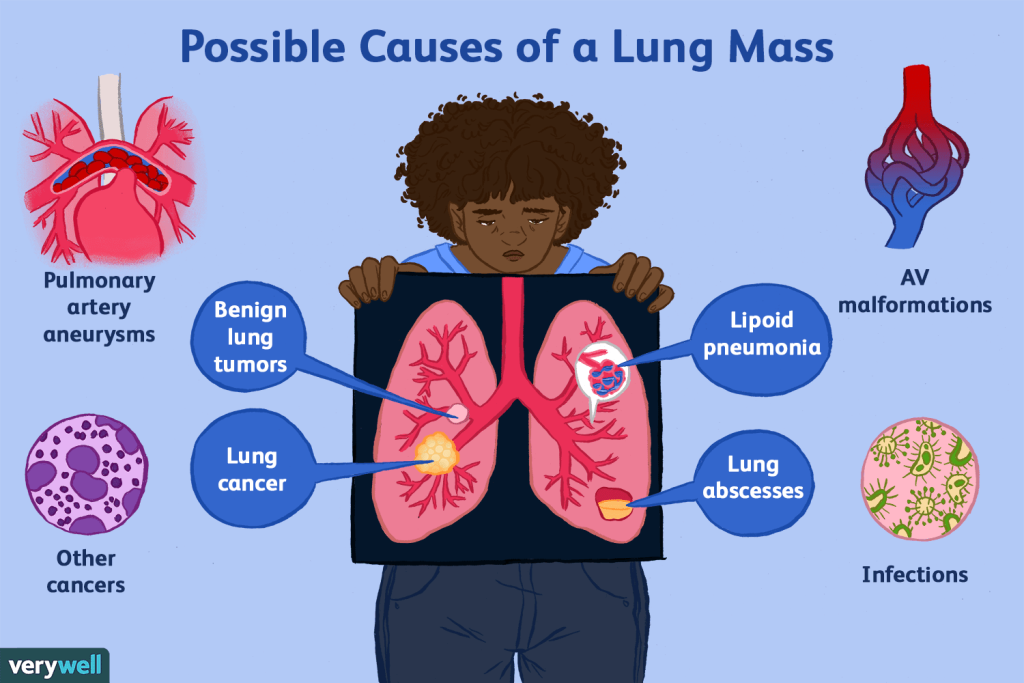
Lung canceris one form of cancer that begins in lung cells. It is one of the most prevalent cancers and the main reason for cancer-related deaths globally. Lung cancer is also called bronnchogenic carcinoma.
Non-small cell lung cancer (NSCLC) and small cell lung cancer are the two main subtypes of lung cancer. (SCLC). Compared to SCLC, NSCLC is more prevalent and typically develops and spreads more slowly.
What causes lung cancer? Does smoking cause lung cancer?
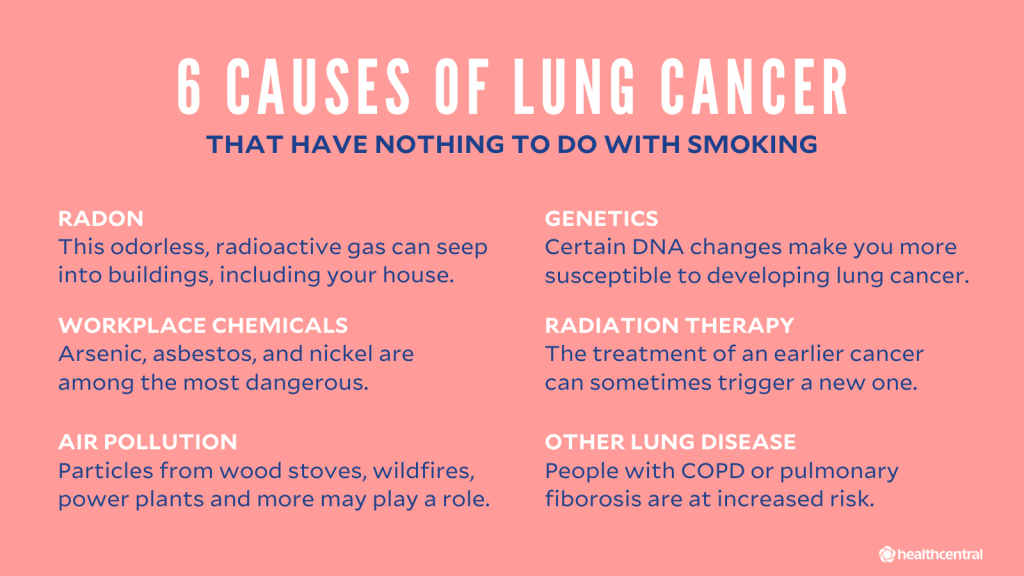
Smoking is the leading risk factor for lung cancer, although other dangers include radon exposure, air pollution, and exposure to secondhand smoke.
What are the symptoms of lung cancer?
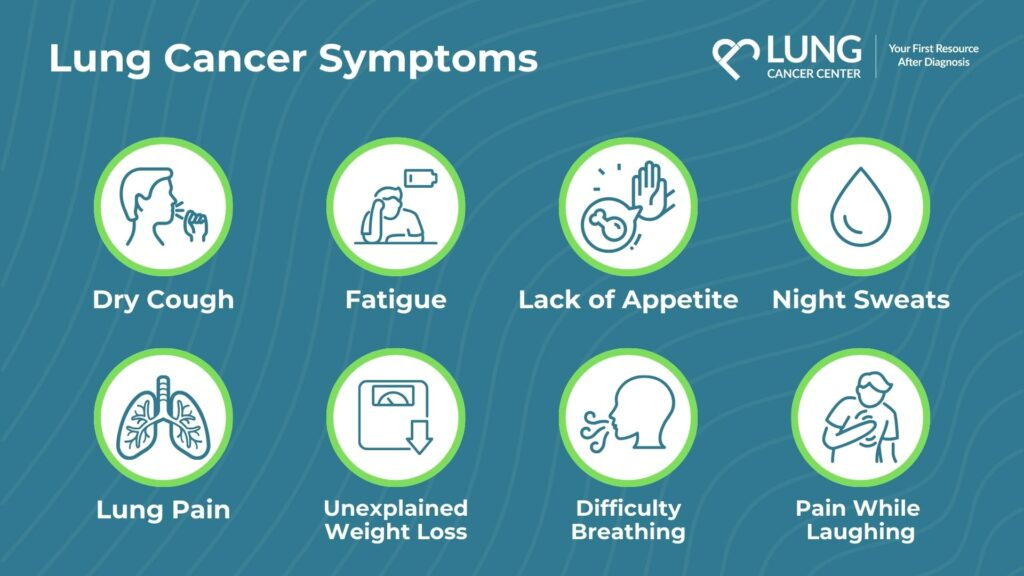
Initilaay the aptient may not be symptomatic.The patient may have constitutional symptoms like weight loss, loss of appetite, decreased energey and weakness. The llung cancer sumptoms include: coughing, chest pain, shortness of breath, and weight loss are all possible signs of lung cancer. The sputum may contain blood in it and cough remains for longer duration of time and is not cured even after treatment for other conditions.
Diagnosis of lung cancer
After patient is suspected of lung cancer, the patient may be needed to be investigated for it. The possible investigations may include complete blood counts, inflammatory markets, imaging studies like chest x ray, contrast or non contrast CT scan of chest, bronchoscopy.
The other disgnostic tests include CT guided needle biopsy, PET or positron emission tomography, bone scan, sputum cytology, thoracocentesis, needle biopsy like FNAC or in some cases even thrascopy may also be needed.
The supportive investigations to rle out the other causes include lunf functions tesst, arterial bood gas ABG analysis, liver function tests etc.
What is the treatment of lung canncer?
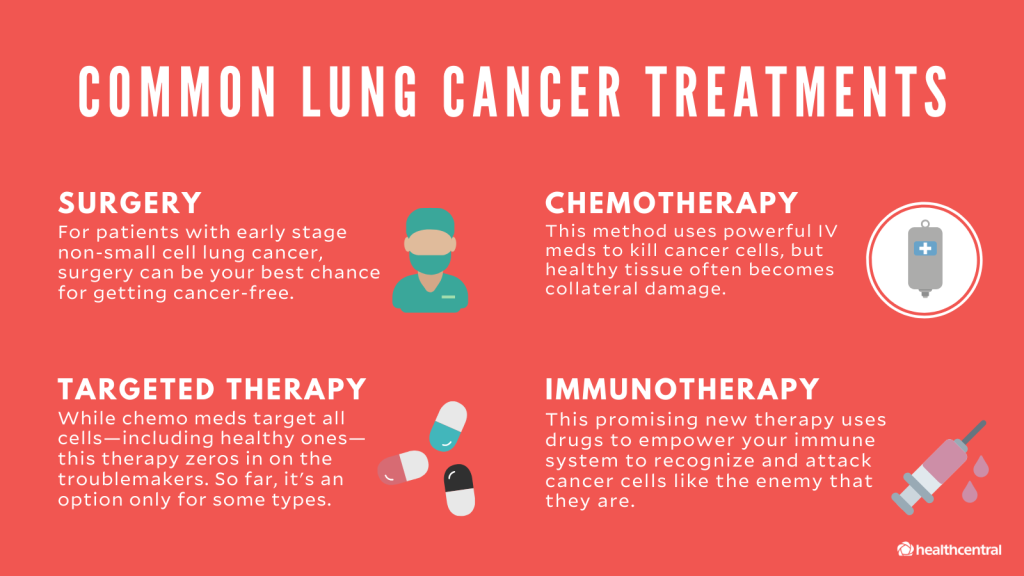
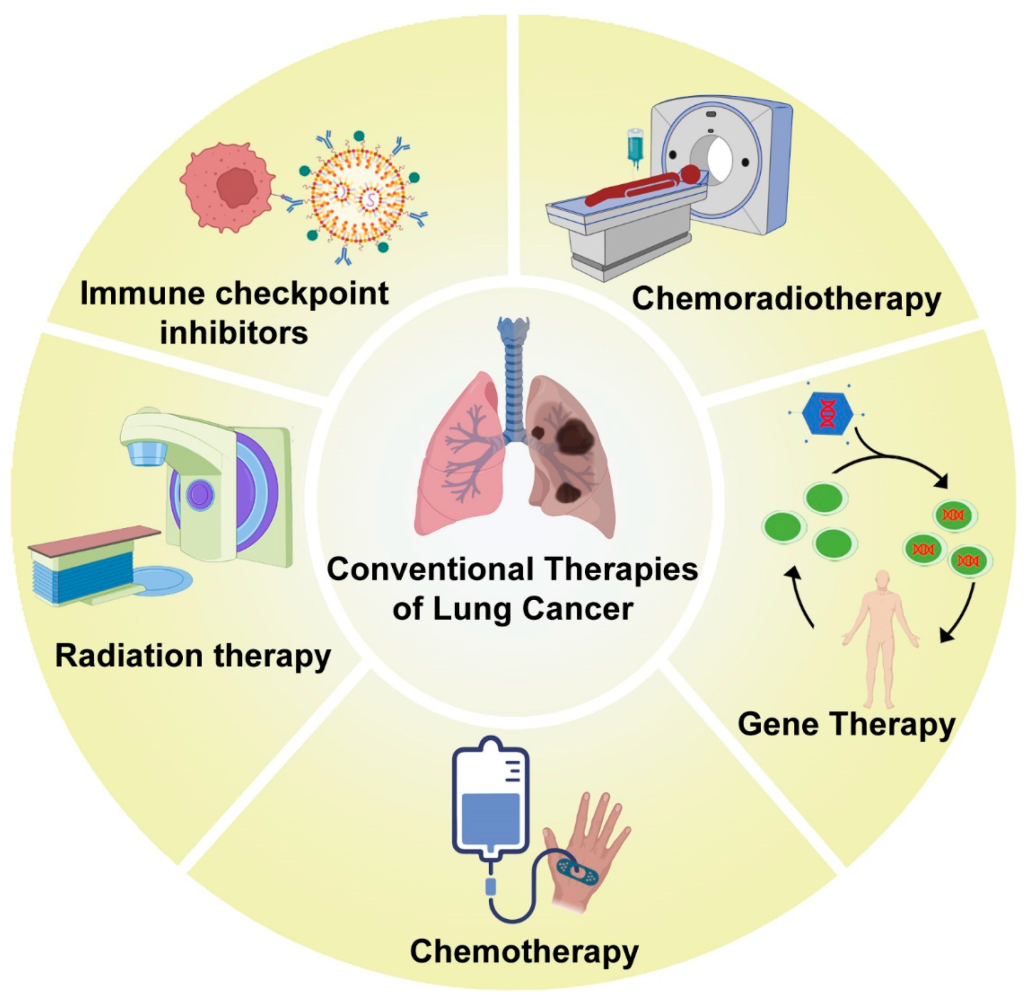
Depending on the kind and stage of the cancer, a lung cancer patient may receive surgery, radiation therapy, chemotherapy, targeted therapy, or a combination of these treatments. Early detection through screening can enhance results and raise the likelihood of a successful outcome.
Prevention of lung cancer
Avoiding smoking and exposure to secondhand smoke is important for lung cancer prevention, as is limiting exposure to other risk factors including radon and air pollution.
MCQ for medical students and nhpc license examination preparation 2
Introduction
I hope you are doing well and reading this. As you are aware, we will be using Google Forms to administer an upcoming multiple-choice test. I’m writing to respectfully ask that you take the test and do your best.
Information
It is quick and easy to gauge your level of subject knowledge by taking the test using Google Forms. As many tests are now taken online, it’s also a fantastic chance to practice test-taking techniques.
Before you begin
Before beginning the test, please be sure you read and comprehend the instructions and to have a reliable internet connection. Please do not hesitate to contact me for help if you run into any technical issues.
The answers can be discussed separately.
Questions start here
Thankyou for being here..
Please dont forget to give feedback.
Thank you note
Tags(please ignore): Health exams Exam preparation Medical exams Health test Study tips Health education Health knowledge Exam stress Health science Health information Exam strategies Health conditions Test anxiety Health promotion Exam resources Health resources Health research Exam techniques Health coaching Exam success PSC exam preparation Lok Sewa exam tips License exam study material Exam syllabus Exam pattern Previous year question papers Mock exams General knowledge for exams Exam eligibility criteria Exam registration Exam dates Exam centers Exam results Exam analysis Exam cutoff marks Exam books and guides Exam coaching Exam time management Exam revision techniques Exam success stories Public service commission exam Civil service exam preparation PSC exam syllabus PSC exam pattern PSC exam eligibility PSC exam registration PSC exam dates PSC exam centers PSC exam results PSC exam preparation tips Lok Sewa Aayog exam preparation Lok Sewa Aayog exam syllabus Lok Sewa Aayog exam pattern Lok Sewa Aayog exam eligibility Lok Sewa Aayog exam registration Lok Sewa Aayog exam dates Lok Sewa Aayog exam centers Lok Sewa Aayog exam results License exam preparation License exam syllabus License exam pattern License exam eligibility License exam registration License exam dates License exam centers License exam results License exam preparation tips General knowledge for PSC, Lok Sewa, and license exams Current affairs for exams Mental ability for exams
Pediatric infectious diseases • High-yield clinical notes Bacterial Meningitis in Older Children Antibiotic choice, pediatric doses, organism-specific duration, and practical management points based on the Nelson approach. Nelson-based • School-aged children & adolescents 01. Initial approach In an older child with suspected acute bacterial meningitis, treatment must begin urgently after blood cultures and lumbar puncture, … Continue reading Bacterial meningitis in older children: Antibiotic choice and duration
Section 1: Questions Q1. According to WHO/AAP recommendations, exclusive breastfeeding should be continued for the first: A. 3 months B. 4 months C. 6 months D. 12 months Q2. Deficiency of which vitamin is the classic cause of nutritional rickets in infants? A. Vitamin A B. Vitamin C C. Vitamin D D. Vitamin K Q3. … Continue reading Pediatric Nutrition — Practice MCQs Free For You All
Introduction The definition of significant lymph node enlargement depends on the anatomical site and the patient’s age. The following table summarizes commonly accepted clinical cutoffs. Cut off of Size for adult and children Lymph Node Region Children Adults Comments Cervical >2 cm >1 cm Small (<1 cm) cervical nodes are common in healthy children. Axillary … Continue reading Significant lymph node enlargement: Definition, Meaning and Interpretation (MD Level)
MAL Blood Group · Published in Blood Journal · 2024 In 1972, a routine blood test on a pregnant woman yielded something deeply puzzling: her red blood cells were missing a surface molecule that existed on every other known human blood sample of the time. Doctors noted the anomaly, filed it away, and moved on. … Continue reading The Blood That Baffled Science for 50 Years is Solved Now
Polycystic Ovary Syndrome (PCOS / PCOD) — High-Yield Notes Based on international evidence-based guidelines, Endocrine Society, ACOG, and peer-reviewed literature. (NCBI) Definition Etiopathogenesis Multifactorial Disorder Core Pathophysiology 1. Increased LH secretion 2. Insulin resistance 3. Follicular arrest 4. Hyperandrogenism Diagnostic Criteria (Rotterdam Criteria) Diagnosis requires 2 out of 3 after excluding other causes: (NCBI) A. … Continue reading PCOS? No Here is the New Name of so Common multisystem Syndrome Renamed in 2026
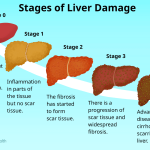
What is Acute Hepatic Failure? Acute Hepatic Failure (AHF), also called Pediatric Acute Liver Failure (PALF), is a rapidly progressive liver dysfunction occurring in a child without pre-existing chronic liver disease, leading to severe impairment of liver synthetic function and encephalopathy. It is a medical emergency associated with: According to major pediatric references including AAP, … Continue reading Acute Hepatic Failure in Children (Pediatric Acute Liver Failure): Complete Clinical Guide
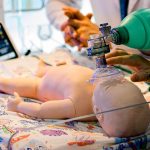
Introduction Neonatal resuscitation is one of the most time-sensitive and high-stakes procedures in pediatrics. Despite structured guidelines like the American Academy of Pediatrics and the Neonatal Resuscitation Program, errors still occur—even among experienced clinicians. These mistakes can lead to preventable morbidity and mortality. Understanding them is essential not only for pediatricians but also for residents, … Continue reading 5 Critical Mistakes Pediatricians Make During Neonatal Resuscitation (And How to Avoid Them)
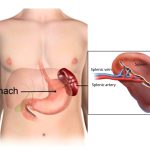
Introduction While most people can easily point to their heart or stomach, the spleen remains a bit of a mystery. Tucked away in the upper left side of your abdomen, this fist-sized organ quietly performs some of the body’s most critical “housekeeping” and security tasks. Where is it Located? The spleen is located in the … Continue reading 20 Common MCQs in The Spleen: Your Body’s Hidden Guardian
📘 Standard Pediatric Definition (Nelson Textbook of Pediatrics) 👉 Acute Liver Failure (ALF) is defined as: Evidence of acute liver injury in a child with no pre-existing chronic liver disease, accompanied by hepatic-based coagulopathy (INR ≥1.5 with encephalopathy OR INR ≥2.0 without encephalopathy), not corrected by vitamin K. 🔑 Key Components to Remember 1. Acute … Continue reading Complete Definition of Acute Liver Failure (According to Nelson)
लोक सेवा आयोग नेपाल स्वास्थ्य सेवा, जनरल नर्सिङ समूह, सातौं तहको प्रतियोगितात्मक लिखित परीक्षा मिति: २०८३/१/९ समय: ३ घण्टा | पत्र: द्वितीय | पूर्णाङ्क: १०० विषय: जनरल नर्सिङ सम्बन्धी तलका प्रश्नहरूको उत्तर Section अनुसार छुट्टाछुट्टै उत्तरपुस्तिकामा लेख्नुपर्नेछ। Section – A (20 Marks) Section – B (30 Marks) Section – C (20 Marks) Section – D … Continue reading Nepal Nursing 7th level Question 2083 (past nursing officer question)
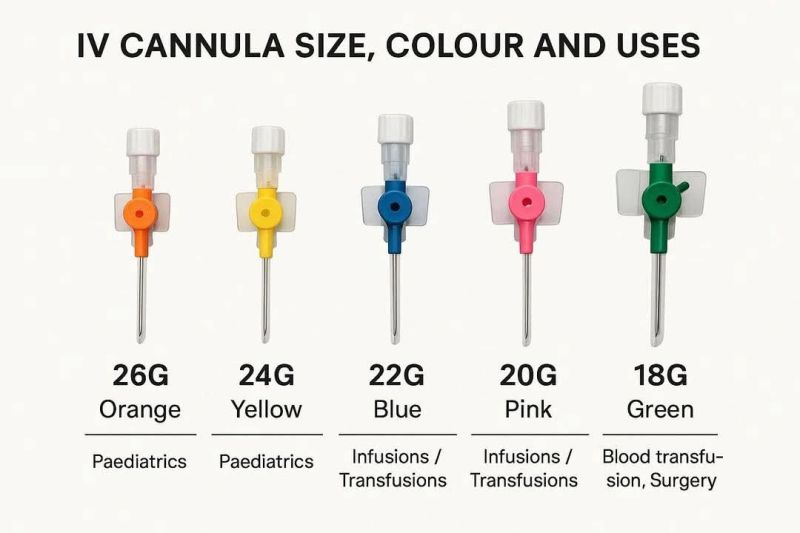
Intravenous (IV) cannulation is the process of inserting a small, hollow tube called a cannula into a vein to administer fluids, medications, or blood products directly into the bloodstream. This procedure has become an essential part of modern medicine and is commonly used in hospitals, clinics, and emergency settings.
History of IV Cannulation
The concept of intravenous administration of fluids dates back to the 17th century when Sir Christopher Wren, an English physician, used a goose quill to introduce a mixture of wine and opium into the bloodstream of dogs. In the 19th century, the use of glass syringes and metal needles made intravenous injection more reliable and efficient. However, it was not until the 20th century that the first cannula was developed by Dr. Werner Forssmann in 1929. Dr. Forssmann inserted a catheter into his own arm and then walked upstairs to the X-ray department, where he successfully took an X-ray of his own heart. This groundbreaking procedure earned Dr. Forssmann the Nobel Prize in Medicine in 1956.
Indications for IV Cannulation
IV cannulation is used in a wide range of medical situations where intravenous access is required. Some of the most common indications for IV cannulation include:
Dehydration: IV fluids can be administered to replace fluids lost through vomiting, diarrhea, or excessive sweating.
Medication administration: Many medications, including antibiotics, pain relievers, and chemotherapy drugs, are administered through IV cannulation.
Blood transfusion: IV cannulation is used to administer blood products in cases of severe anemia or blood loss.
Emergency situations: In emergency situations, such as cardiac arrest or severe trauma, IV cannulation may be required to administer life-saving medications or fluids.
Monitoring purposes: In some cases, IV cannulation may be used to monitor blood pressure, administer contrast dye for imaging studies, or measure blood gases.
Procedure for IV Cannulation
The procedure for IV cannulation involves several steps:
Patient preparation: The patient is typically placed in a comfortable position, and the site for cannulation is selected. The healthcare provider will clean the skin with an antiseptic solution to reduce the risk of infection.
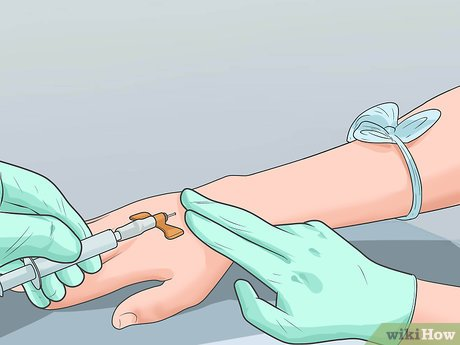
Vein location: The healthcare provider will use their fingers to feel for a suitable vein, which is typically a superficial vein located on the back of the hand, wrist, or antecubital fossa (the bend of the elbow).
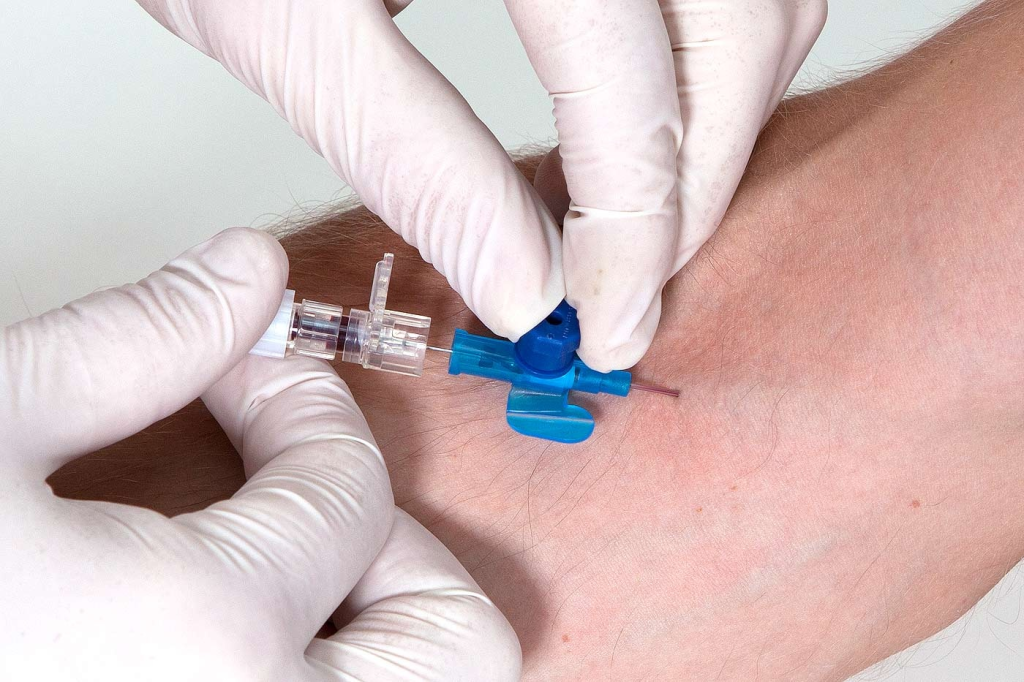
Cannulation: The healthcare provider will insert a small needle through the skin and into the vein. Once the needle is in place, a small plastic tube called a cannula is threaded over the needle and into the vein. The needle is then removed, leaving the cannula in place.
Securement: The cannula is secured in place using adhesive tape or a dressing.
Flush and test: The healthcare provider will flush the cannula with saline to ensure that it is working correctly. They may also attach tubing and a bag of fluids or medication to the cannula.
IV cannula insertion technique
Complications of IV Cannulation
Although IV cannulation is a relatively safe procedure, there are some potential complications. These may include:
Infection: The risk of infection can be minimized by using sterile technique during the procedure and monitoring the site for signs of infection, such as redness, swelling, or pain.
Bleeding: In rare cases, the cannula may puncture the vein or an artery, causing bleeding or bruising. This can be minimized by selecting an appropriate vein and monitoring the site after the procedure.
Phlebitis: Phlebitis is the inflammation of the vein and can occur as a result of irritation from the cannula or from the medication or fluid being administered. Symptoms of phlebitis include pain, redness, and swelling around the cannula site. The risk of phlebitis can be minimized by selecting an appropriate vein and changing the cannula every 72 to 96 hours.
Extravasation: Extravasation occurs when fluid or medication leaks out of the vein and into the surrounding tissue. This can cause tissue damage and pain. The risk of extravasation can be minimized by monitoring the site during administration and stopping the infusion if any signs of extravasation occur.
Air embolism: An air embolism occurs when air enters the bloodstream through the cannula. This can be a life-threatening complication and can cause symptoms such as shortness of breath, chest pain, and confusion. The risk of air embolism can be minimized by ensuring that all air is removed from the tubing before administration and by securing the cannula in place.
Occlusion: Occlusion occurs when the cannula becomes blocked, preventing the administration of fluids or medication. This can be caused by a blood clot, kinked tubing, or a dislodged cannula. The risk of occlusion can be minimized by flushing the cannula regularly and monitoring the site for any signs of blockage.
IV cannulation is an essential procedure in modern medicine, used in a wide range of medical situations where intravenous access is required. The procedure involves inserting a small, hollow tube called a cannula into a vein to administer fluids, medications, or blood products directly into the bloodstream. Although IV cannulation is a relatively safe procedure, there are potential complications that healthcare providers must be aware of, including infection, bleeding, phlebitis, extravasation, air embolism, and occlusion. By using sterile technique, selecting appropriate veins, and monitoring the site for signs of complications, healthcare providers can minimize the risk of complications and ensure that IV cannulation is a safe and effective procedure for their patients.
IV Cannulation Procedure made simple why to put it and what is it? Guide Health exams preparation study tips health science Coaching syllabus wise MCQ test loksewa psc license free institute analog