How to calculate sodium deficit in dehydration?

Hyponatremic Dehydration (Na <130 mEq/L)

Here you calculate sodium deficit explicitly:Na⁺ deficit (mEq)=(135−Serum Na)×0.6×weight (kg)\textbf{Na⁺ deficit (mEq)} = (135 – \text{Serum Na}) \times 0.6 \times \text{weight (kg)}Na⁺ deficit (mEq)=(135−Serum Na)×0.6×weight (kg)

👉 135 mEq/L is taken as desired Na


Example

10 kg child, Na = 125 mEq/L(135−125)×0.6×10=10×6=60 mEq(135 – 125) \times 0.6 \times 10 = 10 \times 6 = \textbf{60 mEq}(135−125)×0.6×10=10×6=60 mEq


Important

  • Correct slowly over 24–48 hrs
  • Max rise: ≤8–10 mEq/L/day
  • Give via DNS / NS + added Na as needed

Isonatremic Dehydration (Na 130–150)

No sodium deficit calculation needed

Instead calculate:

  • Fluid deficit = % dehydration × weight × 10

Example:

  • 10% dehydration in 10 kg child →
    = 10 × 10 × 10 = 1000 mL deficit

Give:

  • Deficit + maintenance + ongoing loss
  • Usually NS / RL initially

Hypernatremic Dehydration (Na >150)

👉 Do NOT calculate sodium deficit
Instead calculate free water deficit:Water deficit (L)=0.6×wt×(Na145−1)\textbf{Water deficit (L)} = 0.6 \times \text{wt} \times \left(\frac{\text{Na}}{145} – 1\right)Water deficit (L)=0.6×wt×(145Na​−1)


Example

10 kg child, Na = 1600.6×10×(160/145−1)≈6×0.103=0.62 L0.6 \times 10 \times (160/145 – 1) \approx 6 \times 0.103 = \textbf{0.62 L}0.6×10×(160/145−1)≈6×0.103=0.62 L


Key Pediatric Pearls (Exam Gold)

  • Hyponatremia → calculate Na deficit
  • Hypernatremia → calculate water deficit
  • Isonatremia → calculate fluid deficit only

Correction Rules

  • Hyponatremia: ↑ Na ≤8 mEq/day
  • Hypernatremia: ↓ Na ≤10–12 mEq/day
  • Rapid correction → ODS (hypo) / cerebral edema (hyper)

What is enesthitis and how is it treated?

Introduction

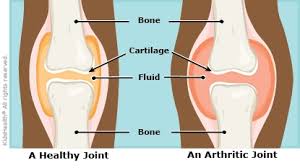
Enthesitis is the painful inflammation of an enthesis, the site where ligaments or tendons attach to bone. Common in spondyloarthritis (e.g., psoriatic arthritis), it typically causes pain, stiffness, and tenderness, often in the heels, elbows, or hips. Treatment includes NSAIDs, biologics, rest, and physical therapy to manage symptoms and prevent potential joint damage. 

Symptoms of Enthesitis

  • Pain: Often described as severe or burning, specifically at tendon insertion sites, such as the Achilles tendon or bottom of the foot.
  • Stiffness: Increased difficulty moving the affected joint.
  • Tenderness: Sensitivity to touch.
  • Swelling: While not always present, swelling can occur in the soft tissue surrounding the site.
  • Impact on Mobility: Chronic cases can limit mobility and cause damage to adjacent bone and joints.

Causes and Risk Factors

  • Inflammatory Arthritis: Most frequently associated with psoriatic arthritis (PsA), ankylosing spondylitis (AS), and other forms of spondyloarthritis (SpA).
  • Physical Stress/Overuse: Repeated physical activity causing strain at the attachment site.
  • Immune System Dysfunction: Pro-inflammatory cytokine activity (specifically IL-17 and TNF-) is a major contributor to this inflammatory cascade.

Treatment Approaches

  • Medication: Non-steroidal anti-inflammatory drugs (NSAIDs) are the first line of treatment. For more chronic cases, biologics targeting TNF or IL-17 are often used.
  • Physical Interventions: Rest, immobilization, and gentle stretching.
  • Injections: Local corticosteroid injections, though used with caution near tendons.
  • Lifestyle Changes: Maintaining a healthy weight to reduce pressure on joints. CreakyJoints

Common Sites

Enthesitis can occur throughout the body, with more than 100 potential locations. Common sites include:

  • Achilles tendon (heel)
  • Plantar fascia (bottom of the foot)
  • Elbows (epicondylitis)
  • Hips
  • Patellar tendon (knee)

JIA, Classifications, Type and Diagnostic Criteria

JIA = Juvenile Idiopathic Arthritis
A chronic inflammatory arthritis of unknown cause beginning before age 16 and lasting ≥ 6 weeks, after exclusion of other causes.


✅ Definition (Juvenile Idiopathic Arthritis)

  • Arthritis in ≥1 joint
  • Onset < 16 years
  • Duration ≥ 6 weeks
  • Other causes excluded (infection, malignancy, trauma, connective tissue diseases)

🧬 ILAR Classification (Most used worldwide)

1️⃣ Oligoarticular JIA

Most common type (~50%)

Criteria

  • ≤4 joints involved in first 6 months

Subtypes

  • Persistent: remains ≤4 joints
  • Extended: becomes >4 joints after 6 months

Features

  • Large joints (knee most common)
  • Asymmetric
  • ANA positive common
  • Risk of uveitis

2️⃣ Polyarticular JIA (RF negative)

Criteria

  • ≥5 joints in first 6 months
  • RF negative

Features

  • Small joints of hands/feet
  • Symmetrical
  • Chronic course

3️⃣ Polyarticular JIA (RF positive)

Criteria

  • ≥5 joints
  • RF positive (≥2 tests, 3 months apart)

Features

  • Similar to adult rheumatoid arthritis
  • Severe, erosive disease
  • Adolescents (girls common)

4️⃣ Systemic JIA (Still disease)

Criteria

  • Arthritis with or preceded by fever ≥2 weeks
  • Daily (quotidian) fever for ≥3 days
    PLUS ≥1:
  • Evanescent salmon-pink rash
  • Hepatosplenomegaly
  • Lymphadenopathy
  • Serositis

Features

  • High ferritin
  • Risk of MAS (macrophage activation syndrome)

Criteria
Arthritis + enthesitis
OR arthritis/enthesitis + ≥2:

  • Sacroiliac tenderness/inflammatory back pain
  • HLA-B27 positive
  • Male >6 years
  • Acute anterior uveitis
  • Family history of spondyloarthropathy

Features

  • Lower limb arthritis
  • May progress to ankylosing spondylitis

6️⃣ Psoriatic Arthritis

Criteria
Arthritis + psoriasis
OR arthritis + ≥2:

  • Dactylitis
  • Nail pitting/onycholysis
  • Psoriasis in first-degree relative

7️⃣ Undifferentiated JIA

  • Does not fit above categories
    OR fits more than one category

🧪 Diagnostic Criteria & Workup

🔹 Clinical Diagnosis (Primary)

No single confirmatory test.

🔹 Essential Features

✔ Chronic joint swelling or limitation
✔ Morning stiffness
✔ Pain improves with activity
✔ Reduced range of motion


🔬 Laboratory Findings (Supportive)

TestSignificance
CBCanemia, leukocytosis (systemic JIA)
ESR / CRPinflammation
ANAoligoarticular JIA, uveitis risk
RFpolyarticular RF+
Anti-CCPerosive disease predictor
Ferritinvery high in systemic JIA
HLA-B27ERA subtype

🩻 Imaging

Early

  • Ultrasound → synovitis, effusion

Later

  • X-ray → joint space narrowing, erosions, growth abnormalities
  • MRI → early synovitis & sacroiliitis

🚨 Important Diagnostic Exclusions

Before diagnosing JIA, rule out:

  • Septic arthritis
  • Tuberculosis
  • Leukemia
  • SLE
  • Rheumatic fever
  • Trauma
  • Hemophilia

⚠️ Red Flags suggesting other diagnosis

  • Severe bone pain at night → leukemia
  • High fever with toxicity → infection
  • Weight loss, pallor → malignancy
  • Acute monoarthritis → septic arthritis

🧠 Exam Pearls (High Yield)

✔ Oligoarticular = most common
✔ Systemic JIA = quotidian fever + rash
✔ ANA+ girls → high uveitis risk
✔ RF+ polyarticular → resembles adult RA
✔ ERA → HLA-B27 boys, lower limb arthritis
✔ Screen for uveitis regularly even if asymptomatic

How to approach a child with Obesity in Pediatric OPD?

First principle:
👉 Most overweight infants are exogenous (overfeeding).
👉 Investigations are needed only if there are red flags for endocrine, genetic, or metabolic causes.


1️⃣ Step 1: Confirm Overweight / Obesity

Anthropometry

  • Weight-for-length (WHO growth charts)
  • BMI (if >2 years; not for infants)
  • Head circumference
  • Mid-upper arm circumference (optional)

Definitions (WHO)

  • > +2 SD weight-for-length → Overweight
  • > +3 SD → Obese

2️⃣ When to Investigate?

Send investigations if:

  • Rapid weight gain
  • Short length/height (↓ linear growth)
  • Dysmorphic features
  • Developmental delay
  • Hypotonia
  • Organomegaly
  • Hyperphagia
  • Family history of endocrine/genetic disorders
  • Signs of hypothyroidism, Cushing, etc.

If thriving, normal length, normal development → usually no labs required.


3️⃣ Baseline Investigations (If Indicated)

InvestigationWhy Send It
CBCBaseline health
Fasting blood glucoseInsulin resistance (rare in infancy but possible in severe obesity)
Serum insulin (if strong suspicion)Hyperinsulinemia
Lipid profileIf severe obesity or family history
LFT (ALT, AST)NAFLD screening (rare but possible in severe cases)
Thyroid profile (TSH, Free T4)Rule out hypothyroidism
Serum cortisol (8 AM)If Cushing features
IGF-1If growth failure

4️⃣ Endocrine Causes to Rule Out

A. Hypothyroidism

  • TSH
  • Free T4

Clues:

  • Constipation
  • Large tongue
  • Hypotonia
  • Poor linear growth

B. Cushing Syndrome (Very Rare in Infants)

  • 8 AM cortisol
  • Low-dose dexamethasone suppression test (if needed)

Clues:

  • Moon face
  • Hypertension
  • Growth failure
  • Thin skin

C. Hyperinsulinism

  • Fasting insulin
  • Blood glucose

5️⃣ Genetic / Syndromic Evaluation

If:

  • Hypotonia
  • Developmental delay
  • Dysmorphism
  • Hyperphagia

Consider:

  • Karyotype
  • Microarray
  • Referral to genetics

Examples:

  • Prader-Willi syndrome
  • Beckwith-Wiedemann syndrome

6️⃣ Metabolic Screening (If Suspicion)

If:

  • Hepatomegaly
  • Hypoglycemia
  • Recurrent vomiting
  • Developmental delay

Send:

  • Serum ammonia
  • Lactate
  • Tandem mass spectrometry
  • Urine organic acids

7️⃣ If Severe Obesity (> +3 SD)

Consider screening for:

  • Lipid profile
  • LFT (NAFLD)
  • Blood pressure monitoring
  • HbA1c (if strong suspicion)

8️⃣ What NOT to Routinely Send

❌ Insulin levels in every overweight baby
❌ Extensive metabolic panels without red flags
❌ Hormone panels without growth failure


9️⃣ Practical Clinical Algorithm (Exam-Friendly)

Normal length + normal development + formula overfeeding → NO LABS

Overweight + short length → TSH + Free T4

Overweight + hypotonia + hyperphagia → genetic workup

Overweight + moon face + hypertension → cortisol evaluation


🔟 For Your Clinical Practice in Nepal

In most cases in our setup:

  • It is formula concentration error or early complementary feeding.
  • Counseling on feeding practice is more important than investigations.

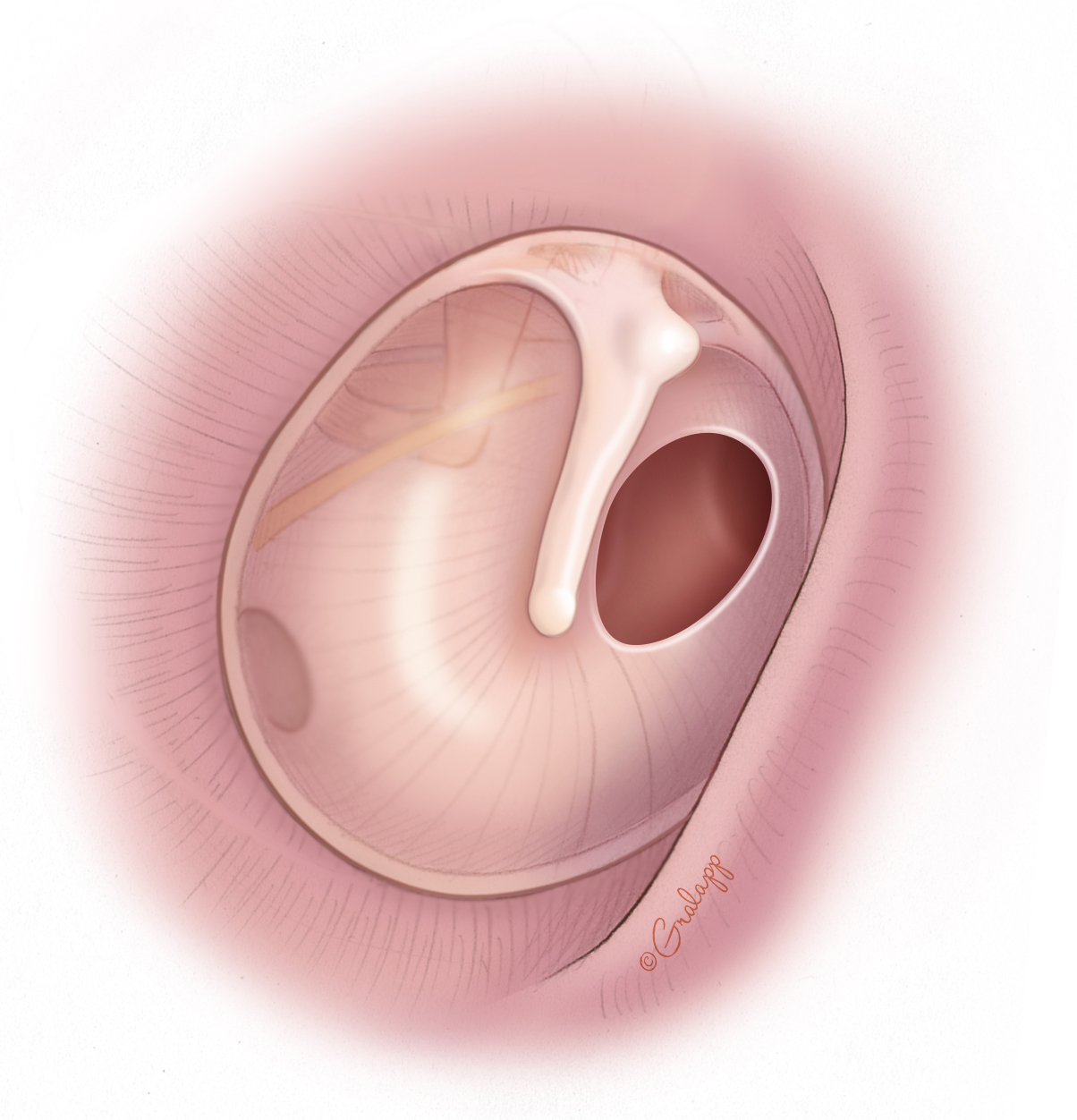
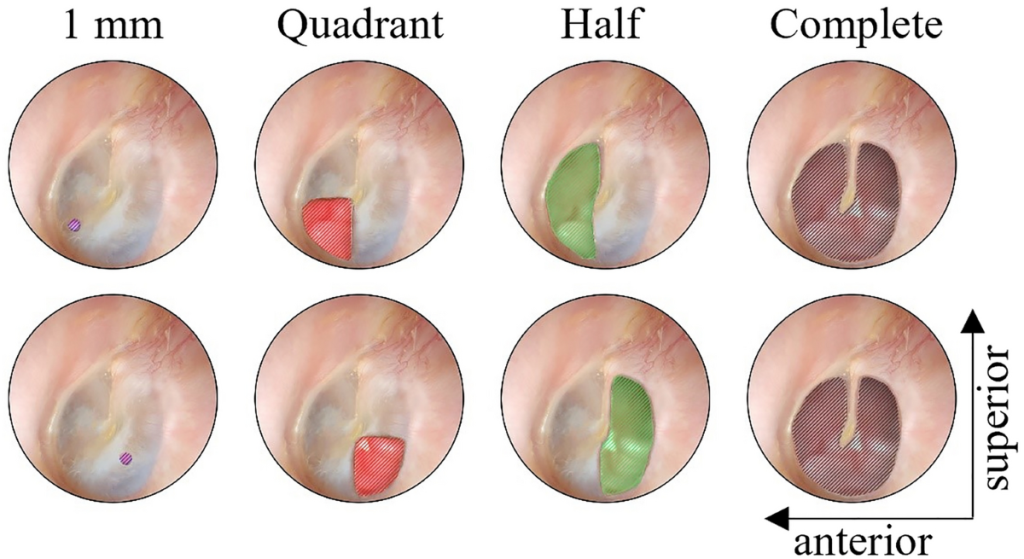
Here is Treatment: Perforated Acute Otitis Media (AOM with tympanic membrane perforation)

Perforated Acute Otitis Media (AOM with tympanic membrane perforation) is treated slightly differently from uncomplicated AOM because the perforation allows topical therapy to reach the middle ear.


1. First-line Treatment

A. Topical Antibiotic Ear Drops (Most Important)

Use quinolone ear drops because they are safe in perforated TM.

  • Ofloxacin ear drops
    • Dose: 5 drops in affected ear twice daily
    • Duration: 7–10 days

OR

  • Ciprofloxacin ear drops
    • Dose: 4–5 drops twice daily
    • Duration: 7–10 days

Avoid aminoglycoside drops (e.g., Gentamicin, Neomycin) because they can be ototoxic if TM is perforated.


2. Oral Antibiotics (if indicated)

Give systemic antibiotics if:

  • Moderate/severe infection
  • Fever
  • Young child (<2 years)
  • Bilateral disease
  • Systemic symptoms

First line:

  • Amoxicillin
    • 80–90 mg/kg/day divided BID
    • Duration 7–10 days

If severe infection or recent amoxicillin use:

  • Amoxicillin‑clavulanate
    • 90 mg/kg/day (amoxicillin component)

3. Analgesics

  • Paracetamol 10–15 mg/kg every 6 hours
    OR
  • Ibuprofen 10 mg/kg every 8 hours

4. Local Care

  • Keep ear dry (no water entry).
  • Do not plug ear tightly.
  • Gentle ear toilet/suction if discharge excessive.

5. Follow-up

  • Re-examine after 1–2 weeks.
  • Most perforations heal spontaneously within 2–4 weeks.
  • If persistent perforation >6 weeks → ENT referral.

6. Red Flags (Refer ENT)

  • Persistent otorrhea >2 weeks
  • Suspected mastoiditis
  • Hearing loss
  • Recurrent perforations

Example Pediatric Prescription

  • Ofloxacin ear drops: 5 drops BD × 7 days
  • Amoxicillin: 80–90 mg/kg/day divided BD × 7 days
  • Paracetamol: 10–15 mg/kg every 6 hr PRN pain

Cerebral Palsy: Complete Clinical Guide (Causes, Types, Diagnosis and Management)

  • Nelson Textbook of Pediatrics
  • First Aid for the USMLE Step 1
  • Cloherty and Stark’s Manual of Neonatal Care

Introduction


Cerebral palsy (CP) is the most common cause of permanent motor disability in childhood. It results from injury or abnormal development of the immature brain, leading to abnormalities of movement, posture, and coordination.

Despite the term palsy, cerebral palsy is not a progressive disease—the brain injury is static. However, symptoms may change as the child grows.

The worldwide prevalence is approximately 2–3 per 1000 live births, and the condition is more common in premature infants and low-birth-weight neonates.


Overview of Cerebral Palsy

Definition

Cerebral palsy is defined as:

A group of permanent disorders of movement and posture causing activity limitation, attributed to non-progressive disturbances in the developing fetal or infant brain.

Key Characteristics

FeatureDescription
NatureNon-progressive brain injury
OnsetEarly childhood
Primary problemMotor dysfunction
Associated problemsCognitive, sensory, and behavioral issues

Pathophysiology

According to First Aid for the USMLE Step 1, cerebral palsy results from injury to motor control systems of the developing brain.

Brain Areas Involved

Brain StructureResulting Clinical Type
Motor cortexSpastic CP
Basal gangliaDyskinetic CP
CerebellumAtaxic CP
Multiple regionsMixed CP

Mechanisms of Brain Injury

Major mechanisms include:

  • Hypoxic-ischemic injury
  • White matter injury
  • Intracranial hemorrhage
  • Inflammation
  • Toxic injury (bilirubin toxicity)

Periventricular Leukomalacia (Common Mechanism in Preterm Infants)

Periventricular leukomalacia (PVL) is the most common neuropathologic lesion in premature infants who develop CP.

Pathogenesis

  1. Immature cerebral circulation
  2. Hypoxia or ischemia
  3. White matter injury near ventricles
  4. Damage to descending corticospinal tracts

Clinical Outcome

PVL is strongly associated with spastic diplegia.


Etiology of Cerebral Palsy

Modern research shows most CP originates before birth, rather than during delivery.

Causes by Timing of Brain Injury

TimingCauses
PrenatalBrain malformations, infections, genetic disorders
PerinatalPrematurity, birth asphyxia, intracranial hemorrhage
PostnatalInfection, trauma, stroke

Major Risk Factors

Based on Cloherty and Stark’s Manual of Neonatal Care.

Maternal FactorsNeonatal Factors
Maternal infectionPrematurity
Placental insufficiencyLow birth weight
PreeclampsiaNeonatal seizures
Multiple pregnancyIntraventricular hemorrhage

Classification of Cerebral Palsy

Types Based on Motor Pattern

Table: Major Types of Cerebral Palsy

TypeBrain RegionKey FeaturesFrequency
SpasticMotor cortexStiff muscles, hyperreflexia~70–80%
DyskineticBasal gangliaInvoluntary movements~6–10%
AtaxicCerebellumPoor balance and coordination~5–10%
MixedMultiple areasCombination of symptomsVariable

Spastic Cerebral Palsy

Most common type.

Pathophysiology

Damage to corticospinal tracts leads to:

  • Increased muscle tone
  • Hyperreflexia
  • Clonus

Distribution Patterns

TypeBody Areas Involved
HemiplegiaOne side of body
DiplegiaLegs > arms
QuadriplegiaAll limbs
MonoplegiaSingle limb

Dyskinetic Cerebral Palsy

Associated with basal ganglia injury.

Clinical Features

  • Dystonia
  • Chorea
  • Athetosis
  • Involuntary twisting movements

Important Cause

Severe neonatal jaundice causing
Kernicterus.


Ataxic Cerebral Palsy

Results from cerebellar damage.

Symptoms

SymptomDescription
AtaxiaUnsteady walking
Intention tremorTremor during movement
Poor coordinationDifficulty performing fine motor tasks
Wide-based gaitInstability while walking

Clinical Features of Cerebral Palsy

Symptoms depend on severity and brain area affected.

Early Warning Signs

AgeRed Flag
3 monthsPoor head control
6 monthsStiff or floppy muscles
9 monthsNot sitting
12 monthsEarly hand preference

Associated Conditions

Children with CP often have additional neurological problems.

ConditionFrequency
Epilepsy30–50%
Intellectual disability40–60%
Visual impairment20–40%
Speech disorderscommon
Hearing loss10–15%

Diagnosis

Diagnosis is mainly clinical, supported by imaging.

Diagnostic Evaluation

EvaluationPurpose
Developmental historyIdentify delays
Neurological examTone, reflexes
MRI brainIdentify structural lesion
EEGIf seizures present
Genetic testingIf atypical features

Neuroimaging Findings

Common MRI findings include:

  • Periventricular leukomalacia
  • Cortical malformations
  • Brain atrophy
  • Old infarction

Gross Motor Function Classification System (GMFCS)

This system classifies severity of CP.

LevelFunctional Ability
Level IWalks independently
Level IIWalks with limitations
Level IIIWalks with assistive device
Level IVLimited self mobility
Level VWheelchair dependent

Management of Cerebral Palsy

There is no cure, but multidisciplinary management improves function.


Multidisciplinary Treatment

TherapyRole
PhysiotherapyImprove mobility
Occupational therapyDaily living skills
Speech therapyCommunication
Special educationCognitive development

Pharmacological Treatment

Used mainly for spasticity management.

DrugMechanism
BaclofenGABA agonist
DiazepamMuscle relaxant
TizanidineAlpha-2 agonist
Botulinum toxinLocal spasticity control

Surgical Management

Indicated in severe deformities.

Examples include:

  • Tendon lengthening
  • Hip reconstruction
  • Selective dorsal rhizotomy
  • Spinal surgery for scoliosis

Prevention Strategies

Important preventive measures include:

StrategyBenefit
Antenatal carePrevent infections
Prevention of prematurityReduce PVL
Neonatal intensive carePrevent brain injury
Early jaundice treatmentPrevent kernicterus

Prognosis

Outcome depends on:

  • Severity of brain injury
  • Type of cerebral palsy
  • Associated neurological deficits
  • Access to rehabilitation

Many individuals with CP can live productive lives with appropriate therapy and support.


Clinical Pearls (High-Yield)

  • Spastic diplegia → periventricular leukomalacia
  • Dyskinetic CP → basal ganglia injury
  • Ataxic CP → cerebellar damage
  • Kernicterus → dyskinetic cerebral palsy

Conclusion

Cerebral palsy is a lifelong neurological disorder caused by early brain injury. Although the underlying brain damage is permanent, early diagnosis, multidisciplinary therapy, and supportive care can significantly improve functional outcomes and quality of life.


Classification of Newborn Care: 3 Level Care for Future

Newborn care is broadly classified into three levels based on the complexity of care, monitoring, and interventions required.


1. Level I – Basic Newborn Care (Well Newborn Nursery)

Definition

Care provided to healthy term newborns and stable late preterm infants who require only routine monitoring.

Babies managed

  • Term newborns (≥37 weeks)
  • Birth weight ≥2500 g
  • Babies with no complications
  • Stable late preterm (≥35 weeks)

Services provided

  • Routine neonatal examination
  • Thermal care
  • Early breastfeeding support
  • Cord care
  • Monitoring:
    • Temperature
    • Feeding
    • Urination/stooling
  • Immunization (BCG, OPV, Hep B depending on country policy)
  • Screening tests
  • Parent education

Procedures allowed

  • Basic resuscitation
  • Oxygen by hood
  • IV fluids if needed briefly

Staffing

  • Pediatrician or trained medical officer
  • Nurses trained in newborn care

2. Level II – Special Care Newborn Unit (SCNU / Special Care Nursery)

Definition

Care for moderately ill newborns who require closer monitoring or short-term intensive support.

Babies managed

  • Preterm infants ≥32 weeks
  • Birth weight ≥1500 g
  • Neonates recovering from severe illness
  • Neonates needing short-term respiratory support

Indications

  • Respiratory distress
  • Neonatal jaundice requiring phototherapy
  • Sepsis (suspected)
  • Feeding difficulty
  • Hypoglycemia
  • Hypothermia
  • Apnea of prematurity

Services provided

  • Continuous monitoring
  • Phototherapy
  • IV fluids and medications
  • Tube feeding
  • Oxygen therapy
  • CPAP (in many Level II units)
  • Short-term mechanical ventilation (<24 hr)

Procedures

  • Umbilical catheterization
  • Lumbar puncture
  • Exchange transfusion (in some units)

Staffing

  • Pediatricians
  • Neonatal nurses
  • Access to laboratory and imaging

3. Level III – Neonatal Intensive Care Unit (NICU)

Definition

Provides comprehensive intensive care for very sick or extremely premature neonates.

Babies managed

  • Gestational age <32 weeks
  • Birth weight <1500 g (VLBW)
  • Extremely low birth weight (<1000 g)
  • Neonates requiring advanced respiratory support

Conditions managed

  • Severe respiratory distress syndrome
  • Birth asphyxia
  • Persistent pulmonary hypertension
  • Sepsis/septic shock
  • Major congenital anomalies
  • Surgical conditions
  • Severe prematurity complications

Services provided

  • Mechanical ventilation
  • High frequency ventilation
  • Surfactant therapy
  • Total parenteral nutrition (TPN)
  • Continuous cardiorespiratory monitoring
  • Central lines
  • Invasive procedures
  • Advanced imaging
  • Neonatal surgery (in Level III C)

Sub-classification (sometimes used)

  • Level III A – mechanical ventilation
  • Level III B – advanced ventilation + surgery
  • Level III C – ECMO capable units

Staffing

  • Neonatologist
  • Pediatric intensivists
  • Specialized neonatal nurses
  • Respiratory therapists
  • Full laboratory and imaging services

Simplified Summary Table

LevelUnitBabies caredKey features
Level IWell newborn nurseryHealthy term babiesRoutine care
Level IISpecial care nursery / SCNUModerately ill, ≥32 weeksMonitoring, CPAP, phototherapy
Level IIINICUVery sick, <32 weeksFull intensive care

Alternative Public Health Classification (Used in Many Countries)

  1. Home care
  2. Community level care
  3. Facility based newborn care
    • NBCC (Newborn Care Corner)
    • SNCU
    • NICU

Exam Pearls (Pediatrics / Neonatology)

  • Level I → routine care
  • Level II → moderate illness, ≥32 weeks
  • Level III → intensive care, <32 weeks
  • VLBW infants (<1500 g) should be managed in Level III NICU

Pulsus Paradoxus: Definition, common cause, Pathology and Clinical relevance

Definition

Pulsus paradoxus is an exaggerated fall in systolic blood pressure (>10 mmHg) during inspiration.

Normally, systolic BP falls slightly during inspiration (<10 mmHg).
When the drop is >10 mmHg, it is called pulsus paradoxus.

Despite the name “paradoxus”, the pulse does not actually disappear; it only becomes weaker or unpalpable during inspiration.


Normal Physiology

During inspiration:

  • Intrathoracic pressure decreases
  • Venous return to the right ventricle increases
  • RV expands
  • Interventricular septum shifts slightly toward the left ventricle
  • LV filling decreases slightly
  • Systolic BP falls by <10 mmHg

Mechanism of Pulsus Paradoxus

In certain conditions:

  1. Excess RV filling or external compression
  2. RV expansion pushes interventricular septum toward LV
  3. LV filling markedly decreases
  4. LV stroke volume falls
  5. Systolic BP drops >10 mmHg during inspiration

Causes of Pulsus Paradoxus

Cardiac Causes

  • Cardiac Tamponade (classic cause)
  • Constrictive Pericarditis
  • Large pericardial effusion

Respiratory Causes

  • Severe Asthma
  • Chronic Obstructive Pulmonary Disease exacerbation

Other Causes

  • Tension Pneumothorax
  • Massive pulmonary embolism
  • Severe hypovolemia
  • Upper airway obstruction

How to Measure Pulsus Paradoxus

Using a sphygmomanometer:

  1. Inflate cuff above systolic pressure.
  2. Slowly deflate.
  3. Note two pressures:
  • First pressure: Korotkoff sounds heard only during expiration
  • Second pressure: Sounds heard throughout inspiration and expiration

Difference between the two = Pulsus paradoxus

Example:

  • Expiration only = 120 mmHg
  • Throughout respiration = 105 mmHg

Pulsus paradoxus = 15 mmHg


Clinical Significance

A pulsus paradoxus >10 mmHg suggests serious cardiopulmonary disease, especially:

  • Cardiac tamponade
  • Severe asthma attack

Reverse Pulsus Paradoxus

Reverse pulsus paradoxus is a rare cardiovascular finding in which systolic blood pressure increases during inspiration, opposite to the normal drop seen in typical pulsus paradoxus. It is most commonly associated with conditions that alter intrathoracic pressure dynamics or ventricular interaction, such as positive pressure ventilation, hypertrophic obstructive cardiomyopathy (HOCM), isovolumetric ventricular pacing, and sometimes aortic regurgitation.

The mechanism usually involves enhanced left ventricular filling or reduced afterload during inspiration, leading to a paradoxical rise in systolic pressure. Clinically, it is less frequently encountered than classic pulsus paradoxus and is often identified in intensive care settings where patients are mechanically ventilated. Recognition of reverse pulsus paradoxus is important because it can provide clues about underlying cardiac physiology and ventilatory influences rather than indicating conditions like cardiac tamponade, which are linked to the traditional form.


Quick Exam Definition

Pulsus paradoxus is an inspiratory fall in systolic blood pressure greater than 10 mmHg.

6 Steps of How to Demonstrate / Measure Pulsus Paradoxus (Bedside Method)

Pulsus paradoxus is demonstrated using a blood pressure cuff and stethoscope.


Step-by-Step Procedure

1. Position the Patient

  • Patient should be lying supine or semi-recumbent
  • Ask the patient to breathe normally

2. Inflate the BP Cuff

  • Inflate the cuff 20–30 mmHg above systolic pressure

3. Slowly Deflate the Cuff

Deflate slowly at 2–3 mmHg per second while auscultating the brachial artery.


4. Identify the First Pressure

At first you will hear Korotkoff sounds only during expiration and they disappear during inspiration.

Record this pressure.

Example: 120 mmHg

Reason: During inspiration the systolic pressure falls below cuff pressure.


5. Continue Deflating

As the cuff pressure falls further, Korotkoff sounds will be heard throughout the respiratory cycle (during both inspiration and expiration).

Record this second pressure.

Example: 105 mmHg


6. Calculate Pulsus Paradoxus

Pulsus paradoxus=First pressure−Second pressure\text{Pulsus paradoxus} = \text{First pressure} – \text{Second pressure}Pulsus paradoxus=First pressure−Second pressure

Example:120−105=15 mmHg120 – 105 = 15\ mmHg120−105=15 mmHg

If >10 mmHg → Pulsus paradoxus present


Clinical Example

If:

  • Sounds heard only in expiration at 118 mmHg
  • Sounds heard throughout breathing at 102 mmHg

Then:118−102=16 mmHg118 – 102 = 16\ mmHg118−102=16 mmHg

Positive pulsus paradoxus


How to Demonstrate in Clinical Exam (Short Viva Answer)

You can say:

Pulsus paradoxus is demonstrated using a sphygmomanometer. The cuff is inflated above systolic pressure and slowly deflated. The first pressure at which Korotkoff sounds are heard only during expiration is noted. The pressure at which sounds are heard during both inspiration and expiration is then noted. The difference between these pressures is the pulsus paradoxus. A difference greater than 10 mmHg indicates pulsus paradoxus.


Important Clinical Associations

  • Cardiac Tamponade (classic)
  • Severe Asthma
  • Tension Pneumothorax
  • Constrictive Pericarditis

Exam Tip:
If a patient has hypotension + raised JVP + pulsus paradoxus, suspect cardiac tamponade (Beck’s triad).

Heart Failure: Classes and Stages


Introduction

Heart failure (HF) severity and progression are described using two complementary systems:

  1. NYHA Functional Classification → based on symptoms and activity limitation
  2. ACC/AHA Stages of Heart Failure → based on disease progression and structural changes

1. NYHA Functional Classification

Used in patients with established heart disease to assess symptom severity and functional limitation.

Class I

  • No limitation of physical activity
  • Ordinary physical activity does not cause symptoms
  • Comfortable at rest

Examples

  • Walking
  • Climbing stairs normally
  • Daily activities without dyspnea

Class II

  • Slight limitation of physical activity
  • Comfortable at rest
  • Ordinary activity causes symptoms

Symptoms may include:

  • Fatigue
  • Palpitations
  • Shortness of breath

Example

  • Dyspnea when climbing several flights of stairs

Class III

  • Marked limitation of physical activity
  • Comfortable at rest
  • Less than ordinary activity causes symptoms

Symptoms:

  • Dyspnea
  • Fatigue
  • Palpitations with mild activity

Example

  • Breathlessness when walking short distances

Class IV

  • Severe limitation
  • Symptoms even at rest
  • Unable to perform any physical activity without discomfort

Examples

  • Dyspnea at rest
  • Orthopnea
  • Severe fatigue

2. ACC/AHA Stages of Heart Failure

Describes development and progression of HF and emphasizes prevention.

Unlike NYHA classes, stages are progressive and irreversible.


Stage A – At Risk for Heart Failure

Patients without structural heart disease or symptoms but with risk factors.

Common risk factors:

  • Hypertension
  • Coronary artery disease
  • Diabetes mellitus
  • Metabolic syndrome
  • Obesity
  • Exposure to cardiotoxic drugs
  • Family history of cardiomyopathy

Goal:

  • Prevent development of structural heart disease

Stage B – Pre-Heart Failure

Patients without symptoms but with structural heart disease.

Examples:

  • Left ventricular hypertrophy
  • Previous myocardial infarction
  • Reduced ejection fraction
  • Valvular heart disease

Features:

  • No symptoms yet
  • Evidence of cardiac structural abnormalities

Goal:

  • Prevent symptomatic HF

Stage C – Symptomatic Heart Failure

Structural heart disease with current or previous symptoms.

Common symptoms:

  • Dyspnea
  • Fatigue
  • Reduced exercise tolerance
  • Fluid retention (edema)

Patients often correspond to NYHA Class II–III.

Goal:

  • Symptom control and prevention of hospitalization

Stage D – Advanced Heart Failure

  • Severe symptoms despite optimal medical therapy
  • Recurrent hospitalizations
  • Marked limitation of daily activities

Management may include:

  • Advanced therapies
  • Mechanical circulatory support
  • Heart transplant
  • Palliative care

Patients usually correspond to NYHA Class IV.


Key Differences Between NYHA and ACC/AHA

FeatureNYHA ClassificationACC/AHA Staging
BasisSymptoms and activity limitationDisease progression
ReversibilityCan improve or worsenUsually progressive
UseFunctional assessmentPreventive and therapeutic planning
RangeClass I–IVStage A–D

Clinical Correlation

Typical relationship:

ACC/AHA StageNYHA Class
Stage ANo class
Stage BClass I
Stage CClass II–III
Stage DClass IV

Exam Pearl

  • ACC/AHA = structural disease progression
  • NYHA = symptom severity
Exit mobile version