Hemorroids and hydrocele: treatment and complications ppt 2024

Hemorroids and hydrocele: treatment and complications ppt 2024

Table of Contents(toc)

Introduction

Hemorrhoids are collection of the swollen vein, which are part of arteriovenous connection through the GI system, in Anal region are called Hemorrhoids.
They present the symptoms like pain, bleeding, itching, discharge, constipation, soiling of garments etc.

Introduction to hydrocele

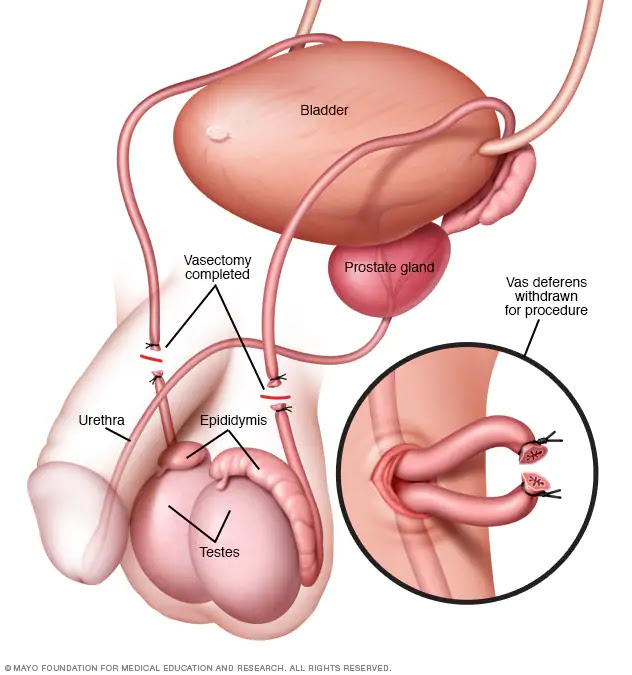
hydrocele image

Hydrocele is collection of Fluid (peritoneal) in the scrotum especially between the visceral and peritoneal layer of Tunica vaginalis. 

Presentation on Hemorrhoids and Hydrocele

Thank you for reading.
Feel free to comment your opinion down nbelow.

Syllabus: Bachelor Level Common Entrance Examination BL CEE

Syllabus: Bachelor Level Common Entrance Examination

(toc)Table of Contents


Introduction to MEC

राष्ट्रिय चिकित्सा शिक्षा ऐन २०७५ले व्यवस्था गरे बमोजिम, चिकित्सा शिक्षाको क्षेत्रमा राज्यको लगानी अभिवृद्धि गर्दै, चिकित्सा शिक्षालाई नेपालको राष्ट्रिय आवश्यकता अनुरुप विकास गरी, चिकित्सा शिक्षाको नियमनलाई एकीकृत तथा चुस्त बनाउन, चिकित्सा शिक्षा सम्बन्धी शिक्षण संस्थाको स्थापना र सन्चालन सम्बन्धी कार्यलाई व्यवस्थित गर्न तथा चिकित्सा शिक्षामा गुणस्तर, पेशाधर्मिता, संस्थागत जवाफदेही, भौगोलिक सन्तुलन र सामाजिक न्याय कायम गरी, विपन्न लगायत सबै विध्यार्थीहरुको समान पहुँच सुनिश्चित गर्नकालागि, चिकित्सा शिक्षा सुधार गर्ने सम्बन्धमा विभिन्न समयमा गठित आयोग, समिति तथा कार्यदलको प्रतिवेदनको मर्म र भावना समेतलाई दृस्टीगत गरी, चिकित्सा शिक्षा आयोगको स्थापना र संचालन भएको हो। ऐनले चिकित्सा शिक्षालाई यसरी परिभाषित गरेको छ – “चिकित्सा शिक्षा” भन्नाले स्वास्थ्य पेशा सम्बन्धी सबै विधा र तहका शिक्षा (हेल्थ प्रोफेसनल एजुकेसन) सम्झनु पर्छ।

What is CEE for bachelor level?

CEE, in the context of medical undergraduate entrance exams, refers to the Common Entrance Examination used for admissions to programs such as MBBS, BDS, and nursing. This exam assesses candidates’ knowledge and aptitude in subjects like Biology, Chemistry, and Physics, which are crucial for medical and health-related fields. 

Click here if you are looking for PG CEE Syllabus instead.
It is designed to evaluate the understanding of fundamental concepts, problem-solving skills, and critical thinking abilities necessary for success in medical education. The results of the CEE are used by medical and nursing colleges to select students for their programs, ensuring that admitted candidates are well-prepared for the rigorous study and training required in these professions.

Go to download pdf here

Multiple choice questions series 5 : Surgery MCQ for HA CMA ANM 2024

MCQ for medical students and nhpc license examination preparation 5

Table of Contents(toc)

Here  I have prepared 30 MCQs for your practice and we can discuss the
questions in the class or sparately.

Introduction

Please go through the MCQs and solve them.
These questions are very important for you and your upcoming exams.

These are euqually important for HA CMA ANM and other medical and
paramedical exams as well.
Please refer to any standard textbooks for answers if u cannot directly
contact me.
I have provided my contact details in the website for further.

MCQ for PCL Nursing  level free

MCQ series 4 for PCL level Health exams preparation and study tips 2024

MCQ for medical students and nhpc license examination preparation set: 4

Table of Contents(toc)

Introduction

I hope you are doing well and reading this. As you are aware, we will be using
Google Forms to administer an upcoming multiple-choice test. I’m writing to
respectfully ask that you take the test and do your best.

Why to Practice MCQ

It is quick and easy to gauge your level of subject knowledge by taking
the test using Google Forms. As many tests are now taken online, it’s also a
fantastic chance to practice test-taking techniques.

Before you begin

Before beginning the test, please be sure you read and comprehend the
instructions and to have a reliable internet connection. Please do not
hesitate to contact me for help if you run into any technical issues.

MCQ for PCL level google forms quiz mode


Cancer & Lung Disease

  1. Most common type of cancer worldwide leading to death is:

    • Lung
    • Breast
    • Thyroid
    • Prostate
  2. Most common preventable cause related to lung cancer:

    • Alcohol consumption
    • Pollution
    • Cigarette smoking
    • Red meat consumption
  3. Most common variety of bronchial carcinoma:

    • Adenocarcinoma (30%)
    • Small cell (20%)
    • Squamous cell (35%)
    • Large cell (15%)
  4. Hoarseness of voice in carcinoma of lung is due to compression of which nerve?

    • Vagus nerve
    • Recurrent laryngeal nerve (left)
    • Glossopharyngeal nerve
    • Hypoglossal nerve
  5. A patient with a 3-month history of cough, chest pain, and hemoptysis presents with shortness of breath. X-ray shows a large left-sided effusion, and the fluid appears hemorrhagic. What is the most probable diagnosis?

    • Pleural TB
    • Pulmonary tuberculosis
    • Carcinoma of lung
    • Heart failure

Renal Diseases & Urinary System

  1. Nephrotic range proteinuria is defined as:

    • 1 mg in 24 hr

    • 1 g in 24 hr

    • 3 mg in 24 hr

    • 3 g in 24 hr

  2. Post-streptococcal glomerulonephritis occurs how long after a streptococcal throat infection?

    • 1-2 weeks
    • 2-4 weeks
    • 6-10 weeks
    • After 3 months
  3. Post-streptococcal glomerulonephritis occurs how long after a streptococcal skin infection?

    • 1-2 weeks
    • 2-4 weeks
    • 6-10 weeks
    • After 3 months
  4. Which group of Streptococcus is mainly responsible for PSGN?

    • Group A beta-hemolytic
    • Group B beta-hemolytic
    • Alpha-hemolytic streptococcus
    • All of the streptococci
  5. Color of urine in nephritic syndrome is:

    • Cola-colored
    • Cloudy
    • Dark yellow
    • White
  6. Which feature differentiates nephrotic syndrome from nephritic syndrome?

    • Proteinuria
    • Edema
    • Hypertension
    • Deranged renal function
  7. Which class of antihypertensive is antiproteinuric and hence useful in nephritic syndrome?

    • Calcium channel blockers
    • Beta-blockers
    • ACE inhibitors
    • Diuretics
  8. Most common cause of nephrotic syndrome is:

    • Minimal change disease (90%)
    • Focal segmental glomerulosclerosis
    • Membranoproliferative glomerulonephritis
    • Membranous nephropathy
  9. Which of the following is NOT a classical feature of nephrotic syndrome?

    • Heavy proteinuria
    • Hypoalbuminemia
    • Hypolipidemia
    • Lipiduria
  10. Edema in nephrotic syndrome is due to:

    • Increased hydrostatic pressure
    • Decreased oncotic pressure in blood
    • Increased oncotic pressure in interstitial side
    • Inflammation of soft tissue

Urinary System & UTI

  1. Average length of female urethra is:

    • 3 cm
    • 4 cm
    • 5 cm
    • 6 cm
  2. Why is the incidence of UTI higher in females?

    • They are more immune-compromised
    • Short urethra
    • Presence of variety of bacteria in vulva
    • Lack of hygiene
  3. Most common pathogen group causing UTI:

    • Fungus
    • Protozoans
    • Gram-positive bacteria
    • Gram-negative bacteria
  4. Most common cause of UTI:

    • E. coli
    • Klebsiella spp
    • Proteus spp
    • Pseudomonas spp
  5. Renal angle tenderness is positive in:

    • Nephritic syndrome
    • Pyelonephritis
    • Ureteric calculus
    • Bladder outlet obstruction
  6. Antibiotics for UTI should be given for:

    • 15-20 days
    • 3-5 days
    • 8-10 days
    • 7-14 days
  7. Most common composition of renal calculus:

    • Oxalate
    • Uric acid
    • Cystine
    • Triple phosphate
  8. Staghorn calculus is:

    • Chemical composition of calculus
    • Calculus with spikes
    • A big calculus
    • Large calculus taking the shape of renal pelvis
  9. The calculus that can be seen on X-ray (radio-opaque) is:

    • Oxalate
    • Cystine
    • Xanthene
    • Uric acid

Acute Kidney Injury (AKI) & Dialysis

  1. Acute kidney injury is diagnosed if:

    • Serum creatinine increases ≥ 0.3 mg/dL from previous value
    • Serum creatinine increases ≥ 50% from baseline
    • Urine output <0.5 ml/kg/hr for >6 hrs
    • All of the above
  2. RIFLE criteria is related to:

    • Acute kidney injury
    • Congestive heart failure
    • Stroke
    • Deep venous thrombosis
  3. Which drugs are nephrotoxic?

    • NSAIDs
    • Aminoglycosides
    • Radio-opaque IV contrast
    • All of the above

Diabetes & Metabolism

  1. Which of the following is NOT a function of insulin?

    • Increases glucose uptake in muscles
    • Increases lipolysis
    • Increases glycogenesis
    • Increases lipogenesis
  2. Which of the following is NOT a classical symptom of diabetes mellitus?

    • Polyuria
    • Polydipsia
    • Polyphagia
    • Polymorphism
  3. Class II obesity is defined as BMI:

    • 25-30
    • 30-40
    • 30-34.9
    • 35-39.9
  4. Common insulin injection sites include all EXCEPT:

    • Periumbilical area
    • Lateral thighs
    • Upper outer arm
    • Flank area
  5. Diabetic ketoacidosis (DKA) is more common in:

    • Gestational DM
    • Type 1 DM
    • Type 2 DM
    • Same in all
  6. Normal fasting blood sugar level is:

    • <70 mg/dL
    • <100 mg/dL
    • <110 mg/dL
    • <126 mg/dL
  7. Diagnosis of diabetes mellitus is made if:

    • HbA1c ≥ 6.5%
    • FBS ≥ 126 mg/dL
    • 2-hour postprandial glucose ≥ 200 mg/dL
    • RBS ≥ 200 mg/dL with symptoms of hyperglycemia
    • All of the above
  8. Which is the first-line pharmacological treatment for Type 2 Diabetes?

    • Metformin
    • Glimepiride
    • Acarbose
    • Insulin
  9. Common side effect of metformin:

  • GI upset
  • Headache
  • Hypotension
  • Arrhythmia

    Diabetes & Its Complications

    1. Maximum daily dose of metformin is:
    • 1000 mg
    • 1500 mg
    • 2000 mg
    • 2500 mg
    1. Which of the following is NOT true about metformin?
    • It is safe in pregnancy
    • Dose adjustment is needed in case of renal impairment
    • It causes hypoglycemia
    • Diarrhea and nausea are common symptoms
    1. Which is an acute complication of diabetes mellitus?
    • Diabetic ketoacidosis (DKA)
    • Diabetic nephropathy
    • Diabetic retinopathy
    • Diabetic neuropathy
    1. Which of the following is NOT a macrovascular complication of diabetes?
    • Coronary artery disease
    • Peripheral artery disease
    • Cerebrovascular disease
    • Diabetic retinopathy
    1. Normal 2-hour postprandial (PP) blood glucose after ingestion of 75 g of glucose is (mg/dL)?
    • <126
    • <140
    • <180
    • <200
    1. Impaired glucose tolerance is diagnosed when HbA1c is (%):
    • 4.5 – 5.5
    • 5.7 – 6.4
    • 6.5 – 7.0
    • 6.0 – 8.0
    1. Target 2-hour postprandial (PP) blood sugar in type 2 DM patients under treatment should be:
    • <120 mg/dL
    • <140 mg/dL
    • <180 mg/dL
    • <200 mg/dL
    1. Recommended level of exercise for a diabetic patient is:
    • 30 minutes twice daily
    • 60 minutes every day
    • 30 minutes, 6 days a week
    • 4-5 hours once weekly
    1. In the plate model for a diabetic diet, what portion of the plate should be covered by green vegetables and fruits?
    • One-third
    • Half
    • Two-thirds
    • Three-fourths
    1. What percentage of total calorie intake should come from carbohydrates in a diabetic patient’s diet?
    • <30%
    • <50%
    • 40-60%
    • 60-80%
    1. Eye examination should be done in diabetic patients every:
    • 3 months
    • 6 months
    • Every 5 years
    • Annually
    1. Target blood pressure for diabetic patients is:
    • <110/70 mmHg
    • <120/70 mmHg
    • <130/80 mmHg
    • <140/90 mmHg

    Endocrinology & Insulin Therapy

    1. Route of administration of insulin is:
    • Intravenous (IV)
    • Subcutaneous (SC)
    • Intramuscular (IM)
    • Both a and b
    1. Common age of onset of Type 1 Diabetes is:
    • 10-25 years
    • 25-40 years
    • 40 years

    • <10 years
    1. Diabetic ketoacidosis (DKA) is characterized by:
    • Hyperglycemia
    • Metabolic acidosis
    • Ketosis
    • All of the above
    1. Which of the following is NOT a common insulin injection site?
    • Periumbilical area
    • Lateral thighs
    • Upper outer arm
    • Flank area
    1. Which of the following is NOT a function of insulin?
    • Increase glucose uptake in muscles
    • Increase lipolysis
    • Increase glycogenesis
    • Increase lipogenesis
    1. Which of the following is NOT a classical symptom of Diabetes mellitus?
    • Polyuria
    • Polydipsia
    • Polyphagia
    • Polymorphism

    Dialysis & Kidney Failure

    1. Which of the following is NOT an indication for dialysis?
    • Persistent hyperkalemia
    • Dysnatremia
    • Severe metabolic acidosis
    • Pulmonary edema
    • Uremic encephalopathy
    1. Peritoneal dialysis is superior to hemodialysis in:
    • Easy to perform
    • No expensive equipment needed
    • Easy to perform even in neonates
    • Less expensive
    • All of the above
    1. Which of the following is NOT a cause of prerenal acute kidney injury (AKI)?
    • Hypovolemia
    • Congestive cardiac failure (CCF)
    • Diuretics
    • Bladder calculus
    1. RIFLE criteria is used for assessing:
    • Acute kidney injury
    • Congestive heart failure
    • Stroke
    • Deep venous thrombosis
    1. Which of the following drugs are nephrotoxic?
    • NSAIDs
    • Aminoglycosides
    • Radio-opaque IV contrast
    • All of the above

    Obesity & Metabolic Syndrome

    1. Class II obesity is defined as BMI:
    • 25-30
    • 30-40
    • 30-34.9
    • 35-39.9
    1. Which of the following is the first-line pharmacological management of Type 2 Diabetes?
    • Metformin
    • Glimepiride
    • Acarbose
    • Insulin
    1. Common side effect of metformin is:
    • Gastrointestinal (GI) upset
    • Headache
    • Hypotension
    • Arrhythmia
    1. Which of the following is NOT a macrovascular complication of diabetes?
    • Coronary artery disease
    • Peripheral artery disease
    • Cerebrovascular disease
    • Diabetic retinopathy
 In this page you Can see Micas based On latest syllabus provided by NHPC Nepal
for CMA and Physician assistant (Health assistant HA ). Please take your time
reading it.
Thank you for visiting here.

Medecins du Monde Nepal: Empowering Healthcare – médecins du monde 2024

Medecins du Monde Nepal: Enhancing Healthcare Access for Vulnerable Populations médecins du monde

Table of Contents(toc)

Before you begin

Discover the impactful work of Medecins du Monde Nepal, a non-governmental organization dedicated to providing healthcare services and support to marginalized communities.
Learn how their interventions address pressing health issues and contribute to building a healthier Nepal.

Introduction Medecins du Monde Nepal (médecins du monde):

Médecins du Monde (MdM) is a global humanitarian organization dedicated to delivering medical care to the most vulnerable populations, both internationally and within France. Its core mission is to mobilize doctors, healthcare professionals, and experts from various fields to provide vital support and expertise for its projects. MdM aims to foster collaborative partnerships with the communities it serves, promoting a close working relationship to ensure effective and compassionate healthcare delivery. 

In a country like Nepal, where access to quality healthcare is a challenge, organizations like Medecins du Monde Nepal play a vital role in improving the lives of vulnerable communities. By providing essential medical services and support, they are actively contributing to the development of a healthier and more equitable nation.

The website for Médecins du Monde (MdM), an international humanitarian organization, is:

Official website of Medecens de Mondu

Functions of  Medecins du Monde Nepal (médecins du monde):

Addressing Critical Health Challenges in Nepal by Medecins du Monde Nepal:

Medecins du Monde Nepal focuses on addressing pressing health challenges that plague the nation. From tackling infectious diseases like malaria and tuberculosis to combating malnutrition and maternal health issues, their interventions aim to alleviate the burden on communities in need.

Holistic Healthcare Interventions by Medecins du Monde Nepal:

The organization takes a comprehensive approach to healthcare, providing a range of services that include primary healthcare, emergency medical assistance, and mental health support. They operate clinics, mobile medical units, and outreach programs to reach marginalized populations in remote areas.

Medecins du Monde Nepal

Promoting Health Education and Awareness by médecins du monde:

Recognizing the importance of preventive healthcare, Medecins du Monde Nepal emphasizes health education and awareness programs. By conducting workshops, training sessions, and awareness campaigns, they empower individuals and communities with the knowledge to prevent diseases and maintain good health.

Strengthening Community Engagement in Healthcare:

Medecins du Monde Nepal strongly believes in community participation and involvement. They work closely with local communities, establishing partnerships and involving them in decision-making processes. This approach ensures that interventions are culturally appropriate, sustainable, and address the specific needs of the communities they serve.

Sustainable Impact: Medecins du Monde Nepal’s Success Stories:

Through their efforts, Medecins du Monde Nepal has achieved significant impact and transformed the lives of countless individuals. By sharing inspiring success stories of patients who have benefited from their services, the organization highlights the power of healthcare interventions in creating lasting change.

Medecins du monde job : médecins du monde

Working with this company can be gamechanging opportunity for you. For details you can check their website: 

Conclusion on Medecins du Monde Nepal:

Medecins du Monde Nepal’s unwavering commitment to providing healthcare services and support to marginalized communities is commendable. Their holistic approach, community engagement strategies, and focus on preventive healthcare make them a vital ally in Nepal’s journey towards a healthier and more inclusive society. By supporting Medecins du Monde Nepal, we contribute to the well-being and empowerment of the most vulnerable populations.

Read more health related articles at https://www.doctorhealthrx.com/

Pradesh 1 Loksewa Province 1 Loksewa Notice 2081

Pradesh 1 Loksewa Notice 2081 is out ( Province 1 loksewa )

Pradesh 1 loksewa aayog 

Pradesh 1 loksewa aayog province 1 loksewa Introduction

नेपालको संविधानको धारा २४४  मा रहेको प्रदेश लोक सेवा आयोग सम्बन्धि व्यवस्था अनुसार प्रदेश निजामती सेवा, प्रदेश प्रहरी सेवा, प्रदेश संगठित संस्था, प्रदेशको अन्य सरकारी सेवा, स्थानीय सरकारी सेवा र स्थानीय तहको संगठित संस्थाको पदमा उपयुक्त उम्मेदवार छनौटमा स्वच्छता, निष्पक्षता र योग्यता प्रणालीलाई व्यवस्थित गरी प्रदेश एवम् स्थानीय तहको सार्वजनिक प्रशासनलाई सक्षम, सुदृढ, प्रतिस्पर्धात्मक, उत्तरदायी, सेवामुखी र समावेशितालाई समेत मध्यनजर गर्दै योग्यता प्रणालीलाई अवलम्वन गर्ने उद्देश्यका साथ प्रदेश लोक सेवा आयोगको गठन भएको हो। (Source: https://psc.p1.gov.np/about/background)

Province 1 loksewa aayog website province 1 loksewa

Province 1 loksewa website is still not named after its New name “koshi pradesh”
Here is the link:
I hope in the nearby future they will change it to the name of Koshi pradesh.

Pradesh 1 loksewa vacancy province 1 loksewa

Pradesh 1 loksewa aayog has published vaccancy of different post including health. 
The detailed vaccancies can be seen here. 
Latest vaccancy pdf here: https://psc.koshi.gov.np/files/vacancy/20230710115510.pdf

Pradesh 1 loksewa syllabus province 1 loksewa

Pradesh 1 loksewa aayog has also published its syllabus in its website.
You can go to the Pradesh 1 loksewa aayog website and donload syallabus. 
Alternatively you can download using this link.
Pradesh 1 loksewa syllabus

Pradesh 1 loksewa login province 1 loksewa

To apply to pradedsh 1  loksewa aayog vaccancy you need to create account using following link and login. 
To login  click the link below:

psc.p1.gov.np login job vaccancy apply psc nepal

You can login using the link above it.
psc.p1.gov.mp vaccancy

If you have queries regarding Pradesh 1 loksewa you can directly  contact us. province 1 loksewa information with us is also available.
Contact us here for loksewa aayog preparation through this link.

Summary:

In clocusion, province 1 loksewa has advertised vaccancy which you can apply through their website and you can take preparation class through us. Thank you for reading.
Thank you for reading.

Nursing License Model Questions for NNC license examination 2081

Here is a set of 50 multiple-choice questions (MCQs) for nursing license examinees


Table of Contents(toc)

body {
font-family: Arial, sans-serif;
margin: 20px;
}
.button {
padding: 10px 20px;
font-size: 16px;
background-color: #4CAF50;
color: white;
border: none;
cursor: pointer;
margin-top: 20px;
}
.button:hover {
background-color: #45a049;
}
.answers {
display: none;
margin-top: 20px;
}

Nursing License Exam Questions

Anatomy

1. Which of the following is the largest bone in the human body?

  • A. Humerus
  • B. Femur
  • C. Tibia
  • D. Fibula

2. The primary function of the alveoli in the lungs is to:

  • A. Filter air
  • B. Exchange gases
  • C. Produce mucus
  • D. Store oxygen

3. Which part of the brain is responsible for coordinating voluntary movements?

  • A. Cerebrum
  • B. Medulla oblongata
  • C. Cerebellum
  • D. Hypothalamus

4. The sinoatrial (SA) node is located in the:

  • A. Right atrium
  • B. Left atrium
  • C. Right ventricle
  • D. Left ventricle

5. The structure that connects muscles to bones is known as:

  • A. Ligament
  • B. Tendon
  • C. Cartilage
  • D. Fascia

Physiology

6. The primary function of hemoglobin in the blood is to:

  • A. Fight infection
  • B. Transport oxygen
  • C. Clot blood
  • D. Regulate pH

7. Which hormone is primarily responsible for regulating blood glucose levels?

  • A. Thyroxine
  • B. Insulin
  • C. Cortisol
  • D. Adrenaline

8. The nephron is the functional unit of the:

  • A. Liver
  • B. Kidney
  • C. Pancreas
  • D. Lung

9. Which type of muscle tissue is found in the walls of hollow organs?

  • A. Skeletal muscle
  • B. Cardiac muscle
  • C. Smooth muscle
  • D. Connective muscle

10. During the cardiac cycle, the ventricles contract during:

  • A. Diastole
  • B. Systole
  • C. Atrial contraction
  • D. Isovolumetric relaxation

Pathology

11. Which of the following conditions is characterized by the abnormal proliferation of white blood cells?

  • A. Leukemia
  • B. Lymphoma
  • C. Anemia
  • D. Thrombocytopenia

12. The primary cause of a myocardial infarction is:

  • A. Hypertension
  • B. Coronary artery blockage
  • C. Cardiac tamponade
  • D. Congestive heart failure

13. Which bacterium is most commonly associated with peptic ulcer disease?

  • A. Escherichia coli
  • B. Staphylococcus aureus
  • C. Helicobacter pylori
  • D. Streptococcus pneumoniae

14. Hyperthyroidism is most commonly caused by:

  • A. Graves’ disease
  • B. Hashimoto’s thyroiditis
  • C. Addison’s disease
  • D. Cushing’s syndrome

15. A decrease in red blood cell count is known as:

  • A. Leukopenia
  • B. Thrombocytopenia
  • C. Anemia
  • D. Polycythemia

Nursing Principles

16. The nursing process includes all of the following steps EXCEPT:

  • A. Assessment
  • B. Diagnosis
  • C. Hypothesis
  • D. Evaluation

17. Which of the following is an example of a primary prevention activity?

  • A. Rehabilitation exercises after a stroke
  • B. Blood pressure screening
  • C. Immunization programs
  • D. Physical therapy for arthritis

18. When prioritizing patient care, which of the following should be addressed first?

  • A. Acute pain
  • B. Risk of infection
  • C. Ineffective breathing pattern
  • D. Knowledge deficit

19. Which principle of ethics involves the duty to do good and avoid harm?

  • A. Autonomy
  • B. Beneficence
  • C. Justice
  • D. Fidelity

20. The best method to verify the correct placement of a nasogastric tube is:

  • A. Auscultation of injected air
  • B. pH testing of aspirate
  • C. Patient report of nausea
  • D. Observation of tube length

Ethics and Communications

21. A nurse discloses patient information without consent. This is a violation of:

  • A. Autonomy
  • B. Beneficence
  • C. Confidentiality
  • D. Veracity

22. Which of the following is an example of nonverbal communication?

  • A. Speaking
  • B. Writing
  • C. Nodding
  • D. Telephone conversation

23. The ethical principle that focuses on fairness and distribution of resources is:

  • A. Autonomy
  • B. Justice
  • C. Nonmaleficence
  • D. Fidelity

24. Informed consent requires all of the following EXCEPT:

  • A. Competence
  • B. Voluntariness
  • C. Coercion
  • D. Disclosure

25. A nurse who acts with honesty and tells the truth is practicing:

  • A. Autonomy
  • B. Fidelity
  • C. Veracity
  • D. Justice

Pediatrics

26. The first immunization a newborn typically receives is for:

27. A common sign of dehydration in infants is:

  • A. Diarrhea
  • B. Sunken fontanelle
  • C. Rash
  • D. Vomiting

28. The best way to prevent sudden infant death syndrome (SIDS) is to:

  • A. Use a soft mattress
  • B. Co-sleep with the baby
  • C. Place the baby on their stomach to sleep
  • D. Place the baby on their back to sleep

29. Which of the following is a sign of respiratory distress in a pediatric patient?

  • A. Nasal flaring
  • B. Cough
  • C. Crying
  • D. Fever

30. The appropriate pain assessment tool for a 3-year-old child is:

  • A. Numeric rating scale
  • B. Faces pain scale
  • C. Visual analogue scale
  • D. McGill pain questionnaire

Community Nursing

31. A key goal of community health nursing is to:

  • A. Provide tertiary care
  • B. Treat chronic diseases
  • C. Promote health and prevent disease
  • D. Conduct laboratory research

32. The role of a home health nurse includes all of the following EXCEPT:

  • A. Conducting surgeries
  • B. Providing wound care
  • C. Educating patients and families
  • D. Administering medications

33. Which of the following is an example of a vector-borne disease?

  • A. Influenza
  • B. Tuberculosis
  • C. Malaria
  • D. Hepatitis

34. Herd immunity is achieved when:

  • A. A large percentage of the population is vaccinated
  • B. All individuals are isolated
  • C. Only high-risk individuals are vaccinated
  • D. Disease transmission is ignored

35. The first step in the community health assessment is to:

  • A. Develop a care plan
  • B. Collect data
  • C. Implement interventions
  • D. Evaluate outcomes

Psychiatric Nursing

36. The therapeutic communication technique that involves restating the patient’s message is known as:

  • A. Clarification
  • B. Paraphrasing
  • C. Summarizing
  • D. Reflection

37. Which of the following is a negative symptom of schizophrenia?

  • A. Hallucinations
  • B. Delusions
  • C. Anhedonia
  • D. Disorganized speech

38. The priority nursing intervention for a patient experiencing a panic attack is to:

  • A. Administer antianxiety medication
  • B. Encourage deep breathing
  • C. Provide a quiet environment
  • D. Ask the patient to describe their feelings

39. Electroconvulsive therapy (ECT) is primarily used to treat:

  • A. Major depressive disorder
  • B. Schizophrenia
  • C. Generalized anxiety disorder
  • D. Obsessive-compulsive disorder

40. Which of the following medications is classified as a selective serotonin reuptake inhibitor (SSRI)?

  • A. Lorazepam
  • B. Haloperidol
  • C. Fluoxetine
  • D. Lithium

Adult Nursing

41. A common side effect of opioid analgesics is:

  • A. Diarrhea
  • B. Constipation
  • C. Polyuria
  • D. Insomnia

42. Which of the following is a sign of left-sided heart failure?

  • A. Peripheral edema
  • B. Jugular vein distention
  • C. Ascites
  • D. Pulmonary congestion

43. The best position for a patient experiencing dyspnea is:

  • A. Prone
  • B. Supine
  • C. High Fowler’s
  • D. Trendelenburg

44. A patient with diabetes mellitus should monitor for which of the following complications?

  • A. Hypotension
  • B. Hypercalcemia
  • C. Hypoglycemia
  • D. Hypernatremia

45. In the immediate postoperative period, the priority assessment is:

  • A. Pain level
  • B. Wound condition
  • C. Respiratory status
  • D. Fluid balance

Geriatric Nursing

46. A common sign of dehydration in the elderly is:

  • A. High blood pressure
  • B. Increased skin turgor
  • C. Confusion
  • D. Weight gain

47. Which of the following conditions is most likely to cause falls in elderly patients?

  • A. Osteoporosis
  • B. Hypertension
  • C. Diabetes
  • D. Anemia

48. Polypharmacy refers to:

  • A. Using multiple pharmacies
  • B. Taking multiple medications
  • C. Prescription drug abuse
  • D. Using over-the-counter supplements

49. A key intervention to prevent pressure ulcers in bed-bound elderly patients is:

  • A. Encouraging high fluid intake
  • B. Regularly turning and repositioning
  • C. Providing high-calorie diet
  • D. Administering prophylactic antibiotics

50. Which of the following is a common cognitive change associated with normal aging?

  • A. Dementia
  • B. Delirium
  • C. Mild memory loss
  • D. Psychosis

Below are the answer keys for the nursing license exam questions.

More nursing questions hereMore nursing questions here

Answer Key

1. B

2. B

3. C

4. A

5. B

6. B

7. B

8. B

9. C

10. B

11. A

12. B

13. C

14. A

15. C

16. C

17. C

18. C

19. B

20. B

21. C

22. C

23. B

24. C

25. C

26. B

27. B

28. D

29. A

30. B

31. C

32. A

33. C

34. A

35. B

36. B

37. C

38. C

39. A

40. C

41. B

42. D

43. C

44. C

45. C

46. C

47. A

48. B

49. B

50. C

function revealAnswers() {
document.getElementById(‘answerKey’).style.display = ‘block’;
}

Optometry model questions for Optometry license exams 2081

Optometry model questions for Optometry license exams 2081

Table of Contents(toc)

1. Which part of the eye is responsible for controlling the amount of light
entering the eye?

   a) Cornea
   b) Iris
   c) Lens
   d) Retina

2. Which visual condition is characterized by the inability to see distant
objects clearly?

   a) Hyperopia
   b) Myopia
   c) Astigmatism
   d) Presbyopia

3. Which of the following eye muscles is responsible for upward eye
movement?

   a) Medial rectus
   b) Lateral rectus
   c) Superior rectus
   d) Inferior rectus

4. What is the standard unit of measurement for visual acuity?

   a) Diopter
   b) Prism diopter
   c) Snellen fraction
   d) Visual angle

5. Which part of the eye contains the highest density of cones for color
vision?

   a) Macula
   b) Fovea
   c) Optic disc
   d) Optic nerve head

Click to reveal answers:

Answers:

  1. b) Iris
  2. b) Myopia
  3. c) Superior rectus
  4. c) Snellen fraction
  5. b) Fovea

function revealAnswers() {
var answersDiv = document.getElementById(“answers”);
if (answersDiv.style.display === “none”) {
answersDiv.style.display = “block”;
} else {
answersDiv.style.display = “none”;
}
}

Exit mobile version