Blog
Answers: Top 10 MCQs genitourinary system
Answers and explanations for the 10 high-yield multiple-choice questions on the genitourinary system:
Questions are here on Gennitourinary System
1. Which structure connects the kidneys to the urinary bladder and serves as a conduit for urine transport?
Answer: b) Ureter
Explanation: The ureters are muscular tubes that connect each kidney to the urinary bladder. They transport urine from the kidneys to the bladder, where urine is temporarily stored before being eliminated from the body through the urethra.
2. The glomerulus is a crucial component of which part of the nephron?
Answer: e) Bowman’s capsule
Explanation: The glomerulus is a network of capillaries within Bowman’s capsule, which is part of the renal corpuscle in the nephron. It plays a central role in the initial filtration of blood to form urine.
3. Which hormone is primarily responsible for regulating water reabsorption in the distal convoluted tubules and collecting ducts of the kidneys?
Answer: b) Antidiuretic hormone (ADH)
Explanation: Antidiuretic hormone (ADH), produced by the hypothalamus and released by the posterior pituitary gland, acts on the distal convoluted tubules and collecting ducts of the nephron to increase water reabsorption, thereby concentrating urine and reducing water loss.
4. The condition characterized by the presence of abnormally high levels of protein in the urine is known as:
Answer: d) Proteinuria
Explanation: Proteinuria refers to the presence of excess protein, typically albumin, in the urine. It can be a sign of kidney dysfunction or damage, as the glomerular filtration barrier becomes more permeable to larger molecules like proteins.
5. Which of the following is a common risk factor for the development of kidney stones?
Answer: c) Hypercalcemia
Explanation: Hypercalcemia, or elevated levels of calcium in the blood, is a common risk factor for the development of kidney stones. Calcium can combine with other substances in the urine to form crystals that can eventually become kidney stones.
6. Which part of the male reproductive system produces the majority of the seminal fluid?
Answer: c) Prostate gland
Explanation: The prostate gland is responsible for producing the majority of seminal fluid. This fluid, along with sperm produced in the testes and other fluids from the seminal vesicles and bulbourethral glands, makes up semen.
7. The presence of an extra X chromosome (XXY) is associated with which condition in males?
Answer: c) Klinefelter syndrome
Explanation: Klinefelter syndrome is a genetic disorder in males characterized by the presence of an extra X chromosome (XXY). It can lead to a range of symptoms, including infertility, reduced testosterone production, and other developmental issues.
8. The structure that transports both sperm and urine through the male reproductive system is the:
Answer: b) Urethra
Explanation: The urethra is the structure that transports both sperm from the reproductive organs and urine from the bladder out of the body. It serves as a common passage for both functions.
9. Which part of the female reproductive system is responsible for the production of eggs (ova) and the secretion of female sex hormones?
Answer: d) Ovaries
Explanation: The ovaries are the primary female reproductive organs responsible for producing eggs (ova) and secreting female sex hormones such as estrogen and progesterone. They play a crucial role in the menstrual cycle and fertility.
10. The release of an egg from a mature ovarian follicle is known as:
Answer: b) Ovulation
Explanation: Ovulation is the process in which a mature egg (ovum) is released from a follicle in the ovary. It typically occurs midway through the menstrual cycle and is a key event for fertility and reproduction.
Understanding these answers and explanations will provide you with a solid foundation in the genitourinary system and help you succeed in your studies and clinical practice. If you have any more questions or need further clarification, feel free to ask!
Top 10 Genitourinary System MCQs
10 high-yield multiple-choice questions on the genitourinary system for physician assistants and medical students
1. Which structure connects the kidneys to the urinary bladder and serves as a conduit for urine transport?
a) Urethra
b) Ureter
c) Renal pelvis
d) Renal cortex
e) Nephron
2. The glomerulus is a crucial component of which part of the nephron?
a) Proximal convoluted tubule
b) Distal convoluted tubule
c) Loop of Henle
d) Collecting duct
e) Bowman’s capsule
3. Which hormone is primarily responsible for regulating water reabsorption in the distal convoluted tubules and collecting ducts of the kidneys?
a) Aldosterone
b) Antidiuretic hormone (ADH)
c) Renin
d) Insulin
e) Thyroid hormone
4. The condition characterized by the presence of abnormally high levels of protein in the urine is known as:
a) Hematuria
b) Pyuria
c) Glycosuria
d) Proteinuria
e) Oliguria
5. Which of the following is a common risk factor for the development of kidney stones?
a) Hyponatremia
b) Hyperkalemia
c) Hypercalcemia
d) Hyperglycemia
e) Hypernatremia
6. Which part of the male reproductive system produces the majority of the seminal fluid?
a) Epididymis
b) Testes
c) Prostate gland
d) Vas deferens
e) Urethra
7. The presence of an extra X chromosome (XXY) is associated with which condition in males?
a) Turner syndrome
b) Down syndrome
c) Klinefelter syndrome
d) Marfan syndrome
e) Cri du chat syndrome
8. The structure that transports both sperm and urine through the male reproductive system is the:
a) Epididymis
b) Urethra
c) Vas deferens
d) Seminal vesicle
e) Prostate gland
9. Which part of the female reproductive system is responsible for the production of eggs (ova) and the secretion of female sex hormones?
a) Fallopian tubes
b) Uterus
c) Cervix
d) Ovaries
e) Vagina
10. The release of an egg from a mature ovarian follicle is known as:
a) Menstruation
b) Ovulation
c) Implantation
d) Fertilization
e) Gestation
Feel free to use these questions for your study or practice purposes. If you need answers and explanations, or any additional information, please let me know!
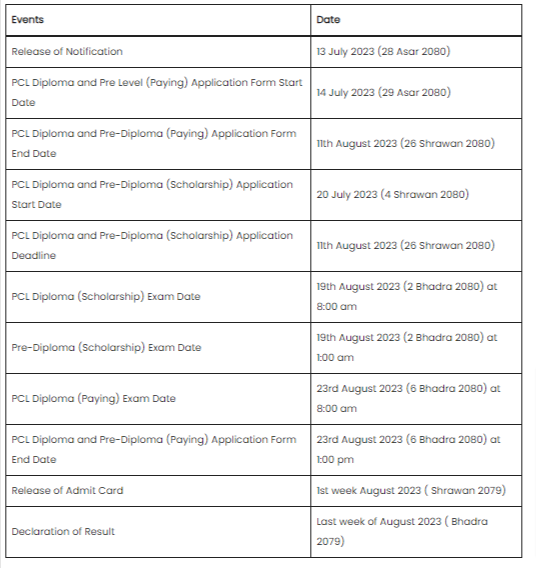
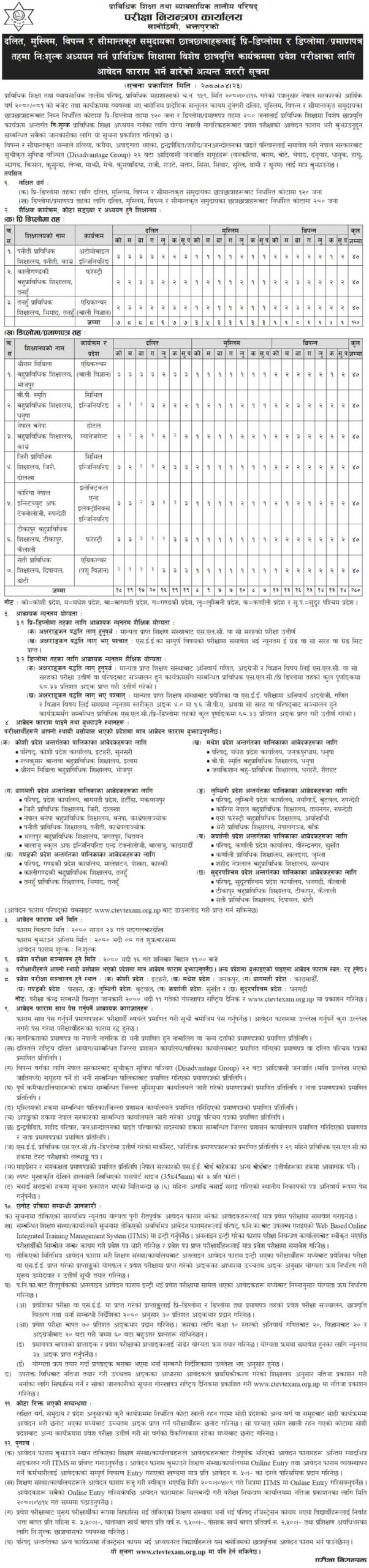
MEC calendar 2081
MEC calendar 2080
Download MEC calendar image notice
mec gov np mec status check mec calendar 2080
- mec
- mec. gov. np
- mec gov np
- mec nepal
- entrance mec gov np
- mec entrance
- mec notice
- mec result
- mec check status
- mec result 2079
- mec entrance exam
- entrance mec
- mec cee
- mec form
- check status mec
- entrance. mec. gov. np
- mec result 2022
- mec admit card
- mec result 2023
- www mec gov np
- mec eligibility
- mec gov.np
- mec .gov.np
- mec website
- mec. gov. np entrance
- mec entrance form
- mec exam
- mec status
- www. mec. gov. np
- mec full form
- mec gov
- mec login
- mec online form
- mec notice 2022
- mec contact number
- mec pg result 2022
- mec syllabus
- mec pg
- mec pg 2022
- mec result 2022 nepal
- mec entrance notice
- mec full form in medical
- mec pg entrance
- mec cee notice
- mec seat distribution
- mec matching result
- mec phone number
- mec result 2078
- seat distribution mec 2022
- eligibility mec gov np
- mec exam notice
- mec form status
- mec eligibility certificate
- seat distribution mec 2023
- entrance mec gov np result
- mec form fill up
- mec result 2023 nepal
10 MCQs on orthopedics and trauma
10 high-yield multiple-choice questions on orthopedics and trauma for physician assistants and medical students:
1. Which fracture is commonly known as a “dinner fork” deformity due to the characteristic angulation seen on X-rays?
a) Colles’ fracture
b) Monteggia fracture
c) Boxer’s fracture
d) Smith fracture
e) Galeazzi fracture
2. The most common type of hip dislocation, accounting for over 90% of cases, involves the femoral head dislocating:
a) Posteriorly
b) Anteriorly
c) Laterally
d) Superiorly
e) Medially
3. Which condition is characterized by inflammation of the tendon and its insertion site on the bone, often seen in the Achilles tendon or the patellar tendon?
a) Bursitis
b) Tendinitis
c) Osteoarthritis
d) Plantar fasciitis
e) Ligament sprain
4. The “unhappy triad” refers to a combination of injuries involving the:
a) Shoulder, clavicle, and scapula
b) Femur, patella, and tibia
c) Tibia, fibula, and ankle
d) Medial collateral ligament, anterior cruciate ligament, and medial meniscus
e) Radius, ulna, and humerus
5. In a Galeazzi fracture-dislocation, which bone is fractured, and which bone is dislocated?
a) Fractured: Radius; Dislocated: Ulna
b) Fractured: Ulna; Dislocated: Radius
c) Fractured: Humerus; Dislocated: Radius
d) Fractured: Radius; Dislocated: Humerus
e) Fractured: Ulna; Dislocated: Humerus
6. The “Pott’s fracture” typically involves a fracture of the fibula with associated:
a) Ankle dislocation
b) Tibia fracture
c) Metatarsal fracture
d) Calcaneus fracture
e) Navicular fracture
7. Which imaging modality is considered the gold standard for evaluating ligament and cartilage injuries within joints?
a) X-ray
b) Ultrasound
c) CT scan
d) MRI
e) Bone scan
8. Which spinal condition is characterized by forward slippage of one vertebra over the one beneath it, often seen in the lumbar spine?
a) Scoliosis
b) Kyphosis
c) Lordosis
d) Spondylolisthesis
e) Spinal stenosis
9. Osteoporosis is characterized by reduced bone density and increased susceptibility to fractures. Which bone is commonly affected in hip fractures due to osteoporosis?
a) Femur
b) Tibia
c) Radius
d) Humerus
e) Fibula
10. Which type of fracture occurs at the site of a preexisting abnormality, such as a bone weakened by a tumor or metabolic condition?
a) Pathologic fracture
b) Greenstick fracture
c) Comminuted fracture
d) Stress fracture
e) Avulsion fracture
Answers to orthopedics MCQ are here.
These questions cover a range of important topics in orthopedics and trauma, from fractures and dislocations to common conditions and imaging modalities. Understanding these concepts will provide a solid foundation for your studies and clinical practice. Good luck!
Answers : Endocrine System MCQs
Answers, explanations, and relevant extra information for the 10 high-yield multiple-choice questions on the endocrine system:
To see high-yield multiple-choice questions on the endocrine system, MCQs for NHPC licensing exam click this link
Endocrine System MCQs
Top 10 high-yield multiple-choice questions on the endocrine system for NHPC
Blogging in Nepal
How to Do Blogging in Nepal: Is it even possible?
(toc)Table of Contents
- Is itpossible to do Blogging in nepal?
- How to start blogging in nepal?
Introduction:
Hello there, fellow bloggers and aspiring authors! Today, we travel through Nepal’s breathtaking landscapes to learn more about the world of blogging in this fascinating country.
If you are wondering if blogging is possible in Nepal, do not worry because we are about to reveal the untold secrets that will answer all of your questions.
So pour yourself a cup of Tea, settle in, and let us get started!
Chapter 1: The Blogging Scene in Nepal
Let us first paint a picture of the current blogging scene in this Himalayan country before delving into the facts about blogging in Nepal.
Blogging has grown in popularity in recent years, with Nepali bloggers carving out niches in fields such as travel, food, lifestyle, and technology.
While the blogging community in Nepal is not as large as in other countries, the potential for growth is enormous, making now an excellent time to begin your blogging journey.
Chapter 2: Challenges and Opportunities
Blogging in Nepal, like any other career, is filled with difficulties and opportunities.
Access to reliable internet and a stable power supply remains an issue in some areas if you’re in rural Nepal, but do not let that discourage you.
As the digital landscape expands, Internet connectivity improves, allowing bloggers to reach larger audiences both locally and globally.
Furthermore, the richness and diversity of Nepal’s culture, traditions, and natural beauty provide a wealth of content ideas.
Everyone can blog about something in Nepal, from sharing their travel tales in the majestic Himalayas to discovering the culinary wonders of the neighborhood momo shops.
Chapter 3: Navigating the Legal Terrain
Understanding the legal effects of blogging in Nepal is critical as you prepare for your blogging adventure.
A few critical considerations include registering your blog as a business entity, understanding your tax obligations, and adhering to copyright laws.
Consult with legal professionals or experienced bloggers to ensure the legality of your blogging venture.
Chapter 4: Building a Blogging Community
Blogging involves far more than just creating content; it also involves interacting with others and forming a community.
Engaging with other bloggers, working on projects together, and supporting one another’s growth can make your blogging experience in Nepal truly rewarding.
Social media platforms and blogging communities are great places to meet people who share your passion for blogging.
Chapter 5: Monetization and Sustainability
The burning question for every blogger is how to pursue their passion while also making a living.
While there are not as many monetization opportunities in Nepal as there are in more developed countries, there are several ways to monetize your blog.
From affiliate marketing and sponsored content to selling digital products and services, persistence and creativity are required for success.
Conclusion:
Finally, blogging in Nepal is not only a good option but also a profitable business with numerous opportunities.
Regardless of the challenges, the allure of sharing your unique experiences, insights, and creativity with the rest of the world outweighs any difficulties that may come in the future.
Accept the beauty of Nepal, immerse yourself in its diverse culture, and let your blog fly above the breathtaking Himalayan landscapes.
Prepare to enter the world of Nepali blogging, where every word you write and every story you tell will capture the spirit of this amazing country. Happy blogging!
Visit health blog Dr Health Rx
पिसाब पोल्ने समस्या को ७ घरेलु उपचार
पिसाब पोल्ने समस्या को घरेलु उपचार: घरेलु उपायहरूले छुटकारा पाउनुहोस्
पिसाब पोल्ने समस्या को घरेलु उपचार परिचय
पिसाब पोल्ने, जुन व्यक्तिहरूमा बारम्बार मूत्रको प्रयास भइरहेको समस्या हो, धेरै मानिसहरूले यो समस्या सामान्य परेको छ। यसले नै व्यक्तिहरूको दिनचर्यामा बाधा पुर्याउन सक्छ र उनीहरूको जीवनलाई गारो पनि गर्न सक्छ। तपाईंले घरेलु उपायहरूले यस समस्यामा सामान्यतः धेरै सुधार गर्न सक्नुहुन्छ, जुन प्राकृतिक र सुरक्षित पनि छ।
पिसाब पोल्नुका कारणहरु:
- मधुमेह
- बढ्दो उमेर
- प्रोस्टेट बढ्नु
- मिर्गौलाको पत्थरी
- गर्भावस्था
- एक मूत्र क्याथेटर भएको
- जननांग हर्पेस
- क्लामिडिया
- गोनोरिया
पिसाबको संक्रमण
१. पानीको सेवन:
२. तुलसीको प्रयोग:
३. ताजा गुलाबको पानी:
४. काजू र किसमिस:
५. शेवन्ती फूलको प्रयोग:
६. सहजनको प्रयोग:
७. समय समयमा पिशाब गर्नुहोस्:
UTI को लक्षणहरू :
- ज्वरो आउने
- दुर्गन्धित वा कडा गन्धयुक्त पिसाब
- धमिलो पिसाब वा पिसाबमा रगत देखिने
- पिसाब चाडो लाग्ने वा पिसाब गर्न मन लाग्ने
- पीडाले भरिएको कोखा
- पेट दुख्ने
- कहिलेकाहीँ पीडादायी पिसाब यिस्टको कारणले हुने योनि संक्रमणसँग सम्बन्धित हुन सक्छ र तपाइँ योनिको पानी र गन्धमा परिवर्तनहरू पनि हुन सक्छ।
Rastriya Parichayapatra NID : Online registration 2080
How to register for Rastriya Parichayapatra NID Online Form
Rastriya parichayapatra tatha panjikaran bibhag
राष्ट्रिय परिचयपत्र अनलाइन फारम भर्ने तरिका (👈click here)
| Rastriya parichayapatra tatha panjikaran bibhag nid pre enrollment |