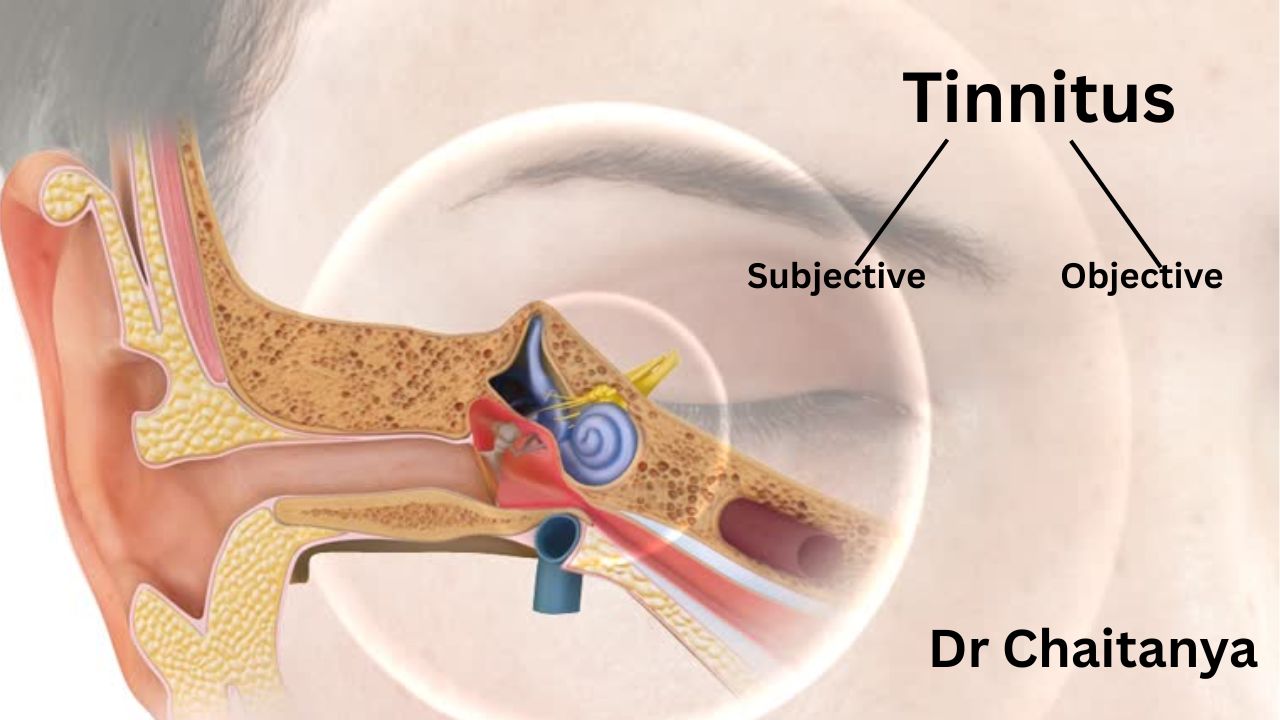
Comparison of the Subjective vs. Objective Tinnitus for ENT
Table of Contents(toc)
Definitions of Tinnitus Types
Subjective Tinnitus (S-Tinnitus):
A perception of sound (e.g., ringing, buzzing, hissing) heard only by the patient, with no actual external or internal sound source detectable by others. It is the most common form of tinnitus.
Objective Tinnitus (O-Tinnitus):
A rare form of tinnitus where a real sound is generated within the body (e.g., by vascular or muscular activity) and can sometimes be heard by an examiner using a stethoscope.
Comparison Table: Subjective vs. Objective Tinnitus
Feature
Subjective Tinnitus
Objective Tinnitus
Perception
Heard only by the patient
Can be heard by examiner (with tools)
Cause
Often neurological or auditory
Usually mechanical or vascular
Common Examples
Noise-induced hearing loss, ototoxic drugs
Vascular bruits, palatal myoclonus
Prevalence
Very common (>95% of cases)
Very rare (<5% of cases)
Audibility to Others
Not audible to others
Audible to others (e.g., with stethoscope)
Sound Characteristics
Ringing, buzzing, hissing
Pulsatile or clicking
Associated Disorders
Cochlear damage, Meniere’s disease
AV malformations, muscle spasms
Diagnostic Approach
Audiometry, MRI, ENT exam
Stethoscope exam, Doppler, imaging
Treatment Focus
Symptom management, sound therapy
Treat underlying physical cause
Let me know if you’d like this in a downloadable format or visual chart.
Objective tinnitus is a rare form of tinnitus where the sound can actually be heard by an examiner, often through a stethoscope placed near the ear. It is usually caused by internal bodily sounds, and often has a physical/mechanical source. Here’s a list of common causes of objective tinnitus:
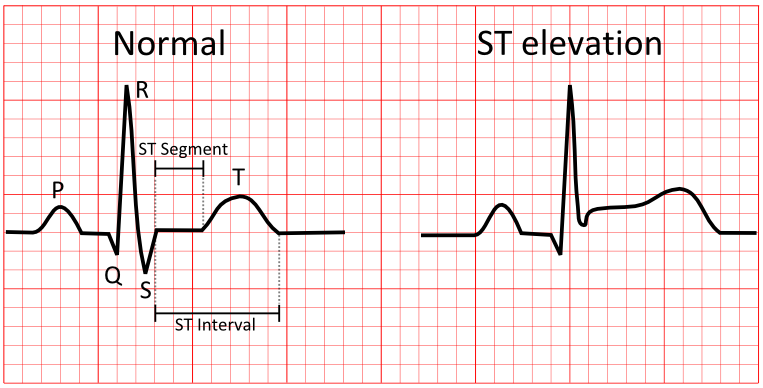
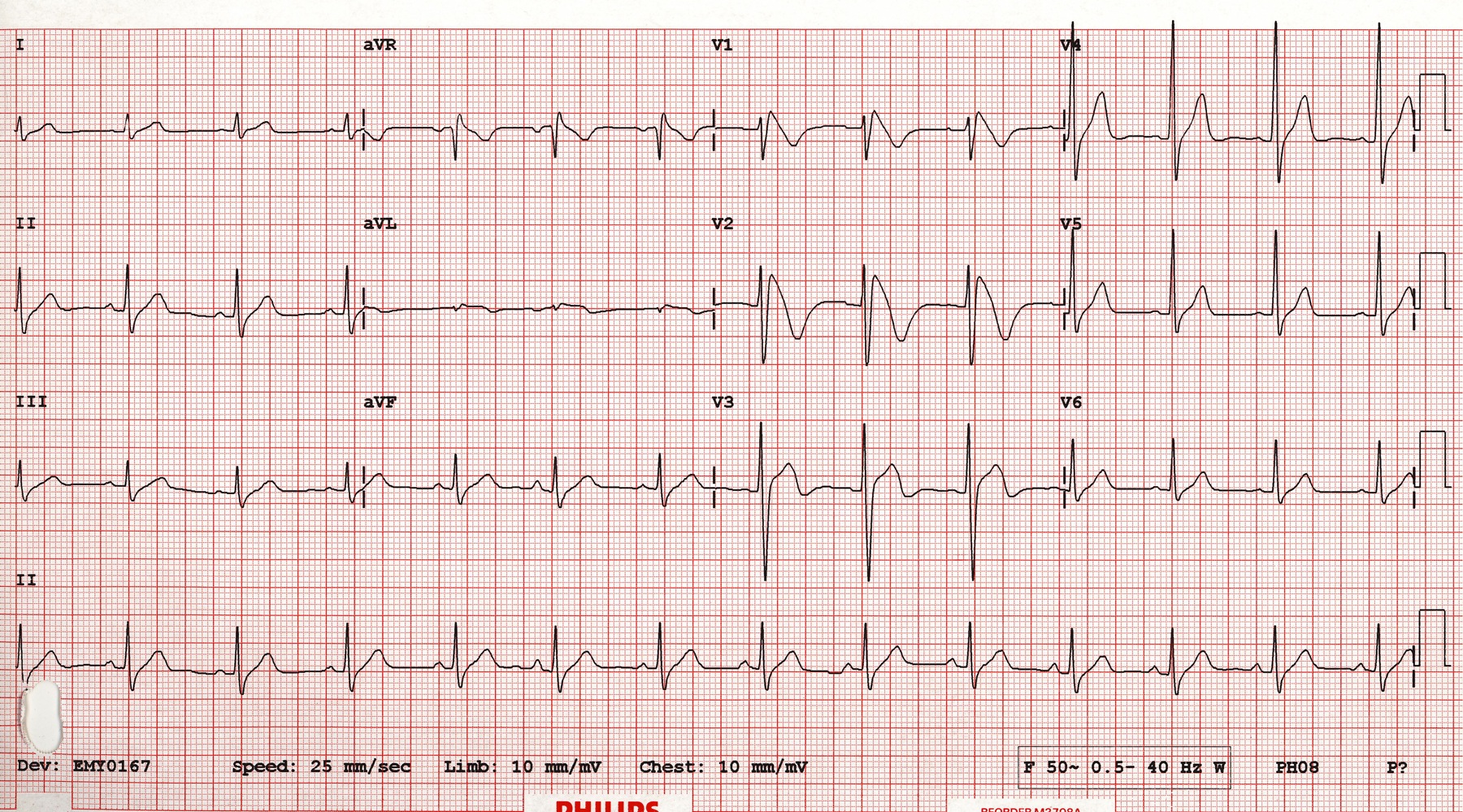
ECG is a electrical graphical representation of cardiac electrical activity. It is plotted as voltage against time.
What is ST segment in an ECG?
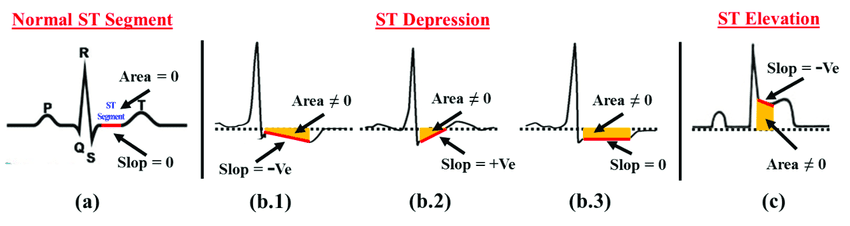
ST segment (as shown in image) is the segment between S and T wave in the ECG. Its electrically in baseline with 0 mV.
Both ST segment elevation and depression can be sign of illness or underlying cardiac pathology.
What are causes of ST Segment elevation?
Here is a comprehensive list of differential diagnosis of ST segment elevation in ECG / EKG.
1)MI
2) Pericarditis/Myocarditis
3) Cocaine abuse, 5FU, Triptans, Ergols
4) Repolarisation abn in Children
5) Brugada
6) ICH
7) Hypothermia
8) Hyperkalemia, -calcemia
9) Takutslubo CMP
10) LV aneurysm
11) LVH
12) LBBB
13) Prinzmetal Angina
14) Post DCCV
15) Anti arrythmii IC
16) Pulmonary embolism
17) Ventricule contusion/trauma
18) Ventricular tumor
Should I get an ECG done to check ST segment elevation?
Generally if you’re young, otherwise healthy individual you do not need to check for ST segment elevation or perform an ECG evaluation.
But if you’re adult above 40, have systemic illness like hypertension (high BP), diabetes (sugar), thyroid disorder, pulmonary Illness like asthma, COPD, chronic cough, chest pain or anything similar your health care provider or doctor may order an ECG to check condition for your heart.
You do not specifically order or request and ECG for ST segment evaluation. It’s part of your whole ECG as 12 lead ECG.
What is an 12 lead ECG?
12 lead ECG is a type of ECG test most commonly done to check cardiac status.
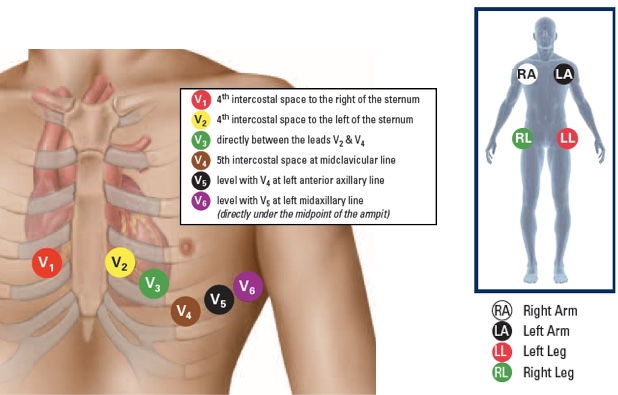
To perform 12 lead ecg, 10 different leads(wires) coming from an ECG machine are attached in your body i. Different locations viz. four in four lumbs, and six in anterior and left lateral side of chest (as shown in image).
From the four limb leads 3 are active leads(wires) which measure current directly while one is earthing wire.
What is position of leads in 12 lead ECG?
Here is image showing position of leads in 12 lead ECG.
Hung-up reflex refers to prolongation of deep tendon reflexes with a slow relaxation phase (as if in slow motion). Hung up reflex is typical elicited in the ankle jerk (Achilles tendon reflex) in patient with myxedema (other deep tendon reflex) in patient with myxedema may also show slow relaxation).
Brisk (Exaggerated) deep tendon reflex: Upper motor neuron lesion, Hyperthyroidism.
Absent deep tendon reflex: lower motor neuron lesion.
Pendular knee jerk: Cerebellar lesion.
MCQ 2:
A 60-year-old male presents with weakness in both lower limbs and increased knee jerk reflexes. Which of the following is the most likely cause?
A) Guillain-Barré syndrome
B) Diabetic neuropathy
C) Spinal cord injury (above L2)
D) Cauda equina syndrome
Answer: ✅ C) Spinal cord injury (above L2)
Explanation:
The knee jerk reflex (L2-L4) is exaggerated (hyperreflexia) in UMN lesions.
Spinal cord injury above L2 disrupts the descending inhibitory control from the brain, leading to increased reflexes (hyperreflexia).
Guillain-Barré syndrome (A) and diabetic neuropathy (B) cause LMN lesions, leading to absent or reduced reflexes (hyporeflexia).
Cauda equina syndrome (D) affects the lumbar and sacral nerve roots, causing flaccid paralysis and absent knee jerk reflex.
Thus, the most likely diagnosis is spinal cord injury above L2, causing bilateral weakness with hyperreflexia.
A childs health conccern is the most priority for most parents. Especially
mothers who have caring nature and are more caring and notics small changes
in thei childs health.
Why do babies have high heart and respiratory rate?
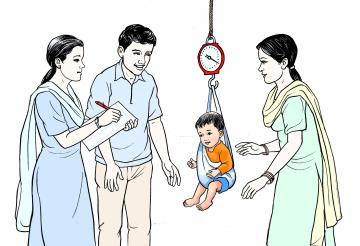
According to Pediatricians and neonantologists, vital signs of neonates and
children are different than that of Adult humans. This is because of their
small organ size and increased metabolic need for fast growth and development.
Normal Heart rate for adults is 60-100 bpm while normal respiratory
rate is 12-18 breaths per minute.
An increased heart rate (tachycardia) in babies and children can be caused by a variety of factors, ranging from temporary conditions to more serious medical concerns. Here’s a list of potential causes:
1. Fever
A rise in body temperature can cause an increased heart rate as the body tries to regulate itself.
2. Physical Activity or Exercise
Just like in adults, physical exertion or exercise in children leads to an elevated heart rate, which typically returns to normal after rest.
3. Stress or Anxiety
Emotional distress, anxiety, or fear can cause an increase in heart rate as part of the body’s “fight-or-flight” response.
4. Pain
Acute pain, such as from an injury or illness, can result in tachycardia.
5. Dehydration
When the body is dehydrated, blood volume decreases, causing the heart to pump faster to maintain adequate circulation.
6. Anemia
In cases of low red blood cell count, the heart compensates for the reduced oxygen-carrying capacity by increasing its rate to supply tissues with oxygen.
7. Infections
Systemic infections such as sepsis or localized infections can trigger a rapid heart rate as part of the body’s response to infection.
8. Respiratory Issues
Conditions like asthma, bronchiolitis, or pneumonia, where oxygen levels are compromised, can lead to tachycardia as the body works harder to circulate oxygen.
9. Hyperthyroidism
Overactivity of the thyroid gland can cause an elevated heart rate, as it increases the metabolism and the heart’s workload.
10. Congenital Heart Conditions
Some heart defects, such as atrial or ventricular septal defects, congenital heart failure, or arrhythmias, can cause the heart to beat abnormally fast.
11. Caffeine or Stimulants
Consumption of caffeine or other stimulants, such as certain medications or energy drinks, can cause an increase in heart rate.
12. Electrolyte Imbalance
An imbalance in electrolytes, such as potassium, calcium, or sodium, can disrupt the normal electrical activity of the heart, leading to tachycardia.
13. Shock
Conditions such as hypovolemic shock, cardiogenic shock, or septic shock can cause a rapid heart rate as the body tries to compensate for a lack of blood flow or oxygen.
14. Hypoxia
Low oxygen levels due to lung disease or high altitudes can cause tachycardia as the body attempts to increase oxygen delivery.
15. Medications
Some medications, including those used to treat respiratory conditions or other chronic illnesses, may increase heart rate as a side effect.
16. Hyperventilation
Rapid breathing can sometimes cause an increased heart rate as the body tries to balance oxygen and carbon dioxide levels.
17. Electrocardiographic Abnormalities
Conditions such as supraventricular tachycardia (SVT) or ventricular tachycardia are abnormal electrical rhythms of the heart, leading to excessively fast heart rates.
18. Hypoglycemia (Low Blood Sugar)
Low blood sugar levels can stimulate the release of stress hormones (like adrenaline), which can increase heart rate.
19. Toxin or Drug Poisoning
Ingestion of certain toxic substances or drugs (e.g., alcohol, drugs, or poisons) can lead to tachycardia as part of the body’s response.
20. Heat Stroke or Heat Exhaustion
Extreme heat can cause the body to work harder to cool down, leading to an elevated heart rate.
21. Severe Allergic Reactions (Anaphylaxis)
In anaphylaxis, the body’s extreme response to an allergen can include rapid heart rate along with other symptoms like swelling, rash, or difficulty breathing.
In cases where a child has an increased heart rate along with other symptoms such as difficulty breathing, chest pain, fainting, or fatigue, it’s important to seek medical care immediately.
Causes of Fast breathing rate in Children:
Fast breathing in babies and children can have various causes, ranging from normal responses to stress or physical activity to more serious medical conditions. Here’s a list of potential causes:
1. Respiratory Infections
Bronchiolitis: Often caused by viruses like RSV, leading to inflammation in the small airways of the lungs.
Pneumonia: Infection in the lungs that causes rapid breathing, fever, and cough.
Croup: Inflammation of the upper airway, leading to a characteristic barky cough and fast breathing.
Whooping Cough (Pertussis): A bacterial infection that leads to coughing fits and rapid breathing.
2. Asthma
A chronic condition that causes the airways to constrict, leading to wheezing, difficulty breathing, and fast breathing.
3. Allergic Reactions
Severe allergic reactions (anaphylaxis) can cause difficulty breathing and rapid respiratory rate due to swelling of the airways.
4. Fever
Fever in children can lead to faster breathing as the body works to regulate temperature.
5. Congenital Heart Conditions
Conditions such as heart defects can cause difficulty in oxygenating the blood, leading to rapid breathing (tachypnea).
6. Anemia
Low red blood cell count can cause the body to breathe faster in an attempt to deliver more oxygen to tissues.
7. Dehydration
Dehydration can lead to fast breathing due to decreased blood volume and body stress.
8. Foreign Body Aspiration
When a child inhales a small object, it can block the airways, leading to difficulty breathing and increased respiratory rate.
9. Metabolic Disorders
Conditions like diabetic ketoacidosis can cause fast, deep breathing (Kussmaul respiration) in response to the metabolic imbalance.
10. Pain
Severe pain can cause increased respiratory rate as the body reacts to distress.
11. Exercise or Physical Activity
Children may breathe faster during or after physical activity, which is a normal response.
12. Environmental Factors
Exposure to smoke or pollution can irritate the airways, leading to rapid breathing.
13. Sepsis
A severe infection in the body that can cause a rapid breathing rate as the body tries to cope with systemic infection.
14. Sleep Apnea
Children with sleep apnea may have episodes of rapid breathing during sleep, often accompanied by snoring and gasping.
15. Psychological Factors
Anxiety or panic attacks can lead to fast, shallow breathing (hyperventilation).
If a baby or child is experiencing fast breathing with additional symptoms like fever, bluish skin, trouble feeding, or lethargy, it’s crucial to seek medical attention immediately.
When to visit a dctor if my baby if breathing fast or heart beat is too
fast?
Here are the steps to know if your baby is breathing too fast or has heart
beating too fast:
Ensure that your baby is properly resting and placed in comfortable
bed or mother’s arms.
expose the chest area and abdomen to see properly.
Make sure that baby is not crying or playing.
Now count respiratiry rate by cound one cycle of inspiration and
expiration (noticed by chect movement)
Record for Complete one minute.
Check against above data.
Follow same steps for heart rate too. Heart rate can be detected by
using your had or putting head in baby’s chest or using Stethoscope.
More than above your baby should also be sick or not behaving well like
not feeding well, crying, coughing, wheezing, blue lips limbs, or face,
lose stool, vomiting, not actively playing well or drowsy.
Disclaimer: These Information are for educational purpose only and
intended for education of healthcare provider students. Please consult
your doctor for diagnosis and treatment of your problem. Information in
my website does not establish doctor-patient relationship.
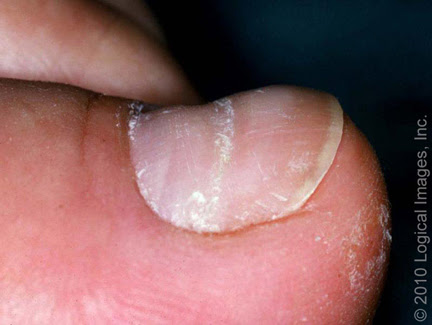
Beau’s lines are horizontal grooves or ridges that appear on fingernails or toenails, indicating a temporary disruption in nail growth, often caused by illness, injury, or certain medications.
What they are:
Beau’s lines are transverse depressions or grooves that run across the nail plate, appearing as indentations or ridges.
They are named after French physician Joseph Honoré Simon Beau, who first described them in 1846.
They are a sign that nail growth was temporarily stopped or slowed due to a specific event or condition.
Causes:
Illness: Systemic diseases, infections, or high fevers can disrupt nail growth.
Injury: Trauma to the nail or nail bed can cause Beau’s lines.
Medications: Certain medications, particularly chemotherapy, can interfere with nail growth.
Other factors: Malnutrition, stress, and certain skin conditions can also be associated with Beau’s lines.
Specific conditions: Uncontrolled diabetes, thyroid problems, and Kawasaki disease have been linked to Beau’s lines.
Pemphigus
Viral infections (eg, hand, foot, and mouth disease)
Local cutaneous disease (eg, dermatitis, paronychia)
Beau line
Appearance:
Beau’s lines typically appear as a groove or indentation that runs horizontally across the nail plate.
They start at the base of the nail (proximal nail fold) and grow out as the nail grows.
The width of the line can indicate the duration of the underlying condition.
Treatment:
Beau’s lines themselves are not harmful and will disappear as the nail grows out.
The focus of treatment is to address the underlying cause of the nail growth disruption.
Once the underlying condition is resolved, new, smooth nail growth will resume.
Nails grow slowly, so it can take several months for Beau’s lines to completely grow out.
The most prevalent type of blood cell in the human body are red blood cells,
or erythrocytes.
They primarily carry carbon dioxide back to the lungs so that it can be
breathed, as well as oxygen from the lungs to the body’s tissues and organs.
Red Blood cells are produced in bone marrow and circulate in blood.
Lifespan of RBCs
RBCs are made in the bone marrow and have a 120-day average lifespan.
Due to their small size, flexibility, and biconcave disk-like form, they
may easily fit into constricted blood arteries and effectively transfer
oxygen.
A hormone called erythropoietin, which the kidneys generate in reaction
to low blood oxygen levels, controls the maturation and synthesis of RBCs.
What do RBCs do?
RBCs play vital role in our body and life as a whole
Here is a list of RBC’s functions in our body:
Oxygen transport
Carbon dioxide transport
Acid-base balance maintenance
Hemoglobin synthesis and function
Regulation of blood viscosity
Contribution to blood osmolarity
Facilitation of nitric oxide transport
Scavenging of free radicals
Participation in immune modulation
Maintenance of redox balance
Video lecture in Anemia in Nepali
Abnormalities in RBC count or function can lead to a range of medical
conditions, including anemia, sickle cell disease, and polycythemia.
Understanding the structure and function of RBCs is important in the diagnosis
and management of these conditions.
Anemia:
Anemia is a disorder where the body’s ability to carry oxygen is
compromised due to a shortage of red blood cells (RBCs) of a certain type or
quantity. This may result in symptoms like weakness, exhaustion,
breathlessness, and pale skin.
Blood loss, a decline in RBC
production, or an increase in RBC oxidation are a few of the causes of
anemia.
Iron deficiency, vitamin B12 insufficiency, and chronic illnesses including cancer or kidney disease are common causes of anemia.
Severity of anemia classification:
The severity of anemia is classified based on hemoglobin (Hb) levels as
per the World Health Organization (WHO)
guidelines. The classification varies slightly between different
populations (e.g., children, pregnant women, adults).
Chronic vs. Acute Anemia:
Acute anemia (e.g., due to sudden blood loss) is more dangerous than
chronic anemia, even at the same Hb level.
Individual Variability:
The severity of symptoms may depend on factors like age, underlying
conditions, and speed of onset.
Causes of Anemia
Blood tests to assess RBC count, hemoglobin levels, and other indicators
of RBC function are frequently used to diagnose anemia.
Depending on the underlying cause of the anemia, treatment options may
include dietary adjustments, vitamin or iron supplements, prescription
drugs, or blood transfusions.
In addition to controlling any underlying medical disorders that may
raise the risk of anemia, prevention of anemia entails keeping a
nutritious diet that contains supplies of iron, vitamin B12, and other
vital minerals.
For treatment of anemia please consult your doctor.
The information provided here is for educational purpose and does not
replacce the professional advice of your doctor.
Reading this article and following does not establish doctor patient
relationship with me and me and members of my team will not be liable
for any damage or adverse effect dont to you or any other person due to
this.
Frequently Asked Questions (FAQ)
What is the primary function of red blood cells (RBCs)?
Red blood cells (RBCs) are responsible for transporting oxygen from the lungs to the body’s tissues and carrying carbon dioxide back to the lungs for exhalation. They also play a role in maintaining acid-base balance, blood viscosity, and immune modulation.
What are the common causes of anemia?
Anemia can be caused by blood loss, reduced RBC production, or increased RBC destruction. Common causes include iron deficiency, vitamin B12 deficiency, chronic diseases (such as kidney disease or cancer), genetic conditions (such as thalassemia or sickle cell disease), and certain medications.
How is anemia diagnosed and treated?
Anemia is diagnosed through blood tests that assess RBC count, hemoglobin levels, and other indicators of RBC function. Treatment depends on the underlying cause and may include dietary changes, vitamin or iron supplements, medications, or blood transfusions. Consulting a doctor is essential for proper diagnosis and management.
{
“@context”: “https://schema.org”,
“@type”: “FAQPage”,
“mainEntity”: [{
“@type”: “Question”,
“name”: “What is the primary function of red blood cells (RBCs)?”,
“acceptedAnswer”: {
“@type”: “Answer”,
“text”: “Red blood cells (RBCs) are responsible for transporting oxygen from the lungs to the body’s tissues and carrying carbon dioxide back to the lungs for exhalation. They also play a role in maintaining acid-base balance, blood viscosity, and immune modulation.”
}
},{
“@type”: “Question”,
“name”: “What are the common causes of anemia?”,
“acceptedAnswer”: {
“@type”: “Answer”,
“text”: “Anemia can be caused by blood loss, reduced RBC production, or increased RBC destruction. Common causes include iron deficiency, vitamin B12 deficiency, chronic diseases (such as kidney disease or cancer), genetic conditions (such as thalassemia or sickle cell disease), and certain medications.”
}
},{
“@type”: “Question”,
“name”: “How is anemia diagnosed and treated?”,
“acceptedAnswer”: {
“@type”: “Answer”,
“text”: “Anemia is diagnosed through blood tests that assess RBC count, hemoglobin levels, and other indicators of RBC function. Treatment depends on the underlying cause and may include dietary changes, vitamin or iron supplements, medications, or blood transfusions. Consulting a doctor is essential for proper diagnosis and management.”
}
}]
}
Vitamins are types of micronutrients needed for proper growth and maintainance of health. Vitamins are found in the foods we eat daily.
How much vitamin does a person require?
Vitamins are required in very small quantity for our body. The growing a children require more amount of vitamins and minerals than adults. Adults are also required to eat sufficient amount of vitamins for maintenance of their body. Vitamins are also required to boost the immune system of our body. This helps our body to fight against different kind of communicable and non communicable disease like infection of bacteria, viruses and fungus as well as cancer and heart diseses.
Where do we get nutrients and vitamins from?
Generally if a person is eating healthy and nutritious balanced diet and he or she is not suffering from any disease then there is high chance that the person is already taking sufficient amount of nutrition and nutrients in his or her diet. But in some cases and if the person is suffering from disease or not able to eat properly then there might be nutrition defeciency.
Why do children need nutrients supplement?
Children are special population, nutrition during childhood refers to their health growth and long term health benefit. If a child suffers from nutrition deficiency in childhood the person might suffer is who life due to this. Nutrition supplement during childhood also means that the child will be healthy his whole life. Growth and development failure during his or her childhood means he/she will have problem with his/her whole life.
Does my child need nutrition supplement?
The answer to this question is not all the children may need nutrition supplement. But still there is possibility that your child might be having nutrition deficiency. If the nutrients are supplied in safe doors then there is no side effect of it. So basically there is no harm in supplementing nutrients to your child but this may benefit your child instead. Supplementing nutrition will treat the nutrition deficiency while not harming your baby. For the same reason you should provide supplement nutrition to your baby rather than not doing it. There is more benefit of providing supplement. There is high chance that you are baby might have nutrition deficiency so it should be advised to treat the nutrition deficiency.
What are the nutrition supplement that I can give to my baby?
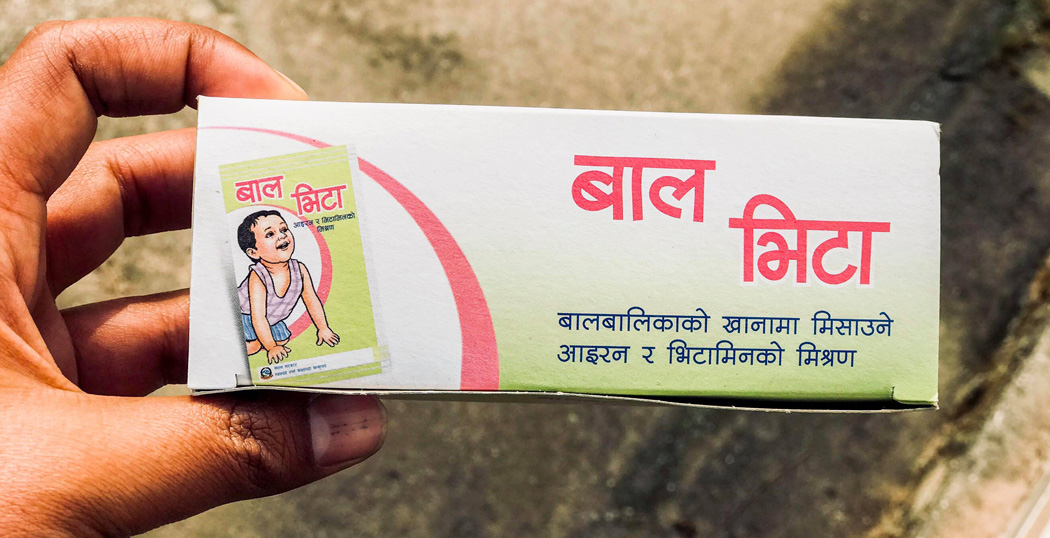
There are multiple supplementary options available for our baby. There is a famous nutrition supplement which contains 16 types of micro nutrients all in one called Balvita supplied by government of nepal for free. Special nutrients supplement required for children is vitamin A.
What is Balvita?
Balvita is a type of nutritional supplement that is designed to provide essential vitamins and minerals to support the growth and development of children. Balvita is typically recommended for children who may have nutritional deficiencies or who require additional support for healthy growth and development.
Baal Vita (also spelled Balvita) is a multiple micronutrient powder (MNP) provided to young children, primarily in Nepal, to combat malnutrition, prevent anemia, and promote healthy physical and cognitive development.
It is also called multi micronutrient powder as well.
How to feed balvita to my baby?
In Nepal, “Balvita” (also called Baal Vita or micronutrient powder) is usually given to babies from 6 months onward along with complementary foods. It is meant to add vitamins and minerals to homemade food. (Dr Chaitanya Joshi, MD)
Here’s the recommended way to feed it:
Wash your hands and use a clean bowl/spoon.
Prepare soft semi-solid food your baby already eats, such as:
lito
jaulo/khichdi
mashed rice
mashed potato or vegetables
Open one full sachet from the pointed edge.
Mix the entire sachet thoroughly into a small serving of food that the baby can finish in one sitting.
Feed immediately with a spoon.
Important precautions:
Do not mix Balvita into very hot food because heat can reduce vitamin effectiveness.
Do not mix it into watery liquids or a feeding bottle.
Use the whole sachet at once; do not divide it for multiple meals.
Continue breastfeeding along with complementary feeding.
If your baby develops vomiting, rash, diarrhea, or feeding problems, consult a pediatrician.
The Nepal nutrition program commonly provides about 60 sachets every 6 months for children aged 6–24 months.
Deworming
According to WHO the country in which there is more than 20 % of ppulation suffering from worm infestation then the country should deworm the population twice a year.
Neapal also has hugh prevalence of worm infestation and among children and the pregnant women the prevalence of infestatio nis more than one third.
It has been shown that one tablet of albendazole 400 mg or mebendazole 500 mg can kill almost all of the intestinal worms.
Nepal has decided to distribute albendazole for purpose of deworming. This tablet can kill various types of worms including Ancylostoma canium, Ancylostoma duodenale (Nectar americanus), Ascaris lumbricoids (intestinal worm), Enteribiasis (pinworm), Oesophagostomum bifurcum etc.
Mechanism of action of albendazole:
The active metabolite of albendazole is albendazole sulfoxide. It causes selective degenration if the cytoplasmic degeneration of the microtubules in intestinal and tegmental cells of intestinal helminths and larvae; glycogen is depleted, glucose uptake and cholinesterase secretion is imparired, and desecratory substance is accumulated intracellularly. ATP production decreases. This causes energy depletion and immobilization and subsequent worm death. Thus dead worm is passed down in stool.
Dose of albendazole:
Childres one year to less than 2 years -> 200 mg (1/2 tablet twice yearly
Children 2 years to 5 years -> one tablet of 400 mg twice yearly
Pregnant woman after first trimester -> one tablet of albendazole 400 mg
What is vitamin A?
Vitamin A is a micronutrient found mostly in green leafy vegetables and animal source foods like meat, eggs and dairy products.
What does vitamin a do in our body:
High dose vitamin A supplementation is done to prevent and treat many conditions among children and adults.
The dose of vitamin A in different population is summerized below
Children 6 to under 12 months of age – one oral vitamin A dose of 100,000 IU two times per year
Children 12 to 59 months of age – one oral vitamin A dose of 200,000 IU two times per year
Women immediately following childbirth, or as soon as possible up to six weeks post-partum, can be given one oral dose of vitamin A 200,000 IU
To treat complications related to deficiency- xerophthalmia etc three doses one upon diagnosis, one the following day and third dose one month later (Note: one dose: 100,000 IU for children aged 6-<12 months; 200,000 IU for children more than 12 months)
For measles: one upon diagnosis and another the following day(Note: one dose: 100,000 IU for children aged 6-<12 months; 200,000 IU for children more than 12 months)
Prolonged diarrhea: more than two weeks: one dose immidiately after diagnosis (Note: one dose: 100,000 IU for children aged 6-<12 months; 200,000 IU for children more than 12 months)
Severe malnutrition: one dose immidiately after diagnosis (Note: one dose: 100,000 IU for children aged 6-<12 months; 200,000 IU for children more than 12 months)
For pregnant women with nightblindness: 25000 IU once a week for four weeks (4 doses)
थाइराइड हर्मोन हाम्रो शरीरलाई चाहिने महत्वपूर्ण हर्मोन हो। यो हर्मोन घाँटीको
अगाडिपट्टि हुने यही थाइराइड नामको ग्रन्थीले निकाल्दछ भने यो शरीरका सम्पूर्ण
कोष हरुलाई आवश्यक छ।
बच्चाहरूलाई शारीरिक र मानसिक विकास र दैनिक रूपमा समेत आवश्यक पर्दछ भने वयस्क
हरुलाई समेत यसको आवश्यकता पर्दछ।
थाइराइड हर्मोन बनाउनकालागि आयोडिन आवश्यक पर्दछ भने यो हामीले खाने खानामा
पाइन्छ। तर नेपालजस्तो पहाडी भूभागमा माटोमा आयोडिन काम हुने हुनाले हाम्रो
खानेकुरामा समेत आयोडिन कम हुन्छ। जसका कारण हामीलाई आयोडिन को कमी हुन सक्दछ।
यही समस्यालाई समाधान गर्न नेपाल सरकारले खाने नुनमा आयोडिन राखेर बजारमा आयोडिन
युक्त नुन उपलव्ध गराएको छ। यो नुनको प्रयोगले आयोडिन को कमी हुन नदिई थाइरोइड को
कमी हुन बाट जोगाउछ।
थाइराइडको लक्षण वा रोग देखिएमा समयमा निदान गरी उपचार गर्नु उपयुक्त हुन्छ।
थाइरोइड कम हुनु राम्रो हैन भने, अर्को तिर थाइराइड बढी हुनु समेत झनै खतरनाक
हुन्छ। थाइराइड कम हुनु लाई हाइपोथाइरोइडिज्म भनिन्छ भने बढी हुने अवस्था
लाई हाइपरथाइरोइडिज्म भनिन्छ।
{
“@context”: “https://schema.org”,
“@type”: “FAQPage”,
“mainEntity”: [{
“@type”: “Question”,
“name”: “हाइपोथाइरोइडिज्मको लक्षणहरु के के हुन?”,
“acceptedAnswer”: {
“@type”: “Answer”,
“text”: “थकान
कमजोरी
शरीर गलेको महशुस हुने
स्मरण शक्तिमा कमि
अनिन्द्रा
मुड तलमाथि हुने
स्रवण शक्तिमा ह्रास
तौल बढ्ने
३ PM crash
निद्रा बिग्रने
नङ टुट्ने, खुइलिने
जोर्नी र मासु दुख्ने
कपाल खस्ने
कब्जियत
महिनावारि मा गडबडि, रगत कम वा बढी जाने
चिसो सहन नसक्ने, बढि चिसो लाग्ने
शरीरको तापक्रम कम हुने
जिउ झमझमाउने
कोमा”
}
},{
“@type”: “Question”,
“name”: “हाइपोथाइरोइडिज्मको चिह्नहरु के के हुन?”,
“acceptedAnswer”: {
“@type”: “Answer”,
“text”: “कपाल र आखीभौ पातलो हुने
जिउ सुनिएको हुने, सुजन
आखाको रोग
स्वरमा परिवर्तन
मुटुको चाल कम हुनु
खुट्टा सुन्निएको
जिउ चिसो हुने
मानसिक समस्या
सुस्त चाल
डर अनुभव”
}
},{
“@type”: “Question”,
“name”: “हाइपरथाइरोइडीजमका लक्षण हरु के के हुन?”,
“acceptedAnswer”: {
“@type”: “Answer”,
“text”: “छट्पटी
डर महसुस
पसिना खलखली आउने
शरीर काम्ने, एक्टिभिटी बढ्ने
मुटु ढुकढुक हुने, धड्कन बढ्ने”
}
},{
“@type”: “Question”,
“name”: “हाइपरथाइरोइडिज्म का संकेत हरु के के हुन?”,
“acceptedAnswer”: {
“@type”: “Answer”,
“text”: “मुटुको चाल बढ्ने, चाल गडबडी हुने
रक्तचाप बढ्ने, pulse pressure वढी हुने
जिउ धेरै ततिने
आँखा सुन्निने आँखामा समस्त देखिने
हात काप्ने
मासु कमजोर हुने
थकान लाग्ने
तौल घट्ने
भोक बढ्ने
धेरै खाएर पनि तौल घट्ने
महिनावारीमा गडबढी, रगत कम बग्ने
घाँटी सुनिने
गलगाँड आउने”
}
}]
}