Thyroid function test: TFT how to interpret TFT and know these dangerous disease at home

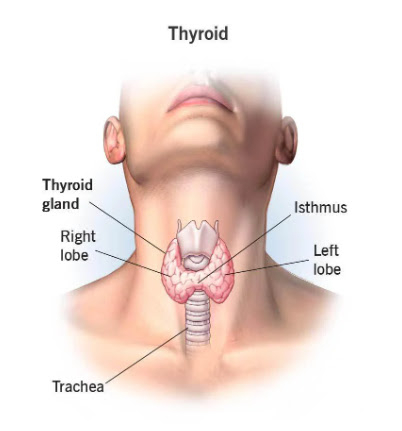
Thyroid gland


Core Tests

  • TSH (Thyroid Stimulating Hormone) → most sensitive
  • Free T4 (FT4) → active hormone
  • Free T3 (FT3) → useful in hyperthyroidism
  • ± Antibodies:
    • Anti-TPO
    • TRAb (TSH receptor antibody)

Step 1: Look at TSH first

          TSH
        /  |   \
     Low Normal High

IF TSH LOW → Think Hyperthyroid OR Central Hypothyroid

TSH ↓
  |
  ├── FT4 ↑ / FT3 ↑ → PRIMARY HYPERTHYROIDISM
  │        (e.g. Graves', toxic nodules)
  │
  ├── FT3 ↑ only → T3 TOXICOSIS
  │
  ├── FT4 normal, FT3 normal → SUBCLINICAL HYPERTHYROIDISM
  │
  └── FT4 ↓ → CENTRAL (SECONDARY) HYPOTHYROIDISM
           (pituitary/hypothalamic disease)

Diagnoses

  • Graves’ disease
  • Toxic multinodular goiter
  • T3 toxicosis
  • Central hypothyroidism

IF TSH HIGH → Think Hypothyroidism

TSH ↑
  |
  ├── FT4 ↓ → PRIMARY HYPOTHYROIDISM
  │        (thyroid gland failure)
  │
  ├── FT4 normal → SUBCLINICAL HYPOTHYROIDISM
  │
  └── FT4 ↑ → RARE:
           - TSH-secreting adenoma
           - Thyroid hormone resistance

Diagnoses

  • Hashimoto thyroiditis
  • Iodine deficiency
  • Post-thyroidectomy
  • TSH-secreting pituitary adenoma

IF TSH NORMAL → Check FT4/FT3 carefully

TSH normal
  |
  ├── FT4 ↓ → CENTRAL HYPOTHYROIDISM
  │
  ├── FT4 ↑ → TSHOMA / RESISTANCE
  │
  └── FT4 normal → EUTHYROID

SUMMARY FLOWCHART (HIGH-YIELD)

                TSH
         ┌──────┼──────┐
        ↓       N       ↑
        |       |       |
     Check     Check    Check
     FT4/FT3   FT4      FT4
        |       |        |
   ┌────┼───┐   |    ┌───┼────┐
  ↑     N   ↓   |   ↓    N     ↑
Hyper Subclin Central   Primary Subclin Rare
thyroid hyper  hypo     hypo    hypo   causes

SPECIAL PATTERNS (EXAM FAVORITES)

1. Euthyroid Sick Syndrome

  • TSH: normal/low
  • FT3: ↓ (early)
  • FT4: ↓ (late)

👉 Seen in severe illness (ICU patients)


2. Subclinical Disease

ConditionTSHFT4
Subclinical hyperthyroidismNormal
Subclinical hypothyroidismNormal

3. Pregnancy Changes

  • TSH ↓ (1st trimester)
  • FT4 slightly ↑ early

4. Drug Effects

  • Amiodarone → hypo OR hyper
  • Steroids → ↓ TSH
  • Lithium → hypothyroidism

MEMORY TRICKS

“TSH runs opposite to thyroid hormones”

  • ↑ TSH = ↓ thyroid function (usually)
  • ↓ TSH = ↑ thyroid function

“Think CENTRAL if TSH doesn’t match FT4”

  • Low TSH + Low FT4 → pituitary problem
  • Normal TSH + Low FT4 → pituitary problem

“Subclinical = TSH abnormal, FT4 normal”


QUICK CLINICAL PROTOCOL

Suspected Hypothyroidism

  1. Check TSH
  2. If ↑ → check FT4
  3. If FT4 ↓ → treat
  4. If FT4 normal → monitor / anti-TPO

Suspected Hyperthyroidism

  1. Check TSH
  2. If ↓ → check FT4, FT3
  3. If elevated → confirm cause:
    • TRAb → Graves’ disease
    • Scan → nodules

Suspected Pituitary Disease

  • Always check:
    • FT4
    • TSH (may be misleading)

COMMON PITFALLS

  • Relying only on TSH in pituitary disease
  • Ignoring FT3 in hyperthyroidism
  • Misinterpreting illness-related changes

ULTRA-SHORT REVISION

  • TSH ↑ + FT4 ↓ → Primary hypothyroid
  • TSH ↓ + FT4 ↑ → Hyperthyroid
  • TSH ↑ + FT4 normal → Subclinical hypo
  • TSH ↓ + FT4 normal → Subclinical hyper
  • TSH ↓ + FT4 ↓ → Central hypothyroid

6 Deadly facts About Diabetes: Symptoms, Diagnosis, complications and treatment

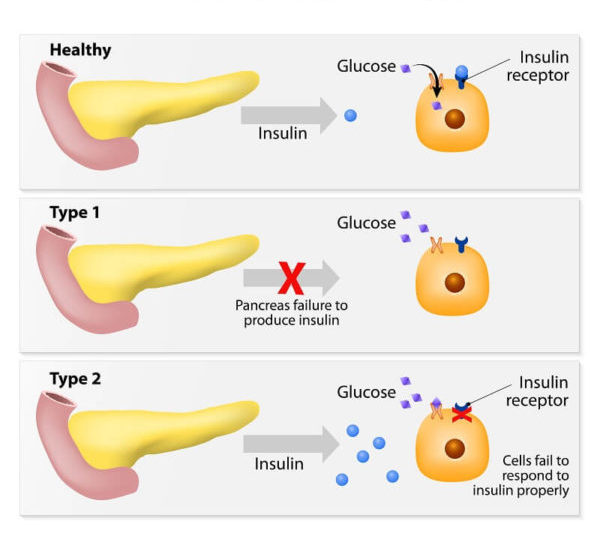
Diabetes is a chronic medical condition characterized by high levels of blood sugar (glucose). This occurs either because the body doesn’t produce enough insulin (a hormone that regulates blood sugar) or because the cells don’t respond properly to the insulin that is produced. Insulin is necessary for the body to effectively use glucose as a source of energy.

History for diabetes mellitus type 1 and 2: 

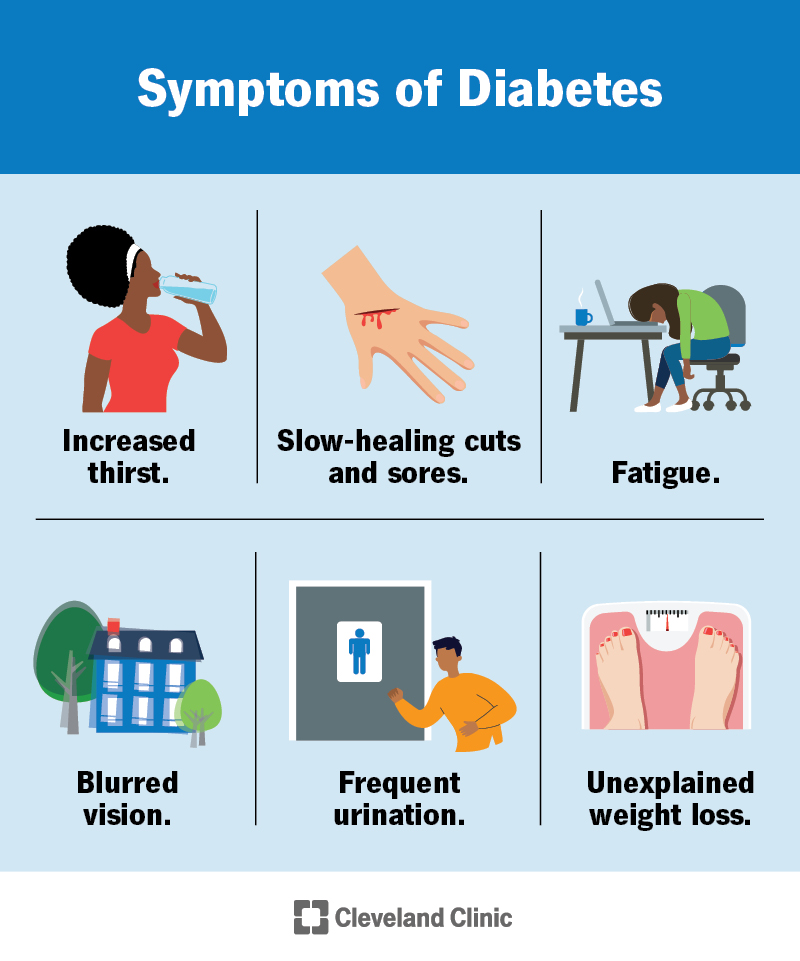
  • Symptoms of hyperglycemia
  • Thirst, dry mouth 
  • Polyuria 
  • Nocturia 
  • Tiredness, fatigue, lethargy 
  • Noticeable change in weight (usually weight loss) 
  • Blurring of vision 
  • Pruritus vulvae, balanitis (genital candidiasis) 
  • Nausea; headache 
  • Hyperphagia; predilection for sweet foods 
  • Mood change, irritability, difficulty in concentrating, apathy 
  • Family history

Physical examination for diabetes mellitus type 1 and 2

  • BMI
  • Retinal examination
  • Orthostatic blood pressure
  • Foot examination
  • Peripheral pulses
  • Insulin injection sites
  • Peripheral neuropathy

Type 1 Vs Type 2 Diabetes mellitus DM

     Type
1
Type
2
OnsetSuddenGradual
Age at onsetAny (mostly young)Mostly in adults
Body habitusThin or normalOften obese
KetoacidosisCommonRare
AutoantibodiesUsually +Absent 
Endogeneous insulinLow or absentNormal, decreased or increased
Concordance in identical twins~ 50%~90%
PrevalenceLess prevalentMore prevalent (~90-95% of US diabetics)
BiochemicalC-peptide disappearsC-peptide persists
   

Increased bloog glucose sugar level definition is called when 

Normal Blood Glucose

  • FPG <100 mg/dL (5.6 mmol/L)
  • Two-hour glucose during OGTT <140 mg/dL (7.8 mmol/L)

Categories of increased risk for diabetes:

  • •Impaired fasting glucose(IFG)
    •  FPG between 100 and 125 mg/dL (5.6 to 6.9 mmol/L).
  • •Impaired glucose tolerance(IGT)
    • Two-hour – 75 g OGTT between 140 and 199 mg/L (7.8 to 11.0 mmol/L).
  • •A1C – Persons with 5.7 to 6.4 percent (39 to 46 mmol/mol

Diagnostic criteria of Diabetes mellitus

 1.    A1C ≥6.5 percent 
OR
2.     Fasting Plasma Glucose ≥126 mg/dL (7.0 mmol/L)
        (Fasting is defined as no caloric intake for at least eight hours.)
OR
3.     Two-hour plasma glucose ≥200 mg/dL (11.1 mmol/L) during an OGTT. 
        (The test should be performed using a glucose load containing the equivalent of 75-gram                     anhydrous glucose dissolved in water.)
OR
4.     In a patient with classic symptoms of hyperglycemia or hyperglycemic crisis, a random                     plasma glucose ≥200 mg/dL (11.1 mmol/L).

 1.    A1C ≥6.5 percent 

OR

2.     Fasting Plasma Glucose ≥126 mg/dL (7.0 mmol/L)

        (Fasting is defined as no caloric intake for at least eight hours.)

OR

3.     Two-hour plasma glucose ≥200 mg/dL (11.1 mmol/L) during an OGTT. 

        (The test should be performed using a glucose load containing the equivalent of 75-gram                     anhydrous glucose dissolved in water.)

OR

4.     In a patient with classic symptoms of hyperglycemia or hyperglycemic crisis, a random                     plasma glucose ≥200 mg/dL (11.1 mmol/L).

Advice to patients with Impaired glucose tolerance

  1. Have an increased risk both of progression to type 2 diabetes and of developing macrovascular disease
  2. Advice lifestyle modification reduces the risk of progression in IGT
  3. Monitor annually by measurement of fasting blood glucose 
  4. Other cardiovascular risk factors treate aggressively

For Management of Diabetes mellitus Please refer to this link.

https://docs.google.com/presentation/d/e/2PACX-1vSboxNcRaxCiCS5xyX60Z_EGWi1Moh-orL3EKNhw3lfyeIf0Yd1F6dlMVg7UXv3Zw/embed?start=true&loop=true&delayms=15000

 Thank you for being here.

Top 6 Treatment Options for Lung cancer in Modern Medicine is Currently Using (and everything about lung cancer)

What is lung cancer? 

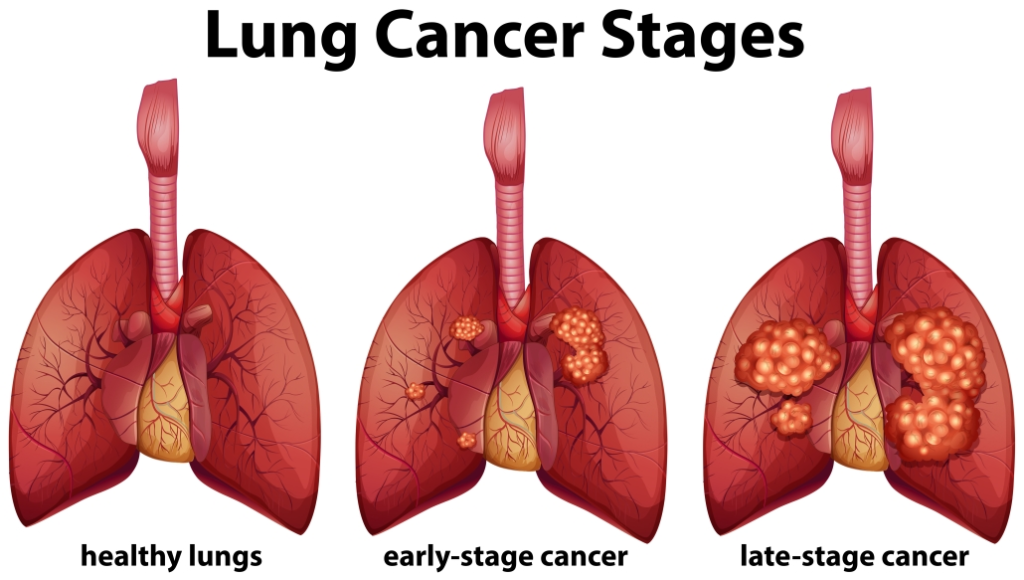
Lung canceris one form of cancer that begins in lung cells. It is one of the most prevalent cancers and the main reason for cancer-related deaths globally. Lung cancer is also called bronnchogenic carcinoma. 
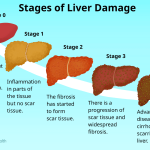
Non-small cell lung cancer (NSCLC) and small cell lung cancer are the two main subtypes of lung cancer. (SCLC). Compared to SCLC, NSCLC is more prevalent and typically develops and spreads more slowly.

What causes lung cancer? Does smoking cause lung cancer?

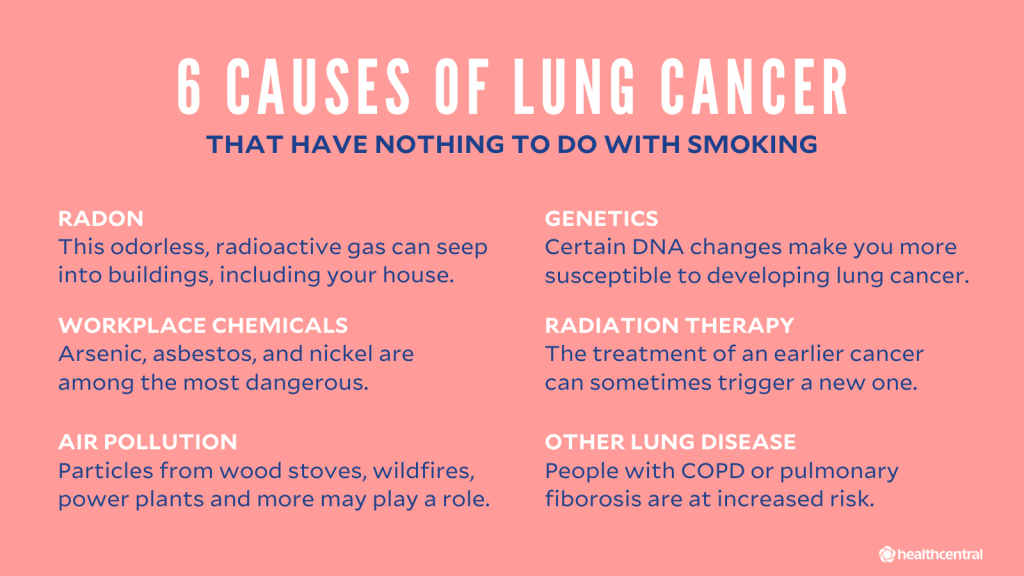
Smoking is the leading risk factor for lung cancer, although other dangers include radon exposure, air pollution, and exposure to secondhand smoke.

What are the symptoms of lung cancer?

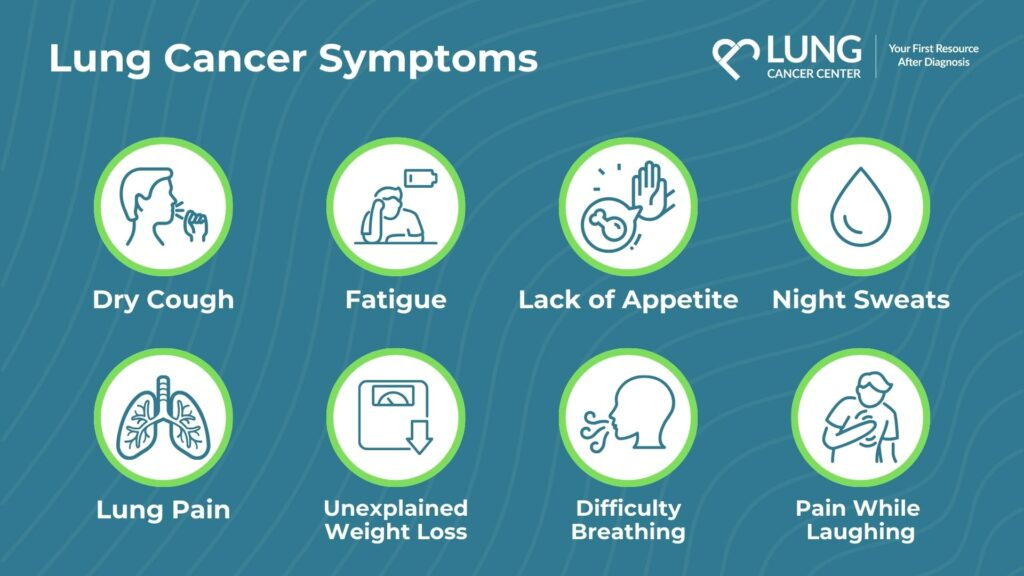
Initilaay the aptient may not be symptomatic.The patient may have constitutional symptoms like weight loss, loss of appetite, decreased energey and weakness. The llung cancer sumptoms include: coughing, chest pain, shortness of breath, and weight loss are all possible signs of lung cancer. The sputum may contain blood in it and cough remains for longer duration of time and is not cured even after treatment for other conditions. 

Diagnosis of lung cancer

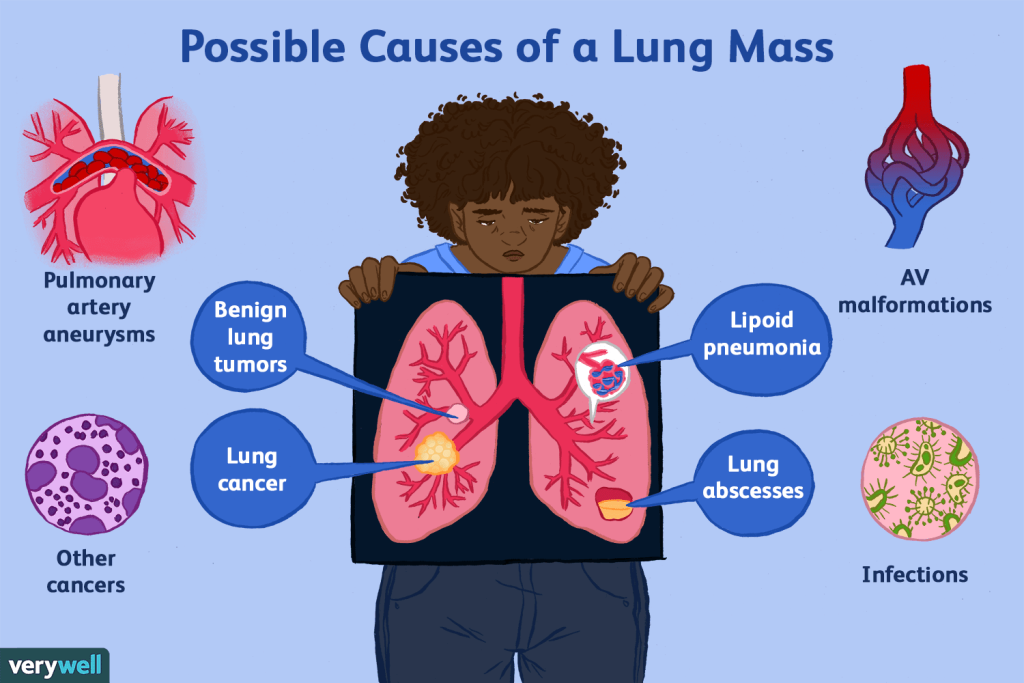
After patient is suspected of lung cancer, the patient may be needed to be investigated for  it. The possible investigations may include complete blood counts, inflammatory markets, imaging studies like chest x ray, contrast or non contrast CT scan of chest, bronchoscopy.

The other disgnostic tests include CT guided needle biopsy, PET or positron emission tomography, bone scan, sputum cytology, thoracocentesis, needle biopsy like FNAC or in some cases even thrascopy may also be needed. 

The supportive investigations to rle out the other causes include lunf  functions tesst, arterial bood gas ABG analysis, liver function tests etc.

What is the treatment of lung canncer? 

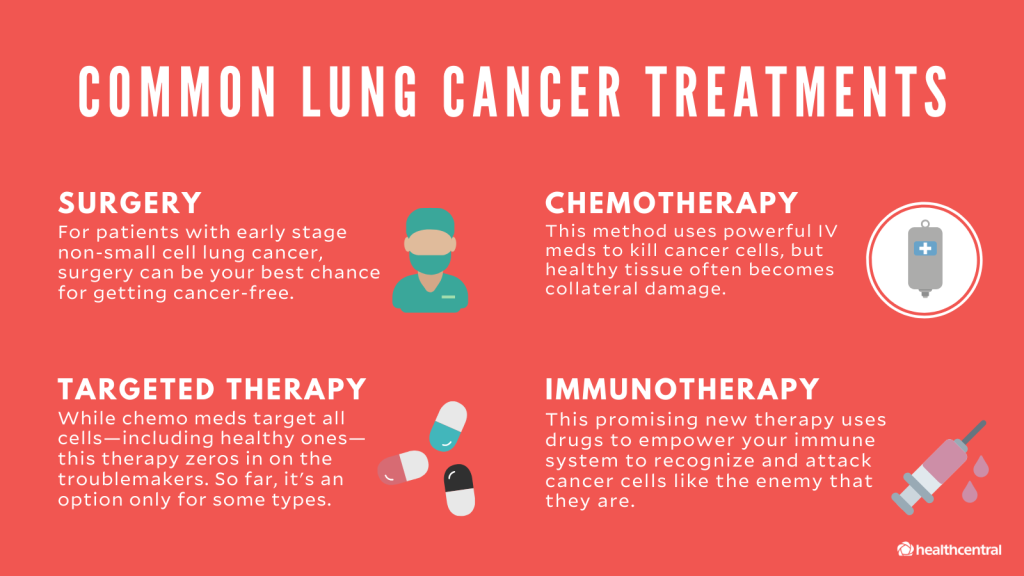
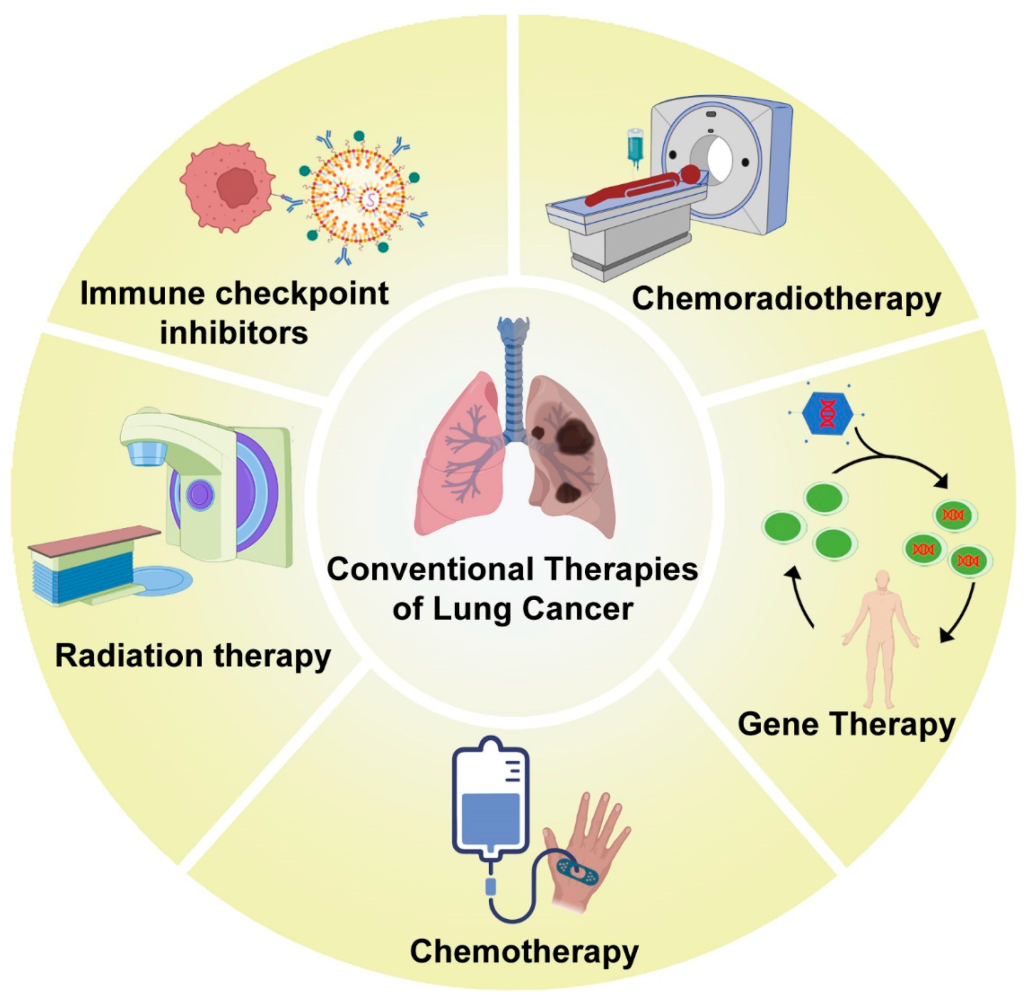
Depending on the kind and stage of the cancer, a lung cancer patient may receive surgery, radiation therapy, chemotherapy, targeted therapy, or a combination of these treatments. Early detection through screening can enhance results and raise the likelihood of a successful outcome.

Prevention of lung cancer

Avoiding smoking and exposure to secondhand smoke is important for lung cancer prevention, as is limiting exposure to other risk factors including radon and air pollution.

All lectures and videos linked in one for ease HA CMA Loksewa license and other competitive exams nepal

Categories

Recent Posts

Most Read

Tags

blood group (1) cancer (1) diabetes (1) diagnostic medicine (1) growth (1) gynecology (1) immunology (1) insulin (1) job (1) malnutrition (1) mcq (2) MCQs (2) medicine (3) mysteries (1) nursing (1) nutrition (2) oncology (1) ophthalmology (1) pediatrics (1) pulmonology (1) rheumatology (1) syndrome (1) vasculitis (1)

Exit mobile version