Acetaminophen poisoning (Paracetamol overdose) : Medical summary for nerds
Emergency sign in a hospital
(For specific and authentic data please visit toxbase database or contact your local authority)
Table of contents(toc)
1. What is paracetamol?
Paracetamol is a medication with chemical name para-hydroxyacetanilide (N-4- hydroxyphenylethanamide) commonly used as mild analgesic and antipyretic i.e., to control pain and reduce fever.
The common brand names include Tylenol and Panadol. The brand names in Nepal and India include Algina, Amol, Ampol, Anmol, Bisek, Cemol, Cetamol, Cetafast, Cetophen, Dolo, Dolopar, Evamol, Febrex, Femol, G-MOL, Hedex, Lotemp, Medomol, Monamol, Napa, Niko, Pacimol, Paracet, Paramol, Parapain, Phenocet, PICIMOL, Polar, Pyrinol, Rexamol, Supa, Supumol, Symol, Timol, Winmol, Panadol and hundreds of more.
Occasionally Paracetamol, acetaminophen is also abbreviated as PCM in Nepal and India.
2. How is paracetamol/acetaminophen given?
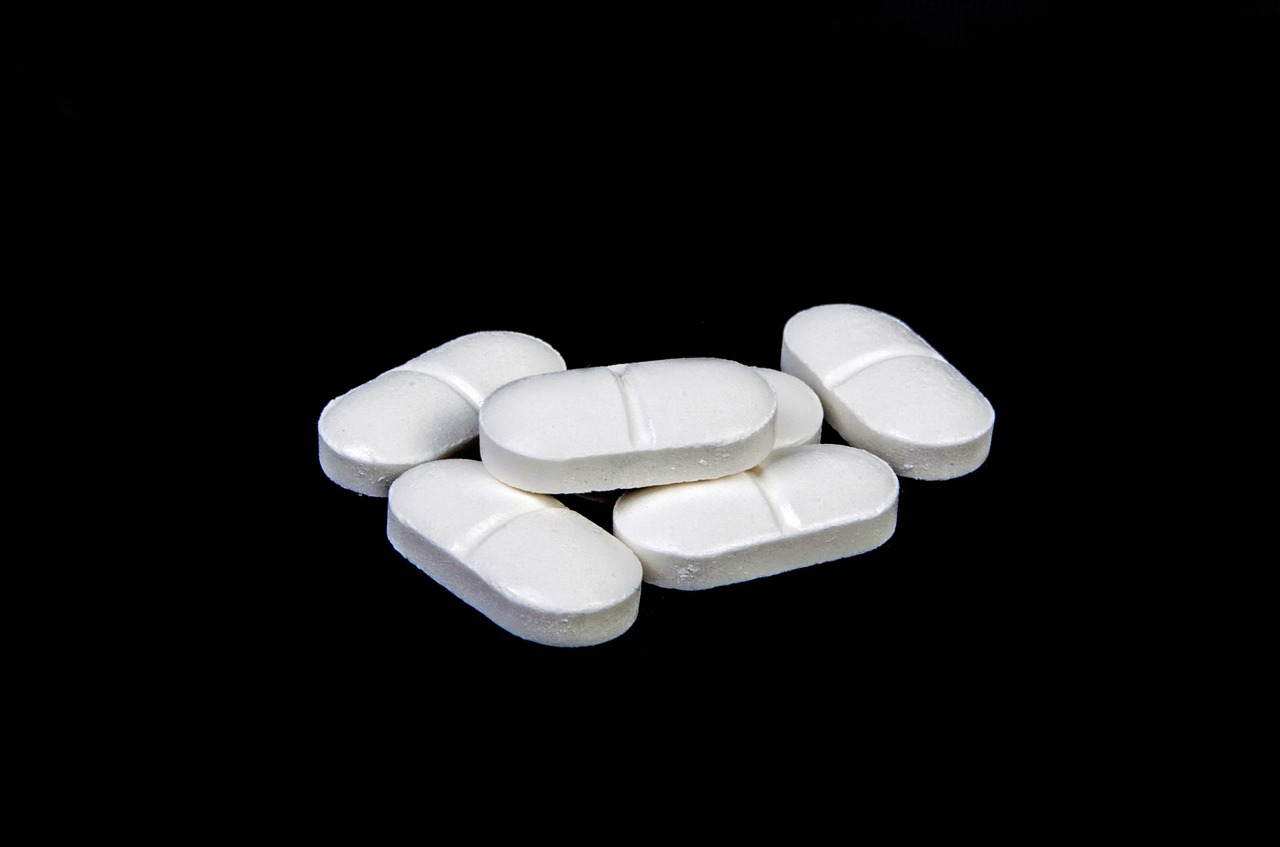
Paracetamol or Acetaminophen comes in multiple dosage forms including oral tablets, syrup and suspensions, oral drops, capsules, chewable tablets, suppositories and injectables like intramuscular IM injections and IV intravenous injection forms. This drug is also available in suppository form for per rectal route (PR).
3. How does Paracetamol work? Mechanism of action of Paracetamol (Mechanism of action of Acetaminophen)?
Paracetamol when taken by any route reaches blood and from there to hypothalamus which is part of brain.
This part of brain controls the temperature of the body and by manipulating the part, paracetamol controls fever.
The mechanism by which it controls pain is not clear yet.
4. What is the dose of Paracetamol / Acetaminophen? Can drug overdose occur with paracetamol?
The general recommended dose of paracetamol is 10-15 mg/kg per dose up to four times a day and for adults it can be given up to one gram per dose four times a day. At this dose it is useful for pain management as well as fever control. Maximum recommended dose is up to 4 grams i.e., 4000 mg per day under supervision of doctor to prevent toxicity and side effects.
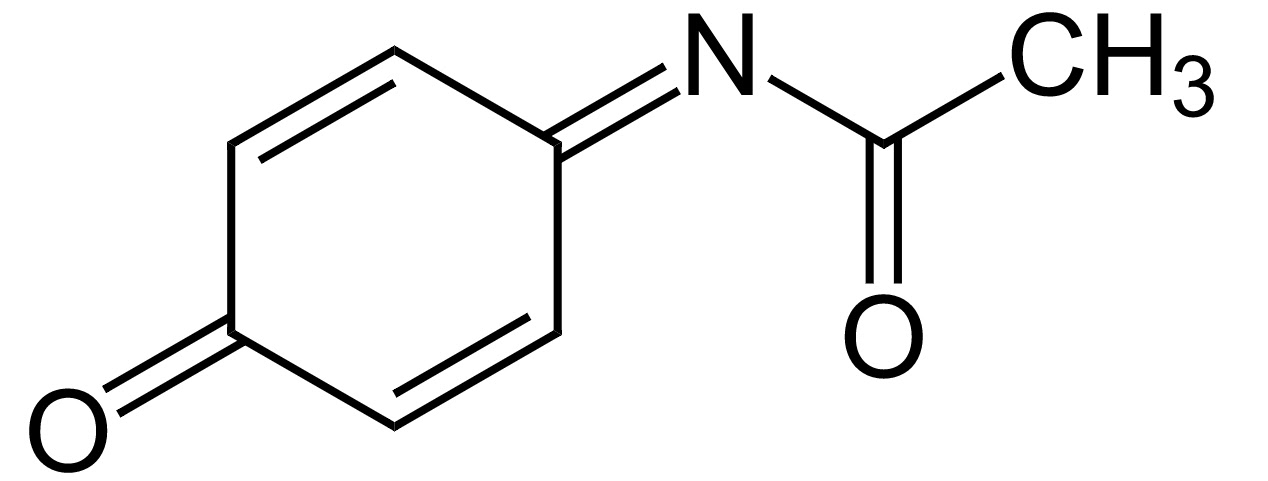
molecular structure of paracetamol
5. What are the dosage concentrations or tablets available for PCM/ Paracetamol?
Paracetamol is available in following dosage forms:
Tablets and capsules: 250 mg, 500 mg, 325 mg and 650 mg
Suppositories: 125 mg, 250 mg
Syrup for children /pediatric: 125 mg/5ml, 250 mg/5ml, 500mg/5ml
Drop for children/pediatric: 200mg/5ml, 400 mg/5ml
Various other concentrations are available in other parts of the world as well. The drug is also available in combination with various other group of drugs and medications like antihistamines, opioids (like tramadol+Paracetamol, codeine+paracetamol), cough medications, muscle relaxants and NSAIDS like ibuprofen (Flexon) etc.
Yes. Paracetamol can cause overdose and related side effects if given in dose recommended above. Hence, when you need to take high dose of paracetamol or repeated dose of paracetamol you should consider consulting a physician. Single very high dose for paracetamol can be very dangerous while repeated high doses can also lead to hepatic toxicity.
7. What happens when you overdose on paracetamol or acetaminophen? What are the symptoms of acute toxicity?
Overdose may occur if paracetamol is taken more than recommended dose by any route. The paracetamol poisoning (paracetamol toxicity or overdose) hits on liver mainly. It causes liver injury and finally liver damage and liver failure after high dose is taken. The liver may completely stop working also called fulminant liver failure. The patient may go into coma and subsequent multiorgan failure leading to death with few days.
The dose at which symptoms and signs of Paracetamol overdose occur in adults is 7.5-10g.
8. Will taking one or two extra tablets cause overdose? How many tablets of paracetamols can cause toxicity?
No. Generally, fulminant liver toxicity may not occur if you take one or two extra tablets. Generally, 8 tables of 500mg dose are safe in healthy adults.
9. What happens to the paracetamol or any drug that is in our body? Metabolism of Paracetamol/ Pharmacokinetics of Paracetamol?
Paracetamol is metabolized mainly in liver. It occurs in the microsomal enzyme system and by the reaction called conjugation. Thus-formed by products are excreted in urine.
10. How does paracetamol toxicity occur? What is pathophysiology of Paracetamol / PCM poisoning?
A single high dose or repeated dose making total large amount in a day or two may cause liver injury.
It is most common cause of acute liver failure in united states.
Dose and Chance of toxicity
Single dose of 7.5-10 g
Unlikely
Single dose of 250mg/kg or more than12g/24hr
Toxicity is likely to occur
Dose of more than 350mg/kg
All patient develop toxicity
Mechanism of poisoning and toxicity is also explained in the image above.
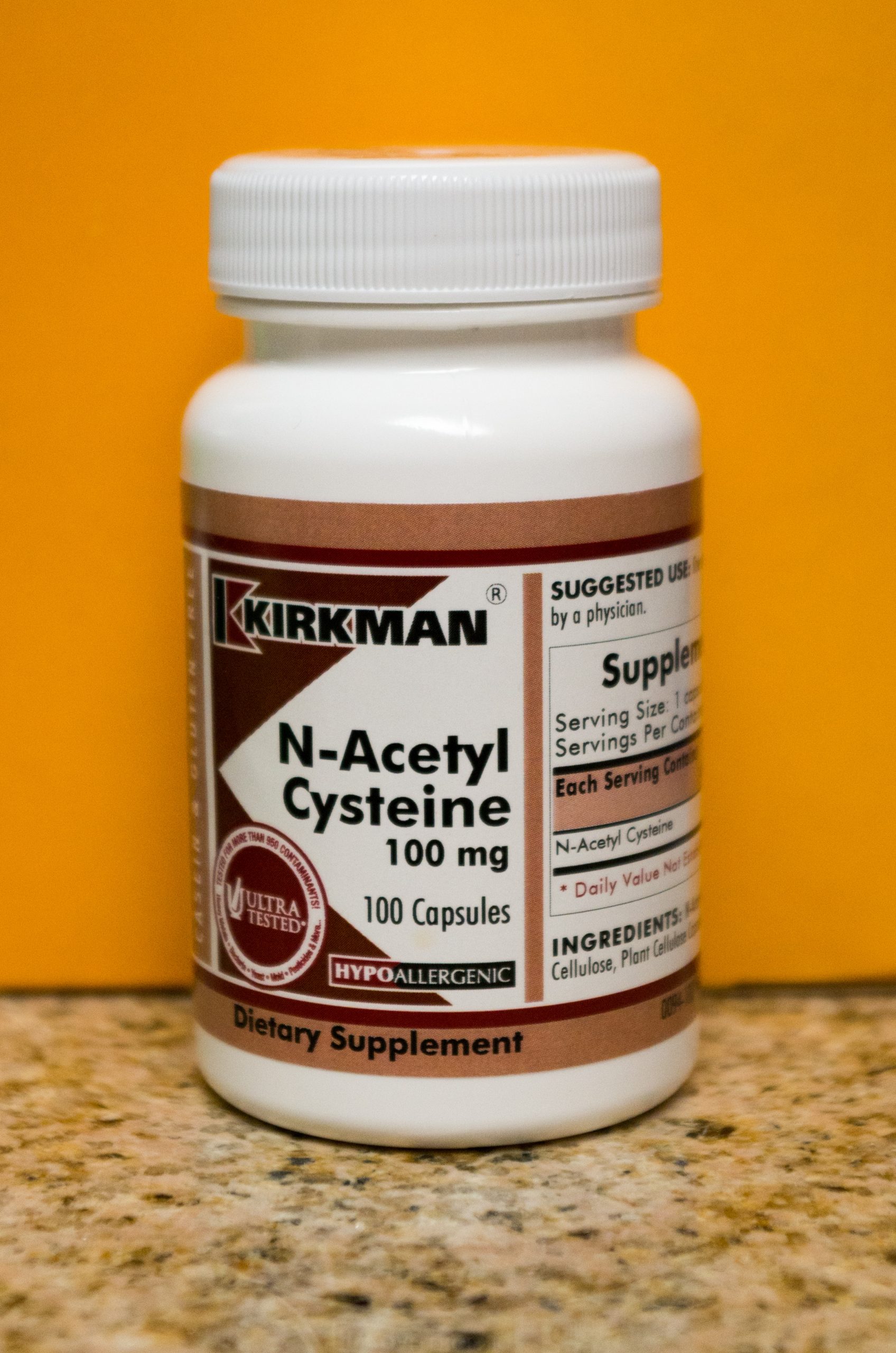
NAC ( N-acetyl cysteine) is the antidote of paracetamol poisoning
11. Symptoms and signs of paracetamol toxicity, acetaminophen toxicity:
a. Asymptomatic
No symptoms
b. Symptoms may appear up to only after 24-48 hours
Phases of toxicity:
Phase 1:
Up to 24 hours Anorexia or decreases appetite
Nausea and vomiting Malaise
Phase 2:
Up to 72 hours
Liver pain, right upper abdomen pain
Anorexia
Nausea and vomiting Low blood pressure and increased heart rate
Phase 3: Hepatic phase
3 days to 4 days
Nausea and vomiting continues
Abdominal pain
Lier starts to be destroyed and necrosis starts
Jaundice
Bleeding
Hypoglycemia (fall in sugar levels)
Death due to multiorgan failure
Phase 4: Recovery phase
4 days to 21 days
Patient who recovered from phase 3 go into resolution of the symptoms
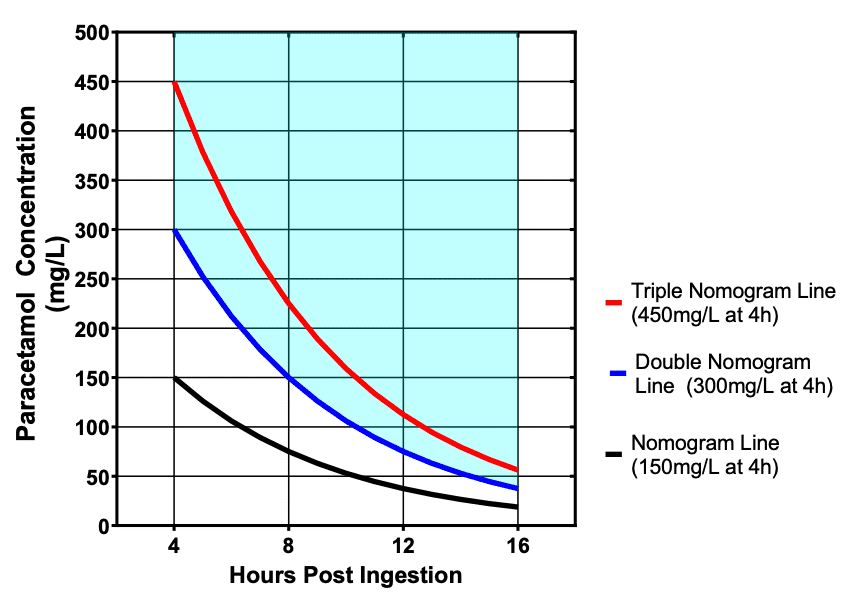
It is the chart used to detect possibility of hepatotoxicity after single dose ingestion of Acetaminophen (paracetamol). Serum (blood) acetaminophen (paracetamol) level is used for this prediction. This begins after 4 hours of ingestion and continued till 24 hours. Around 60% of people with blood paracetamol level above probable line will develop hepatotoxicity.
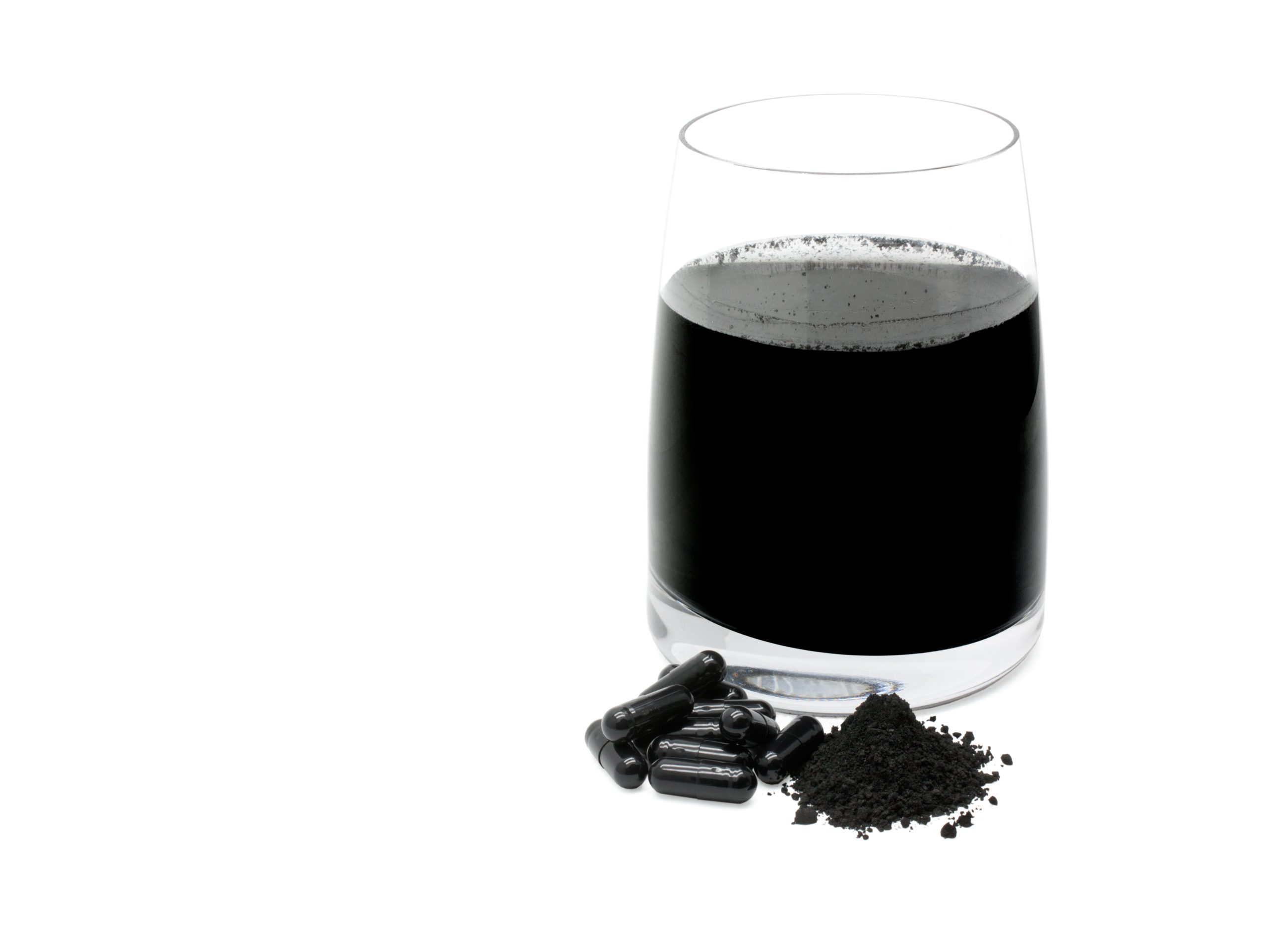
activated charcol used for paracetamol poisoning
14. How is paracetamol or acetaminophen overdose/toxicity treated?
a. Gastrointestinal decontamination using Activated charcoal (AC) if within one hour b. Then if the patient has taken dose less than toxic, they can be discharged home but if they have taken more than toxic dose they should be treated with N-acetyl cysteine (NAC)
activated charcol in a container used for paracetamol poisoning
NAC given within 8 hours is 100% effective
NAC ( N-acetyl cysteine) is the antidote of paracetamol poisoning
i. NAC is available in both oral and IV formulations ii. IV formulation is generally preferred iii. The oral dosage is as follows
a. Loading dose is 140 mg/kg b. Total 17 doses of 70 mg/kg given every four hourly in total duration of 72 hours. c. IV NAC is also preferred when orally not tolerated or contraindicated iv. The IV dose is as follows
a. Loading dose: is given as 150 mg/kg; mixed in 200 mL of 5% dextrose solution(D5) and infused over 1 hour
b. Dose 2 is given 50 mg/kg in 500 mL D5 infused over 4 hours
c. Dose 3 is given 100 mg/kg in 1000 mL D5 over 16 hours
NAC ( N-acetyl cysteine) is the antidote of paracetamol poisoning
15. Is liver transplant required for paracetamol poisoning?
If medical treatment for Paracetamol poisoning fails due to various reasons the liver completely stops working and never comes back also known as hepatic failure. Such patients if survived may need liver transplant.
16. What happens if I the patient comes late?
If the patient presents within 24 hours, then NAC still can be effective and should be started. The patient is further evaluated for potential toxicity of the acetaminophen and its effects as well. NAC also helps in liver repair in case of injures that have already occurred.
17. Which antiemetics can be given for nausea and vomiting?
Metoclopramide and Ondansetron are useful in this case. Metoclopramide is the drug of choice.
18. What is plasma acetaminophen level and whyis it required?
The doctor may require to check Plasma/blood level of paracetamol if the patient presents late and the amount of Paracetamol/acetaminophen ingested could not be told by the patient. This is useful to plan treatment accordingly.
Disclaimer: This information is for educationsl purpose only and is mainly for medical students with technical knoledge. If youre searching for medical advice please contact your doctor or nearby hospital. If anyone had taken more than recommended dose paaracetamol please take that person to hospital immidiately or contact your emergency health services immidiately.
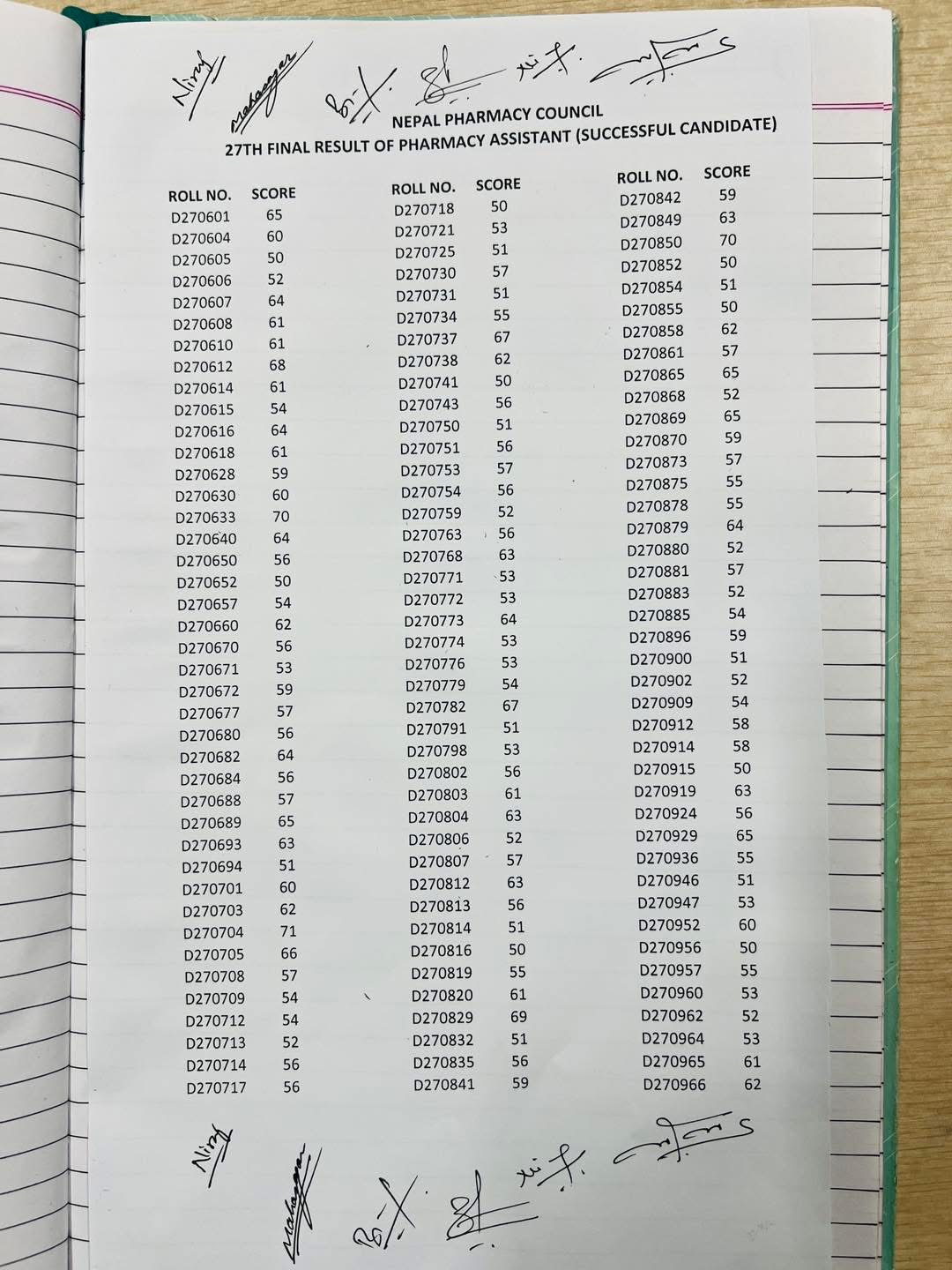
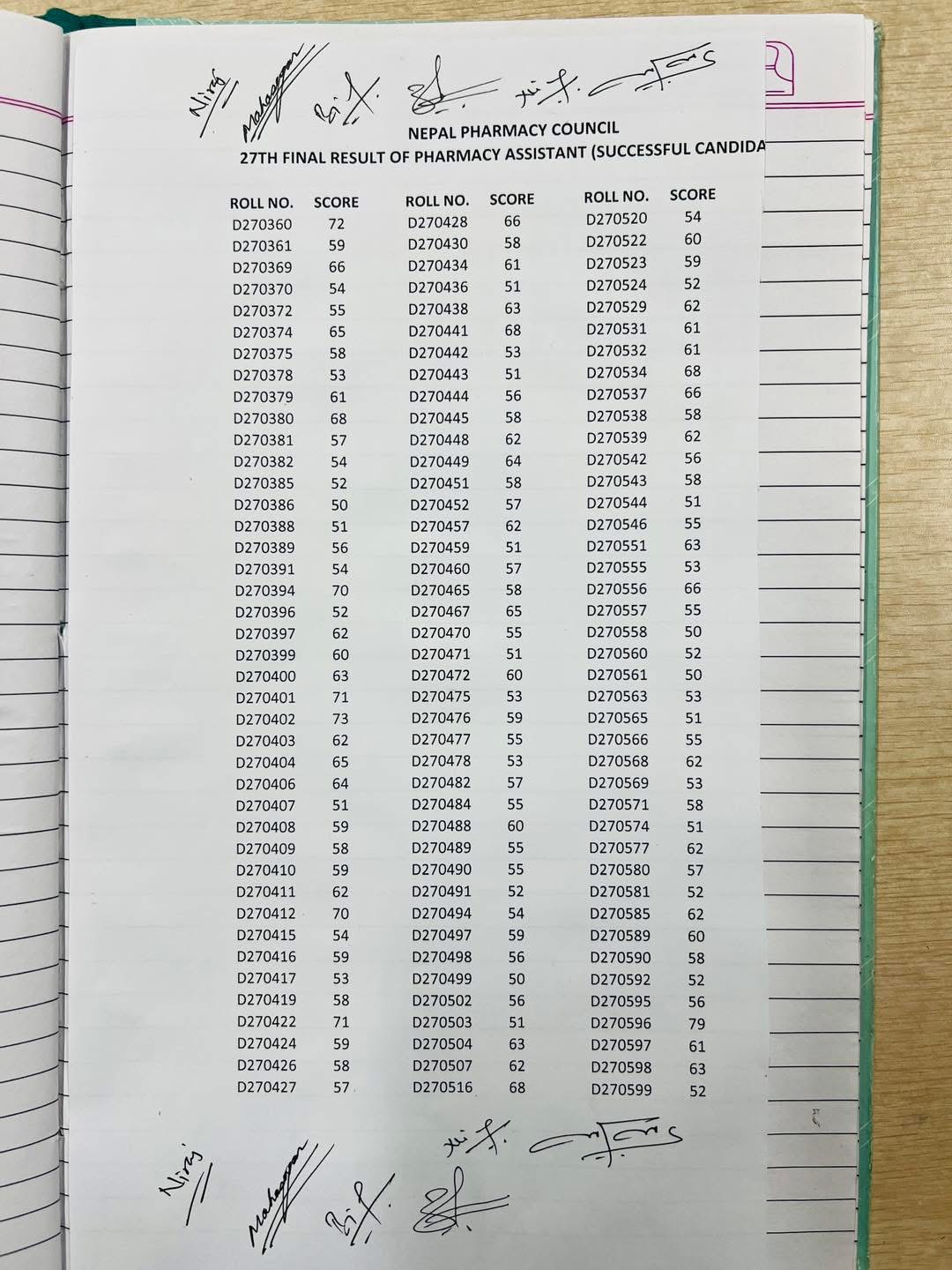
34. The first milk produced by the mother after childbirth is known as:
A) Hindmilk
B) Colostrum
C) Mature milk
D) Foremilk
Medical-Surgical Nursing
35. Which of the following is a common postoperative complication?
A) Hyperglycemia
B) Deep vein thrombosis
C) Hypotension
D) Hyperkalemia
36. What is the primary cause of peptic ulcers?
A) Stress
B) Helicobacter pylori
infection
C) Spicy food
D) Alcohol consumption
37. A patient with COPD is most likely to exhibit which symptom?
A) Bradycardia
B) Cyanosis
C) Hypotension
D) Weight gain
38. The most effective method to prevent pressure ulcers in bed-ridden
patients is:
A) Using a special mattress
B) Regularly changing the
patient’s position
C) Massaging bony
prominences
D) Keeping the skin dry
39. The term “nosocomial infection” refers to an infection that is:
A) Acquired in the
community
B) Acquired in a healthcare
facility
C) Resistant to antibioticsantibiotics
D) Caused by a virus
Community Health Nursing
40. What is the primary focus of community health nursing?
A) Hospital-based care
B) Preventive care
C) Acute care
D) Long-term care
41. In which setting would a community health nurse most likely work?
A) Hospital
B) School
C) Pharmacy
D) Laboratory
42. What is the primary goal of health education in the community?
A) To diagnose diseases
B) To promote healthy
behaviors
C) To dispense medications
D) To perform surgeries
43. The term “epidemiology” refers to the study of:
A) Human behavior
B) Disease patterns in
populations
C) Medication effects
D) Healthcare economics
Leadership and Management
44. What is the primary role of a nurse manager?
A) Direct patient care
B) Budget management
C) Staff scheduling
D) Policy development
45. Which leadership style encourages participation from all team
members?
A) Autocratic
B) Democratic
C) Laissez-faire
D) Transactional
46. The process of evaluating employee performance is called:
A) Coaching
B) Mentoring
C) Performance appraisal
D) Conflict resolution
Ethical and Legal Issues
47. Which principle emphasizes the importance of telling the truth?
A) Autonomy
B) Nonmaleficence
C) Veracity
D) Justice
48. What is the legal doctrine that protects healthcare professionals
from liability for rendering emergency care?
A) Informed consent
B) Res ipsa loquitur
C) Good Samaritan law
D) Negligence
49. Which ethical principle guides healthcare professionals to do good?
A) Autonomy
B) Beneficence
C) Nonmaleficence
D) Justice
50. What is the legal age of consent for medical treatment in Nepal?
A) 16 years
B) 18 years
C) 21 years
D) 25 years
Research in Nursing
51. What is the purpose of a literature review in nursing research?
A) To summarize the findings
of the study
B) To identify gaps in
existing knowledge
C) To recruit participants for
the study
D) To analyze the data
collected
52. Which type of research design involves manipulating variables to
establish cause-and-effect relationships?
A) Descriptive research
B) Correlational research
C) Experimental research
D) Qualitative research
53. What is a hypothesis in nursing research?
A) A tentative prediction
about the relationship between variables
B) A summary of existing
literature on the topic
C) A statement of the study’s
objectives
D) A description of the study
population
Nursing Informatics
54. What is the primary purpose of electronic health records (EHRs) in
nursing practice?
A) To bill insurance companies
for services provided
B) To document patient care in
a digital format
C) To communicate with other
healthcare providers
D) To order medications and
treatments for patients
55. What is the role of a nurse informaticist?
A) To provide direct patient
care
B) To develop software for
healthcare applications
C) To analyze and manage
healthcare data
D) To conduct nursing
research
Gerontological Nursing
56. What is a common health issue faced by older adults?
A) Autism
B) Scoliosis
C) Hypertension
D) Cleft lip
57. Which intervention is helpful in preventing falls in older adults?
A) Encouraging high-risk
activities
B) Limiting physical
activity
C) Ensuring adequate
lighting
D) Encouraging use of scatter
rugs
Pediatric Nursing
58. What is a common immunization given to infants at birth?
A) MMR
B) DTaP
C) Hepatitis B
D) Varicella
59. Which milestone typically occurs in infants at around 6 months of
age?
A) Walking independently
B) Crawling
C) Babbling
D) Smiling
Pediatric Nursing
58. What is a common immunization given to infants at birth?
A) MMR
B) DTaP
C) Hepatitis B
D) Varicella
59. Which milestone typically occurs in infants at around 6 months of
age?
A) Walking independently
B) Crawling
C) Babbling
D) Smiling
Nutrition and Diet Therapy
60. What is the recommended daily intake of water for adults?
A) 1 liter
B) 2 liters
C) 3 liters
D) 4 liters
61. Which nutrient is the body’s primary source of energy?
A) Protein
B) Fat
C) Carbohydrate
D) Vitamin
Emergency Nursing
62. What is the first step in the nursing process during an emergency
situation?
A) Diagnosis
B) Assessment
C) Planning
D) Evaluation
63. What is the primary goal of triage in the emergency department?
A) Provide definitive care
B) Determine the severity of
injuries/illnesses
C) Administer pain relief
D) Document patient
complaints
Surgical Nursing
64. What is the purpose of preoperative teaching for surgical patients?
A) To administer anesthesia
B) To reduce anxiety and
promote recovery
C) To monitor vital signs
during surgery
D) To perform postoperative
care
65. Which complication is common after abdominal surgery?
A) Urinary tract infection
B) Pneumonia
C) Deep vein thrombosis
D) Migraine headache
Obstetric Nursing
66. What is the role of a doula during childbirth?
A) Perform medical
interventions
B) Provide emotional and
physical support
C) Administer anesthesia
D) Assist with surgical
procedures
67. Which position is often recommended for a woman in labor to ease
pain?
A) Supine
B) Prone
C) Sitting upright
D) Lateral
Rehabilitation Nursing
68. What is the primary goal of rehabilitation nursing?
A) To provide acute care
B) To promote independence and
improve function
C) To prevent readmissions
D) To administer medication
69. Which healthcare professional typically leads a rehabilitation team?
A) Physician
B) Nurse
C) Physical therapist
D) Social worker
Palliative Care Nursing
70. What is the primary goal of palliative care?
A) Cure the underlying
disease
B) Provide comfort and improve
quality of life
C) Administer aggressive
treatment
D) Extend life expectancy
71. Which symptom is commonly managed in palliative care?
A) Treating only physical
symptoms
B) Addressing the whole
person: body, mind, and spirit
C) Prescribing medication
D) Performing surgeries
73. Which complementary therapy is commonly used in holistic nursing to
promote relaxation?
A) Acupuncture
B) Aromatherapy
C) Radiation therapy
D) Chemotherapy
Mental Health Nursing
74. What is the primary focus of psychiatric nursing?
A) Physical health
B) Emotional and mental
well-being
C) Social interactions
D) Cognitive function
75. Which therapeutic communication technique involves restating the
client’s message in the nurse’s own words?
A) Reflection
B) Clarification
C) Validation
D) Paraphrasing
Infectious Disease Nursing
76. Which precaution is recommended when caring for a patient with
tuberculosis (TB)?
A) Airborne precautions
B) Droplet precautions
C) Contact precautions
D) Standard precautions
77. What is a common symptom of influenza?
A) Rash
B) Cough
C) Jaundice
D) Diarrhea
Substance Abuse Nursing
78. What is the first step in the nursing process when caring for a
client with substance abuse?
A) Diagnosis
B) Assessment
C) Planning
D) Evaluation
79. Which medication is commonly used in the treatment of opioid
addiction?
A) Methadone
B) Antibiotics
C) Antidepressants
D) Insulin
Wound Care Nursing
80. What is the first step in wound healing?
A) Maturation
B) Inflammation
C) Proliferation
D) Hemostasis
81. Which type of wound dressing promotes a moist wound environment?
A) Dry gauze
B) Hydrocolloid
C) Alginate
D) Transparent film
Oncology Nursing
82. Which type of cancer affects the blood and bone marrow?
A) Leukemia
B) Melanoma
C) Lung cancer
D) Breast cancer
83. What is the primary treatment modality for cancer?
A) Surgery
B) Radiation therapy
C) Chemotherapy
D) Immunotherapy
Cardiovascular Nursing
84. What is the primary nursing intervention for a patient with chest
pain?
A) Administer pain
medication
B) Perform CPR
C) Assess vital signs
D) Activate emergency
response
85. Which condition is characterized by irregular heart rhythms?
A) Bradycardia
B) Tachycardia
C) Arrhythmia
D) Hypertension
Renal Nursing
86. Which laboratory test is used to assess kidney function?
A) Complete blood count
(CBC)
B) Liver function tests
(LFTs)
C) Urinalysis
D) Serum creatinine
87. What is the primary goal of treatment for acute kidney injury?
A) Prevent further kidney
damage
B) Reverse kidney failure
C) Improve urine output
D) Normalize electrolyte
levels
Endocrine Nursing
88. Which hormone regulates blood sugar levels?
A) Insulin
B) Thyroid hormone
C) Cortisol
D) Growth hormone
89. Which condition is characterized by excess production of cortisol?
A) Addison’s disease
B) Cushing’s syndrome
C) Hypothyroidism
D) Hyperthyroidism
Gastrointestinal Nursing
90. Which condition is characterized by inflammation of the stomach
lining?
A) Gastritis
B) Hepatitis
C) Pancreatitis
D) Cholecystitis
91. What is the primary treatment for peptic ulcer disease?
A) Antibiotics
B) Antiviral medication
C) Proton pump inhibitors
D) Blood transfusion
Intensive Care Nursing
92. What is the primary goal of mechanical ventilation?
A) Provide oxygenation
B) Prevent infection
C) Promote circulation
D) Control pain
93. Which complication is associated with prolonged immobility in
critically ill patients?
A) Pressure ulcers
B) Hypertension
C) Hypoglycemia
D) Osteoporosis
Perioperative Nursing
94. What is the primary role of the circulating nurse in the operating
room?
A) Assist with surgical
procedures
B) Provide anesthesia
C) Manage the sterile field
D) Coordinate activities and
ensure safety
95. Which phase of surgery involves preparing the patient for the
procedure?
A) Preoperative phase
B) Intraoperative phase
C) Postoperative phase
D) Recovery phase
Community Health Nursing
96. What is the focus of community health nursing?
A) Individual patient care
B) Promoting health and
preventing disease in populations
C) Administering
vaccinations
D) Conducting research in
healthcare facilities
97. Which intervention is commonly performed by community health nurses?
A) Prescribing medications
B) Conducting home visits
C) Performing surgeries
D) Providing inpatient care
Leadership and Management in Nursing
98. What is the primary role of a nurse manager?
A) Providing direct patient
care
B) Managing nursing staff and
resources
C) Conducting research
studies
D) Teaching nursing
students
99. Which leadership style involves a leader who encourages
participation and input from team members?
A) Autocratic
B) Democratic
C) Laissez-faire
D) Transactional
Legal and Ethical Issues in Nursing
100. What is the primary purpose of the Nurse Practice Act?
A) To establish educational
requirements for nursing programs
B) To regulate the practice
of nursing and protect public health
C) To provide financial
assistance to nursing students
D) To certify nursing
assistants
CMA LokSewa model MCQ free for Nepal (free MCQ) 2081
Table of Contents
Here are 30 multiple-choice questions (MCQs) in the CMA Loksewa model format, based on real and past exam patterns in Nepal. Answer keys are listed at the end.
CMA Loksewa Model MCQ
Section 1: Anatomy & Physiology
1. Which of the following is the largest organ in the human body?
के हो र कसरि उपचार गर्ने? के एक्ने उपचार सम्भव छ? Acne in Nepali
Table of contents (toc)
एकने भनेको के हो?
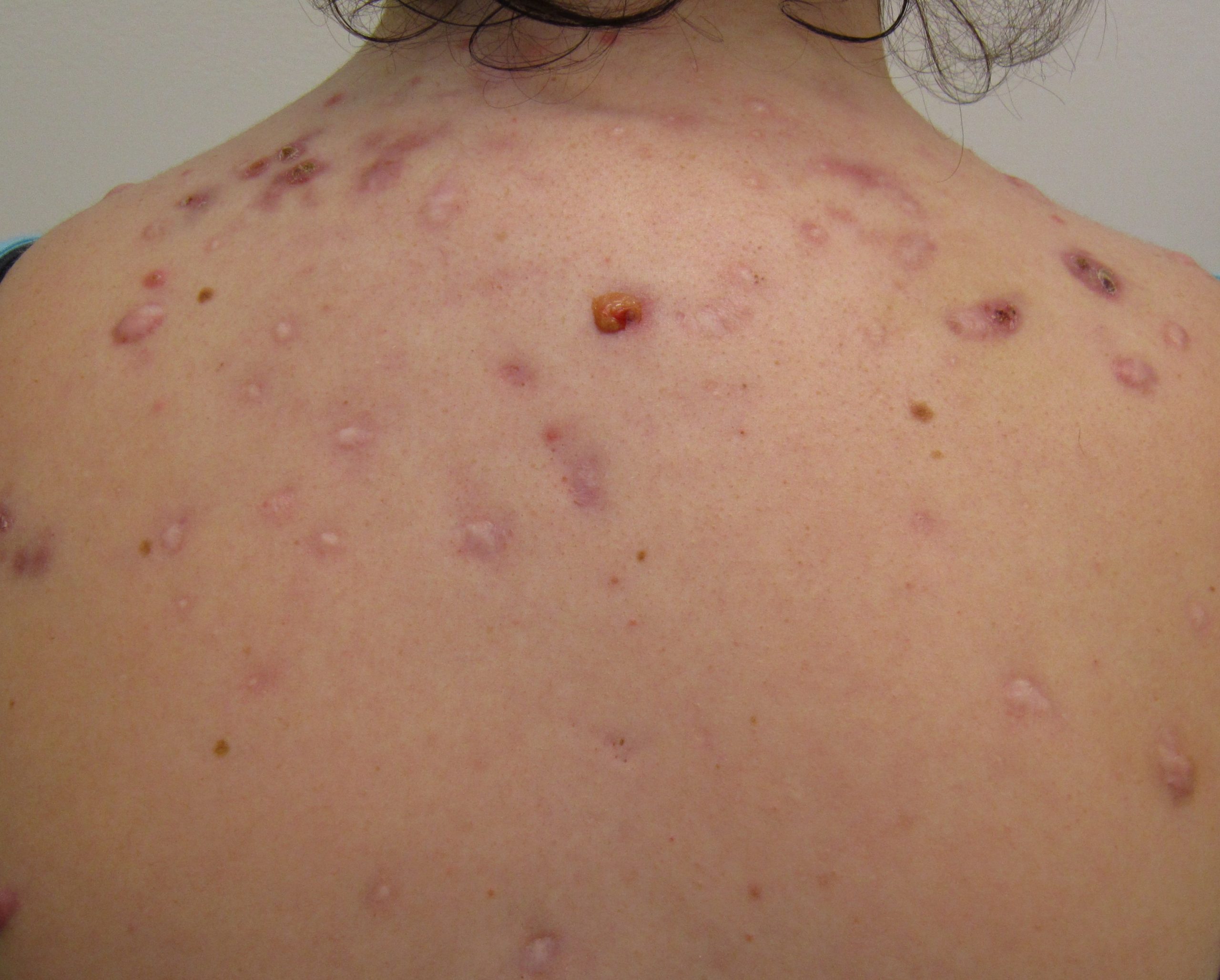
एकनेलाई अर्को सब्दमा एकने भल्गरिस नि भनिन्छ। यो एक छालासम्बन्धी रोग हो। यसमा छाला मा दाग आउनु को साथै घाउ समेत हुने गर्छ। यो प्राय जस्तो अनुहारमा आउछ भने घटी, गर्धन र पिठ्यु मा समेत आउने गर्दछ।
यसले कपालको जरालाई असर गर्दछ भने संगसंगै तेल ग्रन्थि मा समेत सुजन हुन्छ। ऐक्ने (Acne) छालामा आउने सानो रातो वा सेतो फोका वा डण्डिफोर हो। यसले विशेष गरी किशोरावस्थामा धेरैलाई प्रभावित गर्छ। अनुहार, ढाड, काँध र छातीमा बढी देखिन्छ।
एकने कसरि हुन्छ?
पिठ्युमा ए्कने
यो निम्न तरिका बाट हुन्छ।
तेल ग्रन्थि को प्वाल बन्द भएर
तेल धेरै उत्पादन भएर
क्युतिबयाक्तेरियम एक्नेस नामक कितानु को संक्रमण भएर
माथिका सबैले गर्दा सुजन भएर
छालामा तेल (Sebum) बढी उत्पादन हुनु
मरेका छाला कोषहरू जम्नु
ब्याक्टेरिया (Bacteria) को संक्रमण
हार्मोनल परिवर्तन (विशेष गरी किशोरावस्था, गर्भावस्था, वा महिनावारीको समयमा)
धेरै चिल्लो तथा मसलादार खानेकुरा सेवन
तनाव र मानसिक दबाब
अनुहार धेरै छोइरहने बानी
ऐक्ने रोकथामका उपायहरू
✅ अनुहार दिनको दुई पटक सफा गर्ने
✅ तेलीयो (Oily) वा चिल्लो क्रिम वा कस्मेटिक प्रयोग नगर्ने
✅ ताजा फलफूल, हरियो तरकारी र पानी प्रशस्त पिउने
✅ धेरै जसो अनुहार नछुने र डण्डिफोर नथिच्ने
✅ सरसफाइमा ध्यान दिने र सफा तकिया प्रयोग गर्ने
✅ तनाव कम गर्ने प्रयास गर्ने
ऐक्ने उपचारका घरेलु उपायहरू
🔹 मह र बेसार: महमा ब्याक्टेरियाको वृद्धि रोक्ने गुण हुन्छ। बेसारसँग मिलाएर लगाउँदा ऐक्ने घट्न सक्छ।
🔹 एलोवेरा जेल: एलोवेरा छालालाई शितल पार्ने र ऐक्ने कम गर्ने उपाय हो।
🔹 निमको पातको रस: निममा एन्टिब्याक्टेरियल गुण हुन्छ, जसले छाला सफा गर्छ।
🔹 बेकिङ सोडा: पानीसँग मिसाएर लगाउँदा छालाको अतिरिक्त तेल हटाउन मद्दत गर्छ।
🔹 गुलाब जल र कागतीको रस: छालालाई टोन गर्न मद्दत गर्छ।
चिकित्सकीय उपचार
यदि ऐक्ने धेरै गम्भीर छ भने, चिकित्सकको सल्लाह अनुसार यी उपचारहरू गर्न सकिन्छ:
मेडिकल फेसवास (Salicylic Acid वा Benzoyl Peroxide भएको)
एन्टिबायोटिक क्रिम वा औषधी
हार्मोनल उपचार (यदि हार्मोनको कारणले भएको छ भने)
निष्कर्ष
ऐक्ने सामान्य भए पनि यसले आत्मविश्वासमा असर पार्न सक्छ। सही सरसफाइ, उचित खानपान, घरेलु उपाय तथा आवश्यक परेमा चिकित्सकीय सल्लाह लिएर उपचार गर्न सकिन्छ।
Menstrual cups tips and tricks for old and new users 2025
Mastering Menstrual Cups: Essential Tips and Tricks for New and Experienced Users in 2023
Table of Contents (toc)
Menstrual cups tips
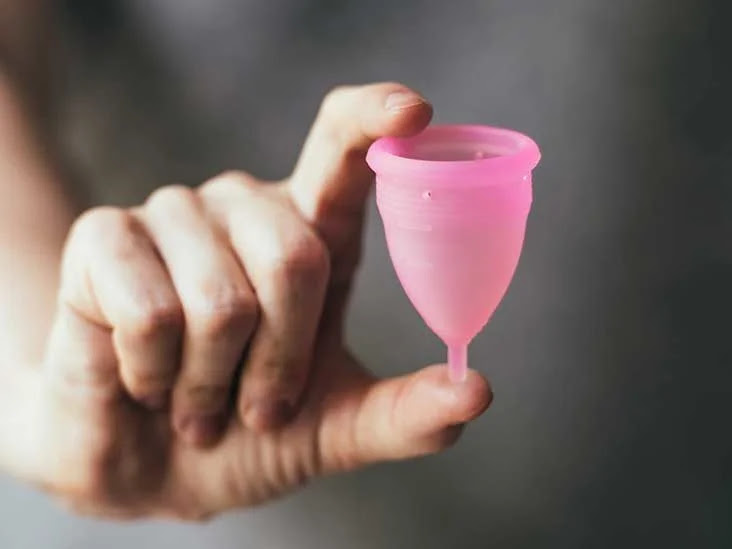
Menstrual cups have gained immense popularity in recent years for their eco-friendly nature, cost-effectiveness, and convenience. Whether you’re a seasoned user or new to the world of menstrual cups, there are always helpful tips and tricks to enhance your experience. In this article, we’ll share valuable insights and practical advice to help both old and new users make the most out of their menstrual cup journey in 2023. Let’s dive in!
Finding the perfect fit is crucial for a comfortable and leak-free experience. Consider factors such as size, firmness, and the cup’s capacity to select a cup that suits your body and flow.
Sterilize before first use:
Before using a new cup or after a long break, it’s essential to sterilize it by boiling it in water for a few minutes. This ensures optimal hygiene and cleanliness.
Practice different folding techniques:
Experiment with various folding techniques, such as the C-fold, punch-down fold, or 7-fold, to find the one that is most comfortable and provides easy insertion.
Relax and take your time:
Inserting a menstrual cup may require a learning curve. Be patient, relax your pelvic muscles, and take your time to find a technique that works best for you.
Locate your cervix:
Understanding the position of your cervix can help determine the cup’s placement. Some cups work better for high cervixes, while others are ideal for low cervixes. Explore and adjust accordingly.
Check the suction:
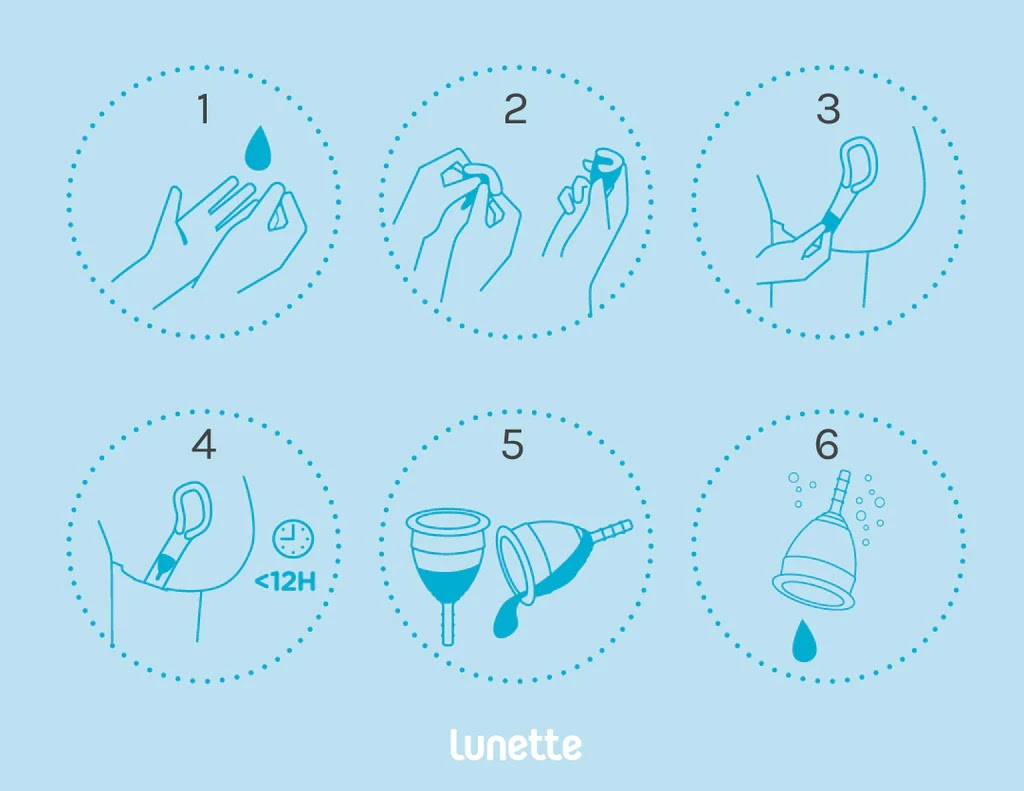
Once the cup is inserted, ensure a proper seal by rotating it or gently tugging the stem. You should feel resistance, indicating a secure suction. This prevents leaks and ensures a snug fit.
Trim the stem if needed:
If you find the stem of your cup protruding or causing discomfort, it’s safe to trim it to a length that feels comfortable for you. However, ensure not to cut too much as it can make removal challenging.
Empty and clean regularly:
Menstrual cups can be worn for up to 12 hours, but the frequency of emptying depends on your flow. Empty and rinse the cup with water every 4-8 hours to maintain hygiene.
Choose the right removal technique:
To remove the cup, use your pelvic muscles to push it lower and reach the base. Pinch the base to release the suction and gently wiggle the cup out. Don’t rush the process; take your time.
Clean and sanitize between cycles:
Between menstrual cycles, thoroughly clean and sanitize your cup. Follow the manufacturer’s instructions or use a specialized cup cleanser to ensure optimal hygiene.
Troubleshoot leaks:
If you experience leaks, check the cup’s position, ensure a proper seal, or consider trying a different cup size or shape that suits your body and flow.
Be prepared when in public:
Carry a water bottle or wipes in your bag for easy cleaning when emptying your cup in public restrooms without a sink nearby.
Overcome odor concerns:
To minimize any potential odor, rinse your cup with cold water before cleaning it with warm water and mild soap. You can also soak it in a mixture of water and vinegar.
Stay active with a cup:
Unlike pads and tampons, menstrual cups are suitable for various physical activities, including swimming, yoga, and sports. Once properly inserted, they provide reliable protection without movement restrictions.
Find your favorite folding and insertion method:
Experiment with different folding techniques and insertion angles to find the most comfortable and effective method for you. Some find it easier to insert while squatting or sitting on the toilet.
Use water-based lubricant if needed:
If you experience dryness or discomfort during insertion, applying a water-based lubricant on the rim of the cup can ease the process.
Embrace the learning process:
Remember, using a menstrual cup may require a few cycles to get comfortable and confident. Don’t get discouraged if you encounter initial challenges. It’s a journey worth embracing.
Join supportive communities:
Connect with online communities, forums, or social media groups dedicated to menstrual cup users. You can learn from others’ experiences, seek advice, and share your own tips and tricks.
Consider backup options:
During the learning phase or on heavy flow days, you may want to wear a panty liner or period underwear as a backup until you gain more confidence in your cup.
Replace as needed:
Menstrual cups are durable and can last for several years with proper care. However, if you notice any signs of wear and tear, such as discoloration or a change in texture, it’s time to replace your cup.
mens cup insert and removal tips
Conclusion:
Whether you’re a new or experienced menstrual cup user, these tips and tricks will help you navigate the world of menstrual cups with confidence and ease in 2023. Remember, each person’s experience is unique, so don’t hesitate to experiment, seek guidance from others, and make adjustments that work best for your body and flow. Embrace the freedom, comfort, and eco-friendliness that menstrual cups offer, and enjoy a more sustainable and hassle-free period experience.
{
“@context”: “https://schema.org”,
“@type”: “FAQPage”,
“mainEntity”: {
“@type”: “Question”,
“name”: “What are Menstrual cups tips and tricks for old and new users?”,
“acceptedAnswer”: {
“@type”: “Answer”,
“text”: “Choose the right cup:
Sterilize before first use:
Practice different folding techniques:
Relax and take your time:
Locate your cervix:
Check the suction:
Trim the stem if needed:
Empty and clean regularly:
Read more on website..”
}
}
}
postpartum blues vs depression vs psychosis explained well 2024
(toc)Table of Contents
Introduction
Postpartum blues vs depression vs psychosis
Although delivering a baby is typically a happy event, many postpartum women develop depressive symptoms. These symptoms may manifest as the postpartum blues, which consist of mild depressive symptoms that are generally self-limited, but may be a risk factor for more severe syndromes of major depression.
Why do postpartum psychiatric illnessed like blues, depression and psychosis occur?
Though clear pathophysiology is not understiiod it is hypothesized that it is due to the fact that during pregnancy hormones like estrogen are high in boody and suddent withdrawl or reduction in the level in blood leads to mood change and all the symptoms of the blues, depression or psychosis.
This is also attributable to the psychihatric status of the person before getting pregnany any family and genetic predisposition as well.
Oral contraceptive use that is associated with mood changes
Depressive syndromes predating pregnancy
Antepartum depressive symptoms
Caesarian section
Blues▶
——–
During the puerperium, mild, transient depressive symptoms such as dysphoria, insomnia, emotional lability, and decreased concentration occur in many women.
Postpartum blues is generally benign but may indicate future possibility of more severe psychiatric illness so careful watch mut be given immidiately and in the future as well .
✅Depressed. fatique. tearfulness, mood swings 30-70% ✅Starts 2-3 days >delivery, Resolves- within 10 days, No thoughts of harming baby ✅Rx – Support and follow up
Postpartum depression▶
—————————
The diagnostic criteria for postpartum major depression are the same criteria that are used to diagnose nonpuerperal major depression.
Depresses. Anxiety 10-15%
✅Starts within 12 weeks from delivery & persists > 2 weeks ✅Thoughts of harming +- ✅Rx – CBT & SSRIs
Postpartum Psychosis▶
————————-
Postpartum psychosis (or puerperal psychosis) is most often seen in patients that have been or will be diagnosed with bipolar disorder but can also occur in women with a major depression with psychosis, schizophrenia, or schizoaffective disorder. A subset of women experience isolated postpartum psychosis that does not progress to mood or psychotic episodes outside the postpartum time period [1].
The clinical picture of postpartum psychosis includes rapid onset of psychotic symptoms including hallucinations and delusions, bizarre behavior, confusion, and disorganization that may appear to be delirium. Postpartum psychosis constitutes a medical emergency and generally requires rapid intervention and hospitalization, as well as a comprehensive medical evaluation and psychiatric management.
Psychosis is a disturbance in an individual’s perception of reality. Psychosis can be manifested through one or more of the following:
Delusions – Fixed, false, idiosyncratic beliefs that are not culturally based.
Hallucinations – Sensory experiences without physical sensory stimulation including tactile, visual, auditory, gustatory, and olfactory sensations.
Thought disorganization.
Disorganized behavior.
✅Delusions, hallucinations 0.1-0.2% ✅Thoughts of harming or self + ✅Rx – Hospitalisation, Atypical antipsychotics
Glomerulonephritis vs Nephrotic syndrome 2024 Medical lecture ppt and video
Table of Contents(toc)
Glomerulonephritis
Glomerulonephritis is a medical condition characterized by inflammation of the glomeruli, which are the tiny filtering units in the kidneys. This inflammation can impair the kidneys’ ability to filter waste, leading to symptoms like swelling, high blood pressure, and changes in urine output.
There are two main types:
1. Acute Glomerulonephritis: A sudden onset of inflammation, often following infections like streptococcal throat infections. It can cause symptoms like hematuria (blood in urine), proteinuria (excess protein in urine), and edema (swelling).
2. Chronic Glomerulonephritis: A long-term condition where the inflammation persists, potentially leading to kidney damage and eventual kidney failure if not treated effectively.
Glomerulonephritis can be caused by autoimmune diseases, infections, or genetic conditions, and can lead to serious complications if left untreated.
Nephrotic syndrome
Nephrotic Syndrome is a kidney disorder characterized by a group of symptoms resulting from damage to the glomeruli, which impairs the kidneys’ ability to properly filter blood. This condition leads to excessive protein loss in the urine, resulting in low protein levels in the blood and fluid retention.
Key features of nephrotic syndrome include:
1. Proteinuria: High levels of protein in the urine, often greater than 3.5 grams per day.
2. Hypoalbuminemia: Low levels of albumin (a type of protein) in the blood.
3. Edema: Swelling, particularly in the legs, ankles, and around the eyes, due to fluid retention.
4. Hyperlipidemia: Elevated cholesterol and triglyceride levels in the blood.
Nephrotic syndrome can be caused by various underlying conditions, such as glomerulonephritis, diabetes, or autoimmune diseases. It is typically treated by addressing the underlying cause, controlling symptoms (like edema and high cholesterol), and sometimes using medications like corticosteroids or immunosuppressants.
Top must know question for your exam.
Glomerulonephritis vs Nephrotic Syndrome
Differentiation Between Nephrotic Syndrome and Nephritic Syndrome
Typical Features
Nephrotic
Nephritic
Onset
Insidious
Abrupt
Edema
++++
++
Blood pressure
Normal
Raised
Jugular venous pressure
Normal/low
Raised
Proteinuria
++++
++
Hematuria
May/may not occur
+++
Red blood cell casts
Absent
Present
Serum albumin
Low
Normal/slightly reduced
Here is a ppt presentation and video on glomerulonephritis for Health exams
preparation study tips health science Coaching syllabus wise MCQ test
loksewa psc license free institute .