100 Nepal driving license (MCQs) multiple-choice questions rlated to written test

100 multiple-choice questions (MCQs) related to the Nepal driving license written test
Table of Contents(toc)

Here are 100 multiple-choice questions (MCQs) related to the Nepal driving license written test. The correct answers are bolded for clarity.

Questions (1-25)

1. What is the minimum age requirement to obtain a driving license for a motorcycle in Nepal?

a) 16 years

b) 18 years

c) 20 years

d) 21 years

2. What is the legal blood alcohol concentration (BAC) limit for drivers in Nepal?

a) 0.05%

b) 0.03%

c) 0.08%

d) 0.10%

3. What does a red traffic light indicate?

a) Slow down

b) Proceed with caution

c) Stop

d) Speed up

4. What is the meaning of a yellow traffic light?

a) Go faster

b) Prepare to stop

c) Continue driving

d) Turn around

5. What does a white line on the road indicate?

a) Overtaking is allowed

b) Lane separation

c) No parking

d) Pedestrian crossing

6. What does a zigzag line on the road indicate?

a) No overtaking

b) Speed limit zone

c) Pedestrian crossing

d) Parking area

7. What is the speed limit in a residential area in Nepal?

a) 40 km/h

b) 30 km/h

c) 50 km/h

d) 60 km/h

8. What is the speed limit on highways in Nepal?

a) 80 km/h

b) 100 km/h

c) 120 km/h

d) 60 km/h

9. What does a blue traffic sign indicate?

a) Warning

b) Mandatory instruction

c) Prohibition

d) Information

10. What does a triangle-shaped traffic sign indicate?

a) Warning

b) Mandatory instruction

c) Prohibition

d) Information

11. What is the penalty for driving without a valid license in Nepal?

a) Warning

b) Fine only

c) Fine and/or imprisonment

d) No penalty

12. What is the validity period of a temporary driving license in Nepal?

a) 1 month

b) 6 months

c) 1 year

d) 2 years

13. What is the first thing to do in case of an accident?

a) Leave the scene

b) Provide first aid and call for help

c) Argue with the other party

d) Drive away

14. What does a “No Entry” sign look like?

a) Blue circle

b) Red circle with a white horizontal bar

c) Yellow triangle

d) Green rectangle

15. What does a “One Way” sign indicate?

a) Traffic flows in one direction only

b) No parking

c) No overtaking

d) Pedestrian crossing

16. What is the purpose of a speed bump?

a) Increase speed

b) Reduce speed

c) Indicate a parking zone

d) Mark a pedestrian crossing

17. What does a “Stop” sign mean?

a) Slow down

b) Come to a complete stop

c) Proceed with caution

d) Yield

18. What is the meaning of a “Give Way” sign?

a) Stop completely

b) Yield to other vehicles

c) Speed up

d) No entry

19. What does a flashing yellow light at an intersection mean?

a) Stop

b) Proceed with caution

c) Speed up

d) No entry

20. What is the purpose of a zebra crossing?

a) Pedestrian crossing

b) No parking zone

c) Speed limit zone

d) Overtaking zone

21. What does a “No Parking” sign indicate?

a) Parking is prohibited

b) Parking is allowed

c) Overtaking is allowed

d) Speed limit zone

22. What is the penalty for overspeeding in Nepal?

a) Warning

b) Fine and/or imprisonment

c) No penalty

d) License suspension

23. What does a “No Horn” sign mean?

a) Horn is prohibited

b) Horn is mandatory

c) Speed limit zone

d) Pedestrian crossing

24. What is the purpose of a rearview mirror?

a) Check behind the vehicle

b) Decorate the vehicle

c) Increase speed

d) Reduce fuel consumption

25. What does a “No U-Turn” sign mean?

a) U-turns are prohibited

b) U-turns are allowed

c) Speed limit zone

d) Pedestrian crossing

Questions (26-50)

26. What is the meaning of a “School Zone” sign?

a) Drive carefully near a school

b) No parking

c) Speed up

d) Overtaking zone

27. What does a “No Overtaking” sign indicate?

a) Overtaking is prohibited

b) Overtaking is allowed

c) Speed limit zone

d) Pedestrian crossing

28. What is the purpose of a seatbelt?

a) Ensure safety in case of an accident

b) Decorate the vehicle

c) Increase speed

d) Reduce fuel consumption

29. What does a “No Stopping” sign mean?

a) Stopping is prohibited

b) Stopping is allowed

c) Speed limit zone

d) Pedestrian crossing

30. What is the meaning of a “Roundabout” sign?

a) Drive around the circular intersection

b) Stop completely

c) Speed up

d) No entry

31. What does a “Pedestrian Crossing” sign indicate?

a) Watch for pedestrians

b) No parking

c) Speed limit zone

d) Overtaking zone

32. What is the purpose of a traffic police officer’s hand signal?

a) Control traffic flow

b) Decorate the road

c) Increase speed

d) Reduce fuel consumption

33. What does a “No Entry for Vehicles” sign mean?

a) Vehicles are not allowed

b) Vehicles are allowed

c) Speed limit zone

d) Pedestrian crossing

34. What is the meaning of a “T-Junction” sign?

a) Road ends ahead

b) No parking

c) Speed limit zone

d) Pedestrian crossing

35. What does a “Falling Rocks” sign indicate?

a) Risk of falling rocks

b) No parking

c) Speed limit zone

d) Pedestrian crossing

36. What is the purpose of a “Speed Limit” sign?

a) Indicate maximum speed allowed

b) Decorate the road

c) Increase speed

d) Reduce fuel consumption

37. What does a “Narrow Bridge” sign mean?

a) Bridge is narrow

b) No parking

c) Speed limit zone

d) Pedestrian crossing

38. What is the meaning of a “Slippery Road” sign?

a) Road may be slippery

b) No parking

c) Speed limit zone

d) Pedestrian crossing

39. What does a “Cattle Crossing” sign indicate?

a) Watch for cattle

b) No parking

c) Speed limit zone

d) Pedestrian crossing

40. What is the purpose of a “Hump” sign?

a) Indicate a speed bump

b) Decorate the road

c) Increase speed

d) Reduce fuel consumption

41. What does a “No Through Road” sign mean?

a) Road does not go through

b) No parking

c) Speed limit zone

d) Pedestrian crossing

42. What is the meaning of a “Level Crossing” sign?

a) Railway crossing ahead

b) No parking

c) Speed limit zone

d) Pedestrian crossing

43. What does a “Men at Work” sign indicate?

a) Workers on the road

b) No parking

c) Speed limit zone

d) Pedestrian crossing

44. What is the purpose of a “Keep Left” sign?

a) Drive on the left side

b) Decorate the road

c) Increase speed

d) Reduce fuel consumption

45. What does a “No Waiting” sign mean?

a) Waiting is prohibited

b) Waiting is allowed

c) Speed limit zone

d) Pedestrian crossing

46. What is the meaning of a “Two-Way Traffic” sign?

a) Traffic flows in both directions

b) No parking

c) Speed limit zone

d) Pedestrian crossing

47. What does a “No Cycling” sign indicate?

a) Cycling is prohibited

b) Cycling is allowed

c) Speed limit zone

d) Pedestrian crossing

48. What is the purpose of a “No Heavy Vehicles” sign?

a) Heavy vehicles are prohibited

b) Decorate the road

c) Increase speed

d) Reduce fuel consumption

49. What does a “No Left Turn” sign mean?

a) Left turns are prohibited

b) Left turns are allowed

c) Speed limit zone

d) Pedestrian crossing

50. What is the meaning of a “No Right Turn” sign?

a) Right turns are prohibited

b) Right turns are allowed

c) Speed limit zone

d) Pedestrian crossing

Questions (51-75)

51. What does a “No Parking on Odd Days” sign indicate?

a) Parking is prohibited on odd days

b) Parking is prohibited on even days

c) Speed limit zone

d) Pedestrian crossing

52. What is the purpose of a “No Parking on Even Days” sign?

a) Parking is prohibited on even days

b) Parking is prohibited on odd days

c) Speed limit zone

d) Pedestrian crossing

53. What does a “No Stopping or Standing” sign mean?

a) Stopping or standing is prohibited

b) Stopping or standing is allowed

c) Speed limit zone

d) Pedestrian crossing

54. What is the meaning of a “No Entry for Pedestrians” sign?

a) Pedestrians are not allowed

b) Pedestrians are allowed

c) Speed limit zone

d) Overtaking zone

55. What does a “No Entry for Cycles” sign indicate?

a) Cycles are not allowed

b) Cycles are allowed

c) Speed limit zone

d) Pedestrian crossing

56. What is the purpose of a “No Entry for Trucks” sign?

a) Trucks are not allowed

b) Trucks are allowed

c) Speed limit zone

d) Pedestrian crossing

57. What does a “No Entry for Buses” sign mean?

a) Buses are not allowed

b) Buses are allowed

c) Speed limit zone

d) Pedestrian crossing

58. What is the meaning of a “No Entry for Cars” sign?

a) Cars are not allowed

b) Cars are allowed

c) Speed limit zone

d) Pedestrian crossing

59. What does a “No Entry for Motorcycles” sign indicate?

a) Motorcycles are not allowed

b) Motorcycles are allowed

c) Speed limit zone

d) Pedestrian crossing

60. What is the purpose of a “No Entry for Tractors” sign?

a) Tractors are not allowed

b) Tractors are allowed

c) Speed limit zone

d) Pedestrian crossing

61. What does a “No Entry for Animal-Drawn Vehicles” sign mean?

a) Animal-drawn vehicles are not allowed

b) Animal-drawn vehicles are allowed

c) Speed limit zone

d) Pedestrian crossing

62. What is the meaning of a “No Entry for Handcarts” sign?

a) Handcarts are not allowed

b) Handcarts are allowed

c) Speed limit zone

d) Pedestrian crossing

63. What does a “No Entry for Rickshaws” sign indicate?

a) Rickshaws are not allowed

b) Rickshaws are allowed

c) Speed limit zone

d) Pedestrian crossing

64. What is the purpose of a “No Entry for Carts” sign?

a) Carts are not allowed

b) Carts are allowed

c) Speed limit zone

d) Pedestrian crossing

65. What does a “No Entry for Horse-Drawn Vehicles” sign mean?

a) Horse-drawn vehicles are not allowed

b) Horse-drawn vehicles are allowed

c) Speed limit zone

d) Pedestrian crossing

66. What is the meaning of a “No Entry for Bullock Carts” sign?

a) Bullock carts are not allowed

b) Bullock carts are allowed

c) Speed limit zone

d) Pedestrian crossing

67. What does a “No Entry for Camel Carts” sign indicate?

a) Camel carts are not allowed

b) Camel carts are allowed

c) Speed limit zone

d) Pedestrian crossing

68. What is the purpose of a “No Entry for Donkey Carts” sign?

a) Donkey carts are not allowed

b) Donkey carts are allowed

c) Speed limit zone

d) Pedestrian crossing

69. What does a “No Entry for Elephant Rides” sign mean?

a) Elephant rides are not allowed

b) Elephant rides are allowed

c) Speed limit zone

d) Pedestrian crossing

70. What is the meaning of a “No Entry for Horse Rides” sign?

a) Horse rides are not allowed

b) Horse rides are allowed

c) Speed limit zone

d) Pedestrian crossing

71. What does a “No Entry for Bicycle Rickshaws” sign indicate?

a) Bicycle rickshaws are not allowed

b) Bicycle rickshaws are allowed

c) Speed limit zone

d) Pedestrian crossing

72. What is the purpose of a “No Entry for Auto Rickshaws” sign?

a) Auto rickshaws are not allowed

b) Auto rickshaws are allowed

c) Speed limit zone

d) Pedestrian crossing

73. What does a “No Entry for Tempos” sign mean?

a) Tempos are not allowed

b) Tempos are allowed

c) Speed limit zone

d) Pedestrian crossing

74. What is the meaning of a “No Entry for Vans” sign?

a) Vans are not allowed

b) Vans are allowed

c) Speed limit zone

d) Pedestrian crossing

75. What does a “No Entry for Jeeps” sign indicate?

a) Jeeps are not allowed

b) Jeeps are allowed

c) Speed limit zone

d) Pedestrian crossing

Questions (76-100)

76. What is the purpose of a “No Entry for SUVs” sign?

a) SUVs are not allowed

b) SUVs are allowed

c) Speed limit zone

d) Pedestrian crossing

77. What does a “No Entry for Pickups” sign mean?

a) Pickups are not allowed

b) Pickups are allowed

c) Speed limit zone

d) Pedestrian crossing

78. What is the meaning of a “No Entry for Minibuses” sign?

a) Minibuses are not allowed

b) Minibuses are allowed

c) Speed limit zone

d) Pedestrian crossing

79. What does a “No Entry for Microbuses” sign indicate?

a) Microbuses are not allowed

b) Microbuses are allowed

c) Speed limit zone

d) Pedestrian crossing

80. What is the purpose of a “No Entry for Coaches” sign?

a) Coaches are not allowed

b) Coaches are allowed

c) Speed limit zone

d) Pedestrian crossing

81. What does a “No Entry for Trucks with Trailers” sign mean?

a) Trucks with trailers are not allowed

b) Trucks with trailers are allowed

c) Speed limit zone

d) Pedestrian crossing

82. What is the meaning of a “No Entry for Tankers” sign?

a) Tankers are not allowed

b) Tankers are allowed

c) Speed limit zone

d) Pedestrian crossing

83. What does a “No Entry for Trailers” sign indicate?

a) Trailers are not allowed

b) Trailers are allowed

c) Speed limit zone

d) Pedestrian crossing

84. What is the purpose of a “No Entry for Caravans” sign?

a) Caravans are not allowed

b) Caravans are allowed

c) Speed limit zone

d) Pedestrian crossing

85. What does a “No Entry for Ambulances” sign mean?

a) Ambulances are not allowed

b) Ambulances are allowed

c) Speed limit zone

d) Pedestrian crossing

86. What is the meaning of a “No Entry for Fire Trucks” sign?

a) Fire trucks are not allowed

b) Fire trucks are allowed

c) Speed limit zone

d) Pedestrian crossing

87. What does a “No Entry for Police Vehicles” sign indicate?

a) Police vehicles are not allowed

b) Police vehicles are allowed

c) Speed limit zone

d) Pedestrian crossing

88. What is the purpose of a “No Entry for Military Vehicles” sign?

a) Military vehicles are not allowed

b) Military vehicles are allowed

c) Speed limit zone

d) Pedestrian crossing

89. What does a “No Entry for Government Vehicles” sign mean?

a) Government vehicles are not allowed

b) Government vehicles are allowed

c) Speed limit zone

d) Pedestrian crossing

90. What is the meaning of a “No Entry for Diplomatic Vehicles” sign?

a) Diplomatic vehicles are not allowed

b) Diplomatic vehicles are allowed

c) Speed limit zone

d) Pedestrian crossing

91. What does a “No Entry for Tourist Vehicles” sign indicate?

a) Tourist vehicles are not allowed

b) Tourist vehicles are allowed

c) Speed limit zone

d) Pedestrian crossing

92. What is the purpose of a “No Entry for Rental Vehicles” sign?

a) Rental vehicles are not allowed

b) Rental vehicles are allowed

c) Speed limit zone

d) Pedestrian crossing

93. What does a “No Entry for Taxis” sign mean?

a) Taxis are not allowed

b) Taxis are allowed

c) Speed limit zone

d) Pedestrian crossing

94. What is the meaning of a “No Entry for Private Vehicles” sign?

a) Private vehicles are not allowed

b) Private vehicles are allowed

c) Speed limit zone

d) Pedestrian crossing

95. What does a “No Entry for Commercial Vehicles” sign indicate?

a) Commercial vehicles are not allowed

b) Commercial vehicles are allowed

c) Speed limit zone

d) Pedestrian crossing

96. What is the purpose of a “No Entry for Public Vehicles” sign?

a) Public vehicles are not allowed

b) Public vehicles are allowed

c) Speed limit zone

d) Pedestrian crossing

97. What does a “No Entry for Goods Vehicles” sign mean?

a) Goods vehicles are not allowed

b) Goods vehicles are allowed

c) Speed limit zone

d) Pedestrian crossing

98. What is the meaning of a “No Entry for Passenger Vehicles” sign?

a) Passenger vehicles are not allowed

b) Passenger vehicles are allowed

c) Speed limit zone

d) Pedestrian crossing

99. What does a “No Entry for Heavy Goods Vehicles” sign indicate?

a) Heavy goods vehicles are not allowed

b) Heavy goods vehicles are allowed

c) Speed limit zone

d) Pedestrian crossing

100. What is the purpose of a “No Entry for Light Goods Vehicles” sign?

a) Light goods vehicles are not allowed

b) Light goods vehicles are allowed

c) Speed limit zone

d) Pedestrian crossing

Here is the list of correct answers (keys) for all 100 questions:

  1. b) 18 years

  2. b) 0.03%

  3. c) Stop

  4. b) Prepare to stop

  5. b) Lane separation

  6. a) No overtaking

  7. b) 30 km/h

  8. b) 100 km/h

  9. b) Mandatory instruction

  10. a) Warning

  11. c) Fine and/or imprisonment

  12. b) 6 months

  13. b) Provide first aid and call for help

  14. b) Red circle with a white horizontal bar

  15. a) Traffic flows in one direction only

  16. b) Reduce speed

  17. b) Come to a complete stop

  18. b) Yield to other vehicles

  19. b) Proceed with caution

  20. a) Pedestrian crossing

  21. a) Parking is prohibited

  22. b) Fine and/or imprisonment

  23. a) Horn is prohibited

  24. a) Check behind the vehicle

  25. a) U-turns are prohibited

  26. a) Drive carefully near a school

  27. a) Overtaking is prohibited

  28. a) Ensure safety in case of an accident

  29. a) Stopping is prohibited

  30. a) Drive around the circular intersection

  31. a) Watch for pedestrians

  32. a) Control traffic flow

  33. a) Vehicles are not allowed

  34. a) Road ends ahead

  35. a) Risk of falling rocks

  36. a) Indicate maximum speed allowed

  37. a) Bridge is narrow

  38. a) Road may be slippery

  39. a) Watch for cattle

  40. a) Indicate a speed bump

  41. a) Road does not go through

  42. a) Railway crossing ahead

  43. a) Workers on the road

  44. a) Drive on the left side

  45. a) Waiting is prohibited

  46. a) Traffic flows in both directions

  47. a) Cycling is prohibited

  48. a) Heavy vehicles are prohibited

  49. a) Left turns are prohibited

  50. a) Right turns are prohibited

  51. a) Parking is prohibited on odd days

  52. a) Parking is prohibited on even days

  53. a) Stopping or standing is prohibited

  54. a) Pedestrians are not allowed

  55. a) Cycles are not allowed

  56. a) Trucks are not allowed

  57. a) Buses are not allowed

  58. a) Cars are not allowed

  59. a) Motorcycles are not allowed

  60. a) Tractors are not allowed

  61. a) Animal-drawn vehicles are not allowed

  62. a) Handcarts are not allowed

  63. a) Rickshaws are not allowed

  64. a) Carts are not allowed

  65. a) Horse-drawn vehicles are not allowed

  66. a) Bullock carts are not allowed

  67. a) Camel carts are not allowed

  68. a) Donkey carts are not allowed

  69. a) Elephant rides are not allowed

  70. a) Horse rides are not allowed

  71. a) Bicycle rickshaws are not allowed

  72. a) Auto rickshaws are not allowed

  73. a) Tempos are not allowed

  74. a) Vans are not allowed

  75. a) Jeeps are not allowed

  76. a) SUVs are not allowed

  77. a) Pickups are not allowed

  78. a) Minibuses are not allowed

  79. a) Microbuses are not allowed

  80. a) Coaches are not allowed

  81. a) Trucks with trailers are not allowed

  82. a) Tankers are not allowed

  83. a) Trailers are not allowed

  84. a) Caravans are not allowed

  85. a) Ambulances are not allowed

  86. a) Fire trucks are not allowed

  87. a) Police vehicles are not allowed

  88. a) Military vehicles are not allowed

  89. a) Government vehicles are not allowed

  90. a) Diplomatic vehicles are not allowed

  91. a) Tourist vehicles are not allowed

  92. a) Rental vehicles are not allowed

  93. a) Taxis are not allowed

  94. a) Private vehicles are not allowed

  95. a) Commercial vehicles are not allowed

  96. a) Public vehicles are not allowed

  97. a) Goods vehicles are not allowed

  98. a) Passenger vehicles are not allowed

  99. a) Heavy goods vehicles are not allowed

  100. a) Light goods vehicles are not allowed

PCL Nursing Entrance Exam Model Questions 2081

1. The branch of science that deals with the structure and function of the human body is called…

a) Anatomy
b) Physiology
c) Anatomy & Physiology
d) Pathology

2. The outermost layer of skin is made of…

a) Columnar epithelium
b) Stratified squamous
c) Transitional epithelium
d) Cuboidal squamous

3. The fibrous tissue that covers the bone is called…

a) Perimetrium
b) Pericardium
c) Perichondrium
d) Periosteum

4. Total number of facial bones are…

a) 14
b) 22
c) 33
d) 60

5. “Patella” is…

a) Shoot bone
b) Irregular bone
c) Sesamoid bone
d) Flat bone

6. There are ___ bones found in the Appendicular skeleton?

a) 136
b) 126
c) 146
d) 116

7. Which is not a part of the axial skeleton?

a) Tibia
b) Humerus
c) Pisiform
d) Sternum

8. What is the main function of air sinuses?

a) To lighten the skull
b) To give resonance to the voice
c) To pour waste matter from the sinus into the nasal cavity
d) All of the above

9. To draw CSF, Lumbar puncture (LP) is done at…

a) L₁ to L₂
b) L₂ to L₃
c) L₃ to L₄
d) L₄ to L₅

10. The anterior fontanel is ossified at…

a) 18 months
b) 2-3 months
c) 30 years
d) 2 years

11. Which is the smallest bone in our body?

a) Malleus
b) Carpal
c) Stapes
d) Atlas

12. The tendon connects…

a) Muscle to bone
b) Muscle to muscle
c) Bone to bone
d) None

13. The end of long bones are covered by…

a) Ligament
b) Tendon
c) Cartilage
d) Bone cap

14. Odontoid process is characteristic of…

a) Atlas
b) Coccyx
c) Thoracic vertebra
d) Axis

15. Which of the following metals can be used in joint-related conditions?

a) Mercury
b) Iron
c) Gold
d) Silver

16. Long bones develop from…

a) Membrane
b) Cartilage
c) Tendon
d) All

17. Lunate bone forms part of…

a) Ankle joint
b) Wrist joint
c) Knee joint
d) Shoulder joint

18. Navicular bone is related to…

a) Tarsal
b) Carpals
c) Tibia
d) Skull

19. Which cartilage is responsible for the intervertebral disc?

a) Elastic cartilage
b) Hyaline cartilage
c) Calcified cartilage
d) Fibrous cartilage

20. How many bones make up the thoracic cage?

a) 25
b) 12
c) 37
d) 24

21. What percentage of water is found in bone?

a) 10%
b) 15%
c) 40%
d) 20%

22. Freely movable joints are covered by…

a) Mucous membrane
b) Serous membrane
c) Synovial membrane
d) All

23. Haversian canal is found in…

a) Bone
b) Brain
c) Pancreas
d) Liver

24. Which is the common muscle for giving an intramuscular injection?

a) Quadriceps
b) Deltoid
c) Gluteal
d) All

25. Muscle fatigue is due to…

a) Lactic acid
b) Pyruvic acid
c) Oxaloacetic acid
d) Ketone bodies

26. Which muscle pulls the angle of the jaw downward, expressing surprise or horror?

a) Platysma
b) Trapezius
c) Buccinator
d) Masseter

27. The attractive bulk of a female’s calf is formed by the… muscle.

a) Hamstring
b) Gluteal
c) Gastrocnemius
d) Rectus femoris

28. Actin, Myosin, and Tropomyosin are parts of…

a) Cartilage
b) Skeletal muscle
c) Neuron
d) Nephron

29. What percentage of oxygen is found in expired air?

a) 10%
b) 12%
c) 16%
d) 21%

30. How many lobes does the right lung possess?

a) 2
b) 3
c) 4
d) 5

31. Trachea is made up of how many ‘C’-shaped hyaline cartilage rings?

a) 16 to 21
b) 10 to 14
c) 7 to 10
d) 8 to 10

32. The space between the two lungs where the heart is situated is called…

a) Hypophyseal fossa
b) Hilus
c) Sinusoid
d) Mediastinum

33. The capacity of air that can be forcibly expired after the deepest possible inspiration is called…

a) Vital capacity
b) Tidal volume
c) Expiratory reserve volume
d) Residual volume

34. What is the tidal volume of air in an adult during quiet and normal breathing?

a) 300 ml
b) 500 ml
c) 750 ml
d) 1000 ml

35. Alveoli are lined internally by…

a) Columnar epithelium
b) Ciliated epithelium
c) Pavement epithelium
d) Cuboidal epithelium

36. The most powerful buffer system in the body is…

a) Protein buffer system
b) Phosphate buffer system
c) Bicarbonate buffer system
d) None

37. Among the 12 pairs of ribs, the first seven pairs are called…

a) False ribs
b) Vertebrosternal ribs
c) Floating ribs
d) Vertebrochondrial ribs

38. The largest and first developed paranasal sinus is…

a) Sphenoid sinus
b) Ethmoid sinus
c) Maxillary sinus
d) Frontal sinus

39. The normal pressure within the pleural cavity is…

a) Positive
b) Negative
c) Zero
d) None of the above

40. During normal respiration, the amount of oxygen absorbed per minute is…

a) 1000 ml
b) 750 ml
c) 500 ml
d) 250 ml

41. The presence of air in the pleural space is known as…

a) Pneumothorax
b) Pleural effusion
c) Haemothorax
d) Pyothorax

42. How much oxygen is carried by 1 gm of hemoglobin in the blood?

a) 0.5 ml
b) 1 ml
c) 1.34 ml
d) 2.35 ml

43. Which is NOT a main function of the circulatory system?

a) To transport nutrients to different tissues of the body
b) To provide a defense mechanism
c) To maintain acid-base balance
d) To regulate temperature

44. The condition in which the number of WBCs decreases very low is…

a) Leukopenia
b) Thrombopenia
c) Lymphocytosis
d) Leukocytosis

45. The artery that supplies the heart itself is called…

a) Cardiac artery
b) Coronary artery
c) Pulmonary artery
d) Brachial artery

46. Enlargement of the heart due to any pathological condition is called…

a) Pericarditis
b) Cardiomyopathy
c) Myocardial infarction
d) Cardiomegaly

47. The only artery that carries impure blood in our body is…

a) Renal artery
b) Carotid artery
c) Pulmonary artery
d) Tibial artery

48. The amount of blood ejected from the heart in one beat is called…

a) Stroke volume
b) Cardiac output
c) Cardiac cycle
d) Heart rate

49. A normal, healthy adult has how much blood?

a) 3 to 4 liters
b) 4 to 5 liters
c) 5 to 6 liters
d) 7 to 10 liters

50. If temperature increases by 1°F, the pulse rate increases by…

a) 8
b) 10
c) 12
d) 15

Answer keys

 1.c 2.b 3.d 4.a 5.c 6.b 7.d 8.d 9.c 10.a 11.c 12.a 13.c 14.d 15.c 16.b 17.b 18.a 19.d 20.c 21.d 22.c 23.a 24.d 25.a 26.a 27.c 28.b 29.c 30.b 31.a 32.d 33.a 34.b 35.c 36.a 37.b 38.c 39.b 40.d 41.a 42.c 43.c 44.a 45.b 46.d 47.c 48.a 49.c 50.b

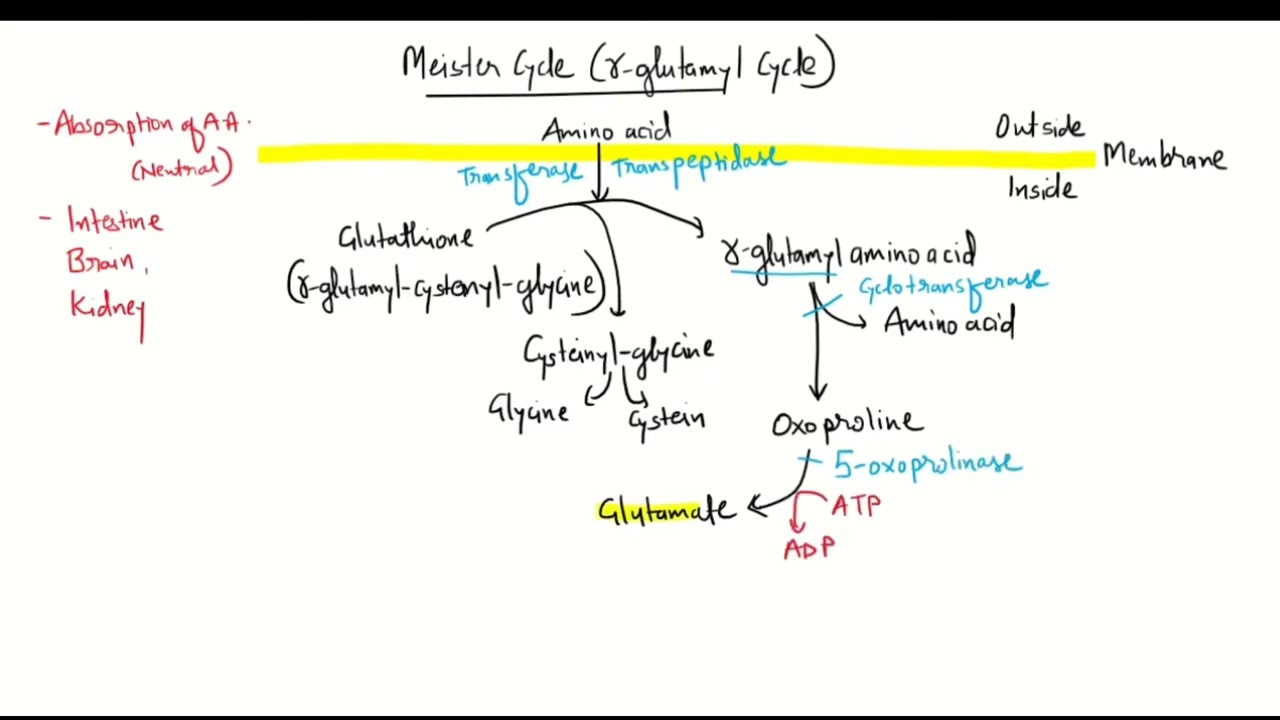
Meister cycle g-glutamyl cycle Mnemonic

The Meister cycle, also known as the γ-glutamyl cycle, is a crucial biochemical pathway responsible for the synthesis and regulation of glutathione”a vital antioxidant that protects cells from oxidative damage and maintains redox balance. First proposed by biochemist Alton Meister, this cycle also plays a significant role in amino acid transport across cell membranes.

Key Steps of the Meister Cycle


Glutathione Synthesis:

The cycle begins with the synthesis of glutathione (GSH) from its precursor amino acids: glutamate, cysteine, and glycine. This process involves two ATP-dependent enzymatic reactions:
Glutamate combines with cysteine to form γ-glutamylcysteine, catalyzed by the enzyme glutamate-cysteine ligase.
γ-Glutamylcysteine then conjugates with glycine to produce glutathione, facilitated by glutathione synthetase.


Amino Acid Transport:

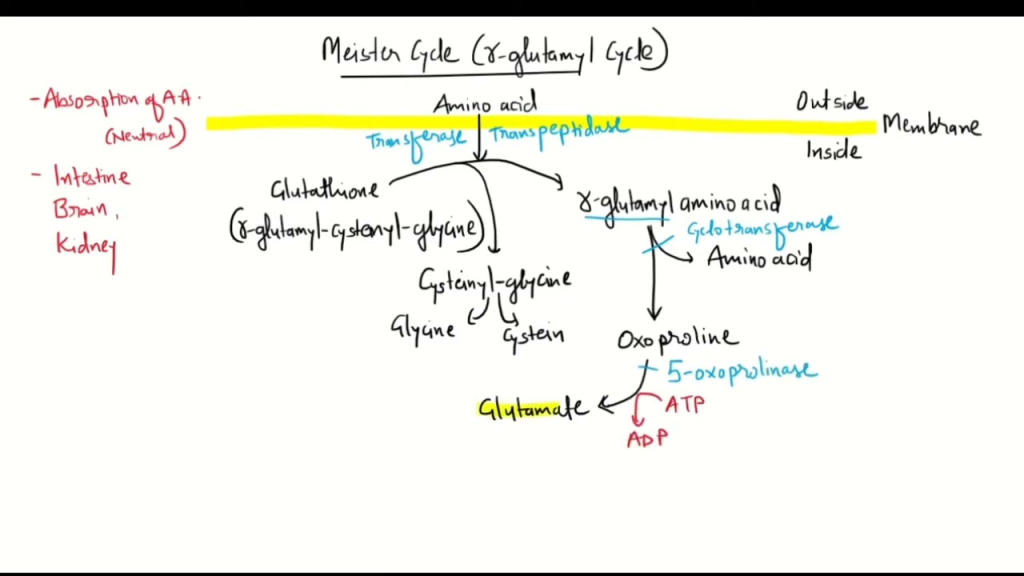
Glutathione interacts with γ-glutamyl transpeptidase (GGT) on the cell membrane, transferring its γ-glutamyl group to an amino acid, forming a γ-glutamyl-amino acid complex. This complex is transported into the cell, where it is broken down to release the free amino acid and 5-oxoproline.
5-Oxoproline Conversion: 5-Oxoproline is converted back to glutamate by the enzyme 5-oxoprolinase, allowing the cycle to continue.


The Meister Cycle Mnemonic easy


The Meister Cycle (or the γ-glutamyl cycle) is involved in amino acid transport and glutathione metabolism. A mnemonic to remember the key steps is:

“Good Teachers Always Make Great Notes”

Where each letter corresponds to a step in the cycle:

G → Glutathione (GSH)
T → γ-Glutamyl Transferase (GGT) (Transfers glutamyl group to amino acid)
A → Amino Acid Transport (Across the membrane)
M → γ-Glutamyl Cyclotransferase (Forms 5-oxoproline)
G → 5-Oxoprolinase (Converts 5-oxoproline back to glutamate)
N → New Glutathione (GSH) Formation
This mnemonic helps recall the cycle’s flow, emphasizing glutathione’s role in amino acid transport and metabolism. Let me know if you want a simpler or more detailed version!
Physiological Significance:
Antioxidant Defense: Glutathione neutralizes reactive oxygen species (ROS), protecting cells from oxidative stress.
Detoxification: It conjugates with toxic compounds, facilitating their excretion from the body.
Amino Acid Transport: The cycle assists in the uptake of amino acids into cells, essential for protein synthesis and various metabolic processes.
Disruptions in the Meister cycle can lead to decreased glutathione levels, impairing cellular defense mechanisms and increasing susceptibility to oxidative damage. Understanding this cycle is fundamental in fields like biochemistry and medicine, especially concerning diseases linked to oxidative stress and amino acid metabolism disorders.

For a visual explanation of the Meister cycle, you might find this video helpful


Disruptions in the Meister cycle, particularly in glutathione metabolism, can lead to various pathological conditions. These disorders arise due to impaired antioxidant defense, defective amino acid transport, and metabolic imbalances. Below are some key pathologies associated with the Meister cycle:

  1. Glutathione Deficiency Disorders
    Glutathione Synthetase Deficiency: A rare autosomal recessive disorder causing severe metabolic acidosis, hemolytic anemia, and neurological symptoms due to the inability to synthesize glutathione.
    5-Oxoprolinuria (Pyroglutamic Aciduria): Caused by defects in glutathione synthetase or 5-oxoprolinase, leading to excessive urinary excretion of 5-oxoproline, metabolic acidosis, and neurological impairment.
  2. Oxidative Stress-Related Diseases
    Neurodegenerative Disorders: Conditions like Parkinson disease, Alzheimers disease, and amyotrophic lateral sclerosis (ALS) are associated with decreased glutathione levels, leading to increased oxidative damage in neurons.
    Cardiovascular Diseases: Oxidative stress due to glutathione imbalance contributes to atherosclerosis, hypertension, and myocardial infarction.
    Cancer: Some cancers exploit glutathione metabolism to resist oxidative stress and chemotherapy, making it a target for cancer treatment strategies.
  3. Metabolic and Genetic Disorders
    Cystic Fibrosis: Patients often exhibit reduced glutathione levels in lung epithelial lining fluid, contributing to chronic inflammation and oxidative damage.
    Diabetes Mellitus: Oxidative stress from glutathione depletion plays a role in insulin resistance and complications like diabetic neuropathy and nephropathy.
  4. Liver and Kidney Diseases
    Hepatic Disorders: Conditions like non-alcoholic fatty liver disease (NAFLD) and alcoholic liver disease show glutathione depletion, impairing detoxification and increasing liver damage.
    Chronic Kidney Disease (CKD): Impaired glutathione metabolism in CKD contributes to oxidative stress and progression of renal dysfunction.
  5. Drug and Toxin Sensitivity
    Acetaminophen (Paracetamol) Toxicity: Overdose depletes glutathione stores, leading to hepatotoxicity. Treatment involves N-acetylcysteine (NAC), a glutathione precursor.
    Heavy Metal Toxicity: Lead, mercury, and cadmium deplete glutathione, increasing cellular damage.

    The Meister cycle plays a crucial role in maintaining cellular health by regulating glutathione levels. Disruptions in this cycle contribute to a wide range of diseases, from genetic disorders to age-related neurodegeneration. Understanding these associations is essential for developing targeted therapeutic interventions.

About Dr chaitanya Joshi MBBS

Who is Dr Chaitanya Joshi?

Dr Chaitanya Joshi

Table of contents (toc)

Introduction

I’m a MBBS doctor from Nepal, Dr. Chaitanya Joshi, Currently practicing in Kathmandu. My lifelong interests have been in medicine and science, and I can’t wait to share my knowledge and experiences with you all. I am always learning as a doctor and looking for new methods to advance my abilities and expertise.

Childhood

I do, however, also have a desire to share my knowledge and experience with
others. I started this blog in order to interact with other people who have a
similar love of science and medicine while also sharing my ideas, observations,
and experiences as a doctor.

Education

The other purpose of my blog is also to teach the
students and my juniors various stuffs regarding medicine and scence as well.

Current Activities

I
hope that by writing this blog, I will encourage people to follow their
passions.
Dr Chaitanya Joshi

Involvements

I have a hope that this website/blog will someday turn into a medical / sciencce
hub that will host a lot of medical/science education mostly for Nepalese and
Indian communities for better knowledge regarding the topics.

Future Plans

Please contact me if you have any query using contact us button abve or
bottom.

Contact and further details

Contact me through contact button at bottom.

{
“@context”: “https://schema.org/”,
“@type”: “Person”,
“name”: “Dr Chaitanya Joshi”,
“url”: “https://www.chaitanya.com.np/”,
“image”: “https://chaitanya.com.np/wp-content/uploads/2025/02/IMG_20220510_234630_758.jpg”,
“jobTitle”: “Doctor, Author”,
“worksFor”: {
“@type”: “Organization”,
“name”: “www.chaitanya.com.np”
},
“sameAs”: [
“https://fb.com/chaitanya.com.np”,
“https://www.twitter.com/cjoshi0”,
“https://www.wa.me/+9779848843589”,
“https://www.pinterest.com/chaitanya_com_np/”,
“https://vk.com/id454888919”,
“https://www.instagram.com/joshi.chaitanya”,
“https://www.youtube.com/@cjoshi0”
]
}

Immunization Schedule for Missed Children 2081in Nepal

Immunization Schedule for Missed Children in Nepal 2081

Table of Contents (toc)

Introduction

Immunization Schedule for Missed Children in Nepal 2081

FAQs

FAQs on Missed Vaccination Schedules

  1. What is the BCG vaccination schedule if missed?

    • If missed in the routine schedule:
      • Up to 12 months: 1 dose.
      • 12 months to 23 months: The standard dose applies, and no Tuberculin Skin Test (TST) is needed.

      • 24 months to 5 years: The same dose is recommended.
  2. What happens if a child misses the Rotavirus vaccine?

    • The Rotavirus vaccine should not be given to children above 2 years of age.
  3. How is the bOPV vaccine administered if missed?

    • If missed, 3 doses are required with a 1-month interval between each dose.
  4. What is the schedule for the fIPV vaccine if missed?

    • If missed, 2 doses are required with a 4-month interval between doses.
  5. How can the PCV vaccine be administered if missed?

    • Up to 12 months: 3 doses with a 1-month interval between doses.
    • 12 to 23 months: 2 doses with a 2-month interval between doses.

  6. What is the catch-up schedule for the DPT-HepB-Hib (Pentavalent) vaccine?

    • Up to 12 months: 3 doses with a 1-month interval.
    • 24 months to 5 years: 3 doses with a 1-month interval between the 1st and 2nd dose, and 6 months between the 2nd and 3rd dose.
  7. What is the MR vaccine catch-up schedule?

    • 9 months to <15 months:

      • 1st dose at the first contact and 2nd dose at 15 months of age, with at least a 1-month gap between doses.
    • ≥15 months to 5 years: 2 doses with a 1-month interval between them.
  8. At what age can the JE vaccine be given if missed?

    • If missed, 1 dose can be given at any age.
  9. What is the TCV vaccine schedule if missed?

    • ≥15 months to 5 years: 1 dose can still be administered.
  10. Can a child older than 5 years receive the vaccines listed in this table?

    • No, the catch-up vaccination schedules mentioned in the table are for children up to 5 years of age.

Paracetamol Poisoning: 5 things Medical Professionals Need to Know to Save Lives

Acetaminophen poisoning (Paracetamol overdose) : Medical summary for nerds

Emergency sign in a hospital

(For specific and authentic data please visit toxbase database or contact your local authority)


Table of contents(toc)

1. What is paracetamol?

Paracetamol is a medication with chemical name para-hydroxyacetanilide (N-4- hydroxyphenylethanamide) commonly used as mild analgesic and antipyretic i.e., to control pain and reduce fever.
The common brand names include Tylenol and Panadol. The brand names in Nepal and India include Algina, Amol, Ampol, Anmol, Bisek, Cemol, Cetamol, Cetafast, Cetophen, Dolo, Dolopar, Evamol, Febrex, Femol, G-MOL, Hedex, Lotemp, Medomol, Monamol, Napa, Niko, Pacimol, Paracet, Paramol, Parapain, Phenocet, PICIMOL, Polar, Pyrinol, Rexamol, Supa, Supumol, Symol, Timol, Winmol, Panadol and hundreds of more.

Occasionally Paracetamol, acetaminophen is also abbreviated as PCM in Nepal and India.

2. How is paracetamol/acetaminophen given?

Paracetamol or Acetaminophen comes in multiple dosage forms including oral tablets, syrup and suspensions, oral drops, capsules, chewable tablets, suppositories and injectables like intramuscular IM injections and IV intravenous injection forms. This drug is also available in suppository form for per rectal route (PR).

3. How does Paracetamol work? Mechanism of action of Paracetamol (Mechanism of action of Acetaminophen)?

Paracetamol when taken by any route reaches blood and from there to hypothalamus which is part of brain.

This part of brain controls the temperature of the body and by manipulating the part, paracetamol controls fever.

The mechanism by which it controls pain is not clear yet.

4. What is the dose of Paracetamol / Acetaminophen? Can drug overdose occur with paracetamol?

The general recommended dose of paracetamol is 10-15 mg/kg per dose up to four times a day and for adults it can be given up to one gram per dose four times a day. At this dose it is useful for pain management as well as fever control. Maximum recommended dose is up to 4 grams i.e., 4000 mg per day under supervision of doctor to prevent toxicity and side effects.
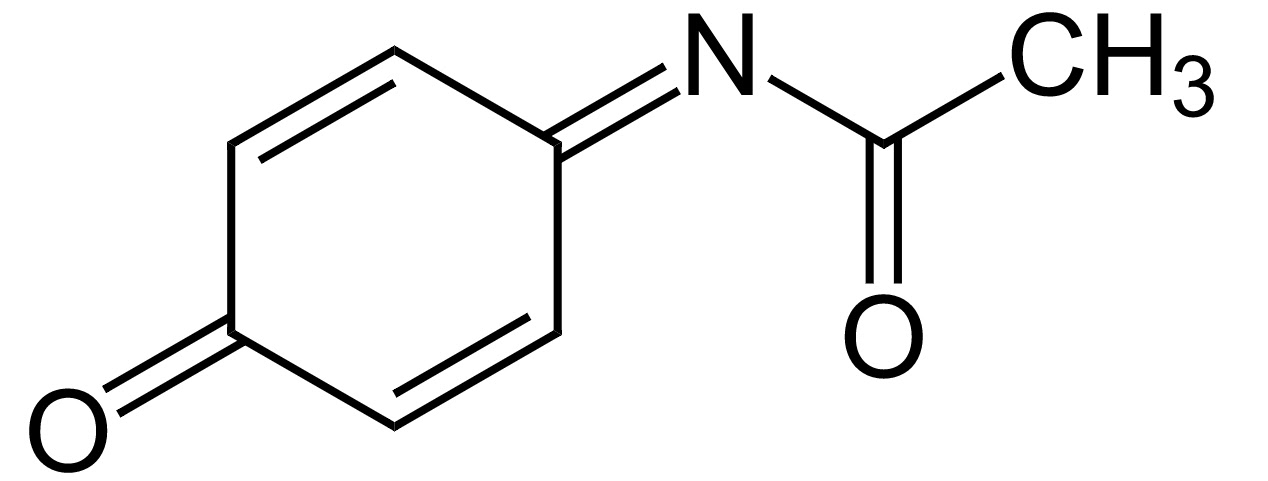
molecular structure of paracetamol

5. What are the dosage concentrations or tablets available for PCM/ Paracetamol?

Paracetamol is available in following dosage forms:


  1. Tablets and capsules: 250 mg, 500 mg, 325 mg and 650 mg

  2. Suppositories: 125 mg, 250 mg

  3. Syrup for children /pediatric: 125 mg/5ml, 250 mg/5ml, 500mg/5ml

  4. Drop for children/pediatric: 200mg/5ml, 400 mg/5ml

Various other concentrations are available in other parts of the world as well. The drug is also available in combination with various other group of drugs and medications like antihistamines, opioids (like tramadol+Paracetamol, codeine+paracetamol), cough medications, muscle relaxants and NSAIDS like ibuprofen (Flexon) etc.

Yes. Paracetamol can cause overdose and related side effects if given in dose recommended above. Hence, when you need to take high dose of paracetamol or repeated dose of paracetamol you should consider consulting a physician. Single very high dose for paracetamol can be very dangerous while repeated high doses can also lead to hepatic toxicity.

7. What happens when you overdose on paracetamol or acetaminophen? What are the symptoms of acute toxicity?

Overdose may occur if paracetamol is taken more than recommended dose by any route. The paracetamol poisoning (paracetamol toxicity or overdose) hits on liver mainly. It causes liver injury and finally liver damage and liver failure after high dose is taken. The liver may completely stop working also called fulminant liver failure. The patient may go into coma and subsequent multiorgan failure leading to death with few days.

The dose at which symptoms and signs of Paracetamol overdose occur in adults is 7.5-10g.

8. Will taking one or two extra tablets cause overdose? How many tablets of paracetamols can cause toxicity?

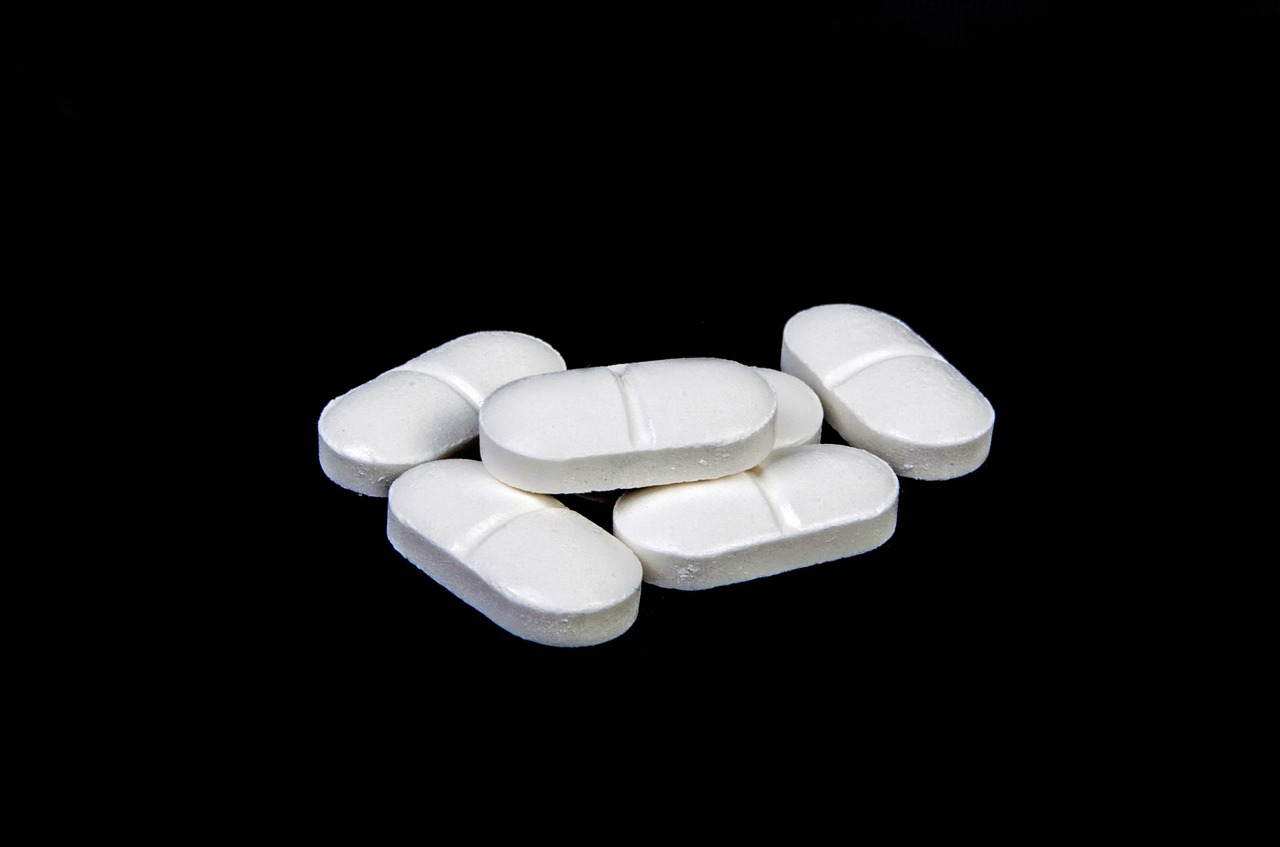
No. Generally, fulminant liver toxicity may not occur if you take one or two extra tablets. Generally, 8 tables of 500mg dose are safe in healthy adults.

9. What happens to the paracetamol or any drug that is in our body? Metabolism of Paracetamol/ Pharmacokinetics of Paracetamol?

Paracetamol is metabolized mainly in liver. It occurs in the microsomal enzyme system and by the reaction called conjugation. Thus-formed by products are excreted in urine.

10. How does paracetamol toxicity occur? What is pathophysiology of Paracetamol / PCM poisoning?

A single high dose or repeated dose making total large amount in a day or two may cause liver injury.

It is most common cause of acute liver failure in united states.

Dose and  Chance of toxicity

  • Single dose of 7.5-10 g
  1. Unlikely

  • Single dose of 250mg/kg or more than12g/24hr

  1. Toxicity is likely to occur

  • Dose of more than 350mg/kg

  1. All patient develop toxicity
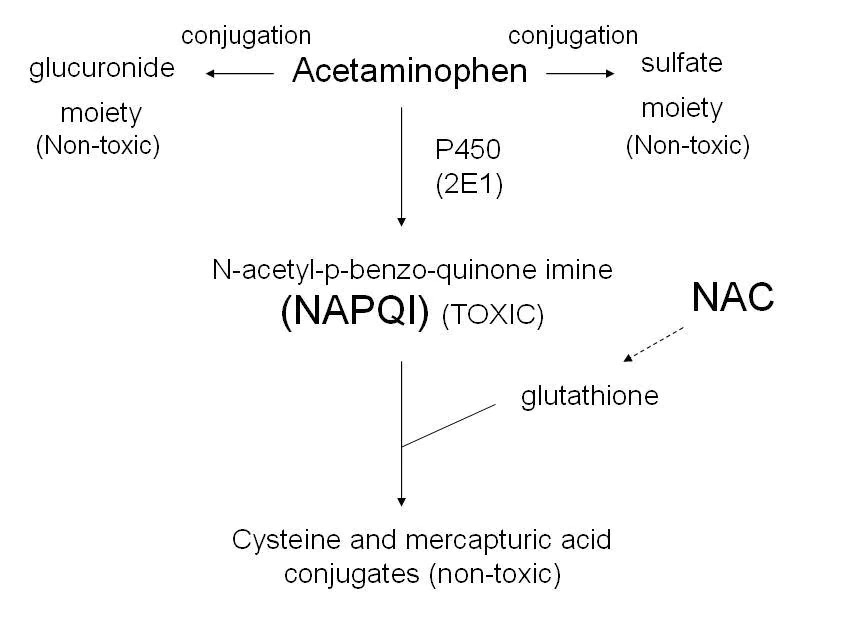
  2. Mechanism of poisoning and toxicity is also explained in the image above.
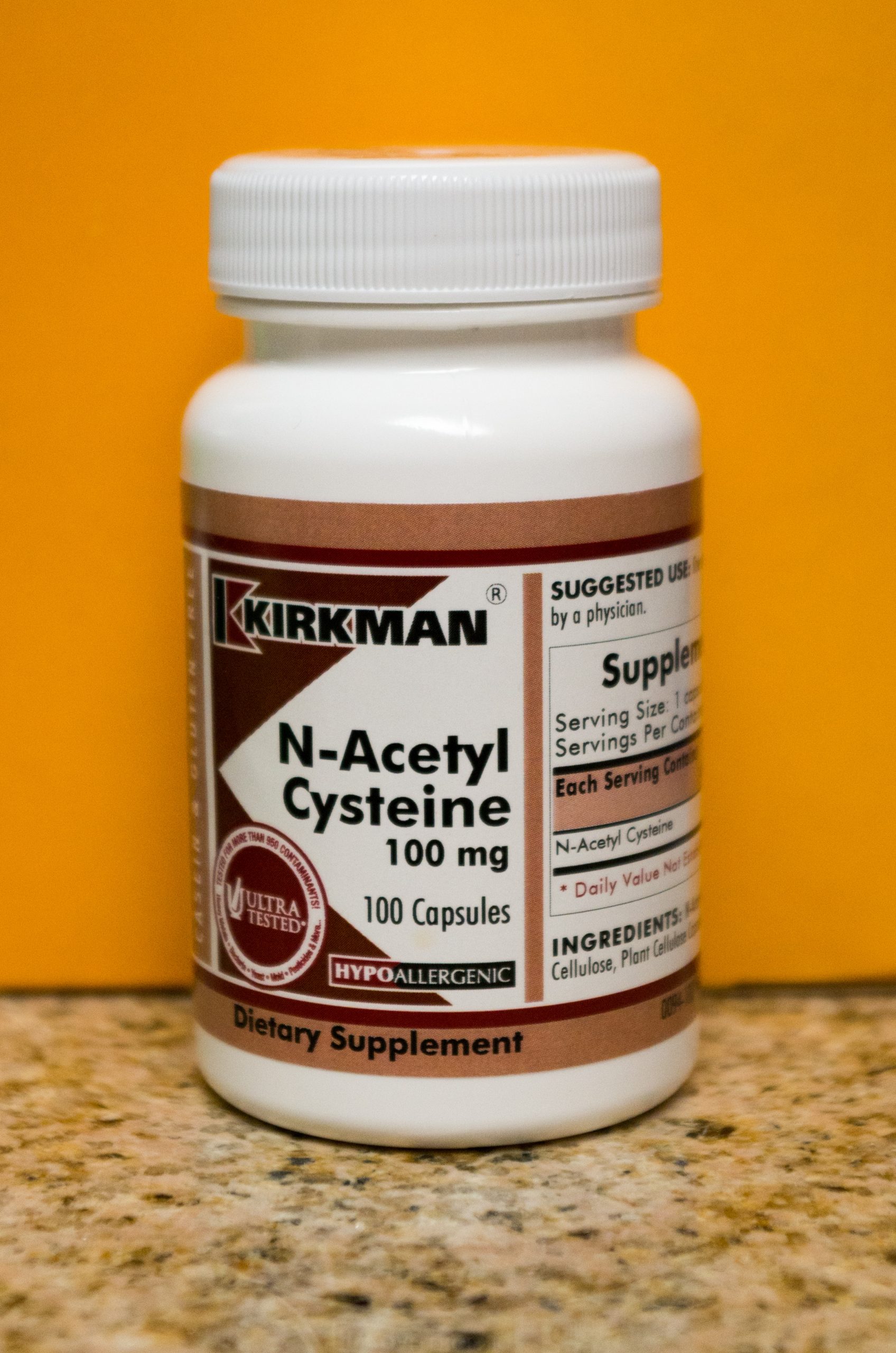
NAC ( N-acetyl cysteine) is the antidote of paracetamol poisoning

11. Symptoms and signs of paracetamol toxicity, acetaminophen toxicity:

a. Asymptomatic

  • No symptoms

b. Symptoms may appear up to only after 24-48 hours

Phases of toxicity:

  • Phase 1:

  1. Up to 24 hours Anorexia or decreases appetite
  2. Nausea and vomiting Malaise

  • Phase 2:

  1. Up to 72 hours
  2. Liver pain, right upper abdomen pain
  3. Anorexia
  4. Nausea and vomiting Low blood pressure and increased heart rate

  • Phase 3: Hepatic phase

  1. 3 days to 4 days
  2. Nausea and vomiting continues
  3. Abdominal pain
  4. Lier starts to be destroyed and necrosis starts
  5. Jaundice
  6. Bleeding
  7. Hypoglycemia (fall in sugar levels)
  8. Death due to multiorgan failure

Phase 4: Recovery phase

  1. 4 days to 21 days
  2. Patient who recovered from phase 3 go into resolution of the symptoms

12. What investigations / tests are needed?

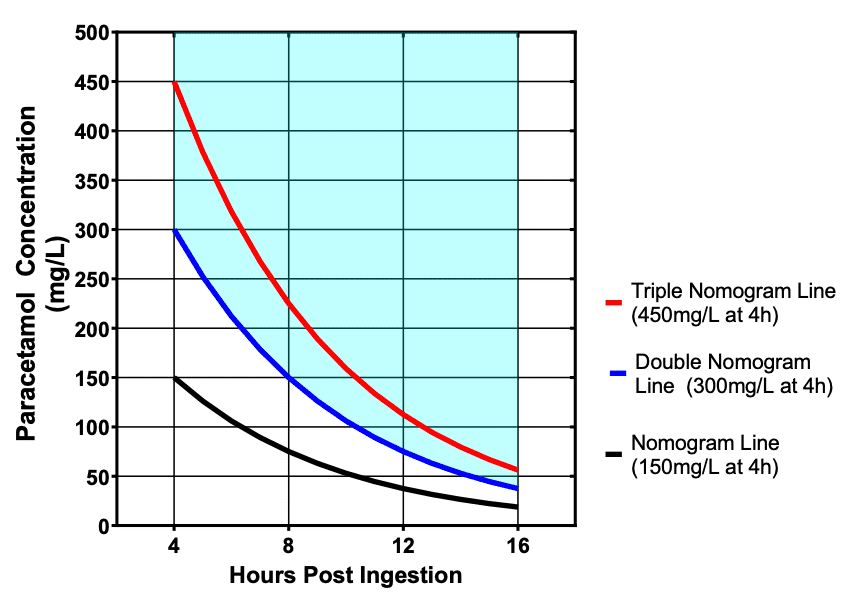
13. What is Rumack-Matthew nomogram?

It is the chart used to detect possibility of hepatotoxicity after single dose ingestion of Acetaminophen (paracetamol). Serum (blood) acetaminophen (paracetamol) level is used for this prediction. This begins after 4 hours of ingestion and continued till 24 hours. Around 60% of people with blood paracetamol level above probable line will develop hepatotoxicity.

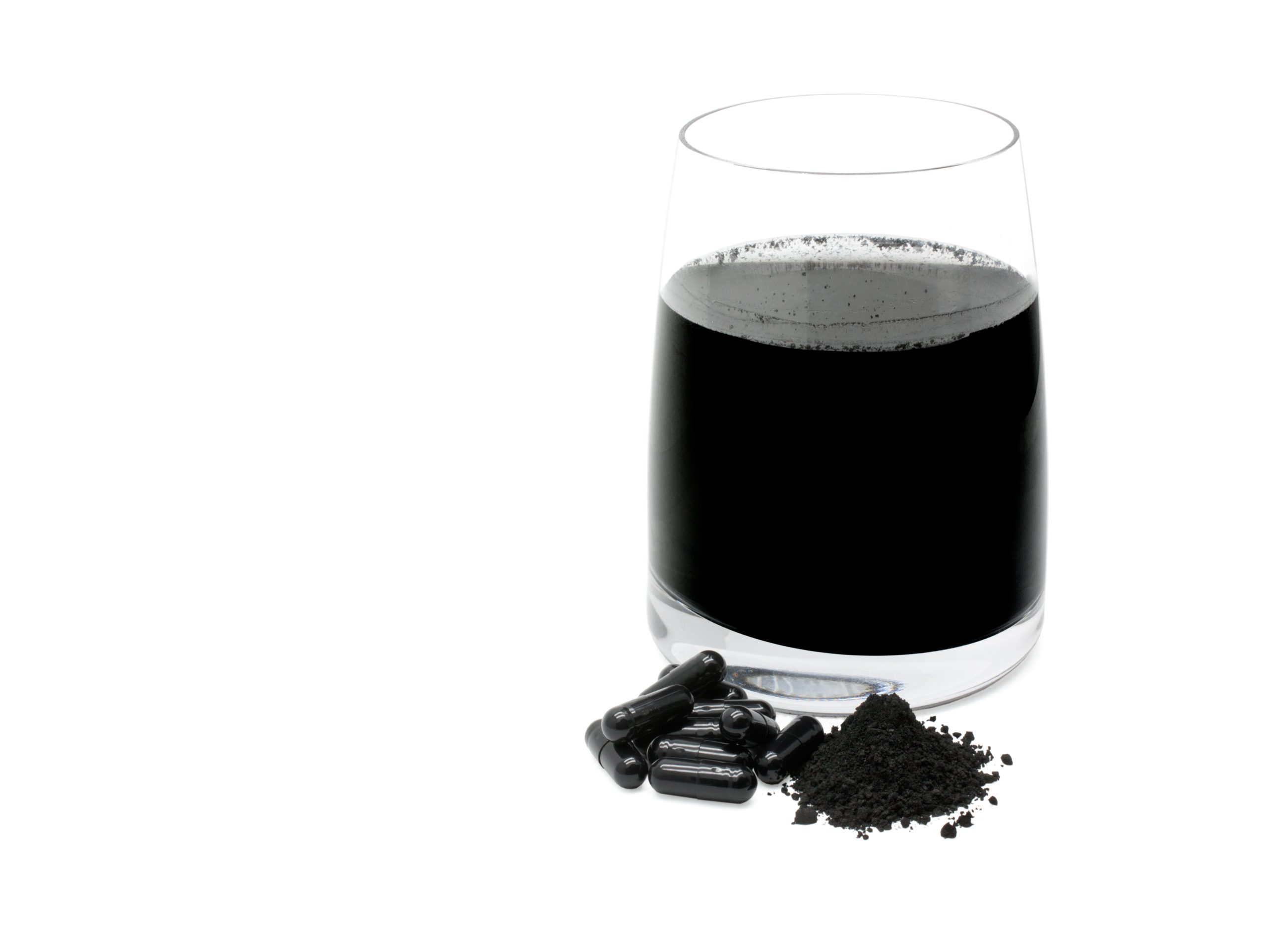
activated charcol used for paracetamol poisoning

14. How is paracetamol or acetaminophen overdose/toxicity treated?

a. Gastrointestinal decontamination using Activated charcoal (AC) if within one hour
b. Then if the patient has taken dose less than toxic, they can be discharged home but if they have taken more than toxic dose they should be treated with N-acetyl cysteine (NAC)

activated charcol in a container used for paracetamol poisoning
  • NAC given within 8 hours is 100% effective
  • NAC ( N-acetyl cysteine) is the antidote of paracetamol poisoning

i. NAC is available in both oral and IV formulations
ii. IV formulation is generally preferred
iii. The oral dosage is as follows

a. Loading dose is 140 mg/kg
b. Total 17 doses of 70 mg/kg given every four hourly in total duration of 72 hours.
c. IV NAC is also preferred when orally not tolerated or contraindicated
iv. The IV dose is as follows

a. Loading dose: is given as 150 mg/kg; mixed in 200 mL of 5% dextrose solution(D5) and infused over 1 hour

b. Dose 2 is given 50 mg/kg in 500 mL D5 infused over 4 hours

c. Dose 3 is given 100 mg/kg in 1000 mL D5 over 16 hours

NAC ( N-acetyl cysteine) is the antidote of paracetamol poisoning

15. Is liver transplant required for paracetamol poisoning?

If medical treatment for Paracetamol poisoning fails due to various reasons the liver completely stops working and never comes back also known as hepatic failure. Such patients if survived may need liver transplant.

16. What happens if I the patient comes late?

If the patient presents within 24 hours, then NAC still can be effective and should be started. The patient is further evaluated for potential toxicity of the acetaminophen and its effects as well. NAC also helps in liver repair in case of injures that have already occurred.

17. Which antiemetics can be given for nausea and vomiting?

Metoclopramide and Ondansetron are useful in this case. Metoclopramide is the drug of choice.

18. What is plasma acetaminophen level and whyis it required?

The doctor may require to check Plasma/blood level of paracetamol if the patient presents late and the amount of Paracetamol/acetaminophen ingested could not be told by the patient. This is useful to plan treatment accordingly.

Disclaimer: This information is for educationsl purpose only and is mainly for medical students with technical knoledge. If youre searching for medical advice please contact your doctor or nearby hospital. If anyone had taken more than recommended dose paaracetamol please take that person to hospital immidiately or contact your emergency health services immidiately.

Top 100 PCL Nurses Loksewa and License Exam Model Question for RN and PCLN 2081

Nursing license questions PCL Nurses Loksewa and License Exam 2081 BS

PCL Nurses Loksewa and License Exam Model Question

Table of Contents(toc)


General Nursing

1. What is the primary role of a nurse?

A) To administer medications
B) To assist in surgeries
C) To provide patient care
D) To manage hospital
finances

2. Which organization regulates nursing practice in Nepal?

A) WHO
B) ICN
C) NNC
D) NMA

3. The normal range of body temperature for a healthy adult is:

A) 34.5-35.5°C
B) 36.5-37.5°C
C) 38.5-39.5°C
D) 40.5-41.5°C

4. What is the most common site for measuring the pulse rate?

A) Temporal artery
B) Brachial artery
C) Radial artery
D) Femoral artery

5. Which of the following is an example of a subjective data?

A) Blood pressure
B) Patient’s pain level
C) Respiratory rate
D) Temperature

6. The normal range of blood pressure for a healthy adult is:

A) 90/60 mmHg
B) 120/80 mmHg
C) 140/90 mmHg
D) 160/100 mmHg

7. What does PRN stand for in medical terms?

A) As needed
B) Once daily
C) Twice daily
D) Three times daily

8. Which of the following is not a vital sign?

A) Temperature
B) Pulse
C) Weight
D) Respiratory rate

9. Aseptic technique is used to:

A) Clean wounds
B) Prevent infection
C) Administer medications
D) Measure vital signs

10. The term “diuresis” refers to:

A) Increased urine output
B) Decreased urine output
C) Blood in urine
D) Painful urination

11. The most common site for intramuscular injection in adults is:

A) Deltoid muscle
B) Vastus lateralis
C) Rectus femoris
D) Dorsogluteal

12. Which of the following is a sign of hypoglycemia?

A) Increased thirst
B) Shakiness
C) Frequent urination
D) Flushed skin

13. What is the purpose of an incentive spirometer?

A) To measure blood oxygen
levels
B) To assist with
administering medication
C) To encourage deep
breathing
D) To monitor heart rate

14. The medical term for a heart attack is:

A) Myocardial infarction
B) Angina pectoris
C) Cardiac arrest
D) Stroke

15. The Glasgow Coma Scale is used to assess:

A) Pain levels
B) Consciousness
C) Cardiac function
D) Respiratory rate

16. Which of the following is a characteristic of chronic pain?

A) Sudden onset
B) Short duration
C) Easy to diagnose
D) Persistent and
long-lasting

17. What is the normal respiratory rate for a healthy adult?

A) 12-20 breaths per minute
B) 8-12 breaths per minute
C) 20-28 breaths per minute
D) 28-32 breaths per minute

18. Which of the following diseases is caused by a virus?

A) Tuberculosis
B) Malaria
C) Influenza
D) Cholera

19. The abbreviation “NPO” means:

A) As needed
B) Nothing by mouth
C) By mouth
D) After meals

20. Which vitamin is essential for blood clotting?

A) Vitamin C
B) Vitamin K
C) Vitamin D
D) Vitamin A

Pharmacology

21. Which drug is commonly used to treat hypertension?

A) Metformin
B) Amoxicillin
C) Lisinopril
D) Diazepam

22. The antidote for opioid overdose is:

A) Atropine
B) Naloxone
C) Acetylcysteine
D) Flumazenil

23. Which of the following is a side effect of aspirin?

A) Hypotension
B) Gastrointestinal
bleeding
C) Bradycardia
D) Hyperglycemia

24. The action of insulin in the body is to:

A) Lower blood glucose
levels
B) Increase blood pressure
C) Decrease heart rate
D) Stimulate digestion

25. Which medication is used to treat an acute asthma attack?

A) Loratadine
B) Montelukast
C) Albuterol
D) Fluticasone

Mental Health Nursing

26. The primary goal of therapeutic communication is to:

A) Give advice
B) Promote understanding
C) Manage patient behavior
D) Obtain information

27. Which of the following is a negative symptom of schizophrenia?

A) Hallucinations
B) Delusions
C) Anhedonia
D) Paranoia

28. Lithium is commonly used to treat:

A) Anxiety disorders
B) Bipolar disorder
C) Schizophrenia
D) Depression

29. Which of the following is considered a sign of substance dependence?

A) Stable relationships
B) Increased tolerance to the
substance
C) Consistent job
performance
D) Controlled use of the
substance

Maternal and Child Health Nursing

30. The normal duration of the human pregnancy is:

A) 38 weeks
B) 40 weeks
C) 42 weeks
D) 44 weeks

31. Preeclampsia is characterized by:

A) Hypotension and
proteinuria
B) Hypertension and
proteinuria
C) Hyperglycemia and
ketonuria
D) Hypoglycemia and
polyuria

32. The first stage of labor begins with:

A) Full cervical dilation
B) Onset of regular
contractions
C) Delivery of the baby
D) Delivery of the placenta

33. Which immunization is given to a newborn within 24 hours of birth?

A) BCG
B) DPT
C) Hepatitis B
D) OPV

34. The first milk produced by the mother after childbirth is known as:

A) Hindmilk
B) Colostrum
C) Mature milk
D) Foremilk

Medical-Surgical Nursing

35. Which of the following is a common postoperative complication?

A) Hyperglycemia
B) Deep vein thrombosis
C) Hypotension
D) Hyperkalemia

36. What is the primary cause of peptic ulcers?

A) Stress
B) Helicobacter pylori
infection
C) Spicy food
D) Alcohol consumption

37. A patient with COPD is most likely to exhibit which symptom?

A) Bradycardia
B) Cyanosis
C) Hypotension
D) Weight gain

38. The most effective method to prevent pressure ulcers in bed-ridden
patients is:

A) Using a special mattress
B) Regularly changing the
patient’s position
C) Massaging bony
prominences
D) Keeping the skin dry

39. The term “nosocomial infection” refers to an infection that is:

A) Acquired in the
community
B) Acquired in a healthcare
facility
C) Resistant to antibioticsantibiotics
D) Caused by a virus

Community Health Nursing

40. What is the primary focus of community health nursing?

A) Hospital-based care
B) Preventive care
C) Acute care
D) Long-term care

41. In which setting would a community health nurse most likely work?

A) Hospital
B) School
C) Pharmacy
D) Laboratory

42. What is the primary goal of health education in the community?

A) To diagnose diseases
B) To promote healthy
behaviors
C) To dispense medications
D) To perform surgeries

43. The term “epidemiology” refers to the study of:

A) Human behavior
B) Disease patterns in
populations
C) Medication effects
D) Healthcare economics

Leadership and Management

44. What is the primary role of a nurse manager?

A) Direct patient care
B) Budget management
C) Staff scheduling
D) Policy development

45. Which leadership style encourages participation from all team
members?

A) Autocratic
B) Democratic
C) Laissez-faire
D) Transactional

46. The process of evaluating employee performance is called:

A) Coaching
B) Mentoring
C) Performance appraisal
D) Conflict resolution

Ethical and Legal Issues

47. Which principle emphasizes the importance of telling the truth?

A) Autonomy
B) Nonmaleficence
C) Veracity
D) Justice

48. What is the legal doctrine that protects healthcare professionals
from liability for rendering emergency care?

A) Informed consent
B) Res ipsa loquitur
C) Good Samaritan law
D) Negligence

49. Which ethical principle guides healthcare professionals to do good?

A) Autonomy
B) Beneficence
C) Nonmaleficence
D) Justice

50. What is the legal age of consent for medical treatment in Nepal?

A) 16 years
B) 18 years
C) 21 years
D) 25 years

Research in Nursing

51. What is the purpose of a literature review in nursing research?

A) To summarize the findings
of the study
B) To identify gaps in
existing knowledge
C) To recruit participants for
the study
D) To analyze the data
collected

52. Which type of research design involves manipulating variables to
establish cause-and-effect relationships?

A) Descriptive research
B) Correlational research
C) Experimental research
D) Qualitative research

53. What is a hypothesis in nursing research?

A) A tentative prediction
about the relationship between variables
B) A summary of existing
literature on the topic
C) A statement of the study’s
objectives
D) A description of the study
population

Nursing Informatics

54. What is the primary purpose of electronic health records (EHRs) in
nursing practice?

A) To bill insurance companies
for services provided
B) To document patient care in
a digital format
C) To communicate with other
healthcare providers
D) To order medications and
treatments for patients

55. What is the role of a nurse informaticist?

A) To provide direct patient
care
B) To develop software for
healthcare applications
C) To analyze and manage
healthcare data
D) To conduct nursing
research

Gerontological Nursing

56. What is a common health issue faced by older adults?

A) Autism
B) Scoliosis
C) Hypertension
D) Cleft lip

57. Which intervention is helpful in preventing falls in older adults?

A) Encouraging high-risk
activities
B) Limiting physical
activity
C) Ensuring adequate
lighting
D) Encouraging use of scatter
rugs

Pediatric Nursing

58. What is a common immunization given to infants at birth?

A) MMR
B) DTaP
C) Hepatitis B
D) Varicella

59. Which milestone typically occurs in infants at around 6 months of
age?

A) Walking independently
B) Crawling
C) Babbling
D) Smiling

Pediatric Nursing

58. What is a common immunization given to infants at birth?

A) MMR
B) DTaP
C) Hepatitis B
D) Varicella

59. Which milestone typically occurs in infants at around 6 months of
age?

A) Walking independently
B) Crawling
C) Babbling
D) Smiling

Nutrition and Diet Therapy

60. What is the recommended daily intake of water for adults?

A) 1 liter
B) 2 liters
C) 3 liters
D) 4 liters

61. Which nutrient is the body’s primary source of energy?

A) Protein
B) Fat
C) Carbohydrate
D) Vitamin

Emergency Nursing

62. What is the first step in the nursing process during an emergency
situation?

A) Diagnosis
B) Assessment
C) Planning
D) Evaluation

63. What is the primary goal of triage in the emergency department?

A) Provide definitive care
B) Determine the severity of
injuries/illnesses
C) Administer pain relief
D) Document patient
complaints

Surgical Nursing

64. What is the purpose of preoperative teaching for surgical patients?

A) To administer anesthesia
B) To reduce anxiety and
promote recovery
C) To monitor vital signs
during surgery
D) To perform postoperative
care

65. Which complication is common after abdominal surgery?

A) Urinary tract infection
B) Pneumonia
C) Deep vein thrombosis
D) Migraine headache

Obstetric Nursing

66. What is the role of a doula during childbirth?

A) Perform medical
interventions
B) Provide emotional and
physical support
C) Administer anesthesia
D) Assist with surgical
procedures

67. Which position is often recommended for a woman in labor to ease
pain?

A) Supine
B) Prone
C) Sitting upright
D) Lateral

Rehabilitation Nursing

68. What is the primary goal of rehabilitation nursing?

A) To provide acute care
B) To promote independence and
improve function
C) To prevent readmissions
D) To administer medication

69. Which healthcare professional typically leads a rehabilitation team?

A) Physician
B) Nurse
C) Physical therapist
D) Social worker

Palliative Care Nursing

70. What is the primary goal of palliative care?

A) Cure the underlying
disease
B) Provide comfort and improve
quality of life
C) Administer aggressive
treatment
D) Extend life expectancy

71. Which symptom is commonly managed in palliative care?

A) Pain
B) Fever
C) Hypertension
D) Insomnia

Holistic Nursing

72. What is the focus of holistic nursing?

A) Treating only physical
symptoms
B) Addressing the whole
person: body, mind, and spirit
C) Prescribing medication
D) Performing surgeries

73. Which complementary therapy is commonly used in holistic nursing to
promote relaxation?

A) Acupuncture
B) Aromatherapy
C) Radiation therapy
D) Chemotherapy

Mental Health Nursing

74. What is the primary focus of psychiatric nursing?

A) Physical health
B) Emotional and mental
well-being
C) Social interactions
D) Cognitive function

75. Which therapeutic communication technique involves restating the
client’s message in the nurse’s own words?

A) Reflection
B) Clarification
C) Validation
D) Paraphrasing

Infectious Disease Nursing

76. Which precaution is recommended when caring for a patient with
tuberculosis (TB)?

A) Airborne precautions
B) Droplet precautions
C) Contact precautions
D) Standard precautions

77. What is a common symptom of influenza?

A) Rash
B) Cough
C) Jaundice
D) Diarrhea

Substance Abuse Nursing

78. What is the first step in the nursing process when caring for a
client with substance abuse?

A) Diagnosis
B) Assessment
C) Planning
D) Evaluation

79. Which medication is commonly used in the treatment of opioid
addiction?

A) Methadone
B) Antibiotics
C) Antidepressants
D) Insulin

Wound Care Nursing

80. What is the first step in wound healing?

A) Maturation
B) Inflammation
C) Proliferation
D) Hemostasis

81. Which type of wound dressing promotes a moist wound environment?

A) Dry gauze
B) Hydrocolloid
C) Alginate
D) Transparent film

Oncology Nursing

82. Which type of cancer affects the blood and bone marrow?

A) Leukemia
B) Melanoma
C) Lung cancer
D) Breast cancer

83. What is the primary treatment modality for cancer?

A) Surgery
B) Radiation therapy
C) Chemotherapy
D) Immunotherapy

Cardiovascular Nursing

84. What is the primary nursing intervention for a patient with chest
pain?

A) Administer pain
medication
B) Perform CPR
C) Assess vital signs
D) Activate emergency
response

85. Which condition is characterized by irregular heart rhythms?

A) Bradycardia
B) Tachycardia
C) Arrhythmia
D) Hypertension

Renal Nursing

86. Which laboratory test is used to assess kidney function?

A) Complete blood count
(CBC)
B) Liver function tests
(LFTs)
C) Urinalysis
D) Serum creatinine

87. What is the primary goal of treatment for acute kidney injury?

A) Prevent further kidney
damage
B) Reverse kidney failure
C) Improve urine output
D) Normalize electrolyte
levels

Endocrine Nursing

88. Which hormone regulates blood sugar levels?

A) Insulin
B) Thyroid hormone
C) Cortisol
D) Growth hormone

89. Which condition is characterized by excess production of cortisol?

A) Addison’s disease
B) Cushing’s syndrome
C) Hypothyroidism
D) Hyperthyroidism

Gastrointestinal Nursing

90. Which condition is characterized by inflammation of the stomach
lining?

A) Gastritis
B) Hepatitis
C) Pancreatitis
D) Cholecystitis

91. What is the primary treatment for peptic ulcer disease?

A) Antibiotics
B) Antiviral medication
C) Proton pump inhibitors
D) Blood transfusion

Intensive Care Nursing

92. What is the primary goal of mechanical ventilation?

A) Provide oxygenation
B) Prevent infection
C) Promote circulation
D) Control pain

93. Which complication is associated with prolonged immobility in
critically ill patients?

A) Pressure ulcers
B) Hypertension
C) Hypoglycemia
D) Osteoporosis

Perioperative Nursing

94. What is the primary role of the circulating nurse in the operating
room?

A) Assist with surgical
procedures
B) Provide anesthesia
C) Manage the sterile field
D) Coordinate activities and
ensure safety

95. Which phase of surgery involves preparing the patient for the
procedure?

A) Preoperative phase
B) Intraoperative phase
C) Postoperative phase
D) Recovery phase

Community Health Nursing

96. What is the focus of community health nursing?

A) Individual patient care
B) Promoting health and
preventing disease in populations
C) Administering
vaccinations
D) Conducting research in
healthcare facilities

97. Which intervention is commonly performed by community health nurses?

A) Prescribing medications
B) Conducting home visits
C) Performing surgeries
D) Providing inpatient care

Leadership and Management in Nursing

98. What is the primary role of a nurse manager?

A) Providing direct patient
care
B) Managing nursing staff and
resources
C) Conducting research
studies
D) Teaching nursing
students

99. Which leadership style involves a leader who encourages
participation and input from team members?

A) Autocratic
B) Democratic
C) Laissez-faire
D) Transactional

Legal and Ethical Issues in Nursing

100. What is the primary purpose of the Nurse Practice Act?

A) To establish educational
requirements for nursing programs
B) To regulate the practice
of nursing and protect public health
C) To provide financial
assistance to nursing students
D) To certify nursing
assistants

Click to Reveal Answers

.answers {
display: none;
}


Answers

table {
width: 100%;
border-collapse: collapse;
}
th, td {
border: 1px solid #ddd;
padding: 8px;
text-align: left;
}
th {
background-color: #f2f2f2;
}
tr:nth-child(even) {
background-color: #f9f9f9;
}

Question Answer
Q1 C
Q2 D
Q3 B
Q4 C
Q5 B
Q6 B
Q7 A
Q8 C
Q9 B
Q10 A
Q11 A
Q12 B
Q13 C
Q14 A
Q15 B
Q16 D
Q17 A
Q18 C
Q19 B
Q20 B
Q21 C
Q22 B
Q23 B
Q24 A
Q25 C
Q26 B
Q27 A
Q28 B
Q29 C
Q30 B
Q31 B
Q32 B
Q33 C
Q34 B
Q35 B
Q36 B
Q37 B
Q38 B
Q39 C
Q40 B
Q41 B
Q42 B
Q43 B
Q44 B
Q45 B
Q46 B
Q47 B
Q48 C
Q49 B
Q50 A
Q51 B
Q52 C
Q53 A
Q54 B
Q55 C
Q56 A
Q57 B
Q58 C
Q59 A
Q60 B
Q61 C
Q62 A
Q63 B
Q64 C
Q65 A
Q66 B
Q67 C
Q68 A
Q69 B
Q70 C
Q71 A
Q72 B
Q73 C
Q74 A
Q75 B
Q76 C
Q77 A
Q78 B
Q79 C
Q80 A
Q81 B
Q82 A
Q83 B
Q84 C
Q85 C
Q86 D
Q87 A
Q88 A
Q89 B
Q90 A
Q91 C
Q92 A
Q93 A
Q94 D
Q95 A
Q96 B
Q97 B
Q98 B
Q99 D
Q100 B

function revealAnswers() {
var answersDiv = document.getElementById(‘answers’);
if (answersDiv.style.display === ‘none’) {
answersDiv.style.display = ‘block’;
} else {
answersDiv.style.display = ‘none’;
}
}

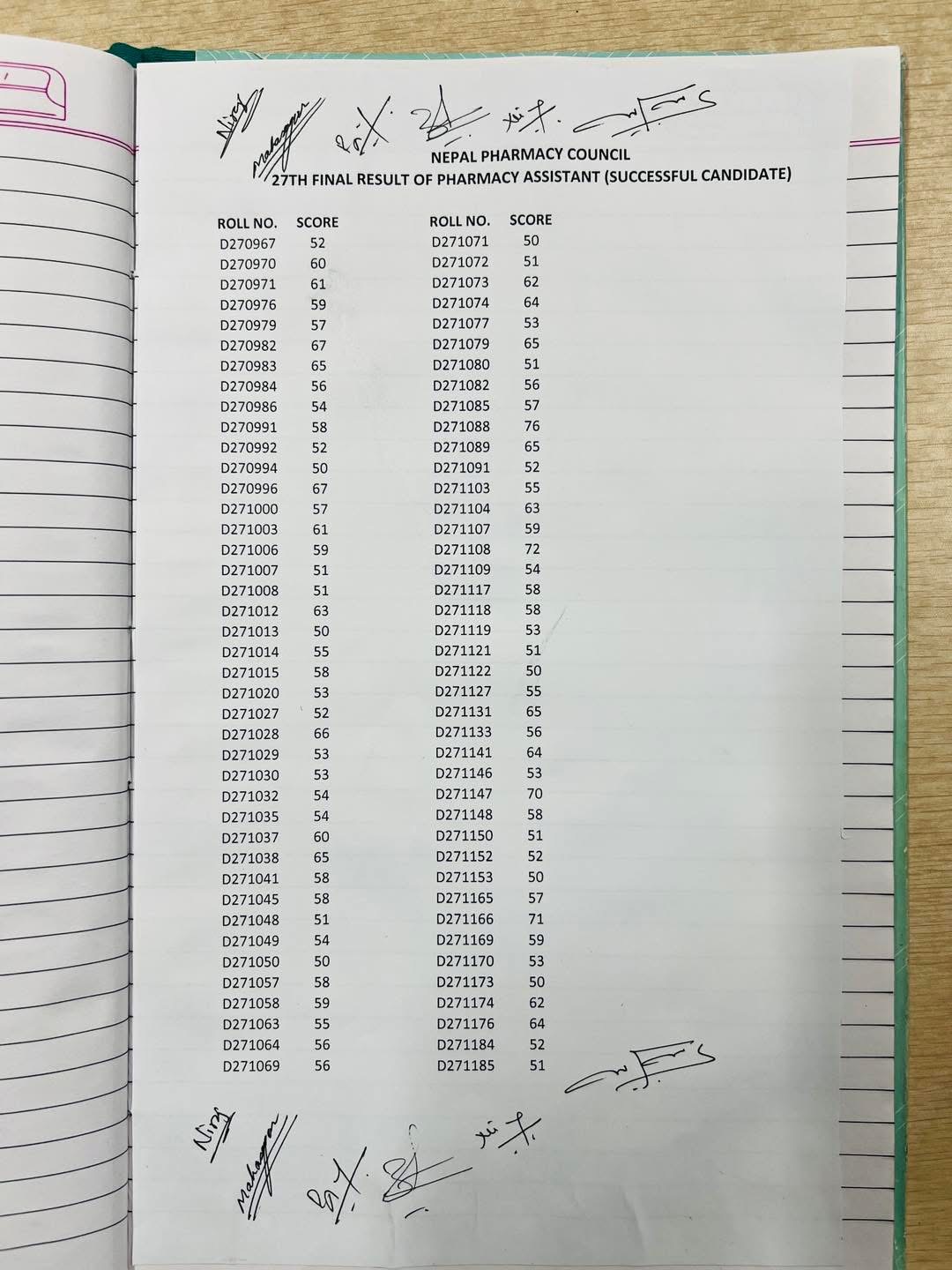
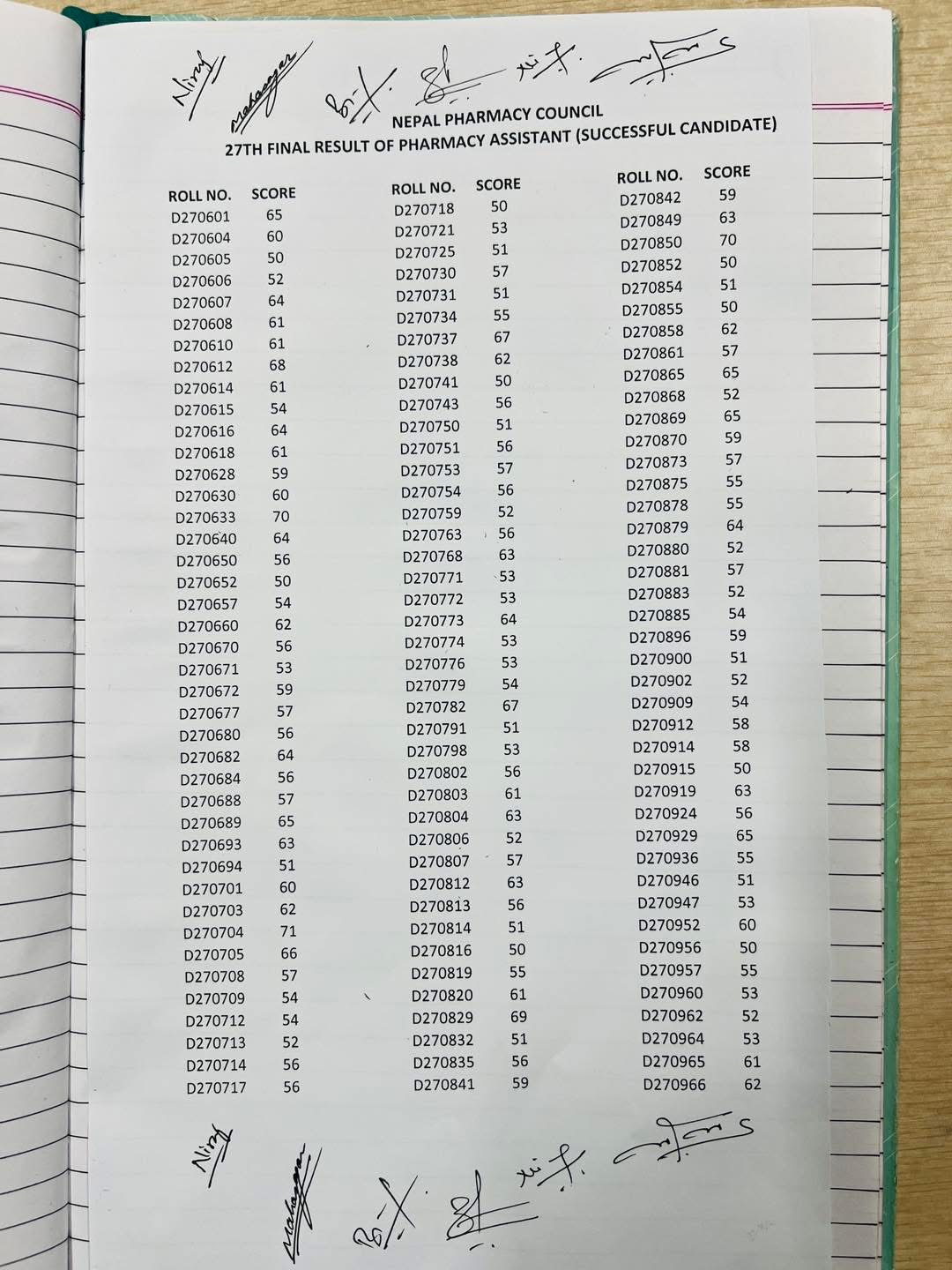
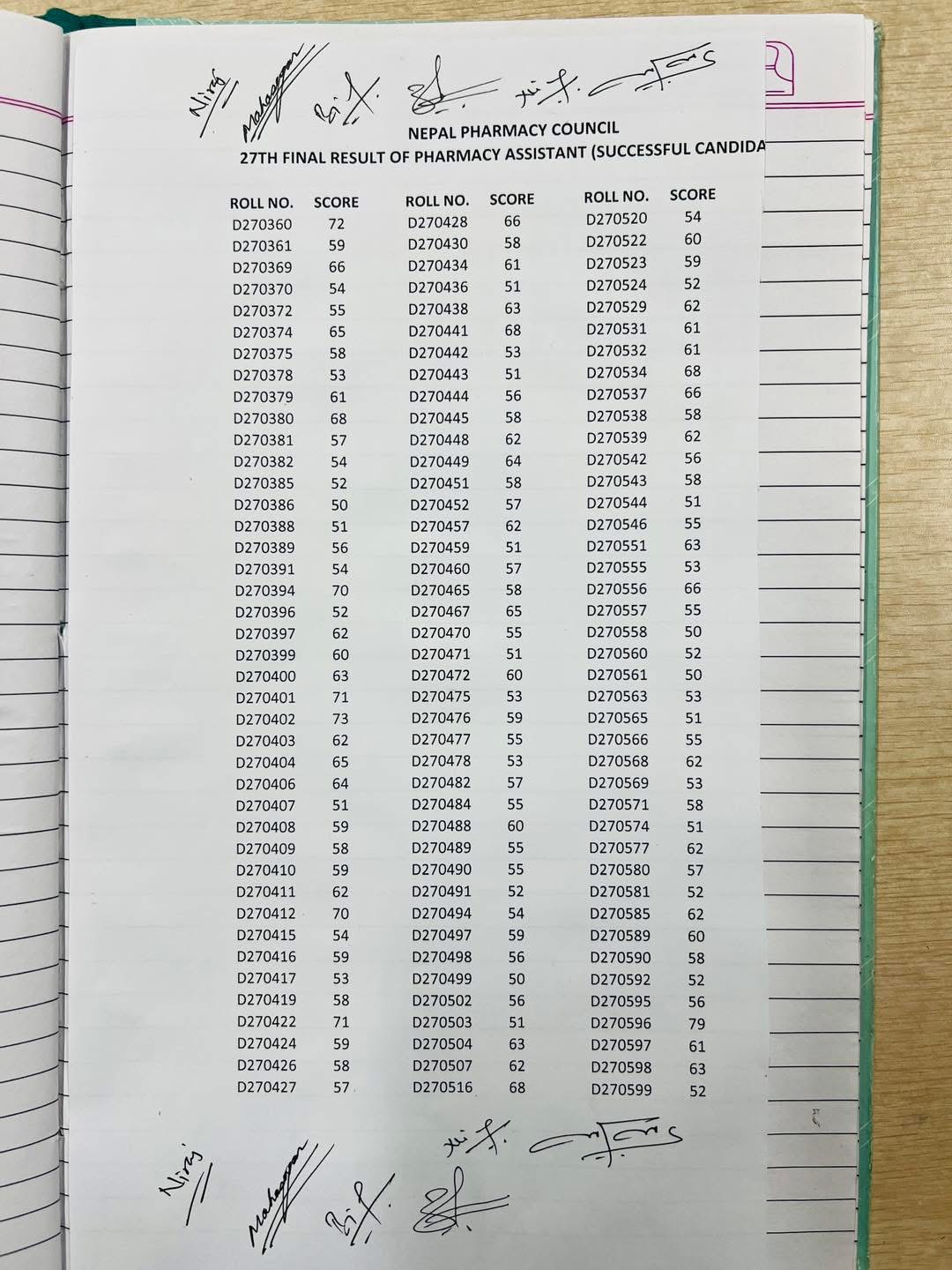
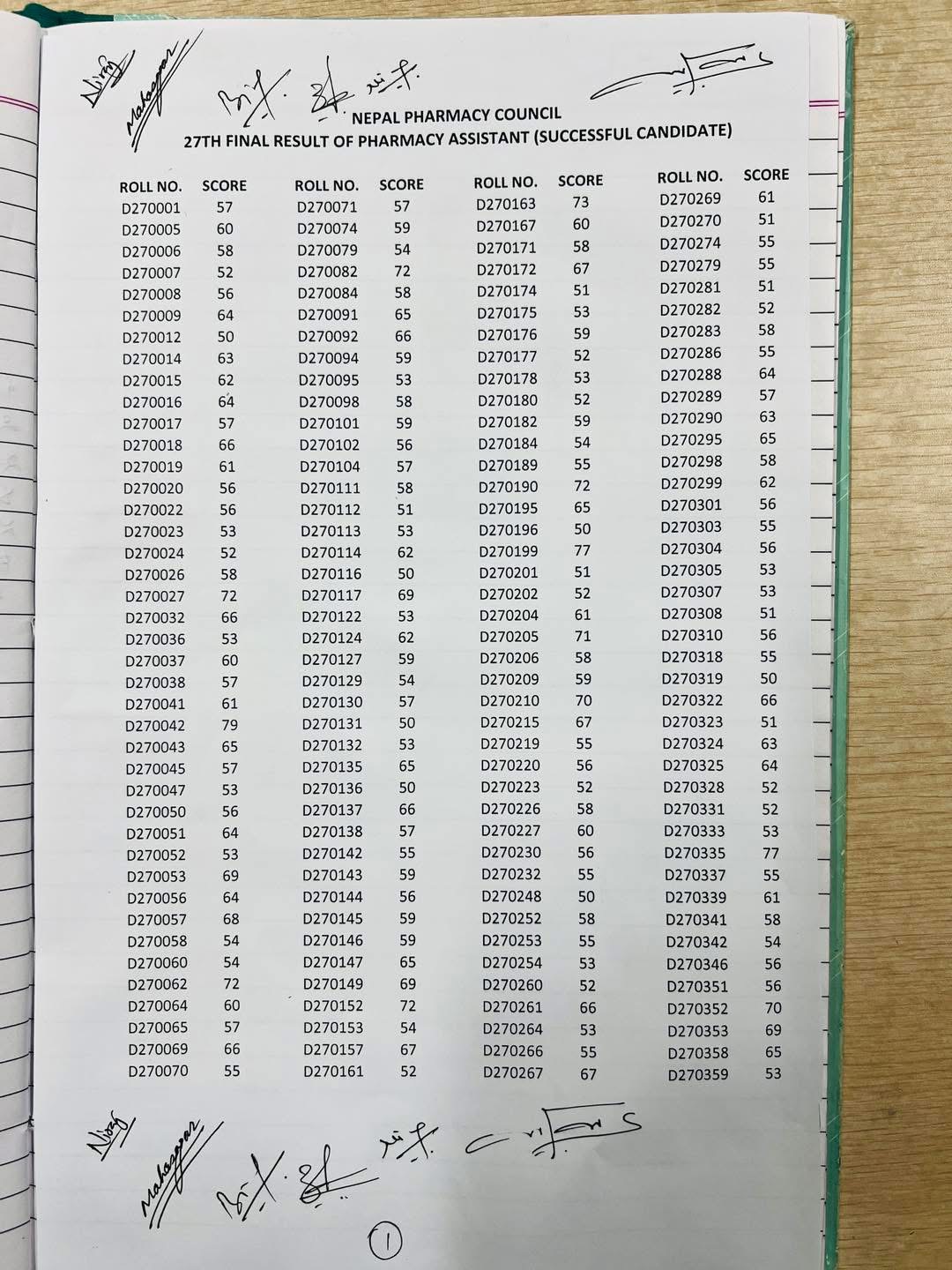
nepal pharmacy council result pdf 2081 npc results 2024

nepal pharmacy council result pdf 2081 full download npc results 2024

Result of Diploma in Pharmacy 27 Licensing Exam of Nepal Pharmacy Council published
२७औं नाम दर्ता परिक्षा फार्मेसी सहायक तर्फकाे नतिजा प्रकाशित!!
जम्मा उपस्थित:-११२४
पास:-४९२
हार्दिक बधाई!!

CMA LokSewa model MCQ free for Nepal (free MCQ)

CMA LokSewa model MCQ free for Nepal (free MCQ) 2081

Table of Contents


Here are 30 multiple-choice questions (MCQs) in the CMA Loksewa model format, based on real and past exam patterns in Nepal. Answer keys are listed at the end.

CMA Loksewa Model MCQ

Section 1: Anatomy & Physiology

1. Which of the following is the largest organ in the human body?

a) Liver

b) Heart

c) Skin

d) Kidney

2. What is the normal range of hemoglobin in adult males?

a) 9-11 g/dL

b) 12-16 g/dL

c) 14-18 g/dL

d) 10-14 g/dL

3. The sinoatrial (SA) node is located in which part of the heart?

a) Right atrium

b) Left atrium

c) Right ventricle

d) Left ventricle

4. Which blood cells are responsible for clotting?

a) Erythrocytes

b) Leukocytes

c) Thrombocytes

d) Monocytes

5. The primary function of the nephron is:

a) Production of insulin

b) Filtration of blood

c) Transport of oxygen

d) Regulation of blood pressure

Section 2: Pharmacology

6. Paracetamol is mainly used as a:

a) Antibiotic

b) Antipyretic

c) Anticoagulant

d) Antihypertensive

7. What is the antidote for paracetamol overdose?

a) Naloxone

b) Atropine

c) N-acetylcysteine

d) Flumazenil

8. Which of the following drugs is NOT a beta-blocker?

a) Atenolol

b) Propranolol

c) Nifedipine

d) Metoprolol

9. Which vitamin deficiency leads to night blindness?

a) Vitamin A

b) Vitamin B1

c) Vitamin C

d) Vitamin K

10. Metformin is used to treat:

a) Hypertension

b) Diabetes mellitus

c) Epilepsy

d) Asthma

Section 3: Microbiology & Infection Control

11. Koch’s postulates are used to identify:

a) Bacteria causing disease

b) Normal flora of the body

c) Cancerous cells

d) Genetic disorders

12. Sterilization means:

a) Killing all microorganisms including spores

b) Killing only bacteria

c) Removal of dirt and debris

d) Washing hands with soap

13. Which of the following is a Gram-negative bacteria?

a) Staphylococcus aureus

b) Clostridium tetani

c) Escherichia coli

d) Bacillus anthracis

14. Hepatitis B is transmitted through:

a) Contaminated food

b) Contaminated water

c) Blood and body fluids

d) Airborne droplets

15. Autoclaving is done at:

a) 100°C for 30 minutes

b) 121°C for 15 minutes under 15 psi pressure

c) 70°C for 20 minutes

d) 200°C for 10 minutes

Section 4: Community Health & Epidemiology

16. The infant mortality rate (IMR) refers to the number of deaths per 1,000 live births in:

a) First 28 days of life

b) First 6 months of life

c) First year of life

d) First 5 years of life

17. DOTS strategy is used in the treatment of:

a) Malaria

b) Tuberculosis

c) HIV/AIDS

d) Typhoid

18. The main goal of primary health care is:

a) Specialized medical services

b) Costly healthcare facilities

c) Prevention and promotion of health

d) Only curative services

19. The normal BMI range for a healthy adult is:

a) 10-15 kg/m²

b) 18.5-24.9 kg/m²

c) 25-30 kg/m²

d) 30-35 kg/m²

20. Which vaccine is given at birth in Nepal’s immunization schedule?

a) OPV

b) DPT

c) BCG

d) Hepatitis A

Section 5: First Aid & Emergency Care

21. CPR compression rate for adults is:

a) 30 compressions per minute

b) 60 compressions per minute

c) 100-120 compressions per minute

d) 200 compressions per minute

22. Which is the best method to control severe bleeding?

a) Elevation

b) Applying direct pressure

c) Applying ice

d) Giving aspirin

23. Burns covering more than 30% of body surface area are classified as:

a) Minor burns

b) Moderate burns

c) Severe burns

d) First-degree burns

24. Choking in an adult should be managed using:

a) Chest compressions

b) Heimlich maneuver

c) Giving water

d) Holding breath

25. Fracture immobilization is done using:

a) Stethoscope

b) Bandage

c) Splint

d) Tourniquet

Section 6: Loksewa General Knowledge & Ethics

26. The current health minister of Nepal (as of 2025) is:

a) (Check latest)

27. The number of provincial hospitals in Nepal is:

a) 5

b) 7

c) 10

d) 12

28. Health ethics emphasize:

a) Patient confidentiality

b) Selling expensive medicines

c) Prioritizing rich patients

d) Hiding medical errors

29. The full form of NHRC in Nepal is:

a) National Health Resource Center

b) National Human Rights Commission

c) Nepal Health Research Council

d) Nepal Hospital and Research Center

30. Janakpur is the capital of:

a) Province 1

b) Bagmati Province

c) Madhesh Province

d) Lumbini Province

Answer Key

1. c) Skin

2. c) 14-18 g/dL

3. a) Right atrium

4. c) Thrombocytes

5. b) Filtration of blood

6. b) Antipyretic

7. c) N-acetylcysteine

8. c) Nifedipine

9. a) Vitamin A

10. b) Diabetes mellitus

11. a) Bacteria causing disease

12. a) Killing all microorganisms including spores

13. c) Escherichia coli

14. c) Blood and body fluids

15. b) 121°C for 15 minutes under 15 psi pressure

16. c) First year of life

17. b) Tuberculosis

18. c) Prevention and promotion of health

19. b) 18.5-24.9 kg/m²

20. c) BCG

21. c) 100-120 compressions per minute

22. b) Applying direct pressure

23. c) Severe burns

24. b) Heimlich maneuver

25. c) Splint

26-27. (Check latest info)

28. B a) Patient confidentiality

 29.  c) Nepal Health Research Council

 30. c) Madhesh Province

Let me know if you need more!


Acne: Basics to know and treatment in Nepali: के हो र कसरि उपचार गर्ने? के एक्ने उपचार सम्भव छ?

के हो र कसरि उपचार गर्ने? के एक्ने उपचार सम्भव छ? Acne in Nepali

Table of contents (toc)

एकने भनेको के हो?

एकनेलाई अर्को सब्दमा एकने भल्गरिस नि भनिन्छ।  यो एक छालासम्बन्धी रोग हो।  यसमा छाला मा दाग आउनु को साथै घाउ समेत हुने गर्छ। यो प्राय जस्तो अनुहारमा आउछ भने घटी, गर्धन र पिठ्यु मा समेत आउने गर्दछ।  

यसले कपालको जरालाई असर गर्दछ भने संगसंगै तेल ग्रन्थि मा समेत सुजन हुन्छ।  ऐक्ने (Acne) छालामा आउने सानो रातो वा सेतो फोका वा डण्डिफोर हो। यसले विशेष गरी किशोरावस्थामा धेरैलाई प्रभावित गर्छ। अनुहार, ढाड, काँध र छातीमा बढी देखिन्छ।

एकने कसरि हुन्छ?

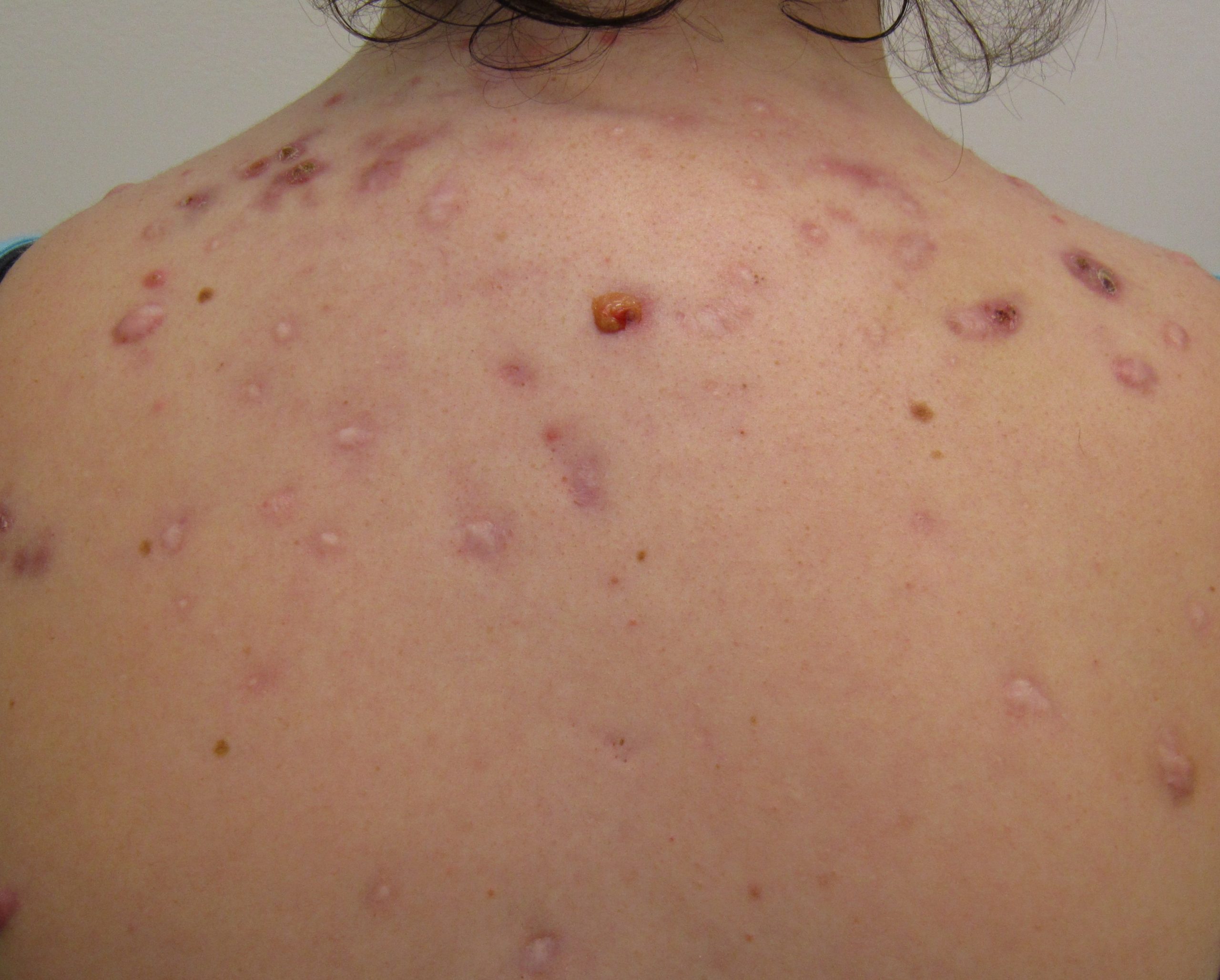
पिठ्युमा ए्कने

यो निम्न तरिका बाट हुन्छ।  

  • तेल ग्रन्थि को प्वाल बन्द भएर 
  • तेल धेरै उत्पादन भएर
  • क्युतिबयाक्तेरियम एक्नेस नामक कितानु  को  संक्रमण भएर
  • माथिका  सबैले गर्दा सुजन भएर
  • छालामा तेल (Sebum) बढी उत्पादन हुनु
  • मरेका छाला कोषहरू जम्नु
  • ब्याक्टेरिया (Bacteria) को संक्रमण
  • हार्मोनल परिवर्तन (विशेष गरी किशोरावस्था, गर्भावस्था, वा महिनावारीको समयमा)
  • धेरै चिल्लो तथा मसलादार खानेकुरा सेवन
  • तनाव र मानसिक दबाब
  • अनुहार धेरै छोइरहने बानी

ऐक्ने रोकथामका उपायहरू

  • ✅ अनुहार दिनको दुई पटक सफा गर्ने
  • ✅ तेलीयो (Oily) वा चिल्लो क्रिम वा कस्मेटिक प्रयोग नगर्ने
  • ✅ ताजा फलफूल, हरियो तरकारी र पानी प्रशस्त पिउने
  • ✅ धेरै जसो अनुहार नछुने र डण्डिफोर नथिच्ने
  • ✅ सरसफाइमा ध्यान दिने र सफा तकिया प्रयोग गर्ने
  • ✅ तनाव कम गर्ने प्रयास गर्ने

ऐक्ने उपचारका घरेलु उपायहरू

  • 🔹 मह र बेसार: महमा ब्याक्टेरियाको वृद्धि रोक्ने गुण हुन्छ। बेसारसँग मिलाएर लगाउँदा ऐक्ने घट्न सक्छ।
  • 🔹 एलोवेरा जेल: एलोवेरा छालालाई शितल पार्ने र ऐक्ने कम गर्ने उपाय हो।
  • 🔹 निमको पातको रस: निममा एन्टिब्याक्टेरियल गुण हुन्छ, जसले छाला सफा गर्छ।
  • 🔹 बेकिङ सोडा: पानीसँग मिसाएर लगाउँदा छालाको अतिरिक्त तेल हटाउन मद्दत गर्छ।
  • 🔹 गुलाब जल र कागतीको रस: छालालाई टोन गर्न मद्दत गर्छ।

चिकित्सकीय उपचार

यदि ऐक्ने धेरै गम्भीर छ भने, चिकित्सकको सल्लाह अनुसार यी उपचारहरू गर्न सकिन्छ:
  • मेडिकल फेसवास (Salicylic Acid वा Benzoyl Peroxide भएको)
  • एन्टिबायोटिक क्रिम वा औषधी
  • हार्मोनल उपचार (यदि हार्मोनको कारणले भएको छ भने)

निष्कर्ष

ऐक्ने सामान्य भए पनि यसले आत्मविश्वासमा असर पार्न सक्छ। सही सरसफाइ, उचित खानपान, घरेलु उपाय तथा आवश्यक परेमा चिकित्सकीय सल्लाह लिएर उपचार गर्न सकिन्छ।
Exit mobile version