Exercise Therapy MCQs for NHPC Nepal – BPT License Exam 2025

Exercise Therapy MCQs for NHPC Nepal – BPT License Exam

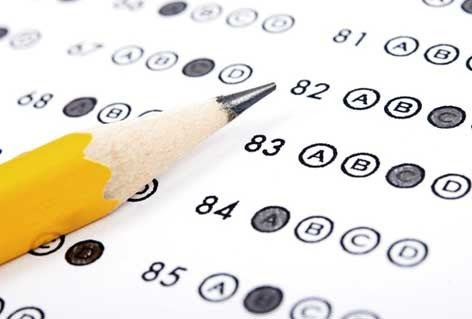
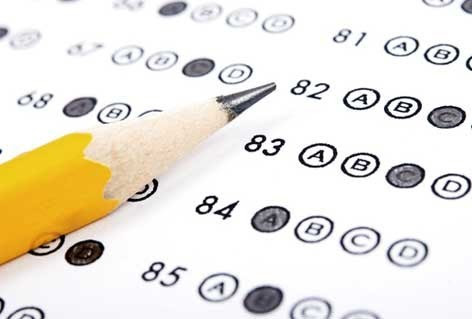
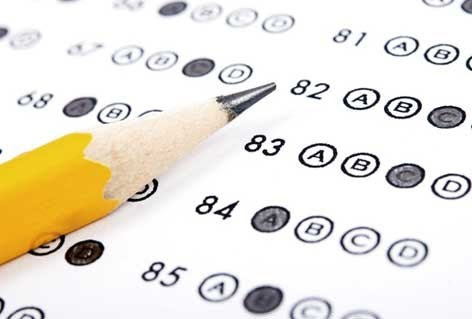
Here are 25 high-quality multiple-choice questions (MCQs) on Exercise Therapy for the BPT Physiotherapy License Examination under NHPC Nepal. These questions cover fundamental concepts, therapeutic principles, and clinical applications. The answer key is provided at the end.

Table of Contents(toc)


Exercise Therapy MCQs for NHPC Nepal – BPT License Exam

1. What is the primary goal of exercise therapy in physiotherapy?

a) Increase muscle mass
b) Improve cardiovascular fitness
c) Restore normal function and movement
d) Reduce pain without movement

2. Which of the following is NOT a type of active exercise?

a) Active-assisted exercise
b) Active-free exercise
c) Active-resisted exercise
d) Passive stretching

3. The ability of a muscle to generate force repeatedly over time is known as:

a) Strength
b) Endurance
c) Power
d) Flexibility

4. What is the most effective stretching technique to improve long-term flexibility?

a) Ballistic stretching
b) Static stretching
c) PNF stretching
d) Dynamic stretching

5. Which type of contraction occurs when muscle length remains constant while tension develops?

a) Concentric
b) Eccentric
c) Isotonic
d) Isometric

6. The 10 RM principle in resistance training is commonly used to assess:

a) Muscle power
b) Muscle endurance
c) Muscle strength
d) Joint stability

7. Which of the following is a contraindication for resistance exercise?

a) Hypertension
b) Post-surgical rehabilitation
c) Osteoporosis
d) Muscle atrophy

8. Plyometric training primarily focuses on improving:

a) Strength
b) Flexibility
c) Explosive power
d) Endurance

9. The Oxford technique for muscle strengthening follows which repetition pattern?

a) 100%-75%-50%
b) 50%-75%-100%
c) 10%-30%-50%
d) 90%-80%-70%

10. The DeLorme method of progressive resistance exercise uses which repetition pattern?

a) 50%-75%-100%
b) 100%-75%-50%
c) 40%-60%-80%
d) 10%-20%-30%

11. Which principle states that exercise must be challenging enough to cause adaptations in the body?

a) SAID principle
b) Overload principle
c) Reversibility principle
d) Wolff’s law

12. The ability of a joint to move through its full range of motion is termed:

a) Stability
b) Mobility
c) Balance
d) Strength

13. Which muscle fiber type is best suited for endurance activities?

a) Type I
b) Type IIa
c) Type IIb
d) Type III

14. A core stabilization exercise program primarily targets which muscle group?

a) Rectus abdominis
b) Erector spinae
c) Transverse abdominis
d) Latissimus dorsi

15. What is the key principle behind proprioceptive neuromuscular facilitation (PNF) stretching?

a) High-intensity, short-duration stretching
b) Alternating contraction and relaxation of muscles
c) Static hold with gradual muscle relaxation
d) Rapid bouncing movements

16. Which test is commonly used to assess dynamic balance?

a) Berg Balance Scale
b) Functional Reach Test
c) Y-Balance Test
d) Modified Ashworth Scale

17. In aerobic exercise, the primary energy source used after 30 minutes is:

a) Carbohydrates
b) Fat
c) Protein
d) ATP

18. Which exercise training principle ensures continued improvement by progressively increasing resistance or duration?

a) Specificity
b) Adaptation
c) Overload
d) Individuality

19. What is the minimum duration recommended for moderate-intensity aerobic exercise in adults per week?

a) 60 minutes
b) 75 minutes
c) 150 minutes
d) 200 minutes

20. The Karvonen formula is used to calculate:

a) Maximum heart rate
b) Target heart rate
c) Oxygen consumption
d) Stroke volume

21. What is the most appropriate intervention for postural correction in a patient with forward head posture?

a) Upper trapezius strengthening
b) Pectoralis major stretching
c) Rhomboid inhibition
d) Lumbar extension exercises

22. Which exercise is most effective in treating patellofemoral pain syndrome?

a) Hamstring curls
b) Vastus medialis oblique strengthening
c) Quadriceps stretching
d) Hip abduction exercises

23. The principle of detraining refers to:

a) Loss of training adaptations when exercise is stopped
b) Increased gains due to overtraining
c) Adaptation to resistance training
d) Increased muscle recruitment

24. Which of the following is NOT a benefit of aquatic therapy?

a) Reduced joint load
b) Improved circulation
c) Increased resistance
d) Increased impact forces

25. The FITT principle in exercise prescription stands for:

a) Frequency, Intensity, Time, Type
b) Force, Isotonic, Training, Tension
c) Frequency, Involvement, Therapy, Technique
d) Function, Intensity, Training, Timing


Answer Key

  1. c) Restore normal function and movement
  2. d) Passive stretching
  3. b) Endurance
  4. c) PNF stretching
  5. d) Isometric
  6. c) Muscle strength
  7. a) Hypertension
  8. c) Explosive power
  9. a) 100%-75%-50%
  10. a) 50%-75%-100%
  11. b) Overload principle
  12. b) Mobility
  13. a) Type I
  14. c) Transverse abdominis
  15. b) Alternating contraction and relaxation of muscles
  16. c) Y-Balance Test
  17. b) Fat
  18. c) Overload
  19. c) 150 minutes
  20. b) Target heart rate
  21. b) Pectoralis major stretching
  22. b) Vastus medialis oblique strengthening
  23. a) Loss of training adaptations when exercise is stopped
  24. d) Increased impact forces
  25. a) Frequency, Intensity, Time, Type

This set of MCQs covers fundamental exercise therapy principles, clinical applications, and physiotherapy techniques.

Unicode to Preeti & Preeti to Unicode Converter: Best Online Tool 2025

Unicode to Preeti & Preeti to Unicode Converter: Best Online Tool

Are you looking for a fast and accurate Unicode to Preeti converter or
Preeti to Unicode converter? Whether you’re typing in Nepali for official
documents, exams, or publications, converting between these two fonts can be
challenging. This guide will help you understand the differences and
introduce you to the best Unicode to Preeti converter with live preview
support.

🔹 What is Unicode and Preeti Font?

Unicode (यà¥à¤¨à¤¿à¤•ोड)

Unicode is a universal character encoding that supports multiple languages,
including Nepali. It is widely used on websites, documents, and messaging
apps.

Preeti Font (पà¥à¤°à¥€à¤¤à¤¿ फनà¥à¤Ÿ)

Preeti is one of the most popular legacy fonts used in Nepal. It follows a
remapped English keyboard layout, which means typing in Preeti is different
from typing in Unicode. It is mainly used in government offices, newspapers,
and old documents.

🔹 Why Use a Unicode to Preeti Converter?

Many official Nepali documents require Preeti font instead of Unicode.
However, most devices today support Unicode by default. If you need to
submit documents in Preeti font but are used to typing in Unicode, a Unicode
to Preeti converter will help.

Similarly, if you have old Preeti documents but need them in Unicode format
(for online use or easy readability), a Preeti to Unicode converter is
essential.

🔹 Features of Our Unicode ⇄ Preeti Converter

✅ Fast & Accurate Conversion – Instant conversion between Unicode
and Preeti.

✅ Live Preview – See the converted text in Preeti font instantly.

✅ Preeti Typing Mode – Type directly in Preeti font without installing
software.

✅ Auto-Detection – The tool automatically detects whether the text is
Unicode or Preeti.

✅ Mobile-Friendly – Works perfectly on smartphones and tablets.

✅ Completely Free – No installation required.

🔹 How to Convert Unicode to Preeti Online?

1. Enter Unicode text in the input box.

2. Click “Convert to Preetiâ€.

3. View the converted text in the Preeti preview box.

4. Copy and paste the text into your document or application.

🔹 How to Convert Preeti to Unicode?

1. Paste your Preeti text into the input box.

2. Click “Convert to Unicodeâ€.

3. The tool will convert your text to Unicode format.

4. Copy and use it on websites, emails, or Word documents.

🔹 Best Unicode to Preeti Converter with Live Preview

Our tool is one of the most accurate Unicode to Preeti converters online.
Unlike other converters, it includes a live preview feature that shows how
your text looks in Preeti font before you copy it.

✅ No software needed

✅ No ads, no pop-ups

✅ Works offline (once loaded)

👉 Try the Unicode ⇄ Preeti Converter Now

🔹 FAQs (Frequently Asked Questions)

1. Can I type in Preeti font without converting?

Yes! Our converter has a Preeti Typing Mode, allowing you to type in Preeti
directly.

2. Why does Preeti text look different from Unicode text?

Preeti font follows a different keyboard mapping, while Unicode is a
universal encoding standard.

3. Can I use this converter on mobile?

Yes! The tool is fully mobile-friendly and works on both Android and
iPhone.

4. Is this Unicode to Preeti converter free?

Yes! Our converter is 100% free with no hidden costs.

🔹 Final Thoughts

If you need a quick, accurate, and easy-to-use Unicode to Preeti converter,
our tool is the best choice. Whether you’re working on government
documents, school projects, or online publications, this converter will help
you switch between Unicode and Preeti with ease.

👉 Try the Unicode ⇄ Preeti Converter today!

🔹 SEO Optimized Keywords

• Unicode to Preeti Converter

• Preeti to Unicode Converter

• Nepali Font Converter Online

• Type in Preeti Font

• Convert Unicode to Preeti Free

• Preeti Font Online Typing

—————————————————————

Unicode ⇄ Preeti Converter


Converted Text:

Live Preview (Preeti Font):

Your text will appear here…

const unicodeToPreetiMap = {
‘क’: ‘s’, ‘ख’: ‘v’, ‘ग’: ‘u’, ‘घ’: ‘3’, ‘ङ’: ‘ª’,
‘च’: ‘r’, ‘छ’: ‘5’, ‘ज’: ‘h’, ‘झ’: ‘´’, ‘ञ’: ‘`’,
‘ट’: ‘6’, ‘ठ’: ‘7’, ‘ड’: ‘8’, ‘ढ’: ‘9’, ‘ण’: ‘0’,
‘त’: ‘t’, ‘थ’: ‘y’, ‘द’: ‘b’, ‘ध’: ‘w’, ‘न’: ‘g’,
‘प’: ‘k’, ‘फ’: ‘km’, ‘ब’: ‘a’, ‘भ’: ‘e’, ‘म’: ‘d’,
‘य’: ‘o’, ‘र’: ‘/’, ‘ल’: ‘n’, ‘व’: ‘j’, ‘श’: ‘z’,
‘ष’: ‘if’, ‘स’: ‘;’, ‘ह’: ‘x’,

‘अ’: ‘c’, ‘आ’: ‘cf’, ‘इ’: ‘O{‘, ‘ई’: ‘O’, ‘उ’: ‘p’, ‘ऊ’: ‘pm’,
‘ए’: ‘P’, ‘ऐ’: ‘P]’, ‘ओ’: ‘C’, ‘औ’: ‘C+’,

‘ा’: ‘f’, ‘ि’: ‘l’, ‘ी’: ‘L’, ‘ु’: ‘q’, ‘ू’: ‘Q’, ‘ृ’: ‘=’,
‘े’: ‘]’, ‘ै’: ‘}’, ‘ो’: ”’, ‘ौ’: ‘”‘,

‘ं’: ‘M’, ‘ः’: ‘:’, ‘ँ’: ‘µ’, ‘्’: ‘]’, ‘़’: ‘`’, ‘ऽ’: ‘S’,

‘त्त’: ‘tT’, ‘द्द’: ‘bb’, ‘क्ष’: ‘Kx’, ‘ज्ञ’: ‘1’
};

const preetiToUnicodeMap = Object.fromEntries(
Object.entries(unicodeToPreetiMap).map(([k, v]) => [v, k])
);

function fixShortIConversion(text) {
return text.replace(/([कखगघङचछजझञटठडढणतथदधनपफबभमयरलवशषसह])ि/g, ‘l$1’);
}

function fixHalfLetters(text) {
return text.replace(/([कखगघङचछजझञटठडढणतथदधनपफबभमयरलवशषसह])्([कखगघङचछजझञटठडढणतथदधनपफबभमयरलवशषसह])/g, “$2’$1”);
}

function fixLigatures(text) {
return text.replace(/त्त/g, ‘tT’)
.replace(/द्द/g, ‘bb’)
.replace(/ज्ञ/g, ‘1’)
.replace(/क्ष/g, ‘Kx’);
}

function convertToPreeti() {
let input = document.getElementById(“inputText”).value;
let output = input.split(”).map(char => unicodeToPreetiMap[char] || char).join(”);
output = fixShortIConversion(output);
output = fixHalfLetters(output);
output = fixLigatures(output);
document.getElementById(“outputText”).value = output;
document.getElementById(“preetiPreview”).textContent = output;
}

function convertToUnicode() {
let input = document.getElementById(“inputText”).value;
let output = input.split(”).map(char => preetiToUnicodeMap[char] || char).join(”);
document.getElementById(“outputText”).value = output;
document.getElementById(“preetiPreview”).textContent = output;
}

function autoDetectAndPreview() {
let text = document.getElementById(“inputText”).value;
if (/[u0900-u097F]/.test(text)) {
convertToPreeti();
} else {
convertToUnicode();
}
}

let isPreetiTyping = false;

function togglePreetiTyping() {
isPreetiTyping = document.getElementById(“enablePreetiTyping”).checked;
}

document.getElementById(“inputText”).addEventListener(“keypress”, function(event) {
if (isPreetiTyping) {
let char = event.key;
if (preetiToUnicodeMap[char]) {
event.preventDefault();
document.getElementById(“inputText”).value += preetiToUnicodeMap[char];
}
}
});

MCQs HA (Health Assistant) license examination model multiple-choice questions 2081

20 multiple-choice questions (MCQs) for the HA (Health Assistant) license examination model

Table of Contents(toc)

Here are 20 multiple-choice questions (MCQs) for the HA (Healthcare Assistant) license examination model, along with answer keys at the end.


Multiple-Choice Questions (MCQs)

1. Which of the following is the primary role of a Healthcare Assistant (HA)?

A) Diagnosing illnesses
B) Assisting doctors in surgery
C) Providing basic patient care and support
D) Prescribing medications

2. What is the normal range of adult blood pressure?

A) 90/60 mmHg – 120/80 mmHg
B) 80/50 mmHg – 110/70 mmHg
C) 130/90 mmHg – 150/100 mmHg
D) 140/90 mmHg – 160/100 mmHg

3. When washing hands, how long should a Healthcare Assistant scrub their hands with soap?

A) 5 seconds
B) 10 seconds
C) 20 seconds
D) 40 seconds

4. Which of the following is NOT a principle of infection control?

A) Hand hygiene
B) Wearing personal protective equipment (PPE)
C) Reusing disposable gloves
D) Proper waste disposal

5. What should a Healthcare Assistant do if a patient refuses to take their prescribed medication?

A) Force the patient to take it
B) Ignore the patient’s decision
C) Document the refusal and inform the nurse or doctor
D) Hide the medication in the patient’s food

6. The best position to place a patient experiencing difficulty breathing is:

A) Supine position
B) Fowler’s position
C) Prone position
D) Trendelenburg position

7. Which type of fire extinguisher should be used for an electrical fire?

A) Water extinguisher
B) Foam extinguisher
C) CO2 extinguisher
D) Wet chemical extinguisher

8. What is the first step in performing CPR on an unresponsive adult?

A) Start chest compressions
B) Check for breathing and pulse
C) Call for help
D) Give rescue breaths

9. The normal respiratory rate for an adult at rest is:

A) 6-10 breaths per minute
B) 12-20 breaths per minute
C) 25-30 breaths per minute
D) 35-40 breaths per minute

10. Which of the following is the best way to prevent pressure ulcers in bedridden patients?

A) Keeping the bed flat at all times
B) Repositioning the patient every 2 hours
C) Using only soft mattresses
D) Applying alcohol to the skin frequently

11. Which of the following is an example of non-verbal communication?

A) Speaking clearly to a patient
B) Nodding in agreement
C) Asking the patient about their pain level
D) Giving written discharge instructions

12. What is the first step in using a manual blood pressure cuff?

A) Inflate the cuff to 200 mmHg
B) Locate the brachial artery
C) Deflate the cuff completely
D) Place the stethoscope in the ears

13. A diabetic patient is showing signs of confusion, sweating, and shakiness. What should the Healthcare Assistant do?

A) Give the patient insulin
B) Check the patient’s blood sugar level and provide a sugary drink if low
C) Encourage the patient to exercise
D) Call a doctor immediately without taking any action

14. Which of the following is the best way to communicate with a hearing-impaired patient?

A) Speak loudly and quickly
B) Use written communication or gestures if needed
C) Ignore the patient’s condition and communicate normally
D) Stand behind the patient while speaking

15. A patient suddenly collapses in the hospital corridor. What is the Healthcare Assistant’s first action?

A) Check for responsiveness and breathing
B) Run to get the doctor
C) Move the patient to a chair
D) Leave the patient to find a stretcher

16. Which of the following is NOT a common site for measuring body temperature?

A) Oral
B) Rectal
C) Tympanic (ear)
D) Elbow

17. What is the best way to lift a heavy object safely?

A) Bend at the waist and lift with your back
B) Keep feet close together and lift with your arms
C) Squat down, keep the object close to your body, and lift with your legs
D) Pull the object towards you before lifting

18. A patient with a urinary catheter should have their drainage bag placed:

A) Below bladder level
B) Above bladder level
C) At the same level as the bladder
D) On the patient’s lap

19. A Healthcare Assistant notices a bruise on an elderly patient’s arm. The best action is to:

A) Ignore it, as bruises are common in elderly patients
B) Ask the patient how they got the bruise and report it if necessary
C) Apply ice immediately without telling anyone
D) Hide the bruise with clothing

20. When assisting a patient with feeding, the Healthcare Assistant should:

A) Feed the patient quickly to save time
B) Force the patient to eat everything on their plate
C) Allow the patient to eat at their own pace and provide assistance as needed
D) Leave the patient alone to eat, even if they struggle


Answer Key

  1. C) Providing basic patient care and support
  2. A) 90/60 mmHg – 120/80 mmHg
  3. C) 20 seconds
  4. C) Reusing disposable gloves
  5. C) Document the refusal and inform the nurse or doctor
  6. B) Fowler’s position
  7. C) CO2 extinguisher
  8. B) Check for breathing and pulse
  9. B) 12-20 breaths per minute
  10. B) Repositioning the patient every 2 hours
  11. B) Nodding in agreement
  12. B) Locate the brachial artery
  13. B) Check the patient’s blood sugar level and provide a sugary drink if low
  14. B) Use written communication or gestures if needed
  15. A) Check for responsiveness and breathing
  16. D) Elbow
  17. C) Squat down, keep the object close to your body, and lift with your legs
  18. A) Below bladder level
  19. B) Ask the patient how they got the bruise and report it if necessary
  20. C) Allow the patient to eat at their own pace and provide assistance as needed

Nepal Driving License Print Status Check: A Complete Guide 2081

Latest update on Nepal Driving License Print Status Check: A Complete Guide

Table of Contents(toc)


Obtaining a driving license in Nepal has become more efficient with the introduction of the online system by the Department of Transport Management (DoTM). If you have applied for your driving license, you might be wondering how to check your license print status. This guide will help you check the status of your smart license online.

How to Check Nepal Driving License Print Status Online

The DoTM provides an official online system for users to check their driving license print check status. Follow these simple steps to check your status:

  1. Visit the official website: https://applydl.dotm.gov.np/.

  2. Click on the Check Status tab.

  3. Enter your application number or license number.

  4. Click on the Search button.

  5. The system will display your license print check status.

Checking Online Driving License Status: Alternative Methods

If the main website is down or you need another way to check your online driving license check status, you can visit the nearest Transport Management Office (TMO) for updates. The DoTM also provides SMS-based status updates.

Using “dotm license check” System

You can also check your license status by visiting the dotm license check section on the DoTM website. This provides details about the status of your license approval and printing process.

Smart License Print Check Online

Nepal now issues smart driving licenses with embedded chips for enhanced security. To perform a smart license print check online, follow these steps:

  1. Visit the official DoTM website.

  2. Enter your license number or application details.

  3. Check if your smart license has been printed and dispatched.

Online Driving License Registration Form in Nepal

For those who have not yet applied for a driving license, the online driving license registration form in Nepal is available on the DoTM website. The process is simple:

  1. Go to https://applydl.dotm.gov.np/.

  2. Click on “Sign Up” if you are a new applicant.

  3. Fill in the driving license online form.

  4. Submit your application and wait for verification.

Estimated Waiting Time for License Printing

Once your driving test is cleared, it may take some time before your license is printed. Here are some estimated processing times:

  • Smart License Check Online: Depends on application backlog

  • License Print Check: Varies based on the queue

  • Online Driving License Registration Form: Available 24/7

  • Driving License Nepal: Processing may take weeks to months

For more updates on your license status, regularly visit the https://applydl.dotm.gov.np/ section.

Conclusion

Checking your driving license print check status in Nepal is now easier with online platforms. Whether you need a smart license print check online or want to fill out a license form, the DoTM website provides all necessary tools. Stay updated and ensure your driving license is ready before you hit the road!

pharmacist licensing examination MCQs

50 multiple-choice questions (MCQs) for a pharmacist licensing examination, covering topics like Pharmacology, Pharmaceutics, Pharmacognosy

Table of Contents(toc)
Here are 50 multiple-choice questions (MCQs) for a pharmacist licensing examination, covering topics like Pharmacology, Pharmaceutics, Pharmacognosy, Pharmaceutical Chemistry, and Clinical Pharmacy. The answer key is provided at the end.

Multiple-Choice Questions (MCQs)

1. Pharmacology

  1. Which neurotransmitter is primarily affected by selective serotonin reuptake inhibitors (SSRIs)?
    a) Dopamine
    b) Norepinephrine
    c) Serotonin
    d) Acetylcholine

  2. Which drug is used as an antidote for paracetamol poisoning?
    a) Naloxone
    b) N-acetylcysteine
    c) Atropine
    d) Flumazenil

  3. Beta-blockers are contraindicated in:
    a) Hypertension
    b) Heart failure
    c) Bronchial asthma
    d) Arrhythmias

  4. The mechanism of action of proton pump inhibitors (PPIs) is:
    a) Blocking H₂ receptors
    b) Inhibiting gastric acid secretion
    c) Neutralizing stomach acid
    d) Stimulating prostaglandins

  5. Which of the following is a loop diuretic?
    a) Spironolactone
    b) Hydrochlorothiazide
    c) Furosemide
    d) Acetazolamide

2. Pharmaceutics

  1. The term bioavailability refers to:
    a) The rate of drug absorption
    b) The extent of drug metabolism
    c) The proportion of a drug that reaches systemic circulation
    d) The drug’s half-life

  2. Which of the following routes of administration has the highest bioavailability?
    a) Oral
    b) Intravenous
    c) Subcutaneous
    d) Rectal

  3. The disintegration test is performed to determine:
    a) The dissolution rate of a tablet
    b) The time required for a tablet to break down into smaller particles
    c) The pharmacokinetics of a drug
    d) The sterility of a formulation

  4. A sustained-release formulation is designed to:
    a) Dissolve immediately in the stomach
    b) Provide rapid onset of action
    c) Maintain drug levels for an extended period
    d) Increase drug metabolism

  5. Which of the following excipients is used as a binder in tablet formulations?
    a) Magnesium stearate
    b) Starch
    c) Sodium lauryl sulfate
    d) Mannitol

3. Pharmaceutical Chemistry

  1. The functional group present in penicillin responsible for its antibacterial activity is:
    a) Hydroxyl group
    b) Beta-lactam ring
    c) Carboxyl group
    d) Amino group

  2. The chemical name of aspirin is:
    a) Acetaminophen
    b) Acetylsalicylic acid
    c) Ibuprofen
    d) Diclofenac sodium

  3. Which of the following is an example of a weak acid drug?
    a) Atropine
    b) Warfarin
    c) Morphine
    d) Lidocaine

  4. The oxidation of ferrous sulfate (FeSO₄) leads to the formation of:
    a) Ferric sulfate
    b) Ferrous chloride
    c) Iron oxide
    d) Iron hydroxide

  5. Which of the following is an example of an aromatic hydrocarbon?
    a) Ethanol
    b) Benzene
    c) Methane
    d) Acetone

4. Pharmacognosy

  1. The active constituent of Digitalis is:
    a) Alkaloid
    b) Glycoside
    c) Tannin
    d) Saponin

  2. The plant Rauwolfia serpentina is used for the treatment of:
    a) Diabetes
    b) Hypertension
    c) Asthma
    d) Malaria

  3. Which of the following is an example of a volatile oil?
    a) Castor oil
    b) Clove oil
    c) Linseed oil
    d) Olive oil

  4. Cinchona bark is used as a source of:
    a) Morphine
    b) Quinine
    c) Ephedrine
    d) Codeine

  5. The alkaloid present in tea and coffee is:
    a) Theobromine
    b) Theophylline
    c) Caffeine
    d) Reserpine

5. Clinical Pharmacy & Hospital Pharmacy

  1. Therapeutic drug monitoring is essential for which of the following drugs?
    a) Paracetamol
    b) Gentamicin
    c) Amoxicillin
    d) Ibuprofen

  2. Which of the following is a Schedule H drug in India?
    a) Paracetamol
    b) Ibuprofen
    c) Alprazolam
    d) Ranitidine

  3. Which regulatory body controls drug approval in India?
    a) FDA
    b) ICMR
    c) CDSCO
    d) WHO

  4. The main function of a hospital formulary is:
    a) To maintain patient records
    b) To list drugs available in the hospital
    c) To dispense over-the-counter drugs
    d) To provide surgical equipment

  5. Which of the following drugs is used to reverse opioid overdose?
    a) Flumazenil
    b) Atropine
    c) Naloxone
    d) N-acetylcysteine


Answer Key

  1. c) Serotonin
  2. b) N-acetylcysteine
  3. c) Bronchial asthma
  4. b) Inhibiting gastric acid secretion
  5. c) Furosemide
  6. c) The proportion of a drug that reaches systemic circulation
  7. b) Intravenous
  8. b) The time required for a tablet to break down into smaller particles
  9. c) Maintain drug levels for an extended period
  10. b) Starch
  11. b) Beta-lactam ring
  12. b) Acetylsalicylic acid
  13. b) Warfarin
  14. a) Ferric sulfate
  15. b) Benzene
  16. b) Glycoside
  17. b) Hypertension
  18. b) Clove oil
  19. b) Quinine
  20. c) Caffeine
  21. b) Gentamicin
  22. c) Alprazolam
  23. c) CDSCO
  24. b) To list drugs available in the hospital
  25. c) Naloxone

These MCQs cover key areas of pharmacy for licensing exams.

MCQs for Indian Nursing Council (INC) licensing examination ( 50 multiple-choice questions)

50 multiple-choice questions (MCQs) for the Indian Nursing Council (INC) licensing examination

Table of Contents(toc)

Here are 50 multiple-choice questions (MCQs) for the Indian Nursing Council (INC) licensing examination, covering various nursing subjects like Medical-Surgical Nursing, Community Health Nursing, Pediatric Nursing, Obstetrics & Gynecology, and Nursing Ethics. The answer key is provided at the end.

Multiple-Choice Questions (MCQs)

1. Medical-Surgical Nursing

  1. Which electrolyte imbalance is most commonly associated with prolonged vomiting?
    a) Hypokalemia
    b) Hyperkalemia
    c) Hyponatremia
    d) Hypernatremia

  2. The primary cause of myocardial infarction is:
    a) Coronary artery spasm
    b) Atherosclerosis
    c) Hypertension
    d) Hyperlipidemia

  3. Which condition is characterized by the accumulation of fluid in the alveoli?
    a) Pleural effusion
    b) Pneumothorax
    c) Pulmonary edema
    d) Bronchiectasis

  4. A patient with liver cirrhosis is most at risk for which complication?
    a) Pulmonary embolism
    b) Hypoglycemia
    c) Esophageal varices
    d) Myocardial infarction

  5. The drug of choice for anaphylactic shock is:
    a) Dopamine
    b) Epinephrine
    c) Atropine
    d) Hydrocortisone

2. Community Health Nursing

  1. The main goal of primary health care is:
    a) Curative services
    b) Preventive and promotive care
    c) Hospital-based treatment
    d) Specialized medical interventions

  2. The incubation period of measles is approximately:
    a) 3-5 days
    b) 7-14 days
    c) 15-21 days
    d) 21-28 days

  3. The Expanded Programme on Immunization (EPI) was launched by WHO in:
    a) 1974
    b) 1980
    c) 1985
    d) 1992

  4. Which vitamin deficiency is responsible for night blindness?
    a) Vitamin A
    b) Vitamin B1
    c) Vitamin C
    d) Vitamin D

  5. A patient diagnosed with tuberculosis must be given which category of drugs?
    a) Anti-fungal drugs
    b) Antiviral drugs
    c) Antimycobacterial drugs
    d) Antihistamines

3. Pediatric Nursing

  1. The most common cause of diarrhea in children is:
    a) Salmonella infection
    b) Rotavirus infection
    c) E. coli infection
    d) Giardia infection

  2. Which is the most appropriate site for intramuscular injection in an infant?
    a) Deltoid muscle
    b) Gluteus maximus
    c) Vastus lateralis
    d) Rectus abdominis

  3. The first sign of puberty in girls is:
    a) Menstruation
    b) Breast development
    c) Growth spurt
    d) Pubic hair growth

  4. Koplik’s spots are seen in which disease?
    a) Mumps
    b) Rubella
    c) Measles
    d) Chickenpox

  5. The Apgar score is assessed at:
    a) 1 and 5 minutes after birth
    b) 5 and 10 minutes after birth
    c) 10 and 15 minutes after birth
    d) 15 and 30 minutes after birth

4. Obstetrics & Gynecological Nursing

  1. The most common site of ectopic pregnancy is:
    a) Ovary
    b) Uterus
    c) Fallopian tube
    d) Cervix

  2. Which hormone is responsible for milk ejection during breastfeeding?
    a) Estrogen
    b) Oxytocin
    c) Progesterone
    d) Prolactin

  3. The normal fetal heart rate ranges between:
    a) 100-120 bpm
    b) 120-160 bpm
    c) 160-200 bpm
    d) 80-100 bpm

  4. Preeclampsia is characterized by:
    a) Proteinuria, hypertension, and edema
    b) Hyperglycemia, hypertension, and anemia
    c) Bradycardia, hypotension, and confusion
    d) Proteinuria, polyuria, and nausea

  5. The best time to perform breast self-examination is:
    a) During menstruation
    b) 5-7 days after menstruation
    c) Before menstruation
    d) Any time of the month

5. Fundamentals of Nursing

  1. The most important step in handwashing is:
    a) Rinsing with water
    b) Using an antiseptic solution
    c) Friction during lathering
    d) Drying hands properly

  2. A patient in Trendelenburg’s position has:
    a) The head elevated
    b) The feet elevated
    c) The body lying flat
    d) Knees flexed

  3. What is the normal range of body temperature in Celsius?
    a) 36-38°C
    b) 35-37°C
    c) 37-39°C
    d) 38-40°C

  4. The first link in the chain of infection is:
    a) Susceptible host
    b) Mode of transmission
    c) Reservoir
    d) Infectious agent

  5. The best method for confirming nasogastric tube placement is:
    a) Air auscultation
    b) X-ray examination
    c) Checking for residual volume
    d) pH testing of aspirate


Answer Key

  1. a) Hypokalemia
  2. b) Atherosclerosis
  3. c) Pulmonary edema
  4. c) Esophageal varices
  5. b) Epinephrine
  6. b) Preventive and promotive care
  7. b) 7-14 days
  8. a) 1974
  9. a) Vitamin A
  10. c) Antimycobacterial drugs
  11. b) Rotavirus infection
  12. c) Vastus lateralis
  13. b) Breast development
  14. c) Measles
  15. a) 1 and 5 minutes after birth
  16. c) Fallopian tube
  17. b) Oxytocin
  18. b) 120-160 bpm
  19. a) Proteinuria, hypertension, and edema
  20. b) 5-7 days after menstruation
  21. c) Friction during lathering
  22. b) The feet elevated
  23. a) 36-38°C
  24. d) Infectious agent
  25. b) X-ray examination

Usmle mcq questions series 2 – 10 multiple-choice questions (MCQs)

10 multiple-choice questions (MCQs) designed for the USMLE (United States Medical Licensing Examination)

Table of Contents(toc)


Questions:

  1. A 55-year-old man presents with a history of progressive shortness of breath and a chronic productive cough. He has a 40 pack-year smoking history. Physical examination reveals decreased breath sounds and hyperresonance to percussion. What is the most likely diagnosis?
  • A) Asthma
  • B) Bronchiectasis
  • C) Chronic Obstructive Pulmonary Disease (COPD)
  • D) Pulmonary Fibrosis
  • E) Congestive Heart Failure
  • A 25-year-old woman presents with fever, malaise, and a maculopapular rash that started on her face and spread to her trunk and extremities. She also has tender postauricular lymphadenopathy. Which of the following is the most likely diagnosis?
    • A) Measles
    • B) Rubella
    • C) Varicella
    • D) Roseola
    • E) Scarlet Fever
  • A 60-year-old woman with a history of hypertension presents with sudden-onset severe headache, vomiting, and loss of consciousness. Her blood pressure is 220/130 mmHg. A CT scan of the head shows a hemorrhage. What is the most likely location of the hemorrhage?
    • A) Epidural space
    • B) Subdural space
    • C) Subarachnoid space
    • D) Intraparenchymal
    • E) Ventricular system
  • A 32-year-old woman presents with fatigue, weight gain, constipation, and cold intolerance. Physical examination reveals dry skin and a delayed relaxation phase of deep tendon reflexes. Which of the following is the most likely diagnosis?
    • A) Hyperthyroidism
    • B) Hypothyroidism
    • C) Addison’s disease
    • D) Cushing’s syndrome
    • E) Pheochromocytoma
  • A 45-year-old man presents with chest pain that occurs at rest and is relieved by nitrates. His ECG shows transient ST-segment elevation during episodes of pain. Which of the following is the most likely diagnosis?
    • A) Stable angina
    • B) Unstable angina
    • C) Myocardial infarction
    • D) Prinzmetal’s angina
    • E) Pericarditis
  • A 70-year-old man with a history of chronic kidney disease presents with fatigue, pallor, and decreased exercise tolerance. Laboratory studies reveal a hemoglobin level of 8 g/dL. Which of the following is the most likely cause of his anemia?
    • A) Iron deficiency
    • B) Vitamin B12 deficiency
    • C) Anemia of chronic disease
    • D) Hemolytic anemia
    • E) Aplastic anemia
  • A 5-year-old boy presents with a 3-day history of fever, sore throat, and difficulty swallowing. Physical examination reveals an erythematous pharynx with tonsillar exudates and tender cervical lymphadenopathy. What is the most likely causative organism?
    • A) Streptococcus pyogenes
    • B) Haemophilus influenzae
    • C) Epstein-Barr virus
    • D) Mycoplasma pneumoniae
    • E) Candida albicans
  • A 40-year-old woman presents with polyuria, polydipsia, and polyphagia. Her fasting blood glucose level is 250 mg/dL. Which of the following is the most likely diagnosis?
    • A) Diabetes mellitus type 1
    • B) Diabetes mellitus type 2
    • C) Diabetes insipidus
    • D) Syndrome of inappropriate antidiuretic hormone (SIADH)
    • E) Hyperthyroidism
  • A 30-year-old man presents with a painless, enlarged cervical lymph node. He reports night sweats, fever, and unintentional weight loss over the past 2 months. A lymph node biopsy shows Reed-Sternberg cells. What is the most likely diagnosis?
    • A) Non-Hodgkin lymphoma
    • B) Hodgkin lymphoma
    • C) Metastatic carcinoma
    • D) Tuberculosis
    • E) Sarcoidosis
  • A 3-year-old girl is brought to the emergency department with a high fever, drooling, and difficulty breathing. On examination, she is sitting forward with her neck extended and appears anxious. What is the most appropriate next step in management?
    • A) Administer oral antibiotics
    • B) Obtain a throat culture
    • C) Perform a neck X-ray
    • D) Secure the airway
    • E) Prescribe corticosteroids

    Answers:

    C) Chronic Obstructive Pulmonary Disease (COPD)
    B) Rubella
    D) Intraparenchymal
    B) Hypothyroidism
    D) Prinzmetal’s angina
    C) Anemia of chronic disease
    A) Streptococcus pyogenes
    B) Diabetes mellitus type 2
    B) Hodgkin lymphoma
    D) Secure the airway

    MCQ for medical students and nhpc license examination preparation

    MCQ for medical students and nhpc license examination preparation 

    (toc)Table of Contents

    Introduction

    Here is the first
    MCQ test in my website: 

    Contact me through other channels for details. 

    I hope you are doing well and reading this. As you are aware, we will be using
    Google Forms to administer an upcoming multiple-choice test. I’m writing to
    respectfully ask that you take the test and do your best.

    It is quick and easy to gauge your level of subject knowledge by taking the
    test using Google Forms. As many tests are now taken online, it’s also a
    fantastic chance to practice test-taking techniques.

    Information for Students

    Before beginning the test, please be sure you read and comprehend the
    instructions and to have a reliable internet connection. Please do not
    hesitate to contact me for help if you run into any technical issues.

    MCQ Questions start here

    Thank you for your time and response. 

    COVID-19 : Current situatuion, Vaccine and Challanges 2025 Update

    COVID-19? treatment of covid 19? is it possible to get a complete cure? 

    Table oc Contents(toc)

    The coronavirus epidemic, also known as COVID-19, has caused a global health crisis unlike any other in recent history. It first emerged in Wuhan, China in December 2019 and has since spread to nearly every country in the world. The virus is highly contagious and can lead to severe illness, with older individuals and those with underlying health conditions being particularly vulnerable.

    To combat the spread of the virus, governments around the world have implemented measures such as lockdowns, travel restrictions, and mask mandates. Healthcare systems have been strained as they work to treat patients and prevent the spread of the virus. Many people have also faced economic challenges as businesses have closed and employment has been disrupted.

    2025 update on covid 19

    As of January 2025, COVID-19 continues to impact global health, though with reduced severity compared to earlier years. Key updates include:

    • Vaccination Efforts: Over 13 billion vaccine doses have been administered worldwide, significantly reducing severe cases and fatalities. The 2024–2025 vaccines have been updated to target currently circulating strains, with health authorities recommending vaccination for everyone aged 6 months and older.
    • Emergence of Variant XEC: A new variant, XEC, is spreading rapidly, particularly in Europe, and may become the dominant strain globally. It is a recombinant of two JN.1-related variants, and while current vaccines are not a perfect match, they are expected to provide considerable protection.
    • Long COVID: Millions continue to experience long-term symptoms such as fatigue and cognitive issues. Research is ongoing to understand and treat these persistent effects.
    • Combined Vaccines: Pharmaceutical companies are developing combined flu and COVID-19 vaccines, with potential availability by winter 2025–2026, aiming to simplify immunization processes.
    • Tripledemic Concerns: Health authorities warn of a “tripledemic” threat involving flu, RSV, and COVID-19, urging vulnerable populations to get vaccinated to prevent severe illness and hospitalizations.

    Ongoing vigilance, vaccination, and adherence to public health guidelines remain crucial in managing the evolving situation.

    Challange of covid 19

    Despite the challenges, there have been efforts to find a solution to the crisis. Researchers have been working around the clock to develop vaccines and treatments for COVID-19. In record time, several vaccines have been approved for emergency use and are being distributed globally.
    There is hope that with the rollout of vaccines, the world will eventually be able to return to some sense of normalcy.
    The virus is highly contagious and can lead to severe illness, with older individuals and those with underlying health conditions being particularly vulnerable.
    doctors and nurses wearing masks

    However, it is important to remember that the pandemic is not yet over. It is crucial to continue following guidelines and protocols such as wearing masks, practicing social distancing, and getting vaccinated when it becomes available. By working together and taking necessary precautions, we can help to slow the spread of the virus and ultimately bring an end to the epidemic.

    In conclusion, the coronavirus epidemic has had a profound impact on the world, causing illness, economic disruption, and loss of life. While there is hope on the horizon with the development of vaccines, it is important to continue taking necessary precautions and working together to bring an end to the crisis.

    Read my frinds blog: Dr Health Rx

    How to protect yourself from COVID-19?

    There are several steps that individuals can take to protect themselves and others from the coronavirus:

    1. Wash your hands frequently with soap and water for at least 20 seconds, or use hand sanitizer if soap and water are not available.
    2. Wear a mask when in public or around others, especially when it is not possible to maintain a distance of at least 6 feet.
    3. Avoid close contact with individuals who are sick or have symptoms of COVID-19.
    4. Stay home if you are feeling unwell or have been in close contact with someone who has tested positive for the virus.
    5. Disinfect frequently touched surfaces such as doorknobs, phones, and keyboards regularly.
    6. Follow guidelines and protocols from your local health authorities and government, such as lockdowns and travel restrictions.
    7. Get vaccinated when it becomes available to you.

    By following these precautions, we can all play a role in slowing the spread of the virus and protecting ourselves and others. It is important to remember that these measures are not just for our own benefit, but also for the benefit of the entire community. By working together and taking necessary precautions, we can help to bring an end to the pandemic.

    Read about PTB : Here

    Global crisis of COVID 19: What and why of COVID?

    The coronavirus, also known as COVID-19, has caused a global health crisis unlike any other in recent history. While there is no specific treatment for the virus, there are several measures that can be taken to manage the symptoms and improve the chances of recovery.

    One of the primary treatments for COVID-19 is supportive care, which involves providing the patient with oxygen, fluids, and other medications as needed to manage symptoms and prevent complications. This can include medications to reduce fever, ease coughing, and prevent pneumonia. In severe cases, patients may require mechanical ventilation or other advanced medical interventions.

    There are also several experimental treatments being developed for COVID-19, including antiviral medications and therapies that boost the immune system. These treatments are still being tested and are not widely available, but they hold promise for improving the outcomes of patients with COVID-19.

    It is important to note that the best way to protect oneself from COVID-19 is to prevent infection in the first place. This includes following guidelines and protocols such as wearing masks, practicing social distancing, and getting vaccinated when it becomes available. By taking these precautions, we can help to slow the spread of the virus and ultimately bring an end to the pandemic.

    Prevention and vaccination against COVID 19

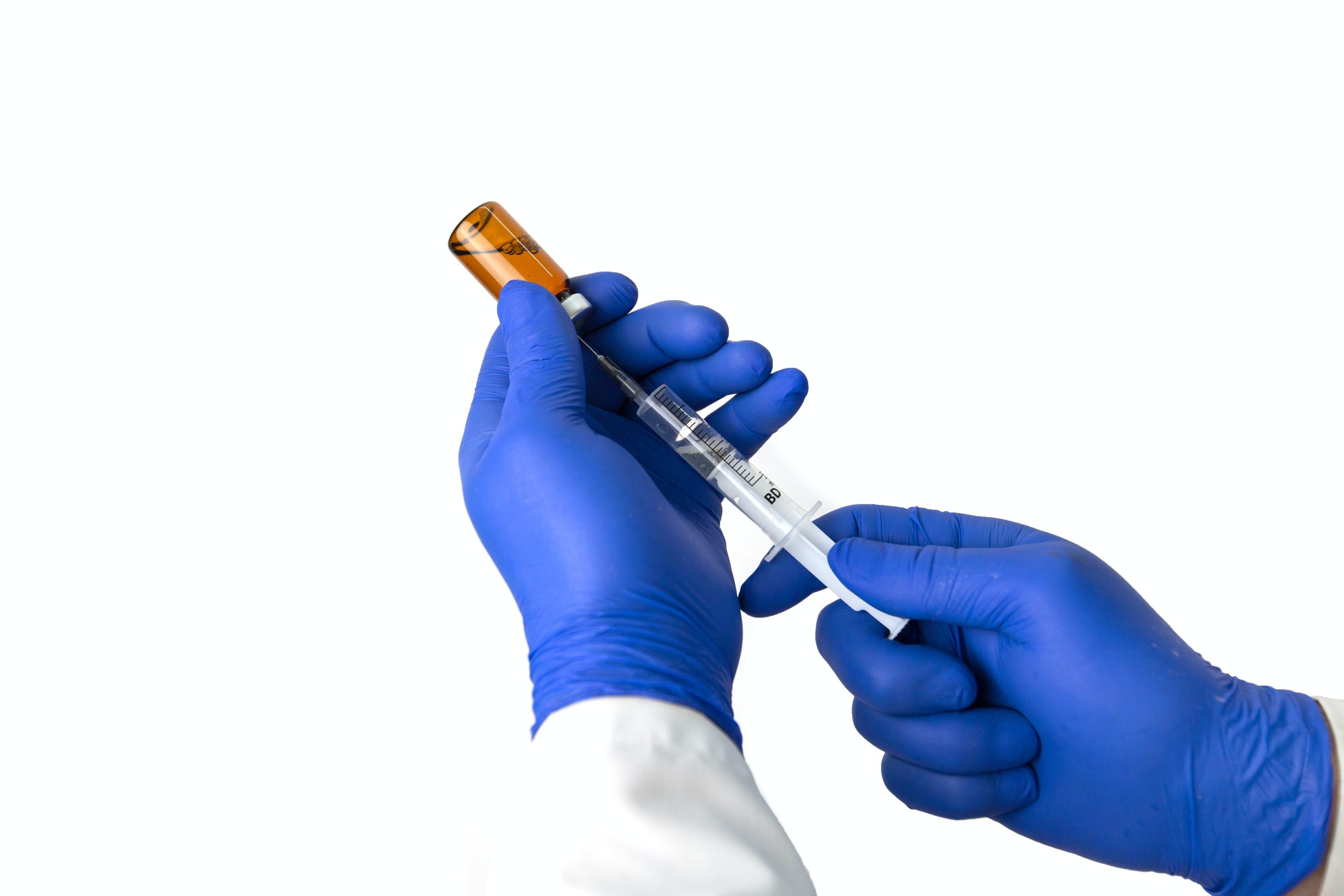
    vaccine for covid 19

    Vaccines play a critical role in preventing the spread of infectious diseases and protecting individuals from serious illness. The COVID-19 pandemic has highlighted the importance of vaccines more than ever before, with researchers around the world working to develop a vaccine for the virus.

    The development and approval of a vaccine typically takes years, but in the case of COVID-19, several vaccines have been developed and approved for emergency use in record time. These vaccines work by introducing a small amount of the virus or a piece of its genetic material into the body, which triggers an immune response. This allows the body to build immunity to the virus, reducing the risk of illness if the individual becomes infected.

    Vaccines are typically administered through a series of shots, with booster shots often needed to maintain immunity. It is important to follow the recommended vaccination schedule to ensure optimal protection. Some vaccines may also have side effects, such as soreness at the injection site or mild fever, but these are typically mild and temporary.

    The COVID-19 vaccines have undergone rigorous testing to ensure their safety and effectiveness, and have been shown to significantly reduce the risk of illness and death from the virus. Getting vaccinated is not just about protecting oneself, but also about protecting others in the community. By getting vaccinated, we can help to slow the spread of the virus and ultimately bring an end to the pandemic.

    Read about pneumonia : Pneumonia and chest infection

    Types of vaccine against COVID 19

    There are several vaccines available for COVID-19, each with its own unique characteristics and efficacy. Some of the most widely used vaccines include:

    • Pfizer-BioNTech vaccine: This vaccine uses a piece of the virus’s genetic material, called messenger RNA (mRNA), to trigger an immune response. It requires two doses administered three weeks apart, and has been shown to be 95% effective in preventing illness.
    • Moderna vaccine: Similar to the Pfizer-BioNTech vaccine, the Moderna vaccine uses mRNA to trigger an immune response. It also requires two doses administered four weeks apart, and has been shown to be 94% effective in preventing illness.
    • Johnson & Johnson vaccine: This vaccine uses a harmless virus to deliver a piece of the COVID-19 virus’s genetic material, called DNA, to the body. It requires only one dose, and has been shown to be 66% effective in preventing illness.
    • AstraZeneca vaccine: This vaccine also uses a harmless virus to deliver DNA, but it requires two doses administered four to 12 weeks apart. It has been shown to be 76% effective in preventing illness.

    Each of these vaccines has undergone rigorous testing to ensure their safety and effectiveness, and have been approved for emergency use by various regulatory agencies around the world. It is important to follow the recommended vaccination schedule and guidelines for each vaccine to ensure optimal protection.

    Read about NIP and vaccines: NIP and vaccination

    Dadura khop(दादुरा खोप)- dadura cases kathmandu 2081 short note on measles

    Measles दादुरा को परिचय  (Rastriya Khop talika) 2081

    Table of contents(toc)
    दादुरा एक भाइरसबाट लाग्ने सरुवा रोग हो।
    यो मिजल्स भाइरस बाट लाग्दछ।
    यो रोगले सबै उमेरकालाई असार गर्छ तर बच्चा हरु प्राय उच्च जोखिममा हुन्छन्।

    दादुराको लक्षणहरू dadura symotoms

    1. शरीरमा डाबर आउने
    2. ज्वरो
    3. रुघा लाग्ने
    4. खान मन नगर्ने
    5. पखाला लाग्ने
    6. सास फेर्न गाह्रो हुने
    7. रुने
    8. वान्ता हुने
    Read fipv revised schedule in this link.

    दादुरा विरुद्धको खोप measles भ्याक्सिन

    दादुरा विरुद्धको खोप स्वास्थ्य संस्थामा निःशुल्क पाइन्छ। 
    आफ्नो बच्चालाई समयमा यो खोप लगाएमा दादुरा साथै यसले हुने नोक्सानी र ज्यान जान बाट समेत जोगाउन सकिन्छ। 
    समयमै आफ्नो बच्चा लाई खोप लगाऊ।

    दादुराको उपचार dadura treatment 

    दादुरा लागिसकेपछि कुनै उपचार छैन। लक्षण अनुसारको उपचार दिन सकिन्छ। प्राय मा यो रोग निको भए पनि, केहीलाई भने निकै असार पुर्याउँछ। कहिलेकाहीं ज्यान सम्म जन सक्दछ। 
    तपाईंको बच्चालाई माथिका लक्षण देखिएमा तुरुन्त स्वास्थ्य संस्थामा संपर्क गर्नुहोला। यो सरुवा रोग भएकाले अरु लाई सार्न दिन हुँदैन।
    Read:
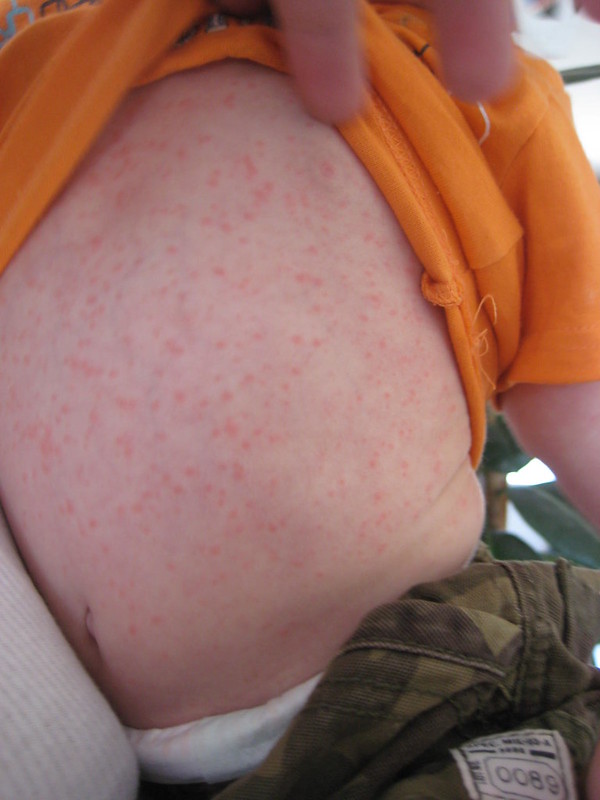
    measles  (credit: flickr)

    दादुरा को परीक्षण measles test

    दादुरा को परीक्षण रगतबाट गर्न सकिन्छ। तर धेरैजसो अवस्थामा यो बिरामी हेरेरै (क्लिनिकल डियाग्नोसिस) गर्न सकिन्छ। 
    निम्नानुशार परीक्षण गर्न सकिन्छ।
    1. CBC
    2. छातीको एक्सरे chest X-ray
    3. सेरोलोजी फर मिजलस serology for measles
    4. आवश्यकता अनुसार थप जाँच

    के दादुरमा आइसोलेशन चाहिन्छ?

    दादुरा सरुवा रोग भएकोले isolation आइसोलेशन् चाहिन्छ ।
    घर का अरु सदस्य बाट टाढा राखौ।
    स्कूल नपठाउ।

    दादुरा कसरी सर्छ?

    दादुरा बिरामीको  सास थूक सिँगान लगायत शारीरिक उत्पादन बाट सर्छ। सतर्क रहौं।
  • Definition: Measles is a highly contagious viral infection caused by the Measles virus (Paramyxovirus family).
  • Transmission: Spreads through respiratory droplets (coughing, sneezing) and direct contact with an infected person.
  • Incubation Period: 7–14 days after exposure.
  • Symptoms:
    • High fever
    • Cough, runny nose, conjunctivitis (red eyes)
    • Koplik’s spots (tiny white spots inside the mouth)
    • Maculopapular rash (spreads from face to body)
  • Complications: Pneumonia, encephalitis, ear infections, blindness, diarrhea, and death in severe cases.
  • Diagnosis: Based on clinical symptoms and lab tests (IgM antibodies, RT-PCR for measles RNA).
  • Prevention: Measles vaccine (MMR – Measles, Mumps, Rubella) given in childhood.
  • Treatment: Supportive care (fluids, fever management, Vitamin A supplements). No specific antiviral treatment.
  • Public Health Concern: Measles outbreaks occur in areas with low vaccination coverage.
  • Exit mobile version