Handbook of rabies in Nepali 2025 रेबिज रोग बारे जानकारी हाते पुस्तिका
Rabies disease handbook protocol Nepal
Table of Contents (toc)
Introduction
Rabies is a viral illness that leades to neurological complication, muscle spastic paralysis and inevitable death and is transmitted by the mammal bite especially dogs.
Watch dogbite management video by clicking this image icon:
Click to watch video
Its very common in Nepal and goverment does free postexposure vaccination all over nepal.
रेबिज रोग बारे जानकारी हाते पुस्तिका (download rabies handbook)
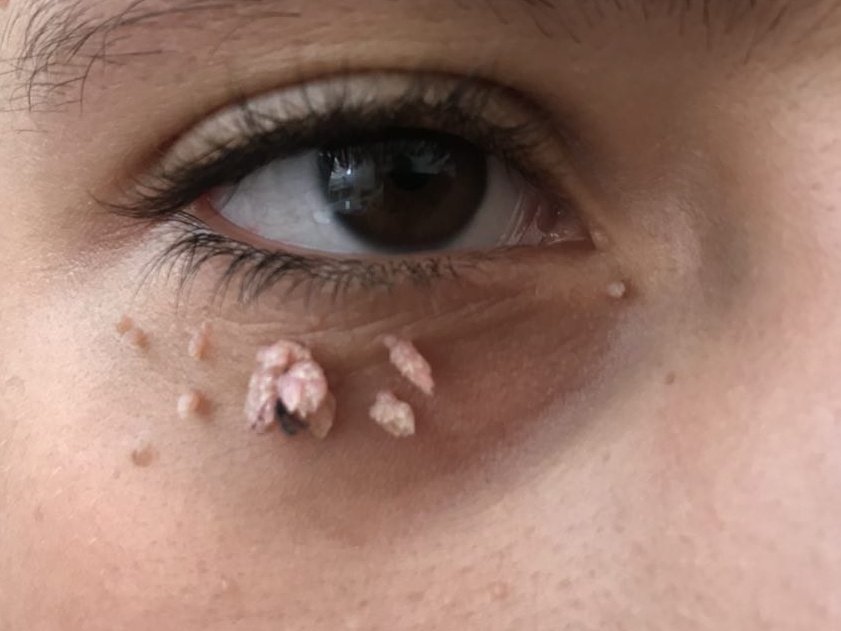
Filiform warts are long, narrow, thread-like warts caused by the human papillomavirus (HPV), particularly types 1, 2, 4, 27, and 29. They typically appear on the face, neck, eyelids, and lips due to the thin and sensitive skin in these areas.
These warts are more common in people with weakened immune systems and can spread through direct contact.
Symptoms of HPV warts:
Long, finger-like projections
Flesh-colored or slightly darker than the surrounding skin
Usually painless but can be irritating if located in sensitive areas
Causes & Risk Factors of HPV warts:
Direct skin contact with an infected person or contaminated surface
Scratching or shaving over an infected area, spreading the virus
Weakened immune system
Treatment Options of HPV warts:
Here is list of different treatment options available to treat HPV related warts. In general HPV related wars can go automatically, you should be especially cautious for anogenital warts and warts that are rapidly spreading or forming n new body parts fast enough.
Topical Treatments:
Salicylic acid
Retinoids
Imiquimod (immune response modifier)
Cryotherapy (Freezing with Liquid Nitrogen):
Common treatment performed by dermatologists
Electrocautery (Burning the Wart):
Uses an electric current to destroy the wart
Laser Therapy:
Used for stubborn warts that don’t respond to other treatments
Surgical Removal:
Minor procedure if the wart is persistent or causing discomfort
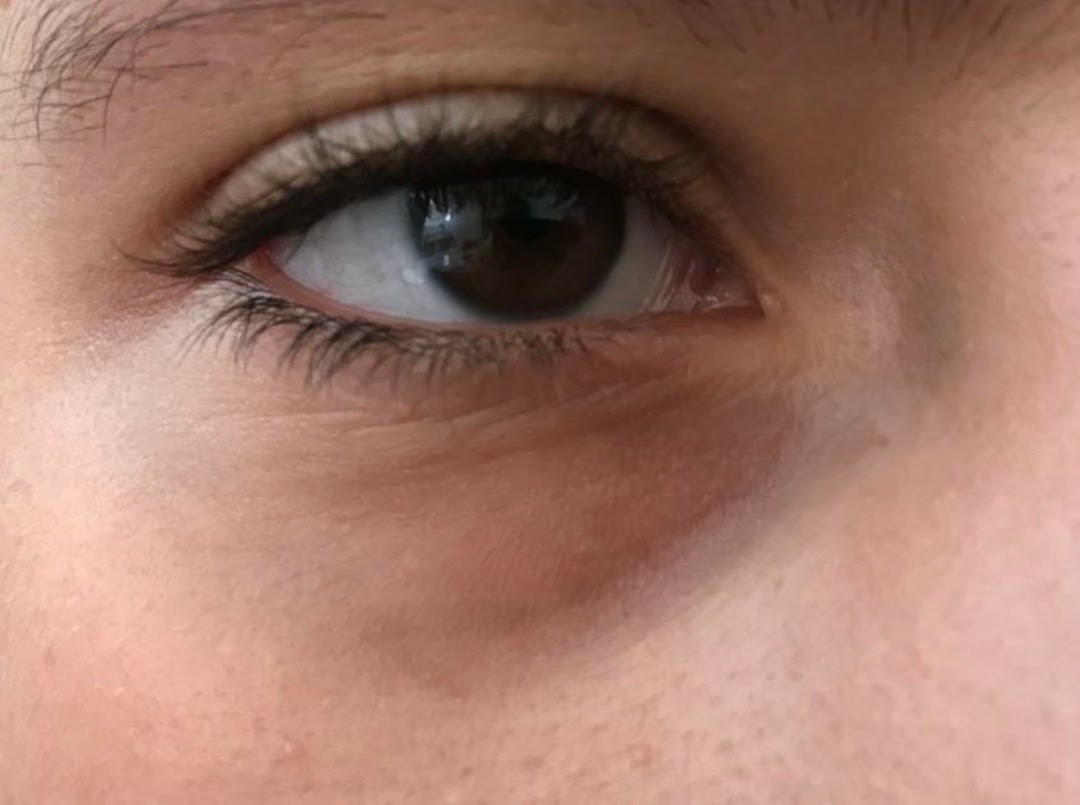
Wart after treatment (note:some visual enhancing may be used)
How are HPV warts tranmitted?
Warts are transmissible diseases and transmitted by direct or indirect contact with the person with the warts.
Since filiform warts can spread easily, it’s important to avoid touching them, maintain good hygiene, and seek treatment early.
They are also transmitted from one part of body to the another part by direct contact or after scratching, cutting or simple abrasion.
People who play contact sports are at high risk of getting these warts from the person with the infection.
Intimate and sexual patners are also at very high risk of getting these infections from their part from either sexual or nonsexual direct or indirect contact.
Here is comprehensive list of mode and methods of tresnmission of warts that are on face or any other parts of body that are caused by the HPV.
Methods of Transmission of HPV-Related Warts:
Direct Skin-to-Skin Contact – Touching an infected area.
Sexual Contact – Vaginal, anal, or oral sex.
Fomites – Shared personal items (e.g., razors, towels).
Autoinoculation – Spreading the virus to other body parts.
Mother-to-Child (Perinatal Transmission) – During childbirth.
It’s important to note that the choice of drugs depends on factors such as
drug susceptibility testing results and the specific resistance patterns
of the tuberculosis strain. Treatment regimens are determined by
healthcare professionals based on individual patient circumstances.
Thank you
Thank you for your time Your feedback is highly appreciated.
The most prevalent type of blood cell in the human body are red blood cells,
or erythrocytes.
They primarily carry carbon dioxide back to the lungs so that it can be
breathed, as well as oxygen from the lungs to the body’s tissues and organs.
Red Blood cells are produced in bone marrow and circulate in blood.
Lifespan of RBCs
RBCs are made in the bone marrow and have a 120-day average lifespan.
Due to their small size, flexibility, and biconcave disk-like form, they
may easily fit into constricted blood arteries and effectively transfer
oxygen.
A hormone called erythropoietin, which the kidneys generate in reaction
to low blood oxygen levels, controls the maturation and synthesis of RBCs.
What do RBCs do?
RBCs play vital role in our body and life as a whole
Here is a list of RBC’s functions in our body:
Oxygen transport
Carbon dioxide transport
Acid-base balance maintenance
Hemoglobin synthesis and function
Regulation of blood viscosity
Contribution to blood osmolarity
Facilitation of nitric oxide transport
Scavenging of free radicals
Participation in immune modulation
Maintenance of redox balance
Video lecture in Anemia in Nepali
Abnormalities in RBC count or function can lead to a range of medical
conditions, including anemia, sickle cell disease, and polycythemia.
Understanding the structure and function of RBCs is important in the diagnosis
and management of these conditions.
Anemia:
Anemia is a disorder where the body’s ability to carry oxygen is
compromised due to a shortage of red blood cells (RBCs) of a certain type or
quantity. This may result in symptoms like weakness, exhaustion,
breathlessness, and pale skin.
Blood loss, a decline in RBC
production, or an increase in RBC oxidation are a few of the causes of
anemia.
Iron deficiency, vitamin B12 insufficiency, and chronic illnesses including cancer or kidney disease are common causes of anemia.
Severity of anemia classification:
The severity of anemia is classified based on hemoglobin (Hb) levels as
per the World Health Organization (WHO)
guidelines. The classification varies slightly between different
populations (e.g., children, pregnant women, adults).
Chronic vs. Acute Anemia:
Acute anemia (e.g., due to sudden blood loss) is more dangerous than
chronic anemia, even at the same Hb level.
Individual Variability:
The severity of symptoms may depend on factors like age, underlying
conditions, and speed of onset.
Causes of Anemia
Blood tests to assess RBC count, hemoglobin levels, and other indicators
of RBC function are frequently used to diagnose anemia.
Depending on the underlying cause of the anemia, treatment options may
include dietary adjustments, vitamin or iron supplements, prescription
drugs, or blood transfusions.
In addition to controlling any underlying medical disorders that may
raise the risk of anemia, prevention of anemia entails keeping a
nutritious diet that contains supplies of iron, vitamin B12, and other
vital minerals.
For treatment of anemia please consult your doctor.
The information provided here is for educational purpose and does not
replacce the professional advice of your doctor.
Reading this article and following does not establish doctor patient
relationship with me and me and members of my team will not be liable
for any damage or adverse effect dont to you or any other person due to
this.
Frequently Asked Questions (FAQ)
What is the primary function of red blood cells (RBCs)?
Red blood cells (RBCs) are responsible for transporting oxygen from the lungs to the body’s tissues and carrying carbon dioxide back to the lungs for exhalation. They also play a role in maintaining acid-base balance, blood viscosity, and immune modulation.
What are the common causes of anemia?
Anemia can be caused by blood loss, reduced RBC production, or increased RBC destruction. Common causes include iron deficiency, vitamin B12 deficiency, chronic diseases (such as kidney disease or cancer), genetic conditions (such as thalassemia or sickle cell disease), and certain medications.
How is anemia diagnosed and treated?
Anemia is diagnosed through blood tests that assess RBC count, hemoglobin levels, and other indicators of RBC function. Treatment depends on the underlying cause and may include dietary changes, vitamin or iron supplements, medications, or blood transfusions. Consulting a doctor is essential for proper diagnosis and management.
{
“@context”: “https://schema.org”,
“@type”: “FAQPage”,
“mainEntity”: [{
“@type”: “Question”,
“name”: “What is the primary function of red blood cells (RBCs)?”,
“acceptedAnswer”: {
“@type”: “Answer”,
“text”: “Red blood cells (RBCs) are responsible for transporting oxygen from the lungs to the body’s tissues and carrying carbon dioxide back to the lungs for exhalation. They also play a role in maintaining acid-base balance, blood viscosity, and immune modulation.”
}
},{
“@type”: “Question”,
“name”: “What are the common causes of anemia?”,
“acceptedAnswer”: {
“@type”: “Answer”,
“text”: “Anemia can be caused by blood loss, reduced RBC production, or increased RBC destruction. Common causes include iron deficiency, vitamin B12 deficiency, chronic diseases (such as kidney disease or cancer), genetic conditions (such as thalassemia or sickle cell disease), and certain medications.”
}
},{
“@type”: “Question”,
“name”: “How is anemia diagnosed and treated?”,
“acceptedAnswer”: {
“@type”: “Answer”,
“text”: “Anemia is diagnosed through blood tests that assess RBC count, hemoglobin levels, and other indicators of RBC function. Treatment depends on the underlying cause and may include dietary changes, vitamin or iron supplements, medications, or blood transfusions. Consulting a doctor is essential for proper diagnosis and management.”
}
}]
}
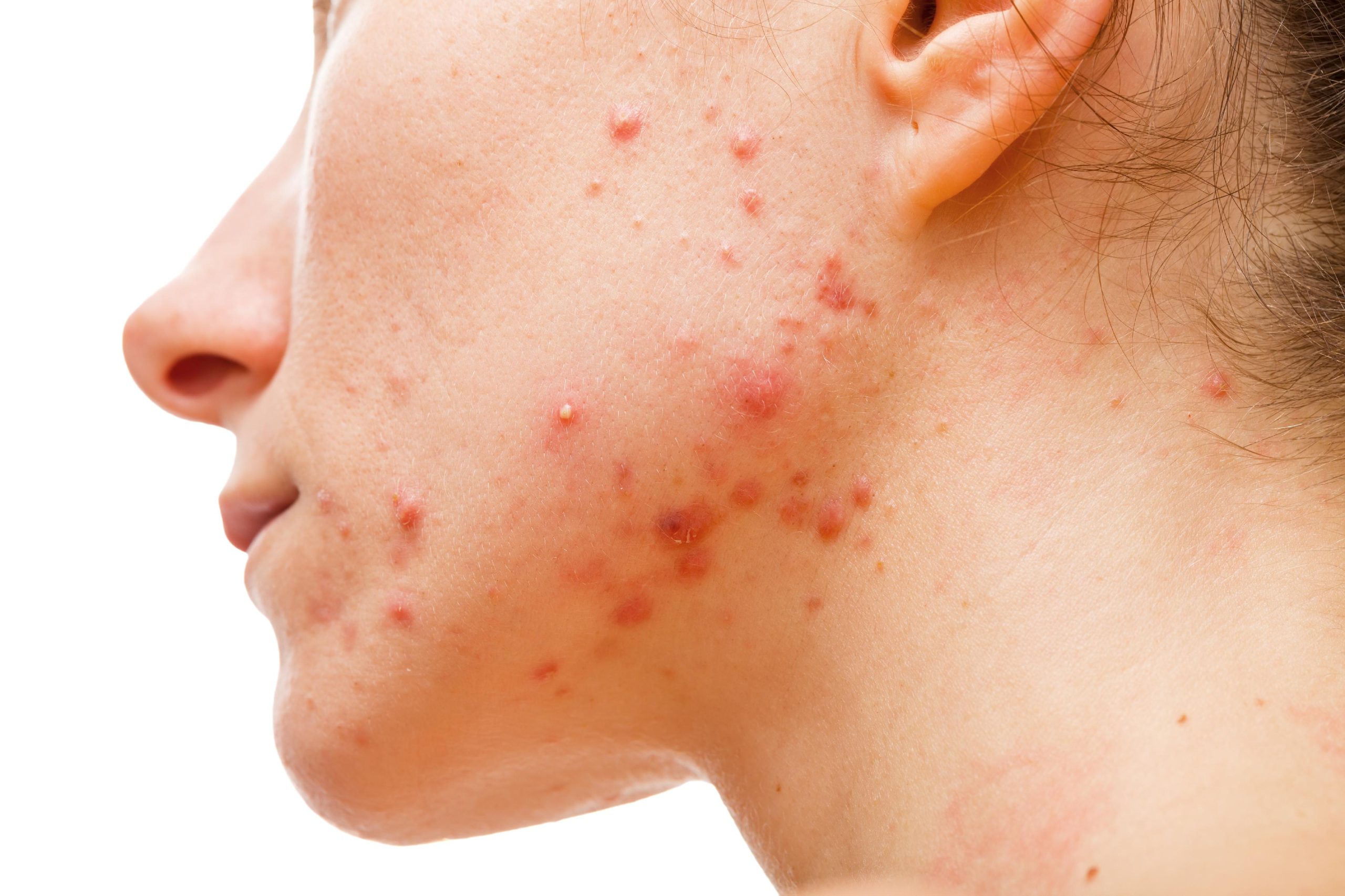
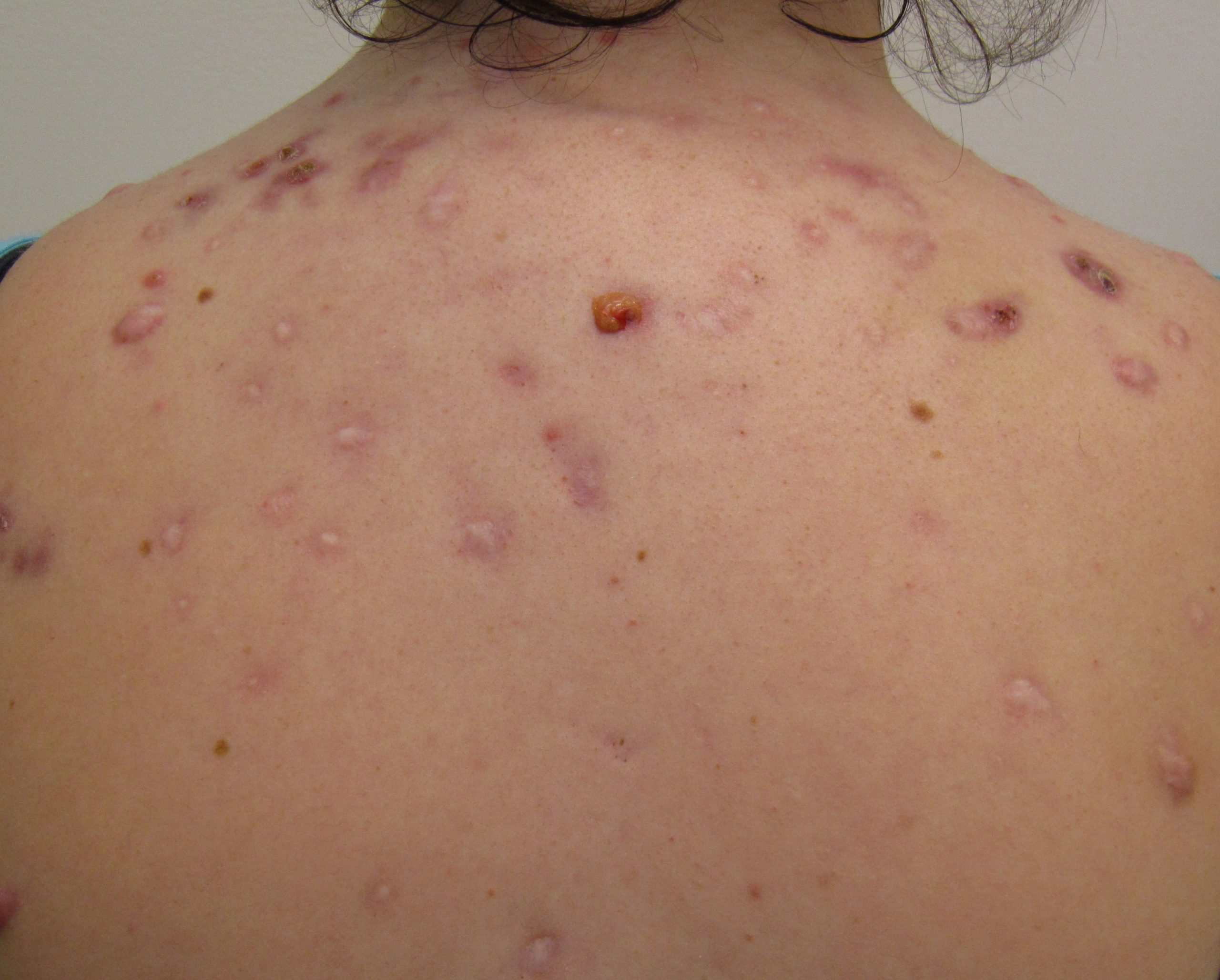
Acne, also known as acne vulgaris is a common skin disease and disorder characterized by muliple lesions in skin. It affects mostly face area but may also affect neck chest and back in severe cases.
Acne contains both inflammatory or noninflammatory lesions spread around that area.
Acne mostly affects ‘pilosebaceous units’ you which is the name for ‘hair follicles’.
Acne affects above mentioned area because these areas contain most of the oil glands.
How does acne develop?
Acne is developed by following mechanism:
Clogging/blocking of opening in pilosebaceous unit
Excessive production of sebum (oil)
Infection of bacteria named: Cutibacterium acnes (Proprionibacterium acnes)
Subsequent formation of lesion or inflammation
Acne mostly affects the teenage and early adulthood population and most of the people get rid of acne by age of 25 or earlier.
How is acne diagnosed?
After the lesions or acne is seen in the skin the physician carefully examines the skin.
The common findings in are:
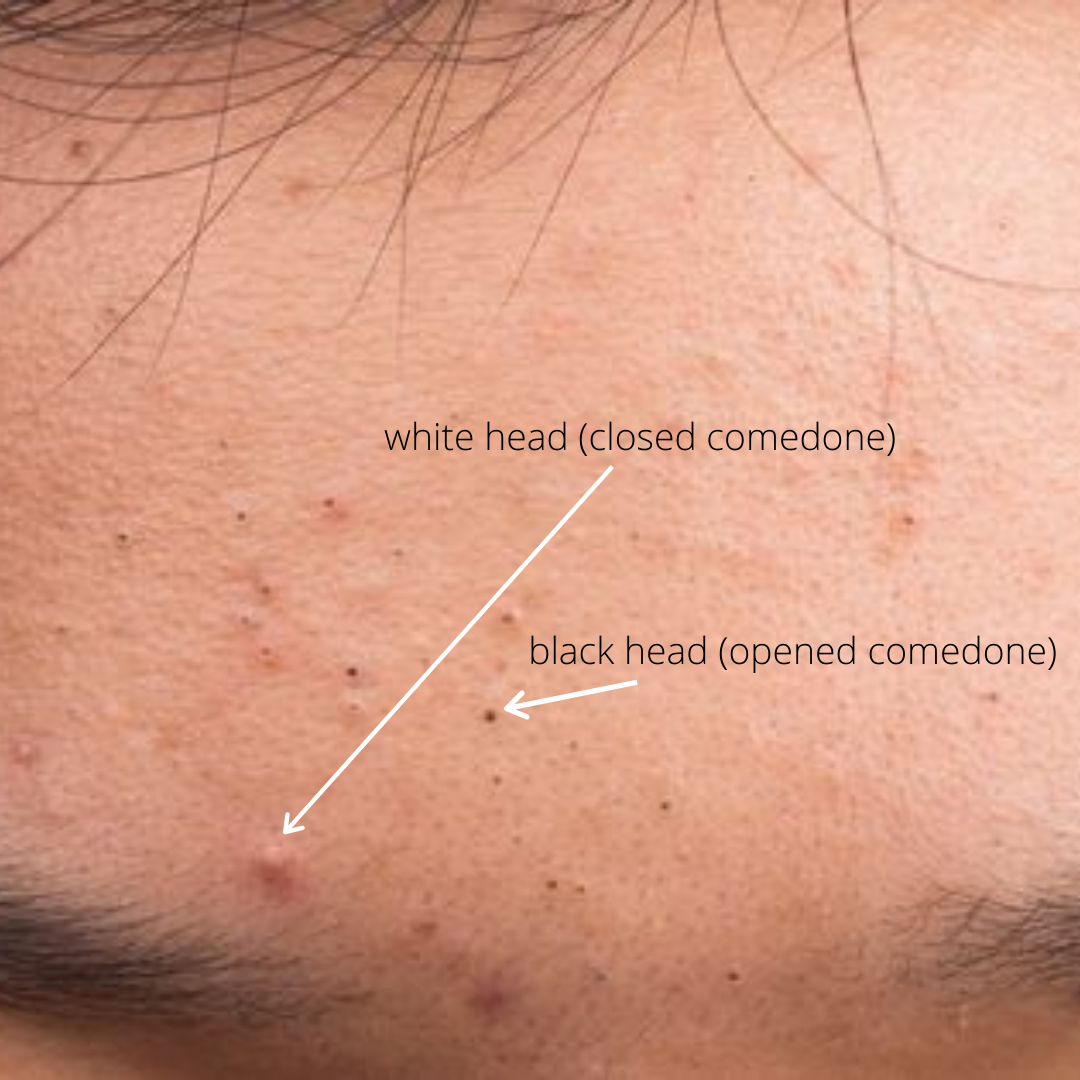
Open comedo (black head)
Close comedo (whitehead)
Papules
Pustules
Nodules
Cyst formation
Abscess formation
Scarring in acne
Symptoms may also include discharge, pain and irritation of the lesions.
As acne is more common in teenage to early adulthood and invilves face, acne maybe affecting the psychology of the person, independent of how severe the disease is.
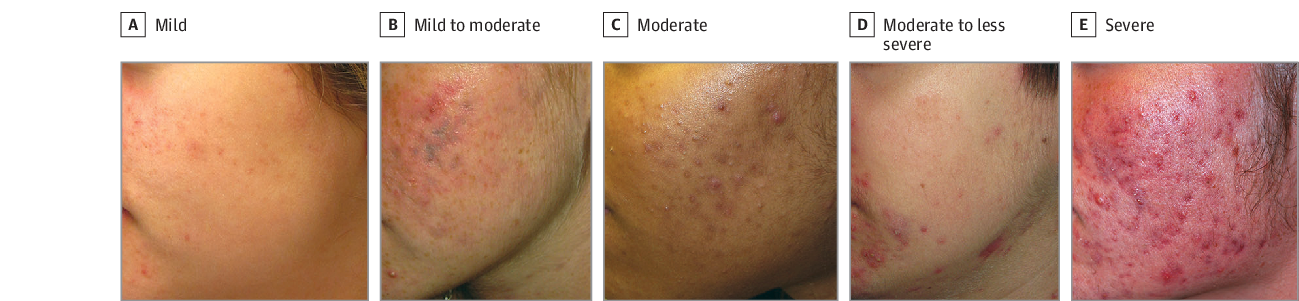
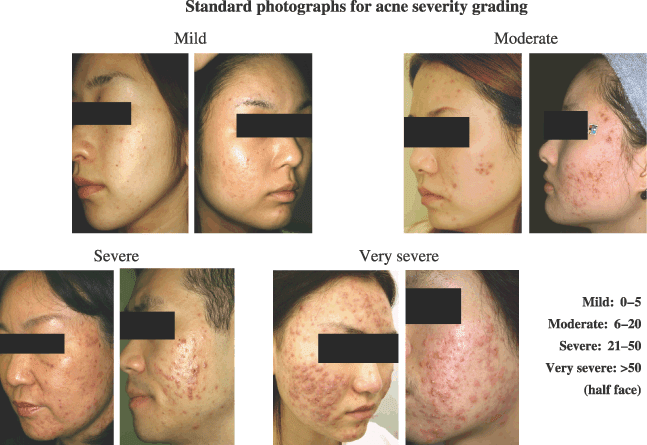
Diagnosis of acne by severity (severity classification)
Diagnosis of acne is mostly clinical. Following diagnosis maybe made by the physician depending up on the severity.
Comedonal acne
Mild acne
Moderate acne
Severe acne/Nodulocystic acne
No lab tests are generally required for acne. In cSe of treatment failure and severe acne ghe doctor may decide to perform necessary investigations and tests.
Comorbidities with acne:
Comorbidities like PCOS (POLYCYSTIC OVARIAN SYNDROME) and systemic disease like diabetes may need to be ruled out and the doctor may ask symptoms related to these disease and may even order necessary investigarions.
What other conditions can mimic acne?
There are few conditions similar to acne that doctor needs to rule out, includes acne conglobata, folliculitis, acneiform eruptions, etc.
There a severe form of acne in which the infection of the bacteria causing acne spreads around whole body known as acne fulminans. It may need inpatient admission and treatment.
Treatment of acne is simple in case of early treatment or less severe cases.
What is the definitive treatment of acne?
Now lets talk about treatment of acne. Treatment of acne depends upon severity of the acne. The severity of acne decides which of the available treatment can be directed to particular patient. The medications can be given single or in combination if severe acne is to be treated.
The drugs that are commonly available and recommend for treatment of acne includes:
They are first line of treatment. These medicines reduce number of comedones, open the pores and then control inflammation. This helps drainage of sebum as well as reduction in bacterial load.
This also helps with prevention of scarring and reative hyperpigmentation as well.
Commonly used topical retinoids include adapalene, tazarotene, and tretinoin.
adapalene
tazarotene
tretinoin.
These medicines are applied on e daily in well washed dry skin. Side effects of retinoids include skin peeling, irritation, and redness. This should resolve by a week or two. The person using these drugs should be gentle with their skin and can ise non comedogenic moisturizer for prevention of dryness and irritation.
As they make the skin thin one should well protect their skin from sun and stay protected by application of sunscreen or staying inside.
Other measures like protective covering while going outside also help.
If the side effects like irritation and peelings is persistent, alternative day dosing can be done.
Amount should be minimal with vey thin layer formation in skin and should not be applied to eyes.
Topical antibiotics:
Topical antibiotics commonly used for acne vulgaris include: clindamycin, erythromycin, minocycline,benzoyl peroxide and dapsone.
clindamycin
Erythromycin
minocycline
benzoyl peroxide
dapsone
These drugs have antibacterial as well as anti-inflammatory effect on skin.
This antibiotics should never be used alone but are used in combination with topical retinoids. This is done to prevent the antimicrobial resistance.
Other topical medicine include antiandrogen drug like clascoterone. It is a topical androgen receptor inhibitor and hence it reduces action of androgen in skin.
Systemic antibiotics:
Oral antibiotics commonly prescribed for acne include Doxycycline, minocycline, tetracycline, sarecycline. Previously erythromycin also used to be prescribed but it is less prescribed now due to resistance. Occasionally oral clindamycin, azithromycin and sulfamethoxazole is also used.
Hormonal therapy:
Antiandrogen agents like spironolactone can be useful for controlling acne. Similarly, estrogen helps in reducing production of sebum helping with treatment of acne.
Oral isotetrinoin:
It is a systemic retinoid which is highly effective in treatment of moderate to severe acne vulgaris. It has anti inflammatory, and antibiotic role .
For dose of isotetrinoin refer here.
Warning: Isotetrinoin is teratogenic. It may cause birth defects. Hence, pregnancy should be strictly avoided during isotetrinoin treatment.
Following investigation are mandatory before starting isotetrinoin then repeated monthly.
Note: Pateints may have abnormal health and wound physiology upto one year from isotetrinoin discontinuation. Some patients may be prescribed with steroids while starting isotetrinoin .
Surgical management of acne:
Some cases like large inflammatory, cystic and nodular acne may get benefits from injection of steroids in acne site. (intralesional steroids). Some benefits maybe from laser and lught therapy. While surgical extraction, and incision and drainage may also be useful.
Some medications not mentioned above include: Azelaic acid, tazarotene, trifarotene, daptomycin, glycolic acid and salicyalic acid.
Superficial peels that use glycolic or salicylic acid can be used for some cases for treatment of acne.
What are the treatment of acne in Nepal?
Multiple medications, which includes all of the above are available in Nepa for treatment of acne.
Acnecare and some other medicines are common. These drugs are commonly called acne face creams and are available in cosmetic shops over the counter OTC. Many such cosmetic products are sold under names acne soap for face, acne face wash, adapelene gel, clean and clear face wash etc. There are best dermatologists in nepal which can easily handle your condition and get you rid of acne and ppimples to give you gowing white skin.
Thank you very much. If you have acne related questions you can ask us in chat box below. If you have feedbacks you can provide us directly. And if you need treatment, contact your doctor or book an appointment below.
Information in this website is not substitute for professional medical advice and if any harm done by trying information form here is full liability of that person. This information should be taken for educational purposes only.
Maintaining a healthy diet is one of the most important things you can do for your overall health and well-being.
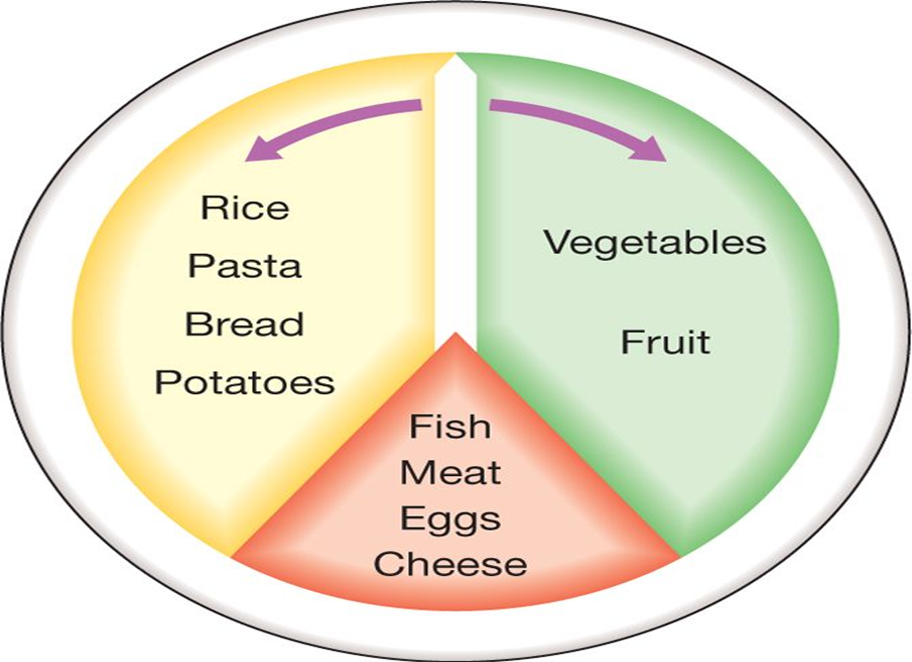
A healthy diet consists of a variety of nutrient-dense foods that provide your body with the essential vitamins, minerals, and macronutrients it needs to function properly.
In this article, we will explore the benefits of a healthy diet and how it can impact your health.
Benefits of Healthy Diet
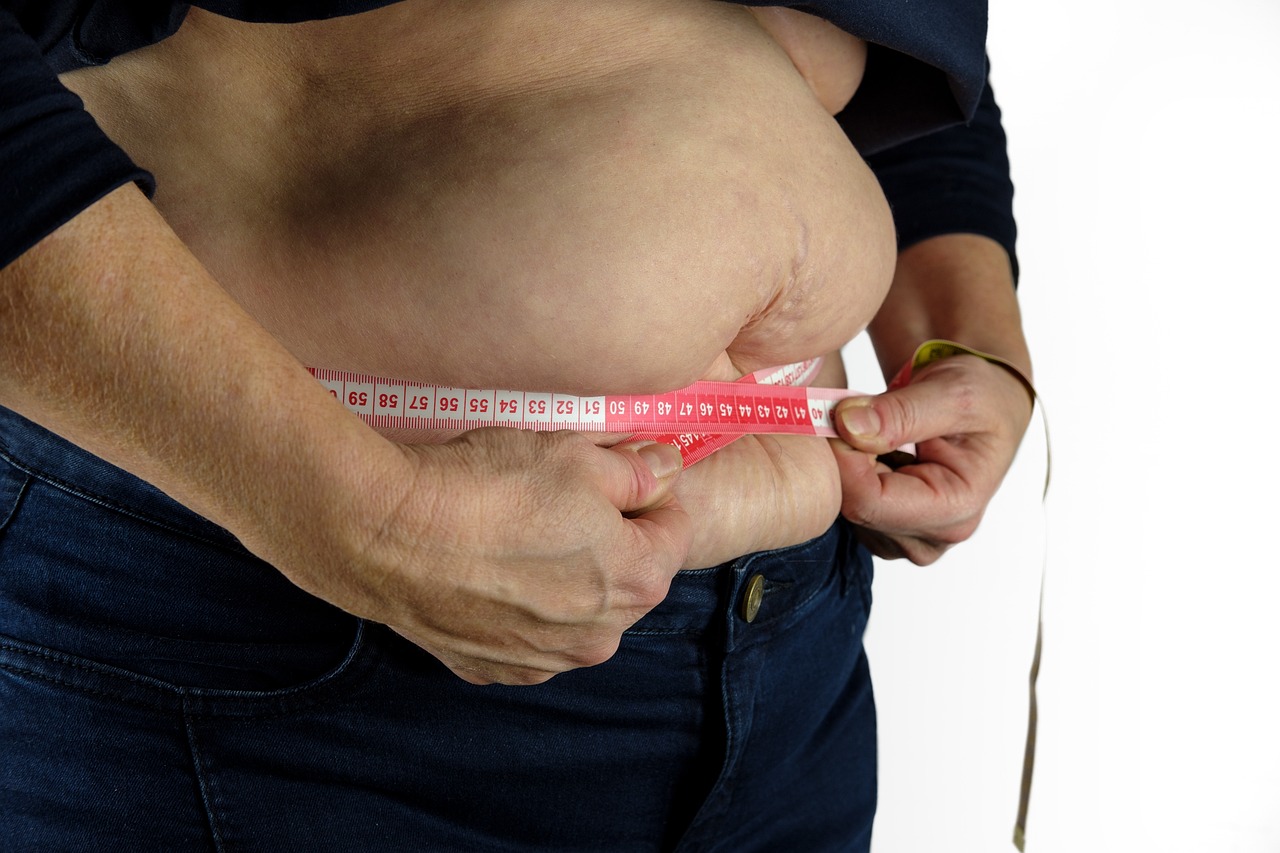
Helps Manage Weight
Makes you feel energized the whole day
Reduces the Risk of Chronic Diseases
Improves Digestion
Boosts Immune System
Improves Mood
Improves Skin Health
Healthy Diet Increases Longevity
Enhances Physical Performance
Supports Better Sleep Quality
Helps Manage Weight
Eating a healthy diet can help you manage your weight, which is crucial for preventing chronic diseases such as heart disease, diabetes, and high blood pressure. A diet rich in fruits, vegetables, whole grains, and lean protein can help you maintain a healthy weight by providing your body with the nutrients it needs while also reducing your calorie intake.Boosts Energy
Makes you feel energized the whole day
Eating a healthy diet can help you feel more energized throughout the day. A balanced diet that includes whole grains, lean proteins, and healthy fats can help stabilize blood sugar levels, which can prevent energy crashes and fatigue.
Reduces the Risk of Chronic Diseases
A healthy diet can reduce the risk of chronic diseases such as heart disease, diabetes, and cancer.
A diet rich in fruits, vegetables, whole grains, and lean protein can help lower cholesterol levels, reduce blood pressure, and improve insulin sensitivity.
Basically, a healthy diet is essential for maintaining good health and preventing chronic diseases. A diet that includes a variety of nutrient-dense foods such as fruits, vegetables, whole grains, and lean protein can provide your body with the essential nutrients it needs to function properly.
Eating a healthy diet can help you manage your weight, boost your energy levels, reduce the risk of chronic diseases, improve digestion, boost your immune system, improve your mood, and improve your skin health. Make healthy eating a part of your daily routine and enjoy the benefits of a healthier, happier you.
Improves Digestion
Eating a healthy diet can improve digestion and prevent gastrointestinal problems such as constipation, bloating, and gas.
A diet that includes fiber-rich foods such as fruits, vegetables, and whole grains can help promote regular bowel movements and keep your digestive system healthy.
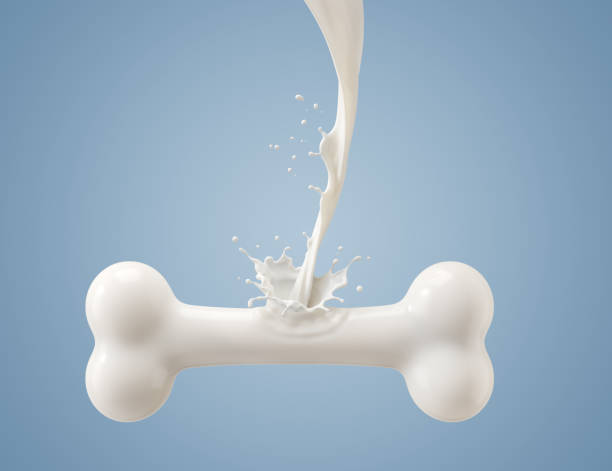
milk makes bones healthy
Boosts Immune System
A healthy diet can boost your immune system and help prevent illness.
Foods that are rich in vitamins and minerals such as vitamin C, vitamin D, zinc, and selenium can help strengthen your immune system and protect your body against infection and disease.
Here are the key nutrients that play a crucial role in supporting and boosting immunity:
Vitamins:
Vitamin C – Powerful antioxidant that enhances immune cell function (found in citrus fruits, bell peppers, strawberries).
Vitamin D – Regulates immune responses and reduces inflammation (found in sunlight, fatty fish, fortified dairy).
Vitamin A – Supports the integrity of the skin and mucosal barriers (found in carrots, sweet potatoes, leafy greens).
Vitamin E – Protects immune cells from oxidative stress (found in nuts, seeds, and spinach).
Vitamin B6 – Helps in white blood cell production (found in poultry, bananas, and potatoes).
Vitamin B12 – Supports red blood cell production and immune health (found in meat, dairy, and eggs).
Minerals:
Zinc – Essential for immune cell function and wound healing (found in meat, nuts, seeds, and legumes).
Iron – Helps transport oxygen in the blood, aiding immune function (found in red meat, spinach, and lentils).
Selenium – Protects cells from oxidative damage and boosts immunity (found in Brazil nuts, fish, and eggs).
Magnesium – Regulates immune responses and reduces inflammation (found in nuts, seeds, and whole grains).
Other Essential Nutrients:
Protein – Provides amino acids needed for immune cell production (found in lean meats, legumes, and dairy).
Omega-3 Fatty Acids – Reduce inflammation and support immune responses (found in fatty fish, flaxseeds, and walnuts).
Probiotics & Prebiotics – Maintain gut health, which is essential for immunity (found in yogurt, fermented foods, and fiber-rich foods).
Improves Mood
Eating a healthy diet can improve your mood and mental health. Foods that are rich in omega-3 fatty acids, such as salmon and walnuts, can help reduce inflammation in the body and improve brain function, which can have a positive impact on your mood.
Improves Skin Health
Eating a healthy diet can improve your skin health and give you a glowing complexion.
Foods that are rich in antioxidants such as berries, leafy greens, and dark chocolate can help protect your skin against damage from free radicals and UV radiation.
Food has been used as medicine for several centuries and sometimes the foods can be applied from outside on the skin directly as medicine for better skin and for beautiful skin.
Here is a list of foods that are proven to enhance skin health :
Foods That Enhance Skin Health
Berries (Blueberries, Strawberries, Raspberries)
Dark Chocolate (70%+ Cocoa)
Green Tea
Tomatoes
Cucumber
Watermelon
Bone Broth
Aloe Vera
Coconut Water
Avocados
Fatty Fish (Salmon, Mackerel, Sardines)
Nuts & Seeds (Almonds, Walnuts, Chia, Flaxseeds)
Olive Oil
Carrots
Sweet Potatoes
Papaya
Pineapple
Turmeric
Spinach
Kale
Yogurt
Kefir
Fermented Foods (Kimchi, Sauerkraut, Miso)
Lemon Water
Beets
Enhances Physical Performance
Healthy diet had How a Healthy Diet Enhances Physical Performance
Provides Sustained Energy – Carbohydrates from whole grains, fruits, and vegetables fuel workouts and endurance.
Supports Muscle Growth & Repair – Protein from lean meats, legumes, and dairy aids in muscle recovery and strength.
Reduces Inflammation – Healthy fats from nuts, seeds, and fish promote joint health and reduce muscle soreness.
Enhances Hydration & Stamina – Water and electrolytes prevent dehydration and improve endurance.
Boosts Oxygen Transport – Iron-rich foods like spinach and red meat improve oxygen delivery to muscles.
Supports Muscle Function – Calcium, magnesium, and potassium help with muscle contractions and prevent cramps.
Improves Recovery Time – Antioxidant-rich foods like berries and green tea speed up post-exercise recovery.
Maintains Focus & Mental Clarity – Omega-3 fatty acids and B vitamins support brain function and reaction time.
Enhances Overall Physical Resilience – A well-balanced diet strengthens the body against fatigue and injuries.
Healthy Diet Increases Longevity
How a Healthy Diet Increases Longevity?
Reduces Risk of Chronic Diseases – A nutrient-rich diet lowers the chances of heart disease, diabetes, and cancer.
Supports Heart Health – Healthy fats, fiber, and antioxidants keep blood pressure and cholesterol in check.
Prevents Inflammation & Oxidative Stress – Antioxidant-rich foods like berries and leafy greens fight cell damage.
Maintains a Healthy Weight – Balanced nutrition helps prevent obesity, a major risk factor for premature aging.
Boosts Immune Function – Vitamins and minerals strengthen the immune system, reducing infections and illnesses.
Supports Brain Health – Omega-3 fatty acids, B vitamins, and antioxidants protect against cognitive decline.
Promotes Gut Health – Probiotic and fiber-rich foods support digestion and a healthy gut microbiome.
Enhances Cellular Repair & Regeneration – Nutrients like protein and amino acids aid in tissue repair.
Balances Blood Sugar Levels – Whole foods prevent insulin resistance and reduce the risk of type 2 diabetes.
Improves Mental Well-being – A diet rich in healthy nutrients reduces stress, anxiety, and depression, contributing to a longer, healthier life.
Supports Better Sleep Quality
Good food has always been connected with better sleep quality and better sleep with overall better health.
Good and healthy food is necessary for production of good hormones like dopamine and serotonin.
Some researchers have connected it with Oxytocin, also called happy hormone.
How to lose weight and how to gain weight?
Though eating less may lead to weight loss, but doing that without plan and not making calorie deficit rather starving can actually be unhealthy.
For losing weight if you’re overweight, please conult your physician and dietician and make a calorie deficit diet.
Stick with your diet regularly and keep doing calorie burning exercises.
This is the ultimate and safest way of losing weight.
Losing weight is not a overnight job but takes long time, consistency and patience.
If you keep focus on your goal with time you’ll surely lose weight and be the fit you want.
Losing weight too fast has its own side effects and complications.
Make sure youre under supervisison of your physicaian and dietician, and sticking to the healthy plan they have specifically made for you.
Conclusion
A healthy diet is essential for overall well-being and longevity.
It provides the body with the necessary nutrients, vitamins, and minerals to function optimally, enhancing both physical and mental health.
By managing weight, boosting energy levels, and reducing the risk of chronic diseases such as heart disease and diabetes, a healthy diet helps promote a longer life.
Additionally, it improves digestion, boosts the immune system, and enhances mood, leading to a more vibrant and resilient lifestyle.
Proper nutrition also plays a significant role in enhancing physical performance by supporting muscle repair, reducing inflammation, and improving endurance. Furthermore, a well-balanced diet supports healthy skin, promotes better sleep quality, and aids in cognitive health, ensuring longevity.
Embracing a nutrient-rich diet not only fosters a healthier body but also contributes to an improved quality of life, making it a crucial aspect of longevity.
Snake bite is a common cause of hospital and emergeny visit as well as hospital admission worldwide. It is stimated to kill 20000- 90000 people annually worldwide. In Nepal also it is common and wide spread issues taking life of many, especially in Terai region especially during summer.
What to do if a snake bites?
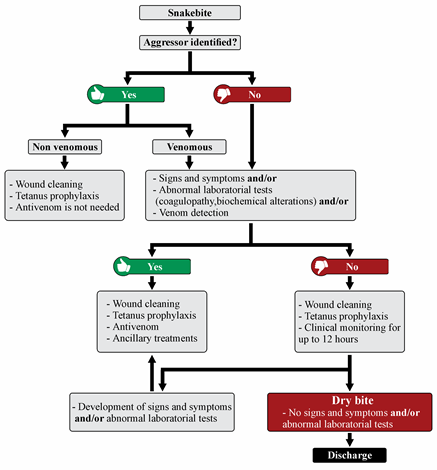
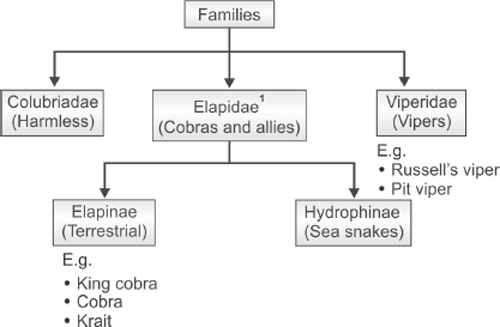
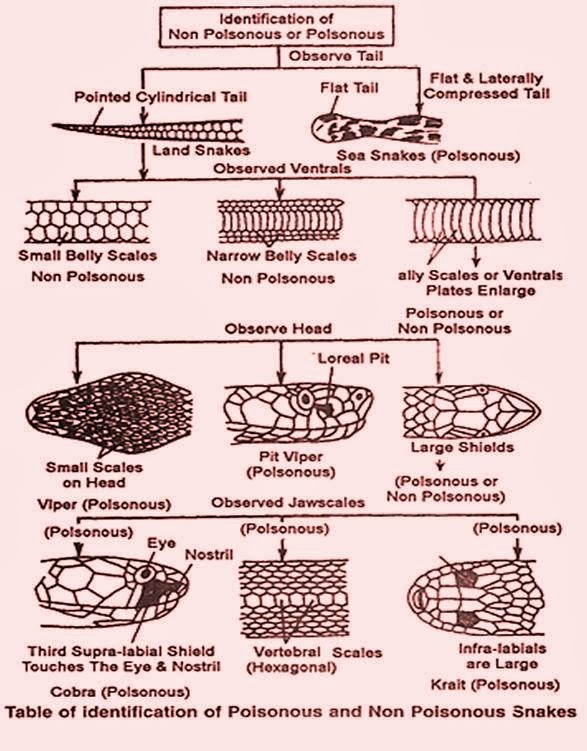
The venomous snakes include Viperids (rattle, gaboon viper) and elapids (cobra, taipans). The snakes of family Colubridae are mostly nonvenomous while some are venomous. Even with a bite of poisonous snake as more as 30% of them can be dry bite without envenomation.
How do snakes produce venom and how does snake venom work?
The venom is produced in paired glands that lie below the eyes. The snakes have hollow fangs through which the venom is delivered when biting.
The snakes venom is mixture of various substances protein and nonprotein which together act as antgen and enzymes to cause all the symptoms related to snake bite.
What are the symptoms of snakebite?
The symptoms of nonpoisonous snakebite are most of the times limited to local effects which later may progress to systemc if not treated well. But symptoms of poisonous snakebite may progress rapidly and may cause unconsciousness within hours then death. The symptoms include:
Typical bite mark is seen: (see picture)
Pain in the bite mark area associated with redness and swelling
Bleeding
Blistering around the bite mark
Disturbed vision
Feeling of weakness
Nausea
Vomiting
Diarrhea
Difficulty breathing and may lead to respiratory arrest soon
Increased or decreased pulse rate or heart rate
Decreased blood pressure
Diminished consciousnesss and thinking ability
Bad taste in mouth like metallic or nonedible things like taste
Increased secretions like salivations, sweating, tearing, watery stool, urination
Decreased sensations, numbness and tingling
Muscle twitching, lost control, involuntary motions
Seizure
Bleeding from mucosa, mouth, nails, and bruises
Hematoma formation, ecchymoses
types of bite: Venomous and nonvenomous
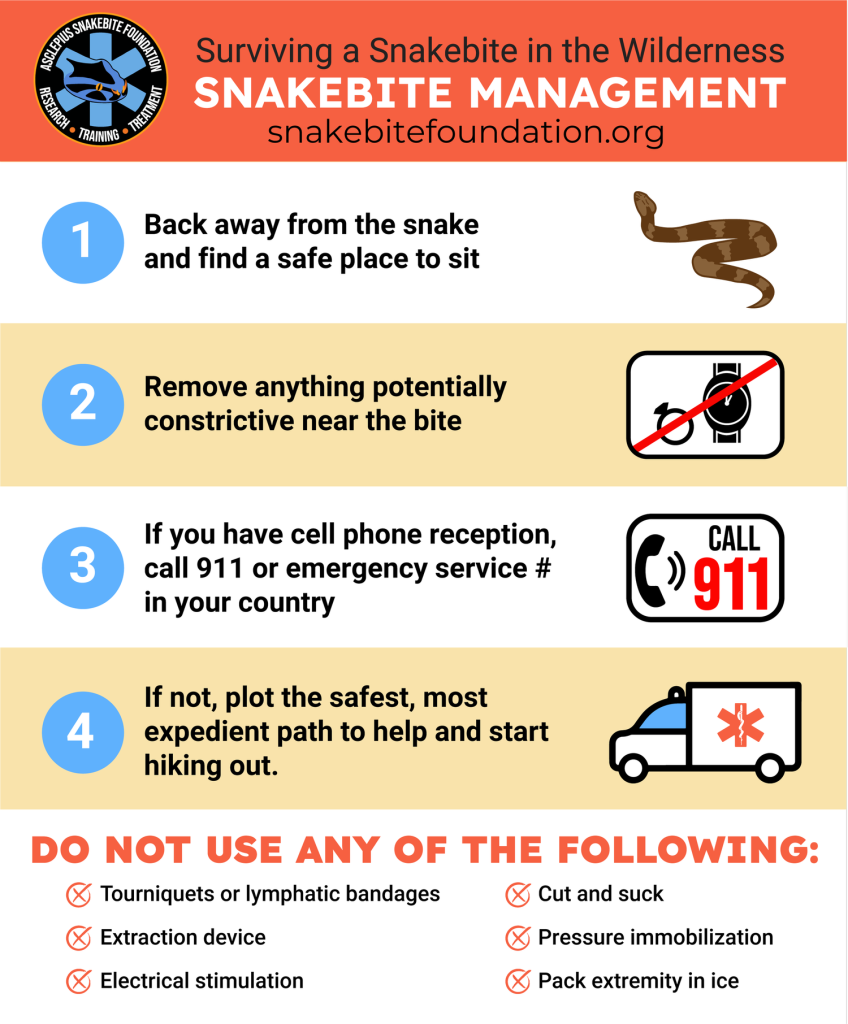
What to do if I see a person with snakebite or I accidentally get bitten by a snake?
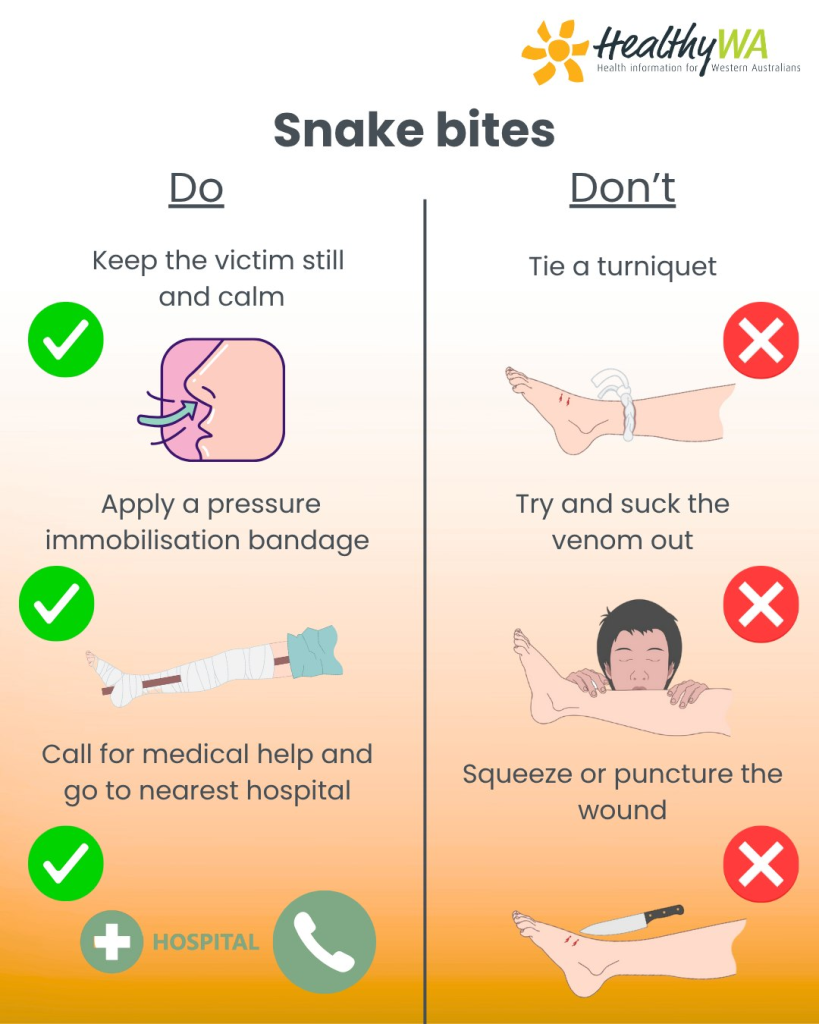
If there is snake get to a safer area away from reach of the snake. and then do the following:
Ask for help: Call an emergency service near you, call someone around you for healp. Emergency service in Nepal includes number 100 for police and 102 for Nepal ambulance service.
If you’re in safe place and can see the snake take a picture of it if possible. This helps identification of snake and tell if its poisonous or not as well as to choose the Anti-snake venom.
Lay down in a nuetral position in plane surface. Do not try to walk or run if its not necessary.
Remove the rings or tight clothings if possible before swelling or blisters start.
If soap and water is available wash teh bite wound with it.
Cover the skin with clothing. Note down the time of bite if possible.
Keep calm and wait for the help to arrive. Most of the snakebites are nonpoisonous.
What should you never do in case of snakebite?
Try to pick the snake or try to kill it or trap it.
Do not wait to get help. Do it immidiately and tell your exact loaction asap.
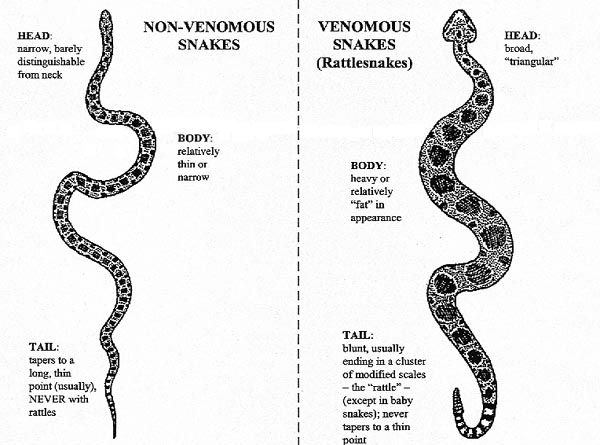
Difference between poisonous and nonpoisonous snakebites:
What are different types of snake venoms?
Neurotoxin: Elapidae
Hematotoxic: Viperidae
Myotoxic: Hydrophidae
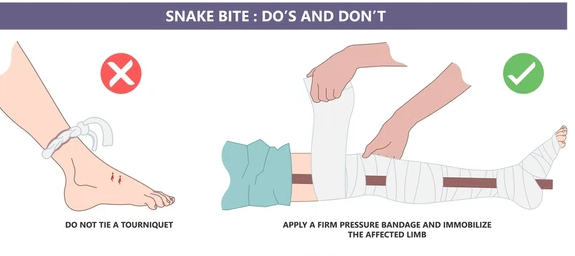
How to apply splint and bandage for pressure immobilization for snake bites?
Use a splint which can be made of various materials shown in picture
Use a broad clothe preferably pressure bandage or crepe bandage
Start application from distal to bite site and run through bite proximally
Immobilize the affected area with splint in he end.
For hands arm pouch sling can be used for immobilization
Keep the bandage snuggly fi rot just compressing but should not have vascular occlusion
Remember: Do not apply arterial torniquet. This has more harm than bebefit
Immobilization and bandage + splinting prevents spread of the venom systemically preventing or at least delaying systemic poisoning.
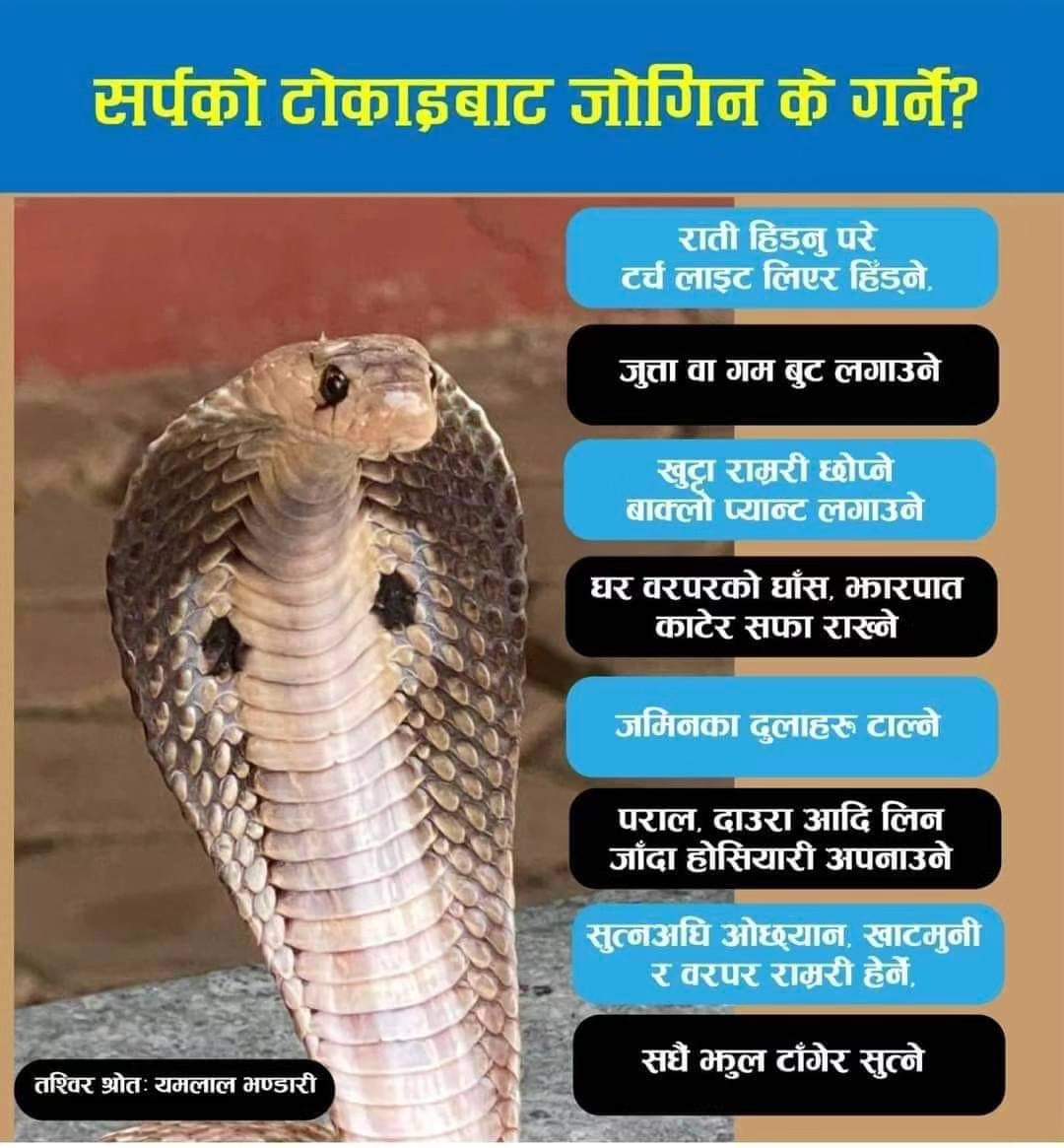
सर्पको टोकाइबाट कसरी बच्ने (नेपालीमा)
राती हिड्नु परे टर्च लाइट लिएर हिँड्ने,
जुत्ता वा गम बुट लगाउने
खुट्टा राम्ररी छोप्ने बाक्लो प्यान्ट लगाउने
घर वरपरको घाँस, झारपात काटेर सफा राख्ने
जमिनका दुलाहरू टाल्ने
पराल, दाउरा आदि लिन जाँदा होसियारी अपनाउने
सुत्नअघि ओछ्यान, खाटमुनी र वरपर राम्ररी हेर्ने,
सधै झुल टाँगेर सुत्ने
Do’s and Dont’s of snakebite
Anti-snake venom and other bites and stings will be discussed separately. The links will he kept here. Or use our search tool for the topic of your interest.
Thank you.
References: Uptodate.com and other high quality medical resources and textbooks.
Simple Pain Mnemonics: How to take History of Pain?
Pain History Taking: The SOCRATES Framework
Accurate pain history taking is a critical component in the assessment and diagnosis of patients presenting with discomfort. The SOCRATES framework is a systematic approach that allows healthcare professionals to gather comprehensive information about a patient’s pain experience. This method enhances diagnostic accuracy and guides effective management strategies.
What is SOCRATES? (Full form)
SOCRATES is an acronym that stands for:
S – Site
O – Onset
C – Character
R – Radiation
A – Associations
T – Time course
E – Exacerbating/Relieving factors
S – Severity
Detailed Breakdown of SOCRATES
Site:
Ask the patient to identify the exact location of the pain. Is it localized or diffuse? For example, “Can you point to where the pain is?”
Onset:
Determine when the pain started. Was it sudden or gradual? Understanding the triggering event can provide clues about the underlying cause.
Character:
Describe the nature of the pain. Is it sharp, dull, burning, or throbbing? This can help differentiate between neuropathic and nociceptive pain.
Radiation:
Assess whether the pain spreads to other areas. For example, pain originating in the chest that radiates to the left arm may suggest cardiac involvement.
Associations:
Identify any associated symptoms, such as nausea, vomiting, or shortness of breath, which can provide diagnostic insights.
Time Course:
Understand the pattern of the pain. Is it constant, intermittent, or worsening over time? This helps in determining the chronicity and potential cause.
Exacerbating/Relieving Factors:
Ask about activities or positions that make the pain better or worse. For instance, musculoskeletal pain may improve with rest, while ischemic pain worsens with exertion.
Severity:
Use a pain scale, such as the Numerical Rating Scale (NRS) from 0 to 10, to assess the intensity of the pain. This allows for tracking progress and response to treatment.
Clinical Application of SOCRATES
Using the SOCRATES framework not only ensures a thorough history but also aids in differentiating between various types of pain, such as:
Acute vs. chronic pain
Neuropathic vs. nociceptive pain
Visceral vs. somatic pain
Conclusion
Incorporating the SOCRATES framework into clinical practice enhances patient communication, improves diagnostic accuracy, and facilitates tailored treatment strategies. It is an invaluable tool for both novice and experienced healthcare professionals in managing pain effectively.