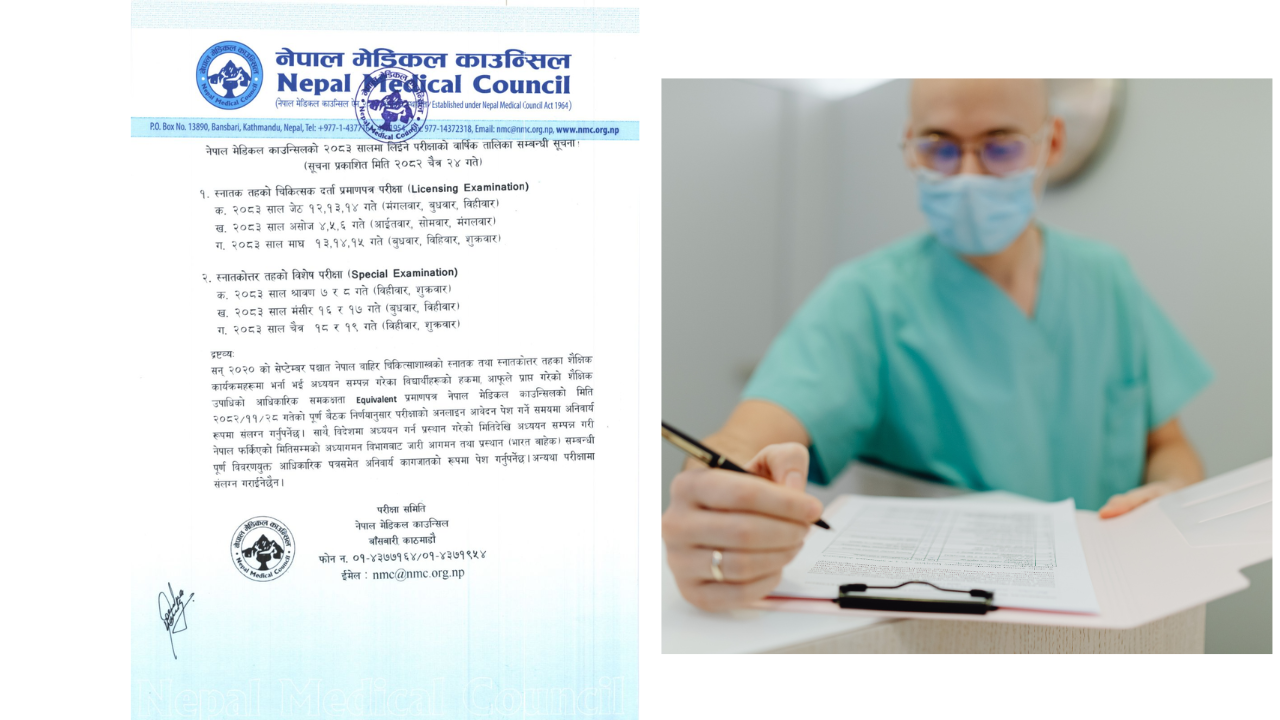


Which of the following is a characteristic feature of myasthenia gravis?

A) Increased muscle strength with exercise
B) Hyporeflexia
C) Presence of anti-double stranded DNA antibodies
D) Fluctuating muscle weakness exacerbated by activity
A) Increased muscle strength with exercise
 |
| Aedes mosquito: transmits dendue fever |
NTDs, or Neglected Tropical Diseases, are a group of infectious diseases that primarily affect impoverished populations in tropical and subtropical regions. These diseases are termed “neglected” because they receive less attention and funding compared to other global health issues, despite affecting over a billion people worldwide.
NTDs include diseases such as:
These diseases often lead to long-term disability, social stigma, and economic hardship, but they can be controlled or even eliminated with appropriate public health strategies and interventions.
७. चागस रोग
८. हयुमन अफ्रिकन ट्रीपानोसोमियासीस (स्लीपिंग सिकनेस)
९. कालाजार (भिसेरल लेशम्यानियासिस)
१०. टेनियासिस र न्यूरोसिस्टीसर्कोसिस
११. ड्राकुनकुलियासिस (गिनिया वोर्म रोग)
१२. इसिनोकोकोसीस
१३. खाना जन्य ट्रीम्याटोडीयासिस
Dr Chaitanya Joshi would love your feedback.
Post a review to our profile.
https://g.page/r/CQ6a6QPWm2GoEBI/review
 |
| Lu lagnu heat stroke in nepal terai |

 |
| Top 5 MCQ for mbbs loksewa 2080 |
A) Thyrotoxicosis
B Hypocalcemia
C) Elevated thyroid-stimulating hormone (TSH)
D) Hyperthyroidism
A) Propranolol
B Levodopa/carbidopa
C) Diazepam
D) Phenytoin
A) Hepatitis A virus
B Acetaminophen toxicity
C) Hepatitis B virus
A) Anti-glomerular basement membrane antibodies
B Malar rash
C) Negative antinuclear antibodies (ANA)
D) Thrombocytosis
A) Atomoxetine
B Clonidine
C) Olanzapine
D) Methylphenidate
Join health preparations facebook group
Comment your answers below.

Here is lumbini past question in PDF format. Here in this site, you can download lumbini province and MMC equation PDF for free. This question was asked by PC Lumbini Pradesh.

 |
| How to check own number in NTC nepal telecom sim |

Today, Nepal medical Council has published or notice regarding schedule of Nepal medical Council license examination for doctors and dental surgeons to be registered in Nepal.
The schedule presents the three different date for doctors to be registered here in Nepal.
According to law, all of the doctors and dentist must undergo this examination and pass it to be able to practice in Nepal after they have cleared their university examination.
Nepal medical Council is the governing body of Nepal to license the doctors and dentist here in Nepal.
In the notice they have also schedule for special examination wise is held for doctors who have completed their postgraduate degree.
The specialist doctors who have completed your MD or MS from different institute, including Nepal and foreign must undergo this examination and passage to be able to practice as the specialist.
Nepal medical Council also has opened the license examination notice for the 69th license examination for undergraduate level.
This examination will be held in the near future, and this examination will be based.
Nepal medical Council is conducting computer based examination who is based on MCQ For last several years.
This examination will be held in May 20-22 2024, also in Nepali date seventh, seventh, eighth, and ninth of Jestha 2081.
The last date of submission of form for NMCLE licensing examination is given below
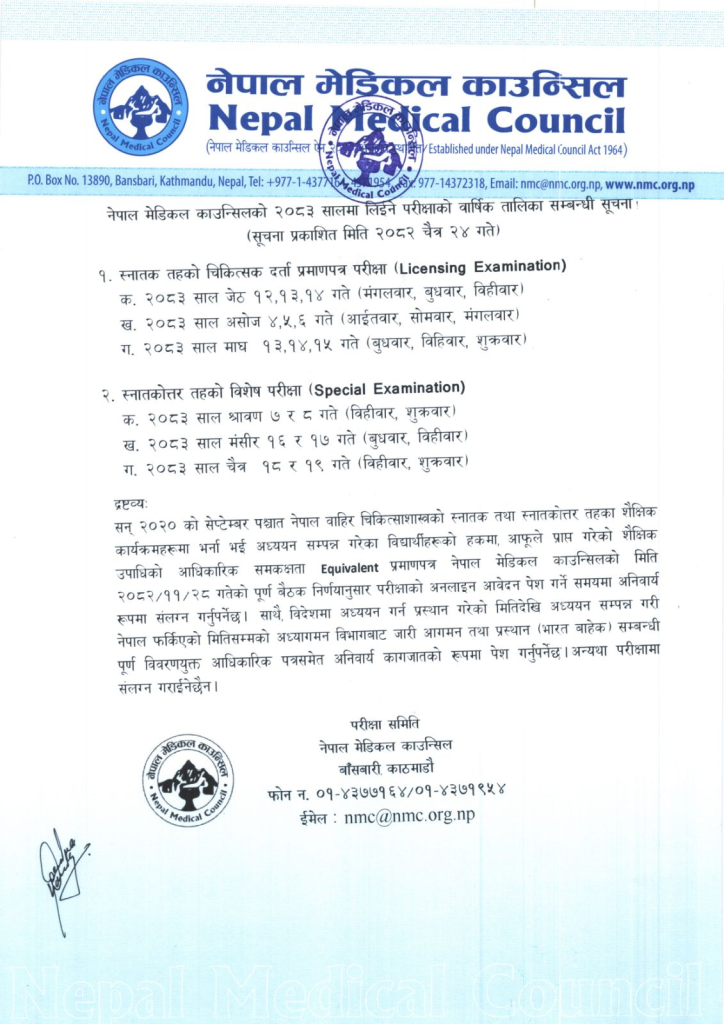
The student should submit the final certificate if they have passed MBBS or BDS from a foreign university.
They must also submit internship completion certificate as mandatory for the NMCLE licensing examination.
The doctors cannot submit the physical form and only online forms are acceptable.
The fee for NMCLE licensing examination is 3500 rupees. (sunject to change)
To fill of the form for Ncell licensing examination for undergraduate level, please visit the following link or click here to go to the NMC licensing examination form Fill up portal.
If you have any question regarding NMC examination, please feel free to ask us
Please read the detailed notice below
To see and read more about NMCLE, click here
Nmc license examination result
Know more about NMC click here
To practise model question Click here
NMC Exam Model quewstion set 2
To see syllabus of NMCLE examination, please click here.
Thank you for reading, please check my Facebook, Instagram, and YouTube channel
Feel free to like Share and subscribe
Put your thought in the comment section below
I am Dr Chaitanya Joshi doctor in Nepal.

Here are 50 multiple choice questions suitable for a medical graduate
1. Which of the following is the primary neurotransmitter involved in the pathophysiology of Alzheimer’s disease?
A) Serotonin
B) Dopamine
C) Acetylcholine
D) GABA
2. Which of the following is the drug of choice for treating acute asthma exacerbations?
A) Albuterol
B) Montelukast
C) Ipratropium
D) Fluticasone
3. In which part of the nephron does glucose reabsorption primarily occur?
A) Proximal convoluted tubule
B) Loop of Henle
C) Distal convoluted tubule
D) Collecting duct
4. Which of the following hormones is responsible for the regulation of calcium levels in the blood?
A) Insulin
B) Thyroxine
C) Parathyroid hormone
D) Aldosterone
5. Which of the following is the most common type of kidney stone?
A) Uric acid
B) Calcium oxalate
C) Cystine
D) Struvite
6. Which of the following is a characteristic of rheumatoid arthritis?
A) Presence of HLA-B27 antigen
B) Symmetric joint involvement
C) Presence of tophi
D) Joint deformities with sparing of the small joints
7. Which of the following is a first-line treatment for uncomplicated urinary tract infections?
A) Ciprofloxacin
B) Trimethoprim-sulfamethoxazole
C) Ampicillin
D) Metronidazole
8. Which of the following is the most common cause of community-acquired pneumonia?
A) Streptococcus pneumoniae
B) Haemophilus influenzae
C) Legionella pneumophila
D) Mycoplasma pneumoniae
9. Which of the following is a characteristic of Addison’s disease?
A) Hyperpigmentation
B) Hypertension
C) Hypernatremia
D) Hyperglycemia
10. Which of the following conditions is characterized by a deficiency of von Willebrand factor?
A) Hemophilia A
B) Hemophilia B
C) von Willebrand disease
D) Factor V Leiden deficiency
11. Which of the following is the most accurate method for confirming the diagnosis of peptic ulcer disease?
A) Upper gastrointestinal endoscopy
B) Barium swallow
C) Serum gastrin levels
D) Stool antigen test for H. pylori
12. Which of the following is the first-line treatment for acute otitis media in children?
A) Amoxicillin
B) Azithromycin
C) Ceftriaxone
D) Trimethoprim-sulfamethoxazole
13. Which of the following is a classic triad of symptoms seen in Parkinson’s disease?
A) Bradykinesia, hyperreflexia, and dystonia
B) Resting tremor, bradykinesia, and rigidity
C) Ataxia, nystagmus, and dysarthria
D) Hyperkinesia, chorea, and athetosis
14. Which of the following is the most appropriate initial management for a patient with status epilepticus?
A) Intravenous lorazepam
B) Intramuscular diazepam
C) Oral phenytoin
D) Subcutaneous midazolam
15. Which of the following is the primary mechanism of action of aspirin in cardiovascular disease prevention?
A) Inhibition of platelet aggregation
B) Decrease in LDL cholesterol levels
C) Vasodilation of coronary arteries
D) Enhancement of fibrinolysis
16. Which of the following is a key feature of acute tubular necrosis?
A) Elevation of serum uric acid levels
B) Oliguria with muddy brown casts in urine
C) Hyperkalemia
D) Hypoalbuminemia
17. Which of the following medications is contraindicated in patients with a sulfa allergy?
A) Furosemide
B) Lisinopril
C) Metoprolol
D) Amlodipine
18. Which of the following conditions is associated with Cushing’s syndrome?
A) Hypocortisolism
B) Hypertension
C) Hyperkalemia
D) Hypoglycemia
19. Which of the following vaccines is recommended for all adults over 65 years of age?
A) Varicella
B) MMR (measles, mumps, rubella)
C) Pneumococcal polysaccharide
D) Human papillomavirus (HPV)
20. Which of the following is the most common cause of bacterial meningitis in adults?
A) Streptococcus pneumoniae
B) Neisseria meningitidis
C) Haemophilus influenzae
D) Listeria monocytogenes
21. Which of the following is a common side effect of statin therapy?
A) Hyperkalemia
B) Rhabdomyolysis
C) Hypoglycemia
D) Hypertension
22. Which of the following is a characteristic feature of nephrotic syndrome?
A) Hematuria
B) Proteinuria >3.5 grams per day
C) Hypoalbuminemia
D) Hyperkalemia
23. Which of the following is the primary pharmacological treatment for bipolar disorder?
A) Sertraline
B) Lithium
C) Fluoxetine
D) Venlafaxine
24. Which of the following conditions is characterized by the presence of anti-glomerular basement membrane antibodies?
A) Goodpasture syndrome
B) Wegener’s granulomatosis
C) Henoch-Schönlein purpura
D) Microscopic polyangiitis
25. Which of the following is the primary treatment for uncomplicated acute appendicitis?
A) Intravenous antibiotics
B) Laparoscopic appendectomy
C) Observation and supportive care
D) Oral corticosteroids
26. Which of the following is a key feature of type 1 diabetes mellitus?
A) Insulin resistance
B) Ketosis-prone state
C) Obesity
D) Gradual onset of symptoms
27. Which of the following is a characteristic feature of multiple sclerosis?
A) Asymmetric motor weakness
B) Normal cerebrospinal fluid analysis
C) Improvement of symptoms with exercise
D) Peripheral neuropathy
28. Which of the following is the most common site for ectopic pregnancy?
A) Fallopian tube
B) Ovary
C) Uterine cervix
D) Abdominal cavity
29. Which of the following medications is commonly used for the treatment of attention deficit hyperactivity disorder (ADHD)?
A) Risperidone
B) Methylphenidate
C) Lamotrigine
D) Fluoxetine
30. Which of the following is a key feature of Kawasaki disease?
A) Desquamation of the skin of the palms and soles
B) Target-like lesions on the mucous membranes
C) Pitting edema of the lower extremities
D) Oral ulcers
31. Which of the following is the most common cause of chronic kidney disease worldwide?
A) Diabetic nephropathy
B) Hypertensive nephrosclerosis
C) Glomerulonephritis
D) Polycystic kidney disease
32. Which of the following is a first-line treatment for acute angle-closure glaucoma?
A) Timolol eye drops
B) Acetazolamide
C) Pilocarpine eye drops
D) Latanoprost eye drops
33. Which of the following is a characteristic feature of preeclampsia?
A) Hypertension and proteinuria after 20 weeks of gestation
B) Severe abdominal pain and vaginal bleeding
C) Absent fetal heart sounds
D) Excessive fetal movement
34. Which of the following is the primary mechanism of action of methotrexate in the treatment of rheumatoid arthritis?
A) Inhibition of cyclooxygenase
B) Suppression of T cell activation
C) Stimulation of insulin secretion
D) Enhancement of serotonin reuptake
35. Which of the following is a key feature of acute pancreatitis?
A) Hypocalcemia
B) Hypoglycemia
C) Hypernatremia
D) Hyperbilirubinemia
36. Which of the following is a common side effect of angiotensin-converting enzyme (ACE) inhibitors?
A) Hyperkalemia
B) Hypocalcemia
C) Hypertension
D) Hyperglycemia
37. Which of the following is the most common risk factor for developing primary open-angle glaucoma?
A) Myopia
B) Diabetes mellitus
C) Hypertension
D) Age
38. Which of the following is the first-line treatment for anaphylaxis?
A) Epinephrine
B) Diphenhydramine
C) Albuterol
D) Prednisone
39. Which of the following is the primary mechanism of action of warfarin?
A) Inhibition of vitamin K epoxide reductase
B) Inhibition of thromboxane A2 synthesis
C) Inhibition of platelet aggregation
D) Enhancement of fibrinolysis
40. Which of the following conditions is associated with an elevated erythrocyte sedimentation rate (ESR) and C-reactive protein (CRP)?
A) Polycythemia vera
B) Temporal arteritis
C) Essential thrombocythemia
D) Iron deficiency anemia
41. Which of the following is the primary mechanism of action of inhaled corticosteroids in the treatment of asthma?
A) Inhibition of leukotriene synthesis
B) Inhibition of mast cell degranulation
C) Suppression of airway inflammation
D) Relaxation of bronchial smooth muscle
42. Which of the following is a characteristic feature of Graves’ disease?
A) Low serum T3 and T4 levels
B) Hypotension
C) Exophthalmos
D) Bradycardia
43. Which of the following is the most appropriate initial management for a patient with suspected acute coronary syndrome?
A) Aspirin and nitroglycerin
B) Intravenous heparin
C) Inhaled albuterol
D) Oral metoprolol
44. Which of the following is the most common cause of bacterial meningitis in neonates?
A) Group B Streptococcus
B) Escherichia coli
C) Listeria monocytogenes
D) Haemophilus influenzae
45. Which of the following is a key feature of Guillain-Barré syndrome?
A) Ascending muscle weakness and areflexia
B) Progressive dementia and ataxia
C) Fluctuating muscle weakness and fatigability
D) Sensory loss and autonomic dysfunction
46. Which of the following is the primary mechanism of action of alendronate in the treatment of osteoporosis?
A) Inhibition of osteoclast activity
B) Stimulation of osteoblast activity
C) Inhibition of vitamin D synthesis
D) Enhancement of calcium absorption
47. Which of the following is a characteristic feature of polycystic ovary syndrome (PCOS)?
A) Hypermenorrhea
B) Hypogonadism
C) Hyperglycemia
D) Multiple ovarian cysts on ultrasound
48. Which of the following is a common side effect of selective serotonin reuptake inhibitors (SSRIs)?
A) Weight gain
B) Bradycardia
C) Hypotension
D) Sexual dysfunction
49. Which of the following is the most appropriate initial management for a patient with diabetic ketoacidosis (DKA)?
A) Intravenous insulin and fluid replacement
B) Oral hypoglycemic agents
C) Intramuscular glucagon
D) Oral sodium bicarbonate
50. Which of the following is a key feature of acute angle-closure glaucoma?
A) Gradual onset of symptoms
B) Blurred vision and halos around lights
C) Normal intraocular pressure
D) Improvement of symptoms with mydriatics
Answer Key:
1. C) Acetylcholine
2. A) Albuterol
3. A) Proximal convoluted tubule
4. C) Parathyroid hormone
5. B) Calcium oxalate
6. B) Symmetric joint involvement
7. B) Trimethoprim-sulfamethoxazole
8. A) Streptococcus pneumoniae
9. A) Hyperpigmentation
10. C) von Willebrand disease
11. A) Upper gastrointestinal endoscopy
12. A) Amoxicillin
13. B) Resting tremor, bradykinesia, and rigidity
14. A) Intravenous lorazepam
15. A) Inhibition of platelet aggregation
16. B) Oliguria with muddy brown casts in urine
17. A) Furosemide
18. B) Hypertension
19. C) Pneumococcal polysaccharide
20. A) Streptococcus pneumoniae
21. B)Rhabdomyolysis
22. B) Proteinuria >3.5 grams per day
23. B) Lithium
24. A) Goodpasture syndrome
25. B) Laparoscopic appendectomy
26. B) Ketosis-prone state
27. A) Asymmetric motor weakness
28. A) Fallopian tube
29. B) Methylphenidate
30. A) Desquamation of the skin of the palms and soles
31. A) Diabetic nephropathy
32. A) Timolol eye drops
33. A) Hypertension and proteinuria after 20 weeks of gestation
34. B) Suppression of T cell activation
35. A) Hypocalcemia
36. A) Hyperkalemia
37. D) Age
38. A) Epinephrine
39. A) Inhibition of vitamin K epoxide reductase
40. B) Temporal arteritis
41. C) Suppression of airway inflammation
42. C) Exophthalmos
43. A) Aspirin and nitroglycerin
44. A) Group B Streptococcus
45. A) Ascending muscle weakness and areflexia
46. A) Inhibition of osteoclast activity
47. D) Multiple ovarian cysts on ultrasound
48. D) Sexual dysfunction
49. A) Intravenous insulin and fluid replacement
50. B) Blurred vision and halos around lights