Blog

NMCLE Past multiple-choice questions (MCQs) for the Nepal Medical Council Licensing Examination (NMCLE)

Nepal Medical Council Licensing Examination (NMCLE) PQA

Table of Contents(toc)


Here’s a collection of Nepal Medical Council Licensing Examination (NMCLE) practice MCQs covering key subjects like Medicine, Surgery, Pediatrics, Gynecology & Obstetrics, and Community Medicine. Each question includes the correct answer and an explanation.

Medicine

1. A 45-year-old male with chronic alcoholism presents with confusion, ataxia, and ophthalmoplegia. What is the most likely diagnosis?

A) Wernicke’s encephalopathy
B) Hepatic encephalopathy
C) Korsakoff syndrome
D) Alcohol withdrawal delirium
Answer: A) Wernicke’s encephalopathy
Explanation: Wernicke’s encephalopathy is caused by thiamine (vitamin B1) deficiency and is characterized by the classic triad of confusion, ataxia, and ophthalmoplegia.

2. Which of the following is the most common cause of community-acquired pneumonia?

A) Klebsiella pneumoniae
B) Streptococcus pneumoniae
C) Mycoplasma pneumoniae
D) Haemophilus influenzae
Answer: B) Streptococcus pneumoniae
Explanation: S. pneumoniae is the most common bacterial cause of community-acquired pneumonia, presenting with fever, cough, pleuritic chest pain, and lobar consolidation on chest X-ray.

Surgery

3. A patient presents with sudden, severe epigastric pain radiating to the back. Serum lipase is elevated. What is the likely diagnosis?

A) Peptic ulcer disease
B) Acute pancreatitis
C) Acute cholecystitis
D) Perforated duodenal ulcer
Answer: B) Acute pancreatitis
Explanation: Acute pancreatitis presents with epigastric pain radiating to the back and elevated serum lipase/amylase. Common causes include gallstones and alcohol consumption.

4. A 65-year-old male presents with painless hematuria. What is the most likely diagnosis?

A) Bladder cancer
B) Urinary tract infection
C) Benign prostatic hyperplasia
D) Nephrolithiasis
Answer: A) Bladder cancer
Explanation: Painless hematuria is the most common presenting symptom of bladder cancer, especially in older patients with a history of smoking.

Pediatrics

5. A newborn presents with persistent vomiting, dehydration, and hyperkalemia. Which condition should be suspected?

A) Pyloric stenosis
B) Congenital adrenal hyperplasia
C) Hirschsprung disease
D) Intussusception
Answer: B) Congenital adrenal hyperplasia
Explanation: 21-hydroxylase deficiency in congenital adrenal hyperplasia leads to salt-wasting, dehydration, hyperkalemia, and hypotension due to aldosterone deficiency.

6. A 5-year-old child presents with fever, conjunctivitis, rash, and cervical lymphadenopathy. What is the most likely diagnosis?

A) Scarlet fever
B) Measles
C) Kawasaki disease
D) Rubella
Answer: C) Kawasaki disease
Explanation: Kawasaki disease is an acute vasculitis in children characterized by fever, conjunctivitis, rash, cervical lymphadenopathy, and risk of coronary aneurysms.

Gynecology & Obstetrics

7. A 32-year-old pregnant woman presents with painless vaginal bleeding in her third trimester. What is the most likely diagnosis?

A) Placenta previa
B) Placental abruption
C) Uterine rupture
D) Vasa previa
Answer: A) Placenta previa
Explanation: Placenta previa presents with painless vaginal bleeding in the third trimester due to implantation of the placenta over the cervical os.

8. Which of the following is the best method to confirm ovulation?

A) Basal body temperature charting
B) Serum progesterone on day 21
C) Urinary LH surge detection
D) Endometrial biopsy
Answer: B) Serum progesterone on day 21
Explanation: A mid-luteal phase serum progesterone level above 3 ng/mL confirms ovulation.

Community Medicine

9. The best indicator of overall health status of a community is:

A) Crude birth rate
B) Infant mortality rate
C) Life expectancy
D) Maternal mortality rate
Answer: B) Infant mortality rate
Explanation: Infant mortality rate (IMR) reflects the overall health and healthcare quality of a community as it is affected by nutrition, sanitation, and maternal health.

10. Which of the following vaccines is a live attenuated vaccine?

A) Hepatitis B
B) DPT
C) OPV (Oral Polio Vaccine)
D) Tetanus toxoid
Answer: C) OPV (Oral Polio Vaccine)
Explanation: OPV contains live attenuated poliovirus strains, which provide mucosal immunity.

Medicine

11. A 60-year-old male with a history of smoking presents with hemoptysis, weight loss, and a mass in the right upper lung. What is the most likely diagnosis?

A) Tuberculosis
B) Bronchiectasis
C) Lung cancer
D) Pulmonary embolism
Answer: C) Lung cancer
Explanation: A lung mass, weight loss, and hemoptysis in a chronic smoker are highly suggestive of lung cancer, particularly squamous cell carcinoma.

12. A patient with chronic liver disease presents with altered sensorium and asterixis. Which of the following should be given first?

A) Lactulose
B) Rifaximin
C) Intravenous fluids
D) Vitamin K
Answer: A) Lactulose
Explanation: Lactulose reduces ammonia absorption in hepatic encephalopathy, improving mental status.

Surgery

13. Which of the following is the most common site of colorectal cancer?

A) Ascending colon
B) Transverse colon
C) Sigmoid colon
D) Cecum
Answer: C) Sigmoid colon
Explanation: The sigmoid colon is the most common site for colorectal cancer, often presenting with a change in bowel habits and occult blood loss.

14. A patient presents with acute right lower quadrant pain, fever, and tenderness at McBurney’s point. What is the best initial step in management?

A) IV antibiotics and observation
B) Abdominal ultrasound
C) CT abdomen
D) Immediate laparotomy
Answer: C) CT abdomen
Explanation: CT abdomen is the most sensitive imaging test for appendicitis. If confirmed, appendectomy is the definitive treatment.

Pediatrics

15. A neonate presents with delayed passage of meconium for more than 48 hours. What is the most likely cause?

A) Cystic fibrosis
B) Hirschsprung disease
C) Meconium ileus
D) Neonatal sepsis
Answer: B) Hirschsprung disease
Explanation: Hirschsprung disease results from the absence of ganglion cells in the distal colon, leading to functional obstruction.

16. A child presents with a “barking” cough, inspiratory stridor, and hoarseness. What is the most likely diagnosis?

A) Epiglottitis
B) Croup (Laryngotracheobronchitis)
C) Foreign body aspiration
D) Bronchiolitis
Answer: B) Croup (Laryngotracheobronchitis)
Explanation: Croup is caused by parainfluenza virus and presents with a barking cough, inspiratory stridor, and hoarseness due to subglottic airway inflammation.

Gynecology & Obstetrics

17. A woman at 34 weeks of gestation presents with severe hypertension (160/110 mmHg) and proteinuria. What is the best next step?

A) Oral antihypertensives
B) Magnesium sulfate
C) Delivery of the fetus
D) Bed rest and observation
Answer: C) Delivery of the fetus
Explanation: Severe preeclampsia at 34 weeks requires immediate delivery to prevent maternal and fetal complications.

18. The best method for emergency contraception within 72 hours of unprotected intercourse is:

A) Copper intrauterine device (IUD)
B) Levonorgestrel pill
C) Ulipristal acetate
D) Mifepristone
Answer: B) Levonorgestrel pill
Explanation: Levonorgestrel (Plan B) is the most commonly used emergency contraceptive within 72 hours of unprotected sex.

Community Medicine

19. Herd immunity is least effective for which of the following diseases?

A) Measles
B) Polio
C) Tetanus
D) Influenza
Answer: C) Tetanus
Explanation: Tetanus is caused by Clostridium tetani spores in the environment, making herd immunity ineffective as it is not transmitted from person to person.

20. The most reliable indicator of malnutrition in children under five years is:

A) Weight-for-age
B) Height-for-age
C) Mid-upper arm circumference
D) Weight-for-height
Answer: D) Weight-for-height
Explanation: Weight-for-height best reflects acute malnutrition and is used in WHO guidelines for assessing wasting in children.

Pharmacology

21. Which of the following drugs is a beta-lactamase inhibitor?

A) Amoxicillin
B) Ceftriaxone
C) Clavulanic acid
D) Vancomycin
Answer: C) Clavulanic acid
Explanation: Clavulanic acid is a beta-lactamase inhibitor that protects beta-lactam antibiotics (e.g., amoxicillin) from enzymatic degradation.

22. The antidote for organophosphate poisoning is:

A) Atropine and pralidoxime
B) Naloxone
C) Flumazenil
D) Vitamin K
Answer: A) Atropine and pralidoxime
Explanation: Organophosphates inhibit acetylcholinesterase, leading to cholinergic toxicity. Atropine blocks muscarinic effects, while pralidoxime reactivates acetylcholinesterase.

Pathology

23. Which of the following findings is characteristic of iron deficiency anemia?

A) Hypersegmented neutrophils
B) Target cells
C) Microcytic hypochromic RBCs
D) Schistocytes
Answer: C) Microcytic hypochromic RBCs
Explanation: Iron deficiency anemia presents with microcytic, hypochromic red blood cells due to impaired hemoglobin synthesis.

24. Reed-Sternberg cells are characteristic of:

A) Non-Hodgkin’s lymphoma
B) Hodgkin’s lymphoma
C) Multiple myeloma
D) Burkitt’s lymphoma
Answer: B) Hodgkin’s lymphoma
Explanation: Hodgkin’s lymphoma is diagnosed by the presence of Reed-Sternberg cells on lymph node biopsy.

Microbiology

25. Which of the following bacteria is a common cause of nosocomial pneumonia?

A) Streptococcus pneumoniae
B) Pseudomonas aeruginosa
C) Mycoplasma pneumoniae
D) Legionella pneumophila
Answer: B) Pseudomonas aeruginosa
Explanation: Pseudomonas aeruginosa is a common cause of hospital-acquired pneumonia, especially in ventilated patients.

26. The causative agent of gas gangrene is:

A) Clostridium perfringens
B) Staphylococcus aureus
C) Streptococcus pyogenes
D) Bacillus anthracis
Answer: A) Clostridium perfringens
Explanation: Clostridium perfringens produces alpha toxin, causing gas gangrene with crepitus in tissues due to gas production.

Medicine

27. Which of the following is the first-line treatment for hypertensive emergency?

A) Labetalol
B) Nifedipine
C) Clonidine
D) Enalapril
Answer: A) Labetalol
Explanation: Labetalol is a first-line IV antihypertensive for hypertensive emergency due to its combined alpha and beta-blocking effects.

28. A patient with long-standing diabetes presents with nephrotic-range proteinuria. What is the most likely cause?

A) Focal segmental glomerulosclerosis
B) Membranous nephropathy
C) Diabetic nephropathy
D) IgA nephropathy
Answer: C) Diabetic nephropathy
Explanation: Diabetic nephropathy is the leading cause of nephrotic syndrome in adults, with characteristic nodular glomerulosclerosis (Kimmelstiel-Wilson nodules).

Surgery

29. A 25-year-old man presents with severe testicular pain, absent cremasteric reflex, and high-riding testis. What is the most likely diagnosis?

A) Epididymitis
B) Testicular torsion
C) Hydrocele
D) Varicocele
Answer: B) Testicular torsion
Explanation: Testicular torsion is a urological emergency requiring immediate surgical detorsion to prevent ischemic necrosis.

30. A trauma patient presents with distended neck veins, hypotension, and muffled heart sounds. What is the most likely diagnosis?

A) Tension pneumothorax
B) Cardiac tamponade
C) Hemothorax
D) Aortic dissection
Answer: B) Cardiac tamponade
Explanation: Beck’s triad (hypotension, muffled heart sounds, and distended neck veins) is characteristic of cardiac tamponade.

Pediatrics

31. The most common cause of neonatal sepsis in Nepal is:

A) Group B Streptococcus
B) Escherichia coli
C) Staphylococcus aureus
D) Klebsiella pneumoniae
Answer: D) Klebsiella pneumoniae
Explanation: In South Asian settings, Klebsiella is a leading cause of neonatal sepsis, often linked to hospital-acquired infections.

32. A child presents with wheezing, nasal polyps, and recurrent sinus infections. Which genetic disorder should be suspected?

A) Cystic fibrosis
B) Kartagener syndrome
C) Asthma
D) Bronchopulmonary dysplasia
Answer: A) Cystic fibrosis
Explanation: Cystic fibrosis presents with respiratory symptoms, nasal polyps, and pancreatic insufficiency due to CFTR gene mutation.

Gynecology & Obstetrics

33. The most common cause of postpartum hemorrhage is:

A) Uterine atony
B) Retained placenta
C) Genital tract trauma
D) Coagulopathy
Answer: A) Uterine atony
Explanation: Uterine atony is the most frequent cause of postpartum hemorrhage, treated with uterotonic agents like oxytocin.

34. A 26-year-old woman with primary infertility is found to have bilateral enlarged ovaries with multiple cysts. Which is the most likely diagnosis?

A) Polycystic ovary syndrome (PCOS)
B) Endometriosis
C) Premature ovarian failure
D) Ovarian cancer
Answer: A) Polycystic ovary syndrome (PCOS)
Explanation: PCOS presents with oligomenorrhea, infertility, hirsutism, and polycystic ovaries on ultrasound.

Community Medicine

35. The most effective method of tuberculosis control in a community is:

A) Mass BCG vaccination
B) DOTS therapy
C) Isolation of TB patients
D) Regular screening of the population
Answer: B) DOTS therapy
Explanation: Directly Observed Treatment, Short-course (DOTS) ensures compliance and reduces TB transmission.

36. The primary vector for dengue fever is:

A) Anopheles mosquito
B) Culex mosquito
C) Aedes mosquito
D) Phlebotomus sandfly
Answer: C) Aedes mosquito
Explanation: Aedes aegypti transmits dengue virus and breeds in stagnant water.

Pharmacology

37. Which of the following drugs causes ototoxicity?

A) Ciprofloxacin
B) Amikacin
C) Doxycycline
D) Rifampicin
Answer: B) Amikacin
Explanation: Aminoglycosides (e.g., amikacin, gentamicin) can cause ototoxicity and nephrotoxicity.

38. Which medication is contraindicated in pregnancy?

A) Metformin
B) Methotrexate
C) Labetalol
D) Nifedipine
Answer: B) Methotrexate
Explanation: Methotrexate is teratogenic and contraindicated in pregnancy due to its antifolate effects.

Pathology

39. Which marker is most specific for myocardial infarction?

A) CK-MB
B) Troponin I
C) Myoglobin
D) LDH
Answer: B) Troponin I
Explanation: Troponin I is highly specific and remains elevated for up to 7–10 days after myocardial infarction.

40. Which of the following conditions is associated with Bence Jones proteins?

A) Multiple myeloma
B) Hodgkin’s lymphoma
C) Chronic lymphocytic leukemia
D) Waldenström macroglobulinemia
Answer: A) Multiple myeloma
Explanation: Bence Jones proteins (light chains) are found in the urine of multiple myeloma patients.

Microbiology

41. The most common cause of bacterial meningitis in adults is:

A) Neisseria meningitidis
B) Streptococcus pneumoniae
C) Haemophilus influenzae
D) Listeria monocytogenes
Answer: B) Streptococcus pneumoniae
Explanation: S. pneumoniae is the leading cause of bacterial meningitis in adults and the elderly.

42. Which of the following causes gas gangrene?

A) Clostridium perfringens
B) Staphylococcus aureus
C) Streptococcus pyogenes
D) Bacillus anthracis
Answer: A) Clostridium perfringens
Explanation: Clostridium perfringens produces alpha toxin, leading to gas gangrene with tissue necrosis.

Miscellaneous Clinical Scenarios

43. A patient presents with burning pain in the epigastric region, which improves with meals. What is the most likely diagnosis?

A) Duodenal ulcer
B) Gastric ulcer
C) GERD
D) Zollinger-Ellison syndrome
Answer: A) Duodenal ulcer
Explanation: Duodenal ulcers improve with meals and are commonly caused by H. pylori infection.

44. A 60-year-old male with a history of smoking has a productive cough for more than 3 months for the past 2 years. What is the most likely diagnosis?

A) Chronic bronchitis
B) Emphysema
C) Bronchiectasis
D) Tuberculosis
Answer: A) Chronic bronchitis
Explanation: Chronic bronchitis is diagnosed when cough with sputum persists for at least 3 months in 2 consecutive years.

Medicine

45. A 65-year-old man with a history of COPD presents with increasing dyspnea, wheezing, and use of accessory muscles. What is the first-line treatment?

A) IV antibiotics
B) Nebulized salbutamol and ipratropium
C) IV corticosteroids
D) Non-invasive ventilation
Answer: B) Nebulized salbutamol and ipratropium
Explanation: Bronchodilators (beta-agonists and anticholinergics) are the first-line treatment for COPD exacerbation.

46. The most common cause of secondary hypertension is:

A) Primary hyperaldosteronism
B) Renal artery stenosis
C) Pheochromocytoma
D) Cushing’s syndrome
Answer: B) Renal artery stenosis
Explanation: Renal artery stenosis causes hypertension by activating the renin-angiotensin-aldosterone system.

Surgery

47. A patient with blunt abdominal trauma presents with hypotension, tachycardia, and absent bowel sounds. What is the most likely diagnosis?

A) Splenic rupture
B) Liver laceration
C) Intestinal perforation
D) Pancreatic injury
Answer: A) Splenic rupture
Explanation: The spleen is the most commonly injured organ in blunt trauma, leading to hypovolemic shock.

48. The first-line investigation for a suspected aortic dissection is:

A) Chest X-ray
B) CT angiography
C) MRI
D) Echocardiography
Answer: B) CT angiography
Explanation: CT angiography provides rapid and accurate diagnosis of aortic dissection.

Pediatrics

49. A child presents with recurrent infections, absent thymic shadow on chest X-ray, and hypocalcemia. What is the likely diagnosis?

A) DiGeorge syndrome
B) SCID (Severe Combined Immunodeficiency)
C) Wiskott-Aldrich syndrome
D) Ataxia-telangiectasia
Answer: A) DiGeorge syndrome
Explanation: DiGeorge syndrome (22q11 deletion) leads to thymic aplasia, recurrent infections, and hypocalcemia due to parathyroid dysfunction.

50. A 2-month-old baby presents with projectile, non-bilious vomiting and a palpable olive-shaped mass in the epigastrium. What is the most likely diagnosis?

A) Pyloric stenosis
B) Duodenal atresia
C) Gastroesophageal reflux
D) Hirschsprung disease
Answer: A) Pyloric stenosis
Explanation: Pyloric stenosis causes hypertrophy of the pylorus, leading to projectile vomiting and metabolic alkalosis.

Gynecology & Obstetrics

51. A woman at 32 weeks gestation presents with painless vaginal bleeding. What is the most likely cause?

A) Placenta previa
B) Abruptio placentae
C) Uterine rupture
D) Cervical insufficiency
Answer: A) Placenta previa
Explanation: Placenta previa presents with painless vaginal bleeding in the third trimester.

52. A pregnant woman at 36 weeks has severe pruritus without rash, elevated bile acids, and abnormal liver function tests. What is the likely diagnosis?

A) Intrahepatic cholestasis of pregnancy
B) Acute fatty liver of pregnancy
C) HELLP syndrome
D) Preeclampsia
Answer: A) Intrahepatic cholestasis of pregnancy
Explanation: Intrahepatic cholestasis of pregnancy causes pruritus and elevated bile acids, increasing the risk of fetal complications.

Community Medicine

53. Which of the following vaccines is given at birth according to the National Immunization Schedule?

A) BCG, Hepatitis B, OPV-0
B) DPT, Hib, Hepatitis B
C) OPV, Rotavirus, Measles
D) PCV, IPV, DPT
Answer: A) BCG, Hepatitis B, OPV-0
Explanation: These vaccines protect against tuberculosis, hepatitis B, and polio.

54. The most effective way to prevent mother-to-child transmission of HIV is:

A) Antiretroviral therapy during pregnancy
B) Exclusive breastfeeding
C) Neonatal prophylaxis alone
D) Early weaning
Answer: A) Antiretroviral therapy during pregnancy
Explanation: ART reduces viral load and significantly lowers the risk of transmission.

Pharmacology

55. A patient on warfarin develops a life-threatening bleeding episode. What is the best immediate treatment?

A) Fresh frozen plasma
B) Vitamin K
C) Tranexamic acid
D) Desmopressin
Answer: A) Fresh frozen plasma
Explanation: Fresh frozen plasma provides clotting factors for rapid warfarin reversal in emergencies.

56. Which of the following drugs is used for the treatment of acute gout?

A) Allopurinol
B) Colchicine
C) Probenecid
D) Febuxostat
Answer: B) Colchicine
Explanation: Colchicine reduces inflammation in acute gout attacks but does not lower uric acid levels.

Pathology

57. Which of the following is a tumor suppressor gene?

A) HER2
B) BRCA1
C) EGFR
D) KRAS
Answer: B) BRCA1
Explanation: BRCA1 is a tumor suppressor gene linked to breast and ovarian cancer.

58. A patient with leukemia has Auer rods in the blood smear. What is the most likely diagnosis?

A) Acute myeloid leukemia (AML)
B) Chronic myeloid leukemia (CML)
C) Acute lymphoblastic leukemia (ALL)
D) Chronic lymphocytic leukemia (CLL)
Answer: A) Acute myeloid leukemia (AML)
Explanation: Auer rods are specific for AML, particularly in promyelocytic leukemia.

Microbiology

59. The causative agent of tetanus is:

A) Clostridium tetani
B) Clostridium botulinum
C) Clostridium difficile
D) Clostridium perfringens
Answer: A) Clostridium tetani
Explanation: Clostridium tetani produces tetanospasmin, causing muscle spasms.

60. A 30-year-old man presents with fever, jaundice, and dark urine. His blood test is positive for HBsAg and anti-HBc IgM. What is the diagnosis?

A) Acute Hepatitis B infection
B) Chronic Hepatitis B infection
C) Resolved Hepatitis B infection
D) Hepatitis C infection
Answer: A) Acute Hepatitis B infection
Explanation: HBsAg and anti-HBc IgM indicate an acute hepatitis B infection.

Radiology

61. A “ground-glass appearance” on chest X-ray is characteristic of:

A) Pneumocystis pneumonia
B) Tuberculosis
C) Pulmonary embolism
D) COPD
Answer: A) Pneumocystis pneumonia
Explanation: Pneumocystis jirovecii causes a diffuse ground-glass appearance in immunocompromised patients.

62. A “double bubble sign” on abdominal X-ray in a newborn suggests:

A) Duodenal atresia
B) Intussusception
C) Pyloric stenosis
D) Hirschsprung disease
Answer: A) Duodenal atresia
Explanation: Duodenal atresia is associated with Down syndrome and presents with the double bubble sign.

Medicine

63. A 45-year-old man presents with exertional chest pain that is relieved by rest. What is the most likely diagnosis?

A) Stable angina
B) Unstable angina
C) Myocardial infarction
D) Pericarditis
Answer: A) Stable angina
Explanation: Stable angina is chest pain triggered by exertion and relieved by rest or nitroglycerin.

64. Which of the following is a major Duke criterion for infective endocarditis?

A) Fever ≥ 38°C
B) Janeway lesions
C) Positive blood culture
D) Roth spots
Answer: C) Positive blood culture
Explanation: Major Duke criteria include positive blood cultures and echocardiographic evidence of endocarditis.

Surgery

65. A 35-year-old male presents with a non-healing ulcer on the sole of his foot with a punched-out appearance. What is the most likely diagnosis?

A) Diabetic foot ulcer
B) Arterial ulcer
C) Venous ulcer
D) Pressure ulcer
Answer: B) Arterial ulcer
Explanation: Arterial ulcers have a punched-out appearance and occur in areas of poor circulation.

66. The most common type of hernia in both males and females is:

A) Direct inguinal hernia
B) Indirect inguinal hernia
C) Femoral hernia
D) Umbilical hernia
Answer: B) Indirect inguinal hernia
Explanation: Indirect inguinal hernias follow the inguinal canal and are more common in both sexes.

Pediatrics

67. A child presents with cough, coryza, conjunctivitis, and Koplik spots. What is the likely diagnosis?

A) Measles
B) Rubella
C) Scarlet fever
D) Mumps
Answer: A) Measles
Explanation: Koplik spots are pathognomonic for measles.

68. Which congenital heart defect is most commonly associated with Down syndrome?

A) Atrial septal defect (ASD)
B) Ventricular septal defect (VSD)
C) Tetralogy of Fallot
D) Atrioventricular septal defect (AVSD)
Answer: D) Atrioventricular septal defect (AVSD)
Explanation: AVSD is the most common congenital heart defect in Down syndrome.

Gynecology & Obstetrics

69. A pregnant woman at 30 weeks presents with a sudden onset of painful vaginal bleeding. What is the most likely cause?

A) Placenta previa
B) Abruptio placentae
C) Vasa previa
D) Uterine rupture
Answer: B) Abruptio placentae
Explanation: Abruptio placentae presents with painful vaginal bleeding due to premature placental separation.

70. Which of the following is a risk factor for ectopic pregnancy?

A) Multiparity
B) Endometriosis
C) Smoking
D) Both B and C
Answer: D) Both B and C
Explanation: Endometriosis and smoking increase the risk of ectopic pregnancy.

Community Medicine

71. Which measure best represents the central tendency of a skewed distribution?

A) Mean
B) Median
C) Mode
D) Standard deviation
Answer: B) Median
Explanation: The median is the best measure of central tendency for skewed distributions.

72. What is the target of the Sustainable Development Goal (SDG) related to maternal mortality?

A) Reduce maternal mortality to < 50 per 100,000 live births
B) Reduce maternal mortality to < 70 per 100,000 live births
C) Reduce maternal mortality to < 100 per 100,000 live births
D) Reduce maternal mortality to < 150 per 100,000 live births
Answer: B) Reduce maternal mortality to < 70 per 100,000 live births
Explanation: The SDG target aims to reduce maternal mortality below 70 per 100,000 live births.

Pharmacology

73. Which antihypertensive is contraindicated in pregnancy?

A) Methyldopa
B) Labetalol
C) ACE inhibitors
D) Nifedipine
Answer: C) ACE inhibitors
Explanation: ACE inhibitors can cause fetal renal damage and should be avoided in pregnancy.

74. Which of the following drugs is a selective serotonin reuptake inhibitor (SSRI)?

A) Amitriptyline
B) Fluoxetine
C) Diazepam
D) Haloperidol
Answer: B) Fluoxetine
Explanation: Fluoxetine is an SSRI used to treat depression and anxiety disorders.

Pathology

75. The Reed-Sternberg cell is a characteristic finding of:

A) Non-Hodgkin lymphoma
B) Hodgkin lymphoma
C) Multiple myeloma
D) Chronic lymphocytic leukemia
Answer: B) Hodgkin lymphoma
Explanation: Reed-Sternberg cells are diagnostic of Hodgkin lymphoma.

76. A 55-year-old man with chronic alcohol use presents with macrocytic anemia. What is the likely deficiency?

A) Iron
B) Vitamin B12
C) Folic acid
D) Copper
Answer: C) Folic acid
Explanation: Alcoholism commonly leads to folic acid deficiency and macrocytic anemia.

Microbiology

77. The causative organism of diphtheria is:

A) Bordetella pertussis
B) Corynebacterium diphtheriae
C) Streptococcus pyogenes
D) Haemophilus influenzae
Answer: B) Corynebacterium diphtheriae
Explanation: Corynebacterium diphtheriae produces a toxin that causes pseudomembrane formation in the throat.

78. The most common cause of viral gastroenteritis in children is:

A) Rotavirus
B) Norovirus
C) Adenovirus
D) Astrovirus
Answer: A) Rotavirus
Explanation: Rotavirus is the leading cause of viral gastroenteritis in children.

Psychiatry

79. A patient presents with persistent fear of social interactions and avoidance of public speaking. What is the likely diagnosis?

A) Generalized anxiety disorder
B) Social anxiety disorder
C) Panic disorder
D) Agoraphobia
Answer: B) Social anxiety disorder
Explanation: Social anxiety disorder involves excessive fear of social situations.

80. Which neurotransmitter is most involved in schizophrenia?

A) Serotonin
B) Dopamine
C) Norepinephrine
D) Acetylcholine
Answer: B) Dopamine
Explanation: Dopamine hyperactivity is implicated in schizophrenia.

Dermatology

81. The Koebner phenomenon is seen in:

A) Psoriasis
B) Lichen planus
C) Vitiligo
D) All of the above
Answer: D) All of the above
Explanation: Koebnerization refers to new lesions appearing at sites of trauma in these conditions.

82. Which bacterial infection causes honey-colored crusts in children?

A) Erysipelas
B) Impetigo
C) Cellulitis
D) Scabies
Answer: B) Impetigo
Explanation: Impetigo is a superficial skin infection caused by Staphylococcus aureus or Streptococcus pyogenes.

Medicine

83. A 60-year-old man presents with dyspnea, orthopnea, and bilateral basal crepitations. What is the most likely diagnosis?

A) Chronic obstructive pulmonary disease (COPD)
B) Congestive heart failure (CHF)
C) Pulmonary embolism
D) Pneumonia
Answer: B) Congestive heart failure (CHF)
Explanation: Orthopnea and basal crepitations suggest pulmonary congestion due to left-sided heart failure.

84. Which electrolyte imbalance is most commonly seen in Addison’s disease?

A) Hypernatremia and hypokalemia
B) Hyponatremia and hyperkalemia
C) Hypernatremia and hyperkalemia
D) Hyponatremia and hypokalemia
Answer: B) Hyponatremia and hyperkalemia
Explanation: Addison’s disease leads to aldosterone deficiency, causing sodium loss and potassium retention.

Surgery

85. A 70-year-old man with a history of smoking presents with painless hematuria. What is the most likely diagnosis?

A) Renal cell carcinoma
B) Bladder cancer
C) Prostatitis
D) Urolithiasis
Answer: B) Bladder cancer
Explanation: Painless hematuria is the hallmark of bladder cancer, especially in smokers.

86. The most common cause of acute mesenteric ischemia is:

A) Atherosclerosis
B) Embolism from the heart
C) Venous thrombosis
D) Hypotension
Answer: B) Embolism from the heart
Explanation: Atrial fibrillation can lead to embolism, causing mesenteric ischemia.

Pediatrics

87. A newborn presents with a scaphoid abdomen and severe respiratory distress. What is the most likely diagnosis?

A) Diaphragmatic hernia
B) Esophageal atresia
C) Meconium aspiration
D) Hyaline membrane disease
Answer: A) Diaphragmatic hernia
Explanation: A scaphoid abdomen and respiratory distress suggest diaphragmatic hernia with lung compression.

88. The most common cause of meningitis in neonates is:

A) Streptococcus pneumoniae
B) Neisseria meningitidis
C) Group B Streptococcus
D) Listeria monocytogenes
Answer: C) Group B Streptococcus
Explanation: Group B Streptococcus is the leading cause of neonatal meningitis.

Gynecology & Obstetrics

89. A 28-year-old woman presents with lower abdominal pain and cervical motion tenderness. What is the likely diagnosis?

A) Ectopic pregnancy
B) Pelvic inflammatory disease (PID)
C) Ovarian cyst rupture
D) Endometriosis
Answer: B) Pelvic inflammatory disease (PID)
Explanation: Cervical motion tenderness is a key feature of PID.

90. A pregnant woman at 37 weeks presents with hypertension, proteinuria, and edema. What is the most likely diagnosis?

A) Gestational hypertension
B) Preeclampsia
C) Eclampsia
D) HELLP syndrome
Answer: B) Preeclampsia
Explanation: Preeclampsia is diagnosed with new-onset hypertension and proteinuria after 20 weeks.

Community Medicine

91. Herd immunity is least effective in preventing which disease?

A) Measles
B) Influenza
C) Tetanus
D) Polio
Answer: C) Tetanus
Explanation: Tetanus is not spread from person to person, so herd immunity is ineffective.

92. Which test is used to assess the efficiency of chlorine in drinking water?

A) Methylene blue test
B) Orthotolidine test
C) Phenol red test
D) Voges-Proskauer test
Answer: B) Orthotolidine test
Explanation: The orthotolidine test measures residual chlorine in water.

Pharmacology

93. Which drug is used to treat anaphylaxis?

A) Hydrocortisone
B) Epinephrine
C) Diphenhydramine
D) Salbutamol
Answer: B) Epinephrine
Explanation: Epinephrine is the first-line treatment for anaphylaxis.

94. Which antibiotic is contraindicated in pregnancy due to its teratogenic effects?

A) Penicillin
B) Cephalosporins
C) Tetracyclines
D) Macrolides
Answer: C) Tetracyclines
Explanation: Tetracyclines cause dental discoloration and should be avoided in pregnancy.

Pathology

95. A patient has a Bence-Jones protein in the urine. What is the likely diagnosis?

A) Multiple myeloma
B) Waldenström’s macroglobulinemia
C) Chronic lymphocytic leukemia
D) Hodgkin lymphoma
Answer: A) Multiple myeloma
Explanation: Bence-Jones proteins are light chains found in multiple myeloma.

96. Which of the following conditions is associated with a “starry sky” appearance on histology?

A) Burkitt lymphoma
B) Hodgkin lymphoma
C) Multiple myeloma
D) Chronic myeloid leukemia
Answer: A) Burkitt lymphoma
Explanation: Burkitt lymphoma shows a “starry sky” pattern due to tingible body macrophages.

Microbiology

97. The most common cause of community-acquired pneumonia is:

A) Streptococcus pneumoniae
B) Klebsiella pneumoniae
C) Mycoplasma pneumoniae
D) Staphylococcus aureus
Answer: A) Streptococcus pneumoniae
Explanation: S. pneumoniae is the leading cause of pneumonia in all age groups.

98. A 25-year-old female presents with frothy vaginal discharge and a fishy odor. The likely cause is:

A) Candida albicans
B) Trichomonas vaginalis
C) Gardnerella vaginalis
D) Neisseria gonorrhoeae
Answer: B) Trichomonas vaginalis
Explanation: Trichomoniasis causes frothy, malodorous vaginal discharge.

Ophthalmology

99. The most common cause of blindness worldwide is:

A) Cataract
B) Glaucoma
C) Diabetic retinopathy
D) Age-related macular degeneration
Answer: A) Cataract
Explanation: Cataracts are the leading cause of reversible blindness globally.

ENT

100. The most common cause of otitis media in children is:

A) Streptococcus pneumoniae
B) Haemophilus influenzae
C) Moraxella catarrhalis
D) Pseudomonas aeruginosa
Answer: A) Streptococcus pneumoniae
Explanation: S. pneumoniae is the most common bacterial cause of acute otitis media.

Emergency Medicine

101. The initial treatment for a tension pneumothorax is:

A) Needle decompression
B) Chest X-ray
C) Intubation
D) IV antibiotics
Answer: A) Needle decompression
Explanation: Immediate needle decompression in the 2nd intercostal space relieves pressure.

102. A patient presents with severe bradycardia (HR = 30 bpm) and hypotension. What is the first-line treatment?

A) Atropine
B) Amiodarone
C) Adenosine
D) Lidocaine
Answer: A) Atropine
Explanation: Atropine increases heart rate by blocking vagal stimulation.

nonspecific urethritis Management

How do you approach a case of nonspecific urethritis?

Table of Contents(toc)

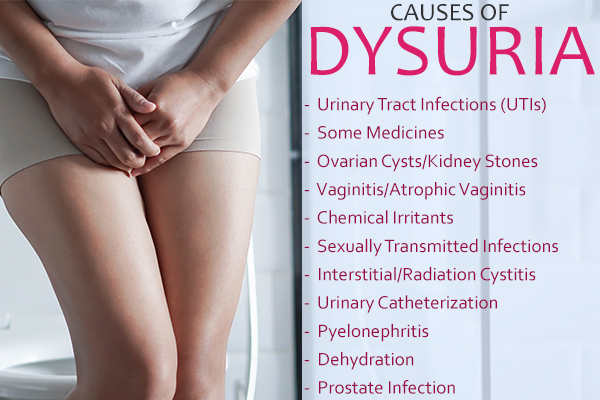
In approaching a case of nonspecific urethritis (NSU), a thorough history and physical examination are essential. Key aspects of the history include assessing for symptoms such as dysuria, urethral discharge, and any recent sexual activity. Patients may also report urinary frequency, urgency, or discomfort.

Investigations 

Investigations for NSU typically involve the following:

  1. Urine Analysis: A urine sample is examined for the presence of white blood cells (indicating inflammation) and bacteria. Urine culture may also be performed to rule out specific pathogens such as Chlamydia trachomatis or Neisseria gonorrhoeae.

  2. Urethral Swab: A swab from the urethra may be obtained for microscopic examination and culture to identify any pathogens causing the urethritis.

  3. Sexually Transmitted Infection (STI) Testing: Testing for common STIs such as Chlamydia, Gonorrhea, and Trichomoniasis should be considered, especially in sexually active individuals.

  4. Syndromic Management: In settings where resources are limited or specific tests are unavailable, empiric treatment based on syndromic management guidelines may be initiated.

Managing a case of NSU

The important aspects of managing a case of NSU include:

  1. Treatment: Antibiotic therapy is typically initiated empirically to cover common pathogens associated with NSU. First-line antibiotics include azithromycin or doxycycline. In cases where STIs are suspected or confirmed, treatment should be directed accordingly.

  2. Partner Notification and Treatment: Patients diagnosed with NSU should be advised to inform their sexual partners to seek evaluation and treatment if necessary to prevent reinfection and further spread of STIs.

  3. Follow-up: Patients should be scheduled for follow-up to monitor treatment response, assess for resolution of symptoms, and ensure compliance with medication regimens.

  4. Prevention: Education on safer sexual practices, including condom use, risk reduction strategies, and routine STI screening, should be emphasized to prevent future episodes of NSU and STI transmission.

  5. Referral: Referral to a specialist may be warranted in cases of treatment failure, complicated infections, or recurrent NSU to further evaluate and manage underlying causes or contributing factors.

suspected organophosphate poisoning Management

Suspected organophosphate poisoning: sign , symptoms and management

Table of Contents(toc)


Patients with suspected organophosphate poisoning may present with a constellation of signs and symptoms related to cholinergic excess, as organophosphates inhibit acetylcholinesterase activity, leading to accumulation of acetylcholine at cholinergic synapses. Common signs and symptoms include:

  1. Muscarinic Effects:

    • Excessive salivation (sialorrhea)
    • Lacrimation (tearing)
    • Diaphoresis (profuse sweating)
    • Bronchoconstriction and wheezing
    • Bradycardia
    • Miosis (constricted pupils)
    • Abdominal cramps and diarrhea
    • Urinary incontinence
  2. Nicotinic Effects:

    • Muscle weakness and fasciculations
    • Paralysis (may progress to respiratory failure)
    • Hypertension (early) followed by hypotension
  3. Central Nervous System Effects:

  • Headache
  • Dizziness
  • Confusion
  • Seizures (in severe cases)

Management

The evaluation and treatment of organophosphate poisoning involve several key steps:

  1. Stabilization: Ensure airway patency, adequate oxygenation, and hemodynamic stability. Administer supplemental oxygen if necessary.

  2. Decontamination: Remove contaminated clothing and wash exposed skin with soap and water. Use personal protective equipment to prevent secondary exposure.

  3. Administration of Atropine: Atropine is the mainstay of treatment for muscarinic symptoms. It competitively inhibits acetylcholine at muscarinic receptors, alleviating symptoms such as bradycardia, bronchoconstriction, and excessive secretions. Titrate the dose based on clinical response, aiming to reverse symptoms without causing tachycardia.

  4. Administration of Pralidoxime (2-PAM): Pralidoxime is a cholinesterase reactivator that helps regenerate inhibited acetylcholinesterase, restoring normal neurotransmission. It is particularly useful for nicotinic symptoms such as muscle weakness and paralysis. Administer early in the course of poisoning for maximal efficacy.

  5. Supportive Care: Monitor vital signs, provide respiratory support as needed (e.g., mechanical ventilation), and manage complications such as seizures or arrhythmias.

  6. Enhanced Elimination: In severe cases or when poisoning is diagnosed early, hemodialysis may be considered to enhance elimination of organophosphates and their metabolites.

  7. Follow-up: Patients should be closely monitored for recurrence of symptoms, delayed complications (e.g., respiratory failure, organ dysfunction), and for potential development of intermediate syndrome or delayed polyneuropathy.

What are different types of burns?

Burn: Classification and management

Table of Contents(toc)


Different types of burns are classified based on the depth and extent of tissue damage. The main types of burns include:

  1. First-Degree Burns (Superficial Burns):

    • Only the outer layer of the skin (epidermis) is affected.
    • Signs and symptoms include redness, pain, and mild swelling.
    • Typically heal within a few days without scarring.
  2. Second-Degree Burns (Partial Thickness Burns):

    • Damage extends beyond the epidermis into the dermis.
    • Two subtypes:
      • Superficial partial-thickness burns: involve the upper dermis.
      • Deep partial-thickness burns: extend deeper into the dermis.
    • Signs and symptoms include blistering, severe pain, swelling, and redness.
    • Healing may take weeks to months, with risk of scarring and pigmentation changes.
  3. Third-Degree Burns (Full Thickness Burns):

    • The entire thickness of the skin is destroyed, extending into the subcutaneous tissue.
    • Signs and symptoms include charred or white skin, numbness (due to nerve damage), and firm, leathery texture.
    • Requires surgical intervention for optimal management.

Surgical management of third-degree burns involves several key steps:

  1. Assessment and Resuscitation: Assess the extent and depth of the burn injury, as well as associated injuries. Initiate resuscitation measures as needed, including fluid resuscitation to maintain adequate perfusion and oxygenation.

  2. Wound Excision: Surgical debridement of the burned tissue is essential to remove nonviable tissue and reduce the risk of infection. This may be performed using sharp excision or tangential excision techniques.

  3. Wound Coverage: After debridement, the wound requires coverage to promote healing and prevent infection. Options for wound coverage include:

    • Autografts: Harvesting healthy skin from an unburned area of the patient’s body and grafting it onto the wound.
    • Allografts (Cadaveric Skin): Temporary coverage with donated human skin to provide a barrier until autografts are available.
    • Skin Substitutes: Synthetic or biologic materials used as temporary or permanent wound coverage.
  4. Postoperative Care: Following surgical intervention, meticulous wound care is essential to prevent infection and promote graft adherence and integration. Patients may require immobilization of grafted areas and rehabilitation to prevent contractures and optimize functional outcomes.

  5. Long-Term Management: Long-term follow-up is crucial to monitor for complications such as infection, graft failure, scarring, and functional impairment. Additional surgical interventions or reconstructive procedures may be necessary to optimize aesthetic and functional outcomes.

What are systemic and local causes of epistaxis?

Epistaxis

Table of Contents(toc)


Epistaxis, or nosebleed, can be caused by various systemic and local factors. Understanding these causes is crucial for effective management hence explained below.

  1. Systemic Causes:

    • Hypertension: Elevated blood pressure can lead to rupture of fragile blood vessels in the nasal mucosa.
    • Blood disorders: Conditions such as hemophilia, von Willebrand disease, or thrombocytopenia can impair clotting function, increasing the risk of bleeding.
    • Liver disease: Liver dysfunction can result in impaired synthesis of clotting factors, predisposing to bleeding disorders.
    • Medications: Anticoagulant medications (e.g., aspirin, warfarin) or antiplatelet agents (e.g., clopidogrel) can prolong bleeding time.
    • Systemic illnesses: Conditions like leukemia, renal failure, or hereditary hemorrhagic telangiectasia (HHT) may increase susceptibility to epistaxis.
  2. Local Causes:

  • Trauma: Injury to the nasal mucosa from nose picking, foreign bodies, or blunt trauma can cause bleeding.
  • Dry air: Low humidity can dry out the nasal mucosa, making it more prone to irritation and bleeding.
  • Nasal infections: Inflammatory conditions such as sinusitis or rhinitis can lead to mucosal inflammation and subsequent epistaxis.
  • Nasal septal deviation: Structural abnormalities in the nasal septum can cause friction and erosion of the nasal mucosa, resulting in bleeding.

Management of anterior epistaxis

Management of anterior epistaxis in a primary healthcare center typically involves the following steps:

  1. Initial Assessment:

    • Assess the severity of bleeding and the patient’s hemodynamic status.
    • Obtain a brief medical history, including any predisposing factors or medications that may contribute to bleeding.
  2. Patient Positioning:

    • Instruct the patient to sit upright and lean forward to prevent blood from flowing into the throat and causing aspiration.
  3. Direct Pressure:

    • Apply firm, direct pressure to the soft lower part of the nose (the nasal ala) for at least 10-15 minutes using thumb and index finger.
    • Encourage the patient to breathe through their mouth during this time.
  4. Topical Vasoconstrictors:

    • If bleeding persists after initial pressure, apply a topical vasoconstrictor such as oxymetazoline or phenylephrine to the bleeding site. This helps to constrict blood vessels and control bleeding.
  5. Nasal Packing:

    • If bleeding continues despite conservative measures, nasal packing may be necessary. This can be achieved using absorbable materials like nasal tampons or nasal packing strips impregnated with vasoconstrictors.
    • Instruct the patient to return for follow-up evaluation and removal of nasal packing within 48-72 hours.
  6. Education and Follow-up:

    • Educate the patient on preventive measures to reduce the risk of recurrent epistaxis, such as avoiding nose picking, maintaining adequate humidity indoors, and using saline nasal sprays to keep the nasal mucosa moist.
    • Schedule a follow-up visit to monitor for recurrence and assess the effectiveness of management strategies.

mnemonic for 10 golden rules of anesthesia is anesthesia

mnemonic for 10 golden rules of anesthesia is anesthesia

Table of Contents(toc)

Introduction

Anesthesia is a medical specialty focused on providing temporary loss of sensation or consciousness to enable medical procedures to be performed painlessly. It encompasses three main components: analgesia (pain relief), amnesia (loss of memory), and muscle relaxation.

Types of anesthesia include:

  1. General Anesthesia: Induces a reversible state of unconsciousness and immobility, often achieved through a combination of intravenous medications and inhaled anesthetics. Patients are unable to perceive pain or remember the procedure.

  2. Regional Anesthesia: Blocks sensation in a specific region of the body, such as a limb or the lower half of the body. Types of regional anesthesia include:

    • Epidural anesthesia: Injecting local anesthetic into the epidural space of the spine to block sensation from the waist down.
    • Spinal anesthesia: Injecting local anesthetic into the cerebrospinal fluid in the spinal canal to provide anesthesia for procedures involving the lower abdomen, pelvis, and lower limbs.
    • Peripheral nerve blocks: Injecting local anesthetic around specific nerves to block sensation to a specific area of the body.
  3. Local Anesthesia: Involves injecting or topically applying a local anesthetic agent directly to the site of the procedure to block sensation in a small, localized area. Often used for minor surgical procedures or dental work.

Mnemonic

The mnemonic “ANESTHESIA” for the 10 golden rules of anesthesia is as follows:

A – Airway assessment and management
N – Nutrition
E – Evaluate for comorbidities
S – Support vital functions
T – Temperature control
H – Hemodynamic stability
E – Evaluate for complications
S – Secure intravenous access
I – Implement anesthesia care plan
A – Assess readiness for emergence and recovery

Explanation: 10 Golden Rules of Anesthesia

  1. Airway Assessment and Management: Ensure patent airway, assess for difficult airway predictors, and have appropriate airway equipment readily available.

  2. Oxygenation and Ventilation: Monitor oxygenation and ventilation continuously, adjust parameters as needed, and be prepared to intervene promptly in case of respiratory compromise.

  3. Circulation Assessment and Optimization: Monitor hemodynamic parameters, maintain adequate perfusion, and address any abnormalities promptly.

  4. Cardiovascular Stability: Maintain cardiovascular stability throughout the perioperative period, including preoperative optimization, intraoperative management, and postoperative care.

  5. Temperature Regulation: Monitor body temperature and implement measures to prevent perioperative hypothermia, which can lead to complications.

  6. Pain Management: Utilize multimodal analgesic techniques to provide effective pain relief while minimizing side effects and complications.

  7. Neuromuscular Function Monitoring: Assess neuromuscular function regularly during anesthesia and utilize neuromuscular blocking agents judiciously.

  8. Fluid Management: Optimize fluid balance based on patient factors, surgical requirements, and hemodynamic status to prevent hypo- or hypervolemia.

  9. Medication Safety: Administer medications safely, including proper dosing, verification, and monitoring for adverse effects.

  10. Documentation and Communication: Maintain accurate and complete records of anesthesia care, communicate effectively with the surgical team and other healthcare providers, and participate in handoffs and debriefings to ensure continuity of care and patient safety.

These principles serve as foundational guidelines for anesthesia practice, emphasizing patient safety, optimization of outcomes, and effective communication within the perioperative team.

RDS and etiology and pathogenesis and treatment of hyaline membrane disease

RDS and Hyaline membrane disease

Table of Contents(toc)
 hyaline membrane disease

Respiratory distress in newborns can result from various underlying etiologies, including:

  1. Hyaline Membrane Disease (HMD):

    • Also known as respiratory distress syndrome (RDS), HMD is a common cause of respiratory distress in premature infants.
    • Etiology: HMD primarily occurs due to surfactant deficiency in premature lungs. Surfactant is essential for reducing surface tension in the alveoli, preventing collapse and facilitating gas exchange. Premature infants often lack sufficient surfactant production, leading to alveolar collapse, atelectasis, and impaired gas exchange.
    • Other Causes: Respiratory distress in term infants may result from transient tachypnea of the newborn (TTN), meconium aspiration syndrome, pneumonia, congenital diaphragmatic hernia, or other congenital anomalies.
  2. Transient Tachypnea of the Newborn (TTN):

    • Etiology: TTN occurs due to retained fetal lung fluid, which leads to inadequate clearance of lung fluid postnatally. It is more common in infants born via cesarean section or with prolonged labor, as well as infants born to mothers with diabetes.
  3. Meconium Aspiration Syndrome (MAS):

    • Etiology: MAS occurs when a newborn inhales meconium-stained amniotic fluid, leading to airway obstruction, chemical pneumonitis, and surfactant inactivation.
  4. Pneumonia:

    • Etiology: Neonatal pneumonia can result from intrauterine infections (such as group B streptococcus, Escherichia coli, or other bacteria), or postnatal infections acquired during or after delivery.
  5. Congenital Diaphragmatic Hernia (CDH):

    • Etiology: CDH is a congenital defect where the diaphragm fails to develop properly, allowing abdominal organs to herniate into the chest cavity, compressing the lungs and impairing lung development.

Treatment of Hyaline Membrane Disease (HMD):

  1. Surfactant Replacement Therapy:

    • Exogenous surfactant administration is the cornerstone of treatment for HMD in premature infants. Surfactant replacement therapy helps improve lung compliance, reduce atelectasis, and enhance gas exchange.
    • Surfactant can be administered via endotracheal tube in intubated infants, typically as a bolus dose followed by intermittent doses as needed.
  2. Respiratory Support:

    • Mechanical ventilation: Infants with severe respiratory distress may require mechanical ventilation to support gas exchange and maintain adequate oxygenation and ventilation.
    • Non-invasive respiratory support: Continuous positive airway pressure (CPAP) or nasal intermittent positive pressure ventilation (NIPPV) may be used to support respiratory efforts and prevent alveolar collapse.
  3. Oxygen Therapy:

    • Supplemental oxygen is provided to maintain adequate oxygenation while avoiding hyperoxia, which can lead to oxidative stress and lung injury.
  4. Supportive Care:

    • Maintain thermal stability, ensure adequate nutrition, monitor for complications such as pneumothorax or sepsis, and provide supportive care in the neonatal intensive care unit (NICU).
  5. Antenatal Corticosteroids:

    • Administration of antenatal corticosteroids to mothers at risk of preterm delivery can help accelerate fetal lung maturation and reduce the severity of HMD in premature infants.

Overall, the management of HMD involves a multidisciplinary approach, including neonatologists, respiratory therapists, and nursing staff, to optimize respiratory support, prevent complications, and promote optimal outcomes for affected newborns.

Is there relationship between Headache and Constipation?

Have constipation and headache: Is there proved relationship between Headache and Constipation?

Table of Contents(toc)


The headache you experience when you don’t have a bowel movement on time is likely related to a combination of gut-brain axis dysfunction, toxin buildup, and autonomic nervous system involvement. Here’s the possible pathophysiology:

1. Gut-Brain Axis & Vagus Nerve Stimulation

  • The gut and brain communicate bidirectionally through the vagus nerve and neurotransmitters.
  • Constipation may lead to increased gut distension, which can stimulate the vagus nerve and trigger headaches.

2. Toxin Buildup & Inflammatory Mediators

  • Delayed bowel movements lead to prolonged retention of waste, allowing more reabsorption of toxins (e.g., ammonia, methane, and hydrogen sulfide).
  • These toxins may trigger systemic inflammation and affect neurotransmitter balance, contributing to headaches.

3. Altered Serotonin Metabolism

  • Serotonin (5-HT), a key neurotransmitter for both gut motility and mood regulation, is primarily produced in the gut.
  • Constipation can disrupt serotonin signaling, potentially leading to headaches, mood changes, or fatigue.

4. Dehydration & Electrolyte Imbalance

  • Hard stools often indicate low water content, and dehydration can cause vasodilation and reduced blood flow, triggering headaches.
  • Electrolyte imbalances, particularly low magnesium or potassium, can also play a role.

5. Increased Intracranial Pressure & Autonomic Dysfunction

  • Straining during bowel movements can trigger a Valsalva response, leading to fluctuations in intracranial pressure, potentially worsening headaches.
  • Constipation-related autonomic nervous system dysregulation may also contribute to tension-type headaches.

6. Food Sensitivities & Gut Dysbiosis

  • Poor gut microbiome health (dysbiosis) may contribute to both constipation and headaches via increased gut inflammation and immune activation.

What Can You Do?

  • Increase fiber intake (fruits, vegetables, whole grains).
  • Stay hydrated to keep stools soft.
  • Exercise regularly to promote gut motility.
  • Consider probiotics to support gut health.
  • Avoid trigger foods that might worsen constipation (e.g., dairy, processed foods).

If your headaches are frequent or severe, consulting a doctor for evaluation (e.g., GI motility issues, hormonal imbalances) is advisable.

To prevent constipation-related headaches, you need a holistic approach that targets digestion, hydration, and gut health. Here’s a structured plan:


1. Increase Fiber Intake (25–30g Daily)

Fiber adds bulk to stool and promotes regular bowel movements. Aim for a balance of soluble and insoluble fiber:
✔ Soluble Fiber (absorbs water, softens stool):

  • Oats, chia seeds, flaxseeds
  • Apples, bananas, carrots
  • Lentils, beans, avocados

✔ Insoluble Fiber (adds bulk, speeds up transit):

  • Whole grains (brown rice, whole wheat, quinoa)
  • Leafy greens (spinach, kale, cabbage)
  • Nuts, seeds

✔ Best fiber-rich combo: Oats + chia seeds + banana + warm water (good for gut motility).


2. Optimize Hydration (2.5–3L Daily)

Dehydration can harden stools, making constipation worse.

  • Start the day with warm water + lemon (stimulates digestion).
  • Drink water consistently throughout the day.
  • Herbal teas (peppermint, ginger, chamomile) help with digestion.
  • Electrolytes (magnesium, potassium) from coconut water, bananas, and leafy greens can prevent muscle cramping and gut sluggishness.

3. Gut Health Support (Probiotics & Prebiotics)

A healthy gut microbiome improves digestion and prevents toxin buildup.
✔ Probiotics (good bacteria): Yogurt, kefir, kimchi, sauerkraut, miso.
✔ Prebiotics (feeds good bacteria): Garlic, onions, asparagus, oats, bananas.

✔ Best Gut-Friendly Remedy:

  • Chia pudding (chia + probiotic yogurt + honey) – softens stool & supports gut health.

4. Manage Stress & the Gut-Brain Axis

Stress affects gut motility and worsens headaches.
✔ Daily relaxation (meditation, deep breathing, yoga).
✔ Regular movement (walking, stretching, light cardio).

✔ Best Stress-Relief Tip:

  • “Belly Breathing” for 5 minutes before bed helps stimulate digestion overnight.

5. Meal Timing & Smart Eating Habits

  • Eat at regular times – erratic eating disrupts gut motility.
  • Chew food properly to aid digestion.
  • Avoid heavy, processed meals at night (can slow digestion).
  • Warm beverages (herbal tea or warm milk with turmeric) before bed can support gut motility.

6. Supplements (If Needed)

If natural approaches aren’t enough, consider:
✔ Magnesium citrate – relaxes intestinal muscles, helps with constipation & headaches.
✔ Psyllium husk (Metamucil) – fiber supplement for smoother bowel movements.
✔ Digestive enzymes – help if food is poorly digested.


Final Thoughts

  • Keep a food & symptom journal to track triggers.
  • If constipation + headaches persist despite lifestyle changes, consider hormonal imbalances, IBS, or food intolerances (like dairy or gluten) as potential culprits.
  • If symptoms are severe, consult a gastroenterologist for deeper evaluation.

Causes of Headache: Benign vs. Emergency Causes

1. Benign (Non-Life-Threatening) Causes

These headaches are usually self-limiting and not associated with serious underlying conditions.

A. Primary Headaches (No Underlying Disease)
  1. Tension-Type Headache – Stress, muscle tension, poor posture
  2. Migraine – Throbbing pain, nausea, aura, light/sound sensitivity
  3. Cluster Headache – Severe, one-sided pain, tearing, nasal congestion
  4. Cervicogenic Headache – Neck issues causing referred pain to the head
  5. Exertional Headache – Triggered by physical activity or exercise
  6. Hypnic Headache – Occurs during sleep, common in older adults
B. Secondary Headaches (Due to an Identifiable Cause)
  1. Dehydration Headache – Due to fluid/electrolyte imbalance
  2. Caffeine Withdrawal Headache – Common in heavy coffee/tea drinkers
  3. Sinus Headache – Associated with sinus infections or allergies
  4. Eye Strain Headache – Due to prolonged screen time or uncorrected vision
  5. Temporomandibular Joint (TMJ) Headache – Jaw clenching, teeth grinding
  6. Hormonal Headache – Menstruation, pregnancy, menopause, birth control
  7. Postural/Orthostatic Headache – Worse when standing, better lying down (linked to low CSF pressure)
  8. Rebound Headache (Medication Overuse) – Frequent painkiller use (NSAIDs, triptans, opioids)
  9. High-Altitude Headache – Caused by hypoxia at high elevations
  10. Cold-Stimulus Headache (“Brain Freeze”) – Due to rapid ingestion of cold foods/drinks

2. Emergency (Life-Threatening) Causes

These headaches require urgent medical attention due to potential underlying critical conditions.

A. Vascular Causes (Stroke, Bleeding, Clots)
  1. Subarachnoid Hemorrhage (SAH) – Sudden, severe “thunderclap” headache, worst of life
  2. Intracerebral Hemorrhage – Severe headache, neurological deficits, vomiting
  3. Ischemic Stroke – Focal neurological signs (weakness, speech issues)
  4. Cerebral Venous Sinus Thrombosis (CVST) – Headache with seizures, visual problems, and clotting disorder history
  5. Carotid/Vertebral Artery Dissection – Unilateral headache, neck pain, stroke-like symptoms
  6. Hypertensive Crisis (Malignant Hypertension) – Severe headache, vision changes, confusion, high BP
B. Infectious & Inflammatory Causes
  1. Meningitis – Fever, neck stiffness, photophobia, altered mental status
  2. Encephalitis – Confusion, seizures, personality changes, fever
  3. Brain Abscess – Focal headache, fever, neurological deficits
C. Increased Intracranial Pressure (ICP) Causes
  1. Brain Tumor – Progressive headaches, worse in the morning, nausea, vision loss
  2. Idiopathic Intracranial Hypertension (Pseudotumor Cerebri) – Obese women, papilledema, pulsatile tinnitus
  3. Hydrocephalus – Headache with cognitive decline, gait disturbance
D. Other Serious Causes
  1. Carbon Monoxide Poisoning – Headache, dizziness, confusion, exposure to fumes
  2. Temporal Arteritis (Giant Cell Arteritis) – Older adults, scalp tenderness, jaw pain, risk of blindness
  3. Spontaneous Intracranial Hypotension (SIH) – Positional headache, better when lying down, worse when upright

When to Seek Emergency Care? (Red Flags)

  • Sudden “Thunderclap” Headache – Worst of life, peak within seconds
  • Neurological Deficits – Weakness, vision loss, speech issues, seizures
  • Altered Mental Status – Confusion, fainting, personality changes
  • Fever & Neck Stiffness – Suspect meningitis
  • New Onset After Age 50 – Risk of stroke, temporal arteritis
  • Headache with High Blood Pressure (≥180/120 mmHg) – Hypertensive crisis
  • Progressive Worsening – Daily worsening, vomiting, worse in the morning (tumor, ICP)


Dangers signs in newborns

Dangers signs in newborns 2025 Does hour child has these signs and symptoms?

Table of contents (toc)


Recognizing danger signs in newborns is crucial for early intervention and preventing serious health complications. In modern time, with advancements in neonatal care, parents and caregivers should remain vigilant for warning signs such as difficulty breathing, bluish skin color, persistent vomiting, refusal to feed, high or low body temperature, lethargy, seizures, or severe jaundice.

Delayed medical attention can lead to life-threatening conditions like sepsis, pneumonia, or dehydration. Promptly seeking medical care when these signs appear can significantly improve a newborn’s chances of survival and healthy development. Regular check-ups and proper neonatal care remain essential for newborn well-being.

a. General: Poor feeding (Refusal to suck).

  • Undue lethargy
  • Poor cry
  • Poor weight gain

b. CNS: 

  • Not arousable, cyanosed
  • Dangers signs in newborns 
  • Seizure
  • High pitched cry
  • Excessive crying/intractability
  • Neck retraction
  • Bulging fontanel.

c. Respiratory

  •  Fast breathing (> 60/min) chest retraction, cyanosis stoppageof breathing (apnea) or grunting

d. Temperature

  •  – Hypothermia, fever

e. Gl

  •  persistent vomiting abdominal distention, failure to pass meconium within 24hour.

f. Other: 

  • Failure to pass urine within 48 hr.
  • Bleeding from any site
  • Pustules > 10 peri umbilical
  • Excessive jaundice.

MCQs on Primary Health Care (PHC)

MCQs on Primary Health Care (PHC)

Table of Contents(toc)

Here’s a set of multiple-choice questions (MCQs) on Primary Health Care (PHC), covering basic to advanced levels, along with an answer key at the end.


Basic Level

  1. Primary Health Care (PHC) was first emphasized in which international declaration?
    a) Alma-Ata Declaration (1978)
    b) Ottawa Charter (1986)
    c) Jakarta Declaration (1997)
    d) Beijing Declaration (2008)

  2. Which organization played a major role in promoting Primary Health Care?
    a) UNESCO
    b) WHO
    c) FAO
    d) IMF

  3. The main aim of PHC is to:
    a) Provide specialized hospital care
    b) Focus only on child health
    c) Make healthcare accessible, affordable, and equitable
    d) Improve medical technology

  4. The key principles of PHC include:
    a) Equity, accessibility, intersectoral coordination, and community participation
    b) Only hospital-based services
    c) Focus on tertiary care
    d) Limiting healthcare access to rural areas

  5. Which of the following is NOT a component of PHC?
    a) Health education
    b) Curative hospital care only
    c) Maternal and child health services
    d) Immunization

  6. Which level of healthcare is the first point of contact between individuals and the healthcare system?
    a) Tertiary healthcare
    b) Secondary healthcare
    c) Primary healthcare
    d) Emergency healthcare

  7. What is the full form of PHC in healthcare?
    a) Public Health Coordination
    b) Primary Health Care
    c) Preventive Health Care
    d) People’s Health Commission

  8. Which of the following is an example of a primary health care service?
    a) Organ transplantation
    b) Open-heart surgery
    c) Immunization programs
    d) Neurosurgery

  9. What is the first contact point for people seeking healthcare in rural areas?
    a) District Hospital
    b) Community Health Center (CHC)
    c) Primary Health Center (PHC)
    d) Medical College

  10. Which of the following is NOT a goal of Primary Health Care?
    a) Providing universal health coverage
    b) Improving hospital-based care only
    c) Preventing diseases at the community level
    d) Reducing health inequalities


Intermediate Level

  1. How many essential elements of PHC were identified in the Alma-Ata Declaration?
    a) 4
    b) 6
    c) 8
    d) 10

  2. Which of the following is an example of intersectoral coordination in PHC?
    a) Collaboration between doctors and nurses only
    b) Government working with multiple sectors (e.g., education, agriculture, sanitation)
    c) Isolated health programs
    d) Only private hospitals providing care

  3. Which healthcare approach focuses on prevention, promotion, and community participation?
    a) Primary Health Care
    b) Tertiary Health Care
    c) Private Healthcare System
    d) Emergency Health Services

  4. Which term describes health services that are available to all without financial hardship?
    a) Universal Health Coverage (UHC)
    b) Public-Private Partnership
    c) Health Privatization
    d) Insurance-Based Healthcare

  5. Which is a key role of community health workers in PHC?
    a) Perform complex surgeries
    b) Conduct health education and outreach
    c) Only dispense medications
    d) Focus only on urban areas

  6. In the PHC system, vaccines are provided under:
    a) Emergency Medical Care
    b) National Immunization Programs
    c) Tertiary Care Hospitals
    d) Private Hospitals only

  7. What is the role of a Sub-Center (SC) in the PHC system?
    a) Provides super-specialty care
    b) Acts as a referral hospital
    c) Provides preventive and basic curative care at the village level
    d) Only deals with urban healthcare

  8. Which of the following strategies aligns with PHC?
    a) Building more private hospitals
    b) Training community health workers
    c) Reducing public health expenditure
    d) Limiting healthcare access to urban populations

  9. Which health workforce category is essential in delivering PHC at the community level?
    a) Neurosurgeons
    b) General practitioners and community health workers
    c) Cardiologists
    d) Radiologists

  10. Which disease control program is commonly linked to PHC?
    a) Cancer treatment program
    b) Malaria control program
    c) Organ transplant program
    d) Cosmetic surgery program


Advanced Level

  1. Which Sustainable Development Goal (SDG) is most closely related to PHC?
    a) SDG 3 – Good Health and Well-being
    b) SDG 8 – Economic Growth
    c) SDG 10 – Reduced Inequalities
    d) SDG 15 – Climate Action

  2. What is the role of Health and Wellness Centers (HWCs) under PHC?
    a) Replace primary health centers
    b) Provide comprehensive healthcare services including non-communicable disease care
    c) Focus only on child healthcare
    d) Work exclusively in urban areas

  3. Which financing model is most effective for PHC sustainability?
    a) Out-of-pocket payments
    b) Public funding and health insurance schemes
    c) Private-only healthcare model
    d) Loan-based healthcare systems

  4. How does PHC contribute to Universal Health Coverage (UHC)?
    a) By making healthcare services available and affordable for all
    b) By focusing only on expensive treatments
    c) By limiting care to hospital-based services
    d) By ignoring preventive care

  5. Which of the following is a major challenge in implementing PHC in low-income countries?
    a) Lack of hospital beds
    b) Shortage of trained health workers and funding
    c) Over-reliance on technology
    d) High demand for tertiary care services

  6. Which principle of PHC ensures that all individuals have access to healthcare without discrimination?
    a) Equity
    b) Profit-driven care
    c) Technological advancement
    d) Individual responsibility

  7. Which organization provides funding and technical support for PHC globally?
    a) IMF
    b) WHO
    c) World Bank
    d) WTO

  8. Which PHC initiative aims to integrate mental health services into primary care?
    a) Global Mental Health Action Plan
    b) Polio Eradication Program
    c) Maternal Health Program
    d) Cancer Control Initiative

  9. A major barrier to PHC implementation in rural areas is:
    a) High levels of literacy
    b) Poor infrastructure and lack of trained professionals
    c) Overuse of hospitals
    d) High demand for surgical procedures

  10. Which of the following is NOT a recommended PHC strategy?
    a) Strengthening community-based health services
    b) Reducing funding for preventive care
    c) Promoting universal immunization programs
    d) Expanding maternal and child health services


Answer Key

  1. a
  2. b
  3. c
  4. a
  5. b
  6. c
  7. b
  8. c
  9. c
  10. b
  11. c
  12. b
  13. a
  14. a
  15. b
  16. b
  17. c
  18. b
  19. b
  20. b
  21. a
  22. b
  23. b
  24. a
  25. b
  26. a
  27. b
  28. a
  29. b
  30. b
Exit mobile version