CROUP (Acute Laryngotracheobronchitis)


Definition

Croup is an acute viral inflammatory disease of the upper airway involving the larynx, trachea, and bronchi, leading to subglottic edema and airway obstruction.


Epidemiology

  • Age: 6 months – 3 years (can occur up to 6 years)
  • Male > Female
  • Peak: Autumn & early winter
  • Usually preceded by URTI

Etiology

Viral (most common)

  • Parainfluenza virus type 1 (most common)
  • Parainfluenza 2 & 3
  • RSV
  • Influenza A & B
  • Adenovirus
  • Human metapneumovirus

Rare bacterial causes

  • Mycoplasma
  • Secondary bacterial infection (uncommon)

Pathophysiology

  • Viral infection → inflammation & edema of subglottic region
  • Subglottis is the narrowest part of pediatric airway
  • Small edema → marked increase in airway resistance
  • Leads to inspiratory stridor & respiratory distress

Clinical Features

Prodrome

  • Low-grade fever
  • Coryza
  • Cough

Characteristic features

  • Barking (seal-like) cough
  • Hoarseness
  • Inspiratory stridor
  • Worse at night
  • Aggravated by crying & agitation

Severe disease

  • Stridor at rest
  • Chest retractions
  • Tachypnea
  • Hypoxia
  • Fatigue / altered sensorium (late sign)

Severity Assessment (Westley Croup Score – concept)

FeatureMildModerateSevere
StridorNone / with agitationAt restLoud, biphasic
RetractionsNoneMild–moderateSevere
Air entryNormalDecreasedMarkedly reduced
CyanosisNoneNonePresent
Mental statusNormalNormalAltered

Investigations

  • Diagnosis is clinical
  • No routine labs required
  • Neck X-ray (AP) (only if diagnosis unclear):
    • Steeple sign (subglottic narrowing)

Differential Diagnosis

ConditionKey Differentiating Feature
EpiglottitisHigh fever, drooling, muffled voice
Bacterial tracheitisToxic child, high fever
Foreign bodySudden onset, no prodrome
Retropharyngeal abscessNeck stiffness, drooling
AngioedemaFacial/lip swelling

Management

General Measures

  • Keep child calm
  • Minimal handling
  • Oxygen if hypoxic
  • Humidified air (comfort measure only)

Pharmacological Treatment

1️⃣ Corticosteroids (All cases)

Dexamethasone (Dexona)

  • Dose: 0.6 mg/kg
  • Max: 10 mg
  • Route: Oral / IM / IV
  • Single dose usually sufficient

2️⃣ Adrenaline Nebulization (Moderate–Severe)

L-Adrenaline (1:1000)

  • Dose: 0.5 mL/kg (max 5 mL)
  • Dilute with NS to 5 mL
  • Rapid onset (10–15 min)
  • Duration: ~2 hours

⚠️ Observe 2–4 hours after neb (rebound stridor)


Indications for Admission

  • Stridor at rest
  • Need for repeated adrenaline
  • Hypoxia
  • Poor oral intake
  • Age < 6 months
  • Social concerns

Indications for ICU / Intubation

  • Exhaustion
  • Altered consciousness
  • Severe hypoxia
  • Poor air entry
  • Failure to respond to treatment

Complications

  • Respiratory failure
  • Secondary bacterial infection
  • Pneumonia
  • Rarely death

Prognosis

  • Excellent
  • Self-limiting (3–7 days)
  • Recurrence possible

Key Takeaway

  • Single dose dexamethasone for all croup
  • Adrenaline = temporary relief
  • Steeple sign = croup
  • Drooling → think epiglottitis
  • Avoid agitation at all costs

What is vitamin D? What are the causes, symptoms, complications and treatment of vitamin D deficiency?

What are the causes, symptoms, complications and treatment of vitamin D deficiency?

Contents

Table of Contents(toc)

vitamin d capsules


  1. What is vitamin D?….
  2. What are sources of vitamin D?…………
  3. What is the function of vitamin D in our body? Why do we need vitamin D?…………
  4. What is the daily requirement of vitamin D?………….
  5. What causes vitamin D deficiency?……………
  6. What are symptoms of vitamin D deficiency?…………
  7. What are the complications of vitamin D deficiency?………..
  8. How to prevent vitamin D deficiency?……..
  9. How to treat vitamin D deficiency?….
  10. How to test vitamin D in our body?…..
  11. What is the dose of vitamin D supplementation?…..
  12. Do we overdose on vitamin D?………..
  13. What should I do if I think I lack vitamin D?……

What is vitamin D?

Vitamin D is an essential micronutrient which can be found in various food sources. Vitamin D is fat-soluble, and few foods naturally have vitamin D. Except fatty fish liver, other foods are poor sources of vitamin D. Vitamin D is needed for bone metabolism and calcium balance in the body.

What are sources of vitamin D?

Synthesis of vitamin D in skin is the main source of vitamin D for humans. The vitamin D in the skin is formed by exposure of Ultraviolet light into the skin, converting 7-dehydrocholesterol to provitamin D3. This is then converted to cholecalciferol by temperature dependent rearrangement. The sun exposure to face and arms only produces up to 200 International units per day of vitamin D.

Fatty fish liver is another major source. Minor sources include milk, meat and animal liver, eggs, some vegetables and mushrooms.

vitamin d and bone

What is the function of vitamin D in our body? Why do we need vitamin D?

After production in skin, or after taking vitamin D (D2 or D3 from food), our blood is converted to 25-hydroxyvitamin D and then to 1,25-hydroxyvitamin D in the kidney. This is the active form of vitamin D. The functions of vitamin D are:

  • Calcium Homeostasis
  • Bone metabolism
  • Phosphorus metabolism
  • Muscle strength
  • Prevention from cancer
  • Prevention form heart disease like hypertension and heart attack
  • Prevention from other endocrine diseases and diabetes
  • Boosting immune system
  • Helping brain development and prevention of cognitive function decline
  • Prevention from mental illnesses

What is the daily requirement of vitamin D?

Recommended dietary allowance RDA of vitamin D is as follows:

  • Up to 12 months of age: 400 IU per day (=10 mcg)
  • Children 1-18 years, people up to 70 years: 600 IU (=15mcg) per day
  • People above 70 years: 800 IU (=20mcg) per day

People often have low Vitamin D intake, and most people are deficient in vitamin D. Many people are at considerable risk for deficiency. Thus, it’s recommended for regular supplement of vitamin D to all the high-risk populations. Now a days milk fortification with vitamin D has also started to meet this requirement.

People with malabsorption disorders require high dose supplementation of vitamin D as high as 40000 IU per day.

What causes vitamin D deficiency?

Worldwide, billions of people lack vitamin D. Some factors mentioned below may cause vitamin D deficiency or resistance in our body:

  • Low exposure to sunlight
  • Low dietary intake
  • Low fat intake
  • Malabsorption disorders or syndromes
  • Residence in regions where there is low sun exposure
  • Impaired ability of body to use inactive vitamin D (liver or renal dysfunction)
  • Resistance of body to act to the vitamin D present in our body
  • Older age
  • High dose of steroids drug intake

vitamin d deficiency depiction

What are symptoms of vitamin D deficiency?

  • Most people are asymptomatic initially
  • Bone pain and tenderness
  • Muscle weakness
  • Fractures
  • Difficulty walking

    What are the complications of vitamin D deficiency?

    • Increases bone loss
    • Osteopenia and osteoporosis
    • Hypocalcemia
    • Hypophosphatemia
    • Secondary hyperparathyroidism
    • Phosphaturia
    • Osteomalacia
    • Muscle weakness, cancers, decreased immunity or increased autoimmune diseases, asthma, hypertension, MI, diabetes, bad pregnancy outcomes

      How to prevent vitamin D deficiency?

      • Get adequate exposure to direct sunlight, especially in the morning (10 am to 2 am) time when there is adequate concentration and band of UV light in sunlight
      • Eat fish and fish liver that have vitamin D (cod, salmon, swordfish, tuna)
      • Eat eggs, meat and animal liver
      • Eat fortified milk or juices with vitamin D


      How to treat vitamin D deficiency?

      Serum vitamin D (25-hydroxyvitamin D) level can be measured by blood test to confirm or screen for vitamin D deficiency. The common consensus is that 30 ng/mL (nanogram per milliliter) or 75 nmol/L is sufficient for most individuals. However, the reference range may vary depending on the population and consensus.

      Serum PTH (parathyroid hormone) level is inversely related to serum vitamin D level so it can also be measured to check for vitamin D deficiency.

      What is the dose of vitamin D supplementation?

      Despite adequate dietary and behavioral measures to prevent vitamin D deficiency, people may have deficiency and may even have clinical manifestations.
      There are two forms of vitamin D supplementations available cynically for supplementation viz. Cholecalciferol (D3) and ergocalciferol (D2). These supplementations are available in various doses like 400, 600, 800, 1000, 2000, 5000, 10000, 50000, 60000 IU capsules, powder or tablets. In some countries they are available in Injectable form as well.

      Vitamin d supplementation can be done by any of following regimen depending up on patient factors like severity, patients’ absorptive ability, compliance or clinical manifestations:

      • Initially 60000 IU of D2 or D3 once a week for 6-8 weeks (about 2 months) then 800 IU per day
      • 1000 IU of D2 or D3 per day
      • 600-800 IU of D2 or D3 per day
      • 10000 to 60000 IU per day for malabsorption disorders depending upon severity of malabsorption and deficiency

      In some cases, vitamin D metabolites like calcidiol or calcitriol or dihydrotachysterol may be used for treatment of vitamin D deficiency. Another modality of vitamin D deficiency treatment is artificial exposure to UVB (ultraviolet B) light.


      Calcium supplementation may also be needed with supplementation of vitamin D.

      Is vitamin D3 the same as vitamin D 25 hydroxyvitamin D3?

      25-hydroxyvitamin D3 is one of the inactive forms of the vitamin D which is found in blood and its value is measured to check for vitamin D deficiency.

      Is vitamin D same as D3 or D2?

      Vitamin D has two forms, which are vitamin D2 and D3. The source of vitamin D3 is skin and animal foods where as vitamin D2 is found in plant sources.

      Do we overdose on vitamin D?

      Toxic dose of vitamin D supplementation is not clear though tolerable upper limit is set. For children above 9 years and adults, the largest upper limit is 4000 IU (100mcg) per day, while that for children it lower. Following symptoms might be seen if vitamin D toxicity or overdose occurs:

      • Decreased appetite
      • Weight loss
      • Irregular heartbeat

      What should I do if I think I lack vitamin D?

      If you think you have vitamin D deficiency you need to visit your doctor and he will ask you some questions about symptoms and signs of vitamin D deficiency. He may order some tests to confirm if you have vitamin D deficiency. After the reports he will treat it depending upon multiple factors and personalized treatment plan for you. He will also ask you for follow-up to confirm the correction of the deficiency, relief of symptoms, and help you with future prevention of the same condition. A repeat check of vitamin D level can usually be done after 3-4 months of supplementation intake.
      You can also book an appointment with us if you think you have vitamin D deficiency or any health problem. Use the contact us button or the chat box below. Thank you for reading.

      Why do some children have seizures while they have Fever and Is it dangerous?

      Febrile Seizures

      Based on Nelson Textbook of Pediatrics, 21st Edition and recent updates

      febrile seizures definition

      Introduction

      Febrile seizures are the most common seizure disorder in childhood, occurring in association with fever but without evidence of central nervous system infection or acute electrolyte imbalance. They represent a benign, age-limited condition affecting genetically predisposed children.


      Epidemiology


      • Age group: 6 months to 5 years (peak: 12–18 months)


      • Incidence: ~2–5% of children in most populations


      • Recurrence rate: ~30–35% after first episode; higher in early onset (<1 year)


      • Family history: Positive in up to 25–40% cases, suggesting genetic susceptibility


      Definition (Nelson)

      A febrile seizure is defined as a seizure accompanied by fever (>38°C or 100.4°F), without evidence of CNS infection, metabolic abnormality, or a history of afebrile seizures.


      Classification

      1. Simple Febrile Seizure (SFS)


      • Generalized tonic-clonic in onset


      • Duration <15 minutes


      • Occurs once in 24 hours


      • No postictal neurological deficit


      2. Complex (Atypical) Febrile Seizure (CFS)


      • Focal onset or focal features during/post seizure


      • Duration >15 minutes


      • Recurrent within 24 hours


      • May have postictal weakness (Todd’s paresis)


      3. Febrile Status Epilepticus (FSE)


      • Febrile seizure lasting >30 minutes (or series lasting ≥30 min without full recovery)


      • Requires urgent management


      Etiopathogenesis

      • Genetic predisposition:


        • Polygenic inheritance; linkage to FEB1–FEB11 loci (e.g., FEB4 on 5q14–q15)


        • GABRG2, SCN1A gene mutations implicated (especially when overlapping with GEFS+)


      • Fever and cytokine response:


        • Elevated IL-1β, IL-6, and TNF-α lower seizure threshold


        • Rapid temperature rise rather than peak temperature triggers seizure


      • Immature brain excitability:


        • Age-dependent increased neuronal excitability due to GABA-A receptor subunit composition and immature synaptic inhibition


      • Environmental factors:


        • Viral infections (HHV-6, HHV-7, influenza, adenovirus, parainfluenza)


        • Post-immunization (rare, within 24–72 hours, e.g., MMR)


      Clinical Features


      • Typically occur within 24 hours of fever onset


      • Usually generalized tonic-clonic lasting <5 minutes


      • Postictal drowsiness but quick recovery


      • No signs of meningitis (neck stiffness, photophobia, etc.)


      • No pre-existing neurological abnormality


      Evaluation

      Goal: Exclude CNS infection, structural lesion, or metabolic cause.

      History and examination:


      • Onset, duration, type of seizure


      • Timing relative to fever onset


      • Past neurological status, family history


      Investigations:

      • Lumbar puncture:


        • Indicated if <12 months with incomplete immunization or signs of meningitis


        • Optional in 12–18 months if unclear


        • Not routinely needed in typical SFS


      • EEG:


        • Not indicated after first simple febrile seizure


        • Consider if complex, focal, or abnormal development


      • Neuroimaging:


        • Not indicated for simple FS


        • Consider MRI if focal deficits, prolonged seizures, or abnormal neurological findings


      • Serum electrolytes, calcium, glucose:


        • Only if atypical features or prolonged postictal state


      Differential Diagnosis

      ConditionDistinguishing Feature
      Meningitis/encephalitisSigns of CNS infection, altered consciousness
      RigorsConsciousness maintained, no postictal phase
      EpilepsyOccurs without fever, may have preceding aura
      Hypocalcemia, hypoglycemiaBiochemical abnormalities
      CNS structural lesionFocal deficits, developmental delay

      Management

      Acute Episode


      • Ensure airway, breathing, circulation


      • Abort seizure if >5 minutes:


        • IV/rectal diazepam: 0.3–0.5 mg/kg


        • IV lorazepam: 0.1 mg/kg (max 4 mg)


        • IV midazolam (buccal/nasal): 0.2 mg/kg


      • Control fever:


        • Paracetamol 10–15 mg/kg/dose


        • Tepid sponging (avoid cold water)


      Long-term Management


      • Antipyretics: No evidence they prevent recurrence


      • Intermittent prophylaxis:


        • Oral diazepam 0.3 mg/kg every 8 hr during febrile illness may reduce recurrence but causes sedation/ataxia


        • Used only in high-risk cases (e.g., frequent recurrent FS, high parental anxiety)


      • Continuous prophylaxis:


        • Phenobarbital or valproate previously used but not recommended due to adverse effects and limited benefit


      • Parental counseling:


        • Excellent prognosis


        • Not associated with brain damage, mental retardation, or epilepsy in most cases


        • 2–7% risk of later epilepsy (higher if complex, family history, or abnormal neurodevelopment)


        • Educate about seizure first-aid: side positioning, not inserting objects in mouth, emergency use of rectal diazepam if >5 min


      Prognosis

      • Recurrence risk factors:


        • Age <12 months at first episode


        • Family history of febrile seizure


        • Low-grade fever at first seizure onset


        • Short interval between fever onset and seizure


      • Epilepsy risk:


        • SFS: ~1–2%


        • CFS: up to 4–6%


        • FS with neurodevelopmental delay: up to 10%


      Recent Updates (per Nelson & AAP guidelines)


      • Continuous anticonvulsant prophylaxis not recommended for either simple or complex FS


      • Intermittent diazepam during febrile illness may be used selectively


      • Vaccination-associated febrile seizures do not contraindicate further vaccination


      • Genetic studies indicate overlap between FS and GEFS+ (Generalized Epilepsy with Febrile Seizures Plus), suggesting a spectrum


      Key Takeaways


      • Febrile seizures are benign, self-limited events related to fever in young children.


      • The mainstay of management is parental reassurance and acute seizure control, not long-term anticonvulsant therapy.


      • Investigations should focus on excluding CNS infection rather than diagnosing epilepsy.


      References:


      1. Kliegman RM, et al. Nelson Textbook of Pediatrics, 21st Edition, 2020.


      2. American Academy of Pediatrics. Guidelines for the Neurodiagnostic Evaluation of the Child with a Simple Febrile Seizure. Pediatrics, 2011.


      3. Shinnar S, et al. N Engl J Med, 2012;366:195–203.


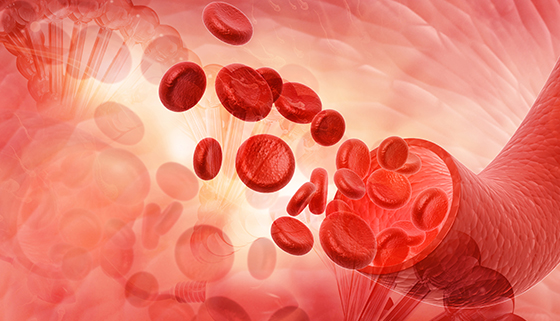
      Causes of Anemia in Infants

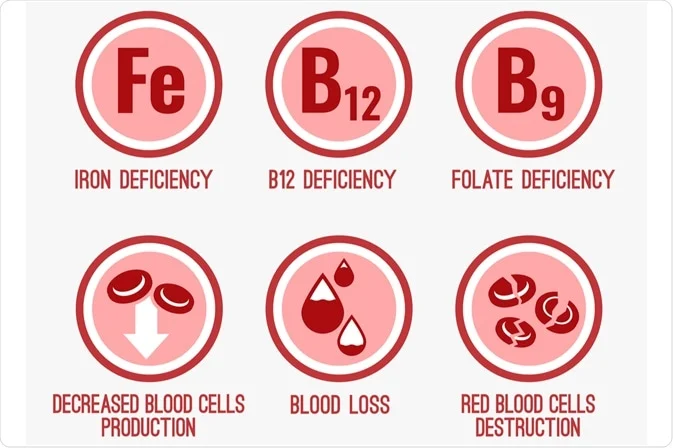
      Causes of Anemia in Infants (List Only):

      Table of Contents(toc)

      1. Nutritional causes

      • Iron deficiency
      • Vitamin B12 deficiency
      • Folate deficiency
      • Protein-energy malnutrition

      2. Blood loss

      • Gastrointestinal bleeding (e.g., anal fissure, Meckel’s diverticulum
      • Birth trauma or internal hemorrhage
      • Iatrogenic blood loss (frequent phlebotomy in NICU)
      • Occult bleeding (cow’s milk protein-induced colitis)

      3. Hemolytic causes

      • Hemolytic disease of the newborn (Rh or ABO incompatibility)
      • G6PD deficiency
      • Hereditary spherocytosis
      • Thalassemia
      • Sickle cell disease
      • Infections causing hemolysis (e.g., malaria, sepsis)

      4. Bone marrow failure / decreased production

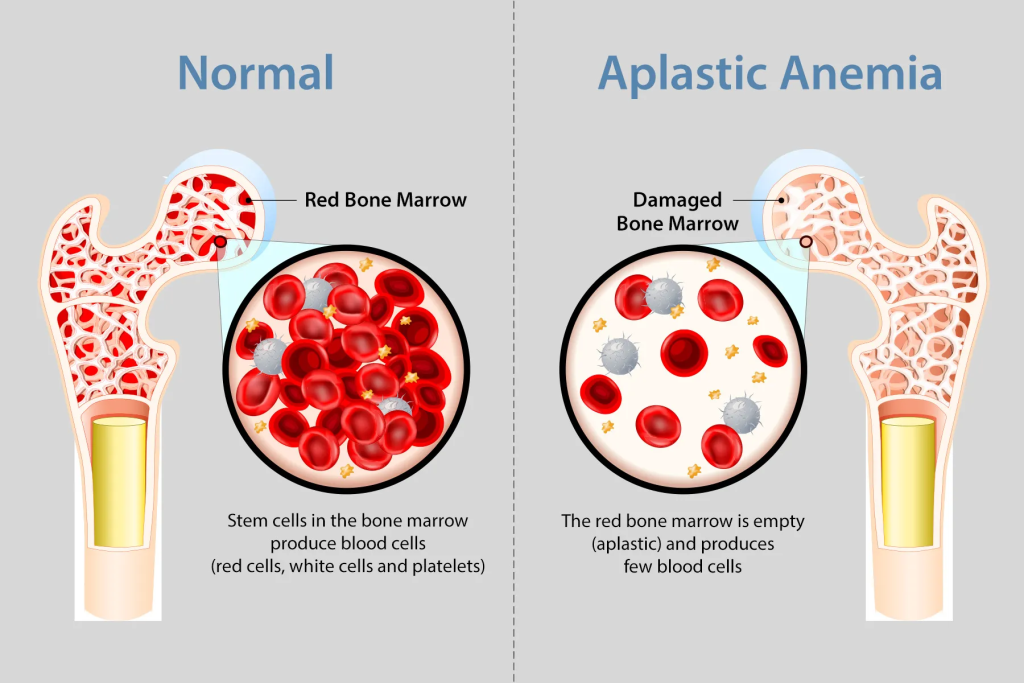
      • Aplastic anemia
      • Congenital pure red cell aplasia (Diamond–Blackfan anemia)
      • Transient erythroblastopenia of childhood
      • Bone marrow infiltration (leukemia, storage diseases)

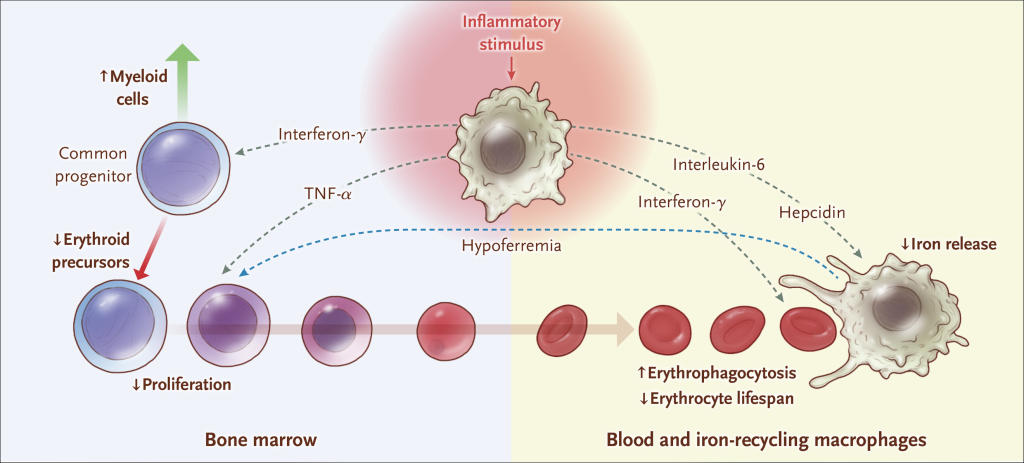
      5. Chronic disease / inflammation

      • Anemia of chronic infection or inflammation
      • Renal failure (↓ erythropoietin)

      6. Physiologic / other causes

      • Physiologic anemia of infancy
      • Prematurity (low iron stores, immature erythropoiesis)
      • Hypothyroidism
      • Chronic blood loss from parasites (hookworm in older infants)

      Rett Syndrome Notes for MD and DM level

      Rett Syndrome

      Definition

      Rett syndrome is a neurodevelopmental disorder that primarily affects girls, characterized by normal early development followed by regression of acquired skills, especially speech and purposeful hand movements, with onset typically between 6–18 months of age.


      Etiology

      • Genetic cause: Mutation in MECP2 gene (methyl-CpG-binding protein 2) on the X chromosome (Xq28)

      • Inheritance: Usually sporadic (de novo); rarely familial

      • Pathophysiology: Dysfunction of MECP2 protein → abnormal brain maturation and synaptic development


      Epidemiology

      • Affects 1 in 10,000–15,000 female births

      • Lethal in males (most do not survive infancy unless mosaic or XXY)


      Clinical Features

      Phases of Disease

      1. Early Onset (6–18 months)

        • Normal development initially

        • Gradual loss of interest in surroundings

        • Loss of purposeful hand skills

        • Deceleration of head growth (acquired microcephaly)

      2. Rapid Destructive Phase (1–4 years)

        • Loss of speech and purposeful hand use

        • Stereotyped hand movements: hand-wringing, washing, clapping, or mouthing

        • Gait ataxia, truncal apraxia

        • Autistic-like behavior

      3. Plateau Phase (2–10 years)

        • Some improvement in social interaction and eye contact

        • Persistent motor problems and seizures

      4. Late Motor Deterioration (>10 years)

        • Progressive scoliosis, muscle wasting, rigidity, dystonia

        • Loss of ambulation in many cases


      Other Features

      • Breathing abnormalities: hyperventilation, apnea during wakefulness

      • Seizures: common (up to 90%)

      • Bruxism, cold/purple extremities (autonomic dysfunction)

      • Sleep disturbances

      • Growth retardation


      Investigations

      • Genetic testing: MECP2 mutation analysis (diagnostic)

      • EEG: slowing with epileptiform activity

      • MRI brain: may show nonspecific atrophy

      • Metabolic tests: normal (to rule out other causes)


      Diagnosis

      • Clinical + confirmed MECP2 mutation

      • Diagnostic criteria include:

        • Regression after normal early development

        • Loss of purposeful hand skills and spoken language

        • Gait abnormalities

        • Stereotypic hand movements


      Differential Diagnosis

      • Autism spectrum disorder

      • Angelman syndrome

      • Cerebral palsy (especially ataxic type)

      • Childhood disintegrative disorder


      Management

      • No cure – supportive and multidisciplinary care

        • Physiotherapy & occupational therapy: maintain mobility

        • Speech therapy: communication support (eye-tracking devices)

        • Antiepileptics: for seizures

        • Nutritional support: adequate calories, manage feeding difficulties

        • Behavioral therapy: improve interaction

        • Orthopedic care: for scoliosis, contractures


      Prognosis

      • Progressive but non-degenerative

      • Life expectancy: many survive into adulthood (40–50 years)

      • Main causes of death: sudden unexplained death, pneumonia, cardiac arrhythmias


      Mnemonic (Key features)“RETT”

      • R = Regression (speech, hand skills)

      • E = Episodic breathing abnormalities

      • T = Typical hand movements (wringing, washing)

      • T = Tiny head (acquired microcephaly)

      Hypothyroidism in Neonates and Children

      Table of Contents(toc)

      1. Definition

      Hypothyroidism is a clinical state resulting from deficiency of thyroid hormone production or action, leading to a generalized slowing of metabolic processes.

      It may be:

      • Congenital (Neonatal) – present at birth.

      • Acquired (Childhood) – develops later due to autoimmune, iatrogenic, or other causes.


      2. Classification

      A. Based on Level of Defect

      Type Site of Defect TSH T4/T3
      Primary Thyroid gland
      Secondary Pituitary ↓/N
      Tertiary Hypothalamus ↓/N
      Peripheral (Resistance) Target tissue N/↑ N/↑

      B. Based on Onset

      • Congenital hypothyroidism (CH)

      • Acquired hypothyroidism


      3. Epidemiology

      • CH: ~1 in 2,000–4,000 live births.

      • More common in females.

      • Acquired form common in older children/adolescents, often autoimmune (Hashimoto’s).

      thyroid gland


      4. Etiology

      A. Congenital Hypothyroidism

      1. Thyroid dysgenesis (80–85%)

        • Agenesis, ectopy, or hypoplasia.

        • Usually sporadic.

      2. Dyshormonogenesis (10–15%)

        • Inborn errors of thyroid hormone synthesis (autosomal recessive).

        • E.g. TPO, TG, Pendrin, NIS mutations.

      3. Central hypothyroidism (rare)

        • Pituitary/hypothalamic malformation, midline defects.

      4. Transient CH

        • Iodine excess/deficiency, maternal antibodies or antithyroid drugs.

      5. Thyroid hormone resistance – extremely rare.

      B. Acquired Hypothyroidism

      • Autoimmune thyroiditis (Hashimoto’s) – most common.

      • Iodine deficiency/excess.

      • Post-irradiation or post-surgical.

      • Drugs: amiodarone, lithium, interferon-α.

      • Secondary causes: pituitary tumors, craniopharyngioma.


      5. Pathophysiology

      ↓ Thyroid hormone → ↓ metabolic activity → impaired CNS myelination, growth retardation, delayed bone maturation.

      • In neonates: irreversible neurodevelopmental impairment if untreated.

      • In older children: growth failure and delayed puberty predominate.


      6. Clinical Features

      A. Neonatal / Congenital

      Often asymptomatic at birth due to transplacental maternal T4.

      Typical features (develop over weeks):

      • Prolonged jaundice

      • Lethargy, hypotonia

      • Feeding difficulty, constipation

      • Large fontanelles

      • Macroglossia

      • Umbilical hernia

      • Cold, dry skin

      • Hoarse cry

      • Poor growth

      • Delayed bone age

      • Delayed milestones (later)

      B. Childhood / Acquired

      • Growth retardation, short stature

      • Weight gain with poor height velocity

      • Fatigue, cold intolerance

      • Constipation

      • Dry skin, coarse hair

      • Bradycardia

      • Delayed puberty / menstrual irregularities

      • Pseudoprecocious puberty (rare, due to high TRH → prolactin ↑)

      • Goiter (especially in Hashimoto’s)


      7. Investigations

      A. Screening

      • Neonatal screening: heel-prick sample at 48–72 hr.

        • Primary TSH (most programs).

        • Elevated TSH → confirm with serum free T4.

      B. Diagnostic Tests

      Test Interpretation
      Serum TSH, Free T4 ↓T4 with ↑TSH → primary hypothyroidism
      T3 less reliable in neonates
      Thyroglobulin Low in agenesis, high in dyshormonogenesis
      Imaging Thyroid scan (99mTc or I-123) – ectopy, agenesis, uptake defects
      Ultrasound Gland location and size
      Antibodies (TPO, Tg) Positive in autoimmune
      Bone age X-ray Delayed
      Additional: Pituitary MRI if central hypothyroidism suspected

      8. Complications (if untreated)

      • Neurologic: irreversible intellectual disability, deaf-mutism, spasticity.

      • Growth: severe stunting, delayed bone age.

      • Metabolic: dyslipidemia.

      • Cardiac: bradycardia, pericardial effusion.


      9. Management

      A. Principles

      • Early, adequate, lifelong replacement.

      • Monitor and titrate carefully to maintain euthyroid state.

      B. Drug

      • Levothyroxine (L-T4) – drug of choice.

        • Dose:

          • Neonates: 10–15 µg/kg/day.

          • Infants: 8–10 µg/kg/day.

          • Children: 4–6 µg/kg/day.

          • Adolescents: 2–4 µg/kg/day.

        • Given on empty stomach (preferably crushed with water or milk).

      C. Monitoring

      Age Frequency Parameters
      0–6 mo Every 2 wk till T4 normal, then q1–2 mo T4, TSH
      6–12 mo q2–3 mo
      1–3 yr q3–4 mo
      >3 yr q6–12 mo

      Target: Free T4 in upper half of normal range, TSH normal.

      D. Developmental Follow-up

      • Neurodevelopmental assessment

      • Hearing evaluation

      • Growth chart monitoring


      10. Prognosis

      • Normal IQ if therapy started within first 2 weeks of life.

      • Delay in treatment → irreversible intellectual deficit.

      • Acquired forms usually fully reversible with treatment.


      11. Key Differentials

      • Pituitary insufficiency

      • Hypothyroxinemia of prematurity

      • Chronic systemic illness (euthyroid sick syndrome)

      • Constitutional growth delay


      12. Summary Table

      Feature Congenital Acquired
      Onset Birth Childhood/adolescence
      Cause Dysgenesis > dyshormonogenesis Hashimoto’s most common
      Presentation Lethargy, constipation, macroglossia Growth failure, delayed puberty
      TSH High High
      T4 Low Low
      Rx Levothyroxine Levothyroxine
      Prognosis Excellent if early Excellent

      References

      1. Nelson Textbook of Pediatrics, 22nd ed.

      2. Indian Academy of Pediatrics Guidelines (2021) — Screening and management of congenital hypothyroidism.

      3. Endocrine Society Clinical Practice Guideline (2020) – Congenital Hypothyroidism.

      4. Sperling MA, Pediatric Endocrinology, 5th ed.

      Leishmaniasis (Complete Notes)

      Leishmaniasis — MD Pediatrics Note (Based on Nelson Textbook of Pediatrics)

      Table of Contents(toc)

      Introduction

      • Leishmaniasis is a spectrum of protozoal diseases caused by Leishmania species, transmitted by the bite of infected female phlebotomine sandflies.

        cutaneous leishmaniasis

      • Disease manifestations depend on the species involved and the host immune response.

      • Major clinical forms:

        1. Visceral leishmaniasis (VL / kala-azar)

        2. Cutaneous leishmaniasis (CL)

        3. Mucocutaneous leishmaniasis (MCL)


      Etiology and Classification

      Form Causative Species Geographic Distribution
      Visceral L. donovani, L. infantum (chagasi) South Asia, East Africa, Latin America
      Cutaneous L. tropica, L. major, L. mexicana, L. braziliensis Middle East, Africa, Americas
      Mucocutaneous L. braziliensis complex Central & South America

      Epidemiology

      • Endemic in >80 countries; affects poor, rural populations.

      • Vectors: Phlebotomus (Old World), Lutzomyia (New World).

      • Reservoirs: Humans (L. donovani), dogs, rodents.

      • Transmission: Sandfly bite, rarely congenital or via transfusion.

      Phlebotomus

      Pathogenesis

      • Inoculation of promastigotes → engulfed by macrophages → transform into amastigotes → intracellular multiplication → spread to RES (liver, spleen, bone marrow).

      • Disease severity depends on cell-mediated immunity (CMI).

        • Strong CMI → localized CL.

        • Poor CMI → disseminated VL.

      lifecycle of L donovani

      Clinical Features

      A. Visceral Leishmaniasis (Kala-azar)

      • Incubation: 2 weeks–18 months.

        Visceral Leishmaniasis (Kala-azar)
      • Onset: Insidious.

      • Major triad:

        1. Fever: Remittent, double-quotidian, or irregular.

        2. Hepatosplenomegaly: Marked splenomegaly, moderate hepatomegaly.

        3. Pancytopenia: due to hypersplenism and marrow infiltration.

      • Other features:

        • Weight loss, wasting, darkening of skin (“kala-azar” = black fever)

        • Lymphadenopathy (esp. African form)

        • Anemia, bleeding, infections (esp. bacterial superinfection)

        • Growth retardation and cachexia in chronic disease.

      Post-kala-azar dermal leishmaniasis (PKDL):
      • Occurs months–years after VL cure.

      • Hypopigmented macules, papules, nodules (face, arms, trunk).

      • Serves as a reservoir in endemic areas (notably India).


      B. Cutaneous Leishmaniasis

      • Lesion: Painless papule → ulcer with indurated margin (“oriental sore”).

      • Usually heals spontaneously in 3–6 months but leaves scar.

      • Chronic forms may resemble lupus vulgaris.


      C. Mucocutaneous Leishmaniasis

      • Extension from cutaneous lesion (nasal/oral mucosa).

      • Causes destructive ulcerations → severe disfigurement.

      mucocutaneous leishmaniasis

      Laboratory Diagnosis

      1. Direct demonstration

      • Amastigotes (Leishman–Donovan bodies) in:

        • Splenic aspirate (most sensitive, but risky)

        • Bone marrow aspirate (safe, moderately sensitive)

        • Lymph node or buffy coat smear

      • Giemsa-stained smears show:

        • Oval amastigotes (2–5 μm) with nucleus and kinetoplast inside macrophages.

      2. Culture

      • Novy–MacNeal–Nicolle (NNN) medium → promastigote growth.

      3. Serologic tests

      • rK39 dipstick test: Highly sensitive & specific for VL (field use).

      • Direct agglutination test (DAT), IFA, ELISA also available.

      4. Molecular tests

      • PCR: Highly sensitive, species-specific; used in reference labs.

      5. Hematology

      • Pancytopenia, hypergammaglobulinemia, elevated ESR.


      Treatment

      First-line (Visceral Leishmaniasis)

      • Liposomal Amphotericin B (preferred):

        • Total dose 10–21 mg/kg (varies by region/protocol)

        • Short-course regimens effective.

      • Alternative:

        • Amphotericin B deoxycholate: 1 mg/kg/day × 15–20 doses (toxic, nephrotoxic)

        • Miltefosine: 2.5 mg/kg/day (max 150 mg/day) × 28 days (oral)

        • Paromomycin (IM): 11 mg/kg/day × 21 days

        • Combination regimens (to prevent resistance):

          • Single-dose liposomal amphotericin B + short-course miltefosine or paromomycin.

      Cutaneous Leishmaniasis

      • Local therapy (cryotherapy, intralesional antimony) for small lesions.

      • Systemic therapy for multiple, mucosal, or immunocompromised cases:

        • Miltefosine, liposomal amphotericin B, or pentavalent antimonials.

      Mucocutaneous Leishmaniasis

      • Liposomal amphotericin B or pentavalent antimonials for ≥28 days.


      Prevention and Control

      • Vector control: Insecticide spraying, bed nets.

      • Reservoir control: Treat dogs, cull infected reservoirs.

      • Personal protection: Repellents, protective clothing.

      • Early diagnosis and treatment reduce transmission.

      • Vaccine: None yet in routine use; trials ongoing.


      Complications

      • Secondary bacterial infections

      • Severe anemia, hemorrhage

      • Disseminated infection in HIV patients

      • PKDL (in endemic regions like India/Nepal)


      Prognosis

      • Excellent with prompt diagnosis and treatment.

      • Mortality >90% if untreated (mainly from secondary infections, cachexia).


      Key Points from Nelson

      • Visceral leishmaniasis should be suspected in any febrile child with splenomegaly and pancytopenia in an endemic area.

      • rK39 test is the diagnostic test of choice in field settings.

      • Liposomal amphotericin B is the preferred therapy in both immunocompetent and immunocompromised children.

      • PKDL represents an important reservoir for ongoing transmission.

      • HIV co-infection complicates disease course and increases relapse risk.

      Episodic (Viral) Wheeze vs. Multiple Trigger Wheeze 10 Differences and Similarities

      Episodic (Viral) Wheeze vs. Multiple Trigger Wheeze

      A Clinically Oriented Review for the Practicing Pediatrician

      Based on Nelson Textbook of Pediatrics (21st ed.) | Kendig’s Disorders of the Respiratory Tract in Children (9th ed.) | AAP & IAP-NAPCON Official Resources

      1. Introduction

      Wheezing in preschool children (0–5 years) is one of the most common reasons for pediatric consultation and hospital admission worldwide. It is now well established that ‘preschool wheeze’ is not a single disease but a heterogeneous group of phenotypes with distinct pathophysiology, natural history, and responses to therapy. The two most clinically useful and validated phenotypes—recognized in both the Nelson Textbook of Pediatrics and major international guidelines—are:

      • Episodic (Viral) Wheeze (EVW): wheezing episodes triggered exclusively by viral respiratory infections, with complete resolution between episodes.
      • Multiple Trigger Wheeze (MTW): wheezing triggered by multiple stimuli including viruses, aeroallergens, exercise, cold air, tobacco smoke, and emotional stimuli, with symptoms also occurring between discrete episodes.

      This classification, initially proposed by Brand et al. and incorporated into the PRACTALL Consensus Report (2008) of the European Academy of Allergy and Clinical Immunology (EAACI) and the American Academy of Allergy, Asthma and Immunology (AAAAI), is now endorsed by the American Academy of Pediatrics (AAP) and the Indian Academy of Pediatrics (IAP) / National Asthma Consensus Group (NACG).

      2. Epidemiology

      According to Nelson Textbook of Pediatrics (21st edition, Chapter 169: Wheezing in Infants and Children), approximately 30–40% of all children will experience at least one wheezing episode in the first three years of life, yet fewer than one-third of these will develop persistent asthma. Data from the Tucson Children’s Respiratory Study (TCRS), cited prominently in Nelson, delineates three early wheezing trajectories:

      • Transient early wheezers: viral-triggered, remit by age 6; low atopic burden.
      • Non-atopic wheezers (EVW phenotype): episode-only wheeze; best aligned with EVW.
      • IgE-associated persistent wheezers (MTW/Asthma phenotype): atopic sensitization, family history, persistent into school age.

      The IAP NAPCON 2019 Consensus Statement on Childhood Asthma notes that in South Asian children, including India and Nepal, the prevalence of preschool wheeze is significant, often complicated by high pollution exposure and early sensitization to house dust mite and cockroach allergens, features that shift the phenotype toward MTW.

      3. Pathophysiology

      3.1 Episodic (Viral) Wheeze

      As described in Nelson (Chapter 169) and Kendig’s Disorders of the Respiratory Tract in Children (9th edition, Chapter 38), EVW is predominantly mediated by:

      • Rhinovirus (RV) and respiratory syncytial virus (RSV) — the principal triggers in children <3 years.
      • Neutrophilic airway inflammation: transient bronchial inflammation during the acute episode, with restoration of normal airway architecture between episodes. Unlike classical asthma, eosinophilic infiltration is typically absent or minimal.
      • Small airway mechanics: infants have a high ratio of airway resistance due to anatomically smaller caliber airways, making them more susceptible to luminal obstruction from viral-induced mucosal edema and secretions.
      • Immune dysregulation: reduced interferon-γ (IFN-γ) and impaired Th1 responses to RV have been demonstrated, contributing to prolonged viral shedding and exaggerated bronchospasm.
      • No persistent structural remodeling: between episodes, lung function is typically normal and there is no evidence of airway remodeling or eosinophilic inflammation.

      3.2 Multiple Trigger Wheeze

      MTW pathophysiology, as detailed in both Nelson and Kendig’s, resembles that of classic atopic asthma:

      • Eosinophilic airway inflammation: persistent even during asymptomatic intervals, with elevated fractional exhaled nitric oxide (FeNO).
      • Th2-skewed immune response: elevated IgE, IL-4, IL-5, IL-13; mast cell and eosinophil activation with allergen exposure.
      • Airway hyperresponsiveness (AHR): demonstrable on methacholine or exercise challenge, and persisting between symptomatic episodes.
      • Early sensitization: specific IgE to house dust mite (Dermatophagoides pteronyssinus), cockroach, Alternaria, or other regional allergens is frequently demonstrable by age 2–3 years.
      • Structural remodeling: subepithelial fibrosis and smooth muscle hypertrophy develop over time if left inadequately treated.

      4. Clinical Features and Diagnosis

      4.1 History

      Nelson (21st ed., Chapter 169) and AAP Clinical Practice Guidelines for Asthma (2020 Update) recommend a detailed history focusing on:

      • Trigger identification: exclusive viral triggers (EVW) vs. multiple triggers including allergens, exercise, cold air, irritants (MTW).
      • Inter-episodic symptoms: nocturnal cough, exercise-induced wheeze, or persistent cough between viral episodes strongly suggests MTW.
      • Atopic comorbidities: personal history of eczema, allergic rhinitis; food allergy.
      • Family history: parental asthma/atopy increases the Asthma Predictive Index (API) score, supporting MTW/asthma phenotype.
      • Environmental history: tobacco smoke exposure, cooking fuel, pet ownership, damp housing — relevant especially per IAP guidelines for South Asian settings.

      4.2 Asthma Predictive Index (API)

      The modified API (mAPI), described in Nelson and endorsed by the AAP, is a validated tool to identify preschool wheezers likely to develop persistent asthma (MTW phenotype). A positive mAPI in a child with ≥3 wheezing episodes in the past year has a positive predictive value of ~80% for asthma at school age.

      Major criteria: (1) Parental asthma; (2) Physician-diagnosed atopic dermatitis; (3) Aeroallergen sensitization.

      Minor criteria: (1) Food allergen sensitization; (2) ≥4% peripheral eosinophilia; (3) Wheezing apart from colds.

      A positive API (1 major OR 2 minor) in a high-frequency wheezer predicts MTW/asthma phenotype and guides more aggressive preventive therapy.

      4.3 Physical Examination

      Physical findings are largely similar during acute episodes in both phenotypes. However, clinicians should look for:

      • Stigmata of atopy (eczema, infraorbital shiners, allergic salute, nasal polyps) — favoring MTW.
      • Digital clubbing, persistent hyperinflation, failure to thrive — suggest alternative diagnoses (cystic fibrosis, primary ciliary dyskinesia, structural airway anomalies).
      • Normal examination between episodes — expected in EVW; persistent wheeze or hyperinflation between episodes raises suspicion for MTW or alternative pathology.

      4.4 Investigations

      Kendig’s (9th ed., Chapter 38) and AAP Guidelines recommend the following investigations based on clinical context:

      • Spirometry (≥5–6 years): reversible airflow obstruction (post-bronchodilator FEV1 improvement ≥12%) supports MTW/asthma; may be normal in EVW.
      • Skin prick testing / Specific IgE: aeroallergen sensitization supports MTW phenotype; recommended in children with positive mAPI or recurrent MTW.
      • Complete blood count: peripheral eosinophilia (≥4%) is a minor API criterion.
      • Chest radiograph: to exclude structural anomalies, foreign body, or consolidation; not routinely needed for wheeze per AAP guidelines.
      • FeNO measurement: elevated (>25 ppb) supports eosinophilic airway inflammation (MTW/asthma); not universally available but referenced in Nelson and Kendig’s.
      • Bronchoscopy / BAL: reserved for diagnostically challenging cases; mentioned in Kendig’s for evaluation of structural/anatomic causes of wheeze.

      5. Comparative Overview: EVW vs. MTW

      Table 1 summarizes the key distinguishing features of the two preschool wheeze phenotypes.

      Table 1. Episodic Viral Wheeze vs. Multiple Trigger Wheeze — Comparative Features

      FeatureEpisodic Viral Wheeze (EVW)Multiple Trigger Wheeze (MTW)
      Trigger patternOnly viral URTIs; symptom-free between episodesViral + aeroallergens, exercise, cold air, smoke; persistent/interval symptoms
      Typical agePredominantly <3 years (preschool)Any preschool age; more likely to persist into school age
      Atopic featuresUsually absent; non-atopic phenotypeOften present: eczema, allergic rhinitis, sensitization
      Family historyLess prominentPositive asthma/atopy family history common
      Lung function (interval)Normal between episodesMay show airflow limitation between episodes
      Airway inflammationPredominantly neutrophilic; transientEosinophilic; chronic even between episodes
      Response to ICSLimited/inconsistent benefit in trialsBetter response; ICS often indicated
      LABA benefitNot establishedMay be considered as add-on (age-appropriate)
      MontelukastModest benefit in some studies (episodic use)Regular use may help; part of step-up therapy
      PrognosisMany remit by school ageHigher risk of persisting asthma

      Source: Nelson Textbook of Pediatrics 21e (Chapter 169); Kendig’s 9e (Chapter 38); Brand et al., PRACTALL Consensus Report 2008; AAP; IAP-NAPCON 2019.

      6. Differential Diagnosis

      Both Nelson and Kendig’s emphasize that preschool wheeze is not always asthma or EVW/MTW. The following should be actively excluded:

      • Cystic Fibrosis (CF): failure to thrive, steatorrhoea, digital clubbing, neonatal jaundice, positive sweat chloride test.
      • Primary Ciliary Dyskinesia (PCD): daily productive cough from birth, situs inversus (in ~50%), bronchiectasis on imaging.
      • Tracheobronchomalacia: monophasic wheeze from birth, worsens with agitation/feeding, may improve in prone position.
      • Foreign body aspiration: sudden onset, unilateral wheeze, history of aspiration event.
      • Vascular ring/sling: persistent stridor/wheeze, dysphagia, abnormal barium swallow or CT angiography.
      • Gastroesophageal Reflux Disease (GERD): feeding-associated symptoms, laryngeal findings; however, causality with wheeze is debated.
      • Immune deficiency: recurrent infections beyond wheeze, failure to thrive, lymphopenia.
      • Congenital heart disease: cardiac murmur, differential cyanosis, abnormal echocardiogram.

      7. Management

      7.1 Acute Episode Management (Both Phenotypes)

      Per AAP Clinical Practice Guidelines (2020) and Nelson (Chapter 169), acute management is phenotype-independent and follows standard bronchodilator therapy:

      • Short-Acting Beta-2 Agonists (SABA): salbutamol (albuterol) 2.5–5 mg via nebulizer, or 2–4 puffs via spacer and face mask every 20 minutes for 3 doses in severe episodes. First-line therapy for all preschool wheeze.
      • Ipratropium bromide: may be added for moderate-to-severe exacerbations; reduces hospitalization when combined with salbutamol.
      • Systemic corticosteroids: oral prednisolone (1–2 mg/kg/day, max 40 mg, for 3–5 days) for moderate-to-severe exacerbations. Per the AAP, short courses do not significantly affect adrenal function or growth in children.
      • Supplemental oxygen: titrate to maintain SpO2 ≥94% (AAP target); SpO2 ≥95% per IAP-NAPCON 2019.
      • Hospitalization criteria: SpO2 <92% on room air, severe respiratory distress (HR >60/min in infants), inability to maintain oral feeds, poor response to initial bronchodilators.

      7.2 Preventive/Controller Therapy

      This is where the phenotype distinction critically guides management:

      7.2.1 Episodic (Viral) Wheeze

      Per Nelson, Kendig’s, and AAP Guidelines:

      • Continuous ICS: NOT routinely recommended for EVW. Multiple RCTs (including the PEAK and MIST trials cited in Nelson) show no significant reduction in episode frequency or severity with continuous low-dose ICS in non-atopic preschool wheezers.
      • Intermittent/episodic ICS: high-dose ICS at the onset of a viral URTI (e.g., budesonide 400 mcg/day or fluticasone 200 mcg/day for 7–10 days) may reduce episode severity in selected children, though evidence remains inconsistent across trials.
      • Montelukast: episodic use at onset of wheeze shows modest benefit in some studies (Bisgaard et al., NEJM, cited in Nelson); may be considered for children with 3 or more episodes per year.
      • Bronchodilator reliever therapy: salbutamol as needed during episodes. Continuous reliever use between episodes is not indicated in pure EVW.
      • Avoidance: passive smoking cessation, hand hygiene, daycare modifications to reduce viral exposure.

      7.2.2 Multiple Trigger Wheeze

      Per Nelson, Kendig’s, AAP (2020), and IAP-NAPCON (2019):

      • Low-dose ICS: first-line preventer therapy. Budesonide 100–200 mcg/day or fluticasone propionate 100 mcg/day (BDP-equivalent). Initiate when diagnosis of MTW/persistent asthma is established.
      • Montelukast: may be used as an alternative to ICS in mild MTW or as add-on therapy in moderate MTW. IAP-NAPCON recognizes its role given high house dust mite sensitization in the South Asian context.
      • Medium-dose ICS: step up to 200–400 mcg/day (budesonide equivalent) if low-dose ICS fails to achieve symptom control after 6–8 weeks.
      • LABA addition: for children ≥5 years with inadequate control on medium-dose ICS, salmeterol or formoterol can be added. Not approved or recommended for children <4 years as monotherapy.
      • Allergen avoidance: mattress/pillow encasements, HEPA filtration, pet removal — strongly recommended by AAP and IAP for sensitized children with MTW.
      • Allergen Immunotherapy (AIT): subcutaneous or sublingual AIT for house dust mite-sensitized children with MTW/asthma is recommended in international guidelines and endorsed in IAP-NAPCON for appropriate candidates ≥5 years.
      • Omalizumab: anti-IgE therapy; approved for moderate-to-severe persistent allergic asthma in children ≥6 years; referenced in Nelson and AAP guidelines for refractory MTW/asthma with high IgE and allergen sensitization.

      7.3 Step-Therapy Summary

      Table 2. Stepwise Treatment Approach for EVW and MTW

      StepEVW ManagementMTW Management
      AcuteSABA (salbutamol) via spacer/nebulizer; oral prednisolone for moderate-severeSABA; oral/systemic corticosteroids; consider early ICS step-up
      PreventerNot routinely indicated; trial ICS only if frequent/severe episodes (≥3/year)Low-dose ICS (e.g., budesonide 100–200 mcg/day) as first-line preventer
      Step-upEpisodic ICS at onset of URTI (intermittent therapy); montelukast episodic useIncrease ICS dose; add montelukast or LABA (≥5 yr); consider specialist referral
      MonitoringSymptom diary; reassess trigger pattern at each visitSpirometry (if age-appropriate); allergy testing; adherence review

      Adapted from: Nelson Textbook of Pediatrics 21e; AAP Clinical Practice Guidelines (2020); IAP-NAPCON Consensus Statement 2019.

      7.4 Delivery Devices

      Per AAP and IAP-NAPCON recommendations:

      • 0–3 years: pMDI + valved spacer with face mask (preferred); nebulizer is an acceptable alternative.
      • 3–5 years: pMDI + valved spacer with mouthpiece; child should be able to maintain a seal.
      • ≥6 years: pMDI + spacer or dry powder inhaler (DPI); spirometry-guided device selection.

      Nebulizers are not superior to pMDI+spacer for acute bronchodilation and carry infection transmission risk in healthcare settings. Both AAP and IAP recommend prioritizing spacer-based delivery.

      8. Monitoring and Follow-Up

      Nelson, AAP (2020 Expert Panel Report 3 Update), and IAP-NAPCON recommend the following monitoring framework:

      1. Review diagnosis every 3–6 months: re-evaluate whether phenotype has shifted from EVW to MTW as the child grows.
      2. Assess symptom control using validated tools: \Childhood Asthma Control Test (C-ACT) for children ≥4 years; parent-report tools for younger children.
      3. Spirometry when developmentally feasible (≥5 years): monitor FEV1, FVC, and FEV1/FVC ratio at each visit.
      4. Reassess trigger profile at each visit: new aeroallergen sensitization, school exposures, change in environment.
      5. Monitor growth: height and weight percentile; ICS at low doses does not significantly affect final adult height per Nelson; monitor with medium-to-high doses.
      6. Adherence and inhaler technique: check at every visit; poor technique is the most common cause of apparent treatment failure per AAP.
      7. Consider step-down: if well-controlled for ≥3 months, cautiously step down therapy, reassessing trigger pattern.

      9. Prognosis and Natural History

      The TCRS and birth cohort studies cited in Nelson provide the most robust data on prognosis:

      • EVW (Transient wheeze): ~60% of preschool wheezers remit by 6 years of age. These children, corresponding to the EVW phenotype, generally have normal lung function at school age. The absence of atopic sensitization, normal lung function between episodes, and non-positive API predict favorable outcome.
      • MTW (Persistent/Asthma phenotype): ~40% of preschool wheezers continue to wheeze at school age. Risk factors for persistence include: positive mAPI, maternal asthma, early sensitization to aeroallergens, frequent episodes in the first 3 years, male sex, and exposure to high-dose indoor allergens.
      • Lung function trajectory: Lung function deficits, if present at age 6 years in the MTW group, tend to track into adult life and are associated with increased risk of COPD in adulthood (“early origins of adult lung disease” concept, cited in Nelson and Kendig’s).
      • South Asian context (IAP): earlier sensitization to perennial allergens (HDM, cockroach), higher pollution burden, and lower vitamin D levels may confer worse outcomes in the MTW phenotype in Indian children, as noted in IAP-NAPCON 2019.

      10. Special Clinical Situations

      10.1 The “Overlap” Child

      Many children present with features of both EVW and MTW, especially between ages 2–4 years. Nelson recommends using the mAPI as a practical decision aid in such cases. If the mAPI is positive, treat as MTW (initiate regular ICS); if negative, manage as EVW (episodic/as-needed therapy).

      10.2 Very Young Infants (<12 months)

      Wheezing in infants under 12 months is most commonly due to bronchiolitis (RSV) and should not be classified as EVW or MTW. Per AAP Clinical Practice Guideline for the Diagnosis, Management, and Prevention of Bronchiolitis (2014, reaffirmed 2020), bronchodilators are not recommended for infants with bronchiolitis. ICS and systemic steroids are similarly not recommended in this age group for acute bronchiolitis.

      10.3 COVID-19 and Respiratory Viruses

      The AAP has issued guidance noting that SARS-CoV-2 infection in young children may trigger wheezing episodes similar to other viral URTI triggers in EVW. Standard asthma action plans should include COVID-19 as a potential EVW trigger; ICS should not be stopped during COVID-19 illness in MTW/asthma patients.

      10.4 Vaccination

      Both AAP and IAP recommend annual influenza vaccination for all children with recurrent wheezing (EVW or MTW), as influenza is a significant trigger for severe exacerbations. Pneumococcal vaccination per national immunization schedules is also recommended.

      11. Parent and Caregiver Education

      AAP and IAP emphasize that education is a cornerstone of management:

      • Provide written Asthma Action Plan (AAP template available at healthychildren.org) for all children with recurrent wheeze.
      • Educate on symptom recognition: early signs of exacerbation (nocturnal cough, reduced exercise tolerance, increased rescue inhaler use).
      • Inhaler technique training at every visit; video demonstrations and teach-back methods are recommended by AAP.
      • Environmental control counseling: tobacco smoke, allergen avoidance, mold reduction, pet dander management.
      • Address caregiver anxiety: explain phenotype, natural history, and that EVW does not inevitably become asthma.
      • Emphasize adherence to preventive therapy in MTW: parents often reduce ICS doses prematurely when symptoms improve.

      12. Key Clinical Takeaways

      • Phenotype matters: Distinguish EVW from MTW at every clinical encounter; this distinction drives preventive therapy decisions.
      • mAPI guides therapy: A positive mAPI in a high-frequency preschool wheezer indicates MTW/asthma phenotype and justifies early ICS therapy.
      • ICS is not universal: Continuous ICS is not recommended for pure EVW; reserve for MTW or EVW with frequent/severe episodes.
      • Trigger profile shapes management: Allergen sensitization testing is indicated when MTW is suspected; AIT may be indicated in sensitized children ≥5 years.
      • Phenotypes are dynamic: Reassess at every visit; EVW may evolve to MTW as atopic sensitization develops.
      • Guideline resources: Use AAP (healthychildren.org, aappublications.org) and IAP-NAPCON (iapindia.org) official resources for updated local guidance.
      • Exclude mimics: Always consider structural, infectious, and congenital causes of recurrent wheeze, especially in children <12 months or with atypical features.

      References

      Primary Textbook References:

      1. Kliegman RM, St. Geme JW, Blum NJ, et al. Nelson Textbook of Pediatrics, 21st Edition. Philadelphia: Elsevier; 2020. Chapter 169: Wheezing in Infants and Young Children; Chapter 170: Asthma.
      2. Wilmott RW, Deterding R, Li A, et al. Kendig’s Disorders of the Respiratory Tract in Children, 9th Edition. Philadelphia: Elsevier; 2019. Chapter 38: Wheezing in Infancy and Early Childhood; Chapter 39: Asthma in the Pediatric Patient.

      AAP Official Resources:

      1. American Academy of Pediatrics. Clinical Practice Guideline for the Diagnosis, Evaluation, and Management of Childhood Asthma. Pediatrics. 2020;145(3):e20193432. Available at: https://publications.aap.org
      2. American Academy of Pediatrics. Clinical Practice Guideline: The Diagnosis, Management, and Prevention of Bronchiolitis. Pediatrics. 2014;134(5):e1474-e1502. Reaffirmed 2020. Available at: https://publications.aap.org
      3. American Academy of Pediatrics. Asthma Action Plan templates and parent education resources. HealthyChildren.org. Available at: https://www.healthychildren.org

      IAP Official Resources:

      • Indian Academy of Pediatrics, National Asthma Consensus Group (NAPCON). IAP-NAPCON Consensus Statement on Childhood Asthma 2019. Indian Pediatrics. 2020;57(1):42–58. Available at: https://www.indianpediatrics.net
      • Indian Academy of Pediatrics. IAP Standard Treatment Guidelines: Bronchial Asthma in Children. 2022. Available at: https://www.iapindia.org

      Landmark Studies and Consensus Documents (cited in Nelson/Kendig’s):

      • Brand PL, Baraldi E, Bisgaard H, et al. Definition, assessment and treatment of wheezing disorders in preschool children: an evidence-based approach. European Respiratory Journal. 2008;32(4):1096–1110. [PRACTALL Consensus Report, cited in Nelson 21e and Kendig’s 9e]
      • Martinez FD, Wright AL, Taussig LM, et al. Asthma and wheezing in the first six years of life: The Group Health Medical Associates. New England Journal of Medicine. 1995;332(3):133–138. [Tucson Children’s Respiratory Study, cited in Nelson 21e]
      • National Asthma Education and Prevention Program (NAEPP). Expert Panel Report 3 (EPR-3): Guidelines for the Diagnosis and Management of Asthma. National Heart, Lung, and Blood Institute (NHLBI). 2007 (Updated 2020). Available at: https://www.nhlbi.nih.gov
      • Global Initiative for Asthma (GINA). Difficult-to-Treat and Severe Asthma in Adolescent and Adult Patients: A GINA Pocket Guide. 2023. [Referenced in Nelson and Kendig’s for management framework]

      10 steps of management of Malnutrition: Complications, Assessment, and Prevention

      Malnutrition: Complications, Assessment, and Prevention

      Malnutrition is a serious public health concern affecting individuals of all ages, particularly children in low-resource settings. It can lead to both acute and chronic complications, impacting survival, growth, and overall health.

      Acute Complications of Malnutrition

      A helpful mnemonic for remembering the main acute complications is “Shieldeded”:

      1. Sugar deficiency / Hypoglycemia – Low blood sugar levels can lead to lethargy, seizures, and even coma.
      2. Hypothermia – Impaired thermoregulation increases vulnerability to cold stress.
      3. Infection – Reduced immunity predisposes to frequent and severe infections.
      4. Electrolyte disorder – Commonly includes imbalances in sodium, potassium, and magnesium.
      5. Dehydration – Often due to diarrhea or inadequate fluid intake.
      6. Deficiency of vitamins and minerals – Leads to a range of specific deficiency syndromes (e.g., anemia, rickets, night blindness).

      Next we will discuss 10 essential steps in the management of malnutrition (Severe Acute Malnutrition – SAM) based on standard WHO guidelines.


      Management of Malnutrition (SAM) – 10 Steps

      StepManagementKey ActionsTimeline
      1Treat/Prevent HypoglycemiaGive glucose immediately, start frequent feedsImmediately (within first hours)
      2Treat/Prevent HypothermiaKeep child warm, kangaroo careImmediately & ongoing (first 24 hrs)
      3Treat/Prevent DehydrationUse ReSoMal, careful rehydrationFirst 24 hours
      4Correct Electrolyte ImbalanceGive potassium, magnesium, restrict sodiumFirst 1–2 days
      5Treat InfectionsStart broad-spectrum antibioticsImmediately (Day 1)
      6Correct Micronutrient DeficienciesVitamin A, zinc, folate (avoid iron initially)Day 1 onward
      7Start Cautious FeedingBegin F-75 diet (stabilization phase)First 2–7 days
      8Achieve Catch-up GrowthSwitch to F-100 or RUTFAfter stabilization (Day 7+)
      9Provide Sensory StimulationPlay therapy, emotional careThroughout treatment
      10Prepare for Follow-upNutrition education, immunization, monitoringBefore discharge & after recovery


      Chronic Complications of Malnutrition

      Untreated or prolonged malnutrition can result in chronic health problems:

      1. Pseudotumour cerebri – Raised intracranial pressure without a brain tumor, causing headaches and visual disturbances.
      2. Nutritional recovery syndrome / Refeeding syndrome – Metabolic complications following rapid nutritional rehabilitation.
      3. Khan syndrome / Encephalitis-like syndrome – Neurological presentation resembling brain infection.

      Nutritional Assessment

      A complete nutritional assessment includes:

      • Anthropometry – Measurement of weight, height, mid-upper arm circumference (MUAC), and growth charts.
      • Biochemical markers – Blood tests to assess nutrient levels and detect deficiencies.
      • Clinical evaluation – Physical examination for signs of malnutrition.
      • Dietary evaluation – Analysis of food intake patterns and adequacy.
      • Epidemiological assessment – Community-based data to identify at-risk populations.

      Prevention of Malnutrition: GOBIFFF Strategy

      The GOBIFFF approach is widely promoted for prevention:

      • G – Growth monitoring
      • O – Oral rehydration solution (ORS) use
      • B – Breastfeeding promotion
      • I – Immunization coverage
      • F – Family planning
      • F – Female education
      • F – Feeding improvement (appropriate complementary feeding)

      Follow-up in Malnutrition

      Monitoring recovery is crucial for preventing relapse:

      • Initial follow-up: At 2 weeks, 1 month, and 3 months after starting treatment.
      • Long-term follow-up: Every 3 months thereafter until the Z-score is greater than –1.

      Assessment of Physical Growth Schedule

      • Monthly for children under 1 year
      • Every 2 months for ages 1–2 years
      • Every 3 months for ages 3–5 years

      Conclusion

      Malnutrition remains preventable through early detection, community education, and targeted interventions. A combination of clinical vigilance and public health measures can ensure healthier growth and development in children worldwide.

      Gastrointestinal (GI) Bleeding in Children: High-Yield Overview

      Gastrointestinal (GI) Bleeding in Children: High-Yield Overview

      Table of Contents(toc)
      Gastrointestinal (GI) Bleeding in Children: High-Yield Overview

      GI bleeding in children is classified into upper and lower sources. Understanding the common causes and their relative prevalence helps in timely diagnosis and management.


      Upper GI Bleeding (More Common)

      1. Esophagitis, Gastritis, Duodenitis30–40%
        Most frequent causes; often associated with infections, NSAIDs, or stress.

      2. Gastroesophageal Reflux Disease (GERD)20–30%
        Chronic reflux can lead to mucosal damage and bleeding.

      3. Peptic Ulcer Disease10–20%
        Associated with H. pylori, stress, or NSAIDs.

      4. Esophageal Varices5–10%
        Seen in children with chronic liver disease or portal hypertension.

      5. Mallory-Weiss Tear~5%
        Mucosal tear due to forceful vomiting.

      6. Coagulopathies / Bleeding Disorders2–5%
        Underlying bleeding diathesis may present with GI hemorrhage.

      7. Foreign Body Ingestion (with mucosal injury)<5%
        Particularly in toddlers; bleeding due to mucosal erosion or ulceration.


      Lower GI Bleeding

      1. Anal Fissures30–40%
        Most common cause in infants and toddlers; associated with hard stools.

      2. Infectious Colitis / Gastroenteritis20–25%
        Caused by bacterial or viral pathogens, often with diarrhea.

      3. Juvenile Polyps10–15%
        Benign but can cause painless rectal bleeding in young children.

      4. Meckel’s Diverticulum5–10%
        Congenital anomaly; may bleed due to ectopic gastric mucosa.

      5. Inflammatory Bowel Disease (IBD)5–10%
        Includes Crohn’s and ulcerative colitis; chronic inflammation leads to bleeding.

      6. Intussusception2–5%
        Often presents with “currant jelly” stools and abdominal pain.

      7. Henoch-Schönlein Purpura (HSP)1–5%
        Small vessel vasculitis; GI involvement can cause bleeding and pain.


      Here is a quick-reference table summarizing the common causes of GI bleeding in children, categorized by location and including approximate prevalence:


      Common Causes of GI Bleeding in Children

      Upper GI Bleeding Prevalence
      Esophagitis / Gastritis / Duodenitis 30–40%
      Gastroesophageal Reflux Disease (GERD) 20–30%
      Peptic Ulcer Disease 10–20%
      Esophageal Varices 5–10%
      Mallory-Weiss Tear ~5%
      Coagulopathies / Bleeding Disorders 2–5%
      Foreign Body Ingestion (with mucosal injury) <5%

      Lower GI Bleeding Prevalence
      Anal Fissures 30–40%
      Infectious Colitis / Gastroenteritis 20–25%
      Juvenile Polyps 10–15%
      Meckel’s Diverticulum 5–10%
      Inflammatory Bowel Disease (IBD) 5–10%
      Intussusception 2–5%
      Henoch-Schönlein Purpura (HSP) 1–5%

      Exit mobile version