Before jumpmg to health benefits of Jimbu, lets discuss what is jimbu and how
do we identify it?
What is Jimbu?
Jimbu is a traditional spice commonly used in northern and himalayan Nepal, India from Uttarakhands to Sikkim area.
It belongs to onion family and tastes similar to onion.
It has typical but slightly different flavour and smell than onion hence it is used as taste enhancer in traditional cooking of Nepal and surrounding region.
It is one of the main ingridient and taste enhancer in traditional Thakali dish in Nepal.
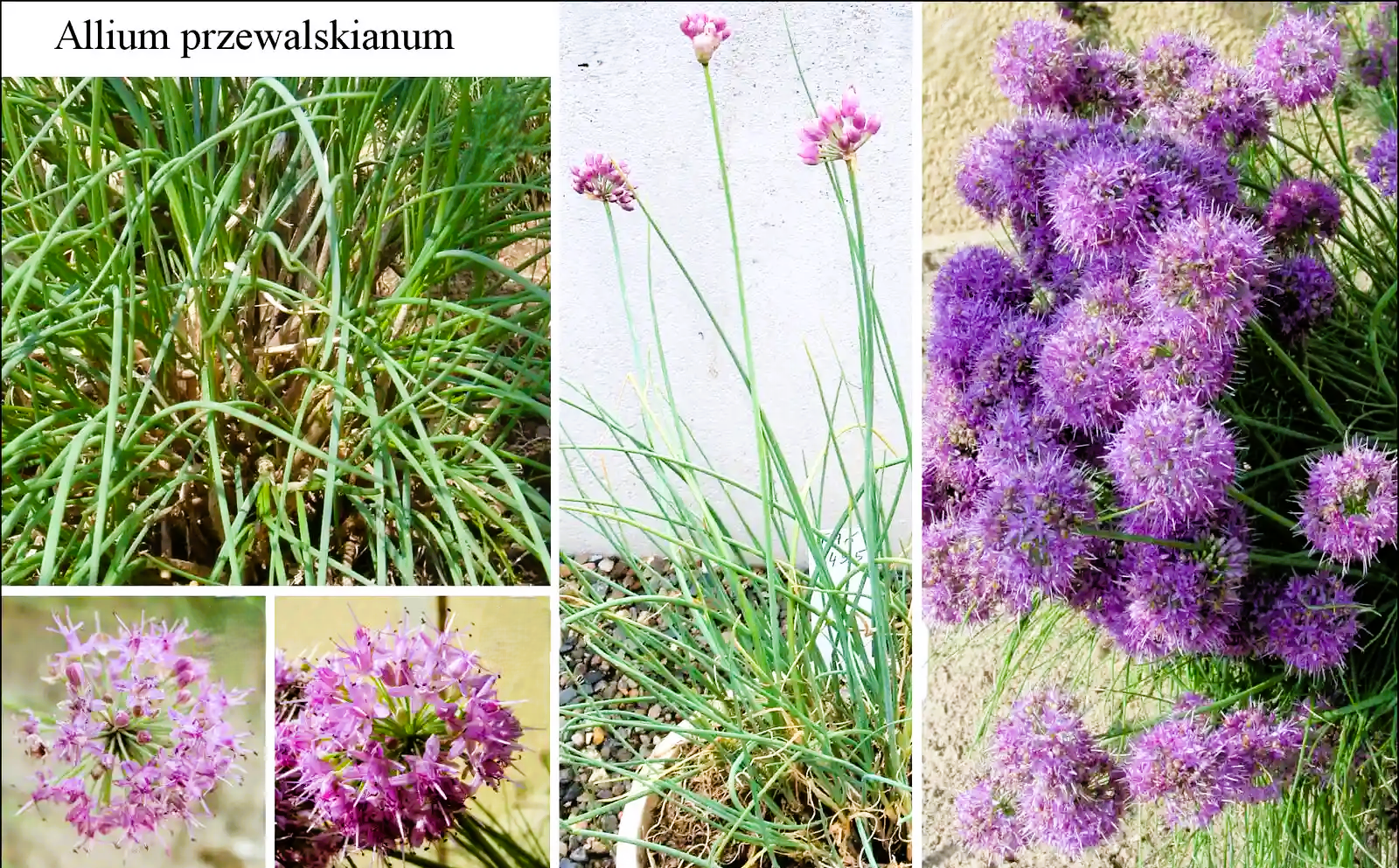
Jimbu is also called Faran and its scientific name is Allium hypsistum. Another species A. prezewalskianum is also found in Nepal and surrounding region.
Its used to flavour Daal and Vegetables, and is mostly used in dried form but also in raw green for during the harvesting season.
Upto 95 % of households in Northern Nepal (especially Mustang area) use Jimbu in daily cooking.
Jimbu is also called himalayan aromatic herb or himalayan allium (onion).
It is also known as jamboo/faran in Uttarakhand of India and jhiku-cha in Newari language mostly spoken in Kathmandu valley by Newar people.
Jimbu in English
In English Jimbu is also called Himalayan aromatic herb or Himalayan Allium or Himalayan Onion.
Health Benefits if Jimbu
Though there is n data of proven health benefits os Jimbu, traditionally it has been used also as a hearbal medicine in Nepal and other areas.
The potential health benefits of Jimbu may include following:
Prevention and treatment of flu
Improved digestion
Improved immune system
Prevention from cold and warin up of body
Jimbu is also supposed to make skin better and prevent oxidative damage
It prevents and treats cough and sore throat
It helps in formation and amintainance of red bloood cells precenting anemia
It prevents acidity and stomach disorders
It has Vitamin A and Vitamin C preventing infection and growth of bacteria
Its antioxidant and cholesterol lowering properties prevent cardivascular illness, hypertension and dyslipidemia
It gives stamina to keep you active for longer duration
Jimbu Substitute as taste enhancer
Though Jimbu is outstanding spice in Nepal sometimes you may not find is easily.
So, Kasuri methi (कसुरी मेथि) can be used as alternative as jimbu substitute in everyday cooking.
Conclusion
Jimbu is not only a taste enhancer but also good for health. So consumption of tradional spice “jimbu”is good for health and everyone should consume it regularly in moderate amount,
Sometimes it can also be used as medicine if you have cough, cold, stress, abdominal issues or cardiovascular illnesses.
A childs health conccern is the most priority for most parents. Especially
mothers who have caring nature and are more caring and notics small changes
in thei childs health.
Why do babies have high heart and respiratory rate?
According to Pediatricians and neonantologists, vital signs of neonates and
children are different than that of Adult humans. This is because of their
small organ size and increased metabolic need for fast growth and
development.
Normal Heart rate for adults is 60-100 bpm while normal respiratory
rate is 12-18 breaths per minute.
An increased heart rate (tachycardia) in babies and children can be caused by a variety of factors, ranging from temporary conditions to more serious medical concerns. Here’s a list of potential causes:
1. Fever
A rise in body temperature can cause an increased heart rate as the body tries to regulate itself.
2. Physical Activity or Exercise
Just like in adults, physical exertion or exercise in children leads to an elevated heart rate, which typically returns to normal after rest.
3. Stress or Anxiety
Emotional distress, anxiety, or fear can cause an increase in heart rate as part of the body’s “fight-or-flight” response.
4. Pain
Acute pain, such as from an injury or illness, can result in tachycardia.
5. Dehydration
When the body is dehydrated, blood volume decreases, causing the heart to pump faster to maintain adequate circulation.
6. Anemia
In cases of low red blood cell count, the heart compensates for the reduced oxygen-carrying capacity by increasing its rate to supply tissues with oxygen.
7. Infections
Systemic infections such as sepsis or localized infections can trigger a rapid heart rate as part of the body’s response to infection.
8. Respiratory Issues
Conditions like asthma, bronchiolitis, or pneumonia, where oxygen levels are compromised, can lead to tachycardia as the body works harder to circulate oxygen.
9. Hyperthyroidism
Overactivity of the thyroid gland can cause an elevated heart rate, as it increases the metabolism and the heart’s workload.
10. Congenital Heart Conditions
Some heart defects, such as atrial or ventricular septal defects, congenital heart failure, or arrhythmias, can cause the heart to beat abnormally fast.
11. Caffeine or Stimulants
Consumption of caffeine or other stimulants, such as certain medications or energy drinks, can cause an increase in heart rate.
12. Electrolyte Imbalance
An imbalance in electrolytes, such as potassium, calcium, or sodium, can disrupt the normal electrical activity of the heart, leading to tachycardia.
13. Shock
Conditions such as hypovolemic shock, cardiogenic shock, or septic shock can cause a rapid heart rate as the body tries to compensate for a lack of blood flow or oxygen.
14. Hypoxia
Low oxygen levels due to lung disease or high altitudes can cause tachycardia as the body attempts to increase oxygen delivery.
15. Medications
Some medications, including those used to treat respiratory conditions or other chronic illnesses, may increase heart rate as a side effect.
16. Hyperventilation
Rapid breathing can sometimes cause an increased heart rate as the body tries to balance oxygen and carbon dioxide levels.
17. Electrocardiographic Abnormalities
Conditions such as supraventricular tachycardia (SVT) or ventricular tachycardia are abnormal electrical rhythms of the heart, leading to excessively fast heart rates.
18. Hypoglycemia (Low Blood Sugar)
Low blood sugar levels can stimulate the release of stress hormones (like adrenaline), which can increase heart rate.
19. Toxin or Drug Poisoning
Ingestion of certain toxic substances or drugs (e.g., alcohol, drugs, or poisons) can lead to tachycardia as part of the body’s response.
20. Heat Stroke or Heat Exhaustion
Extreme heat can cause the body to work harder to cool down, leading to an elevated heart rate.
21. Severe Allergic Reactions (Anaphylaxis)
In anaphylaxis, the body’s extreme response to an allergen can include rapid heart rate along with other symptoms like swelling, rash, or difficulty breathing.
In cases where a child has an increased heart rate along with other symptoms such as difficulty breathing, chest pain, fainting, or fatigue, it’s important to seek medical care immediately.
Causes of Fast breathing rate in Children:
Fast breathing in babies and children can have various causes, ranging from normal responses to stress or physical activity to more serious medical conditions. Here’s a list of potential causes:
1. Respiratory Infections
Bronchiolitis: Often caused by viruses like RSV, leading to inflammation in the small airways of the lungs.
Pneumonia: Infection in the lungs that causes rapid breathing, fever, and cough.
Croup: Inflammation of the upper airway, leading to a characteristic barky cough and fast breathing.
Whooping Cough (Pertussis): A bacterial infection that leads to coughing fits and rapid breathing.
2. Asthma
A chronic condition that causes the airways to constrict, leading to wheezing, difficulty breathing, and fast breathing.
3. Allergic Reactions
Severe allergic reactions (anaphylaxis) can cause difficulty breathing and rapid respiratory rate due to swelling of the airways.
4. Fever
Fever in children can lead to faster breathing as the body works to regulate temperature.
5. Congenital Heart Conditions
Conditions such as heart defects can cause difficulty in oxygenating the blood, leading to rapid breathing (tachypnea).
6. Anemia
Low red blood cell count can cause the body to breathe faster in an attempt to deliver more oxygen to tissues.
7. Dehydration
Dehydration can lead to fast breathing due to decreased blood volume and body stress.
8. Foreign Body Aspiration
When a child inhales a small object, it can block the airways, leading to difficulty breathing and increased respiratory rate.
9. Metabolic Disorders
Conditions like diabetic ketoacidosis can cause fast, deep breathing (Kussmaul respiration) in response to the metabolic imbalance.
10. Pain
Severe pain can cause increased respiratory rate as the body reacts to distress.
11. Exercise or Physical Activity
Children may breathe faster during or after physical activity, which is a normal response.
12. Environmental Factors
Exposure to smoke or pollution can irritate the airways, leading to rapid breathing.
13. Sepsis
A severe infection in the body that can cause a rapid breathing rate as the body tries to cope with systemic infection.
14. Sleep Apnea
Children with sleep apnea may have episodes of rapid breathing during sleep, often accompanied by snoring and gasping.
15. Psychological Factors
Anxiety or panic attacks can lead to fast, shallow breathing (hyperventilation).
If a baby or child is experiencing fast breathing with additional symptoms like fever, bluish skin, trouble feeding, or lethargy, it’s crucial to seek medical attention immediately.
When to visit a dctor if my baby if breathing fast or heart beat is too
fast?
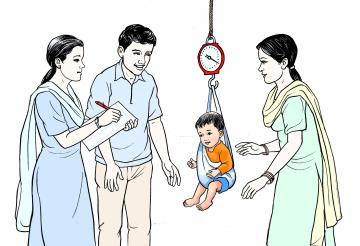
Here are the steps to know if your baby is breathing too fast or has heart
beating too fast:
Ensure that your baby is properly resting and placed in comfortable
bed or mother’s arms.
expose the chest area and abdomen to see properly.
Make sure that baby is not crying or playing.
Now count respiratiry rate by cound one cycle of inspiration and
expiration (noticed by chect movement)
Record for Complete one minute.
Check against above data.
Follow same steps for heart rate too. Heart rate can be detected by
using your had or putting head in baby’s chest or using Stethoscope.
More than above your baby should also be sick or not behaving well like
not feeding well, crying, coughing, wheezing, blue lips limbs, or face,
lose stool, vomiting, not actively playing well or drowsy.
Disclaimer: These Information are for educational purpose only and
intended for education of healthcare provider students. Please consult
your doctor for diagnosis and treatment of your problem. Information in
my website does not establish doctor-patient relationship.
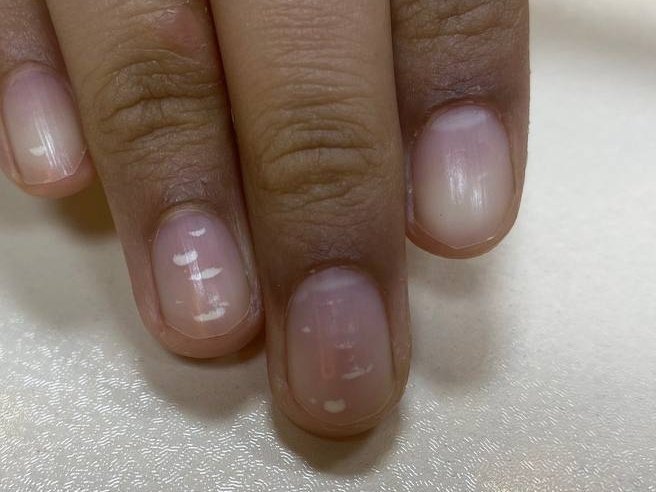
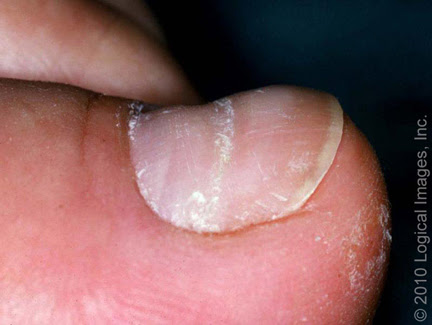
Beau’s lines are horizontal grooves or ridges that appear on fingernails or toenails, indicating a temporary disruption in nail growth, often caused by illness, injury, or certain medications.
What they are:
Beau’s lines are transverse depressions or grooves that run across the nail plate, appearing as indentations or ridges.
They are named after French physician Joseph Honoré Simon Beau, who first described them in 1846.
They are a sign that nail growth was temporarily stopped or slowed due to a specific event or condition.
Causes:
Illness: Systemic diseases, infections, or high fevers can disrupt nail growth.
Injury: Trauma to the nail or nail bed can cause Beau’s lines.
Medications: Certain medications, particularly chemotherapy, can interfere with nail growth.
Other factors: Malnutrition, stress, and certain skin conditions can also be associated with Beau’s lines.
Specific conditions: Uncontrolled diabetes, thyroid problems, and Kawasaki disease have been linked to Beau’s lines.
Pemphigus
Viral infections (eg, hand, foot, and mouth disease)
Local cutaneous disease (eg, dermatitis, paronychia)
Beau line
Appearance:
Beau’s lines typically appear as a groove or indentation that runs horizontally across the nail plate.
They start at the base of the nail (proximal nail fold) and grow out as the nail grows.
The width of the line can indicate the duration of the underlying condition.
Treatment:
Beau’s lines themselves are not harmful and will disappear as the nail grows out.
The focus of treatment is to address the underlying cause of the nail growth disruption.
Once the underlying condition is resolved, new, smooth nail growth will resume.
Nails grow slowly, so it can take several months for Beau’s lines to completely grow out.
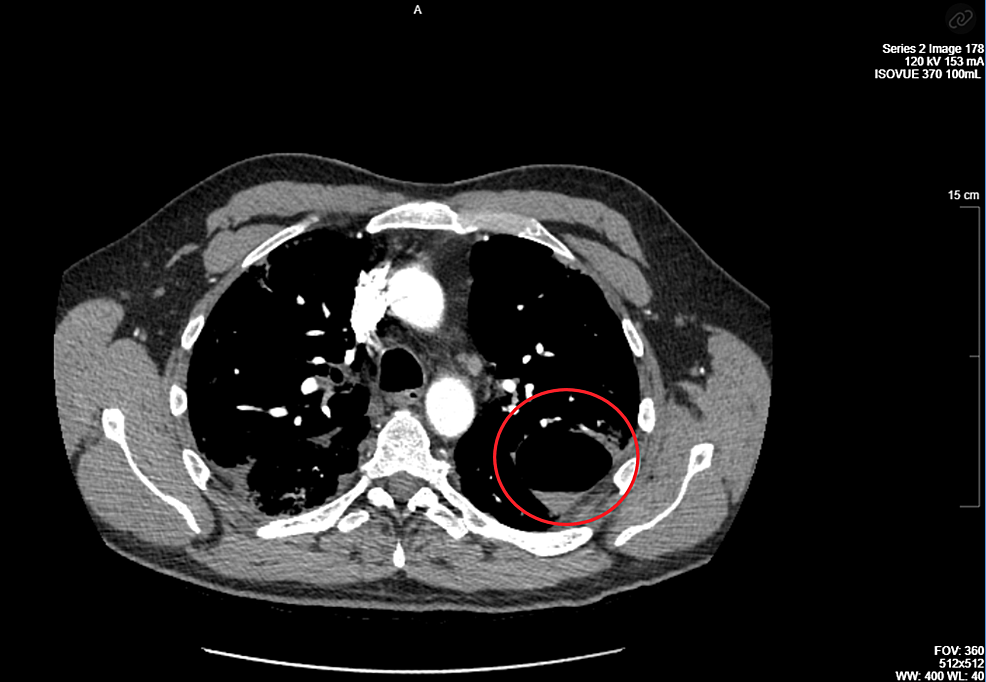
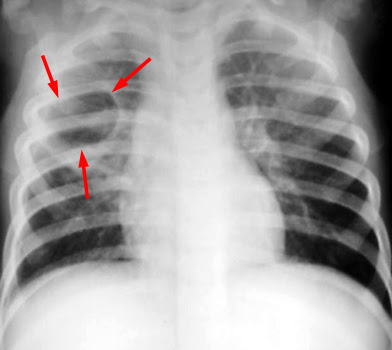
Pneumatocoeles form when the alveoli or lung tissue become inflamed and air-filled cavities develop due to the rupture of alveolar walls in severe pneumonia. This occurs when the inflammation causes a breakdown of the lung parenchyma, leading to trapped air and the formation of these cystic spaces.
Pneumoatoceles in CE CT chest
Characteristic feature of staphylococcal pneumonias.
Cavitation (single or multiple thick walled cavities) may be bilateral.
Pleural effusion/ Empyema with or without branchopleural fistulas (Pyopneumothorx).
Abscess formation.
Bacterial pneumonia are with cavitation:
Here is list of bacteria that form cavitary pneumonia:
Staphylococcus
Kleibsella
Pseudomonas
Anaeroic bacteria
Model MCQ
1. Pneumatocoele caused by:
a. E. Coli b. Staphylococus c. Streptococcus d. P. carinii
Ans: ‘b’
Solution
Pneumatocoeles are thin walled cystic spaces that may contain air fluid levels is the characteristic feature of staphylococcal pneumonias.
Welcome to this comprehensive video on health exam questions that you might
face in Loksewa Entrance MBBS/MD/MS and PSC exams in Nepal. This video
provides you with essential tips and strategies to help you prepare
efficiently and excel in these competitive exams.
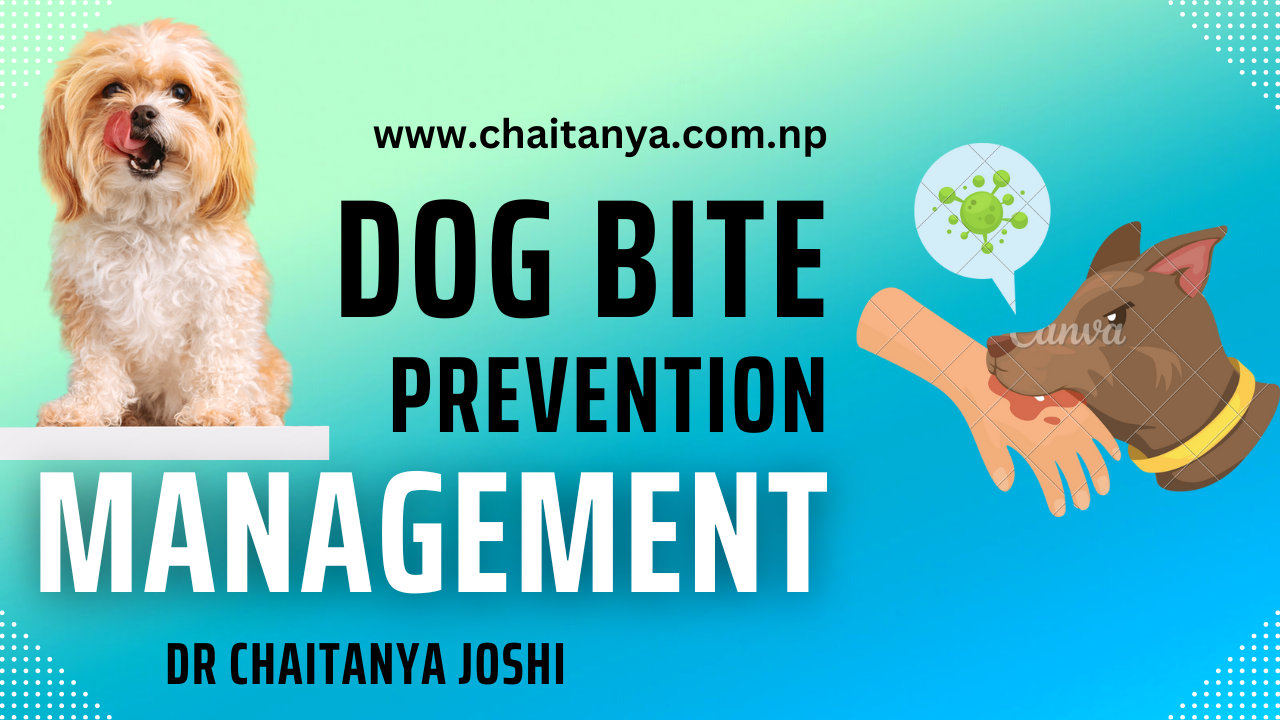
Immediate First Aid for Dog Bites:
If a dog bite occurs, immediate first aid is vital to minimize the risk of
infection and complications. Follow these steps:
Wash the wound gently with soap and water to reduce the risk of
infection.
Apply direct pressure with a clean cloth to control bleeding, if any.
Elevate the affected area if possible.
Cover the wound with a sterile bandage or clean cloth.
Seek medical attention, especially if the wound is deep, large, or shows
signs of infection.
Medical Assessment and Treatment:
A prompt medical evaluation is essential, even for seemingly minor dog
bites. A healthcare professional will assess the wound’s severity, potential
risk of infection, and the need for tetanus vaccination
or antibiotics. In some cases, they may recommend rabies prophylaxis,
depending on the dog’s vaccination status and the risk of rabies exposure.
Monitoring for Complications:
Following medical treatment, closely monitor the wound for signs of
infection, such as increased redness, swelling, warmth, or pus formation.
Seek immediate medical attention if any complications arise.
Remember, responsible pet ownership, education, and awareness are key
factors in reducing the incidence of dog bites and fostering a safe
environment for both humans and dogs. By working together, we can promote a
harmonious relationship between people and their furry companions while
minimizing the risk of dog bite injuries.
Thank you for watching.
Please like, share and subscribe for more informations. See you.
Video on dog bite:
Thank you
{
“@context”: “https://schema.org”,
“@type”: “VideoObject”,
“name”: “You should do this if a dog bites you #dogbite #biology #medic #medicine #rabies #woundhealing”,
“description”: “Immediate First Aid for Dog Bites:
If a dog bite occurs, immediate first aid is vital to minimize the risk of infection and complications. Follow these steps:
Wash the wound gently with soap and water to reduce the risk of infection.
Apply direct pressure with a clean cloth to control bleeding, if any.
Elevate the affected area if possible.
Cover the wound with a sterile bandage or clean cloth.
Seek medical attention, especially if the wound is deep, large, or shows signs of infection.
Medical Assessment and Treatment:
A prompt medical evaluation is essential, even for seemingly minor dog bites. A healthcare professional will assess the wound’s severity, potential risk of infection, and the need for tetanus vaccination or antibiotics. In some cases, they may recommend rabies prophylaxis, depending on the dog’s vaccination status and the risk of rabies exposure.
Monitoring for Complications:
Following medical treatment, closely monitor the wound for signs of infection, such as increased redness, swelling, warmth, or pus formation. Seek immediate medical attention if any complications arise.
Remember, responsible pet ownership, education, and awareness are key factors in reducing the incidence of dog bites and fostering a safe environment for both humans and dogs. By working together, we can promote a harmonious relationship between people and their furry companions while minimizing the risk of dog bite injuries.
Thank you for watching.”,
“thumbnailUrl”: “https://chaitanya.com.np/wp-content/uploads/2025/03/Blue20Gradient20Pet20Dog20YouTube20Thumbnail20-1.png”,
“uploadDate”: “2024-12-14T00:00:00Z”,
“duration”: “PT1M32S”,
“contentUrl”: “https://www.youtube.com/watch?v=TE8nd5ALams”,
“embedUrl”: “https://www.youtube.com/watch?v=TE8nd5ALams”,
“potentialAction”: {
“@type”: “SeekToAction”,
“target”: “https://youtu.be/TE8nd5ALams?t=46={seek_to_second_number}”,
“startOffset-input”: “required name=seek_to_second_number”
}
}
Handbook of rabies in Nepali 2025 रेबिज रोग बारे जानकारी हाते पुस्तिका
Rabies disease handbook protocol Nepal
Table of Contents (toc)
Introduction
Rabies is a viral illness that leades to neurological complication, muscle spastic paralysis and inevitable death and is transmitted by the mammal bite especially dogs.
Watch dogbite management video by clicking this image icon:
Click to watch video
Its very common in Nepal and goverment does free postexposure vaccination all over nepal.
रेबिज रोग बारे जानकारी हाते पुस्तिका (download rabies handbook)
Filiform warts are long, narrow, thread-like warts caused by the human papillomavirus (HPV), particularly types 1, 2, 4, 27, and 29. They typically appear on the face, neck, eyelids, and lips due to the thin and sensitive skin in these areas.
These warts are more common in people with weakened immune systems and can spread through direct contact.
Symptoms of HPV warts:
Long, finger-like projections
Flesh-colored or slightly darker than the surrounding skin
Usually painless but can be irritating if located in sensitive areas
Causes & Risk Factors of HPV warts:
Direct skin contact with an infected person or contaminated surface
Scratching or shaving over an infected area, spreading the virus
Weakened immune system
Treatment Options of HPV warts:
Here is list of different treatment options available to treat HPV related warts. In general HPV related wars can go automatically, you should be especially cautious for anogenital warts and warts that are rapidly spreading or forming n new body parts fast enough.
Topical Treatments:
Salicylic acid
Retinoids
Imiquimod (immune response modifier)
Cryotherapy (Freezing with Liquid Nitrogen):
Common treatment performed by dermatologists
Electrocautery (Burning the Wart):
Uses an electric current to destroy the wart
Laser Therapy:
Used for stubborn warts that don’t respond to other treatments
Surgical Removal:
Minor procedure if the wart is persistent or causing discomfort
Wart after treatment (note:some visual enhancing may be used)
How are HPV warts tranmitted?
Warts are transmissible diseases and transmitted by direct or indirect contact with the person with the warts.
Since filiform warts can spread easily, it’s important to avoid touching them, maintain good hygiene, and seek treatment early.
They are also transmitted from one part of body to the another part by direct contact or after scratching, cutting or simple abrasion.
People who play contact sports are at high risk of getting these warts from the person with the infection.
Intimate and sexual patners are also at very high risk of getting these infections from their part from either sexual or nonsexual direct or indirect contact.
Here is comprehensive list of mode and methods of tresnmission of warts that are on face or any other parts of body that are caused by the HPV.
Methods of Transmission of HPV-Related Warts:
Direct Skin-to-Skin Contact – Touching an infected area.
Sexual Contact – Vaginal, anal, or oral sex.
Fomites – Shared personal items (e.g., razors, towels).
Autoinoculation – Spreading the virus to other body parts.
Mother-to-Child (Perinatal Transmission) – During childbirth.
It’s important to note that the choice of drugs depends on factors such as
drug susceptibility testing results and the specific resistance patterns
of the tuberculosis strain. Treatment regimens are determined by
healthcare professionals based on individual patient circumstances.
Thank you
Thank you for your time Your feedback is highly appreciated.
The most prevalent type of blood cell in the human body are red blood cells,
or erythrocytes.
They primarily carry carbon dioxide back to the lungs so that it can be
breathed, as well as oxygen from the lungs to the body’s tissues and organs.
Red Blood cells are produced in bone marrow and circulate in blood.
Lifespan of RBCs
RBCs are made in the bone marrow and have a 120-day average lifespan.
Due to their small size, flexibility, and biconcave disk-like form, they
may easily fit into constricted blood arteries and effectively transfer
oxygen.
A hormone called erythropoietin, which the kidneys generate in reaction
to low blood oxygen levels, controls the maturation and synthesis of RBCs.
What do RBCs do?
RBCs play vital role in our body and life as a whole
Here is a list of RBC’s functions in our body:
Oxygen transport
Carbon dioxide transport
Acid-base balance maintenance
Hemoglobin synthesis and function
Regulation of blood viscosity
Contribution to blood osmolarity
Facilitation of nitric oxide transport
Scavenging of free radicals
Participation in immune modulation
Maintenance of redox balance
Video lecture in Anemia in Nepali
Abnormalities in RBC count or function can lead to a range of medical
conditions, including anemia, sickle cell disease, and polycythemia.
Understanding the structure and function of RBCs is important in the diagnosis
and management of these conditions.
Anemia:
Anemia is a disorder where the body’s ability to carry oxygen is
compromised due to a shortage of red blood cells (RBCs) of a certain type or
quantity. This may result in symptoms like weakness, exhaustion,
breathlessness, and pale skin.
Blood loss, a decline in RBC
production, or an increase in RBC oxidation are a few of the causes of
anemia.
Iron deficiency, vitamin B12 insufficiency, and chronic illnesses including
cancer or kidney disease are common causes of anemia.
Severity of anemia classification:
The severity of anemia is classified based on hemoglobin (Hb) levels as
per the World Health Organization (WHO)
guidelines. The classification varies slightly between different
populations (e.g., children, pregnant women, adults).
Chronic vs. Acute Anemia:
Acute anemia (e.g., due to sudden blood loss) is more dangerous than
chronic anemia, even at the same Hb level.
Individual Variability:
The severity of symptoms may depend on factors like age, underlying
conditions, and speed of onset.
Causes of Anemia
Blood tests to assess RBC count, hemoglobin levels, and other indicators
of RBC function are frequently used to diagnose anemia.
Depending on the underlying cause of the anemia, treatment options may
include dietary adjustments, vitamin or iron supplements, prescription
drugs, or blood transfusions.
In addition to controlling any underlying medical disorders that may
raise the risk of anemia, prevention of anemia entails keeping a
nutritious diet that contains supplies of iron, vitamin B12, and other
vital minerals.
For treatment of anemia please consult your doctor.
The information provided here is for educational purpose and does not
replacce the professional advice of your doctor.
Reading this article and following does not establish doctor patient
relationship with me and me and members of my team will not be liable
for any damage or adverse effect dont to you or any other person due to
this.
Frequently Asked Questions (FAQ)
What is the primary function of red blood cells (RBCs)?
Red blood cells (RBCs) are responsible for transporting oxygen from the lungs to the body’s tissues and carrying carbon dioxide back to the lungs for exhalation. They also play a role in maintaining acid-base balance, blood viscosity, and immune modulation.
What are the common causes of anemia?
Anemia can be caused by blood loss, reduced RBC production, or increased RBC destruction. Common causes include iron deficiency, vitamin B12 deficiency, chronic diseases (such as kidney disease or cancer), genetic conditions (such as thalassemia or sickle cell disease), and certain medications.
How is anemia diagnosed and treated?
Anemia is diagnosed through blood tests that assess RBC count, hemoglobin levels, and other indicators of RBC function. Treatment depends on the underlying cause and may include dietary changes, vitamin or iron supplements, medications, or blood transfusions. Consulting a doctor is essential for proper diagnosis and management.
{
“@context”: “https://schema.org”,
“@type”: “FAQPage”,
“mainEntity”: [{
“@type”: “Question”,
“name”: “What is the primary function of red blood cells (RBCs)?”,
“acceptedAnswer”: {
“@type”: “Answer”,
“text”: “Red blood cells (RBCs) are responsible for transporting oxygen from the lungs to the body’s tissues and carrying carbon dioxide back to the lungs for exhalation. They also play a role in maintaining acid-base balance, blood viscosity, and immune modulation.”
}
},{
“@type”: “Question”,
“name”: “What are the common causes of anemia?”,
“acceptedAnswer”: {
“@type”: “Answer”,
“text”: “Anemia can be caused by blood loss, reduced RBC production, or increased RBC destruction. Common causes include iron deficiency, vitamin B12 deficiency, chronic diseases (such as kidney disease or cancer), genetic conditions (such as thalassemia or sickle cell disease), and certain medications.”
}
},{
“@type”: “Question”,
“name”: “How is anemia diagnosed and treated?”,
“acceptedAnswer”: {
“@type”: “Answer”,
“text”: “Anemia is diagnosed through blood tests that assess RBC count, hemoglobin levels, and other indicators of RBC function. Treatment depends on the underlying cause and may include dietary changes, vitamin or iron supplements, medications, or blood transfusions. Consulting a doctor is essential for proper diagnosis and management.”
}
}]
}
Manage Consent
To provide the best experiences, we use technologies like cookies to store and/or access device information. Consenting to these technologies will allow us to process data such as browsing behavior or unique IDs on this site. Not consenting or withdrawing consent, may adversely affect certain features and functions.
Functional
Always active
The technical storage or access is strictly necessary for the legitimate purpose of enabling the use of a specific service explicitly requested by the subscriber or user, or for the sole purpose of carrying out the transmission of a communication over an electronic communications network.
Preferences
The technical storage or access is necessary for the legitimate purpose of storing preferences that are not requested by the subscriber or user.
Statistics
The technical storage or access that is used exclusively for statistical purposes.The technical storage or access that is used exclusively for anonymous statistical purposes. Without a subpoena, voluntary compliance on the part of your Internet Service Provider, or additional records from a third party, information stored or retrieved for this purpose alone cannot usually be used to identify you.
Marketing
The technical storage or access is required to create user profiles to send advertising, or to track the user on a website or across several websites for similar marketing purposes.
To provide the best experiences, we use technologies like cookies to store and/or access device information. Consenting to these technologies will allow us to process data such as browsing behavior or unique IDs on this site. Not consenting or withdrawing consent, may adversely affect certain features and functions.