Wimberger’s Sign vs Wimberger Ring Sign A comparison

Wimberger’s Sign

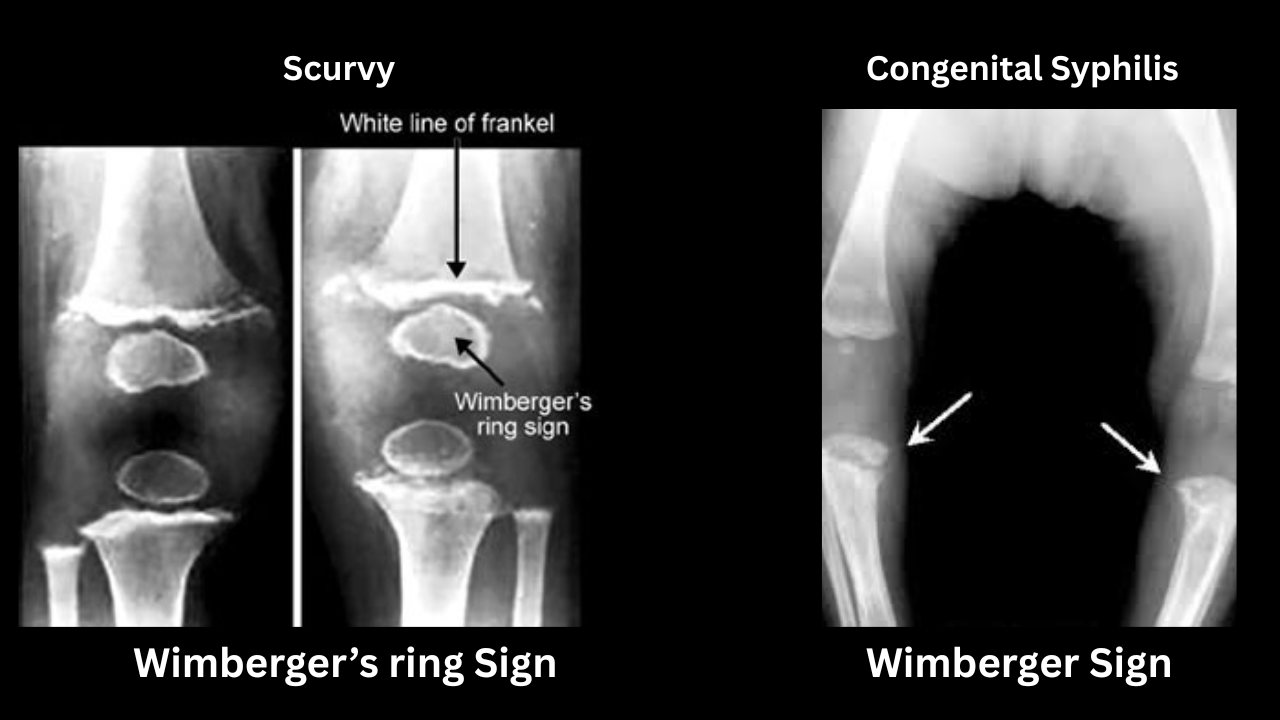
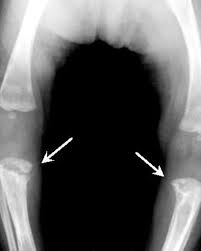
Wimberger’s sign refers to localized bone destruction or demineralization of the medial aspect of the proximal tibial metaphysis. It is often considered a radiological finding suggestive of congenital syphilis in infants. This condition occurs due to the involvement of rapidly growing bones in syphilitic periostitis or osteitis.

Key Points:

  • Cause: Congenital syphilis (usually secondary to spirochetal infection transmitted from the mother to the fetus).
  • Appearance: Bilateral, symmetrical defects in the medial portion of the proximal tibial metaphysis.
  • Differential Diagnosis: Other conditions, such as rickets or scurvy, may cause bone deformities, but the symmetry and specific localization are more characteristic of congenital syphilis.

Wimberger Ring Sign

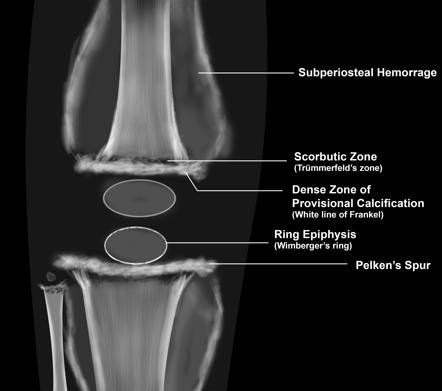
The Wimberger ring sign refers to a radiological finding characterized by a dense, sclerotic ring around the epiphysis of long bones, typically seen in cases of scurvy. This condition occurs due to subperiosteal hemorrhages and impaired collagen synthesis caused by vitamin C deficiency.

Key Features of the Wimberger Ring Sign:

  1. Appearance: A sharply defined, dense, sclerotic ring surrounding the epiphysis.
  2. Cause: Reflects disorganized bone growth due to vitamin C deficiency.
  3. Associated Findings in Scurvy:
    • Subperiosteal hemorrhages.
    • Fragility fractures.
    • “Corner sign” (a small metaphyseal fracture).
    • “Trümmerfeld zone” or scorbutic zone (an area of lucency in the metaphysis).
    • Generalized osteopenia.

Clinical Context:

  • Seen in: Malnourished children or adults with prolonged vitamin C deficiency.
  • Symptoms: Bone pain, weakness, irritability, bleeding gums, and anemia.

Comparison Between Wimberger’s Sign and Wimberger Ring Sign

FeatureWimberger’s Sign (Congenital Syphilis)Wimberger Ring Sign (Scurvy)
DefinitionDestruction or demineralization of the medial proximal tibial metaphysisSclerotic ring surrounding the epiphysis of long bones
CauseCongenital syphilis (due to Treponema pallidum infection)Scurvy (Vitamin C deficiency)
PathophysiologyInflammatory osteitis and periostitis caused by congenital syphilisImpaired collagen synthesis leading to defective bone formation and subperiosteal hemorrhage
Radiological AppearanceBilateral, symmetrical bony defects in the medial proximal tibial metaphysisDense white ring around the epiphysis due to disorganized bone deposition
Commonly Affected BonesProximal tibia (pathognomonic), but also femur and other long bonesLong bones, especially around the knees, wrists, and ankles
Associated Radiological SignsPeriostitis, saber shins, metaphyseal destructionSubperiosteal hemorrhages, “Trümmerfeld zone” (lucent metaphysis), corner sign
Clinical SymptomsPseudoparalysis (Parrot’s pseudoparalysis), bone pain, fever, irritabilityBone pain, swollen joints, bleeding gums, anemia, irritability
Age Group AffectedInfants (congenital)Infants and adults with severe vitamin C deficiency
TreatmentPenicillin (antibiotics for syphilis)Vitamin C supplementation

Key Differences:

  • Wimberger’s Sign is a destructive lesion in congenital syphilis, whereas Wimberger Ring Sign is a sclerotic epiphyseal ring due to scurvy.
  • Syphilis affects metaphyses, while scurvy primarily affects the epiphysis.
  • Syphilis is an infectious disease, while scurvy is a nutritional deficiency.

What kind of questions are asked to physician assistants in USA?

Here are model MCQs for Physician Assistants just like in USA

Table of Contents(toc)


Clinical Topics

  1. Which of the following is the most common cause of community-acquired pneumonia?
    a) Streptococcus pneumoniae
    b) Mycoplasma pneumoniae
    c) Haemophilus influenzae
    d) Legionella pneumophila
    Answer: a) Streptococcus pneumoniae
    Explanation: Streptococcus pneumoniae is the leading cause of community-acquired pneumonia in adults and children.

  2. What is the most effective treatment for type 2 diabetes?
    a) Insulin therapy
    b) Metformin
    c) Sulfonylureas
    d) Thiazolidinediones
    Answer: b) Metformin
    Explanation: Metformin is the first-line pharmacological treatment for type 2 diabetes due to its efficacy and safety profile.

  3. What is the most common cause of acute pancreatitis?
    a) Alcohol consumption
    b) Gallstones
    c) Trauma
    d) Viral infection
    Answer: b) Gallstones
    Explanation: Gallstones obstruct the pancreatic duct, leading to inflammation and acute pancreatitis.

  4. What is the best initial test for suspected deep vein thrombosis (DVT)?
    a) D-dimer assay
    b) Venous ultrasound
    c) CT angiography
    d) Magnetic resonance imaging (MRI)
    Answer: b) Venous ultrasound
    Explanation: Venous ultrasound is the gold standard for diagnosing DVT due to its accuracy and non-invasive nature.

  5. Which of the following is a common side effect of beta-blocker therapy?
    a) Hypertension
    b) Bradycardia
    c) Hyperglycemia
    d) Hyponatremia
    Answer: b) Bradycardia
    Explanation: Beta-blockers slow heart rate by blocking beta-adrenergic receptors, which can lead to bradycardia.

  6. Which of the following is a risk factor for the development of osteoporosis?
    a) Obesity
    b) Physical activity
    c) High calcium intake
    d) Menopause
    Answer: d) Menopause
    Explanation: Estrogen deficiency post-menopause accelerates bone loss, increasing the risk of osteoporosis.

  7. Which of the following is the most common cause of chronic kidney disease?
    a) Diabetes mellitus
    b) Hypertension
    c) Glomerulonephritis
    d) Polycystic kidney disease
    Answer: a) Diabetes mellitus
    Explanation: Diabetic nephropathy is the leading cause of chronic kidney disease due to prolonged hyperglycemia and microvascular damage.

  8. What is the most common cause of viral gastroenteritis?
    a) Norovirus
    b) Rotavirus
    c) Adenovirus
    d) Astrovirus
    Answer: a) Norovirus
    Explanation: Norovirus is highly contagious and the leading cause of acute gastroenteritis outbreaks worldwide.

  9. What is the recommended first-line treatment for hypertension in most patients?
    a) Beta-blockers
    b) Calcium channel blockers
    c) ACE inhibitors
    d) Diuretics
    Answer: c) ACE inhibitors
    Explanation: ACE inhibitors reduce blood pressure by inhibiting angiotensin-converting enzyme, decreasing vasoconstriction.

  10. Which of the following is the most common type of skin cancer?
    a) Basal cell carcinoma
    b) Squamous cell carcinoma
    c) Melanoma
    d) Kaposi sarcoma
    Answer: a) Basal cell carcinoma
    Explanation: Basal cell carcinoma is the most prevalent type of skin cancer, typically caused by prolonged UV exposure.

Clinical Topics (Continued)

  1. Which of the following is the most common cause of a urinary tract infection (UTI)?
    a) Escherichia coli (E. coli)
    b) Streptococcus agalactiae
    c) Staphylococcus aureus
    d) Klebsiella pneumoniae
    Answer: a) Escherichia coli
    Explanation: E. coli accounts for the majority of UTIs, primarily due to its presence in the gastrointestinal tract and its ability to ascend the urinary tract.

  2. What is the most effective treatment for major depressive disorder (MDD)?
    a) Cognitive-behavioral therapy (CBT)
    b) Selective serotonin reuptake inhibitors (SSRIs)
    c) Tricyclic antidepressants (TCAs)
    d) Benzodiazepines
    Answer: b) Selective serotonin reuptake inhibitors (SSRIs)
    Explanation: SSRIs are considered first-line treatment due to their efficacy, tolerability, and safety profile compared to older antidepressants.

  3. What is the most common cause of bronchiolitis in infants?
    a) Respiratory syncytial virus (RSV)
    b) Rhinovirus
    c) Influenza virus
    d) Parainfluenza virus
    Answer: a) Respiratory syncytial virus (RSV)
    Explanation: RSV is the leading cause of bronchiolitis, a lower respiratory tract infection common in children under 2 years of age.

  4. What is the most common cause of chronic obstructive pulmonary disease (COPD)?
    a) Smoking
    b) Air pollution
    c) Alpha-1 antitrypsin deficiency
    d) Asthma
    Answer: a) Smoking
    Explanation: Long-term smoking damages the airways and lung tissue, making it the primary cause of COPD.

  5. Which of the following is a common side effect of statin therapy?
    a) Hypotension
    b) Hyperkalemia
    c) Myalgia
    d) Hypoglycemia
    Answer: c) Myalgia
    Explanation: Muscle pain (myalgia) is a frequent side effect of statins due to their effect on muscle metabolism.

  6. What is the most common cause of acute diarrhea in children?
    a) Rotavirus
    b) Norovirus
    c) E. coli
    d) Salmonella
    Answer: a) Rotavirus
    Explanation: Rotavirus is the leading cause of severe diarrhea in young children, often leading to dehydration.

  7. What is the recommended treatment for first-degree atrioventricular (AV) block?
    a) Pacemaker implantation
    b) Calcium channel blockers
    c) Beta-blockers
    d) No treatment is necessary
    Answer: d) No treatment is necessary
    Explanation: First-degree AV block is typically asymptomatic and does not require intervention unless it progresses.

  8. Which of the following is a risk factor for the development of Alzheimer’s disease?
    a) High educational attainment
    b) Regular exercise
    c) Family history of Alzheimer’s disease
    d) Low-fat diet
    Answer: c) Family history of Alzheimer’s disease
    Explanation: A family history of Alzheimer’s increases the risk due to genetic predisposition, particularly the APOE-e4 gene.

  9. What is the most common cause of acute otitis media (AOM) in children?
    a) Streptococcus pneumoniae
    b) Haemophilus influenzae
    c) Moraxella catarrhalis
    d) Staphylococcus aureus
    Answer: a) Streptococcus pneumoniae
    Explanation: Streptococcus pneumoniae is the leading bacterial cause of AOM, often following an upper respiratory infection.

  10. What is the recommended treatment for a first-time uncomplicated urinary tract infection (UTI) in non-pregnant women?
    a) Amoxicillin-clavulanate
    b) Trimethoprim-sulfamethoxazole (TMP-SMX)
    c) Ciprofloxacin
    d) Nitrofurantoin
    Answer: d) Nitrofurantoin
    Explanation: Nitrofurantoin is preferred due to its effectiveness and low risk of resistance in uncomplicated UTIs.

Clinical Topics (Continued)

  1. Which of the following is the most common type of stroke?
    a) Ischemic stroke
    b) Hemorrhagic stroke
    c) Transient ischemic attack (TIA)
    d) Subarachnoid hemorrhage
    Answer: a) Ischemic stroke
    Explanation: Ischemic strokes account for approximately 87% of all strokes and occur due to blockage of a cerebral artery, often from a thrombus or embolism.

  2. Which of the following medications is used as first-line therapy for anaphylaxis?
    a) Diphenhydramine
    b) Epinephrine
    c) Methylprednisolone
    d) Ranitidine
    Answer: b) Epinephrine
    Explanation: Epinephrine is the primary treatment for anaphylaxis as it rapidly reverses airway constriction, hypotension, and other life-threatening symptoms.

  3. Which of the following conditions is associated with a “thumb sign” on lateral neck X-ray?
    a) Epiglottitis
    b) Croup
    c) Retropharyngeal abscess
    d) Peritonsillar abscess
    Answer: a) Epiglottitis
    Explanation: Epiglottitis causes swelling of the epiglottis, leading to the characteristic “thumb sign” on lateral neck radiographs.

  4. Which of the following is a common cause of secondary hypertension?
    a) Essential hypertension
    b) Chronic kidney disease
    c) Obesity
    d) High salt intake
    Answer: b) Chronic kidney disease
    Explanation: Secondary hypertension results from an underlying condition, with chronic kidney disease being a major contributor due to fluid and electrolyte imbalances.

  5. Which of the following is a hallmark feature of nephrotic syndrome?
    a) Hematuria
    b) Proteinuria >3.5 g/day
    c) Hypertension
    d) Hypokalemia
    Answer: b) Proteinuria >3.5 g/day
    Explanation: Nephrotic syndrome is characterized by massive proteinuria (>3.5 g/day), hypoalbuminemia, and edema due to increased glomerular permeability.

  6. What is the most common cause of acute myocardial infarction (MI)?
    a) Coronary artery embolism
    b) Coronary artery spasm
    c) Atherosclerotic plaque rupture
    d) Hypertension
    Answer: c) Atherosclerotic plaque rupture
    Explanation: MI typically occurs when an atherosclerotic plaque ruptures, leading to thrombus formation and occlusion of the coronary artery.

  7. Which of the following is the best initial imaging study for suspected appendicitis?
    a) MRI
    b) Abdominal ultrasound
    c) CT scan
    d) X-ray
    Answer: b) Abdominal ultrasound
    Explanation: Ultrasound is the preferred initial imaging study, especially in children and pregnant women, due to its accuracy and lack of radiation. CT scan is used when ultrasound findings are inconclusive.

  8. Which of the following is the primary mechanism of action of aspirin in cardiovascular disease prevention?
    a) Beta-adrenergic blockade
    b) Inhibition of cyclooxygenase-1 (COX-1)
    c) Vasodilation of coronary arteries
    d) Activation of fibrinolysis
    Answer: b) Inhibition of cyclooxygenase-1 (COX-1)
    Explanation: Aspirin irreversibly inhibits COX-1, reducing thromboxane A2 production and preventing platelet aggregation.

  9. Which of the following is a common complication of untreated peptic ulcer disease?
    a) Gastroesophageal reflux disease (GERD)
    b) Perforation
    c) Irritable bowel syndrome (IBS)
    d) Diverticulitis
    Answer: b) Perforation
    Explanation: Peptic ulcers can erode the stomach or duodenal wall, leading to perforation, peritonitis, and potential sepsis.

  10. Which of the following is the most common cause of lower gastrointestinal bleeding in adults?
    a) Diverticulosis
    b) Hemorrhoids
    c) Colorectal cancer
    d) Peptic ulcer disease
    Answer: a) Diverticulosis
    Explanation: Diverticulosis is a major cause of painless lower GI bleeding due to rupture of small arteries near diverticula in the colon.

Clinical Topics (Continued)

  1. Which of the following is the most common bacterial cause of urinary tract infections (UTIs)?
    a) Klebsiella pneumoniae
    b) Escherichia coli
    c) Proteus mirabilis
    d) Staphylococcus saprophyticus
    Answer: b) Escherichia coli
    Explanation: E. coli is responsible for the majority of UTIs due to its ability to adhere to the urinary tract via fimbriae.

  2. Which of the following is the most common cause of Cushing’s syndrome?
    a) Pituitary adenoma
    b) Adrenal adenoma
    c) Ectopic ACTH secretion
    d) Prolonged corticosteroid use
    Answer: d) Prolonged corticosteroid use
    Explanation: Exogenous corticosteroid use is the leading cause of Cushing’s syndrome, leading to symptoms such as central obesity, moon facies, and muscle weakness.

  3. Which of the following ECG changes is most commonly associated with hyperkalemia?
    a) ST elevation
    b) T wave flattening
    c) Peaked T waves
    d) U waves
    Answer: c) Peaked T waves
    Explanation: Hyperkalemia typically presents with tall, peaked T waves due to altered cardiac repolarization. Severe cases may progress to arrhythmias.

  4. Which of the following is the best initial test for suspected hyperthyroidism?
    a) T3 level
    b) T4 level
    c) TSH level
    d) Thyroid ultrasound
    Answer: c) TSH level
    Explanation: TSH is the most sensitive test for thyroid dysfunction. In hyperthyroidism, TSH is suppressed due to negative feedback from elevated thyroid hormones.

  5. Which of the following organisms is the most common cause of infective endocarditis in intravenous drug users?
    a) Streptococcus viridans
    b) Enterococcus faecalis
    c) Staphylococcus aureus
    d) Pseudomonas aeruginosa
    Answer: c) Staphylococcus aureus
    Explanation: S. aureus is the most common cause of infective endocarditis in IV drug users due to direct bloodstream access and its high virulence.

  6. Which of the following is the most common type of shock in trauma patients?
    a) Cardiogenic shock
    b) Hypovolemic shock
    c) Distributive shock
    d) Obstructive shock
    Answer: b) Hypovolemic shock
    Explanation: Trauma often leads to significant blood loss, resulting in hypovolemic shock due to reduced intravascular volume and inadequate tissue perfusion.

  7. Which of the following is the gold standard diagnostic test for pulmonary embolism?
    a) D-dimer
    b) Ventilation-perfusion (V/Q) scan
    c) CT pulmonary angiography
    d) Chest X-ray
    Answer: c) CT pulmonary angiography
    Explanation: CT pulmonary angiography is the most accurate and widely used test for diagnosing pulmonary embolism, as it directly visualizes emboli in the pulmonary arteries.

  8. Which of the following is the primary treatment for acute angle-closure glaucoma?
    a) Pilocarpine
    b) Acetazolamide
    c) Latanoprost
    d) Timolol
    Answer: b) Acetazolamide
    Explanation: Acetazolamide, a carbonic anhydrase inhibitor, reduces aqueous humor production and is used as an emergency treatment to lower intraocular pressure in acute angle-closure glaucoma.

  9. Which of the following signs is most characteristic of pericarditis?
    a) Pulsus paradoxus
    b) Kussmaul’s sign
    c) Pericardial friction rub
    d) Water hammer pulse
    Answer: c) Pericardial friction rub
    Explanation: A pericardial friction rub is a hallmark sign of pericarditis and is best heard with the patient leaning forward.

  10. Which of the following is a major risk factor for hepatocellular carcinoma?
    a) Alcoholic hepatitis
    b) Hepatitis B or C infection
    c) Gallstones
    d) Wilson’s disease
    Answer: b) Hepatitis B or C infection
    Explanation: Chronic hepatitis B and C infections significantly increase the risk of hepatocellular carcinoma due to ongoing liver inflammation and fibrosis.

nonspecific urethritis Management

How do you approach a case of nonspecific urethritis?

Table of Contents(toc)

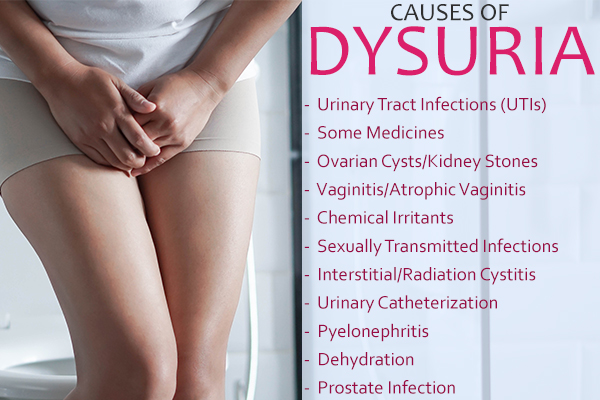
In approaching a case of nonspecific urethritis (NSU), a thorough history and physical examination are essential. Key aspects of the history include assessing for symptoms such as dysuria, urethral discharge, and any recent sexual activity. Patients may also report urinary frequency, urgency, or discomfort.

Investigations 

Investigations for NSU typically involve the following:

  1. Urine Analysis: A urine sample is examined for the presence of white blood cells (indicating inflammation) and bacteria. Urine culture may also be performed to rule out specific pathogens such as Chlamydia trachomatis or Neisseria gonorrhoeae.

  2. Urethral Swab: A swab from the urethra may be obtained for microscopic examination and culture to identify any pathogens causing the urethritis.

  3. Sexually Transmitted Infection (STI) Testing: Testing for common STIs such as Chlamydia, Gonorrhea, and Trichomoniasis should be considered, especially in sexually active individuals.

  4. Syndromic Management: In settings where resources are limited or specific tests are unavailable, empiric treatment based on syndromic management guidelines may be initiated.

Managing a case of NSU

The important aspects of managing a case of NSU include:

  1. Treatment: Antibiotic therapy is typically initiated empirically to cover common pathogens associated with NSU. First-line antibiotics include azithromycin or doxycycline. In cases where STIs are suspected or confirmed, treatment should be directed accordingly.

  2. Partner Notification and Treatment: Patients diagnosed with NSU should be advised to inform their sexual partners to seek evaluation and treatment if necessary to prevent reinfection and further spread of STIs.

  3. Follow-up: Patients should be scheduled for follow-up to monitor treatment response, assess for resolution of symptoms, and ensure compliance with medication regimens.

  4. Prevention: Education on safer sexual practices, including condom use, risk reduction strategies, and routine STI screening, should be emphasized to prevent future episodes of NSU and STI transmission.

  5. Referral: Referral to a specialist may be warranted in cases of treatment failure, complicated infections, or recurrent NSU to further evaluate and manage underlying causes or contributing factors.

suspected organophosphate poisoning Management

Suspected organophosphate poisoning: sign , symptoms and management

Table of Contents(toc)


Patients with suspected organophosphate poisoning may present with a constellation of signs and symptoms related to cholinergic excess, as organophosphates inhibit acetylcholinesterase activity, leading to accumulation of acetylcholine at cholinergic synapses. Common signs and symptoms include:

  1. Muscarinic Effects:

    • Excessive salivation (sialorrhea)
    • Lacrimation (tearing)
    • Diaphoresis (profuse sweating)
    • Bronchoconstriction and wheezing
    • Bradycardia
    • Miosis (constricted pupils)
    • Abdominal cramps and diarrhea
    • Urinary incontinence
  2. Nicotinic Effects:

    • Muscle weakness and fasciculations
    • Paralysis (may progress to respiratory failure)
    • Hypertension (early) followed by hypotension
  3. Central Nervous System Effects:

  • Headache
  • Dizziness
  • Confusion
  • Seizures (in severe cases)

Management

The evaluation and treatment of organophosphate poisoning involve several key steps:

  1. Stabilization: Ensure airway patency, adequate oxygenation, and hemodynamic stability. Administer supplemental oxygen if necessary.

  2. Decontamination: Remove contaminated clothing and wash exposed skin with soap and water. Use personal protective equipment to prevent secondary exposure.

  3. Administration of Atropine: Atropine is the mainstay of treatment for muscarinic symptoms. It competitively inhibits acetylcholine at muscarinic receptors, alleviating symptoms such as bradycardia, bronchoconstriction, and excessive secretions. Titrate the dose based on clinical response, aiming to reverse symptoms without causing tachycardia.

  4. Administration of Pralidoxime (2-PAM): Pralidoxime is a cholinesterase reactivator that helps regenerate inhibited acetylcholinesterase, restoring normal neurotransmission. It is particularly useful for nicotinic symptoms such as muscle weakness and paralysis. Administer early in the course of poisoning for maximal efficacy.

  5. Supportive Care: Monitor vital signs, provide respiratory support as needed (e.g., mechanical ventilation), and manage complications such as seizures or arrhythmias.

  6. Enhanced Elimination: In severe cases or when poisoning is diagnosed early, hemodialysis may be considered to enhance elimination of organophosphates and their metabolites.

  7. Follow-up: Patients should be closely monitored for recurrence of symptoms, delayed complications (e.g., respiratory failure, organ dysfunction), and for potential development of intermediate syndrome or delayed polyneuropathy.

What are different types of burns?

Burn: Classification and management

Table of Contents(toc)


Different types of burns are classified based on the depth and extent of tissue damage. The main types of burns include:

  1. First-Degree Burns (Superficial Burns):

    • Only the outer layer of the skin (epidermis) is affected.
    • Signs and symptoms include redness, pain, and mild swelling.
    • Typically heal within a few days without scarring.
  2. Second-Degree Burns (Partial Thickness Burns):

    • Damage extends beyond the epidermis into the dermis.
    • Two subtypes:
      • Superficial partial-thickness burns: involve the upper dermis.
      • Deep partial-thickness burns: extend deeper into the dermis.
    • Signs and symptoms include blistering, severe pain, swelling, and redness.
    • Healing may take weeks to months, with risk of scarring and pigmentation changes.
  3. Third-Degree Burns (Full Thickness Burns):

    • The entire thickness of the skin is destroyed, extending into the subcutaneous tissue.
    • Signs and symptoms include charred or white skin, numbness (due to nerve damage), and firm, leathery texture.
    • Requires surgical intervention for optimal management.

Surgical management of third-degree burns involves several key steps:

  1. Assessment and Resuscitation: Assess the extent and depth of the burn injury, as well as associated injuries. Initiate resuscitation measures as needed, including fluid resuscitation to maintain adequate perfusion and oxygenation.

  2. Wound Excision: Surgical debridement of the burned tissue is essential to remove nonviable tissue and reduce the risk of infection. This may be performed using sharp excision or tangential excision techniques.

  3. Wound Coverage: After debridement, the wound requires coverage to promote healing and prevent infection. Options for wound coverage include:

    • Autografts: Harvesting healthy skin from an unburned area of the patient’s body and grafting it onto the wound.
    • Allografts (Cadaveric Skin): Temporary coverage with donated human skin to provide a barrier until autografts are available.
    • Skin Substitutes: Synthetic or biologic materials used as temporary or permanent wound coverage.
  4. Postoperative Care: Following surgical intervention, meticulous wound care is essential to prevent infection and promote graft adherence and integration. Patients may require immobilization of grafted areas and rehabilitation to prevent contractures and optimize functional outcomes.

  5. Long-Term Management: Long-term follow-up is crucial to monitor for complications such as infection, graft failure, scarring, and functional impairment. Additional surgical interventions or reconstructive procedures may be necessary to optimize aesthetic and functional outcomes.

What are systemic and local causes of epistaxis?

Epistaxis

Table of Contents(toc)


Epistaxis, or nosebleed, can be caused by various systemic and local factors. Understanding these causes is crucial for effective management hence explained below.

  1. Systemic Causes:

    • Hypertension: Elevated blood pressure can lead to rupture of fragile blood vessels in the nasal mucosa.
    • Blood disorders: Conditions such as hemophilia, von Willebrand disease, or thrombocytopenia can impair clotting function, increasing the risk of bleeding.
    • Liver disease: Liver dysfunction can result in impaired synthesis of clotting factors, predisposing to bleeding disorders.
    • Medications: Anticoagulant medications (e.g., aspirin, warfarin) or antiplatelet agents (e.g., clopidogrel) can prolong bleeding time.
    • Systemic illnesses: Conditions like leukemia, renal failure, or hereditary hemorrhagic telangiectasia (HHT) may increase susceptibility to epistaxis.
  2. Local Causes:

  • Trauma: Injury to the nasal mucosa from nose picking, foreign bodies, or blunt trauma can cause bleeding.
  • Dry air: Low humidity can dry out the nasal mucosa, making it more prone to irritation and bleeding.
  • Nasal infections: Inflammatory conditions such as sinusitis or rhinitis can lead to mucosal inflammation and subsequent epistaxis.
  • Nasal septal deviation: Structural abnormalities in the nasal septum can cause friction and erosion of the nasal mucosa, resulting in bleeding.

Management of anterior epistaxis

Management of anterior epistaxis in a primary healthcare center typically involves the following steps:

  1. Initial Assessment:

    • Assess the severity of bleeding and the patient’s hemodynamic status.
    • Obtain a brief medical history, including any predisposing factors or medications that may contribute to bleeding.
  2. Patient Positioning:

    • Instruct the patient to sit upright and lean forward to prevent blood from flowing into the throat and causing aspiration.
  3. Direct Pressure:

    • Apply firm, direct pressure to the soft lower part of the nose (the nasal ala) for at least 10-15 minutes using thumb and index finger.
    • Encourage the patient to breathe through their mouth during this time.
  4. Topical Vasoconstrictors:

    • If bleeding persists after initial pressure, apply a topical vasoconstrictor such as oxymetazoline or phenylephrine to the bleeding site. This helps to constrict blood vessels and control bleeding.
  5. Nasal Packing:

    • If bleeding continues despite conservative measures, nasal packing may be necessary. This can be achieved using absorbable materials like nasal tampons or nasal packing strips impregnated with vasoconstrictors.
    • Instruct the patient to return for follow-up evaluation and removal of nasal packing within 48-72 hours.
  6. Education and Follow-up:

    • Educate the patient on preventive measures to reduce the risk of recurrent epistaxis, such as avoiding nose picking, maintaining adequate humidity indoors, and using saline nasal sprays to keep the nasal mucosa moist.
    • Schedule a follow-up visit to monitor for recurrence and assess the effectiveness of management strategies.

mnemonic for 10 golden rules of anesthesia is anesthesia

mnemonic for 10 golden rules of anesthesia is anesthesia

Table of Contents(toc)

Introduction

Anesthesia is a medical specialty focused on providing temporary loss of sensation or consciousness to enable medical procedures to be performed painlessly. It encompasses three main components: analgesia (pain relief), amnesia (loss of memory), and muscle relaxation.

Types of anesthesia include:

  1. General Anesthesia: Induces a reversible state of unconsciousness and immobility, often achieved through a combination of intravenous medications and inhaled anesthetics. Patients are unable to perceive pain or remember the procedure.

  2. Regional Anesthesia: Blocks sensation in a specific region of the body, such as a limb or the lower half of the body. Types of regional anesthesia include:

    • Epidural anesthesia: Injecting local anesthetic into the epidural space of the spine to block sensation from the waist down.
    • Spinal anesthesia: Injecting local anesthetic into the cerebrospinal fluid in the spinal canal to provide anesthesia for procedures involving the lower abdomen, pelvis, and lower limbs.
    • Peripheral nerve blocks: Injecting local anesthetic around specific nerves to block sensation to a specific area of the body.
  3. Local Anesthesia: Involves injecting or topically applying a local anesthetic agent directly to the site of the procedure to block sensation in a small, localized area. Often used for minor surgical procedures or dental work.

Mnemonic

The mnemonic “ANESTHESIA” for the 10 golden rules of anesthesia is as follows:

A – Airway assessment and management
N – Nutrition
E – Evaluate for comorbidities
S – Support vital functions
T – Temperature control
H – Hemodynamic stability
E – Evaluate for complications
S – Secure intravenous access
I – Implement anesthesia care plan
A – Assess readiness for emergence and recovery

Explanation: 10 Golden Rules of Anesthesia

  1. Airway Assessment and Management: Ensure patent airway, assess for difficult airway predictors, and have appropriate airway equipment readily available.

  2. Oxygenation and Ventilation: Monitor oxygenation and ventilation continuously, adjust parameters as needed, and be prepared to intervene promptly in case of respiratory compromise.

  3. Circulation Assessment and Optimization: Monitor hemodynamic parameters, maintain adequate perfusion, and address any abnormalities promptly.

  4. Cardiovascular Stability: Maintain cardiovascular stability throughout the perioperative period, including preoperative optimization, intraoperative management, and postoperative care.

  5. Temperature Regulation: Monitor body temperature and implement measures to prevent perioperative hypothermia, which can lead to complications.

  6. Pain Management: Utilize multimodal analgesic techniques to provide effective pain relief while minimizing side effects and complications.

  7. Neuromuscular Function Monitoring: Assess neuromuscular function regularly during anesthesia and utilize neuromuscular blocking agents judiciously.

  8. Fluid Management: Optimize fluid balance based on patient factors, surgical requirements, and hemodynamic status to prevent hypo- or hypervolemia.

  9. Medication Safety: Administer medications safely, including proper dosing, verification, and monitoring for adverse effects.

  10. Documentation and Communication: Maintain accurate and complete records of anesthesia care, communicate effectively with the surgical team and other healthcare providers, and participate in handoffs and debriefings to ensure continuity of care and patient safety.

These principles serve as foundational guidelines for anesthesia practice, emphasizing patient safety, optimization of outcomes, and effective communication within the perioperative team.

RDS and etiology and pathogenesis and treatment of hyaline membrane disease

RDS and Hyaline membrane disease

Table of Contents(toc)
 hyaline membrane disease

Respiratory distress in newborns can result from various underlying etiologies, including:

  1. Hyaline Membrane Disease (HMD):

    • Also known as respiratory distress syndrome (RDS), HMD is a common cause of respiratory distress in premature infants.
    • Etiology: HMD primarily occurs due to surfactant deficiency in premature lungs. Surfactant is essential for reducing surface tension in the alveoli, preventing collapse and facilitating gas exchange. Premature infants often lack sufficient surfactant production, leading to alveolar collapse, atelectasis, and impaired gas exchange.
    • Other Causes: Respiratory distress in term infants may result from transient tachypnea of the newborn (TTN), meconium aspiration syndrome, pneumonia, congenital diaphragmatic hernia, or other congenital anomalies.
  2. Transient Tachypnea of the Newborn (TTN):

    • Etiology: TTN occurs due to retained fetal lung fluid, which leads to inadequate clearance of lung fluid postnatally. It is more common in infants born via cesarean section or with prolonged labor, as well as infants born to mothers with diabetes.
  3. Meconium Aspiration Syndrome (MAS):

    • Etiology: MAS occurs when a newborn inhales meconium-stained amniotic fluid, leading to airway obstruction, chemical pneumonitis, and surfactant inactivation.
  4. Pneumonia:

    • Etiology: Neonatal pneumonia can result from intrauterine infections (such as group B streptococcus, Escherichia coli, or other bacteria), or postnatal infections acquired during or after delivery.
  5. Congenital Diaphragmatic Hernia (CDH):

    • Etiology: CDH is a congenital defect where the diaphragm fails to develop properly, allowing abdominal organs to herniate into the chest cavity, compressing the lungs and impairing lung development.

Treatment of Hyaline Membrane Disease (HMD):

  1. Surfactant Replacement Therapy:

    • Exogenous surfactant administration is the cornerstone of treatment for HMD in premature infants. Surfactant replacement therapy helps improve lung compliance, reduce atelectasis, and enhance gas exchange.
    • Surfactant can be administered via endotracheal tube in intubated infants, typically as a bolus dose followed by intermittent doses as needed.
  2. Respiratory Support:

    • Mechanical ventilation: Infants with severe respiratory distress may require mechanical ventilation to support gas exchange and maintain adequate oxygenation and ventilation.
    • Non-invasive respiratory support: Continuous positive airway pressure (CPAP) or nasal intermittent positive pressure ventilation (NIPPV) may be used to support respiratory efforts and prevent alveolar collapse.
  3. Oxygen Therapy:

    • Supplemental oxygen is provided to maintain adequate oxygenation while avoiding hyperoxia, which can lead to oxidative stress and lung injury.
  4. Supportive Care:

    • Maintain thermal stability, ensure adequate nutrition, monitor for complications such as pneumothorax or sepsis, and provide supportive care in the neonatal intensive care unit (NICU).
  5. Antenatal Corticosteroids:

    • Administration of antenatal corticosteroids to mothers at risk of preterm delivery can help accelerate fetal lung maturation and reduce the severity of HMD in premature infants.

Overall, the management of HMD involves a multidisciplinary approach, including neonatologists, respiratory therapists, and nursing staff, to optimize respiratory support, prevent complications, and promote optimal outcomes for affected newborns.

Is there relationship between Headache and Constipation?

Have constipation and headache: Is there proved relationship between Headache and Constipation?

Table of Contents(toc)


The headache you experience when you don’t have a bowel movement on time is likely related to a combination of gut-brain axis dysfunction, toxin buildup, and autonomic nervous system involvement. Here’s the possible pathophysiology:

1. Gut-Brain Axis & Vagus Nerve Stimulation

  • The gut and brain communicate bidirectionally through the vagus nerve and neurotransmitters.
  • Constipation may lead to increased gut distension, which can stimulate the vagus nerve and trigger headaches.

2. Toxin Buildup & Inflammatory Mediators

  • Delayed bowel movements lead to prolonged retention of waste, allowing more reabsorption of toxins (e.g., ammonia, methane, and hydrogen sulfide).
  • These toxins may trigger systemic inflammation and affect neurotransmitter balance, contributing to headaches.

3. Altered Serotonin Metabolism

  • Serotonin (5-HT), a key neurotransmitter for both gut motility and mood regulation, is primarily produced in the gut.
  • Constipation can disrupt serotonin signaling, potentially leading to headaches, mood changes, or fatigue.

4. Dehydration & Electrolyte Imbalance

  • Hard stools often indicate low water content, and dehydration can cause vasodilation and reduced blood flow, triggering headaches.
  • Electrolyte imbalances, particularly low magnesium or potassium, can also play a role.

5. Increased Intracranial Pressure & Autonomic Dysfunction

  • Straining during bowel movements can trigger a Valsalva response, leading to fluctuations in intracranial pressure, potentially worsening headaches.
  • Constipation-related autonomic nervous system dysregulation may also contribute to tension-type headaches.

6. Food Sensitivities & Gut Dysbiosis

  • Poor gut microbiome health (dysbiosis) may contribute to both constipation and headaches via increased gut inflammation and immune activation.

What Can You Do?

  • Increase fiber intake (fruits, vegetables, whole grains).
  • Stay hydrated to keep stools soft.
  • Exercise regularly to promote gut motility.
  • Consider probiotics to support gut health.
  • Avoid trigger foods that might worsen constipation (e.g., dairy, processed foods).

If your headaches are frequent or severe, consulting a doctor for evaluation (e.g., GI motility issues, hormonal imbalances) is advisable.

To prevent constipation-related headaches, you need a holistic approach that targets digestion, hydration, and gut health. Here’s a structured plan:


1. Increase Fiber Intake (25–30g Daily)

Fiber adds bulk to stool and promotes regular bowel movements. Aim for a balance of soluble and insoluble fiber:
Soluble Fiber (absorbs water, softens stool):

  • Oats, chia seeds, flaxseeds
  • Apples, bananas, carrots
  • Lentils, beans, avocados

Insoluble Fiber (adds bulk, speeds up transit):

  • Whole grains (brown rice, whole wheat, quinoa)
  • Leafy greens (spinach, kale, cabbage)
  • Nuts, seeds

Best fiber-rich combo: Oats + chia seeds + banana + warm water (good for gut motility).


2. Optimize Hydration (2.5–3L Daily)

Dehydration can harden stools, making constipation worse.

  • Start the day with warm water + lemon (stimulates digestion).
  • Drink water consistently throughout the day.
  • Herbal teas (peppermint, ginger, chamomile) help with digestion.
  • Electrolytes (magnesium, potassium) from coconut water, bananas, and leafy greens can prevent muscle cramping and gut sluggishness.

3. Gut Health Support (Probiotics & Prebiotics)

A healthy gut microbiome improves digestion and prevents toxin buildup.
Probiotics (good bacteria): Yogurt, kefir, kimchi, sauerkraut, miso.
Prebiotics (feeds good bacteria): Garlic, onions, asparagus, oats, bananas.

Best Gut-Friendly Remedy:

  • Chia pudding (chia + probiotic yogurt + honey) – softens stool & supports gut health.

4. Manage Stress & the Gut-Brain Axis

Stress affects gut motility and worsens headaches.
Daily relaxation (meditation, deep breathing, yoga).
Regular movement (walking, stretching, light cardio).

Best Stress-Relief Tip:

  • “Belly Breathing” for 5 minutes before bed helps stimulate digestion overnight.

5. Meal Timing & Smart Eating Habits

  • Eat at regular times – erratic eating disrupts gut motility.
  • Chew food properly to aid digestion.
  • Avoid heavy, processed meals at night (can slow digestion).
  • Warm beverages (herbal tea or warm milk with turmeric) before bed can support gut motility.

6. Supplements (If Needed)

If natural approaches aren’t enough, consider:
Magnesium citrate – relaxes intestinal muscles, helps with constipation & headaches.
Psyllium husk (Metamucil) – fiber supplement for smoother bowel movements.
Digestive enzymes – help if food is poorly digested.


Final Thoughts

  • Keep a food & symptom journal to track triggers.
  • If constipation + headaches persist despite lifestyle changes, consider hormonal imbalances, IBS, or food intolerances (like dairy or gluten) as potential culprits.
  • If symptoms are severe, consult a gastroenterologist for deeper evaluation.

Causes of Headache: Benign vs. Emergency Causes

1. Benign (Non-Life-Threatening) Causes

These headaches are usually self-limiting and not associated with serious underlying conditions.

A. Primary Headaches (No Underlying Disease)
  1. Tension-Type Headache – Stress, muscle tension, poor posture
  2. Migraine – Throbbing pain, nausea, aura, light/sound sensitivity
  3. Cluster Headache – Severe, one-sided pain, tearing, nasal congestion
  4. Cervicogenic Headache – Neck issues causing referred pain to the head
  5. Exertional Headache – Triggered by physical activity or exercise
  6. Hypnic Headache – Occurs during sleep, common in older adults
B. Secondary Headaches (Due to an Identifiable Cause)
  1. Dehydration Headache – Due to fluid/electrolyte imbalance
  2. Caffeine Withdrawal Headache – Common in heavy coffee/tea drinkers
  3. Sinus Headache – Associated with sinus infections or allergies
  4. Eye Strain Headache – Due to prolonged screen time or uncorrected vision
  5. Temporomandibular Joint (TMJ) Headache – Jaw clenching, teeth grinding
  6. Hormonal Headache – Menstruation, pregnancy, menopause, birth control
  7. Postural/Orthostatic Headache – Worse when standing, better lying down (linked to low CSF pressure)
  8. Rebound Headache (Medication Overuse) – Frequent painkiller use (NSAIDs, triptans, opioids)
  9. High-Altitude Headache – Caused by hypoxia at high elevations
  10. Cold-Stimulus Headache (“Brain Freeze”) – Due to rapid ingestion of cold foods/drinks

2. Emergency (Life-Threatening) Causes

These headaches require urgent medical attention due to potential underlying critical conditions.

A. Vascular Causes (Stroke, Bleeding, Clots)
  1. Subarachnoid Hemorrhage (SAH) – Sudden, severe “thunderclap” headache, worst of life
  2. Intracerebral Hemorrhage – Severe headache, neurological deficits, vomiting
  3. Ischemic Stroke – Focal neurological signs (weakness, speech issues)
  4. Cerebral Venous Sinus Thrombosis (CVST) – Headache with seizures, visual problems, and clotting disorder history
  5. Carotid/Vertebral Artery Dissection – Unilateral headache, neck pain, stroke-like symptoms
  6. Hypertensive Crisis (Malignant Hypertension) – Severe headache, vision changes, confusion, high BP
B. Infectious & Inflammatory Causes
  1. Meningitis – Fever, neck stiffness, photophobia, altered mental status
  2. Encephalitis – Confusion, seizures, personality changes, fever
  3. Brain Abscess – Focal headache, fever, neurological deficits
C. Increased Intracranial Pressure (ICP) Causes
  1. Brain Tumor – Progressive headaches, worse in the morning, nausea, vision loss
  2. Idiopathic Intracranial Hypertension (Pseudotumor Cerebri) – Obese women, papilledema, pulsatile tinnitus
  3. Hydrocephalus – Headache with cognitive decline, gait disturbance
D. Other Serious Causes
  1. Carbon Monoxide Poisoning – Headache, dizziness, confusion, exposure to fumes
  2. Temporal Arteritis (Giant Cell Arteritis) – Older adults, scalp tenderness, jaw pain, risk of blindness
  3. Spontaneous Intracranial Hypotension (SIH) – Positional headache, better when lying down, worse when upright

When to Seek Emergency Care? (Red Flags)

  • Sudden “Thunderclap” Headache – Worst of life, peak within seconds
  • Neurological Deficits – Weakness, vision loss, speech issues, seizures
  • Altered Mental Status – Confusion, fainting, personality changes
  • Fever & Neck Stiffness – Suspect meningitis
  • New Onset After Age 50 – Risk of stroke, temporal arteritis
  • Headache with High Blood Pressure (≥180/120 mmHg) – Hypertensive crisis
  • Progressive Worsening – Daily worsening, vomiting, worse in the morning (tumor, ICP)


Dangers signs in newborns

Dangers signs in newborns 2025 Does hour child has these signs and symptoms?

Table of contents (toc)


Recognizing danger signs in newborns is crucial for early intervention and preventing serious health complications. In modern time, with advancements in neonatal care, parents and caregivers should remain vigilant for warning signs such as difficulty breathing, bluish skin color, persistent vomiting, refusal to feed, high or low body temperature, lethargy, seizures, or severe jaundice.

Delayed medical attention can lead to life-threatening conditions like sepsis, pneumonia, or dehydration. Promptly seeking medical care when these signs appear can significantly improve a newborn’s chances of survival and healthy development. Regular check-ups and proper neonatal care remain essential for newborn well-being.

a. General: Poor feeding (Refusal to suck).

  • Undue lethargy
  • Poor cry
  • Poor weight gain

b. CNS: 

  • Not arousable, cyanosed
  • Dangers signs in newborns 
  • Seizure
  • High pitched cry
  • Excessive crying/intractability
  • Neck retraction
  • Bulging fontanel.

c. Respiratory

  •  Fast breathing (> 60/min) chest retraction, cyanosis stoppageof breathing (apnea) or grunting

d. Temperature

  •  – Hypothermia, fever

e. Gl

  •  persistent vomiting abdominal distention, failure to pass meconium within 24hour.

f. Other: 

  • Failure to pass urine within 48 hr.
  • Bleeding from any site
  • Pustules > 10 peri umbilical
  • Excessive jaundice.
Exit mobile version