
CTEVT Past question 2080 (Council for Technical Education and Vocational Training)

Council for Technical Education and Vocational Training Office of the Controller of Examinations 

Subject: Anatomy and Physiology

Time: 3 hrs. 

Candidates are required to give their answers in their own words as far as practicable. 

The figures in the margin indicate full marks. 

Attempt any SEVEN questions. 

Group ‘A’ (Very Short Questions) 17×2=14

1. Define homeostasis. 

2. Define acidosis and alkalosis. 

3. Write short note on cerebrospinal fluid. 

4. What is cardiac cycle? 

5. Define anatomy and physiology. 

6. Write short note on blood typing. 

7. List the organ of digestive system

8. Name the parts of female reproductive system. 

9. Differentiate between growth and development

Group ‘B’ (Short Questions)

Attempt any SEVEN questions. 

10. Draw a neat and clear diagram of heart. 

11. Explain the mechanism of respiration. 

12. Describe the structure of different layers of skin along with diagram. • 

13. Define muscle. Differentiate between skeletal muscle and smooth muscle. 

14. Write structure of pituitary gland. List the hormone secreted by anterior pituitary gland.

15. Define blood. Write the composition of blood. 

16. Draw a well labelled diagram of alimentary canal. C

I7. Draw a well labelled diagram of male reproductive system. 

18. Describe the chief functions of bone. 

Group ‘C’ (Long Questions)

Attempt any THREE questions. 13×6=18

19. Describe menstrual cycle. 

20. Name sensory receptors. Explain the function of each receptors. 

21. Write in detail about the mechanism of urine formation.

22. Define blood pressure including its normal range. Describe the process involve in regulating blood pressure in human body. 

Good Luck ! 

Blood Donation Screening & Criteria for Blood Donation 2023

कुन कुन औषधि खाईरहेका व्यक्तिले रक्तदान गर्न मिल्दैन ?

Blood Donation Screening & Criteria for Blood Donation 2023

Table of Contents (toc) 

Introduction

रगत ट्रान्सफ्युजनको प्राप्तकर्तालाई शून्य जोखिमको वांछित स्तरमा पुग्न र रगत दाताको सुरक्षाको रक्षा गर्न सुरक्षाका धेरै तहहरू आवश्यक हुन्छन्।

सुरक्षालाई अधिकतम बनाउँदै लैजान्छ APPROACHES TO MAXIMIZING SAFETY

प्राप्तकर्ता सुरक्षा

  • • दानका लागि सम्भावित दाताहरूलाई आर्थिक प्रोत्साहनबाट जोगिन।
  • • कैदीहरूको संक्रामक जोखिम बढेको कारण कारागारहरूमा रगत सङ्कलन नगर्ने [५,६]।
  • • दान साइटमा दाताहरूलाई शैक्षिक सामग्रीहरू उपलब्ध गराउने ताकि तिनीहरूले दान गर्नु अघि आत्म-स्थगन गर्न सकून्।
  • • सम्भावित संक्रामक वा अन्य जोखिमहरू पहिचान गर्न चिकित्सा इतिहास प्राप्त गर्ने।
  • • निश्चित चिकित्सा अवस्थाहरू (क्यान्सर) र संक्रामक रोगहरूको जोखिम (एचआईभी, मलेरिया, प्रियोन रोगहरू) को लागि स्थगित मापदण्डहरू स्थापना गर्दै।
  • विभिन्न संक्रामक रोगजनकहरूको लागि रगत परीक्षण।
  • • दाताहरूबाट दानपछिको जानकारी सङ्कलन गर्ने जसले उपयुक्त भएमा दान गरिएको एकाइलाई क्वारेन्टाइन र विनाशमा परिणत गर्नेछ। (तल ‘पोस्ट-दान स्क्रिनिङ’ हेर्नुहोस्।)
  • • सेलुलर रगत घटक (रातो रक्त कोशिका र प्लेटलेट एकाइहरू) को पूर्व भण्डारण ल्यूकोरेडक्शन।
  • • विशिष्ट रक्त अवयवहरूमा इजाजतपत्र प्राप्त रोगजनक न्यूनीकरण प्रविधिहरूको प्रयोग (अस्पताल ट्रान्सफ्युजन सेवाहरू र रगत सङ्कलन गर्ने संस्थाको विवेकमा)।
  • भण्डारण अवस्था, परीक्षण, प्रशासन, र रोगजनक न्यूनीकरण प्रविधिहरूको लागि प्रक्रियाहरू स्थापना गर्दै।
  • दाता सुरक्षा
  • • दान आवृत्ति सीमित गर्दै।
  • • उमेर र वजन योग्यता मापदण्ड स्थापना गर्दै।
  • • निश्चित चिकित्सा अवस्थाहरू (हृदय रोग, फोक्सोको रोग, गर्भावस्था, भर्खरको शल्यक्रिया) भएका दाताहरू बाहेक।
  • • दान गर्नुअघि महत्त्वपूर्ण संकेतहरू र हेमोग्लोबिन स्तर परीक्षण।
  • •दान गर्दा निगरानी।
  • हाइपोभोलेमियाबाट बच्न दान गर्नु अघि र पछि तरल पदार्थ उपलब्ध गराउने।
  • • दाता वा उत्पादनको संक्रामक रोग परीक्षणले स्वास्थ्य जोखिम (जस्तै, सकारात्मक भाइरल परीक्षण) देखाउँछ भने उपयुक्त फलोअप प्रदान गर्ने।
दाताले लिएका औषधिहरू – दाताहरूले लिएका धेरैजसो औषधीहरूले प्रापकहरूलाई कुनै ज्ञात जोखिमहरू निम्त्याउँदैनन्। धेरैजसो अवस्थामा, रगतको एकाइमा थोरै मात्रामा मात्रै औषधिहरू हुन्छन् र औषधिहरूले प्रापकको प्लाज्मा मात्रामा महत्त्वपूर्ण कमजोरी भोग्नेछन्। यद्यपि, केही औषधिहरू लिने दाताहरूलाई स्थगित गरिन्छ, या त औषधि बन्द गरेपछि वा अनिश्चित कालको लागि।
सम्भावित संक्रामक जोखिम संकेत गर्ने औषधिहरू माथि छलफल गरिएका छन्।

‘Recent vaccination, antibiotic or antiviral medications, or biologic product’ 
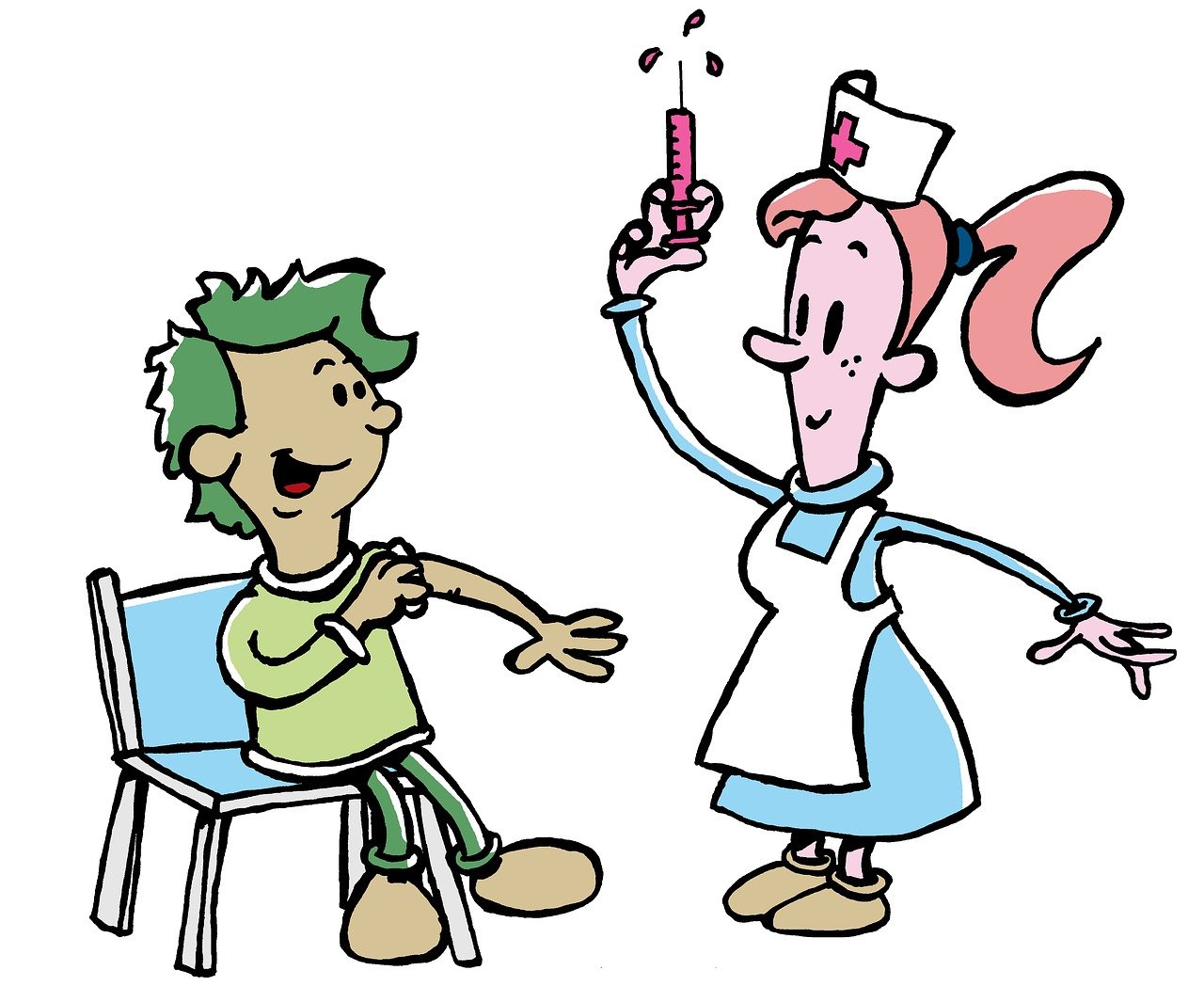
Vaccination and blood donation relationship

Potential teratogens — Some drugs may pose a risk to transfusion recipients who may become pregnant, due to their demonstrated teratogenic potential at low concentrations. Information from the AABB specifies the following deferral intervals following discontinuation of the medication
  • Acitretin (Soriatane), used for psoriasis – 36 months
  • ●Dutasteride (Avodart, Jalyn), used for benign prostatic hypertrophy – 6 months
  • ●Etretinate (Tegison), used for psoriasis – indefinite
  • ●Finasteride (Propecia, Proscar), used for benign prostatic hypertrophy and hair regeneration – 1 month
  • ●Isotretinoin (Accutane, Amnesteem, Absorica, Claravis, Myorisan, Sotret, Zenatane), used for acne – 1 month
  • ●Leflunomide (Arava), used for rheumatoid arthritis – 24 months
  • ●Mycophenolate mofetil (CellCept), used for immunosuppression – 6 weeks
  • ●Sonidegib (Odomzo), used for basal cell carcinoma – 24 months
  • ●Teriflunomide (Aubagio), used for multiple sclerosis – 24 months
  • ●Thalidomide (Thalomid), used for multiple myeloma – 1 month
  • ●Upadacitinib (Rinvoq), used for rheumatoid arthritis – 1 month
  • ●Vismodegib (Erivedge), used for basal cell carcinoma – 24 months
The donor history is the only means of identifying these exposures; there is no routine testing for the presence of these medications.

Antiplatelet drugs and anticoagulants relation with blood donation
Information from the AABB specifies deferring donors for platelet apheresis donation if any of the following antiplatelet medications were taken within the following timeframes [112]:
  • ●Aspirin, aspirin-containing drugs, or piroxicam – Previous 2 days
  • ●Prasugrel – Previous 3 days
  • ●Ticagrelor – Previous 7 days
  • ●Clopidogrel or ticlopidine (not available in the United States) – Previous 14 days
  • ●Vorapaxar – Previous month
यो दान प्रतिबन्ध प्लेटलेट एफेरेसिस दाताहरूको लागि विशिष्ट छ र सम्पूर्ण रक्त दाताहरूमा लागू हुँदैन, जबसम्म सम्पूर्ण रगतको त्यो एकाइबाट बनेको प्लेटलेटहरू दिइएको बिरामीको लागि प्लेटलेटहरूको एकमात्र स्रोत हुनेछ। यो केवल नवजात र युवा बाल चिकित्सा प्राप्तकर्ताहरूको लागि तोकिएको सम्पूर्ण रगत व्युत्पन्न प्लेटलेट ट्रान्सफ्युजनहरूमा लागू हुनेछ।
दाता इतिहास यी एक्सपोजरहरू पहिचान गर्ने एकमात्र माध्यम हो; प्लेटलेट प्रकार्यको नियमित गुणस्तर नियन्त्रण परीक्षण वा प्लेटलेट एफेरेसिस उत्पादनहरूको लागि क्लटिंग परीक्षणहरू छैनन्। यो भिभो प्लेटलेट प्रकार्यमा सही भविष्यवाणी गर्न इन भिट्रो प्लेटलेट प्रकार्य परीक्षणको असक्षमताको कारण हो।
एन्टिकोआगुलेन्ट लिने व्यक्तिहरूको लागि स्थगित अवधि दुई कारकहरूमा आधारित हुन्छ: दातालाई भेनिपंक्चर साइटमा अत्यधिक रक्तस्राव हुन सक्छ भन्ने चिन्ता र दान गरिएको प्लाज्माको क्लटिंग गुणहरूमा एन्टिकोगुलेन्टको सम्भावित प्रभाव। एन्टिकोआगुलेन्टहरू लिने दाताहरूलाई प्लेटलेट एफेरेसिस दानबाट समान रूपमा स्थगित गरिन्छ। यद्यपि, केही रगत केन्द्रहरूले त्यस्ता दाताहरूबाट सम्पूर्ण रगत सङ्कलन गर्न छनौट गर्न सक्छन् यदि उनीहरूले फ्लेबोटोमी साइटमा रक्तस्रावको जोखिमलाई न्यूनतम मान्छन् र यदि तिनीहरूसँग त्यस्तो सङ्कलनबाट प्लाज्मा निकालिएको हो भनेर सुनिश्चित गर्ने विधि छ भने (जसले कोगुलेसन गुणहरू बिग्रन्छ। ट्रान्सफ्युजनको लागि प्रयोग गरिदैन।

विभिन्न विभिन्न anticoagulant औषधिहरूको लागि समय सीमाहरू निम्नानुसार छन्

  • ●Direct oral anticoagulants (DOACs; apixaban, dabigatran, edoxaban, rivaroxaban), fondaparinux, and the low molecular weight (LMW) heparins dalteparin and enoxaparin – Previous two days.
  • ●Warfarin and LMW heparins other than dalteparin and enoxaparin – Previous seven days.
The minimal age for donation is legally established by individual states in the United States and is either 16 or 17 years; donors who are legally minors need written consent of a parent or guardian. Most blood centers do not have an upper age limit for donation; this policy is based on studies documenting that individuals over the age of 65 who met all other donation criteria had no greater frequency of severe or life-threatening reactions and had lower rates of post-transfusion reactions than younger donors 

What is Cervical Cancer Screening : A video about the preventable cancer

What is Cervical Cancer Screening (Video)

Table of Contents (toc)

Introduction

Cervical Cancer is the most common cancer in women. In this article we are
discussion types of cervical screening and their benefits. 

Method of cervical
cancer screening

Multiple methods can be used for cervical cancer screening, which can be
listed like Below
  1. Pap smear
  2. VIA
  3. Lugols iodine test

What is Cervical Cancer Screening

What is Pap smear test in Nepali?

Test is a pathological test in Which Few cells from the cervix are taken and
checked the microscope in laboratory to see if there are any cancer cells.
Doctor, your gynecologist will use special device made for taking off the
shedding off cell from your cervix and put them on slide then will be sent to
the laboratory for further examination and evaluation.
Pathologist will see the cell and if there are any cancer cells or something
similar, or you have possibility of having cancer in few years, the
pathologist will report accordingly and further treatment will be suggested.

What is VIA?

STAND FOR VISUAL INSPECTION USING acetoacetate.

{
“@context”: “http://schema.org”,
“@type”: “VideoObject”,
“name”: “Reproductive system gynecology Loksewa Entrance MBBS/MD/MS and PSC in Nepal: Preparation Tips &Trick”,
“description”: “Welcome to this comprehensive video on health exam questions that you might face in Loksewa Entrance MBBS/MD/MS and PSC exams in Nepal. This video provides you with essential tips and strategies to help you prepare efficiently and excel in these competitive exams. At www.chaitanya.com.np, we understand that preparing for medical entrance exams can be challenging and time-consuming. That’s why we’ve designed our platform to provide you with the resources you need to prepare efficiently and effectively. Our content is curated by medical experts who have years of experience in the field and are committed to helping you succeed. Overview of the Reproductive System The human reproductive system is responsible for sexual reproduction and includes primary and secondary reproductive organs. 2. Male vs. Female Reproductive Systems The male system produces and delivers sperm, while the female system produces ova (eggs) and supports pregnancy. 3. Male Reproductive Organs Includes testes, epididymis, vas deferens, seminal vesicles, prostate gland, and penis. 4. Female Reproductive Organs Includes ovaries, fallopian tubes, uterus, cervix, and vagina. 5. Gametogenesis Spermatogenesis (in testes) produces sperm, and oogenesis (in ovaries) produces ova. 6. Hormonal Regulation (Male) The hypothalamus-pituitary-gonadal axis regulates testosterone production, which is essential for sperm production and secondary sexual characteristics. 7. Hormonal Regulation (Female) Estrogen and progesterone regulate menstrual cycles, ovulation, and pregnancy maintenance. The hypothalamus-pituitary-ovarian axis controls these hormones. 8. Menstrual Cycle Divided into follicular phase, ovulation, luteal phase, and menstruation. Nurses should understand cycle tracking for reproductive health and fertility awareness. 9. Fertilization and Conception Occurs when a sperm cell fuses with an egg in the fallopian tube, forming a zygote that implants in the uterus. 10. Pregnancy and Fetal Development Nurses should understand embryonic and fetal growth, placental function, and common complications like ectopic pregnancy and gestational diabetes. 11. Common Reproductive Disorders (Male) Includes erectile dysfunction, testicular cancer, prostatitis, and infertility issues. 12. Common Reproductive Disorders (Female) Includes polycystic ovary syndrome (PCOS), endometriosis, uterine fibroids, and infertility. 13. Sexually Transmitted Infections (STIs) Nurses must educate patients on prevention, symptoms, and treatments for STIs such as chlamydia, gonorrhea, syphilis, and HPV. 14. Contraceptive Methods Covers barrier methods (e.g., condoms), hormonal methods (e.g., pills, IUDs), and surgical options (vasectomy, tubal ligation). 15. Role of Nurses in Reproductive Health Nurses play a key role in patient education, prenatal care, family planning, STI prevention, and reproductive rights advocacy. Subscribe: https://www.youtube.com/@cjoshi0?sub_confirmation=1 @cjoshi0 @MysticHealthcare Social Media Platform Link Facebook https://www.facebook.com/chaitanya.com.np Facebook https://www.facebook.com/MysticHealthNP Facebook https://www.facebook.com/theunavailableusername YouTube https://www.youtube.com/@cjoshi0 YouTube https://www.youtube.com/@MysticHealthcare WhatsApp https://wa.me/+9779848843589 WhatsApp https://wa.me/+9779861481571 Instagram https://www.instagram.com/joshi.chaitanya/ Instagram https://www.instagram.com/mystichealthcare/ Instagram https://www.instagram.com/dr_chaitanya_mbbs TikTok https://www.tiktok.com/chaitanya.com.np Reddit https://www.reddit.com/user/cjoshii/ Snapchat https://snapchat.com/add/thecjoshi Pinterest https://www.pinterest.com/cjoshi0/ LinkedIn https://www.linkedin.com/in/cjoshi0/ LinkedIn https://www.linkedin.com/company/mystic-healthcare-private-limited/ Twitter https://twitter.com/cJoshi0 Twitter https://twitter.com/mystichealthnp Telegram https://t.me/CJoshi0 Viber viber://add?number=9779848843589 Viber viber://add?number=9779861481571 Website https://www.chaitanya.com.np/ Website http://www.mystichealth.com.np/ Website https://www.medicaladvicefree.com/ Website https://www.doctorhealthrx.com/ We also cover topics related to Human anatomy, human physiology, disease pathology, infectious diseases, chronic diseases, genetic disorders, environmental health, healthcare policies, healthcare delivery systems, healthcare challenges, study resources, exam strategies.”,
“thumbnailUrl”: “https://i.ytimg.com/vi/I_YOb-DODu8/default.jpg”,
“uploadDate”: “2023-07-12T07:02:16Z”,
“duration”: “PT51M34S”,
“embedUrl”: “https://www.youtube.com/embed/I_YOb-DODu8”,
“interactionCount”: “19”
}

Exit mobile version