Can colorblind people get driver’s licese?
| Can colorblind people get driver’s licese? |
| Analog Education |
| Aids logo |
|
S.N. |
Region |
District |
Name of ART Sites |
Location |
Established Year |
|
1 |
Eastern |
Dhankuta |
District Hospital |
Dhankuta |
2015 |
|
2 |
Eastern |
Ilam |
Ilam District Hospital |
Ilam |
2015 |
|
3 |
Eastern |
Jhapa |
Mechi Zonal Hospital |
Jhapa |
2007 |
|
4 |
Eastern |
Mahottari |
Jaleshwor district hospital |
Jaleshwor |
2015 |
|
5 |
Eastern |
Morang |
Koshi Zonal Hospital, |
Biratnagar |
2007 |
|
6 |
Eastern |
Okhaldhunga |
District Hospital |
Okhaldhunga |
2015 |
|
7 |
Eastern |
Sankhubasava |
District Hospital |
Khandwari |
2015 |
|
8 |
Eastern |
Saptari |
Sagarmatha Zonal Hospital |
Rajbiraj |
2008 |
|
9 |
Eastern |
Siraha |
Ram Kumar Uma Shankar Charity Hospital |
Lahan |
2014 |
|
10 |
Eastern |
Sunsari |
BPKIHS |
Dharan |
2006 |
|
11 |
Eastern |
Udaypur |
District Hospital |
Gaighat |
2015 |
|
12 |
Central |
Bara |
District Hospital |
Kalaiya |
2014 |
|
13 |
Central |
Bhaktapur |
Bhaktapur Hospital |
Bhaktapur |
2013 |
|
14 |
Central |
Chitwan |
Bharatpur Hospital |
Bharatpur |
2007 |
|
15 |
Central |
Dhading |
District Hospital |
Dhadingbesi |
2014 |
|
16 |
Central |
Dhanusha |
Janakpur Zonal Hospital |
Janakpur |
2008 |
|
17 |
Central |
Kathamndu |
Sukraraj Tropical & Infectious Disease Control Hospital |
Teku |
2004 |
|
18 |
Central |
Kathmandu |
Kanti Children Hospital |
Maharajgunj |
2006 |
|
19 |
Central |
Kathmandu |
Maiti Nepal |
Gaushala |
2007 |
|
20 |
Central |
Kathmandu |
Bir Hospital |
Kathmandu |
2008 |
|
21 |
Central |
Kathmandu |
TUTH |
Maharajgunj |
2011 |
|
22 |
Central |
Kavre |
Dhulikhel Hospital |
Dhulikhel |
2010 |
|
23 |
Central |
Lalitpur |
Sparsha Nepal |
Sanepa |
2005 |
|
24 |
Central |
Makwanpur |
Makwanpur District Hospital |
Hetauda |
2012 |
|
25 |
Central |
Nuwakot |
Trishuli Hospital |
Trishuli |
2012 |
|
26 |
Central |
Parsa |
Narayani Sub-Regional Hospital |
Birgunj |
2006 |
|
27 |
Central |
Rautahat |
District Hospital |
Gaur |
2014 |
|
28 |
Central |
Sarlahi |
District Hospital |
Malangwa |
2015 |
|
29 |
Central |
Sindhuli |
District Hospital |
Sindhulimadi |
2015 |
|
30 |
Central |
Sindhupalchowk |
District Hospital |
Chautara |
2014 |
|
31 |
Western |
Arghakhachi |
District Hospital |
Sandhikharka |
2014 |
|
32 |
Western |
Baglung |
Dhaulagiri Zonal Hospital |
Baglung |
2007 |
|
33 |
Western |
Gorkha |
District Hospital |
Gorkha |
2010 |
|
34 |
Western |
Gulmi |
District Hospital |
Tamghas |
2010 |
|
35 |
Western |
Kapilvastu |
District Hospital |
Taulihawa |
2010 |
|
36 |
Western |
Kaski |
Western Regional Hospital |
Pokhara |
2006 |
|
37 |
Western |
Lamjung |
Lamjung Community Hospital |
Beshisahar |
2010 |
|
38 |
Western |
Myagdi |
District Hospital |
Beni |
2014 |
|
39 |
Western |
Nawalparasi |
District Hospital |
Parasi |
2014 |
|
40 |
Western |
Palpa |
United Mission Hospital |
Tansen |
2008 |
|
41 |
Western |
Rupandehi |
Lumbini Zonal hospital, |
Butwal |
2007 |
|
42 |
Western |
Syangja |
District Hospital |
Putlibazar |
2010 |
|
43 |
Western |
Parbat |
District Hospital |
Kusma |
2016 |
|
44 |
Western |
Tanahun |
Tanahun District Hospital |
Damauli |
2010 |
|
45 |
Mid West |
Banke |
Bheri Zonal Hospital |
Nepalgunj |
2004 |
|
46 |
Mid West |
Bardiya |
District Hospital |
Gulariya |
2010 |
|
47 |
Mid West |
Dailekh |
District Hospital |
Dailekh |
2010 |
|
48 |
Mid West |
Dang |
Rapti Sub Regional Hospital |
Ghorahi |
2008 |
|
49 |
Mid West |
Pyuthan |
District Hospital |
Bijuwar |
2013 |
|
50 |
Mid West |
Rolpa |
District Hospital |
Liwang |
2013 |
|
51 |
Mid West |
Surkhet |
Mid-West Regional Hospital |
Birendranagar |
2008 |
|
52 |
Mid West |
Kalikot |
District Hospital |
Manma |
2016 |
|
53 |
Mid West |
Rukum |
District Hospital |
Chaurjhari |
2016 |
|
54 |
Mid West |
Salyan |
District Hospital |
Khalanga |
2016 |
|
55 |
Far Western |
Achham |
District Hospital |
Mangalsen |
2007 |
|
56 |
Far Western |
Achham |
Bayalpata Hospital |
Bayalpata |
2010 |
|
57 |
Far Western |
Baitadi |
District Hospital |
Gothalapani |
2009 |
|
58 |
Far Western |
Bajhang |
District Hospital |
Chainpur |
2013 |
|
59 |
Far Western |
Bajura |
District Hospital |
Martadi |
2013 |
|
60 |
Far Western |
Dadeldhura |
Sub-regional Hospital |
Amargadhi |
2012 |
|
61 |
Far Western |
Darchula |
District Hospital |
Khalanga |
2014 |
|
62 |
Far Western |
Doti |
District hospital |
Silgadi |
2007 |
|
63 |
Far Western |
Kailali |
Seti Zonal Hospital |
Dhangadi |
2006 |
|
64 |
Far Western |
Kailali |
Tikapur Hospital |
Tikapur |
2009 |
|
65 |
Far Western |
Kanchanpur |
Mahakali Zonal Hospital |
Mahendranagar |
2006 |

| AIDS virus drawing |
| psc . gov . np |
Are you preparing for your PSC (Public Service Commission) healthcare license exam? Looking for free and high-quality practice questions? Dr. Chaitanya has got you covered!
🔹 What We Offer:
✅ Free PSC license exam practice questions
✅ Well-structured MCQs with answers
✅ Covers key topics like patient care, emergency response, infection control & more
✅ Helps boost confidence and exam readiness
🔹 Why Choose Dr. Chaitanya’s PSC Prep?
📌 Expertly curated questions
📌 Regular updates to match the latest syllabus
📌 Accessible anytime, anywhere – 100% free!
Start practicing today and take a step closer to success in your PSC healthcare exam! 🚀
👉 Visit www.chaitanya.com.np to get started!
#PSCExam #HealthcareLicense #DrChaitanya #FreeMCQs #ExamPreparation
| CTEVT logo |
{getToc} $title=(Table of Contents}
Today, May 31 is observed as international day against tobacco use. This year, World Health Organization is targeting the root cause of the Tobacco Industry, that is Tobacco Farming. WHO considers that tobaccoo farming is the cause of tobaccoo use. Lets analyze how right or wrong this concept is.
| Cigarettes |
The people in the poverty line and the rich farmers both are currently farming tobacco plants to generate money. Tobacco has become one of the top cash crop for many people.
I think very few people know the fact that farmers indulge into the tobacco industry because they are made fools by miseducating them about the crop. They’re told about its benefits but at the same time they’re not told about its bad aspects.
They lure the farmers into cultivating this crop by showing them the *MONEY* factor saying its the income source and gives huge value.
The poor people who have no money at all and are needy do whatever is in their hands to earn a good living sum for their families, and hence they devote their lives into this hazardous practice of modern days.
Bow lets compare pros and cons and also discuss how alternate options can be equally good or even better.
I’ll not reiterate anything about tobacco or how it is harmful to our bodies, but I’ll show basic points how alternate farming is any day better than Tobacco farming.
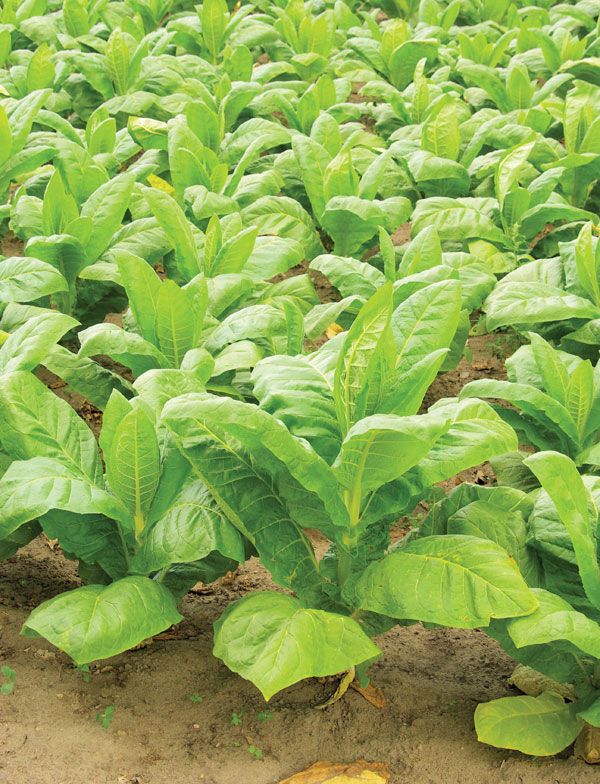
| Tobacco plant |
Other crops farming gives better opportunity than tobacco farming is better than tobacco farming
All our farmers are in dire need of good education/ awareness about alternative farming, for them and for the environment.
NO consumers = NO farming
If you like what I have written please like share and visit my social vhannels to be ome friends with me. Thank you.
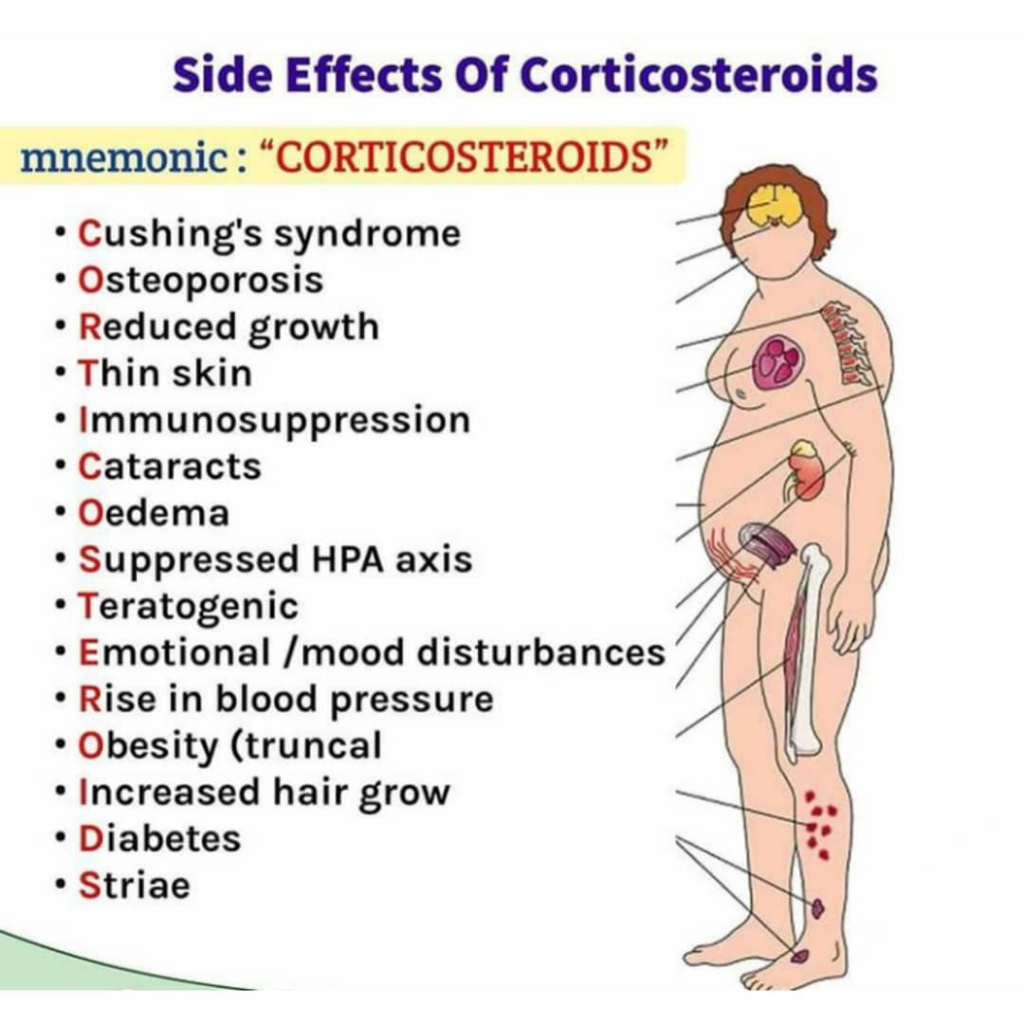
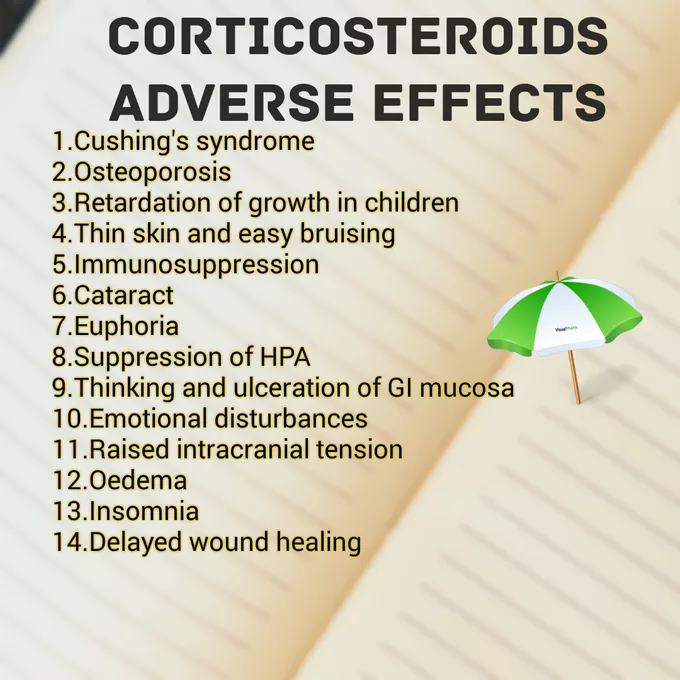
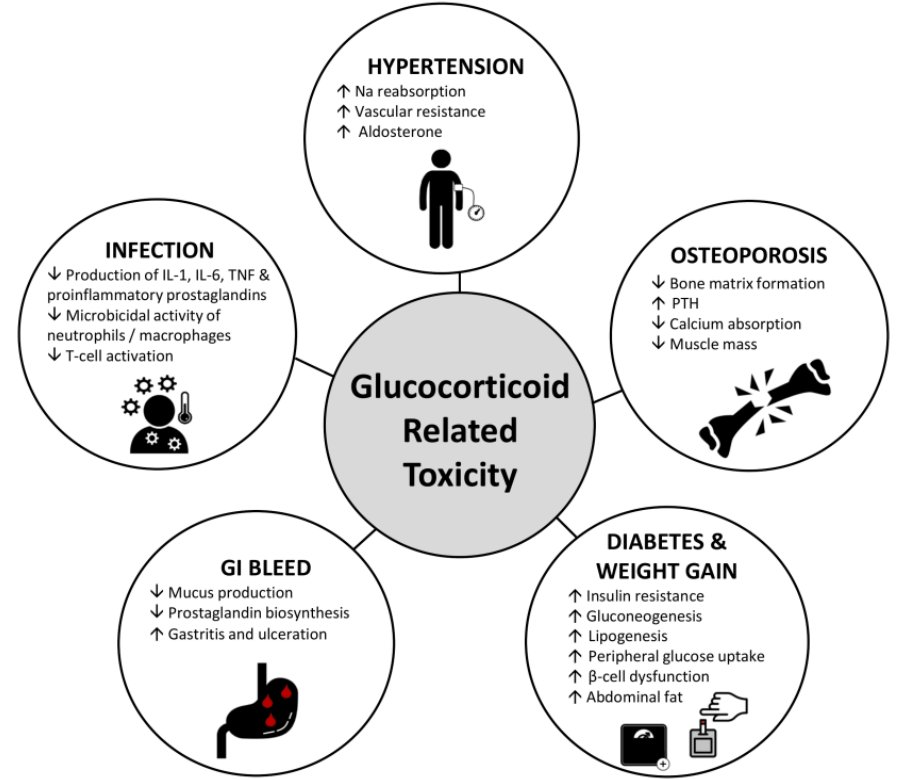
Corticosteroid side effects are common and must know because corticosteroids are one of the commonly used drugs, that are used from short term to long term. These include:
Mnemonic: CRAZY STEROIDS
C- Cushy weight gain
R- Rebound acne
A- Angry mood swings
Z- Zebra stripes / stretch marks
Y- Yawning insomnia
S- Spaghetti bones/ weak bones/ fractures
T- Thunder thighs/thicker thighs
E- Eye troubles/ blurred vision/ cataract
R- Rapid heartbeat/ tachycardia
O- Ouchy infections
I- Inflated / moon face
D- Diabeted risk
S- Stunted growth/shoet stature
Corticosteroid side effects are common and must know because corticosteroids are one of the commonly used drugs, that are used from short term to long term. These include:
C- Cushy weight gain
R- Rebound acne
A- Angry mood swings
Z- Zebra stripes / stretch marks
Y- Yawning insomnia
S- Spaghetti bones/ weak bones/ fractures
T- Thunder thighs/thicker thighs
E- Eye troubles/ blurred vision/ cataract
R- Rapid heartbeat/ tachycardia
O- Ouchy infections
I- Inflated / moon face
D- Diabeted risk
S- Stunted growth/shoet stature
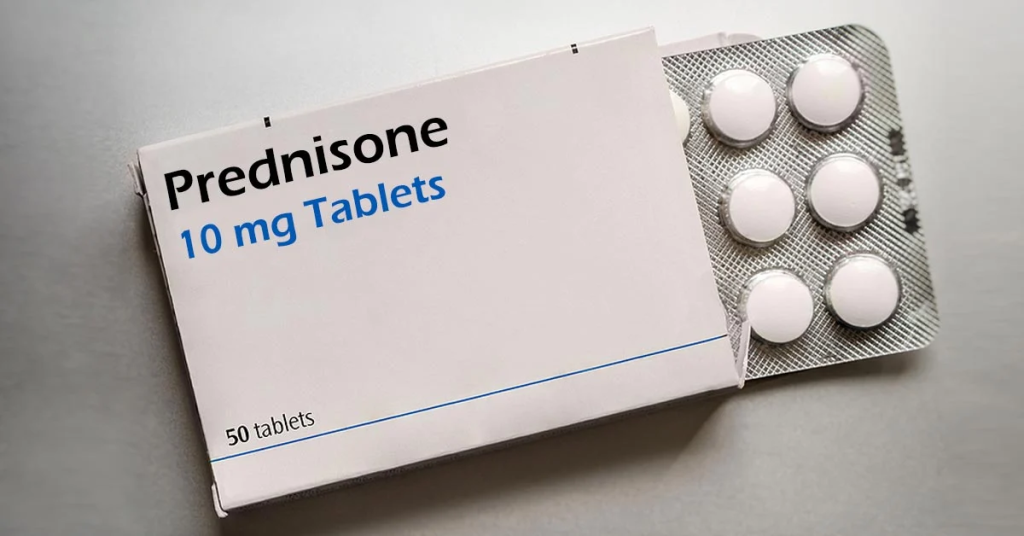
Prednisolone, hydrocortisoon, dexamethasone, betamethasone, methylprednisolone, cortisone, budesonide, triamcinolone etc
| girl with red hair |
Have you ever wondered why redheads may require more anesthesia than people with other hair colors? It turns out that there is a scientific explanation for this phenomenon. Redheads have a genetic variation that affects the way their bodies process pain and anesthesia.
The mutation in melanocortin-1 receptor has been attributed to the red hair of theose people and same for the difference in the sensivity to the pain and depth of anesthesia as well.
This variation causes their bodies to be more resistant to pain medication, requiring higher doses to achieve the same level of pain relief. In addition, redheads also have a higher likelihood of experiencing anxiety and nervousness before surgery, which can also affect their response to anesthesia. This unique attribute of redheads has been studied extensively by medical professionals, and understanding this genetic variation can help anesthesiologists provide more effective care for their redheaded patients. So, if you’re a redhead or know someone who is, read on to discover the fascinating science behind this phenomenon.
There are three types of anesthesia: general, regional, and local. The anesthesia described here may refer to local or regional anesthesia, sedation and general anesthesia.
General anesthesia is a state of induced unconsciousness that is used to provide pain relief and muscle relaxation during medical procedures. General anesthesia is the most common and involves the use of drugs that put the patient to sleep and block pain signals to the brain. Regional anesthesia involves numbing a specific area of the body, while local anesthesia involves numbing a small area, such as a tooth or skin patch.
The mutation in melanocortin-1 receptor has been attributed to the red hair of theose people and same for the difference in the sensivity to the pain and depth of anesthesia as well.
The drugs used in anesthesia work by blocking the transmission of nerve signals that communicate pain and other sensations to the brain. This allows the patient to undergo medical procedures without feeling any pain or discomfort. The mechanism of general enesthesia like propofol may not be completely understood r explained. The amount of anesthesia required depends on various factors, including the patient’s weight, age, and medical history.
(ads)
Red hair is caused by a genetic mutation in the MC1R gene, which is responsible for producing the pigment that gives hair its color. This mutation causes the gene to produce a protein that is less effective at producing the pigment, resulting in red hair. The MC1R gene is also responsible for producing melanin, which is the pigment that gives skin its color. People with the red hair gene mutation have less melanin in their skin, which makes them more susceptible to sunburn and skin cancer.
The MC1R gene mutation is inherited in an autosomal recessive pattern, meaning that a person must inherit two copies of the mutated gene (one from each parent) to have red hair. However, even people with just one copy of the mutated gene may exhibit some of the traits associated with red hair, such as fair skin and freckles.
Research has shown that people with red hair require more anesthesia than people with other hair colors. This is because the MC1R gene mutation affects the way the body responds to certain drugs, including pain medication and anesthesia. The mutation causes the body to produce less of a protein called POMC, which is involved in the production of endorphins, the body’s natural painkillers. This results in redheads being less sensitive to certain types of pain medication and requiring higher doses to achieve the same level of pain relief.
In addition to being less sensitive to pain medication, redheads also have a higher likelihood of experiencing anxiety and nervousness before surgery. This can be attributed to the fact that the same genetic mutation that causes red hair also affects the production of the stress hormone cortisol. People with the mutation produce less cortisol, which can lead to increased anxiety and stress.
Several studies have been conducted to investigate the link between red hair and anesthesia. One study published in the British Journal of Anaesthesia found that redheads required 20% more anesthesia than people with other hair colors. Another study published in the journal Anesthesiology found that redheads required 19% more anesthesia than people with dark hair and 16% more than people with blonde hair.
These studies also found that redheads were more likely to experience side effects from anesthesia, such as nausea and vomiting. This may be due to the fact that the drugs used in anesthesia are metabolized differently in people with the MC1R gene mutation, leading to a longer recovery time and increased risk of side effects.
The fact that redheads require more anesthesia than people with other hair colors has important implications for healthcare providers. Anesthesiologists must take this into account when administering anesthesia to redheaded patients, as failing to do so can result in inadequate pain relief and increased risk of side effects.
To ensure that redheads receive the appropriate amount of anesthesia, anesthesiologists may need to adjust the dosage based on the patient’s hair color and genetic makeup. This can be done by conducting a genetic test to determine whether the patient has the MC1R gene mutation and adjusting the anesthesia dosage accordingly.
In addition to requiring more anesthesia, redheads may also be more susceptible to certain medical conditions. For example, research has shown that redheads have a higher risk of developing skin cancer due to their fair skin and reduced ability to produce melanin. They may also be more susceptible to certain types of pain, such as chronic pain and migraine headaches.
Redheads may also require different dosages of other types of medication, such as painkillers and antidepressants. This is because the MC1R gene mutation affects the way the body processes these drugs, just as it affects the way the body processes anesthesia.
The fact that redheads require more anesthesia and may be more susceptible to certain medical conditions can present challenges for healthcare providers. Anesthesiologists must be aware of the unique needs of redheaded patients and take steps to ensure that they receive the appropriate care.
This may involve conducting genetic testing to determine whether the patient has the MC1R gene mutation and adjusting the anesthesia dosage accordingly. It may also involve providing additional support to redheaded patients who may be more anxious or stressed before surgery.
If you’re a redhead who is scheduled to undergo anesthesia, there are steps you can take to help ensure a successful outcome. First, make sure to inform your healthcare provider that you have red hair and discuss any concerns you may have about anesthesia. Your provider can work with you to develop a plan that addresses your unique needs and concerns.
You may also want to consider relaxation techniques such as deep breathing, meditation, or visualization to help reduce anxiety and stress before surgery. These techniques can help you feel more relaxed and may even reduce the amount of anesthesia you require.
The science behind why redheads require more anesthesia is a fascinating area of research that has important implications for healthcare providers. By understanding the link between red hair and anesthesia, anesthesiologists can provide more effective care to redheaded patients and reduce the risk of side effects.
However, there is still much to learn about the unique needs of redheaded patients. Future research in this area may focus on developing new anesthesia drugs that are more effective for redheads or identifying other medical conditions that may be more prevalent in this population.
Overall, the science behind why redheads require more anesthesia is just one example of how genetic variations can affect the way our bodies respond to medication and medical procedures. By understanding these variations, healthcare providers can provide more personalized care that takes into account each patient’s unique needs and genetic makeup.
आगामी आर्थिक वर्ष २०८०/८१ को बजेट १७ खर्ब ५१ अर्ब ३१ करोड रुपैयाँ बराबरको हुने भएको छ।
| Nepali money |