Where is manakamana temple located: Manakamana temple is also located in lele rural municipality lalipur. (Not main manakamana temple)
Manakamana temple Lalitpur
Manakamana temple Lalitpur
Pictures of Pathibhara mata temple Konjyoson Lalitpur
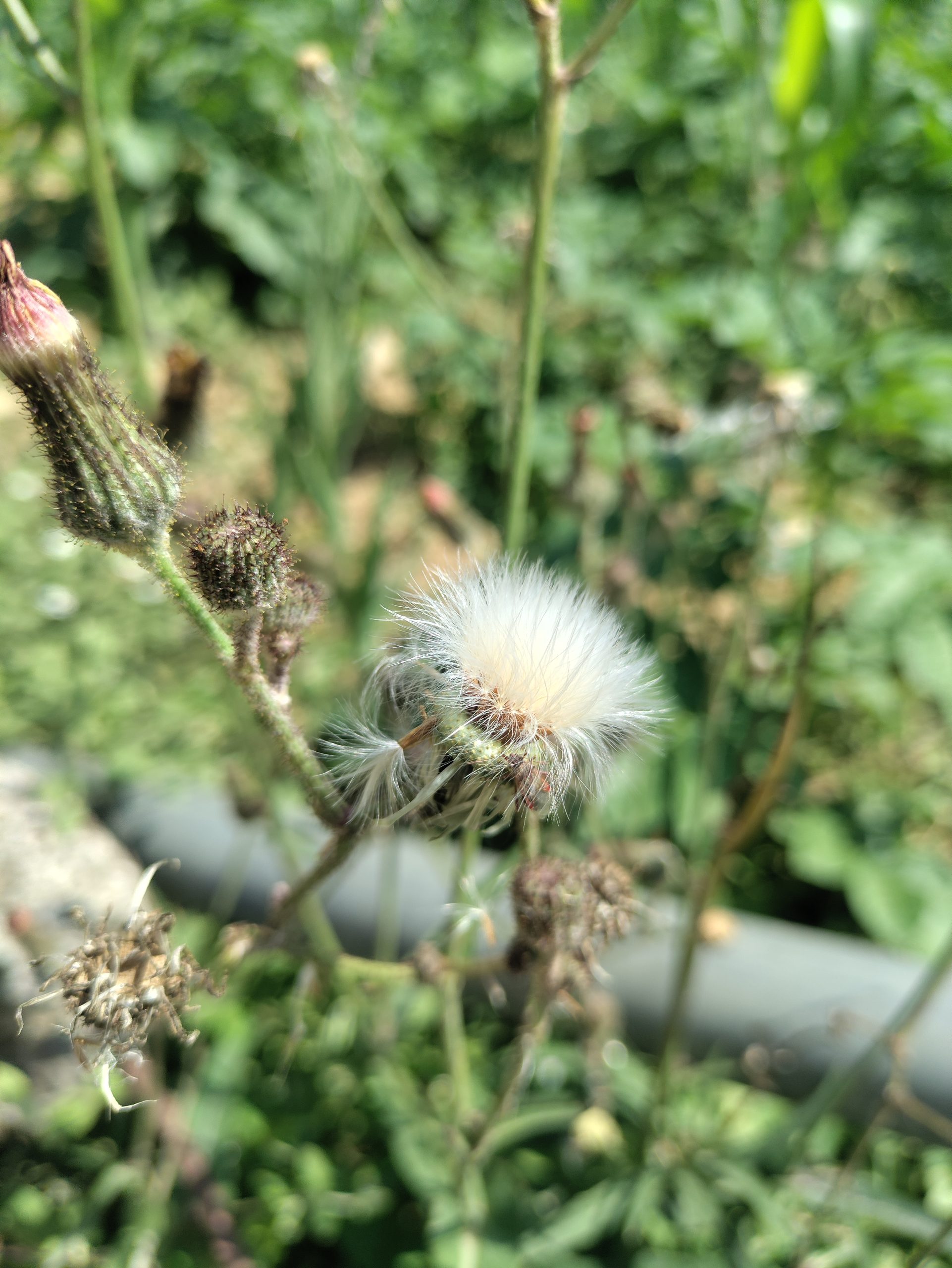
Flower bloosom
Pathibhara temple
Pathibhara temple
Importance of Devi worshipping (देवीपूजनको महत्वहरू)
1. Connection with the divine feminine:
Worshipping devis (goddesses) provides a profound connection with the divine feminine energy that exists within and around us. It allows individuals to embrace and honor the nurturing, compassionate, and creative aspects of existence.
2. Empowerment:
Devi worship empowers individuals, especially women, by recognizing and celebrating their inherent strength and divine qualities. It promotes a sense of self-worth, confidence, and courage.
3. Balance and harmony:
The worship of devis emphasizes the importance of balance and harmony in life. By honoring both the masculine and feminine energies, it encourages individuals to seek equilibrium in all aspects of life, fostering a sense of peace and unity.
4. Protection and guidance:
Worshipping devis is often associated with seeking their protection and guidance. Devi represents the universal motherly figure, offering support and safeguarding against negative forces, obstacles, and dangers.
5. Spiritual awakening:
Devi worship serves as a pathway to spiritual awakening. By immersing oneself in the devotion and contemplation of the goddess, individuals can deepen their spiritual connection, expand their consciousness, and embark on a transformative journey.
6. Fostering compassion and love:
The worship of devis nurtures qualities such as compassion, love, and empathy. Devi represents unconditional love and acts as a reminder to extend kindness and care to all beings, fostering a more compassionate society.
7. Celebration of diversity:
Devis are associated with various qualities, attributes, and forms, symbolizing the diverse aspects of existence. By worshipping different goddesses, individuals honor and celebrate the diversity and uniqueness present in the world.
8. Liberation and liberation:
Devi worship is often associated with the concept of liberation (moksha) and freedom from the cycle of birth and death. It encourages individuals to transcend worldly attachments and realize their true divine nature.
9. Healing and transformation:
Devi worship is known to facilitate healing and transformation on physical, emotional, and spiritual levels. It is believed that connecting with the goddess can bring about inner healing, rejuvenation, and a renewed sense of purpose.
10. Cultivation of virtues:
Devi worship promotes the cultivation of virtues such as humility, devotion, gratitude, and surrender. By embodying these qualities, individuals can purify their hearts and minds, leading to personal growth and spiritual evolution.
Copyright: All rights reserved to Dr Chaitanya. Unauthorized downloading and distributing is prohibited and my lead to legal consequences.
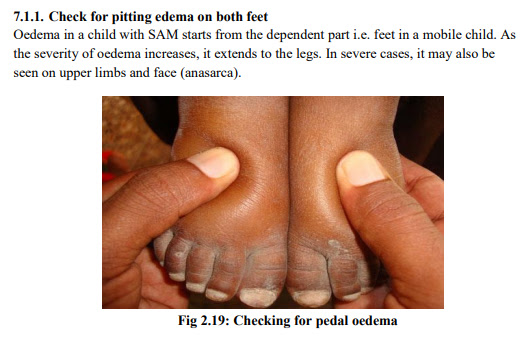
FBIMNCI handbook for medical officers handbook facility based integrated management of childhood and neonatal illness
Table of contents(toc)
What is FBIMNCI
Facility based integrated management of neonatal and childhood illnesses.
Introduction to FBIMNCI
The Facility Based Integrated Management of Neonatal and Childhood Illness (FB-IMNCI) package includes appropriate management of major causes of childhood and neonatal mortality.
The package has been designed specially to address childhood cases referred from peripheral level health institutions to higher institutions.
As such, the package is expected to bridge the current gap in appropriate and timely management of childhood
cases.
Handbook cover page
The Facility Based IMNCI package has been designed to address the major causes of childhood illnesses especially:
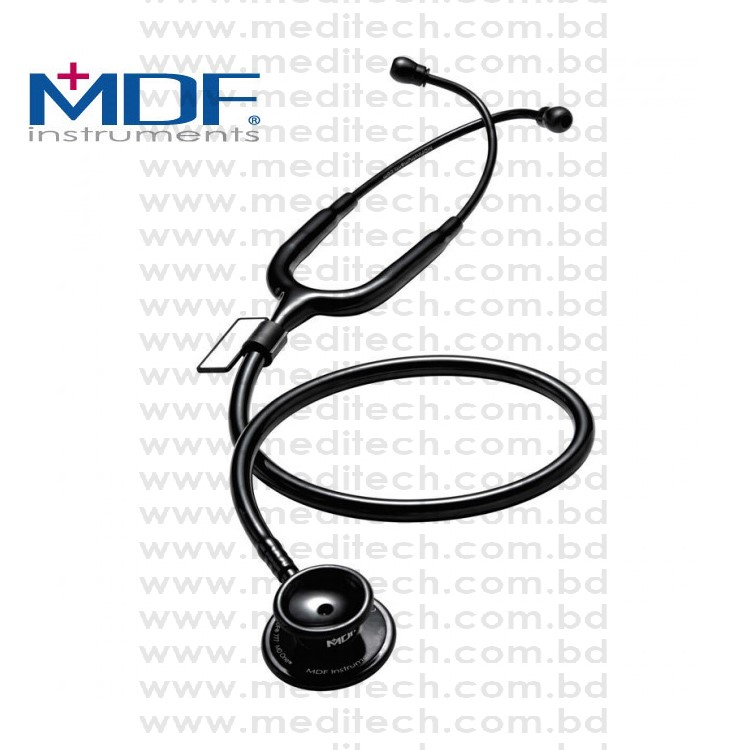
The Anatomy of a Stethoscope: Understanding the Different Parts
As a medical professional, the stethoscope is an essential tool in your arsenal. It’s the device that helps you listen to the inner workings of the human body, providing vital information that can help diagnose a range of medical conditions. But have you ever really stopped to consider the intricate design of this simple yet powerful instrument? Understanding the anatomy of a stethoscope is essential for getting the most out of your device and improving the accuracy of your diagnoses. From the earpieces to the chest piece, each component plays a critical role in helping you hear the sounds of the body. In this article, we’ll take a closer look at the different parts of the stethoscope and explore their functions. Whether you’re a seasoned medical professional or a student just starting out, the anatomy of a stethoscope is a fascinating subject that’s worth exploring.
Parts of a Stethoscope
Earpieces
The earpieces are the components of the stethoscope that fit into your ears. They are typically made of soft, pliable materials that provide a comfortable fit. There are two types of earpieces: standard and adjustable. Standard earpieces are fixed in size and cannot be adjusted, while adjustable earpieces can be adjusted to fit different ear sizes.
The earpieces are designed to create a seal in your ear canal, which helps to block out external noise and ensure that you hear the sounds of the body clearly. It’s important to ensure that the earpieces fit snugly in your ears, as a loose fit can cause the stethoscope to move around, making it difficult to hear the sounds you need to hear.
Tubing
The tubing is the part of the stethoscope that connects the earpieces to the chest piece. It is typically made of rubber or PVC and comes in various lengths. The length of the tubing can affect the sound quality of the stethoscope, with longer tubing generally providing better sound quality.
The material of the tubing can also affect the sound quality. Rubber tubing is more flexible than PVC tubing, which can make it easier to use the stethoscope in tight spaces. However, PVC tubing is more durable and can withstand exposure to oils and other chemicals better than rubber tubing.
Chestpiece
The chestpiece is the part of the stethoscope that is placed on the patient’s body to listen to the sounds of the body. It consists of two parts: the diaphragm and the bell. The diaphragm is the larger, flat part of the chestpiece that is used to listen to high-pitched sounds, such as those produced by the lungs and heart. The bell is the smaller, concave part of the chestpiece that is used to listen to low-pitched sounds, such as those produced by the gastrointestinal tract.
There are two types of chestpieces: single-sided and double-sided. Single-sided chestpieces have only one side that can be used to listen to sounds, while double-sided chestpieces have both a diaphragm and a bell that can be switched out as needed.
Diaphragm/Bell
The diaphragm and bell are the two parts of the chestpiece that are used to listen to sounds. The diaphragm is the flat, circular part of the chestpiece that is used to listen to high-pitched sounds, such as those produced by the lungs and heart. The bell is the concave, cup-shaped part of the chestpiece that is used to listen to low-pitched sounds, such as those produced by the gastrointestinal tract.
To use the diaphragm, you should place it firmly on the patient’s skin, allowing it to make contact with the surface. This will create a seal that will allow you to hear the sounds of the body clearly. To use the bell, you should hold it lightly against the patient’s skin, allowing the cup to capture the sounds of the body.
Some stethoscopes come equipped with a tunable diaphragm, which allows you to switch between high and low frequencies without having to flip the chestpiece over. To use the tunable diaphragm, you simply apply more or less pressure to the chestpiece, which changes the frequency response of the diaphragm.
Noise-Reducing Technology
Some stethoscopes come equipped with noise-reducing technology, which helps to block out external noise and improve the clarity of the sounds you hear. This technology can be particularly useful in noisy environments, such as emergency rooms or busy clinics.
A steth
Pediatric Attachments
Some stethoscopes come with pediatric attachments, which are designed to make it easier to use the stethoscope on infants and children. These attachments are typically smaller than standard chestpieces and can be used to listen to the sounds of the body on smaller patients.
Choosing the Right Stethoscope for Your Needs
When it comes to choosing a stethoscope, there are a few factors to consider. First, you’ll want to consider the type of work you’ll be doing. If you work in a busy emergency department, you may want a stethoscope with noise-reducing technology to help you hear the sounds of the body more clearly. If you’ll be working with smaller patients, a stethoscope with a pediatric attachment may be a good choice.
You’ll also want to consider your budget. Stethoscopes can range in price from less than $20 to several hundred dollars, depending on the features and quality. While it may be tempting to opt for a cheaper option, keep in mind that a high-quality stethoscope can last you for many years and provide you with more accurate readings.
Caring for Your Stethoscope
Proper care and maintenance of your stethoscope can help to ensure that it lasts for many years and continues to provide you with accurate readings. Here are a few tips for caring for your stethoscope:
Clean the earpieces and chestpiece regularly with a soft cloth and mild soap and water.
Avoid using alcohol or other harsh chemicals to clean your stethoscope, as these can damage the tubing and other components.
Store your stethoscope in a cool, dry place away from direct sunlight and extreme temperatures.
Avoid kinking or bending the tubing, as this can cause damage to the stethoscope.
Understanding the anatomy of a stethoscope is essential for using this valuable tool effectively and getting the most out of it. From the earpieces to the chest piece, each component plays a critical role in helping you hear the sounds of the body. By choosing the right stethoscope for your needs, caring for it properly, and using it effectively, you can provide your patients with more accurate diagnoses and better care.
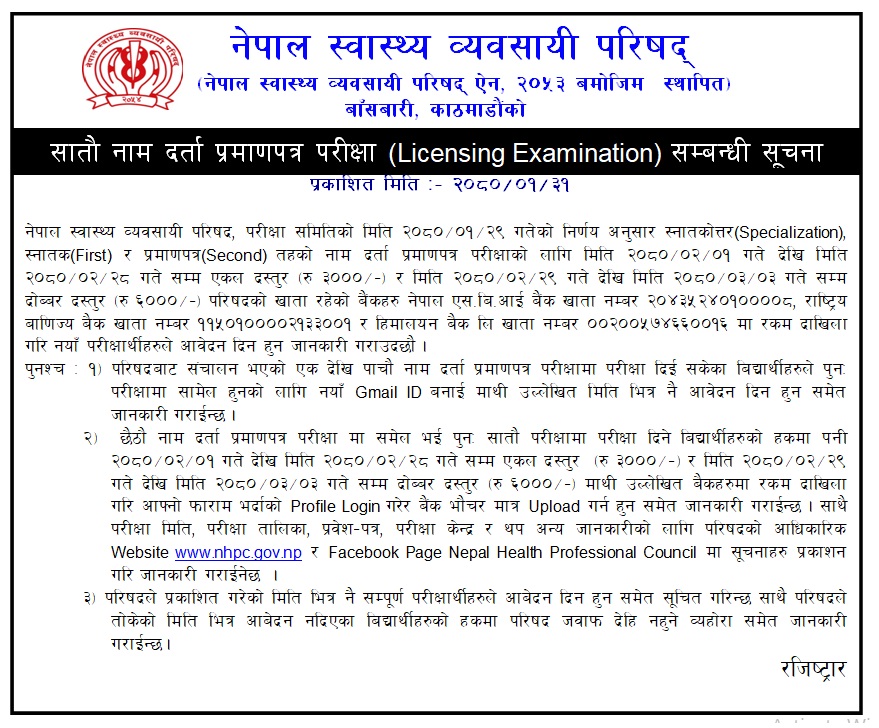
seventh 7th licensing examination full notice from NHPC
How to fill up NHPC licensing examination form:
You must have an active gmail account to fill up form if you appeared in 1st to 5th examination. If you have already used that gmail account for taking exam previously create new one here .
Unveiling the Intricacies: The Anatomy and Physiology of Ventilator Machines
Introduction:
Understanding the anatomy and physiology of ventilator machines is crucial in comprehending the life-saving mechanics behind these essential medical devices. This search engine optimized article delves into the intricate details of ventilator machines, exploring their anatomy and physiology to provide a comprehensive understanding of their crucial role in patient care.
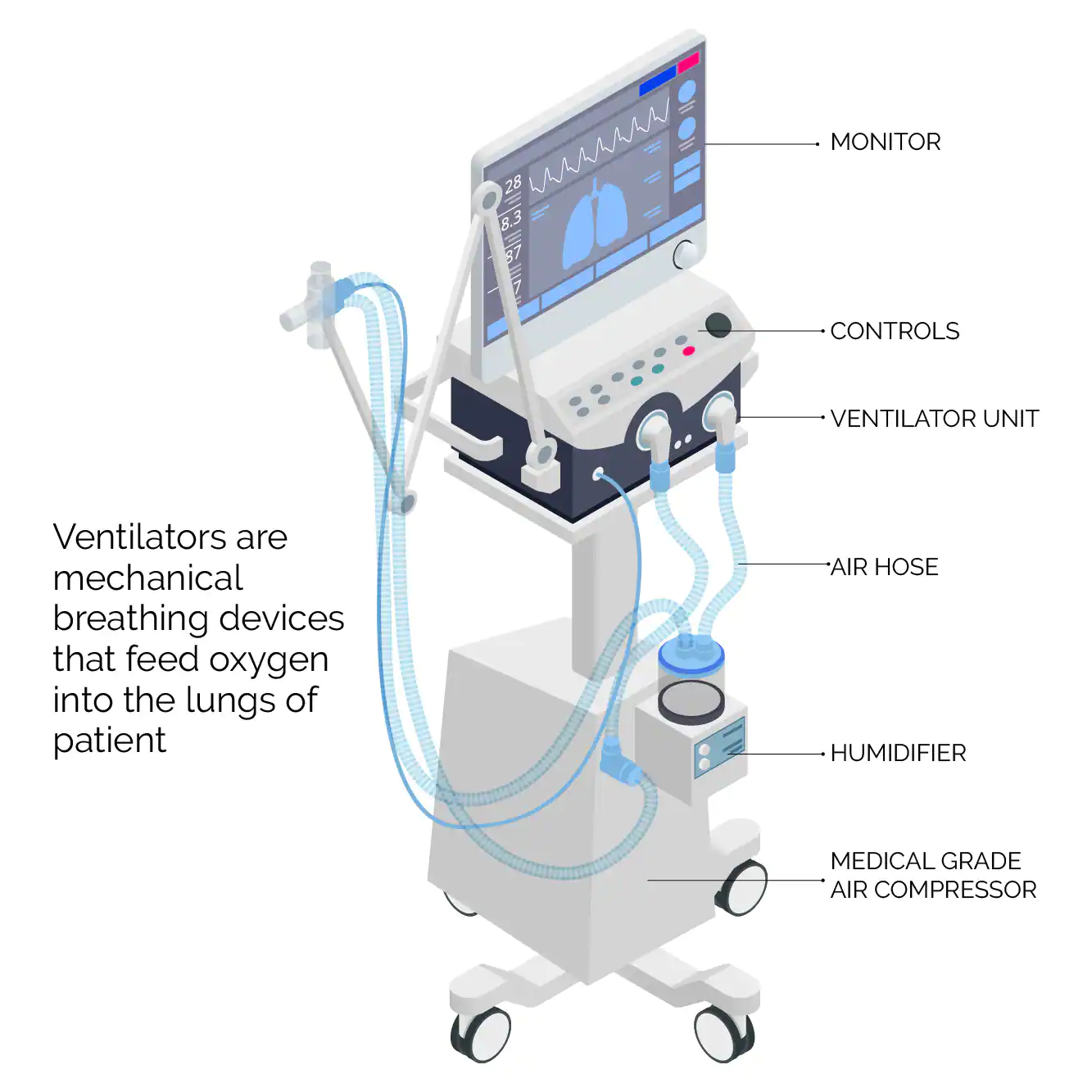
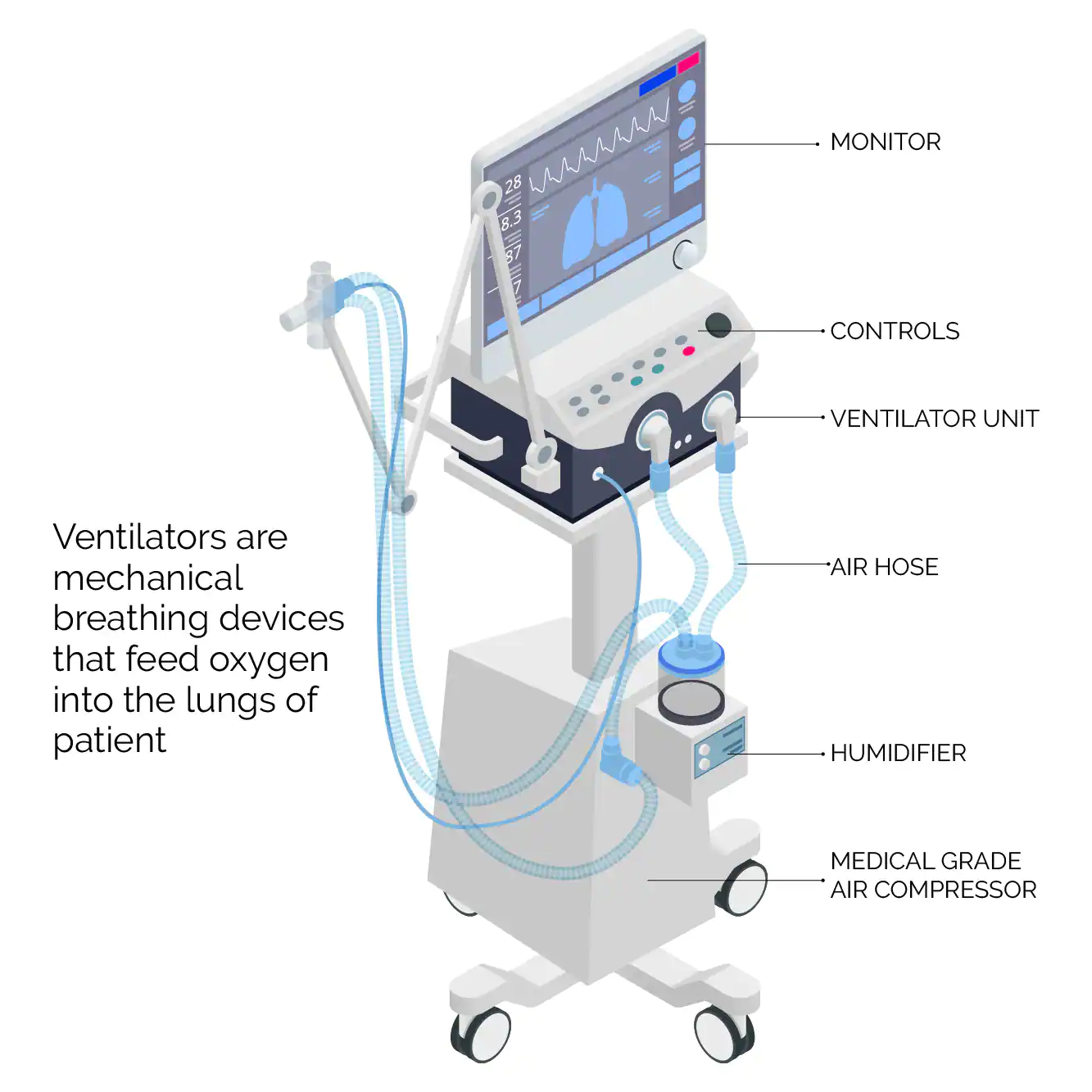
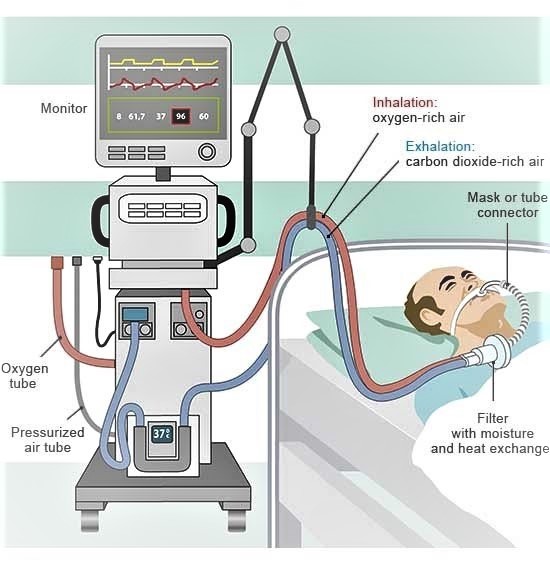
A ventilator machine
1. The Basics: What is a Ventilator Machine?
A ventilator machine, also known as a mechanical ventilator, is a sophisticated medical device used to provide respiratory support to patients in critical care situations. It delivers oxygen to the lungs and removes carbon dioxide, assisting patients in breathing when they are unable to do so independently.
2. Key Components of a Ventilator Machine:
Ventilator machines consist of several essential components that work together to facilitate effective respiratory support. These components include:
– Control Panel:
The control panel allows healthcare professionals to adjust various settings, such as the volume and rate of airflow, to meet the patient’s specific needs.
– Breath Delivery System:
This system comprises an inspiratory limb, expiratory limb, and patient interface. It controls the flow of gases into and out of the patient’s lungs, ensuring proper ventilation.
– Sensors and Monitors:
Ventilators are equipped with sensors and monitors to measure various parameters, such as air pressure, oxygen levels, and patient-ventilator synchrony. These measurements aid in monitoring and adjusting the ventilation process.
3. Physiology of Ventilation:
Ventilator machines function based on the principles of respiratory physiology. The primary modes of ventilation include:
– Pressure-controlled ventilation:
This mode delivers breaths at a set pressure level, ensuring consistent airflow and oxygenation.
– Volume-controlled ventilation:
In this mode, the ventilator delivers breaths at a predetermined volume, maintaining a specific tidal volume for optimal gas exchange.
– Assisted ventilation:
Some ventilators are designed to synchronize with the patient’s spontaneous breaths, providing support when needed and allowing for a more natural breathing pattern.
4. Advanced Features and Modes:
Modern ventilator machines are equipped with advanced features and modes to cater to diverse patient requirements. These may include:
– Positive End-Expiratory Pressure (PEEP):
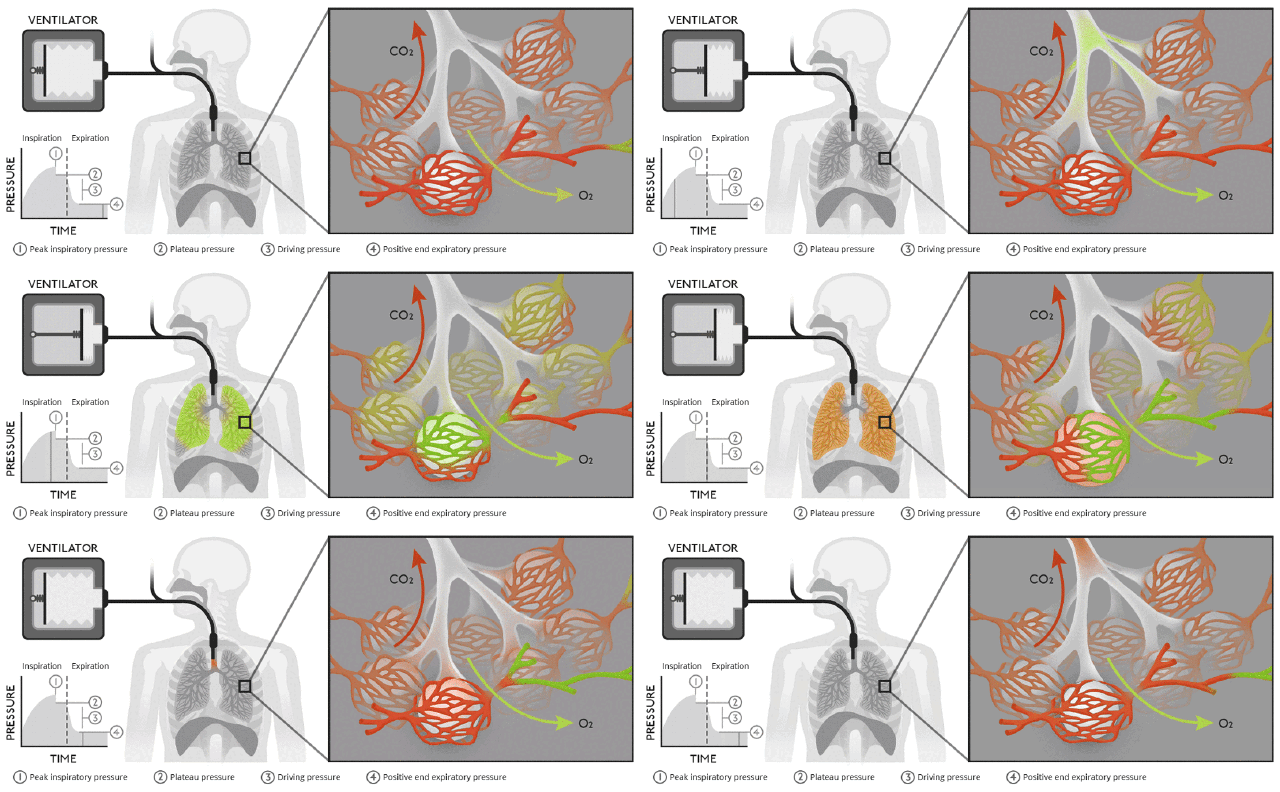
PEEP helps keep the airways open during exhalation, preventing alveolar collapse and improving oxygenation.
– Pressure Support:
This mode assists the patient’s spontaneous breaths by providing additional pressure support during inhalation.
– Non-invasive Ventilation:
Some ventilators offer non-invasive ventilation options, such as mask-based interfaces, for patients who do not require intubation.
Conclusion:
Understanding the anatomy and physiology of ventilator machines is vital for CEOs in the healthcare industry. This search engine optimized article has provided a comprehensive overview of the essential components and functions of ventilator machines, shedding light on their critical role in providing life-saving respiratory support. By grasping the mechanics behind these devices, CEOs can make informed decisions and contribute to the advancement of patient care.
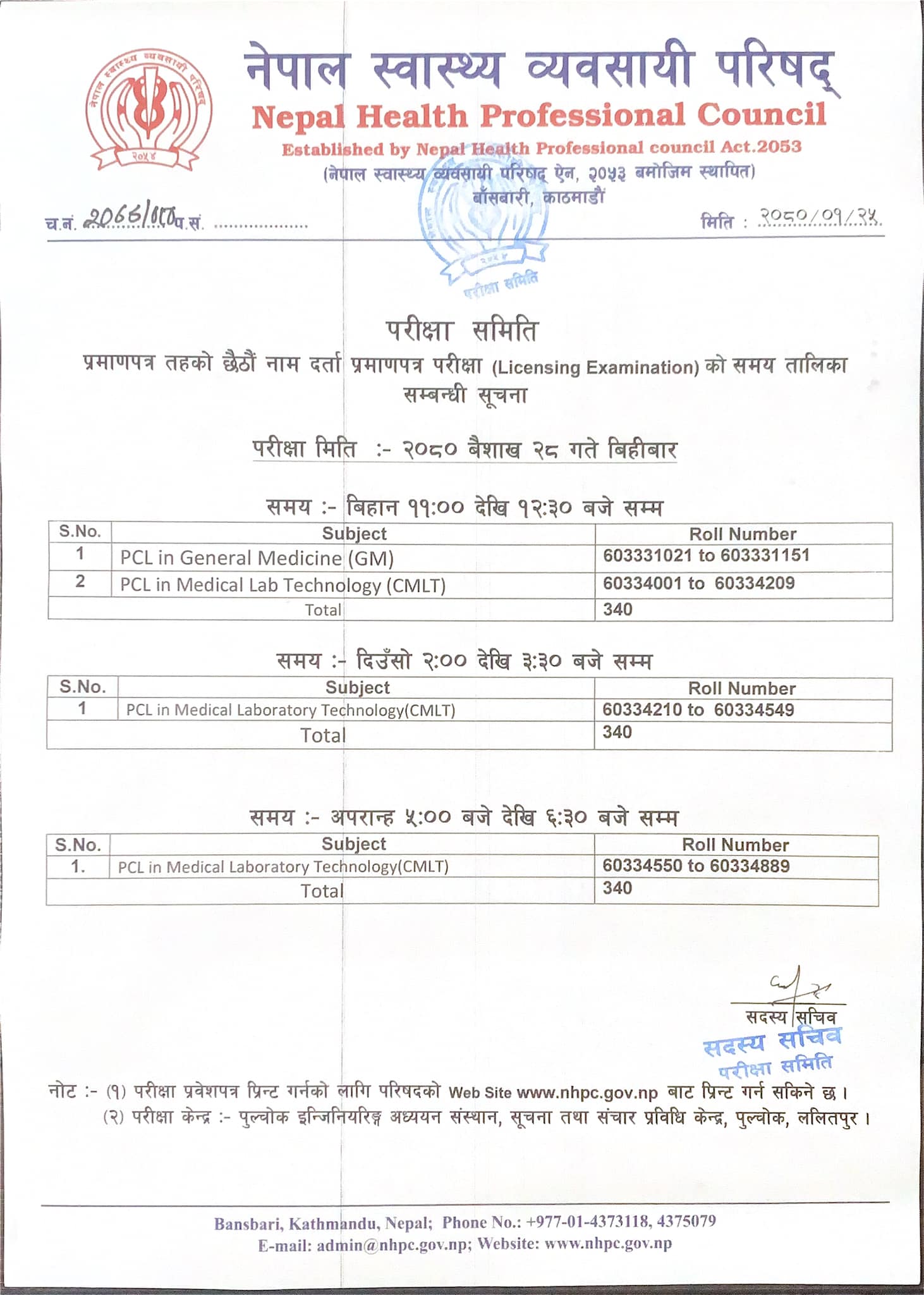
NHPC license examination 2080 notice detailed with how to print the admit card
Nepal Health Professional Council (NHPC) is an autonomous body established under the Nepal Health Professional Council Act 2053. The aim of this council is to register all the “Health professionals” other than Medical doctors , Nurses , Pharmacists, and Ayurveda according to their qualification; and bring them into a legal system as to make their services effective with quality and timely in a scientific manner.
The mechanical ventilation is basically a replaement of assistance to the spontaneous ventilation/ breathing.
The concept of mechanical ventilation was first introduced by a scientist “Andreas Vesalius in 1555“
He said that : “an opening must be attempted in the trunk of the trachea, into which a tube of reed
or cane should be put; you will then blow into this, so that the lung may rise again . . .
and the heart becomes strong”
This was the fundamental of development of mechanical ventilation and intubation but it took 400 years to apply this and actually use it in medical field.
Now a days mechanical ventilation has been the very vital part of medical sciece and has been used for many purposed in daily basis for saving millions of the lives worldwide.
Mecahnical ventilation and mechanicala ventilators have been used to save lives in emergency situations as well as in elective and emergency surgeries. They are the majr part of modern day ICU care.
The first use of assisted ventilation (nt mechanical ventilations) was done in Europe during Polio outbreak (Read more about polio here).
Back then even human were used to a rtificailly ventilate the lung of sick people making them the human ventilators, and they even worked upto 8 hours a day and the medical schools were shut down for same purpose.
Later a company named “Ëmerson company” made a prototype positive pressure ventilator which was used in the Massachusetts General Hospital and it became instant succcess and started the era of Modern day intennsive care medicine.
What is Mechanical Ventilation? What happens when youre on a ventilator?
The basic concept of mechanical ventilation or positive pressure ventilation is to create a positive pressure the moves air/oxygen into the lungs. DUring breathing the pressure in our alveoli keeps on changing and during inspiration it becomes subatmospheric which drags air into the lungs and aveoli.
But if a person is not able to breathe by themselves in that condition positive pressure more than that of alveoli and lungs needs to be created by using artificial means and air or oxygen is pushed into the lungs.
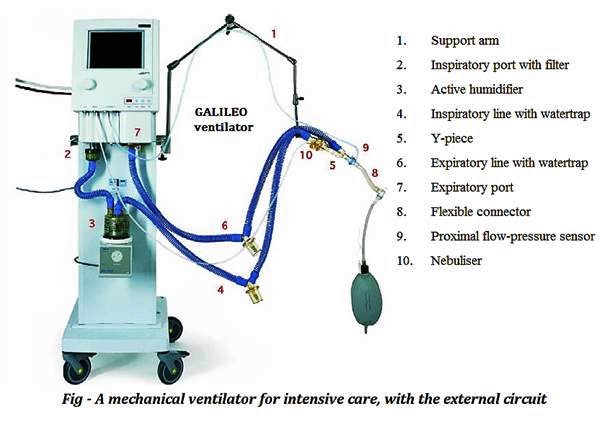
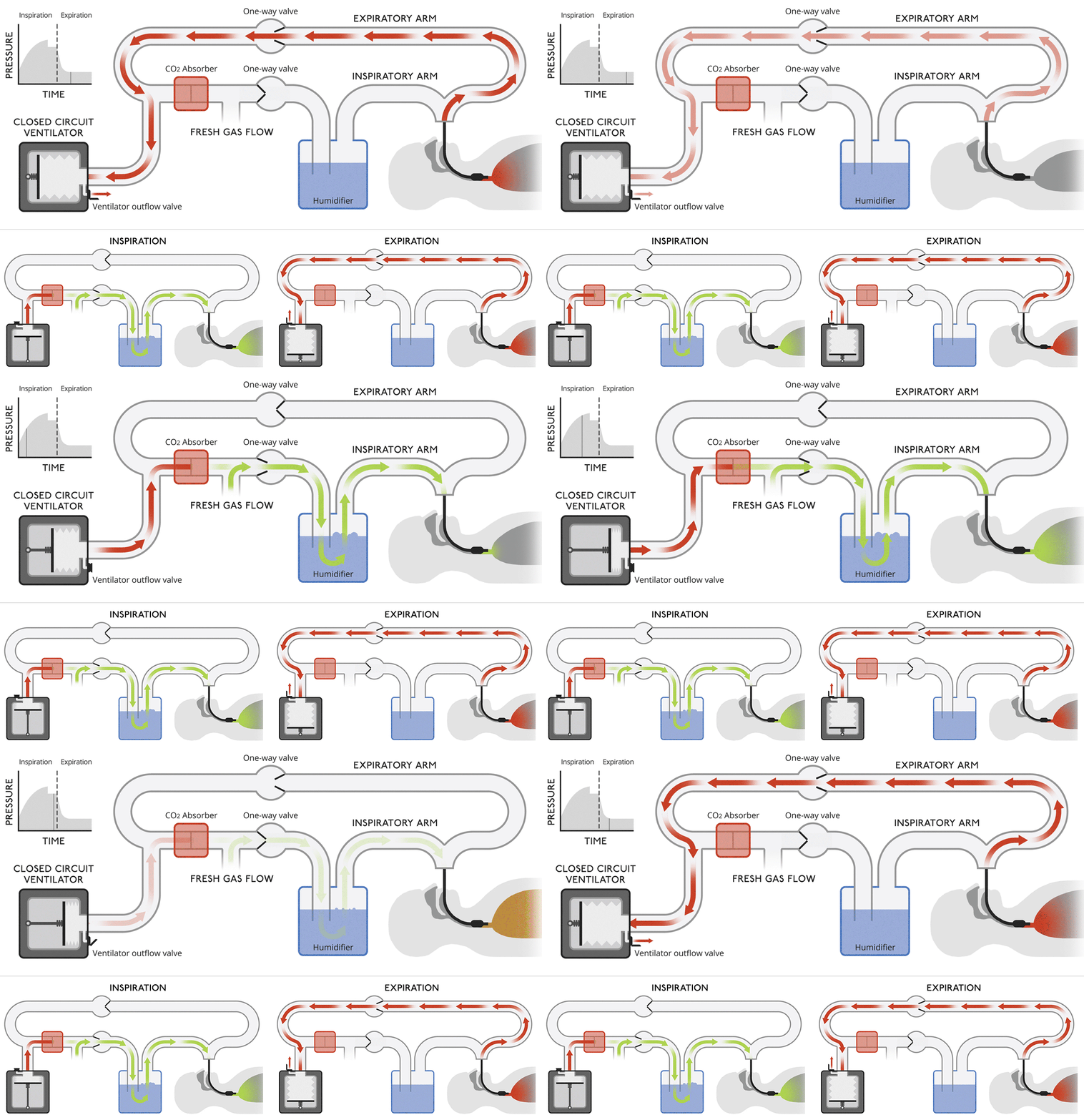
A ventilator machine labelled different parts
Mechanical Ventilation Definition
By undertanding above concept, mechanical ventilation can be difined as a process in which the lungs of a person who is not able to breath by oneself are inflated using external force, person or machine in order to push air into them and pull it back, in order to complete gaseous exchange, or for purpose of delivering medicine (in case of anesthesia or other critical care).
Understanding Mechanical Ventilation Settings
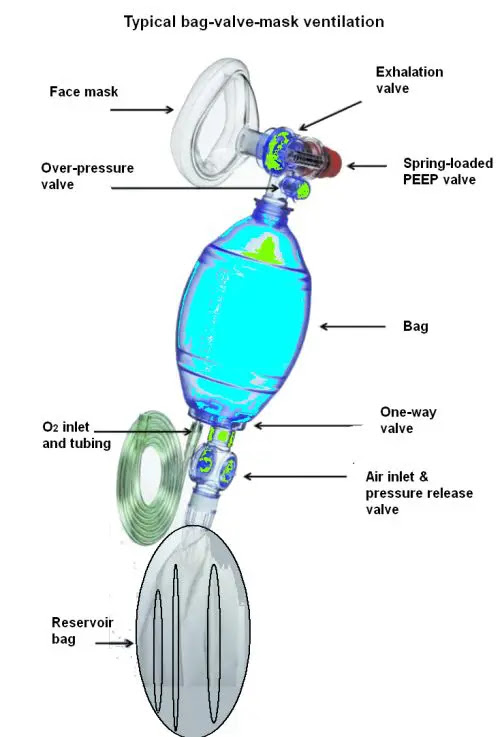
a bag-valve-mask
In general there are two methods of positive pressure ventilation:
Volume controlled ventilation VC mode:
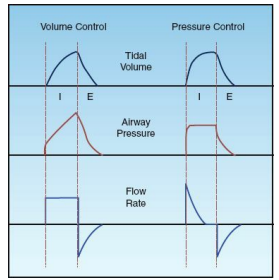
In this mode the initially the volume of air that is needed to be pushed into the ungs is selectd and ventilator selects the pressure needed to push that much volume into lungs by itself. Depending on that the rate of lung inflation, that if respiratory rate can be kept constant ot adjusted.
Pressure control ventilation PC mode:
In this mode the pressure at which the air/oxygen is pushed into lungs is preselected and duration and rate of lung inflation can be adjusted on the basis of need by the operator or doctor. by this desired tidal volume and sufficient oxygenation can be achieved.
The rate of lung inflation is initially high then is reduced so that presssure is same throughout(constant).
In other classification it can be classified as invasive and noninvasive ventilation:
Invasive ventilation
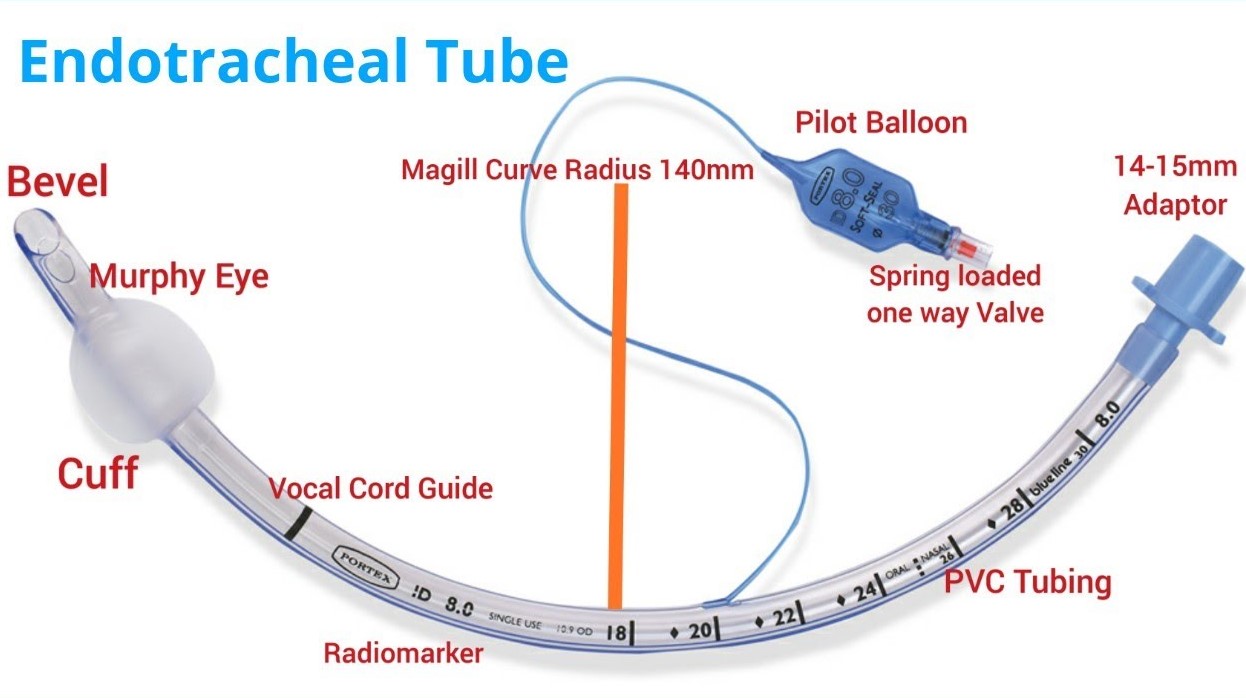
Invasive ventilation means ventilation with intubation in which a person a person has Endotrachea tube (ET Tube) placed in his trachea and through this air is supplied or his lungs are ventilated.
Endotracheal tube
Non-inasive ventilation
Non invasive ventilation consists of CPAP and BiPAP. CPAP standa for continuous positive pressure ventilation and BiPAP mean bilevel positive pressure ventilation.
These both are achieved through a fitting mask kept covering nose and mouth of the patient.
Though these types of ventilation can also be achieved in invasive ventilation as well, unless not necessary a person is not intubated but CPAP / BiPAP mas is used for this purpose.
Volume control Vs Pressure control technique in mechanical ventilation
Invasive Mechanical Ventilation: Benefits and Risks
Indication of mechanical ventilation
Respiratory failure
Hypoxemic respiratory failure : low oxygen saturation (sa02 or sp02)
Hypercarbic respiratory failure: High carbondioxide content in blood (paCO2)
Acute respiratory failure
Ventilatory failure
To reduce cerebral blood flow in case of raise ICP
Prevent aspiration of gastric content or other foreign body
Protect airway in seerely ill patient
In intoxicated, poisoned patients
To delever medicine and artificially breathe in case of general anesthesia
Hemodynamic instability
Heart attack
Head, face and neck surgery
Unstable or risky airway
Cardiac arrest
Encephalopathy
Coma or deterirating GCS
Ventilated patient depiction drawing
Befefits of mechanical ventilation:
Proper and adequate oxygenation
Accurate measurement of pressure and volumes
Decreases work of breathing
Improves gas exhange
Reduces mortality
Low failure rate than noninvasive ventilation
Improves general pulmonary function
Multiple modes available and settings can be changed according to need
Stabilize and protects the airwat from collapse or obstruction
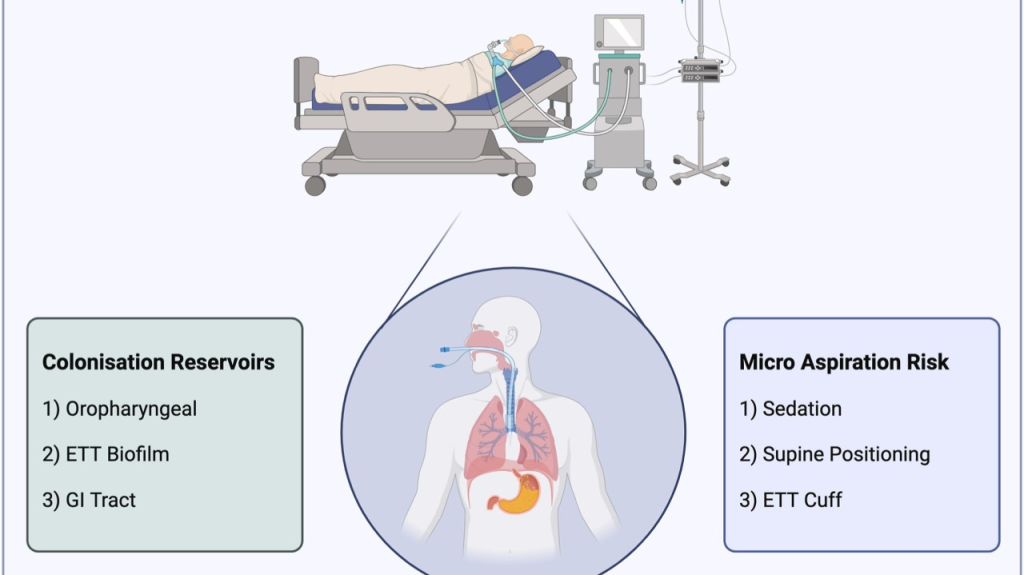
Pneumonia, also called VAP : Ventilator associated pneumonia
Mucus plug and lung collapse
Airway trauma, mediastinal perforation
Cuff presure injury to trachea and fistula formation, tracheal necrosis
Hemodynamic collapse
Tube malposition
Electrolyte and aid base imbalance
Mouth, teeth and lip trauma
Infection of sinuses
Muscle weakness and wasting and difficulty breathing after intubation later
Position related complication
Deep venous thrombosis and Pulmonary embolism (PE)
Presure sores, ulcers
Psychaitric problems
Vocal cord injury and difficulty prducing speech
Mechanical Ventilation Systems: Types and Components
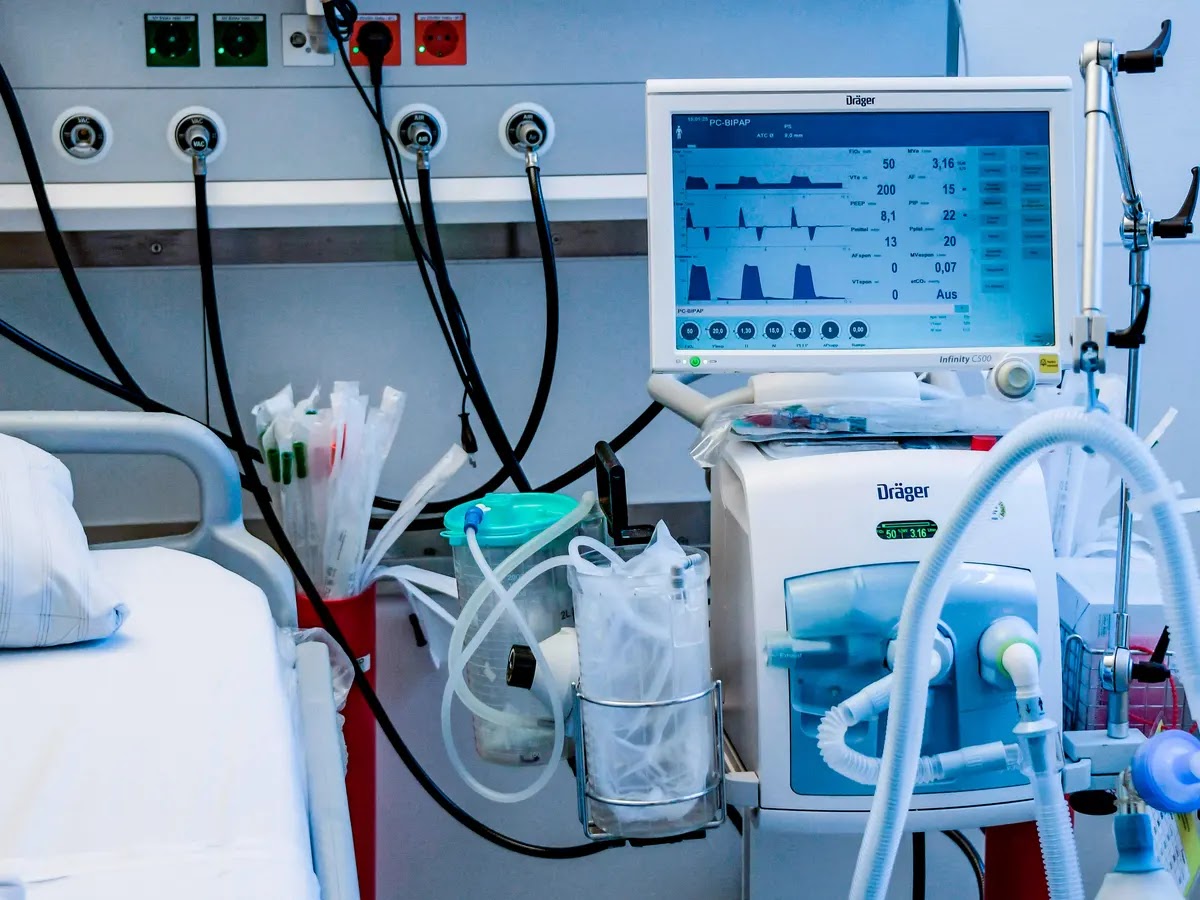
Invasive ventilator with modern mamchine
Bag-valve-mask ventilator (manual)
Though bag valve mask can also be connected to endotracheal tube.
ventilator
Components of mechanical ventilator:
Connector tube
circuits
t-piece
HME filter
monitor
air and oxygen ports and supply
ventilator machine
power supply
control knobs and butttons
ventilator parts
Instruments needed for mechanical ventilation
Ventilator machine
Connecting tubes for oxygen deivery
Endotracheal ET tube
Syringes
Stethoscope
Direct laryngoscope
Bag-Valve-Mask
Suction machine
Suction tube
Source of oxygen
Fixating tapes/dresings
Medications for anesthesia and muscle relaxation
Monitor for vitals monitering
Trained manpower
Process of putting one into mechanical ventilator or starting mechnical ventilation
The patient is decided for mechanical ventilation on basis of above mentioned criteria
Patient is preoxygenatied
Rapid sequence intubation is done using anesthetic agent and muscle relaxants
Once intubation is done then patient is connected to ventilator machine with appropriate setttings
The settings of the ventilator can be changed as need and patiend is intensively monitored
Regularly check ABG to maintain arterial blood ga and electrolyte in limits
Keep arterial blood pH 7.35-7.45
Reularly check patient efforts, improvements, and treat the condition and cause of patiet’s need of intubation
Follow strict precaution for infection prevention
Prevent other complication
How does a ventilator work
Method of ventilation-Lung Protective ventilatory strategy
Set tidal volume to 6ml/kg
calculate ideal body weight
use VC and set initial tidal volume Vt to 8 ml/kg
set RR to match baseline minute ventilation but not >35 bpm
set PEEP to 5 cm of H2O
reduce Vt by 1 ml/kg every 1-2 hr till its 6ml/kg
adjust PEEP and FiO2 to maintain SpO2 88-95%
Prevent plateau pressure exceedig 30 cm of water
if plateau pressure .30 cm of water and Vt 6 ml/kg decrease vt 1 ml/kg until plateau pressure falls below 30 cm of water or Vt reached minimum of 4ml/kg
use least possible concentreation of oxygent (fraction of inspired oxygen or FiO2) to maintain saturation more than 90%
Adjust PEEP to maintain alveolar potency while preventing overdistention and closure reopening
Ph goal to 7.30 to 7.45
if pH 7.15-7.30 increase RR until ph >7.3, paco2 <25 or RR = 35
if pH <7.15, increase RR=35. if still remains <7.15, increase Vt in 1ml/kg until pH>7.15
Mechanical ventilation is a medical technique that replaces or assists spontaneous breathing. The concept was first introduced in 1555 by Andreas Vesalius, but it took 400 years to develop mechanical ventilation into a medical practice.
Today, mechanical ventilation and ventilators are widely used for various purposes in medical care, including elective and emergency surgeries and emergency situations. There are two main methods of positive pressure ventilation, volume-controlled and pressure-controlled ventilation, which can be invasive or noninvasive.
Mechanical ventilation has many benefits, such as improving gas exchange, reducing the work of breathing, and improving general pulmonary function, but there are also risks, such as high pressure or lung damage. Overall, mechanical ventilation has been a crucial part of modern-day intensive care medicine and has saved millions of lives worldwide.
Poliomyelitis, commonly known as polio, is a highly contagious viral disease caused by the poliovirus. It primarily affects the nervous system and can lead to paralysis, permanent disability, or even death in severe cases. Polio mostly affects children under the age of five, but it can also infect unvaccinated adults.
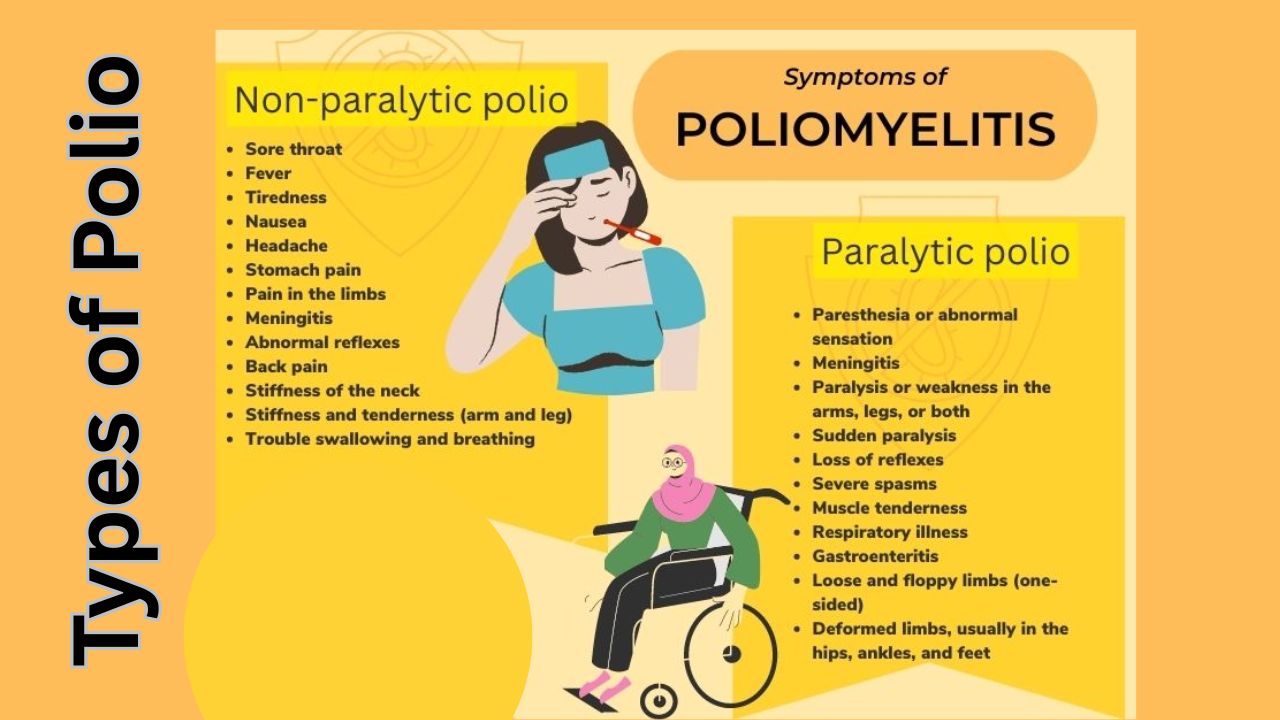
Types of Poliomyelitis
1. Non-paralytic polio: This form causes flu-like symptoms but does not lead to paralysis.
2. Paralytic polio: The most severe form, leading to muscle weakness, loss of reflexes, and paralysis. Paralysis can be permanent.
3. Post-polio syndrome (PPS): This can occur years after recovery, causing muscle weakness, fatigue, and pain.
Transmission
Polio spreads through:
Fecal-oral route: Contaminated food or water.
Person-to-person contact: Through saliva or respiratory droplets.
Prevention
Polio has no cure, but it can be prevented with vaccines:
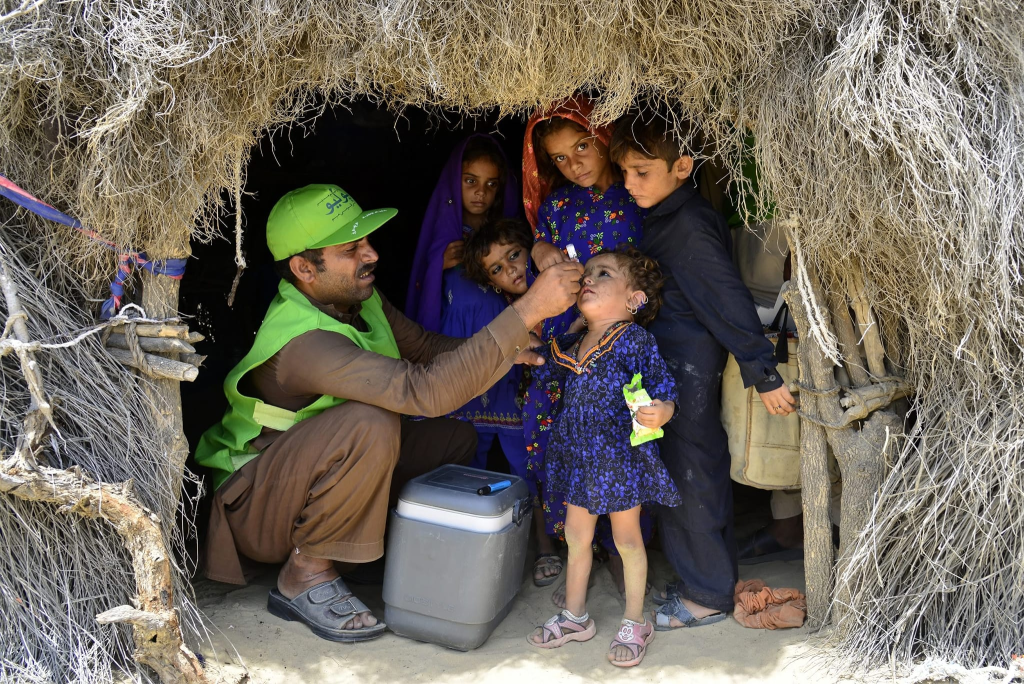
Oral Polio Vaccine (OPV).
Inactivated Polio Vaccine (IPV).
Global vaccination programs have significantly reduced polio cases, bringing the disease close to eradication.
Causes of Polio
Polio is caused by the poliovirus, a highly infectious virus that belongs to the Picornaviridae family. It primarily spreads through the fecal-oral route, often in areas with poor sanitation, where contaminated food or water can transmit the virus. It can also spread through direct contact with an infected person’s saliva or respiratory droplets. Once inside the body, the virus multiplies in the throat and intestines before entering the bloodstream and, in some cases, attacking the central nervous system. This attack can lead to inflammation and destruction of motor neurons, resulting in paralysis. Poor hygiene, lack of vaccination, and overcrowding increase the risk of transmission.
Symptoms of Polio
Mild cases may show no symptoms. Severe cases can present:
Polio is diagnosed through a combination of clinical evaluation and laboratory tests. A healthcare provider may suspect polio based on symptoms such as acute flaccid paralysis, fever, muscle weakness, and reduced reflexes.
To confirm the diagnosis, laboratory tests are conducted on samples of throat secretions, stool, or cerebrospinal fluid (CSF) to detect the presence of the poliovirus.
Stool samples are the most reliable for isolating the virus. In some cases, molecular techniques like polymerase chain reaction (PCR) are used to identify the virus’s genetic material.
Early and accurate diagnosis is essential for managing the disease and preventing its spread.
Prevention and Treatment of Polio
Polio prevention is primarily achieved through vaccination. The Oral Polio Vaccine (OPV) and the Inactivated Polio Vaccine (IPV) are highly effective in protecting against your disease. OPV is widely used in mass immunization campaigns, particularly in endemic areas, while IPV is administered via injection and is part of routine immunization schedules in many countries. Maintaining good hygiene, proper sanitation, and access to clean drinking water also help reduce the risk of transmission.
Treatment for polio focuses on supportive care, as there is no cure for the disease. This includes managing symptoms, such as using pain relievers, physical therapy to reduce muscle stiffness, and mobility aids like braces or wheelchairs for those with paralysis. In severe cases, mechanical ventilation may be necessary if breathing muscles are affected. Rehabilitation programs can help improve quality of life for individuals recovering from polio or managing post-polio syndrome.
Post-Polio Syndrome: Understanding the Long-Term Effects
The Global Efforts to Eradicate Polio
Global efforts to eradicate polio have been spearheaded by initiatives like the Global Polio Eradication Initiative (GPEI), launched in 1988. This collaborative effort involves organizations such as the World Health Organization (WHO), UNICEF, Rotary International, and the Centers for Disease Control and Prevention (CDC), among others. These programs focus on widespread vaccination campaigns, surveillance to detect and respond to outbreaks, and improving access to clean water and sanitation in high-risk regions. As a result, polio cases have declined by over 99%, with wild poliovirus now endemic in only a few countries, such as Afghanistan and Pakistan. Continued global collaboration and funding are crucial to overcome challenges like vaccine resistance, conflict, and gaps in healthcare systems to achieve a polio-free world.
Polio vaccine
The polio vaccine is a crucial tool in preventing poliomyelitis and achieving global eradication of the disease. There are two primary types of polio vaccines: the Oral Polio Vaccine (OPV) and the Inactivated Polio Vaccine (IPV). OPV is administered orally and contains a weakened form of the virus, which stimulates strong immunity and can also reduce community transmission through shedding of the weakened virus. IPV, given by injection, uses an inactivated (killed) virus to provide individual protection without the risk of vaccine-derived poliovirus.
Both vaccines are safe and effective, with IPV being the preferred choice in countries with robust healthcare systems. Mass immunization campaigns using OPV have been instrumental in significantly reducing global polio cases, while routine immunization programs with IPV help maintain long-term immunity in polio-free regions.
Polio vaccine storage
Proper storage of the polio vaccine is critical to maintaining its effectiveness. Both the Oral Polio Vaccine (OPV) and the Inactivated Polio Vaccine (IPV) are sensitive to temperature changes and must be stored under strict conditions. OPV requires storage at temperatures between -20°C to -25°C, typically in freezers, to preserve the live attenuated virus. IPV, on the other hand, should be stored at temperatures between 2°C to 8°C in a refrigerator.
Vaccines should be kept in insulated containers during transportation to maintain the cold chain and prevent spoilage. Any exposure to higher temperatures or freezing (in the case of IPV) can degrade the vaccine’s potency. Adhering to proper storage protocols ensures the vaccines remain effective, especially in areas with limited infrastructure or during mass immunization campaigns.