
Table of Contents
1. Purpose
Proper storage of expressed breast milk (EBM) helps preserve its nutritional and immunological properties for later feeding when the mother is away.
2. Containers for Storage
- Use clean, sterilized glass or BPA-free plastic containers with tight-fitting lids.
- Breast milk storage bags (food-grade, pre-sterilized) are convenient for freezing.
- Avoid ordinary plastic bottles or disposable liners.
3. Labeling
- Each container should be labeled with:
- Date and time of expression
- Baby’s name (if used in hospital or daycare)
4. Storage Guidelines
| Location | Temperature | Duration | Remarks |
|---|---|---|---|
| Room temperature | Up to 25°C (77°F) | 4–6 hours | Keep in a cool, clean area away from direct sunlight |
| Refrigerator (back portion) | 2–4°C (35–40°F) | Up to 72 hours (3 days) | Do not store in refrigerator door due to temperature fluctuation |
| Freezer (separate door) | –18°C or lower | Up to 3–6 months | Keep in small portions; leave space for expansion |
| Deep freezer | –20°C | Up to 6–12 months | Best for long-term storage |
| Insulated cooler box with ice packs | ~15°C | Up to 24 hours | For temporary transport or travel |
5. Thawing and Warming
- Thaw in refrigerator overnight or by placing the container in warm water (<37°C).
- Do not microwave or boil — destroys antibodies and nutrients.
- Swirl gently (do not shake) to mix separated fat layers.
- Once thawed, use within 24 hours and do not refreeze.
6. Hygiene
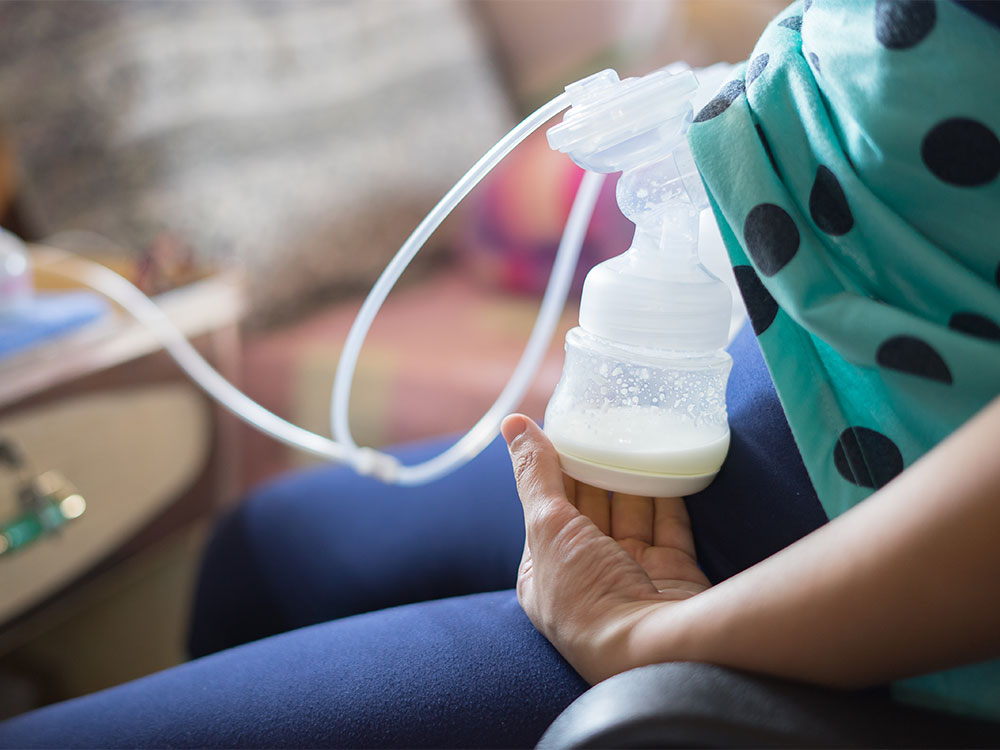
- Wash hands before expressing or handling milk.
- Use clean pump parts and containers for each session.
- Avoid touching the inside of lids or bottles.
7. Key Points
- Always use oldest milk first (“first in, first out”).
- Discard leftover milk from feeding bottle after use.
- Observe for odor or curdling — discard if spoiled.
Summary:
Safe breast milk storage requires hygienic handling, correct temperature, and appropriate duration. Properly stored milk retains most of its nutritional, immunological, and protective properties, ensuring safe feeding for infants when direct breastfeeding isn’t possible.