


Author: admin
Video : Disaster and disaster management cycle in Nepali NHPC Loksewa Entrance MBBS/MD/MS and PSC
Disaster and disaster management cycle in Nepali NHPC Loksewa Entrance MBBS/MD/MS and PSC Video

Epidemiological triad, host, environment, agent in Nepali MBBS/MD/MS and PSC in Nepal (video)
Epidemiological triad, host, environment, agent in Nepali MBBS/MD/MS and PSC
in Nepal: Preparation (video)

{
“@context”: “http://schema.org”,
“@type”: “VideoObject”,
“name”: “Epidemiological triad, host, environment, agent in Nepali MBBS/MD/MS and PSC in Nepal: Preparation”,
“description”: “Welcome to this comprehensive video on health exam questions that you might face in Loksewa Entrance MBBS/MD/MS and PSC exams in Nepal. This video provides you with essential tips and strategies to help you prepare efficiently and excel in these competitive exams. Looking for a one-stop-shop for all your medical-related exam preparation needs? Look no further than www.chaitanya.com.np! Our platform offers a vast array of medical-related content, including videos and articles on exam questions, study materials, and essential concepts in the health sciences. With our expert guidance and in-depth resources, you’ll have everything you need to excel in your medical entrance exams. Whether you’re a first-time test-taker or a repeat candidate, our platform will help you build a strong foundation in health science, enhance your knowledge, and improve your chances of success. So, why wait? Visit www.chaitanya.com.np today and take the first step towards it. At www.chaitanya.com.np, we understand that preparing for medical entrance exams can be challenging and time-consuming. That’s why we’ve designed our platform to provide you with the resources you need to prepare efficiently and effectively. Our content is curated by medical experts who have years of experience in the field and are committed to helping you succeed. Our platform offers a user-friendly interface that is easy to navigate and allows you to access content quickly and easily. Whether you’re looking for exam-related videos, study materials, or practice tests, you’ll find everything you need on our platform. We also offer articles and videos on various health-related topics. Our resources cover a wide range of subtopics, including human anatomy, physiology, pathology, pharmacology, healthcare management, public health, and more. With our comprehensive coverage of health science topics, you’ll be able to build a strong foundation of knowledge that will help you succeed in your medical career. At www.chaitanya.com.np, we’re committed to helping you achieve your goals. That’s why we offer high-quality content, expert guidance, and practical exam strategies to help you succeed in your medical entrance exams. The video covers a wide range of topics related to health, such as anatomy, physiology, pathology, pharmacology, health policy, healthcare management, and public health. We also discuss important aspects of healthcare careers, medical education, and medical profession. The video is designed to help you build a strong foundation in health science, enhance your knowledge, and improve your chances of success in medical entrance exams. Whether you are a first-time test-taker or a repeat candidate, our expert guidance will assist you in achieving your goal. This video is a one-stop-shop for all your exam preparation needs. It equips you with valuable study tips, exam strategies, and critical concepts to ace the health exam questions in Loksewa Entrance MBBS/MD/MS and PSC exams in Nepal. Top channel for Medical entrance exam, study materials, healthcare, medical schools, Lok Sewa Nepal, Public Service Commission, medical admission, MBBS, MD, MS, exam tips, Nepal. This video also covers various subtopics related to health sciences that are essential for the exams. We’ll discuss the different systems of the human body, including the respiratory, cardiovascular, and nervous systems, and their functions. We’ll also delve into the various types of diseases and their causes, symptoms, and treatments. You’ll learn about infectious diseases, chronic diseases, genetic disorders, and environmental factors that can impact health. Furthermore, this video provides an overview of the healthcare system in Nepal, including health policies, healthcare delivery systems, and the challenges faced by the healthcare industry in the country. This information will help you understand the context of the exam questions and how they relate to the current healthcare landscape in Nepal. As you prepare for these exams, it’s crucial to have access to high-quality study materials. That’s why we’ll recommend some of the best study resources and practice materials that you can use to prepare effectively. Additionally, we’ll provide you with tips on how to use these resources to maximize your exam preparation. Overall, this video is an excellent resource for anyone looking to prepare for the Loksewa Entrance MBBS/MD/MS and PSC exams in Nepal. It provides comprehensive coverage of critical health science topics, practical exam strategies, and recommended study resources. By following the guidance provided in this video, you can be confident in your preparation and achieve success in your medical entrance exams. We also cover topics related to Human anatomy, human physiology, disease pathology, infectious diseases, chronic diseases, genetic disorders, environmental health, healthcare policies, healthcare delivery systems, healthcare challenges, study resources, exam strategies.”,
“thumbnailUrl”: “https://i.ytimg.com/vi/2oZcXJKUD5o/default.jpg”,
“uploadDate”: “2023-07-15T14:42:48Z”,
“duration”: “PT7M14S”,
“embedUrl”: “https://www.youtube.com/embed/2oZcXJKUD5o”,
“interactionCount”: “1417”
}


How to Check NTC Number Owner Name in 2083?
Table of Contents
SIM cards are meant to be personal assets, but in Nepal, we often treat them as interchangeable commodities. Many people using a SIM card for years may not even know under whose name it is registered. This is a concerning issue, and it’s time to address it. Here’s how you can check the owner’s name of an NTC number.
How to Check NTC SIM Ownership?

Before diving into the process of checking the ownership of an NTC SIM card, let’s first discuss an ongoing issue:
The Trend of Passing SIM Cards
Although less common now, passing SIM cards among individuals is still a reality in Nepal. Parents hand them to children, siblings share them, and friends exchange them. In some cases, people even use SIM cards they find on the street—believe it or not!
Why Do People Do This?
There are two main reasons for this trend:
1.Avoiding Hassle:
Acquiring a new SIM card involves paperwork, filling out forms, and providing documents—too much trouble for some. So, they resort to using someone else’s SIM.
2.Saving Money:
While SIM cards are affordable now, this wasn’t always the case. In the early days, they cost several hundred or even over a thousand rupees. Back then, gifting or sharing a SIM card was common. People didn’t care about the registered owner’s name if it meant saving money.
Why You Shouldn’t Do This
It’s clear why you shouldn’t use someone else’s SIM card. Here’s why:
•Identity Misuse:
If the SIM card is registered in someone else’s name, it’s as though you’re impersonating them.
•Legal Risks:
Using a SIM card not registered under your name could land you in trouble, especially if it was previously used for illegal activities. For instance, a SIM card found on the street might belong to someone involved in criminal activities.
Bottom line: Always use a SIM card registered in your own name and check the ownership status if unsure.
How to Check NTC Number Owner’s Name
There are two simple ways to check the ownership of an NTC number:
1. Using USSD Code
USSD codes are special number combinations like *number# that you use to perform various actions (e.g., checking balance or buying data). Here’s how to check the owner’s name of an NTC number using a USSD code:
1.Open the dialer on your phone.
2.Enter *922#.
3.Press call, and you’ll see the registered owner’s information.
2. Using the Nepal Telecom App
Another convenient way to check the NTC number owner’s name is through the Nepal Telecom app. Apps simplify processes, offering multiple functionalities in one place without needing to memorize codes. Follow these steps:
1.Download and open the Nepal Telecom app.
2.Log in to your account (or register if it’s your first time).
3.The name of the SIM owner will be displayed in the top-left corner of the app dashboard.
Other NTC Short Codes
- *21*Forwarding Number#: Activates call forwarding
- ##21#: Deactivates call forwarding
- *43#: Activates call waiting
- *1442#: Subscribes to add-on packages
- *400#: Checks your balance
- *9#: Checks your mobile number
How to Check the NTC Number Owner’s Name: Conclusion
These are the two ways to check the NTC number owner’s name. If the SIM card is registered under your name, great! If not, you should consider transferring the ownership to yourself. Ensuring proper ownership of your SIM card helps avoid potential legal or personal complications.

Vector borne disease research and training centre nepal VBDRTCN
Vector borne disease research and training centre nepal VBDRTCN 2025

Vector Borne Disease Research and Training Centre Nepal (VBDRTCN)
-
Introduction
- Established to combat vector-borne diseases in Nepal.
- Focuses on research, training, and prevention of diseases like malaria, dengue, and kala-azar.
- Operates under the Ministry of Health and Population, Nepal.
-
Mission and Objectives
- Conduct cutting-edge research on vector-borne diseases.
- Provide training to healthcare professionals and researchers.
- Develop strategies for effective disease control and prevention.
- Raise public awareness about vector-borne diseases.
-
Key Activities
- Research on disease transmission patterns and vectors (e.g., mosquitoes, sandflies).
- Monitoring and evaluation of vector control programs.
- Training sessions for medical staff, public health officials, and community workers.
- Collaborations with national and international organizations for technical and financial support.
-
Disease Focus Areas
- Malaria: Research on drug resistance, mosquito behavior, and control methods.
- Dengue: Surveillance and outbreak management strategies.
- Leishmaniasis (Kala-azar): Treatment advancements and vector studies.
- Other Diseases: Lymphatic filariasis and Japanese encephalitis.
-
Research and Innovation
- Developing and testing vector control tools (e.g., insecticides, bed nets).
- Genetic studies on vectors for understanding resistance mechanisms.
- Geographic Information System (GIS) mapping for disease surveillance.
-
Challenges
- Limited resources and funding for comprehensive research.
- Emerging threats due to climate change and urbanization.
- Cross-border disease transmission in neighboring regions.
-
Future Goals
- Strengthen research infrastructure and capacity building.
- Expand community engagement programs.
- Integrate digital tools for real-time disease tracking.
- Foster global partnerships for resource sharing and expertise.
Vector Borne Disease Research and Training Centre Nepal (VBDRTCN)
Vector-borne diseases are a significant public health challenge in Nepal, particularly due to the country’s diverse topography and climatic conditions. To address this pressing issue, the Vector Borne Disease Research and Training Centre Nepal (VBDRTCN) was established as a premier institution dedicated to the prevention, control, and management of diseases such as malaria, dengue, and leishmaniasis (kala-azar).
Advancing Research and Training
VBDRTCN plays a pivotal role in conducting research to understand the behavior, breeding patterns, and distribution of vectors like mosquitoes and sandflies. The insights gained from these studies inform policy-making and public health interventions. The centre also conducts regular training sessions for healthcare professionals, public health workers, and community leaders, equipping them with the knowledge and tools to fight vector-borne diseases effectively.
Key Achievements
Over the years, VBDRTCN has contributed to several breakthroughs in vector control, including the development of insecticide-treated bed nets and the implementation of community-based surveillance programs. Its efforts in monitoring drug resistance in malaria and leishmaniasis have been instrumental in shaping treatment protocols in Nepal.
Collaborations and Challenges
Collaborating with organizations like the World Health Organization (WHO) and research institutions worldwide, VBDRTCN has leveraged technical and financial support to enhance its capacity. However, the centre faces challenges such as limited funding, the threat of emerging diseases due to climate change, and the need for more advanced research infrastructure.
A Vision for the Future
Looking ahead, VBDRTCN aims to expand its research capabilities, integrate digital technologies for real-time disease tracking, and foster greater community involvement in disease prevention. By strengthening global partnerships and investing in innovative solutions, the centre is poised to play an even more significant role in safeguarding the health of Nepalese citizens against vector-borne diseases.
This commitment to excellence makes VBDRTCN a cornerstone in Nepal’s fight against vector-borne diseases, ensuring a healthier and more resilient future for all.


How to verify COVID 19 MOHP vaccine card vaccine. mohp.gov.np 2025
vaccine. mohp.gov.np vaccine card qr code verification method 2025
Lets learn how to verify MOHO vaccine card from oneline portal vaccine. mohp.gov.np, vaccine. mohp.gov.np/public-request-form, vaccine. mohp.gov.np/search.
1. Open any broswer in your device with internet connection
- Google chrome
- Firefox
- Edge
- Samsung browser
- Opera
- Safari
2. Go to website toolbar and type vaccine.mohp.gov.np and press enter or just search it in bing.com or google.com
type vaccine.mohp.gov.np and press enter or just search it in bing.com or google.com
3. Go to link shown below: (vaccine. mohp.gov.np)
 |
| vaccine.mohp.gov.np screenshot |
Click on प्रमाणिकरणका लागि आवेदन
4. Fill the form with asked details
You will be asked regarding personal information, vaccine information and other information
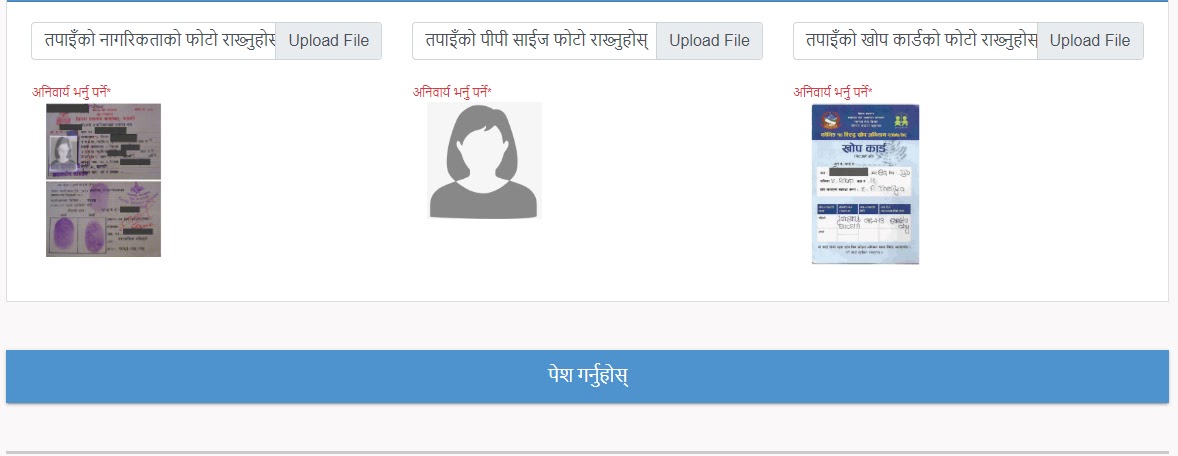
5. Upload asked documents
- Citizenship of nepal
- Photo
- Vaccine card
 |
| vaccine.mohp.gov.np screenshot 2 |
6. Click on पेश गर्नुहोस्।
 |
| vaccine.mohp.gov.np submit button |
7. Confirm your submission after asked.
Note your registration number दर्ता नं।
 |
| vaccine.mohp.gov.np language change |
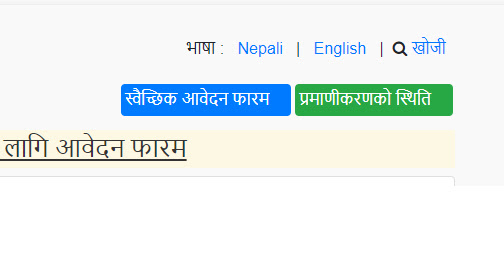
8. You can change language as well if needed.
If you need to check your verification status click the link on top प्रमाणिकरणको स्थिति. (alert-success)
Source: Ministry of Health & Population, Department of Health Services, Information Management Unit (IMU)/Integrated Health Information Management System (IHIMS), Nepal

20 menstrual cup tips for new users and old users 2025
Mesntrual cup insertion tips – Period hygiene tips for new users and old users
 |
| Mesntrual cup |
Table of Contents (toc)
Introduction
Period Hygiene is keeping yourself clean and comfortable during your menstrual period by using proper products and practices.
10 Simple Tips for Period Hygiene:
- Change pads or tampons every 4-8 hours.
- Wash your hands before and after changing products.
- Use a menstrual cup or organic products if you have sensitive skin.
- Keep your genital area clean and dry.
- Avoid using scented products to prevent irritation.
- Store period products in a clean, dry place.
- Dispose of used products properly.
- Wear breathable underwear.
- Use pantyliners for light days or spotting.
- Drink plenty of water and maintain good hygiene habits.
5 Pros of Menstrual Cups:
- Reusable and eco-friendly.
- Can be worn for up to 12 hours.
- Holds more fluid than tampons or pads.
- Reduces the risk of toxic shock syndrome.
- Cost-effective over time.
5 Cons of Menstrual Cups:
- Can be difficult to insert or remove.
- May cause discomfort if not fitted properly.
- Requires proper cleaning and maintenance.
- May be less convenient for public restrooms.
- Not always suitable for all body types or flow levels.
{
“@context”: “https://schema.org”,
“@type”: “FAQPage”,
“mainEntity”: [{
“@type”: “Question”,
“name”: “10 Simple Tips for Period Hygiene:”,
“acceptedAnswer”: {
“@type”: “Answer”,
“text”: “Change pads or tampons every 4-8 hours.
Wash your hands before and after changing products.
Use a menstrual cup or organic products if you have sensitive skin.
Keep your genital area clean and dry.
Avoid using scented products to prevent irritation.
Store period products in a clean, dry place.
Dispose of used products properly.
Wear breathable underwear.
Use pantyliners for light days or spotting.
Drink plenty of water and maintain good hygiene habits.”
}
},{
“@type”: “Question”,
“name”: “5 Pros of Menstrual Cups:”,
“acceptedAnswer”: {
“@type”: “Answer”,
“text”: “Reusable and eco-friendly.
Can be worn for up to 12 hours.
Holds more fluid than tampons or pads.
Reduces the risk of toxic shock syndrome.
Cost-effective over time.”
}
},{
“@type”: “Question”,
“name”: “5 Cons of Menstrual Cups:”,
“acceptedAnswer”: {
“@type”: “Answer”,
“text”: “Can be difficult to insert or remove.
May cause discomfort if not fitted properly.
Requires proper cleaning and maintenance.
May be less convenient for public restrooms.
Not always suitable for all body types or flow levels.”
}
}]
}
{
“@context”: “https://schema.org”,
“@type”: “FAQPage”,
“mainEntity”: [
{
“@type”: “Question”,
“name”: “How do I choose the right menstrual cup?”,
“acceptedAnswer”: {
“@type”: “Answer”,
“text”: “Finding the perfect fit involves considering factors such as size, firmness, and capacity. Select a cup that suits your body and flow for a comfortable and leak-free experience.”
}
},
{
“@type”: “Question”,
“name”: “How do I sterilize a menstrual cup before first use?”,
“acceptedAnswer”: {
“@type”: “Answer”,
“text”: “Before using a new cup or after a long break, sterilize it by boiling it in water for a few minutes. This ensures optimal hygiene and cleanliness.”
}
},
{
“@type”: “Question”,
“name”: “What are some folding techniques for menstrual cups?”,
“acceptedAnswer”: {
“@type”: “Answer”,
“text”: “Experiment with folds like the C-fold, punch-down fold, or 7-fold to find the one that is most comfortable and allows easy insertion.”
}
},
{
“@type”: “Question”,
“name”: “How can I locate my cervix for better placement of a menstrual cup?”,
“acceptedAnswer”: {
“@type”: “Answer”,
“text”: “Understanding the position of your cervix can help determine cup placement. Some cups work better for high cervixes, while others suit low cervixes.”
}
},
{
“@type”: “Question”,
“name”: “What should I do if the menstrual cup stem causes discomfort?”,
“acceptedAnswer”: {
“@type”: “Answer”,
“text”: “If the stem protrudes or feels uncomfortable, you can trim it to a suitable length. Avoid cutting too much to ensure easy removal.”
}
},
{
“@type”: “Question”,
“name”: “How often should I empty and clean my menstrual cup?”,
“acceptedAnswer”: {
“@type”: “Answer”,
“text”: “Menstrual cups can be worn for up to 12 hours, but empty and rinse them every 4-8 hours depending on your flow to maintain hygiene.”
}
},
{
“@type”: “Question”,
“name”: “How can I troubleshoot leaks with a menstrual cup?”,
“acceptedAnswer”: {
“@type”: “Answer”,
“text”: “Ensure the cup is positioned correctly, check the seal by rotating it or gently tugging the stem, or try a different cup size or shape.”
}
},
{
“@type”: “Question”,
“name”: “What are some tips for removing a menstrual cup?”,
“acceptedAnswer”: {
“@type”: “Answer”,
“text”: “Use your pelvic muscles to push the cup lower, pinch the base to release suction, and gently wiggle it out. Take your time to avoid discomfort.”
}
},
{
“@type”: “Question”,
“name”: “How should I clean and sanitize my menstrual cup between cycles?”,
“acceptedAnswer”: {
“@type”: “Answer”,
“text”: “Thoroughly clean and sanitize your cup using the manufacturer’s instructions or a specialized cup cleanser to ensure hygiene.”
}
},
{
“@type”: “Question”,
“name”: “What should I do if I encounter odor concerns with my menstrual cup?”,
“acceptedAnswer”: {
“@type”: “Answer”,
“text”: “Rinse the cup with cold water before cleaning it with warm water and mild soap. Alternatively, soak it in a mixture of water and vinegar.”
}
},
{
“@type”: “Question”,
“name”: “Can I use a menstrual cup while being active or exercising?”,
“acceptedAnswer”: {
“@type”: “Answer”,
“text”: “Yes, menstrual cups are suitable for activities like swimming, yoga, and sports. Once properly inserted, they provide reliable protection without restricting movement.”
}
},
{
“@type”: “Question”,
“name”: “When should I replace my menstrual cup?”,
“acceptedAnswer”: {
“@type”: “Answer”,
“text”: “Replace your menstrual cup if you notice signs of wear and tear, such as discoloration or a change in texture, to ensure safety and effectiveness.”
}
},
{
“@type”: “Question”,
“name”: “What should I do during the learning phase of using a menstrual cup?”,
“acceptedAnswer”: {
“@type”: “Answer”,
“text”: “During the learning phase, consider using a backup like panty liners or period underwear. Practice and be patient as you adjust to using the cup.”
}
}
]
}

Typhoid vaccine guideline Nepal (Rastriya Khop talika) 2081
Typhoid vaccine guideline Nepal (Rastriya Khop talika) 2081

Typhoid is a bacterial illness caused by Salmonalla Typhi bacteria.
Typhoid had been a amajor issue in part of the world with developing and underdeveloped countries.
Introduction: Typhoid Vaccine Guidelines in Nepal
Key Points
-
Target Groups:
- Children aged 9 months to 15 years are the primary focus for vaccination.
- High-risk groups such as healthcare workers, food handlers, and travelers to typhoid-endemic areas.
-
Vaccine Type:
- Typhoid Conjugate Vaccine (TCV): A single-dose vaccine recommended by the WHO, providing long-term protection.
- Other vaccines like Ty21a and Vi polysaccharide vaccine are alternatives but less commonly used in routine programs.
-
Schedule:
- Routine Immunization:
- TCV is typically given as a single dose after 6 months of age.
- Administered alongside other vaccines under Nepal’s National Immunization Program.
- Catch-up Vaccination Campaigns: Target children up to 15 years in endemic regions.
- Routine Immunization:
-
Administration:
- Intramuscular injection.
- Store the vaccine at 2–8°C to maintain efficacy.
-
Effectiveness and Duration:
- TCV provides protection for up to 5 years or longer.
- Booster doses are recommended based on the region’s typhoid burden.
-
Integration with Public Health Programs:
- TCV was introduced in Nepal’s Expanded Program on Immunization (EPI) in 2022.
- Vaccination is combined with water, sanitation, and hygiene (WASH) initiatives to control typhoid transmission.
-
Contraindications:
- Severe allergic reaction to previous doses.
- Defer vaccination during acute febrile illness.
-
Adverse Reactions:
- Mild and self-limiting, such as fever, redness, or swelling at the injection site.
- Serious adverse events are rare.
-
Monitoring and Surveillance:
- Regular disease surveillance to assess vaccine impact and coverage.
- Reporting of adverse events following immunization (AEFI).
Public Awareness Initiatives
- Education campaigns to highlight the importance of vaccination.
- Collaboration with schools and local organizations to improve coverage.
Global and Regional Context
- Nepal follows WHO guidelines for typhoid vaccination.
- Emphasis on reducing antimicrobial resistance caused by widespread typhoid infections.

National Immunization Schedule, Nepal
{
“@context”: “https://schema.org”,
“@type”: “FAQPage”,
“mainEntity”: [
{
“@type”: “Question”,
“name”: “Who should get the typhoid vaccine in Nepal?”,
“acceptedAnswer”: {
“@type”: “Answer”,
“text”: “In Nepal, the typhoid vaccine is recommended for children aged 9 months to 15 years, healthcare workers, food handlers, and individuals traveling to typhoid-endemic areas.”
}
},
{
“@type”: “Question”,
“name”: “What type of typhoid vaccine is used in Nepal?”,
“acceptedAnswer”: {
“@type”: “Answer”,
“text”: “Nepal primarily uses the Typhoid Conjugate Vaccine (TCV), which is a single-dose vaccine providing long-term protection. Other vaccines like Ty21a and Vi polysaccharide are alternatives but less commonly used.”
}
},
{
“@type”: “Question”,
“name”: “What is the schedule for typhoid vaccination in Nepal?”,
“acceptedAnswer”: {
“@type”: “Answer”,
“text”: “Under Nepal’s National Immunization Program, TCV is administered as a single dose after 6 months of age. Catch-up campaigns target children up to 15 years in typhoid-endemic regions.”
}
},
{
“@type”: “Question”,
“name”: “Are there any side effects of the typhoid vaccine in Nepal?”,
“acceptedAnswer”: {
“@type”: “Answer”,
“text”: “The typhoid vaccine in Nepal is generally safe. Mild side effects include fever, redness, or swelling at the injection site. Serious adverse reactions are extremely rare.”
}
},
{
“@type”: “Question”,
“name”: “Where can I get the typhoid vaccine in Nepal?”,
“acceptedAnswer”: {
“@type”: “Answer”,
“text”: “The typhoid vaccine is available at government health centers, hospitals, and vaccination camps organized under Nepal’s Expanded Program on Immunization (EPI).”
}
}
]
}

थाईराइड भनेको के हो? थाइराइडको लक्षण र कारणहरु Thyroid In Nepali
थाईराइड भनेको के हो? के हुन्छ थाईराइड हर्मोनको कमी वा बढि
भएमा? थाइराइडको लक्षण र कारणहरु Thyroid In Nepali
हाइपोथाइरोइडिज्मको लक्षणहरु:
थाइराइड हर्मोन हाम्रो शरीरलाई चाहिने महत्वपूर्ण हर्मोन हो। यो हर्मोन घाँटीको
अगाडिपट्टि हुने यही थाइराइड नामको ग्रन्थीले निकाल्दछ भने यो शरीरका सम्पूर्ण
कोष हरुलाई आवश्यक छ।
अगाडिपट्टि हुने यही थाइराइड नामको ग्रन्थीले निकाल्दछ भने यो शरीरका सम्पूर्ण
कोष हरुलाई आवश्यक छ।
बच्चाहरूलाई शारीरिक र मानसिक विकास र दैनिक रूपमा समेत आवश्यक पर्दछ भने वयस्क
हरुलाई समेत यसको आवश्यकता पर्दछ।
हरुलाई समेत यसको आवश्यकता पर्दछ।
थाइराइड हर्मोन बनाउनकालागि आयोडिन आवश्यक पर्दछ भने यो हामीले खाने खानामा
पाइन्छ। तर नेपालजस्तो पहाडी भूभागमा माटोमा आयोडिन काम हुने हुनाले हाम्रो
खानेकुरामा समेत आयोडिन कम हुन्छ। जसका कारण हामीलाई आयोडिन को कमी हुन सक्दछ।
पाइन्छ। तर नेपालजस्तो पहाडी भूभागमा माटोमा आयोडिन काम हुने हुनाले हाम्रो
खानेकुरामा समेत आयोडिन कम हुन्छ। जसका कारण हामीलाई आयोडिन को कमी हुन सक्दछ।
यही समस्यालाई समाधान गर्न नेपाल सरकारले खाने नुनमा आयोडिन राखेर बजारमा आयोडिन
युक्त नुन उपलव्ध गराएको छ। यो नुनको प्रयोगले आयोडिन को कमी हुन नदिई थाइरोइड को
कमी हुन बाट जोगाउछ।
युक्त नुन उपलव्ध गराएको छ। यो नुनको प्रयोगले आयोडिन को कमी हुन नदिई थाइरोइड को
कमी हुन बाट जोगाउछ।
थाइराइडको लक्षण वा रोग देखिएमा समयमा निदान गरी उपचार गर्नु उपयुक्त हुन्छ।
थाइरोइड कम हुनु राम्रो हैन भने, अर्को तिर थाइराइड बढी हुनु समेत झनै खतरनाक
हुन्छ। थाइराइड कम हुनु लाई हाइपोथाइरोइडिज्म भनिन्छ भने बढी हुने अवस्था
लाई हाइपरथाइरोइडिज्म भनिन्छ।
हुन्छ। थाइराइड कम हुनु लाई हाइपोथाइरोइडिज्म भनिन्छ भने बढी हुने अवस्था
लाई हाइपरथाइरोइडिज्म भनिन्छ।
 |
| Thyroid gland |
यो दुवैका लक्षण तथा चिह्नरु तल उल्लेख गरिएका छन्।
यो पनि पढ्नुहोस्: How to lose weight
हाइपोथाइरोइडिज्मको लक्षणहरु:
- थकान
- कमजोरी
- शरीर गलेको महशुस हुने
- स्मरण शक्तिमा कमि
- अनिन्द्रा
- मुड तलमाथि हुने
- स्रवण शक्तिमा ह्रास
- तौल बढ्ने
- ३ PM crash
- निद्रा बिग्रने
- नङ टुट्ने, खुइलिने
- जोर्नी र मासु दुख्ने
- कपाल खस्ने
- कब्जियत
- महिनावारि मा गडबडि, रगत कम वा बढी जाने
- चिसो सहन नसक्ने, बढि चिसो लाग्ने
- शरीरको तापक्रम कम हुने
- जिउ झमझमाउने
- कोमा
हाइपोथाइरोइडिज्मको चिह्नहरु:
- कपाल र आखीभौ पातलो हुने
- जिउ सुनिएको हुने, सुजन
- आखाको रोग
- स्वरमा परिवर्तन
- मुटुको चाल कम हुनु
- खुट्टा सुन्निएको
- जिउ चिसो हुने
- मानसिक समस्या
- सुस्त चाल
- डर अनुभव
भिटामिन डिको बारेमा पढ्नुहोस: यहाँ क्लिक गर्नूहोस्
थाइराइड कम र बढी हुनुमा लक्षण र चिन्ह हरु ठ्याक्कै उल्टा हुने गर्दछन्।
नेपालजस्तो पहाडी भूभागमा माटोमा आयोडिन काम हुने हुनाले हाम्रो खानेकुरामा
समेत आयोडिन कम हुन्छ। जसका कारण हामीलाई आयोडिन को कमी हुन सक्दछ
हाइपरथाइरोइडीजमका लक्षण हरु
- छट्पटी
- डर महसुस
- पसिना खलखली आउने
- शरीर काम्ने, एक्टिभिटी बढ्ने
- मुटु ढुकढुक हुने, धड्कन बढ्ने
हाइपरथाइरोइडिज्म का संकेत हरु
- मुटुको चाल बढ्ने, चाल गडबडी हुने
- रक्तचाप बढ्ने, pulse pressure वढी हुने
- जिउ धेरै ततिने
- आँखा सुन्निने आँखामा समस्त देखिने
- हात काप्ने
- मासु कमजोर हुने
- थकान लाग्ने
- तौल घट्ने
- भोक बढ्ने
- धेरै खाएर पनि तौल घट्ने
- महिनावारीमा गडबढी, रगत कम बग्ने
- घाँटी सुनिने
- गलगाँड आउने
यो बाहेक माथिका समस्याहरू अन्य थुप्रै कारणले समेत हुन सक्दछन्।
Read: World Thyroid day
यदि तपाईंलाई माथिका लक्षण देखिएमा नजिकैको स्वास्थ्य संस्था वा हामी सँग सम्पर्क
गर्नुहोस्
गर्नुहोस्
थप: www
Friendly blog:
www.doctorhealthrx.com
www.doctorhealthrx.com
{
“@context”: “https://schema.org”,
“@type”: “FAQPage”,
“mainEntity”: [{
“@type”: “Question”,
“name”: “हाइपोथाइरोइडिज्मको लक्षणहरु के के हुन?”,
“acceptedAnswer”: {
“@type”: “Answer”,
“text”: “थकान
कमजोरी
शरीर गलेको महशुस हुने
स्मरण शक्तिमा कमि
अनिन्द्रा
मुड तलमाथि हुने
स्रवण शक्तिमा ह्रास
तौल बढ्ने
३ PM crash
निद्रा बिग्रने
नङ टुट्ने, खुइलिने
जोर्नी र मासु दुख्ने
कपाल खस्ने
कब्जियत
महिनावारि मा गडबडि, रगत कम वा बढी जाने
चिसो सहन नसक्ने, बढि चिसो लाग्ने
शरीरको तापक्रम कम हुने
जिउ झमझमाउने
कोमा”
}
},{
“@type”: “Question”,
“name”: “हाइपोथाइरोइडिज्मको चिह्नहरु के के हुन?”,
“acceptedAnswer”: {
“@type”: “Answer”,
“text”: “कपाल र आखीभौ पातलो हुने
जिउ सुनिएको हुने, सुजन
आखाको रोग
स्वरमा परिवर्तन
मुटुको चाल कम हुनु
खुट्टा सुन्निएको
जिउ चिसो हुने
मानसिक समस्या
सुस्त चाल
डर अनुभव”
}
},{
“@type”: “Question”,
“name”: “हाइपरथाइरोइडीजमका लक्षण हरु के के हुन?”,
“acceptedAnswer”: {
“@type”: “Answer”,
“text”: “छट्पटी
डर महसुस
पसिना खलखली आउने
शरीर काम्ने, एक्टिभिटी बढ्ने
मुटु ढुकढुक हुने, धड्कन बढ्ने”
}
},{
“@type”: “Question”,
“name”: “हाइपरथाइरोइडिज्म का संकेत हरु के के हुन?”,
“acceptedAnswer”: {
“@type”: “Answer”,
“text”: “मुटुको चाल बढ्ने, चाल गडबडी हुने
रक्तचाप बढ्ने, pulse pressure वढी हुने
जिउ धेरै ततिने
आँखा सुन्निने आँखामा समस्त देखिने
हात काप्ने
मासु कमजोर हुने
थकान लाग्ने
तौल घट्ने
भोक बढ्ने
धेरै खाएर पनि तौल घट्ने
महिनावारीमा गडबढी, रगत कम बग्ने
घाँटी सुनिने
गलगाँड आउने”
}
}]
}
World thyroid day 25th May 2025-Thyroid Health Matters: Empower Yourself!
World Thyroid Day 2025: Empowering Thyroid Health for a Vibrant Future
Table of Contents (toc)
Introduction:
Every year on May 25th, World Thyroid Day is observed worldwide to raise awareness about thyroid-related disorders and promote the importance of thyroid health. In 2023, the theme for World Thyroid Day revolves around empowering individuals to take charge of their thyroid health and ensure a vibrant future.
This article aims to shed light on common thyroid disorders, prevention strategies, treatment options, and the significance of this year’s theme.
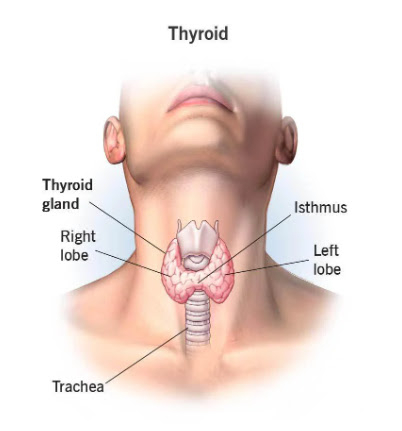 |
| Thyroid gland anatomy |
Theme of world thyroid day 2023:
Empowering Thyroid Health for a Vibrant Future
World thyroid day 2022 theme
It was: “It’s not you. It’s your thyroid”
Slogan of world thyroid day 2023:
“Thyroid Health Matters: Empower Yourself!”
Common Thyroid Disorders:
The thyroid gland, located in the neck, plays a vital role in regulating various bodily functions. Thyroid disorders occur when the thyroid gland produces an excessive or insufficient amount of thyroid hormones. The two most prevalent thyroid disorders are:
1. Hypothyroidism:
This condition occurs when the thyroid gland fails to produce enough thyroid hormones. Symptoms may include fatigue, weight gain, depression, dry skin, and sensitivity to cold.
2. Hyperthyroidism:
In contrast to hypothyroidism, hyperthyroidism refers to the overproduction of thyroid hormones. Common symptoms include weight loss, rapid heartbeat, anxiety, insomnia, and increased sensitivity to heat.
Prevention Modalities:
While some thyroid disorders may be caused by genetic factors or other underlying conditions, several preventive measures can help maintain a healthy thyroid:
1. Iodine Intake:
Adequate iodine consumption is crucial for proper thyroid function. Including iodine-rich foods such as seafood, dairy products, and iodized salt in your diet can help prevent thyroid disorders.
2. Balanced Diet:
Following a balanced diet with sufficient levels of vitamins, minerals, and antioxidants supports overall thyroid health. Foods like fruits, vegetables, lean proteins, and whole grains should be incorporated into daily meals.
3. Stress Management:
Chronic stress can adversely affect thyroid health. Practicing stress-reduction techniques such as meditation, yoga, or engaging in hobbies can help maintain a healthy thyroid.
Treatment Options:
Treatment for thyroid disorders depends on the specific condition and its severity. Common approaches include:
1. Medication for thyroid disorders:
Thyroid hormone replacement therapy is typically prescribed for individuals with hypothyroidism to restore hormone levels. Anti-thyroid medications, beta-blockers, or radioactive iodine may be used to manage hyperthyroidism.
2. Thyroid surgery:
In cases where medication or other treatments are ineffective, surgical intervention may be necessary. Partial or total thyroidectomy (removal of all or part of the thyroid gland) can be performed to treat thyroid disorders.
3. Radioactive Iodine Therapy:
This treatment involves the administration of radioactive iodine to destroy the overactive thyroid cells responsible for hyperthyroidism.
Conclusion:
World Thyroid Day 2023 focuses on empowering individuals to take proactive steps towards maintaining a healthy thyroid for a vibrant future. By understanding common thyroid disorders, implementing preventive measures, and seeking timely treatment, we can enhance our overall well-being. Remember, “Thyroid Health Matters: Empower Yourself!” Let us join hands to raise awareness, promote early detection, and ensure a brighter future for individuals living with thyroid disorders.