


Autoclave parameters
 |
| Autoclave parameters |
Thank you .
|
| Autoclave parameters |
CA 19-9 is a protein found in the blood that can indicate certain cancers, especially pancreatic cancer. It’s considered a tumor marker, which means it’s produced by cancer cells or normal cells in response to cancer. While healthy individuals may have small amounts of CA 19-9, elevated levels often signal pancreatic cancer. However, high CA 19-9 can also occur in other cancers or non-cancerous conditions like gallstones or liver cirrhosis. The test isn’t used alone for diagnosis but helps monitor cancer and treatment effectiveness. If you’re undergoing cancer treatment or have been diagnosed with pancreatic cancer, your healthcare provider may use CA 19-9 tests to track progress and detect recurrence123 (ca 19.9).

| Malignant |
| Pancreatic exocrine and neuroendocrine cancers |
| Biliary cancer (gallbladder, cholangiocarcinoma, ampullary cancers) |
| Hepatocellular cancer |
| Gastric, ovarian, colorectal cancer (less often) |
| Lung, breast, uterine cancer (rare) |
| Benign |
| Acute cholangitis |
| Cirrhosis and other cholestatic diseases (including gallstones) |

CMA loksewa question pdf
 |
| Tetanus details |
 |
| multiple-choice questions (MCQs) for the USMLE |
A. Left anterior descending artery
B. Left circumflex artery
C. Right coronary artery
D. Left main coronary artery
E. Posterior descending artery
A. Iron deficiency anemia
B. Thalassemia
C. Hemolytic anemia
D. Aplastic anemia
E. Sickle cell anemia
A. Intravenous heparin
B. Aspirin
C. Tissue plasminogen activator (tPA)
D. Warfarin
E. Clopidogrel
A. Asthma
B. Bronchiectasis
C. Cystic fibrosis
D. Primary ciliary dyskinesia
E. Tuberculosis
A 32-year-old woman presents with fever, arthralgias, and a malar rash. Laboratory findings reveal a positive antinuclear antibody (ANA) test and anti-double-stranded DNA antibodies. What is the most likely diagnosis?
A. Rheumatoid arthritis
B. Systemic lupus erythematosus
C. Sjogren’s syndrome
D. Dermatomyositis
E. Systemic sclerosis
A. Prostate cancer
B. Benign prostatic hyperplasia
C. Prostatitis
D. Urethral stricture
E. Bladder carcinoma
A. Hashimoto’s thyroiditis
B. Subacute thyroiditis
C. Graves’ disease
D. Toxic multinodular goiter
E. Thyroid adenoma
A. Tuberculosis
B. Sarcoidosis
C. Histoplasmosis
D. Berylliosis
E. Lymphoma
A. Cholecystitis
B. Ovarian torsion
C. Ectopic pregnancy
D. Acute appendicitis
E. Pelvic inflammatory disease
A. Hepatitis B
B. Primary sclerosing cholangitis
C. Choledocholithiasis
D. Alcoholic liver disease
E. Autoimmune hepatitis
C. Right coronary artery
C. Hemolytic anemia
C. Tissue plasminogen activator (tPA)
C. Cystic fibrosis
B. Systemic lupus erythematosus
B. Benign prostatic hyperplasia
C. Graves’ disease
B. Sarcoidosis
D. Acute appendicitis
C. Choledocholithiasis
 |
| 10 multiple-choice questions (MCQs) |
body {
font-family: Arial, sans-serif;
margin: 20px;
}
.quiz-container {
max-width: 600px;
margin: auto;
padding: 20px;
border: 1px solid #ccc;
border-radius: 10px;
}
.quiz-question {
margin-bottom: 20px;
}
.quiz-options label {
display: block;
margin-bottom: 10px;
}
.quiz-button {
padding: 10px 20px;
background-color: #4CAF50;
color: white;
border: none;
border-radius: 5px;
cursor: pointer;
}
.quiz-button:hover {
background-color: #45a049;
}
.result {
margin-top: 20px;
font-weight: bold;
}
1. Which class of drugs is most commonly used to treat hypertension?
2. Which of the following is a common symptom of myocardial infarction?
3. In patients with Type 1 Diabetes Mellitus, which is the primary treatment?
4. Which of the following conditions is characterized by inflammation of the liver?
5. Which of the following is a hallmark sign of Parkinson’s disease?
6. Chronic Obstructive Pulmonary Disease (COPD) is primarily associated with:
7. Which organism is most commonly responsible for community-acquired pneumonia?
8. Which electrolyte imbalance is commonly seen in chronic kidney disease?
9. A “bullseye” rash is characteristic of which condition?
10. Which of the following is a common complication of pregnancy-induced hypertension?
function checkAnswers() {
const answers = [‘A’, ‘C’, ‘B’, ‘C’, ‘B’, ‘B’, ‘B’, ‘B’, ‘C’, ‘C’];
let score = 0;
for (let i = 1; i <= 10; i++) {
const radios = document.getElementsByName('q' + i);
for (const radio of radios) {
if (radio.checked && radio.value === answers[i – 1]) {
score++;
break;
}
}
}
document.getElementById('result').innerText = 'Your score is: ' + score + '/10';
}
..

(toc)
Benzodiazepines, also known as “benzos” or “minor tranquilizers”, are a class of depressant drugs that slow down communication between the brain and body. They are often prescribed to treat anxiety, insomnia, and seizures, but can also be used for other conditions such as panic attacks, muscle spasms, and surgical sedation.
Benzodiazepines are classified in to: Short acting (1-6 hr) Moderate acting (10-20 hr) long acting (24-72 hr).
For moderate acting which are usually used to maintain the anxiolytic effects. Just memorize BELTA: Bromazepam Estazolam Alprazolam Lorazepam Temazepam
For Long acting which are used in epilepsy and various indications jus memorize CDFQ: Clonazepam Clorazepate Chlordiazepoxide Diazepam Flurazepam Quazepam.
Most of Benzodiazepines are Contraindicated in liver impaired patients. But few Benzodiazepines can be given in low doses or standard doses. For that just memorize LOT: Lorazepam Oxazepam Temazepam.
 |
| NHPC 9th license examination result link |
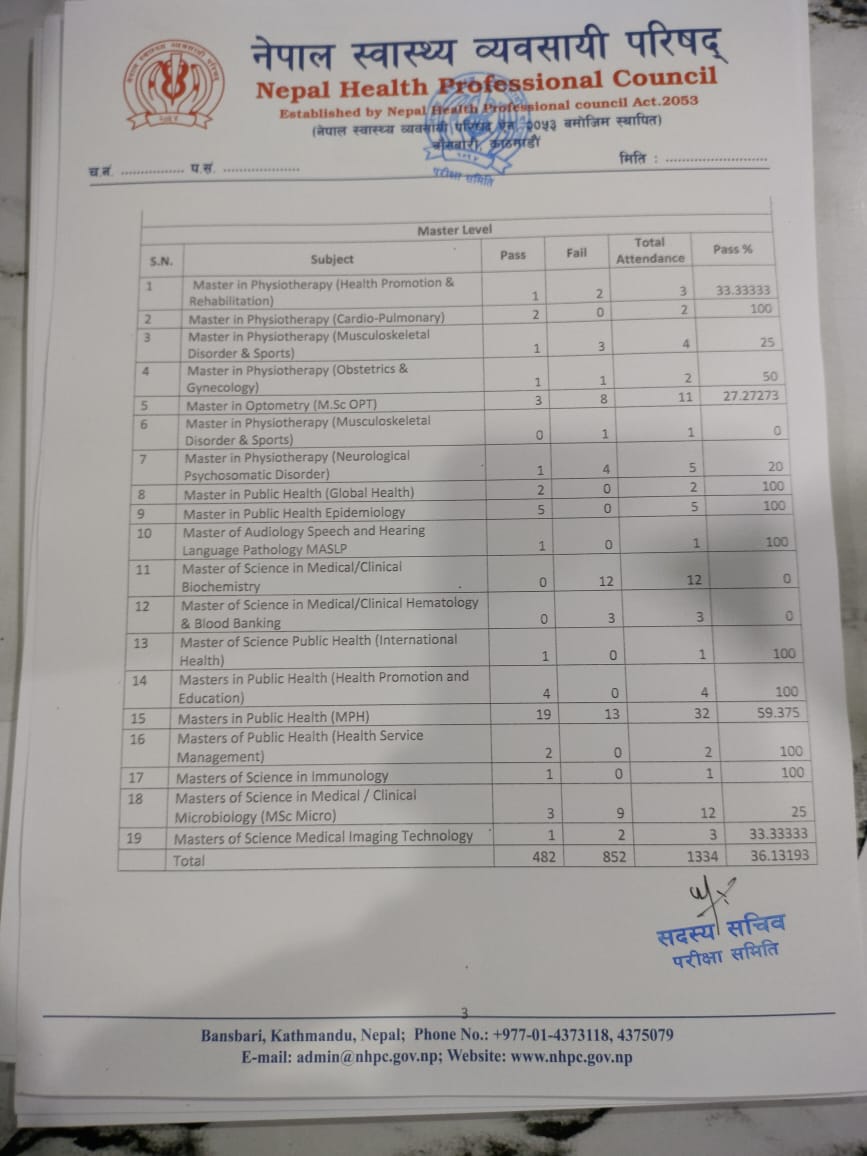
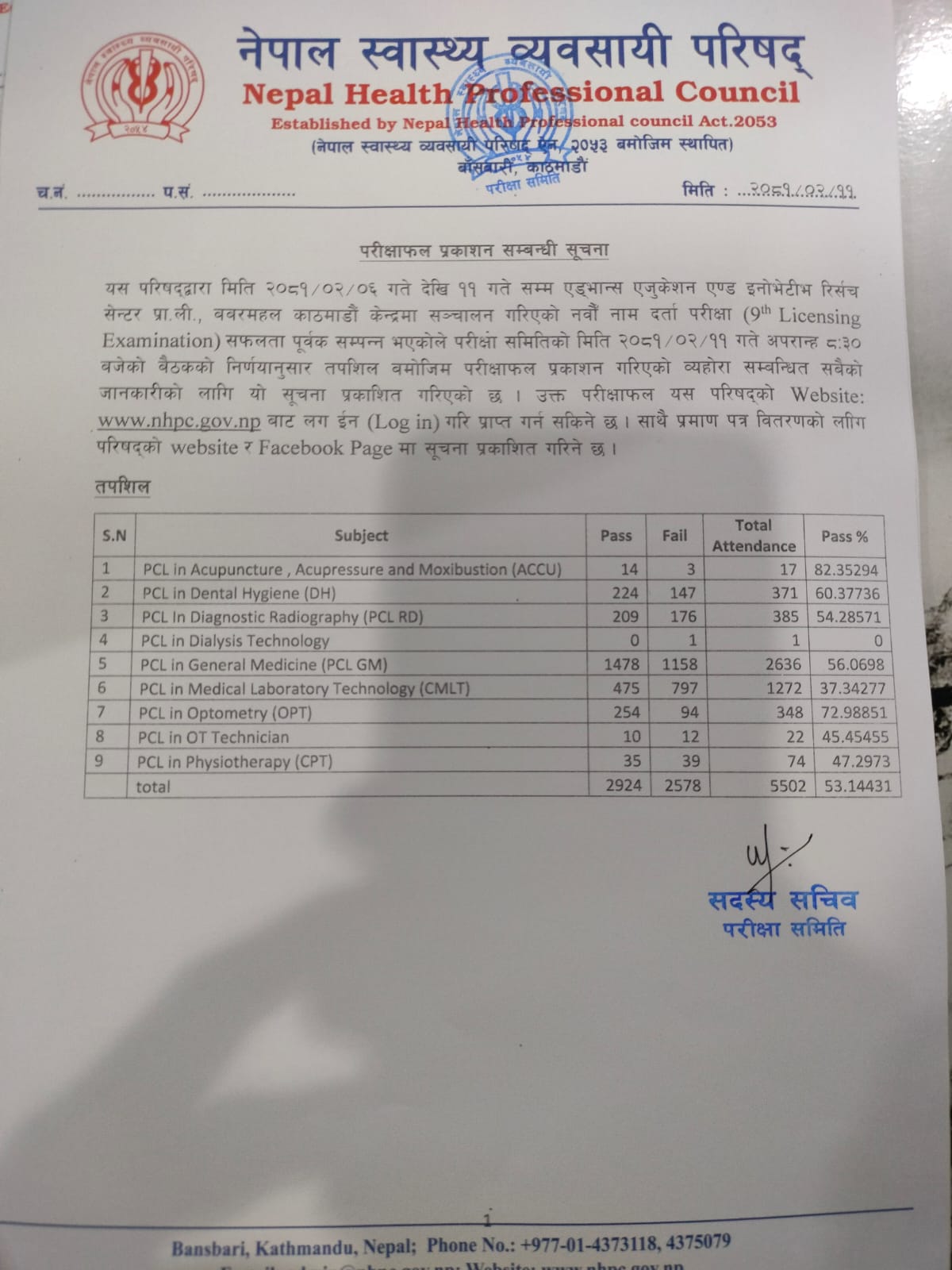
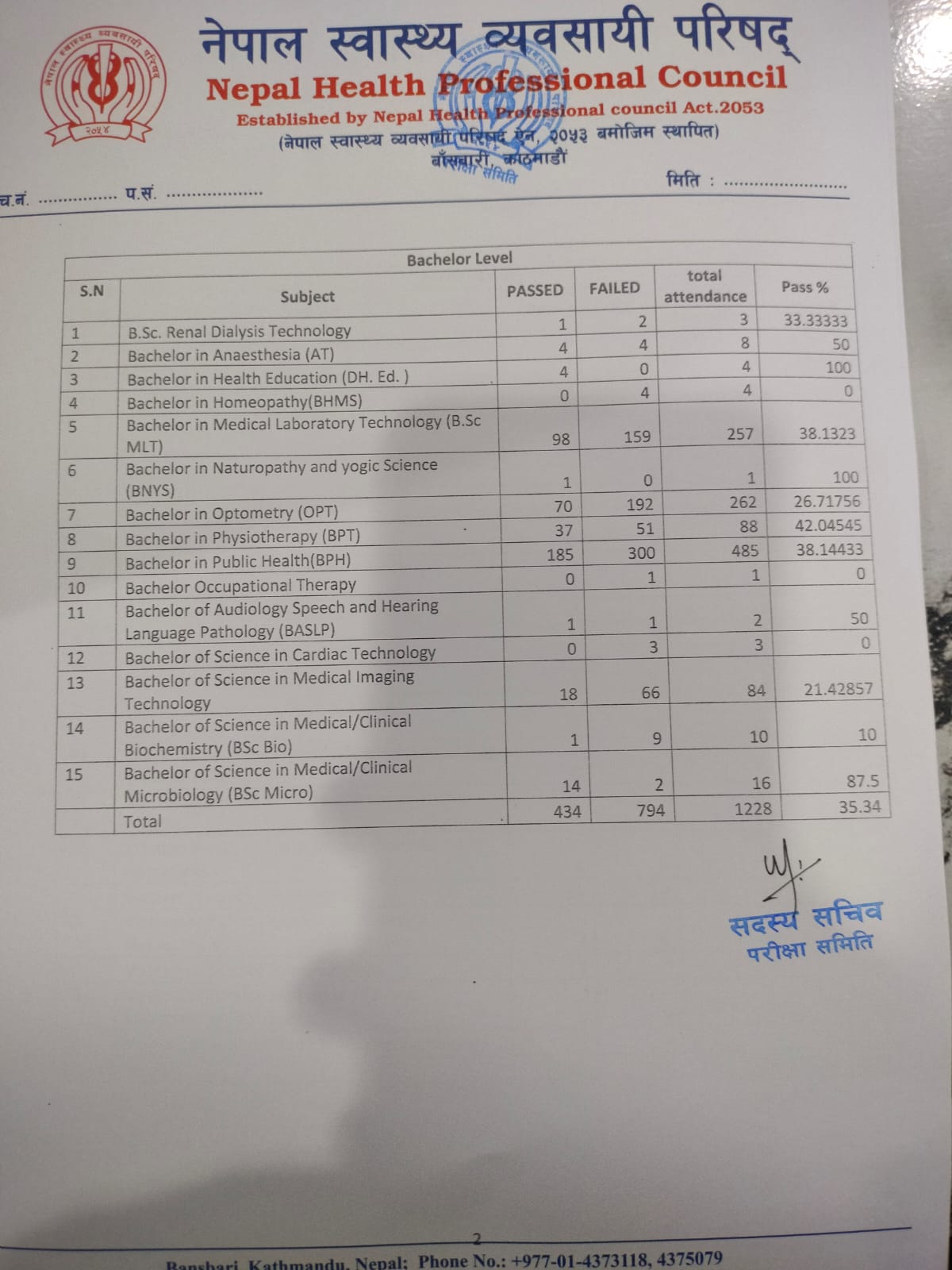

A) Increased muscle strength with exercise
 |
| Aedes mosquito: transmits dendue fever |
NTDs, or Neglected Tropical Diseases, are a group of infectious diseases that primarily affect impoverished populations in tropical and subtropical regions. These diseases are termed “neglected” because they receive less attention and funding compared to other global health issues, despite affecting over a billion people worldwide.
NTDs include diseases such as:
These diseases often lead to long-term disability, social stigma, and economic hardship, but they can be controlled or even eliminated with appropriate public health strategies and interventions.
७. चागस रोग
८. हयुमन अफ्रिकन ट्रीपानोसोमियासीस (स्लीपिंग सिकनेस)
९. कालाजार (भिसेरल लेशम्यानियासिस)
१०. टेनियासिस र न्यूरोसिस्टीसर्कोसिस
११. ड्राकुनकुलियासिस (गिनिया वोर्म रोग)
१२. इसिनोकोकोसीस
१३. खाना जन्य ट्रीम्याटोडीयासिस
Dr Chaitanya Joshi would love your feedback.
Post a review to our profile.
https://g.page/r/CQ6a6QPWm2GoEBI/review


