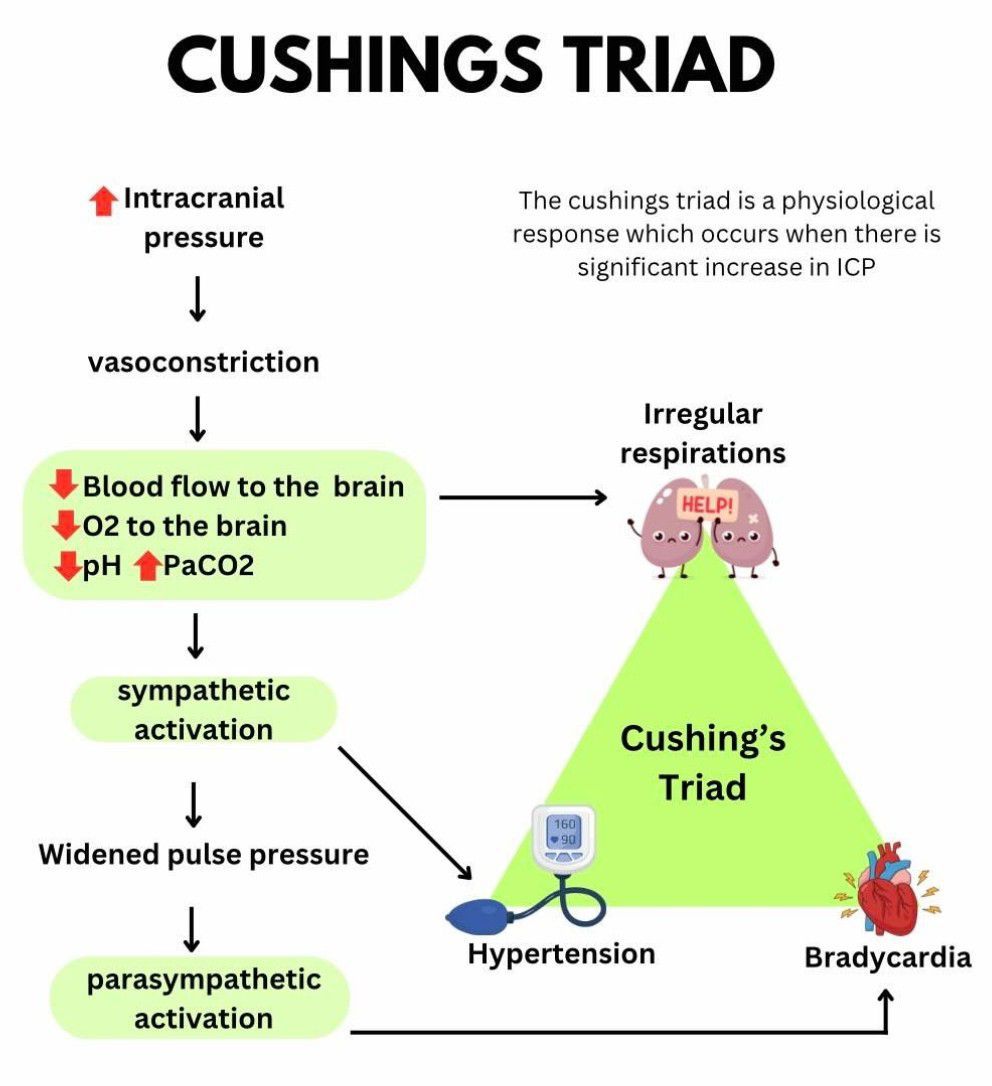
Variable difficulty level Questions for Medical Students and Paramedics

Variable difficulty 120 Multiple-Choice Questions (MCQs) to practice now(High yeild)

Table of Contents(toc)


Set 1 (Initial 20 Questions)

  1. Question: Which of the following is the most common cause of acute bronchitis?

    • A) Bacterial infection

    • B) Viral infection

    • C) Allergens

    • D) Smoking

    • Answer: B) Viral infection


  1. Question: What is the most likely complication of untreated hypertension (high blood pressure)?

    • A) Stroke

    • B) Asthma

    • C) Acute Glomerulonephritis

    • D) Tuberculosis

    • Answer: A) Stroke


  1. Question: A 50-year-old male presents with chest pain, sweating, and pain radiating to the left arm. What is the most probable diagnosis?

    • A) Angina

    • B) Myocardial Infarction (Heart Attack)

    • C) Pericarditis

    • D) Aortic Dissection

    • Answer: B) Myocardial Infarction


  1. Question: Which of the following is a common side effect of thiazide diuretics (water pills) used to manage hypertension?

    • A) Hyperkalemia (High Potassium)

    • B) Hypokalemia (Low Potassium)

    • C) Hypercalcemia (High Calcium)

    • D) Hyponatremia (Low Sodium)

    • Answer: B) Hypokalemia


  1. Question: Which of the following conditions is most associated with iron deficiency anemia?

    • A) Sickle Cell Anemia

    • B) Hemophilia

    • C) Chronic Blood Loss

    • D) Leukemia

    • Answer: C) Chronic Blood Loss


  1. Question: Which of the following is NOT a symptom of Parkinson’s disease?

    • A) Tremors

    • B) Bradykinesia (Slow movement)

    • C) Hyperreflexia (Overactive reflexes)

    • D) Muscle Rigidity

    • Answer: C) Hyperreflexia


  1. Question: A 45-year-old woman presents with unexplained weight gain, fatigue, and cold intolerance. She is diagnosed with hypothyroidism. What is the most likely cause?

    • A) Autoimmune thyroiditis (Hashimoto’s disease)

    • B) Graves’ disease

    • C) Thyroid cancer

    • D) Hyperparathyroidism

    • Answer: A) Autoimmune thyroiditis


  1. Question: Which of the following is the first-line treatment for acute gout (a sudden, painful attack)?

    • A) Allopurinol

    • B) Colchicine

    • C) NSAIDs (Nonsteroidal Anti-inflammatory Drugs)

    • D) Steroids

    • Answer: C) NSAIDs


  1. Question: A patient presents with fever, cough, and weight loss. A chest X-ray shows cavitary lesions in the upper lobes of the lungs. What is the most likely diagnosis?

    • A) Pneumonia

    • B) Tuberculosis (TB)

    • C) Bronchial Carcinoma (Lung Cancer)

    • D) Chronic Bronchitis

    • Answer: B) Tuberculosis


  1. Question: Which of the following is the hallmark (primary indicator) of diabetic ketoacidosis (DKA)?

    • A) Hyperglycemia (High blood sugar)

    • B) Metabolic Alkalosis

    • C) Hypercalcemia

    • D) Hypoglycemia (Low blood sugar)

    • Answer: A) Hyperglycemia


  1. Question: What is the most common presenting symptom of a cerebrovascular accident (CVA), commonly known as a stroke?

    • A) Seizure

    • B) Sudden headache

    • C) Sudden loss of vision

    • D) Sudden weakness or paralysis

    • Answer: D) Sudden weakness or paralysis


  1. Question: Which of the following is a major risk factor for developing ischemic heart disease (IHD)?

    • A) Hypothyroidism

    • B) Hyperthyroidism

    • C) Hyperlipidemia (High cholesterol/fats in blood)

    • D) Anemia

    • Answer: C) Hyperlipidemia


  1. Question: Which of the following is the most common cause of peptic ulcer disease?

    • A) NSAIDs (medication)

    • B) Stress

    • C) H. pylori infection

    • D) Alcohol consumption

    • Answer: C) H. pylori infection


  1. Question: A 40-year-old female presents with abdominal pain, jaundice (yellowing skin), and swelling in the abdomen (ascites). What is the most likely diagnosis?

    • A) Acute Hepatitis

    • B) Cirrhosis

    • C) Pancreatitis

    • D) Gallstones

    • Answer: B) Cirrhosis


  1. Question: What is the first-line medical treatment for hyperthyroidism (overactive thyroid) in the setting of Graves’ disease?

    • A) Radioactive iodine

    • B) Methimazole

    • C) Propylthiouracil (PTU)

    • D) Beta-blockers

    • Answer: B) Methimazole


  1. Question: What is the primary cause of chronic obstructive pulmonary disease (COPD)?

    • A) Air pollution

    • B) Tobacco smoking

    • C) Occupational exposure

    • D) Genetic factors

    • Answer: B) Tobacco smoking


  1. Question: Which of the following is a primary prevention strategy for colorectal cancer?

    • A) Screening for blood in stool

    • B) High-fiber diet

    • C) Chemotherapy

    • D) Surgical resection

    • Answer: B) High-fiber diet


  1. Question: What is the most common pathogen (germ) causing bacterial pneumonia in children?

    • A) Streptococcus pneumoniae

    • B) Haemophilus influenzae

    • C) Mycoplasma pneumoniae

    • D) Staphylococcus aureus

    • Answer: A) Streptococcus pneumoniae


  1. Question: Which of the following types of chronic viral hepatitis is a major cause of cirrhosis in adults?

    • A) Hepatitis A

    • B) Hepatitis B

    • C) Hepatitis C

    • D) Hepatitis E

    • Answer: C) Hepatitis C


  1. Question: What is a typical presentation of someone suffering from a myocardial infarction (heart attack)?

    • A) Sudden onset of shortness of breath

    • B) Persistent chest pain radiating to the left arm

    • C) Pain in the upper abdomen

    • D) Severe headache and blurred vision

    • Answer: B) Persistent chest pain radiating to the left arm


Set 2 (Questions 21–40)

  1. Question: Which of the following is a common complication of tuberculosis (TB)?

    • A) Pneumothorax (Collapsed lung)

    • B) Lung Abscess

    • C) Asthma

    • D) Pneumonia

    • Answer: B) Lung Abscess


  1. Question: A patient presents with fatigue, pallor, and tachycardia (rapid heart rate). Laboratory tests reveal microcytic anemia (small red blood cells). What is the most likely cause?

    • A) Vitamin B12 deficiency

    • B) Iron deficiency

    • C) Folate deficiency

    • D) Sickle cell anemia

    • Answer: B) Iron deficiency


  1. Question: What is the first-line treatment for anaphylaxis (a severe, life-threatening allergic reaction)?

    • A) Antihistamines

    • B) Intravenous fluids

    • C) Epinephrine

    • D) Corticosteroids

    • Answer: C) Epinephrine


  1. Question: Which of the following is the most common cause of acute renal (kidney) failure in hospitalized patients?

    • A) Pre-renal causes (e.g., severe dehydration or low blood flow)

    • B) Post-renal causes (e.g., obstruction)

    • C) Intrinsic renal causes (damage to the kidney itself)

    • D) Diabetes mellitus

    • Answer: A) Pre-renal causes


  1. Question: A 65-year-old male presents with shortness of breath, orthopnea (difficulty breathing when lying flat), and peripheral edema (swelling in the legs). What is the most likely diagnosis?

    • A) Chronic obstructive pulmonary disease

    • B) Congestive heart failure

    • C) Asthma

    • D) Pulmonary embolism

    • Answer: B) Congestive heart failure


  1. Question: What is the hallmark (primary indicator) of metabolic syndrome?

    • A) Hypotension

    • B) Hyperglycemia (High blood sugar)

    • C) Hyperkalemia

    • D) Hyperlipidemia

    • Answer: B) Hyperglycemia


  1. Question: Which of the following conditions is most commonly associated with polycythemia vera (a blood cancer characterized by too many red blood cells)?

    • A) Leukemia

    • B) Hypertension

    • C) Splenomegaly (Enlarged spleen)

    • D) Atrial fibrillation

    • Answer: C) Splenomegaly


  1. Question: A 3-year-old child presents with a barking cough and stridor (high-pitched breathing sound). What is the most likely diagnosis?

    • A) Epiglottitis

    • B) Croup

    • C) Bronchiolitis

    • D) Pneumonia

    • Answer: B) Croup


  1. Question: What is the most likely diagnosis for a patient presenting with a “butterfly” rash, joint pain, and a positive antinuclear antibody (ANA)?

    • A) Rheumatoid arthritis

    • B) Systemic lupus erythematosus (SLE)

    • C) Osteoarthritis

    • D) Ankylosing spondylitis

    • Answer: B) Systemic lupus erythematosus


  1. Question: Which of the following is a major risk factor for deep vein thrombosis (DVT)?

    • A) Smoking

    • B) Hypothyroidism

    • C) Physical inactivity (Immobility)

    • D) Hypercalcemia

    • Answer: C) Physical inactivity


  1. Question: A 60-year-old female presents with sudden onset of weakness in the right arm and leg. She has a history of hypertension. What is the most likely diagnosis?

    • A) Seizure

    • B) Stroke (Cerebrovascular accident)

    • C) Peripheral artery disease

    • D) Hypoglycemia

    • Answer: B) Stroke


  1. Question: What is the first-line medication treatment for major depressive disorder?

    • A) Cognitive Behavioral Therapy (CBT)

    • B) Electroconvulsive Therapy (ECT)

    • C) Selective Serotonin Reuptake Inhibitors (SSRIs)

    • D) Antipsychotic medications

    • Answer: C) Selective Serotonin Reuptake Inhibitors (SSRIs)


  1. Question: What is the most common pathogen responsible for bacterial meningitis in adults?

    • A) Neisseria meningitidis

    • B) Streptococcus pneumoniae

    • C) Haemophilus influenzae

    • D) Listeria monocytogenes

    • Answer: B) Streptococcus pneumoniae


  1. Question: What is the most common cause of acute pancreatitis (inflammation of the pancreas)?

    • A) Viral infections

    • B) Gallstones

    • C) Alcohol consumption

    • D) Autoimmune diseases

    • Answer: B) Gallstones


  1. Question: A 45-year-old woman with a history of rheumatoid arthritis presents with dry mouth, dry eyes, and difficulty swallowing. What is the most likely diagnosis?

    • A) Systemic lupus erythematosus

    • B) Sjogren’s syndrome

    • C) Osteoarthritis

    • D) Scleroderma

    • Answer: B) Sjogren’s syndrome


  1. Question: Which of the following is NOT a cause of liver cirrhosis?

    • A) Chronic hepatitis B infection

    • B) Chronic alcoholism

    • C) Non-alcoholic fatty liver disease

    • D) Cholelithiasis (Gallstones)

    • Answer: D) Cholelithiasis


  1. Question: A 40-year-old male presents with pain in his lower back and reduced range of motion. X-ray shows vertebral collapse. What is the most likely infectious diagnosis in a setting of bone and joint issues?

    • A) Osteoarthritis

    • B) Rheumatoid arthritis

    • C) Tuberculosis of the spine (Pott’s disease)

    • D) Compression fracture

    • Answer: C) Tuberculosis of the spine


  1. Question: A child presents with a persistent cough, wheezing, and chest tightness, which improve with bronchodilators. What is the most likely diagnosis?

    • A) Bronchitis

    • B) Asthma

    • C) Pneumonia

    • D) Tuberculosis

    • Answer: B) Asthma


  1. Question: A patient presents with a painful, swollen joint, especially in the big toe. What is the most likely diagnosis?

    • A) Rheumatoid arthritis

    • B) Gout

    • C) Osteoarthritis

    • D) Septic arthritis

    • Answer: B) Gout


  1. Question: Which of the following is a common side effect of long-term corticosteroid use?

    • A) Osteoporosis

    • B) Hypertension

    • C) Hyperglycemia

    • D) All of the above

    • Answer: D) All of the above


Set 3 (Questions 41–60)

  1. Question: What is the first-line medication treatment for an acute exacerbation (sudden worsening) of Chronic Obstructive Pulmonary Disease (COPD)?

    • A) Antibiotics

    • B) Oxygen therapy

    • C) Bronchodilators

    • D) Steroids

    • Answer: C) Bronchodilators


  1. Question: A 55-year-old male presents with a history of chest pain, sweating, and nausea. The ECG shows ST elevation. What is the most likely diagnosis?

    • A) Acute myocardial infarction (STEMI)

    • B) Angina

    • C) Aortic dissection

    • D) Pulmonary embolism

    • Answer: A) Acute myocardial infarction


  1. Question: Which of the following is a common microvascular (small blood vessel) complication of diabetes mellitus?

    • A) Stroke

    • B) Cataracts

    • C) Retinopathy (Damage to the eyes)

    • D) Osteoarthritis

    • Answer: C) Retinopathy


  1. Question: What is the most common cause of bacterial pneumonia in adults?

    • A) Streptococcus pneumoniae

    • B) Staphylococcus aureus

    • C) Haemophilus influenzae

    • D) Mycoplasma pneumoniae

    • Answer: A) Streptococcus pneumoniae


  1. Question: Which of the following is a characteristic feature of rheumatoid arthritis?

    • A) Pain and swelling in large joints

    • B) Joint deformities in small joints of hands and feet

    • C) Pain in weight-bearing joints

    • D) Absence of morning stiffness

    • Answer: B) Joint deformities in small joints of hands and feet


  1. Question: A patient presents with weakness, muscle cramps, and ECG changes of peaked T waves. What is the most likely diagnosis?

    • A) Hyperkalemia (High potassium)

    • B) Hypokalemia (Low potassium)

    • C) Hypercalcemia

    • D) Hypocalcemia

    • Answer: A) Hyperkalemia


  1. Question: A 30-year-old woman presents with a butterfly-shaped rash on her face, photosensitivity (sensitivity to light), and joint pain. What is the most likely diagnosis?

    • A) Systemic lupus erythematosus (SLE)

    • B) Rheumatoid arthritis

    • C) Dermatomyositis

    • D) Psoriasis

    • Answer: A) Systemic lupus erythematosus


  1. Question: A 45-year-old male with a history of alcohol abuse presents with jaundice, ascites (abdominal fluid), and spider angiomata (spider veins). What is the most likely diagnosis?

    • A) Hepatitis B

    • B) Hepatic cirrhosis

    • C) Pancreatitis

    • D) Non-alcoholic fatty liver disease

    • Answer: B) Hepatic cirrhosis


  1. Question: What is the most appropriate initial treatment for status epilepticus (a prolonged seizure or multiple seizures without recovery)?

    • A) Oral anticonvulsants

    • B) IV diazepam or lorazepam (Benzodiazepines)

    • C) IV fluids

    • D) Intramuscular phenytoin

    • Answer: B) IV diazepam or lorazepam


  1. Question: A 5-year-old child presents with a history of fever, painful swollen joints, and a rash. This constellation of symptoms after a throat infection suggests which diagnosis?

    • A) Rheumatic fever

    • B) Kawasaki disease

    • C) Systemic lupus erythematosus

    • D) Chickenpox

    • Answer: A) Rheumatic fever


  1. Question: Which of the following is a common cause of acute glomerulonephritis (kidney inflammation) in children following a throat or skin infection?

    • A) Staphylococcus aureus

    • B) Escherichia coli

    • C) Group A Streptococcus (Post-streptococcal glomerulonephritis)

    • D) Pseudomonas aeruginosa

    • Answer: C) Group A Streptococcus


  1. Question: What is the most common presentation of a myocardial infarction (heart attack) in a diabetic patient?

    • A) Severe chest pain

    • B) Shortness of breath

    • C) Asymptomatic or mild symptoms (Silent MI)

    • D) Nausea and vomiting

    • Answer: C) Asymptomatic or mild symptoms


  1. Question: A 35-year-old woman presents with abdominal pain, weight loss, and a palpable mass in her abdomen. What is a serious malignancy that should be considered?

    • A) Ovarian cyst

    • B) Colorectal carcinoma (Colon cancer)

    • C) Irritable bowel syndrome

    • D) Acute pancreatitis

    • Answer: B) Colorectal carcinoma


  1. Question: A patient presents with complaints of a new mole that is Asymmetrical, with irregular Borders, has multiple Colors, and a large Diameter (ABCDE rule). What is the most likely diagnosis?

    • A) Squamous cell carcinoma

    • B) Melanoma

    • C) Basal cell carcinoma

    • D) Seborrheic keratosis

    • Answer: B) Melanoma


  1. Question: A patient presents with a painful red eye and blurred vision after trauma. The slit-lamp exam reveals hypopyon (pus in the anterior chamber). What is the most likely diagnosis?

    • A) Conjunctivitis

    • B) Corneal ulcer

    • C) Acute angle-closure glaucoma

    • D) Uveitis (Inflammation of the middle layer of the eye)

    • Answer: D) Uveitis


  1. Question: Which of the following is a typical feature of asthma?

    • A) Unilateral chest pain

    • B) Wheezing and shortness of breath

    • C) Cyanosis and edema

    • D) Hemoptysis (Coughing up blood)

    • Answer: B) Wheezing and shortness of breath


  1. Question: Which of the following is the treatment of choice for a patient with acute cholecystitis (inflammation of the gallbladder)?

    • A) Antibiotics alone

    • B) Surgery (cholecystectomy)

    • C) Endoscopic retrograde cholangiopancreatography (ERCP)

    • D) Percutaneous drainage

    • Answer: B) Surgery (cholecystectomy)


  1. Question: A 25-year-old female presents with fever, headache, and a stiff neck. The CSF analysis shows an elevated white blood cell count, low glucose, and high protein. What is the most likely diagnosis?

    • A) Viral meningitis

    • B) Bacterial meningitis

    • C) Tuberculous meningitis

    • D) Fungal meningitis

    • Answer: B) Bacterial meningitis


  1. Question: A 50-year-old male presents with jaundice, pruritus (itching), and dark-colored urine. His liver function tests show elevated bilirubin and alkaline phosphatase. What is the most likely diagnosis, indicating bile flow obstruction?

    • A) Acute hepatitis

    • B) Hepatic cirrhosis

    • C) Cholelithiasis

    • D) Cholestasis (Impaired bile flow)

    • Answer: D) Cholestasis


  1. Question: A patient presents with sudden onset of severe, colicky abdominal pain, bloating, and constipation. On examination, there is absent bowel sounds. What is the most likely diagnosis?

    • A) Acute pancreatitis

    • B) Intestinal obstruction

    • C) Irritable bowel syndrome

    • D) Appendicitis

    • Answer: B) Intestinal obstruction


Set 4 (Questions 61–80, Higher Difficulty)

  1. Question: Which of the following is the most common cause of secondary hypertension (high blood pressure caused by another condition) in young adults?

    • A) Pheochromocytoma

    • B) Renal parenchymal disease (Kidney tissue disease)

    • C) Coarctation of the aorta

    • D) Hyperaldosteronism

    • Answer: B) Renal parenchymal disease


  1. Question: A patient with chronic obstructive pulmonary disease (COPD) presents with a productive cough, shortness of breath, and a barrel chest (emphysema type). Which of the following physical examination findings would you expect?

    • A) Decreased tactile fremitus

    • B) Increased tactile fremitus

    • C) Decreased resonance on percussion

    • D) Hyperresonance on percussion

    • Answer: D) Hyperresonance on percussion


  1. Question: The characteristic “bamboo spine” appearance on X-ray, due to fusion of vertebrae, is associated with which of the following diseases?

    • A) Rheumatoid arthritis

    • B) Ankylosing spondylitis

    • C) Osteoarthritis

    • D) Psoriatic arthritis

    • Answer: B) Ankylosing spondylitis


  1. Question: Which of the following is the first-line treatment for a patient with acute pancreatitis (inflammation of the pancreas)?

    • A) Intravenous fluids

    • B) Antibiotics

    • C) Surgical resection

    • D) Insulin therapy

    • Answer: A) Intravenous fluids


  1. Question: A 40-year-old male presents with a history of fever, night sweats, and weight loss. Chest X-ray shows a cavitary lesion in the upper lobe of the lung. Which of the following is the most likely diagnosis?

    • A) Pulmonary tuberculosis

    • B) Lung cancer

    • C) Histoplasmosis

    • D) Pneumocystis pneumonia

    • Answer: A) Pulmonary tuberculosis


  1. Question: What is the most common and life-threatening complication of deep vein thrombosis (DVT)?

    • A) Pulmonary embolism

    • B) Stroke

    • C) Myocardial infarction

    • D) Renal failure

    • Answer: A) Pulmonary embolism


  1. Question: In a patient with suspected bacterial meningitis, which of the following is the most appropriate initial step after drawing blood cultures but before a lumbar puncture, if there are no signs of increased intracranial pressure?

    • A) CT scan of the brain

    • B) Blood cultures

    • C) Lumbar puncture for cerebrospinal fluid analysis

    • D) Administer broad-spectrum antibiotics

    • Answer: C) Lumbar puncture for cerebrospinal fluid analysis (Note: In practice, antibiotics are often given immediately after cultures if LP is delayed by CT scan.)


  1. Question: Which of the following is the hallmark finding of nephrotic syndrome?

    • A) Hematuria

    • B) Proteinuria greater than 3.5 g/day

    • C) Hypertension

    • D) Hyperkalemia

    • Answer: B) Proteinuria greater than 3.5 g/day


  1. Question: A 28-year-old woman presents with amenorrhea (absence of periods), hirsutism (excess hair), and obesity. She also has acne and irregular periods. The most likely diagnosis is:

    • A) Polycystic ovary syndrome (PCOS)

    • B) Primary ovarian insufficiency

    • C) Hyperprolactinemia

    • D) Pituitary adenoma

    • Answer: A) Polycystic ovary syndrome (PCOS)


  1. Question: The most common presenting symptom of acute myocardial infarction (heart attack) is:

    • A) Palpitations

    • B) Chest pain

    • C) Shortness of breath

    • D) Nausea and vomiting

    • Answer: B) Chest pain


  1. Question: Which of the following is the characteristic microscopic finding in Guillain-Barré syndrome (an acute paralytic illness)?

    • A) Wallerian degeneration

    • B) Axonal swelling

    • C) Demyelination of peripheral nerves

    • D) Gliosis

    • Answer: C) Demyelination of peripheral nerves


  1. Question: Which of the following medications is commonly used as the initial, long-term anti-thyroid drug in the management of hyperthyroidism due to Graves’ disease?

    • A) Methimazole

    • B) Levothyroxine

    • C) Propylthiouracil

    • D) Iodine 131

    • Answer: A) Methimazole


  1. Question: A patient presents with difficulty swallowing, hoarseness of voice, and a hard, non-mobile thyroid nodule. The most likely, and most aggressive, diagnosis is:

    • A) Benign thyroid adenoma

    • B) Subacute thyroiditis

    • C) Papillary thyroid carcinoma (Most common thyroid cancer type)

    • D) Hashimoto’s thyroiditis

    • Answer: C) Papillary thyroid carcinoma


  1. Question: What is the most common site for an acute ischemic cerebrovascular accident (stroke)?

    • A) Middle cerebral artery

    • B) Anterior cerebral artery

    • C) Posterior cerebral artery

    • D) Vertebral artery

    • Answer: A) Middle cerebral artery


  1. Question: Which of the following blood tests is the most sensitive screening tool for diagnosing systemic lupus erythematosus (SLE)?

    • A) Antinuclear antibody (ANA)

    • B) C-reactive protein (CRP)

    • C) Rheumatoid factor (RF)

    • D) Complete blood count (CBC)

    • Answer: A) Antinuclear antibody (ANA)


  1. Question: A patient with a history of alcoholism presents with the triad of confusion, ataxia (uncoordinated gait), and ophthalmoplegia (eye movement abnormalities). What is the most likely diagnosis?

    • A) Korsakoff syndrome

    • B) Wernicke encephalopathy (Thiamine deficiency)

    • C) Alcoholic hallucinosis

    • D) Alcoholic liver disease

    • Answer: B) Wernicke encephalopathy


  1. Question: Which of the following is the first-line rescue treatment for a patient with acute asthma exacerbation?

    • A) Inhaled corticosteroids

    • B) Oral corticosteroids

    • C) Beta-agonists (e.g., albuterol/salbutamol)

    • D) Theophylline

    • Answer: C) Beta-agonists (e.g., albuterol)


  1. Question: Which of the following endocrine disorders is most likely to cause both hypo- and hyperkalemia (abnormal potassium levels) over its clinical course, though often causes hypokalemia?

    • A) Primary hyperaldosteronism

    • B) Cushing’s syndrome

    • C) Pheochromocytoma

    • D) Hyperthyroidism

    • Answer: A) Primary hyperaldosteronism


  1. Question: A patient is diagnosed with tuberculosis and is started on anti-tuberculosis treatment. Which of the following is the most common, non-pathological, and easily recognizable side effect of rifampin?

    • A) Hepatotoxicity

    • B) Hemolytic anemia

    • C) Orange discoloration of urine

    • D) Nephrotoxicity

    • Answer: C) Orange discoloration of urine


  1. Question: A 55-year-old male with a history of hypertension presents with sudden, severe “thunderclap” headache, vomiting, and altered mental status. On examination, he has neck stiffness. What is the most likely hemorrhagic diagnosis?

    • A) Subarachnoid hemorrhage

    • B) Ischemic Stroke

    • C) Meningitis

    • D) Acute glaucoma

    • Answer: A) Subarachnoid hemorrhage


Set 5 (Questions 81–100, Slightly Higher Difficulty)

  1. Question: Which of the following is a common complication of chronic obstructive pulmonary disease (COPD) that indicates a failure of gas exchange?

    • A) Pulmonary embolism

    • B) Respiratory acidosis

    • C) Pleural effusion

    • D) Pneumothorax

    • Answer: B) Respiratory acidosis


  1. Question: What is the most common cause of hyperkalemia (high potassium) in patients with acute renal failure that specifically involves direct kidney damage?

    • A) Metabolic alkalosis

    • B) Severe dehydration

    • C) Renal tubular acidosis

    • D) Acute tubular necrosis (ATN)

    • Answer: D) Acute tubular necrosis


  1. Question: Which of the following is the most reliable test for definitively diagnosing active tuberculosis in a patient with a chronic cough and weight loss?

    • A) Sputum culture for Mycobacterium tuberculosis

    • B) Chest X-ray

    • C) Tuberculin skin test (PPD)

    • D) Interferon-gamma release assay (IGRA)

    • Answer: A) Sputum culture for Mycobacterium tuberculosis


  1. Question: In regions like Nepal, which of the following is a common cause of hepatocellular carcinoma (liver cancer) linked to a chronic infection?

    • A) Chronic alcohol use

    • B) Hepatitis B infection

    • C) Non-alcoholic fatty liver disease

    • D) Hemochromatosis

    • Answer: B) Hepatitis B infection


  1. Question: In a patient with acute pancreatitis, which of the following enzymes is typically elevated for the longest duration, making it a reliable diagnostic marker?

    • A) Amylase

    • B) Lipase

    • C) Alkaline phosphatase

    • D) Alanine aminotransferase (ALT)

    • Answer: B) Lipase


  1. Question: Which of the following is a known, life-threatening complication of untreated hyperthyroidism?

    • A) Myxedema coma

    • B) Graves’ disease (The cause, not complication)

    • C) Thyroid storm

    • D) Cushing’s syndrome

    • Answer: C) Thyroid storm


  1. Question: Which of the following medications is a rescue inhaler used to treat acute asthma exacerbation?

    • A) Long-acting beta-agonist (LABA)

    • B) Inhaled corticosteroids (ICS)

    • C) Short-acting beta-agonist (SABA)

    • D) Leukotriene receptor antagonists

    • Answer: C) Short-acting beta-agonist


  1. Question: Which of the following is the most important first-line medication in the immediate management of a patient with an acute myocardial infarction (heart attack)?

    • A) Thrombolytic therapy

    • B) Angiotensin-converting enzyme inhibitors

    • C) Antiplatelet agents (Aspirin)

    • D) Beta-blockers

    • Answer: C) Antiplatelet agents (Specifically Aspirin)


  1. Question: Which of the following is a highly specific characteristic feature of Systemic Lupus Erythematosus (SLE)?

    • A) Joint pain without swelling

    • B) Butterfly-shaped rash across the cheeks and nose (Malar rash)

    • C) Raynaud’s phenomenon

    • D) Elevated liver enzymes

    • Answer: B) Butterfly-shaped rash across the cheeks and nose


  1. Question: In a patient with chronic heart failure, which of the following is the most common cause of right-sided heart failure?

    • A) Left ventricular failure (Most common in modern countries)

    • B) Pulmonary hypertension (Can be a cause, but LVF is the most common precursor)

    • C) Coronary artery disease

    • D) Aortic valve stenosis

    • Answer: A) Left ventricular failure


  1. Question: Which of the following is the classic characteristic feature of Guillain-Barré syndrome (an autoimmune disorder of the peripheral nervous system)?

    • A) Ascending paralysis (Starting in the feet and moving up)

    • B) Reflex hyperactivity (Hyporeflexia/areflexia is typical)

    • C) Muscle weakness of the upper limbs only

    • D) Presence of Babinski sign

    • Answer: A) Ascending paralysis


  1. Question: Which of the following is the preferred initial diagnostic test for a patient with suspected acute stroke to differentiate between ischemic and hemorrhagic causes?

    • A) MRI of the brain

    • B) CT scan of the brain without contrast

    • C) Cerebral angiography

    • D) Electroencephalogram (EEG)

    • Answer: B) CT scan of the brain without contrast


  1. Question: Which of the following is the most common type of primary carcinoma (cancer) in the lungs, particularly in non-smokers and women?

    • A) Small cell lung cancer

    • B) Squamous cell carcinoma

    • C) Adenocarcinoma

    • D) Large cell carcinoma

    • Answer: C) Adenocarcinoma


  1. Question: Which of the following is a typical clinical feature of acute appendicitis?

    • A) Severe right upper quadrant pain

    • B) Periumbilical pain that shifts to the right lower quadrant

    • C) Left lower quadrant tenderness

    • D) Pain with deep inspiration

    • Answer: B) Periumbilical pain that shifts to the right lower quadrant


  1. Question: What is the primary cause of the elevated intracranial pressure in a patient with severe traumatic brain injury?

    • A) Cerebral edema (Swelling of the brain tissue)

    • B) Subdural hematoma

    • C) Epidural hematoma

    • D) Brain herniation

    • Answer: A) Cerebral edema


  1. Question: Which of the following is a characteristic feature of Cushing’s syndrome (excess cortisol)?

    • A) Hypotension

    • B) Hypoglycemia

    • C) Weight gain with central obesity (Truncal obesity)

    • D) Hyperkalemia

    • Answer: C) Weight gain with central obesity


  1. Question: What is the most common cause of bacterial meningitis in adults, specifically in community-acquired cases?

    • A) Streptococcus pneumoniae

    • B) Neisseria meningitidis

    • C) Haemophilus influenzae

    • D) Listeria monocytogenes

    • Answer: A) Streptococcus pneumoniae


  1. Question: What is the most common type of anemia globally and in developing countries like Nepal?

    • A) Pernicious anemia

    • B) Iron-deficiency anemia

    • C) Sickle cell anemia

    • D) Thalassemia

    • Answer: B) Iron-deficiency anemia


  1. Question: Which of the following is a long-term complication of untreated acute glomerulonephritis?

    • A) Chronic renal failure

    • B) Nephrotic syndrome

    • C) Renal tubular acidosis

    • D) Hypertension

    • Answer: A) Chronic renal failure


  1. Question: Which of the following is the most common cause of upper gastrointestinal bleeding?

    * A) Peptic ulcer disease

    * B) Esophageal varices

    * C) Gastritis

    * D) Mallory-Weiss tear

    * Answer: A) Peptic ulcer disease


Set 6 (Questions 101–120, Highest Difficulty)

  1. Question: A patient presents with sudden onset of hemiparesis (one-sided weakness), aphasia (speech difficulty), and a CT scan shows a well-defined dark area (infarct) in the middle cerebral artery territory. Which of the following is the most likely diagnosis?

    * A) Cerebral venous thrombosis

    * B) Cerebrovascular accident (Ischemic Stroke)

    * C) Meningitis

    * D) Encephalitis

    * Answer: B) Cerebrovascular accident


  1. Question: Which of the following is the complete hallmark sign of diabetic ketoacidosis (DKA)?

    * A) Hyperkalemia

    * B) Hypoglycemia

    * C) Hyperglycemia with metabolic acidosis

    * D) Hyponatremia

    * Answer: C) Hyperglycemia with metabolic acidosis


  1. Question: In a patient with rheumatoid arthritis, which of the following findings is most characteristic of the earliest stages on X-ray?

    * A) Joint space narrowing

    * B) Bone sclerosis

    * C) Subchondral cysts

    * D) Osteophytes

    * Answer: A) Joint space narrowing


  1. Question: Which of the following is a common, specific, and unique feature of Graves’ disease (Hyperthyroidism)?

    * A) Hypothyroidism

    * B) Pretibial myxedema (Skin thickening on the shins)

    * C) Goiter without exophthalmos

    * D) Weight gain

    * Answer: B) Pretibial myxedema


  1. Question: A 45-year-old man presents with worsening shortness of breath, crackles (rales) on chest auscultation, and edema. His ECG shows signs of left ventricular hypertrophy. What is the most likely diagnosis?

    * A) Acute myocardial infarction

    * B) Chronic obstructive pulmonary disease

    * C) Congestive heart failure

    * D) Pulmonary embolism

    * Answer: C) Congestive heart failure


  1. Question: Which of the following is a key, highly sensitive diagnostic criterion for a diagnosis of systemic lupus erythematosus (SLE)?

    * A) Positive antinuclear antibodies (ANA)

    * B) Hyperkalemia

    * C) Decreased creatinine clearance

    * D) Absence of malar rash

    * Answer: A) Positive antinuclear antibodies (ANA)


  1. Question: What is the most appropriate initial medication for a patient in status epilepticus (prolonged or repeated seizures)?

    * A) Intravenous diazepam

    * B) Intravenous phenytoin

    * C) Intravenous lorazepam

    * D) Oral carbamazepine

    * Answer: C) Intravenous lorazepam (Often preferred over diazepam due to longer duration of action)


  1. Question: What is the most appropriate management for a patient with acute bacterial meningitis after obtaining blood cultures and immediately following a confirmed or highly suspected diagnosis?

    * A) Intravenous acyclovir

    * B) Intravenous antibiotics targeting Streptococcus pneumoniae (Initial broad-spectrum is often used, but S. pneumoniae is the primary target)

    * C) Oral antivirals

    * D) Supportive care with corticosteroids

    * Answer: B) Intravenous antibiotics targeting Streptococcus pneumoniae


  1. Question: What is the most likely cause of an isolated elevated ALT (alanine aminotransferase) level in a patient with a history of chronic alcohol consumption, where the AST:ALT ratio is typically greater than 2:1?

    * A) Hepatitis B

    * B) Hepatitis C

    * C) Alcoholic liver disease

    * D) Non-alcoholic fatty liver disease

    * Answer: C) Alcoholic liver disease


  1. Question: Which of the following is the most common organism responsible for causing hospital-acquired pneumonia (HAP), particularly in critically ill patients?

    * A) Streptococcus pneumoniae

    * B) Haemophilus influenzae

    * C) Methicillin-resistant Staphylococcus aureus (MRSA)

    * D) Mycoplasma pneumoniae

    * Answer: C) Methicillin-resistant Staphylococcus aureus (MRSA)


  1. Question: In a patient with iron-deficiency anemia, which of the following is the most likely laboratory finding that directly indicates low iron stores?

    * A) Increased serum ferritin

    * B) Decreased serum iron

    * C) Increased serum vitamin B12

    * D) Elevated mean corpuscular volume (MCV)

    * Answer: B) Decreased serum iron


  1. Question: In a patient with an acute myocardial infarction, which of the following is the most important first step in management upon presentation?

    * A) Intravenous morphine

    * B) Oxygen therapy

    * C) Aspirin administration (Immediate antiplatelet therapy)

    * D) Thrombolysis

    * Answer: C) Aspirin administration


  1. Question: Which of the following is the best indicator of proteinuria, and thus the best indicator of kidney damage, in a patient with nephrotic syndrome?

    * A) Serum creatinine

    * B) Urinary albumin-to-creatinine ratio

    * C) Serum potassium levels

    * D) Blood urea nitrogen (BUN)

    * Answer: B) Urinary albumin-to-creatinine ratio


  1. Question: Which of the following is most commonly associated with a sudden onset of pleuritic chest pain (pain with breathing), dyspnea (shortness of breath), and an elevated D-dimer level?

    * A) Acute myocardial infarction

    * B) Pulmonary embolism

    * C) Pneumonia

    * D) Tuberculosis

    * Answer: B) Pulmonary embolism


  1. Question: Which of the following is a characteristic feature of Parkinson’s disease?

    * A) Hyperreflexia

    * B) Resting tremor

    * C) Muscle weakness

    * D) Visual hallucinations

    * Answer: B) Resting tremor


  1. Question: A 50-year-old woman presents with dysphagia (difficulty swallowing), regurgitation, and weight loss. Endoscopy reveals a tumor in the lower esophagus. What is the most likely malignant diagnosis?

    * A) Achalasia

    * B) Gastroesophageal reflux disease (GERD)

    * C) Esophageal carcinoma

    * D) Esophageal varices

    * Answer: C) Esophageal carcinoma


  1. Question: Which of the following is a major local complication of acute pancreatitis that can present weeks later?

    * A) Peritonitis

    * B) Pancreatic pseudocyst

    * C) Hepatic encephalopathy

    * D) Gastrointestinal bleeding

    * Answer: B) Pancreatic pseudocyst


  1. Question: In a patient with established hypertension and persistent proteinuria (protein in the urine), which of the following is the most likely long-term renal complication?

    * A) Glomerulonephritis

    * B) Chronic kidney disease

    * C) Nephrotic syndrome

    * D) Nephritic syndrome

    * Answer: B) Chronic kidney disease


  1. Question: What is the most common cause of acute viral hepatitis in Nepal?

    * A) Hepatitis A virus

    * B) Hepatitis B virus

    * C) Hepatitis C virus

    * D) Hepatitis E virus

    * Answer: D) Hepatitis E virus (The user’s previous set suggested Hepatitis A, but D is more regionally relevant for a water-borne epidemic)


  1. Question: A patient presents with a history of fever, malaise, and a characteristic butterfly-shaped rash on the face. What is the most likely systemic autoimmune diagnosis?

    * A) Rheumatoid arthritis

    * B) Systemic lupus erythematosus

    * C) Dermatomyositis

    * D) Sjogren’s syndrome

    * Answer: B) Systemic lupus erythematosus

Physiology of Taste Buds: A note for medical students and Pathology

How Does the Tongue Detect Taste? A Deep Dive into the Science of Flavor

Table of Contents(toc)
taste buds

Whether you’re savoring a spicy curry or cringing at a bitter cough syrup, your tongue is constantly at work—analyzing every molecule that lands on it. But how does this muscular organ decode the complex language of flavor?

Let’s take a closer look at gustation, the sense of taste, and break down the physiology and neurobiology behind it. Whether you’re a curious foodie or a budding medical student, this one’s for you.


First Things First: What Is Taste?

Taste is one of the five classical senses and refers specifically to the chemical detection of molecules by taste receptor cells (TRCs). These cells are organized within taste buds, which are found primarily on the tongue, but also on the soft palate, epiglottis, pharynx, and upper esophagus.

Gustation is distinct from flavor, which is a combination of taste, smell, texture, temperature, and even pain (think chili peppers).


The Anatomy of Taste

Taste Papillae: Where It All Begins

Your tongue isn’t smooth—it’s covered in small structures called papillae, some of which contain taste buds:

Papilla Type Location Taste Buds Present?
Fungiform Tip and sides of the tongue Yes
Foliate Lateral posterior tongue Yes
Circumvallate Back of the tongue (in a V-shape) Yes (numerous)
Filiform Most numerous, all over tongue No (tactile only)

Each taste bud contains 50–100 taste receptor cells, which have microvilli that project into a taste pore to sample the surrounding saliva.


The Five Basic Tastes

The human tongue can detect five primary taste modalities:

  1. Sweet – Sugars and some amino acids

  2. Salty – Sodium and other cations

  3. Sour – Protons (H⁺ ions from acids)

  4. Bitter – Often alkaloids (many toxic)

  5. Umami – Glutamate and certain nucleotides

Contrary to popular belief, there is no “taste map” where each taste is confined to a specific region of the tongue; all taste buds can detect all five tastes to varying degrees.


The Molecular Mechanisms of Taste Detection

Here’s where things get a little more technical—perfect for those in medical training.

1. Ion Channels (for Salty & Sour)

  • Salty: Primarily mediated by epithelial sodium channels (ENaC). Sodium ions enter TRCs, depolarizing the cell.

  • Sour: Detected via proton-sensitive channels, such as PKD2L1 or via blocking potassium channels, leading to depolarization.

2. G Protein–Coupled Receptors (GPCRs) (for Sweet, Umami, Bitter)

  • Sweet: Detected by a heterodimer of T1R2 + T1R3.

  • Umami: Sensed via T1R1 + T1R3 heterodimer.

  • Bitter: Recognized by a diverse family of T2R receptors (about 25 different subtypes).

These GPCRs activate a signaling cascade:

  1. Activation of gustducin (a taste-specific G protein)

  2. Increase in intracellular IP₃ and Ca²⁺

  3. Opening of TRPM5 channels

  4. Depolarization of the cell

  5. Neurotransmitter release (ATP, serotonin, etc.)


Neural Pathways: From Tongue to Brain

Taste information is carried to the brain via three cranial nerves:

Cranial Nerve Region Innervated
VII (Facial) Anterior 2/3 of tongue (via chorda tympani)
IX (Glossopharyngeal) Posterior 1/3 of tongue
X (Vagus) Epiglottis and pharynx

These afferent fibers synapse in the nucleus of the solitary tract (NST) in the medulla. From there, signals are relayed to the thalamus, and finally to the gustatory cortex in the insula and frontal operculum.


Additional Modulators: More Than Just Taste Buds

  • Olfaction: A huge contributor to flavor. Without it, most foods would taste flat (as anyone with a cold can attest).

  • Trigeminal Nerve (CN V): Detects texture, temperature, and chemical irritants (like capsaicin or menthol).

  • Saliva: Dissolves tastants and helps transport them into taste pores.


Clinical Pearls: Taste in Medicine

  • Ageusia = complete loss of taste (rare)

  • Hypogeusia = decreased taste sensitivity

  • Dysgeusia = distorted taste perception (e.g., metallic taste)

Common causes:

  • Medications (e.g., ACE inhibitors, chemotherapy)

  • Zinc deficiency

  • Post-viral changes (including COVID-19)

  • Neurological injury (e.g., Bell’s palsy)


Final Thoughts

Your tongue is more than just a tool for enjoying food—it’s a chemically sophisticated sensory organ that plays a crucial role in nutrition, health, and even survival. For medical students, understanding the cellular and neural mechanisms of taste isn’t just fascinating—it’s foundational for diagnosing and managing a wide range of clinical conditions.

Short Notes on Intraocular Pressure IOP (update 2025)

Understanding Eye Pressure (Intraocular Pressure, IOP)

Table of Contents(toc)
Intraocular Pressure, IOP


Your eyes, just like the rest of your body, have a natural pressure that helps keep them healthy and working properly. This is called intraocular pressure (IOP), which refers to the fluid pressure inside the eye.

What Is a Normal Eye Pressure?

Normal eye pressure typically ranges between 10 and 21 millimeters of mercury (mmHg). This balance is maintained by a steady flow of fluid inside the eye, known as the aqueous humor, which continuously enters and drains out.

How Is Eye Pressure Measured?

During a routine eye exam, your eye doctor will measure IOP using a special test. This check is quick and painless, but very important for monitoring eye health.

When Eye Pressure Is Too High

If your eye pressure is consistently above 21 mmHg, it’s called ocular hypertension. While this doesn’t always cause vision problems right away, it does increase the risk of developing glaucoma, a serious eye condition that can damage the optic nerve.

Daily Fluctuations

Eye pressure isn’t always constant. It can change throughout the day, often being higher in the morning. That’s why regular monitoring is important if you’re at risk.

Why It Matters

Keeping eye pressure within the normal range is key to protecting your vision. Regular eye exams help catch problems early and reduce the risk of conditions like glaucoma.


Summary

  • Definition: The fluid pressure within the eye, measured in millimeters of mercury (mmHg).

  • Normal Range: 10–21 mmHg. Maintained by balanced production and drainage of aqueous humor.

  • Assessment: Routinely measured during ophthalmic examinations.

  • Clinical Considerations:

    • Ocular Hypertension: IOP >21 mmHg; associated with increased risk of glaucoma.

    • Diurnal Variation: IOP may fluctuate, often peaking in the morning hours.

  • Significance: Maintaining IOP within normal limits is essential for preserving optic nerve integrity and preventing glaucomatous damage.

What are Common Nephrotoxic Drugs?

List of Nephrotoxic Drugs

Table of Contents(toc)
Nephrotoxic Drugs

Antibiotics

  • Vancomycin

  • Aminoglycosides (e.g., gentamicin, tobramycin, amikacin)

  • Piperacillin-tazobactam (especially when combined with vancomycin)

  • Amphotericin B

  • Sulfonamides (e.g., trimethoprim-sulfamethoxazole)

  • Ciprofloxacin and other fluoroquinolones (less common, but reported)


NSAIDs (Nonsteroidal Anti-Inflammatory Drugs)

  • Ibuprofen

  • Naproxen

  • Indomethacin

NSAIDs reduce renal blood flow by inhibiting prostaglandin synthesis, especially in volume-depleted or elderly patients.


ACE Inhibitors / ARBs

  • Lisinopril, enalapril, etc. (ACE inhibitors)

  • Losartan, valsartan, etc. (ARBs)

Can cause acute kidney injury (AKI), especially in patients with renal artery stenosis or dehydration. Often reversible.


Diuretics

  • Furosemide

  • Hydrochlorothiazide

  • Spironolactone

May lead to volume depletion and prerenal azotemia.


Chemotherapy Agents

  • Cisplatin

  • Ifosfamide

  • Methotrexate (high doses, or with poor clearance)


Immunosuppressants

  • Cyclosporine

  • Tacrolimus

Can cause vasoconstriction of afferent arterioles and chronic interstitial nephritis.


Contrast Agents

  • Iodinated contrast used in CT scans and angiography

Contrast-induced nephropathy (CIN) is a known complication, especially in patients with pre-existing kidney disease.


Other Agents

  • Lithium (chronic use → nephrogenic diabetes insipidus or chronic tubulointerstitial nephritis)

  • Tenofovir (especially older formulations like TDF)

  • Acyclovir (especially IV, due to crystalluria)


Important note:

Always assess renal function (e.g., creatinine, eGFR) before starting potentially nephrotoxic drugs, and adjust doses accordingly. Also, avoid combining multiple nephrotoxins whenever possible.

Refeeding syndrome vs Nutritional Recovery syndrome (easy differences)

Table of Contents(toc)

Refeeding Syndrome (RFS)


Definition:
A potentially fatal shift in fluids and electrolytes that occurs in malnourished patients when nutritional support (oral, enteral, or parenteral) is started too rapidly.

Pathophysiology:

  • Starvation → body switches to fat and protein metabolism, ↓ insulin, ↑ catabolism.

  • Refeeding with carbohydrate → ↑ insulin secretion → rapid cellular uptake of phosphate, potassium, magnesium.

  • Leads to hypophosphatemia (hallmark), hypokalemia, hypomagnesemia, thiamine deficiency, sodium/water retention.

  • Results in multi-system dysfunction.

Risk factors:

  • Severe malnutrition (BMI <16, >10% weight loss in 2–3 months).

  • Little or no intake >5–7 days.

  • Anorexia nervosa, cancer cachexia, chronic alcoholism, prolonged fasting, postoperative patients.

Clinical features:

  • Neurological: confusion, seizures, weakness, paresthesia, coma.

  • Cardiac: arrhythmias, heart failure, hypotension, sudden death.

  • Respiratory: muscle weakness, respiratory failure.

  • Hematologic: hemolysis, impaired WBC function.

  • Metabolic: edema, metabolic alkalosis, vitamin deficiencies (especially thiamine → Wernicke’s encephalopathy).

Prevention & Management:

  • Identify high-risk patients.

  • Check and correct phosphate, potassium, magnesium, thiamine before starting feeds.

  • Start nutrition slowly (e.g., 10 kcal/kg/day, then advance gradually).

  • Supplement thiamine, multivitamins, trace elements.

  • Careful fluid balance monitoring.

  • Electrolyte replacement as needed.

Nutritional Recovery Syndrome (Gómez Syndrome)

Definition:
A clinical syndrome observed in severely malnourished children during the recovery phase after initiation of nutritional rehabilitation.

Pathophysiology:

  • During early recovery, catch-up growth is accelerated.

  • Rapid tissue anabolism → hormonal and metabolic adaptations.

  • In boys, disproportionately rapid testicular and secondary sexual development can occur.

Clinical features:

  • Appears after nutritional rehabilitation (usually in protein-energy malnutrition).

  • Exuberant catch-up growth with restlessness, hyperactivity.

  • Gynecomastia (due to imbalance of estrogen/testosterone metabolism).

  • Testicular enlargement (boys).

  • Musculoskeletal pains.

  • Psychological changes: overactivity, irritability.

Prognosis:

  • Usually benign and self-limiting.

  • Indicates return of endocrine function and recovery, but needs monitoring.

Summary: Key difference from Refeeding Syndrome:

  • Refeeding syndrome → acute, life-threatening metabolic derangements soon after feeding is restarted.

  • Nutritional recovery syndrome → subacute/late phenomenon during rehabilitation, marked by hormonal/endocrine changes, not electrolyte shifts.

Feature Refeeding Syndrome (RFS) Nutritional Recovery Syndrome (NRS / Gómez Syndrome)
Timing Within hours–days of restarting nutrition in a malnourished patient After weeks of nutritional rehabilitation in children
Pathophysiology Sudden ↑ insulin after carbohydrate → intracellular shift of phosphate, K⁺, Mg²⁺ + thiamine depletion Rapid anabolism & hormonal recovery during catch-up growth
Main biochemical changes Hypophosphatemia (hallmark), hypokalemia, hypomagnesemia, thiamine deficiency, fluid overload No major electrolyte abnormality
Clinical features Weakness, confusion, arrhythmias, heart failure, respiratory failure, seizures, Wernicke’s encephalopathy Restlessness, hyperactivity, musculoskeletal pains, gynecomastia, testicular enlargement (boys)
Severity Potentially life-threatening Usually benign and self-limiting
Risk groups Anorexia nervosa, prolonged fasting, cancer cachexia, chronic alcoholism, prolonged NPO/post-op Children recovering from protein-energy malnutrition
Management Slow feeding (start ~10 kcal/kg/day), correct electrolytes, give thiamine, monitor fluids Reassure, monitor growth & hormones; no specific treatment needed
Key point Acute metabolic emergency Late recovery phenomenon during rehabilitation

यो सामान्य भिटमिनले ले फ्याटी लिभर रोगलाई नियन्त्रण गर्ने सम्भावना : नयाँ अनुसन्धानको उपलब्धि

भिटामिन B3 ले फ्याटी लिभर रोगलाई नियन्त्रण गर्ने सम्भावना : नयाँ अनुसन्धानको उपलब्धि

Table of Contents (toc)

विश्व जनसंख्याको करिब ३० प्रतिशतलाई प्रभावित गर्ने मेटाबोलिक–एसोसिएटेड फ्याटी लिभर डिजिज (MASLD) हालसम्म प्रभावकारी लक्षित उपचारविहीन रोगका रूपमा परिचित थियो। तर, हालै गरिएको एक क्रान्तिकारी अनुसन्धानले यस रोगसँग सम्बन्धित प्रमुख आनुवंशिक कारण पत्ता लगाएको छ, र अझ चमत्कारिक कुरा त यो हो कि यसलाई नियन्त्रण गर्न सबैभन्दा प्रभावकारी औषधि भिटामिन B3 (नायसिन) भएको प्रमाणित भएको छ।

अनुसन्धानकर्ताहरूको खोज

दक्षिण कोरियाको युएनआइएसटी (UNIST) का प्रोफेसर जाङ ह्युन छोईको नेतृत्वमा, पुसान नेशनल युनिभर्सिटी (PNU) का प्रोफेसर ह्वायोङ युन र उल्सान युनिभर्सिटी अस्पताल (UUH) का प्रोफेसर न्युंग ह्वा पार्कको सहकार्यमा बनेको टोलीले पहिलो पटक विश्वस्तरमा MASLD को विकास र प्रगतिको क्रममा माइक्रोआरएनए–९३ (miR-93) को भूमिका स्पष्ट पारेका छन्।

miR-93 को प्रभाव

miR-93 लिभरका हेपाटोसाइट्स मा हुने विशेष RNA हो जसले केही लक्ष्य जीनहरूको अभिव्यक्तिलाई दवाउँछ। अनुसन्धानमा फ्याटी लिभर भएका बिरामी र जनावर दुवैमा miR-93 असामान्य रूपमा बढेको पाइएको छ।
यसले SIRT1 नामक जीनलाई रोक्दै लिभरको बोसो metabolism मा अवरोध गर्छ, जसका कारण लिभरमा बोसो जम्ने, सुजन बढ्ने र फाइब्रोसिस हुने अवस्था देखा पर्छ।

जनावरमा गरिएको परीक्षण

miR-93 लाई हटाइएका मुसामा लिभरमा बोसो जम्ने समस्या उल्लेख्य रूपमा घट्यो, साथै इन्सुलिन संवेदनशीलता र लिभर कार्यसम्बन्धी सूचकमा पनि सुधार आयो। उल्टै, miR-93 बढाइएका मुसामा लिभरको चयापचय अवस्था झन् बिग्रिएको देखियो।

भिटामिन B3 को चमत्कारिक प्रभाव

१५० वटा FDA–स्वीकृत औषधिहरूमध्ये, नायसिन (भिटामिन B3) ले miR-93 लाई सबैभन्दा प्रभावकारी रूपमा दबाउने देखियो। नायसिन सेवन गरिएका मुसामा miR-93 स्तर उल्लेख्य रूपमा घट्यो र SIRT1 सक्रिय भयो। यसले लिभरको बिग्रिएको बोसो चयापचयलाई पुनः सामान्य अवस्थामा ल्यायो।

अनुसन्धान टोलीका अनुसार,

“यस अध्ययनले MASLD को आणविक कारणलाई ठ्याक्कै स्पष्ट पारेको छ, साथै पहिले नै प्रयोगमा रहेको सुरक्षित भिटामिनलाई पुनःउपयोग गरेर उपचारमा नयाँ सम्भावना देखाएको छ।”

उपचारमा सम्भावना

नायसिन पहिले नै हाइपरलिपिडेमिया (रगतमा बोसो बढ्ने अवस्था) उपचारका लागि प्रयोग हुने सुरक्षित औषधि भएकाले, यो भविष्यमा MASLD का लागि संयुक्त उपचार (combination therapy) मा प्रयोग गर्न सकिने ठूलो सम्भावना देखिएको छ।

प्रकाशन र योगदान

यो अनुसन्धानलाई कोरिया नेशनल रिसर्च फाउन्डेशन (NRF)कोरिया रिसर्च इन्स्टिच्युट अफ बायोसाइन्स एण्ड बायोटेक्नोलोजी (KRIBB) को सहयोग प्राप्त भएको थियो। अनुसन्धान नतिजा अन्तर्राष्ट्रिय ख्यातिप्राप्त जर्नल Metabolism: Clinical and Experimental मा प्रकाशित भएको छ।

अनुसन्धानमा UNIST का डा. यो हान ली र कियुन पार्क, उल्सान युनिभर्सिटी अस्पताल का प्रोफेसर जुनहो जुङ, र पुसान नेशनल युनिभर्सिटी की जिनयङ ली सह–प्रथम लेखकका रूपमा सहभागी भएका थिए।

References:

  1. Yo Han Lee, Jinyoung Lee, Joonho Jeong, Kieun Park, Bukyung Baik, Yuseong Kwon, Kimyeong Kim, Keon Woo Khim, Haneul Ji, Ji Young Lee, Kwangho Kim, Ji Won Kim, Tam Dao, Misung Kim, Tae Young Lee, Yong Ryoul Yang, Haejin Yoon, Dongryeol Ryu, Seonghwan Hwang, Haeseung Lee, Dougu Nam, Won Kon Kim, Neung Hwa Park, Hwayoung Yun, Jang Hyun Choi. Hepatic miR-93 promotes the pathogenesis of metabolic dysfunction-associated steatotic liver disease by suppressing SIRT1Metabolism, 2025; 169: 156266 DOI: 10.1016/j.metabol.2025.156266

EoNNS vs LoNNS : A detailed Comparison For MD Pediatrics

Early-Onset Neonatal Sepsis (EONNS)

Table of Contents(toc)
eonns vs lonns

Early-Onset Neonatal Sepsis refers to systemic infection occurring within the first 72 hours of life (some definitions extend up to 7 days in term neonates). It is a medical emergency characterized by a rapid progression from nonspecific signs to septic shock, multi-organ dysfunction, and death if not promptly treated.

The pathogenesis is primarily linked to vertical transmission of microorganisms from mother to infant, either intrauterine (transplacental hematogenous spread) or intrapartum (ascending infection from the genital tract during labor or delivery). Infection often develops after rupture of membranes, especially when prolonged (>18 hours), or in the setting of maternal fever, chorioamnionitis, or Group B Streptococcus (GBS) colonization.

Globally, EONNS remains a significant contributor to neonatal morbidity and mortality, particularly in low- and middle-income countries, where rates are higher due to limited access to intrapartum prophylaxis, delays in recognition, and suboptimal infection control during delivery. Mortality is highest in very low birth weight (VLBW) and preterm infants, where the immature immune system and compromised skin/mucosal barriers amplify vulnerability.

The microbiological profile varies by region. In high-income settings, GBS and Escherichia coli dominate, whereas in many developing countries, Gram-negative bacilli such as Klebsiella pneumoniae are increasingly prevalent. Importantly, EONNS often presents with respiratory distress, apnea, temperature instability, and lethargy, sometimes within minutes of birth.

Prompt diagnosis relies on high clinical suspicion, early blood cultures, and sepsis screening, followed by empiric antibiotic therapy (usually ampicillin plus gentamicin) while awaiting culture confirmation. Prevention strategies — especially maternal GBS screening and intrapartum antibiotic prophylaxis — have markedly reduced incidence in settings where implemented.


Late-Onset Neonatal Sepsis (LONNS)

Late-Onset Neonatal Sepsis refers to systemic infection occurring after 72 hours of life (or after 7 days in some term-based definitions) up to 28 days of age in term infants, and up to 44 weeks corrected gestational age in preterm infants. Unlike EONNS, its etiology is dominated by horizontal transmission of pathogens, often acquired in the hospital environment (nosocomial) or from community contacts after discharge.

LONNS frequently affects preterm and critically ill neonates in the neonatal intensive care unit (NICU), where prolonged hospitalization, mechanical ventilation, invasive procedures, and parenteral nutrition predispose to infection. Biofilm-forming organisms such as coagulase-negative staphylococci (CONS) exploit indwelling central venous catheters, while Gram-negative bacilli and fungi such as Candida spp. cause severe systemic illness, especially in extremely low birth weight (ELBW) infants.

Clinically, LONNS may have a more insidious onset than EONNS, often manifesting as apnea/bradycardia spells, feeding intolerance, abdominal distension, or subtle changes in behavior or perfusion. However, fulminant septic shock can occur, particularly in S. aureus, Klebsiella, or Pseudomonas infections. Meningitis is proportionally more common in LONNS due to delayed recognition and sustained bacteremia.

The microbial spectrum varies with hospital ecology, antibiotic use patterns, and infection control practices. In resource-limited settings, multidrug-resistant Gram-negative pathogens are a major concern, complicating empiric therapy. Common empiric regimens include vancomycin plus an aminoglycoside or ceftazidime/meropenem, tailored to local antibiograms.

Prevention of LONNS hinges on rigorous infection control measures: meticulous hand hygiene, bundle-based catheter care, minimizing unnecessary invasive devices, strict aseptic preparation of parenteral nutrition, and antimicrobial stewardship. While mortality in term infants is lower than in EONNS, LONNS remains a major cause of prolonged NICU stay, chronic lung disease, neurodevelopmental impairment, and death in preterm survivors.


Comparison Table – EONNS vs LONNS

Feature Early-Onset Neonatal Sepsis (EONNS) Late-Onset Neonatal Sepsis (LONNS)
Definition Sepsis occurring within ≤72 hours of birth (some use ≤7 days in term, ≤72h in preterm) Sepsis occurring after 72 hours (some use >7 days in term, >72h in preterm)
Primary Source of Infection Vertical transmission from mother (intrauterine or intrapartum) Horizontal transmission from environment, caregivers, or nosocomial sources
Mode of Transmission Ascending infection after rupture of membranes, transplacental spread, exposure during passage through birth canal Direct contact with infected personnel, contaminated equipment, invasive procedures
Common Risk Factors – Maternal chorioamnionitis- Prolonged rupture of membranes (>18 h)- Maternal fever during labor- Preterm birth- GBS colonization- Low Apgar score – Prolonged NICU stay- Indwelling central lines- Mechanical ventilation- Total parenteral nutrition (TPN)- Surgery- Cross-infection in NICU
Typical Pathogens Term: Group B Streptococcus (GBS), E. coli, Listeria monocytogenes, Klebsiella, EnterococcusPreterm/NICU: Gram-negative bacilli (GNB), GBS Gram-positive: Coagulase-negative staphylococci (CONS), S. aureusGram-negative: Klebsiella, E. coli, Pseudomonas, EnterobacterFungal: Candida spp. (esp. in VLBW on TPN)
Clinical Presentation Rapid onset within first hours–days: respiratory distress, apnea, temperature instability, poor perfusion, hypotension, lethargy, seizures More indolent onset: apnea/bradycardia spells, feeding intolerance, abdominal distension, lethargy, temperature instability, sepsis signs
CSF Findings (if meningitis) Often presents concurrently with sepsis; E. coli, GBS common More frequent with CONS, S. aureus, Candida; may follow prolonged bacteremia
Diagnosis Blood culture before antibiotics, CBC, CRP/PCT, chest X-ray, LP (if stable) Same work-up; consider line cultures, urine culture (rare in EONNS but important in LONNS)
Empiric Antibiotics Ampicillin + Gentamicin (covers GBS, Listeria, Gram-negatives) Vancomycin (for MRSA/CONS) + Gentamicin or Ceftazidime/Meropenem (GNB coverage; local antibiogram guided)
Prognosis High mortality & morbidity if not promptly treated; increased risk of neurodevelopmental impairment in survivors Lower acute mortality in term babies but significant morbidity in preterm/VLBW; risk of prolonged hospitalization
Prevention – Maternal GBS screening & intrapartum prophylaxis- Aseptic delivery- Prompt management of PROM & maternal infections – Strict hand hygiene- Minimal handling- Limiting invasive procedures- Bundle care for central lines & ventilation

Notes on Early & Late Onset Neonatal Sepsis

1. Definition

  • Neonatal sepsis: Clinical syndrome of systemic illness accompanied by bacteremia in the first 28 days of life.

  • EONNS: ≤72 hours (some guidelines use ≤7 days in term).

  • LONNS: >72 hours (or >7 days in term) up to 28 days (in preterm, up to 44 weeks corrected age).


2. Pathophysiology

  • EONNS:

    • Infection is acquired intrauterine (transplacental hematogenous spread) or intrapartum (ascending infection from vagina after rupture of membranes).

    • Pathogens invade amniotic fluid → fetus aspirates/swallow infected fluid → hematogenous spread.

  • LONNS:

    • Mainly nosocomial or community-acquired after birth.

    • Immature neonatal immune system + invasive devices = high susceptibility.

    • Biofilm-forming organisms (e.g., CONS) on catheters are key in pathogenesis.


3. Risk Factors

EONNS:

  • PROM >18 hrs

  • Maternal fever during labor (>38°C)

  • Chorioamnionitis

  • GBS colonization without prophylaxis

  • Preterm (<37 wks)

  • Meconium-stained liquor

  • Low Apgar (<6 at 5 min)

LONNS:

  • Prolonged NICU stay

  • Invasive devices: ET tubes, central lines

  • Surgery, necrotizing enterocolitis

  • Poor infection control

  • Broad-spectrum antibiotic exposure


4. Microbiology

  • EONNS (classic teaching):

    • GBS (Streptococcus agalactiae) – most common in term

    • E. coli – more common in preterm, high mortality

    • Listeria monocytogenes – rare but important in unpasteurized dairy exposure

    • Others: Klebsiella, Enterococcus

  • LONNS:

    • CONS – esp. in VLBW with catheters

    • S. aureus (MRSA possible)

    • Gram-negatives: Klebsiella, Pseudomonas, Acinetobacter

    • Candida albicans / C. parapsilosis


5. Clinical Features

  • Non-specific signs — must have high suspicion.

  • EONNS often presents with:

    • Respiratory distress (pneumonia common)

    • Apnea, cyanosis

    • Poor feeding, lethargy

    • Hypotension, poor perfusion

    • Seizures

  • LONNS:

    • Feeding intolerance, abdominal distension

    • Apnea/bradycardia spells

    • Temperature instability

    • Signs of meningitis or NEC


6. Investigations

  • Blood culture (gold standard)

  • CBC: leukopenia/leukocytosis, thrombocytopenia

  • CRP, procalcitonin (serial trends helpful)

  • CSF analysis & culture (unless unstable)

  • Chest X-ray if respiratory distress

  • In LONNS: line tip cultures, urine cultures


7. Management

Empirical therapy:

  • EONNS: Ampicillin + Gentamicin
    (Cefotaxime can replace gentamicin if meningitis suspected & renal issues, but avoid routine use due to resistance)

  • LONNS: Vancomycin + Aminoglycoside / Antipseudomonal β-lactam
    (Meropenem in multi-drug resistant GNB suspicion; guided by antibiogram)

Supportive care:

  • Maintain oxygenation & perfusion

  • Correct hypoglycemia

  • Treat coagulopathy

  • Restrict fluid in shock


8. Prognosis

  • EONNS mortality: 5–50% (higher in preterm, GNB infections)

  • LONNS: Mortality lower in term, but significant in VLBW; survivors risk bronchopulmonary dysplasia, neurodevelopmental delay.


9. Prevention

  • EONNS: Maternal GBS screening (35–37 weeks), intrapartum antibiotics, clean delivery, timely rupture-to-delivery interval.

  • LONNS: Hand hygiene, equipment sterilization, catheter bundles, antimicrobial stewardship.

Here’s How to Convert Regular ORS into ReSoMal (How to Prepare ReSoMal from Standard WHO ORS for Severe Malnutrition)

Introduction

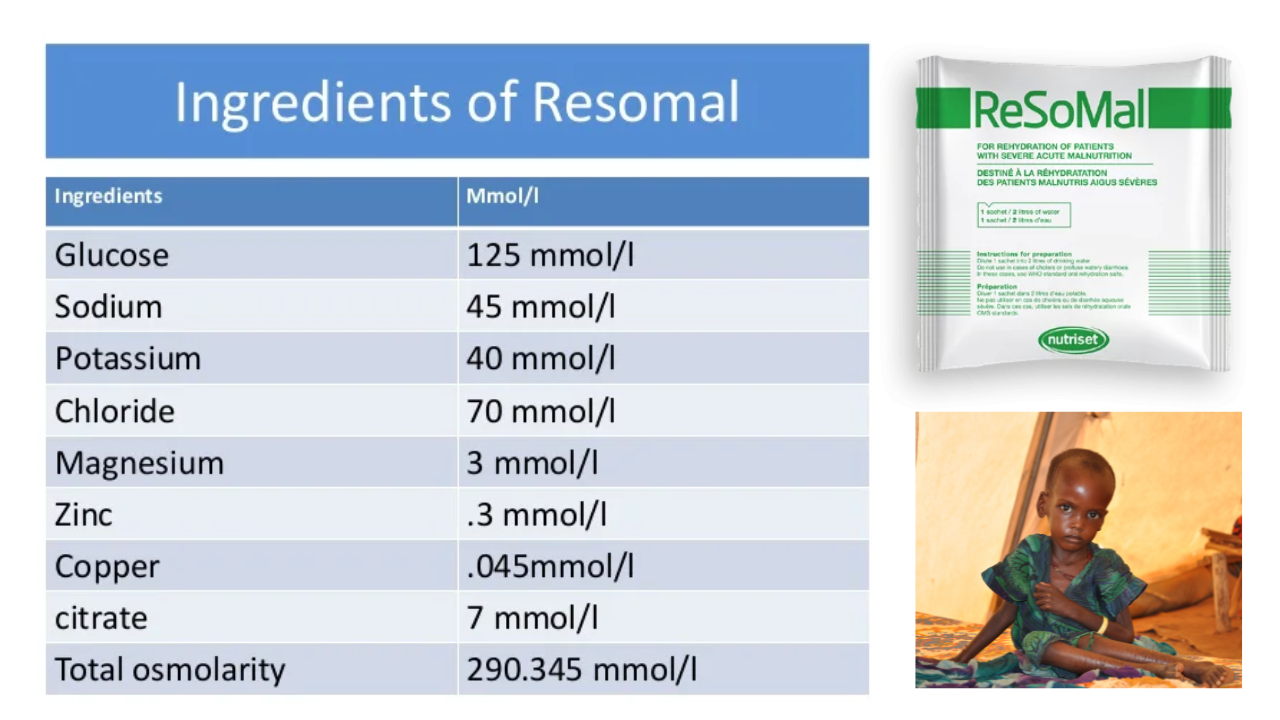
Severe acute malnutrition (SAM) complicates fluid and electrolyte balance, necessitating a specialized rehydration solution. ReSoMal—short for Rehydration Solution for Malnutrition—has lower sodium and higher potassium, plus added minerals like magnesium, zinc, and copper, making it safer for rehydration in SAM cases. It must be administered under medical supervision in therapeutic centers and is not for general use or for children with cholera.

Composition of WHO low osmolarity ORS

ComponentAmount per Liter (g)Concentration (mmol/L)Osmolarity Contribution (mOsm/L)
Sodium chloride2.6 gNa⁺ 75 mmol Cl⁻ 65 mmol75 + 65 = 140
Glucose anhydrous13.5 g75 mmol75
Potassium chloride1.5 gK⁺ 20 mmol Cl⁻ 20 mmol20 + 20 = 40
Trisodium citrate dihydrate2.9 gCitrate³⁻ 10 mmol Na⁺ 30 mmol10 + 30 = 40
Total Osmolarity21.5 g245 mOsm/L

WHO low osmolarity ORS


Step-by-Step Guide: Preparing ReSoMal from Regular WHO ORS

Ingredients Needed (per 2 liters):

  • Boiled & cooled water: 2 liters

  • 1 packet of WHO low-osmolar ORS (approx. 1-liter packet)

  • Sucrose (table sugar): 50 g

  • Concentrated electrolyte/mineral solution: 40 ml (optional; else use potassium chloride stock)


Preparation Instructions:

  1. Mix the Water & ORS Packet
    Dissolve one WHO low-osmolar ORS packet in ~2 liters of clean, cooled water.

  2. Add Sugar
    Stir in 50 g of sucrose (about 2 heaped tablespoons) to increase energy and glucose content.

  3. Add Mineral Solution (if available)

    • Ideally, add 40 ml of electrolyte/mineral solution—it contains potassium, magnesium, zinc, copper, and other trace minerals.

    • If unavailable, substitute with 45 ml of potassium chloride (KCl) stock—prepared by dissolving 100 g KCl in 1 liter of water.

  4. Administer with Caution

    • ReSoMal contains approximately 45 mmol sodium, 40 mmol potassium, and 3 mmol magnesium per liter.

    • Follow medical protocols: typical administration is around 5–10 ml per kg per hour, depending on the child’s condition.

    • Monitor closely for signs of overhydration—rapid weight gain, elevated respiratory or pulse rates, or peripheral edema—and pause treatment if they appear.


Why not use regular ORS?

  • Standard ORS has higher sodium and insufficient potassium for SAM, potentially risking fluid overload and undercorrected hypokalemia.

  • ReSoMal is tailored to reduce these risks—but it may still cause hyponatremia, so careful monitoring is essential.

  • It’s contraindicated in cases of cholera or profuse watery diarrhea, where standard WHO ORS is recommended instead.


Composition of ReSoMal (WHO formulation for severe malnutrition)

Component Amount per Liter (g) Concentration (mmol/L) Osmolarity Contribution (mOsm/L)
Sodium chloride 1.5 g Na⁺ 45 mmol Cl⁻ 37 mmol 45 + 37 = 82
Glucose anhydrous 25 g 139 mmol 139
Potassium chloride 3.5 g K⁺ 40 mmol Cl⁻ 40 mmol 40 + 40 = 80
Magnesium chloride 0.3 g Mg²⁺ 3 mmol Cl⁻ 6 mmol 3 + 6 = 9
Zinc acetate 0.03 g Zn²⁺ 0.3 mmol 0.3
Copper sulphate 0.003 g Cu²⁺ 0.05 mmol 0.05
Trisodium citrate dihydrate 0.6 g Citrate³⁻ 7 mmol Na⁺ 21 mmol 7 + 21 = 28
Total Osmolarity 300 mOsm/L

WHO recommended ReSoMal

Summary Table

ItemDetails
PurposeRehydration for children with severe acute malnutrition (SAM)
Base IngredientsWHO ORS packet, water, sugar, optional electrolyte solution
Substitution OptionUse KCl stock if mineral blend isn’t available
AdministrationSlow and monitored—5-10 ml/kg/hour or as per protocol
Key WarningsNot for cholera; risk of overhydration and hyponatremia

Summary and Conclusion

ReSoMal is a life-saving adaptation of ORS for malnourished children—but it’s delicate medicine. Always follow WHO protocols and local medical guidelines, and never administer without proper training and monitoring.

Erbs palsy possible MCQ and answer explained

Erbs palsy possible MCQ and answer explained

The image provided shows a newborn child with a characteristic position of the right upper limb. 

The arm appears to be adducted and internally rotated at the shoulder, with the forearm extended and pronated. This posture is suggestive of a birth-related brachial plexus injury.

Considering the typical clinical presentations of the options provided:

Klumpke’s paralysis: 

This affects the lower roots of the brachial plexus (C8-T1), leading to weakness or paralysis of the forearm and hand muscles, often presenting with a claw hand deformity. It doesn’t match the position seen in the image.

Erb’s palsy: 

This is an injury to the upper roots of the brachial plexus (C5-C6, and sometimes C7), which typically presents with the arm hanging by the side and rotated medially, with the forearm extended and pronated – a position known as “waiter’s tip.” 
This condition closely matches the posture seen in the image.

Long thoracic nerve palsy: 

This would primarily affect the serratus anterior muscle, leading to “winged scapula” but wouldn’t cause the arm positioning depicted in the image.

Thoracic outlet syndrome: 

This is highly unlikely in a newborn, as it generally results from compression of the brachial plexus or subclavian vessels in the area between the base of the neck and the armpit, seen in older patients.

Given the posture of the arm and the typical presentation of these conditions, Erb’s palsy

(B) is the most likely diagnosis. 

This condition is commonly associated with birth trauma, particularly in deliveries involving shoulder dystocia

Conn Disease vs Primary Adrenal Insufficiency Explained

Cushing Syndrome (Excess Cortisol)

Understanding Hormonal Disorders and Electrolyte Imbalances

Certain endocrine disorders can significantly alter the balance of sodium (Na⁺) and potassium (K⁺) in the body, leading to characteristic clinical presentations. Here, we examine three important conditions—Conn’s disease, Addison’s disease, and Cushing syndrome—and their effects on electrolyte regulation.

Q. Which of the following conditions is most likely to present with increased sodium (↑ Na⁺) and decreased potassium (↓ K⁺)?

a) Addison’s disease

b) Conn’s disease

c) Cushing syndrome

d) All of the aboveConn’s Disease (Primary Hyperaldosteronism)

Conn’s disease is caused by excessive secretion of aldosterone, a hormone that promotes sodium reabsorption and potassium excretion in the kidneys. This hormonal excess leads to:

  • ↑ Na⁺ (hypernatremia) due to sodium retention

  • ↓ K⁺ (hypokalemia) due to increased potassium loss

  • Resulting clinical features: hypertension and muscle weakness from hypokalemia

Because both increased sodium and decreased potassium occur, Conn’s disease perfectly fits the profile for this electrolyte change.

conn disease

Addison’s Disease (Primary Adrenal Insufficiency)

Addison’s disease is characterized by insufficient production of both aldosterone and cortisol. This deficiency results in:

  • ↓ Na⁺ (hyponatremia) due to reduced sodium reabsorption

  • ↑ K⁺ (hyperkalemia) due to impaired potassium excretion

  • Associated symptoms: low blood pressure, fatigue, and skin hyperpigmentation

Since sodium is low and potassium is high, Addison’s disease does not match the criteria for increased Na⁺ and decreased K⁺.

adrenal insufficiency

Cushing Syndrome (Excess Cortisol)

Cushing syndrome is caused by prolonged exposure to elevated cortisol levels. While cortisol primarily affects glucose metabolism, it can have mineralocorticoid-like effects in certain situations, leading to:

  • Mild sodium retention

  • Hypertension

  • Potassium levels typically remain normal, unless there is marked mineralocorticoid activity (as seen in ectopic ACTH production)

Cushing Syndrome (Excess Cortisol)

Thus, Cushing syndrome generally does not cause the significant hypokalemia seen in Conn’s disease.


Summary: Who Fits the Criteria?

The combination of increased sodium (↑ Na⁺) and decreased potassium (↓ K⁺) is a hallmark of Conn’s disease. Addison’s disease produces the opposite electrolyte pattern, and Cushing syndrome rarely causes a significant drop in potassium unless in special cases.

Correct answer: b) Conn’s disease

Condition Hormone Change Sodium (Na⁺) Potassium (K⁺) Blood Pressure Key Notes
Conn’s Disease (Primary Hyperaldosteronism) ↑ Aldosterone ↑ (Retention) ↓ (Excretion) ↑ (Hypertension) Classic ↑ Na⁺ + ↓ K⁺ pattern
Addison’s Disease (Primary Adrenal Insufficiency) ↓ Aldosterone & ↓ Cortisol ↓ (Loss) ↑ (Retention) ↓ (Hypotension) Opposite pattern to Conn’s
Cushing Syndrome (Excess Cortisol) ↑ Cortisol ↑ (Mild retention) Usually Normal (↓ only if excess mineralocorticoid effect) ↑ (Hypertension) Hypokalemia uncommon unless ectopic ACTH
Exit mobile version