Table of Contents
Introduction
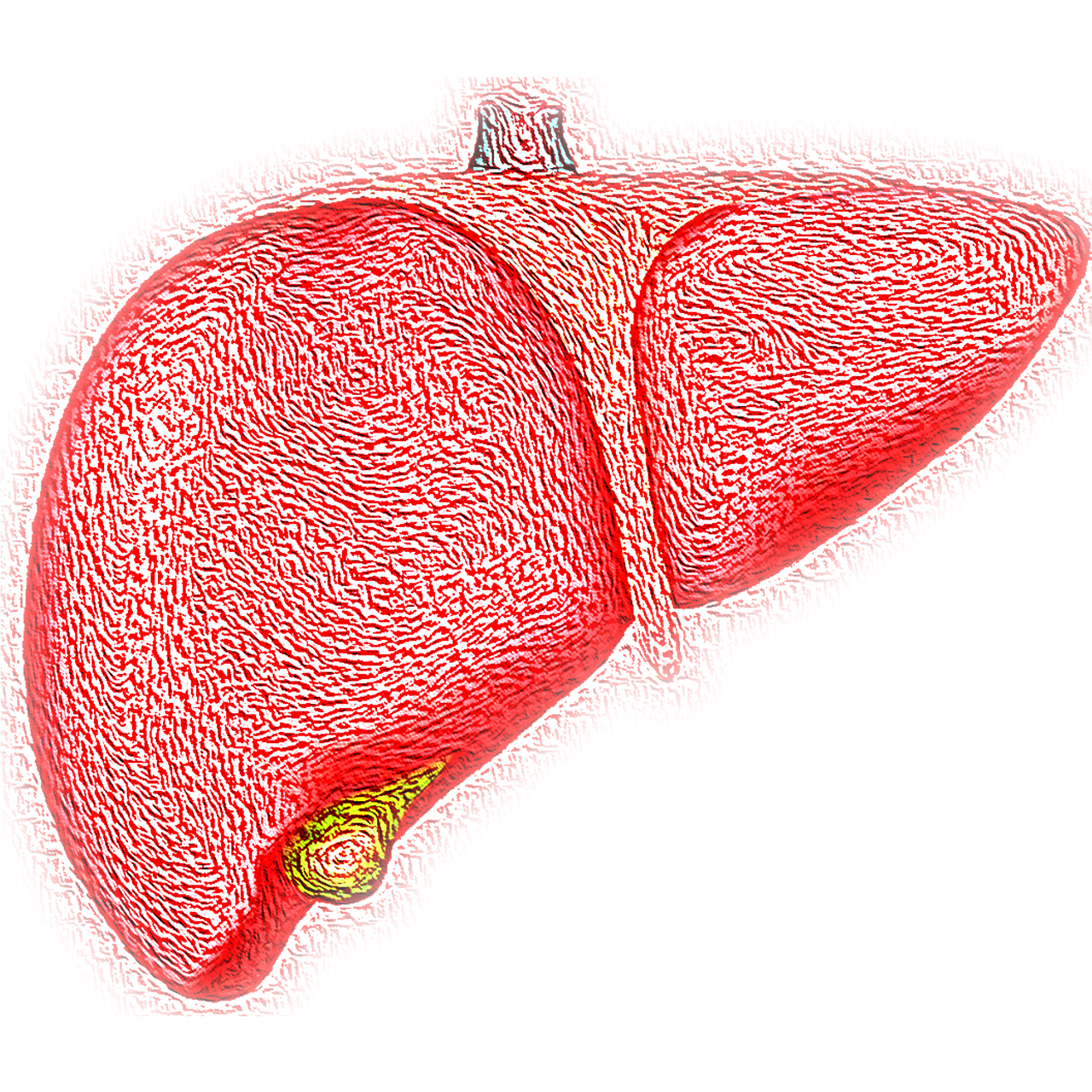
Viral hepatitis in children is a primary inflammation of the liver caused by at least five specific hepatotropic viruses (A, B, C, D, and E). While often milder in pediatric patients than in adults, it can progress to acute liver failure or chronic liver disease, particularly with types B and C.
I. Classification and Etiological Profile of Primary Viral Hepatitis
The five main viruses are distinguished by their genomic structure and mode of transmission:
- Hepatitis A Virus (HAV): An RNA virus identical to enteroviruses; transmitted primarily via the feco-oral route through contaminated food or water. It never causes chronic infection.
- Hepatitis B Virus (HBV): A DNA virus (Dane particle) transmitted parenterally, sexually, or vertically (perinatal). It is the most common cause of acute and chronic hepatitis worldwide.
- Hepatitis C Virus (HCV): An RNA virus primarily transmitted via percutaneous blood exposure (IV drug use, transfusions before 1991) and vertically (5-6% risk).
- Hepatitis D Virus (HDV): A defective RNA virus that requires co-infection or superinfection with HBV to replicate, as it uses the HBV lipoprotein envelope.
- Hepatitis E Virus (HEV): An RNA virus transmitted enterally (water-borne), similar to HAV; it is a major cause of high mortality in pregnant women.
II. High-Yield Incubation Periods and Transmission Routes
| Virus | Incubation Period | Main Route of Transmission |
|---|---|---|
| HAV | 28–42 days | Feco-oral (“The vowels go through the bowels”) |
| HBV | 60–150 days | Parenteral, Sexual, Vertical (Perinatal) |
| HCV | 30–60 days | Parenteral (Blood exposure), Vertical |
| HDV | 60–80 days | Parenteral (Requires HBV co-infection) |
| HEV | 25–60 days | Feco-oral (Often water-borne epidemics) |
Exam Point: “The Window Period” In HBV infection, the “window period” occurs when HBsAg has disappeared but Anti-HBs has not yet appeared. During this time, Anti-HBc IgM is the only marker of acute infection.
III. Detailed Clinical Presentation and Extrahepatic Features
Symptoms in children are often non-specific and vary by age:
- Prodromal Phase: Fever, malaise, anorexia, nausea, vomiting, and right upper quadrant abdominal pain.
- Icteric Phase: Subside of fever and anorexia, followed by jaundice (1–3 days after prodrome), dark urine, and pale stools.
- Physical Findings: Tender hepatomegaly is common; splenomegaly occurs in 30% of cases.
- HBV Extrahepatic Manifestations: High-yield exam points include serum sickness-like syndrome, polyarteritis nodosa (PAN), and membranous glomerulonephritis.
- Chronic Hepatitis: Defined as continuing inflammation for \(\ge\)3–6 months; markers include persistently raised transaminases.
IV. Interpretation of Serological Markers (Crucial for MD Exams)
Diagnostic confirmation relies heavily on serology:
- HAV: Diagnosis by Anti-HAV IgM (acute); Anti-HAV IgG indicates past infection and lifelong immunity.
- HBV Complex Serology:
- HBsAg: Indicates current infection (acute or chronic).
- Anti-HBs: Indicates immunity (either via vaccine or recovered infection).
- Anti-HBc IgM: Indicates acute/recent infection (useful in the window period).
- Anti-HBc IgG: Indicates past or chronic infection.
- HBeAg: Correlates with high viral replication and high infectivity.
- Anti-HBe: Indicates lower infectivity.
- HCV: Screen with Anti-HCV; confirm with HCV RNA PCR (detectable 1–2 weeks post-exposure).
V. Management and Pediatric Treatment Protocols
Treatment is primarily supportive for acute cases, but chronic cases require targeted therapy:
- Supportive Care: Bed rest during jaundice, high carbohydrate diet, and avoidance of fats and hepatotoxic drugs (e.g., paracetamol, chlorpromazine).
- Chronic HBV: Preferred treatments include Entecavir (\(\ge\)2 years) or Tenofovir (\(\ge\)12 years). Interferon-alfa is also an option for children 1–18 years.
- Chronic HCV: Revolutionized by Direct-Acting Antivirals (DAAs). Recommended for all children \(\ge\)3 years. Regimens like Sofosbuvir/Ledipasvir (Harvoni) or Glecaprevir/Pibrentasvir (Mavyret) are highly effective.
- Fulminant Hepatitis: Requires ICU admission, management of cerebral edema (Mannitol), and evaluation for liver transplantation.
VI. Prevention and Post-Exposure Prophylaxis (PEP)
- Hepatitis A Vaccine: Two-dose series starting at 12 months.
- Hepatitis B Vaccine: Routine three-dose series at birth, 1–2 months, and 6 months.
- Perinatal HBV PEP: If a mother is HBsAg-positive, the neonate must receive HBIG (0.5 mL) and the first HBV vaccine dose within 12 hours of birth at separate sites.
- Hygiene: Improving water supply and personal hygiene is the mainstay for preventing enteral (A and E) types.
High-Yield Laboratory “Rule of Thumb”: In acute viral hepatitis, ALT is typically > AST. If AST is twice as high as ALT, consider other etiologies like alcoholic hepatitis or hemolysis. Very high levels (>1000 U/L) are characteristic of acute viral or toxic injury.