Table of Contents
Malnutrition: Complications, Assessment, and Prevention
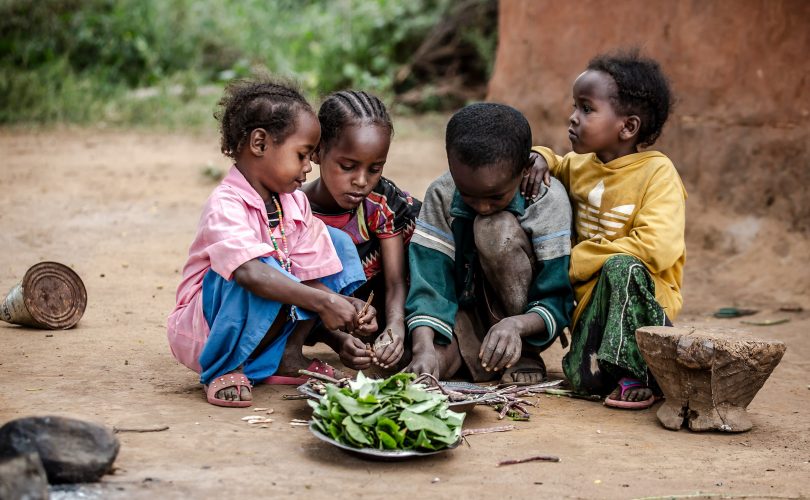
Malnutrition is a serious public health concern affecting individuals of all ages, particularly children in low-resource settings. It can lead to both acute and chronic complications, impacting survival, growth, and overall health.

Acute Complications of Malnutrition
A helpful mnemonic for remembering the main acute complications is “Shieldeded”:
- Sugar deficiency / Hypoglycemia – Low blood sugar levels can lead to lethargy, seizures, and even coma.
- Hypothermia – Impaired thermoregulation increases vulnerability to cold stress.
- Infection – Reduced immunity predisposes to frequent and severe infections.
- Electrolyte disorder – Commonly includes imbalances in sodium, potassium, and magnesium.
- Dehydration – Often due to diarrhea or inadequate fluid intake.
- Deficiency of vitamins and minerals – Leads to a range of specific deficiency syndromes (e.g., anemia, rickets, night blindness).
Next we will discuss 10 essential steps in the management of malnutrition (Severe Acute Malnutrition – SAM) based on standard WHO guidelines.
Management of Malnutrition (SAM) – 10 Steps
| Step | Management | Key Actions | Timeline |
|---|---|---|---|
| 1 | Treat/Prevent Hypoglycemia | Give glucose immediately, start frequent feeds | Immediately (within first hours) |
| 2 | Treat/Prevent Hypothermia | Keep child warm, kangaroo care | Immediately & ongoing (first 24 hrs) |
| 3 | Treat/Prevent Dehydration | Use ReSoMal, careful rehydration | First 24 hours |
| 4 | Correct Electrolyte Imbalance | Give potassium, magnesium, restrict sodium | First 1–2 days |
| 5 | Treat Infections | Start broad-spectrum antibiotics | Immediately (Day 1) |
| 6 | Correct Micronutrient Deficiencies | Vitamin A, zinc, folate (avoid iron initially) | Day 1 onward |
| 7 | Start Cautious Feeding | Begin F-75 diet (stabilization phase) | First 2–7 days |
| 8 | Achieve Catch-up Growth | Switch to F-100 or RUTF | After stabilization (Day 7+) |
| 9 | Provide Sensory Stimulation | Play therapy, emotional care | Throughout treatment |
| 10 | Prepare for Follow-up | Nutrition education, immunization, monitoring | Before discharge & after recovery |
Chronic Complications of Malnutrition
Untreated or prolonged malnutrition can result in chronic health problems:
- Pseudotumour cerebri – Raised intracranial pressure without a brain tumor, causing headaches and visual disturbances.
- Nutritional recovery syndrome / Refeeding syndrome – Metabolic complications following rapid nutritional rehabilitation.
- Khan syndrome / Encephalitis-like syndrome – Neurological presentation resembling brain infection.
Nutritional Assessment
A complete nutritional assessment includes:
- Anthropometry – Measurement of weight, height, mid-upper arm circumference (MUAC), and growth charts.
- Biochemical markers – Blood tests to assess nutrient levels and detect deficiencies.
- Clinical evaluation – Physical examination for signs of malnutrition.
- Dietary evaluation – Analysis of food intake patterns and adequacy.
- Epidemiological assessment – Community-based data to identify at-risk populations.
Prevention of Malnutrition: GOBIFFF Strategy
The GOBIFFF approach is widely promoted for prevention:
- G – Growth monitoring
- O – Oral rehydration solution (ORS) use
- B – Breastfeeding promotion
- I – Immunization coverage
- F – Family planning
- F – Female education
- F – Feeding improvement (appropriate complementary feeding)
Follow-up in Malnutrition
Monitoring recovery is crucial for preventing relapse:
- Initial follow-up: At 2 weeks, 1 month, and 3 months after starting treatment.
- Long-term follow-up: Every 3 months thereafter until the Z-score is greater than –1.
Assessment of Physical Growth Schedule
- Monthly for children under 1 year
- Every 2 months for ages 1–2 years
- Every 3 months for ages 3–5 years
Conclusion
Malnutrition remains preventable through early detection, community education, and targeted interventions. A combination of clinical vigilance and public health measures can ensure healthier growth and development in children worldwide.